[작성자:] tabhgh

  • Understanding Korean Work Culture: A Foreigner’s Guide

    Understanding Korean Work Culture: A Foreigner’s Guide

    Understanding Korean Work Culture: A Foreigner’s Guide

    Understanding Korean Work Culture: A Foreigner’s Guide

    When I first landed a role in Seoul, I learned quickly that Korea’s rhythm is its own—fast, structured, warm, and deeply nuanced. If you are preparing to work here in 2025, allow me to share what I have seen up close, what tripped me up, and what ultimately helped me thrive. I will be as practical as possible, with tactics you can use on Monday morning. I hope this serves you well.

    Hierarchy and titles decoded

    Job titles over names

    On day two at my first Korean company, I greeted a senior colleague with “Hi, Jiyoon!” Everyone froze. In most offices, you should use title + family name—Manager Kim, Director Park, VP Choi—or in Korean style, Kim Manager. First names are generally reserved for peers you know very well. This is not stiffness; it is a safety rail for smooth coordination in a dense hierarchy.

    • Typical ladder: Staff > Assistant Manager > Manager > Senior Manager > Director > Executive Director > VP > EVP > C-level. Titles do not always match global equivalents, so when in doubt, go formal.
    • In email subject lines, you may see brackets like [FYI], [Urgent], [Request]. Keep those; they are part of the shared workflow grammar.
    • In meetings, seating often follows seniority, with the senior person facing the door. If unsure, wait and let someone guide you. You will earn points for being considerate.

    Honorifics in English emails

    Even when writing in English, I keep a respectful tone. Short, clear, deferential.

    • Opening: “Dear Director Park, I would like to share a brief update on the Q3 plan.”
    • Softening phrases: “If you agree, may I propose…,” “At your convenience,” “I may be mistaken, but my understanding is…”
    • Closing: “Thank you for your guidance.” It never hurts!

    A small touch that helped me: I mirror the level of formality of the most senior recipient. If the VP is concise, I am concise; if they write complete sentences, so do I.

    Nunchi as a workplace skill

    Nunchi—reading the room—is not a buzzword. It is an operating system. I learned to scan for three signals:

    1. Pace: Are people speaking fast and short? Then be crisp.
    2. Agreement hums: Silence can mean agreement, discomfort, or “we will discuss offline.” Ask, “Would you prefer that I draft options for your review?”
    3. Who speaks after whom: If senior leaders weigh in, juniors may quiet down. Invite them with, “Shall we hear the analyst’s view as well?”

    I track micro-yeses—nods, “right,” “okay”—and stop when they stop. It sounds obvious, but it changed my life here.

    How decisions are made

    Many teams aim for alignment before decisions travel upward. You may not see loud debates; the work often happens in pre-meetings, 1:1s, and drafts. I schedule short pre-reads 24 hours ahead, collect comments, and enter the meeting with a “consensus-ready” deck. It feels slow, but once the decision is made, execution is fast—ppalli-ppalli indeed.

    Time, hours, and after hours

    The 52 hour rule in practice

    By law, the standard workweek is 40 hours with up to 12 hours of overtime, capped at 52. In reality, crunch cycles happen. I keep three guardrails:

    • I log hours transparently in the time system; many companies require electronic approvals for overtime.
    • I ask in advance: “If overtime is needed, may I clarify compensation or time off in lieu?”
    • I avoid sending late-night emails to juniors unless urgent. If I must, I add, “No action needed tonight.”

    This protects your team and you. It also signals professionalism, not reluctance.

    Meetings and punctuality norms

    Korean meetings start on the dot and often end when the decision lands, not necessarily at the scheduled end. I learned to:

    • Arrive five minutes early.
    • Bring a one-page brief with numbers front and center—budget, timeline, owners.
    • State the ask in the first 60 seconds. “Decision needed on vendor A vs B. My recommendation is A based on 12% lower TCO and faster SLA.”

    Your clarity will be read as respect.

    Hoesik then and now

    Company dinners—hoesik—have changed a lot. The old marathon nights are less common, and many teams now do one or two rounds, finish by 9 or 10, and offer non-alcoholic options. Still, the first hoesik matters for trust.

    My playbook:

    • Pace yourself. You may be offered soju, beer, or makgeolli. If you do not drink, say kindly, “I do not drink alcohol for health reasons, but I am happy to join.” Most colleagues will accept this graciously.
    • Pour with two hands for seniors. Receive with two hands. Small gestures go a long way.
    • Share something personal yet light: “I tried naengmyeon last weekend; any recommendations?” Relationships build faster than emails can.

    Vacations and public holidays

    Korea offers paid annual leave plus public holidays with substitute days when holidays fall on weekends. Many professionals still hesitate to take long stretches of PTO. I propose and plan early:

    • “I would like to take five days in August. May I propose handover notes two weeks prior and daily backups assigned?”
    • Keep your calendar updated and your messenger status set to “away.” This reduces accidental pings and wins trust.

    Use your leave. You will return sharper, and your team will learn redundancy—a real operational gift.

    Communication and conflict

    Indirect no and risk management

    You may hear, “It might be difficult,” or “Let us review once more.” Often this is a soft no. I learned to translate and respond:

    • “I hear the concern. Would A, B, or C be more acceptable?”
    • “If the risk is timeline, may I suggest a pilot limited to 10% of users?”

    Framing alternatives allows seniors to protect the team while still saying yes to progress. Everyone saves face, and the work moves forward—magic.

    Feedback that lands

    Public criticism stings in any culture; in Korea it can fracture trust. I share feedback like this:

    • Private first. “May I share an observation from today’s client call?”
    • Data + empathy. “We missed the SLA by 6 minutes; I know it is a tough window. Shall we try a checklist or backup owner for the next two weeks?”
    • Credit loudly, correct quietly. Your reputation will compound.

    Presenting with numbers

    Bring numbers. Better yet, put them on page one.

    • KPI headers: conversion rate, NPS, MAU/DAU, retention D30, cost per acquisition, defect rate (ppm), SLA compliance, average handling time, utilization rate.
    • Use a simple red amber green to show status. No need to be fancy; be legible.
    • Benchmark lightly. “Startup A reports 22% MoM; we are at 17%. Gap is 5 points; we expect to close via channel mix shift.”

    When I make my recommendation with quantified trade-offs, meetings end faster. Yes, really!

    Bilingual dynamics

    Even in Korean firms, English appears in slides, tools, and occasional meetings—especially with global partners. I keep a bilingual glossary on page two: terms like settlement, invoice, AR aging, scope creep, rollout, escalation, contingency. I also sprinkle simple Korean where helpful: jamkkanman-yo for “one moment please,” gamsahamnida for “thank you,” and joesonghamnida for “my apologies.” You will sound considerate without overreaching.

    Operations and tools you will actually use

    Groupware and approvals

    Most companies run on groupware with e-approvals, known as gyeolje. You draft, route to your manager, then to finance or legal. Stamps and seals—dojang—still matter for certain documents. Plan a 24–72 hour buffer for approvals and build that into your Gantt chart. I learned to “pre-brief” approvers with a one-paragraph summary and a cost figure. Approvals sped up by half. No exaggeration.

    Messaging and channels

    KakaoTalk dominates daily life, and many teams still use it for work chats. Compliance-minded firms prefer Slack, Microsoft Teams, or Naver Works. My rule:

    • Project matters live in the official channel; socials can sit in KakaoTalk.
    • If a decision is made in chat, I document it in the task tracker within the hour. Institutional memory beats memory.

    Cards and room etiquette

    Business cards are not dead. Offer and receive with two hands, take a second to read the card, and place it on the table rather than pocketing it immediately. In conference rooms, I sit after the most senior person sits and let them open. If I am leading, I open simply: “Thank you for your time. Objective today is X. Decision needed is Y.”

    Small? Yes. Effective? Absolutely.

    Remote work and desk norms

    Hybrid policies vary. Large firms often expect 3–5 days on-site; startups can be more flexible, but not always. Desks are tidy, personal items modest. Headphones are fine; loud calls are not. I book phone booths for vendor calls and mark my calendar with precise blocks—this protects deep work and signals respect for others’ time.

    Pay, perks, and paperwork that matter

    Contracts and the big four insurances

    Your contract usually lists base salary, bonus eligibility, working hours, and overtime rules. Korea’s “4 major insurances” are standard:

    • National Pension: employee and employer typically contribute roughly 4.5% each.
    • National Health Insurance plus long-term care add a few percentage points for employees; employers match. Rates vary by year.
    • Employment Insurance: a small employee share; employers also contribute.
    • Workers’ Compensation: employer paid.

    Severance pay is common—at least 30 days of average wages per year of service if you work one year or more. I confirm the calculation method up front; no awkward surprises later.

    Bonuses and reviews

    You may see a performance bonus, a biannual bonus, or a holiday bonus around Seollal and Chuseok, depending on the company. Performance reviews mix goals with behavioral competencies—ownership, collaboration, client orientation. I set quantifiable targets in Q1:

    • “Reduce churn from 8.2% to below 6.0%.”
    • “Cut defect rate to under 150 ppm.”
    • “Deliver DSO under 45 days.”

    Clear targets reduce debate later.

    Visas and the Residence Card

    If you are not a citizen or permanent resident, please allow time for immigration admin. Many foreign professionals work on E-7 visas; English teachers often hold E-2; founders may use D-8; long-term residents might obtain F-2 or F-5. Once you arrive, register for your Residence Card within the required timeframe and update your address promptly. HR will usually guide you, but you are responsible. Keep digital scans of everything.

    Startups and chaebol differences

    • Chaebol affiliates: deep process, strong benefits, more layers. Decisions can be methodical, but execution resources are real.
    • Startups and scale-ups: faster cycles, broader roles, sometimes fewer formalities on leave and hours, but expect spikes in intensity around launches.
    • Compensation mix differs: more cash and allowances in large firms; more stock options in startups. I ask for a vesting schedule, exercise rules, and treatment on termination—non-negotiable for clarity.

    How to thrive as a foreign professional

    A 30 day acclimation plan

    This is the plan I wish I had.

    • Week 1: Learn names and titles, map the org, observe meeting cadence, set shared definitions for KPIs.
    • Week 2: Shadow decision routes, document the approval chain, list must-have data sources.
    • Week 3: Ship a small win. A dashboard, a one-pager, or an automation that saves 30 minutes a week.
    • Week 4: Host a light lunch-and-learn, share what you have learned, and ask for feedback. Humility opens doors.

    Scripts for yes and no

    • Strong yes: “I would be glad to take ownership. May I confirm deadline EOD Friday and success metric X?”
    • Conditional yes: “Happy to proceed. To ensure quality, may I request an additional reviewer from QA?”
    • Polite no with alternative: “Given current commitments, meeting Friday may be difficult. Would Monday 10 am work, or shall I send a written brief today?”

    These small turns of phrase reduce friction and increase trust—consistently.

    Building allies and mentors

    Find a sunbae—a senior colleague—outside your direct chain. Ask for 20 minutes monthly. Bring questions like, “How do budget approvals really move?” or “What is one unspoken rule I should know?” I give back by sharing external benchmarks and templates. Reciprocity matters.

    Red flags and when to leave

    Watch for patterns: unpaid overtime without compensation, chronic public shaming, safety corners cut, leave routinely denied, or contracts not honored. I raise concerns once, document, and try to fix. If nothing changes, I plan an exit respectfully. Your professional dignity is not negotiable, and moving on can be the healthiest choice.

    Practical micro habits that saved me

    Meeting hygiene

    • Agenda sent 24 hours ahead with one clear decision.
    • First slide = recommendation + data table.
    • End with owner and deadline. If there is no owner, there is no decision—say it out loud.

    Documentation and version control

    • Centralize docs. Korea loves neatly organized folders; use clear names: 2025-03_Product_Roadmap_v2.
    • Summarize discussions in writing within the day. One paragraph now saves ten back-and-forths later.

    Cultural curiosity without overstepping

    • Learn five workplace Korean phrases a week. Not performative—practical.
    • Join one light social per month, opt out with notice when needed.
    • Observe first, adjust next, suggest last. Order matters more than we think.

    Boundaries with kindness

    • Do not ghost after-hours messages; acknowledge and set timing. “Received—will revert by 10 am.”
    • Protect recharge time. “I will be offline tonight; urgent matters may reach me by call.”
    • Say thank you often. Gratitude compounds.

    Working in Korea stretched me, sharpened me, and surprised me—again and again. The structure can look strict at first glance, but inside it, I found people who care deeply about doing things well and doing them together. If you carry respect in your tone, clarity in your plans, and warmth in your everyday interactions, you will do well here. And yes, you will probably learn to love kimchi at breakfast along the way. Would you mind if I cheer you on from here? Go make it yours.
  • Must-Read Korean Webtoons with English Translations

    Must-Read Korean Webtoons with English Translations

    Must-Read Korean Webtoons with English Translations

    Must-Read Korean Webtoons with English Translations

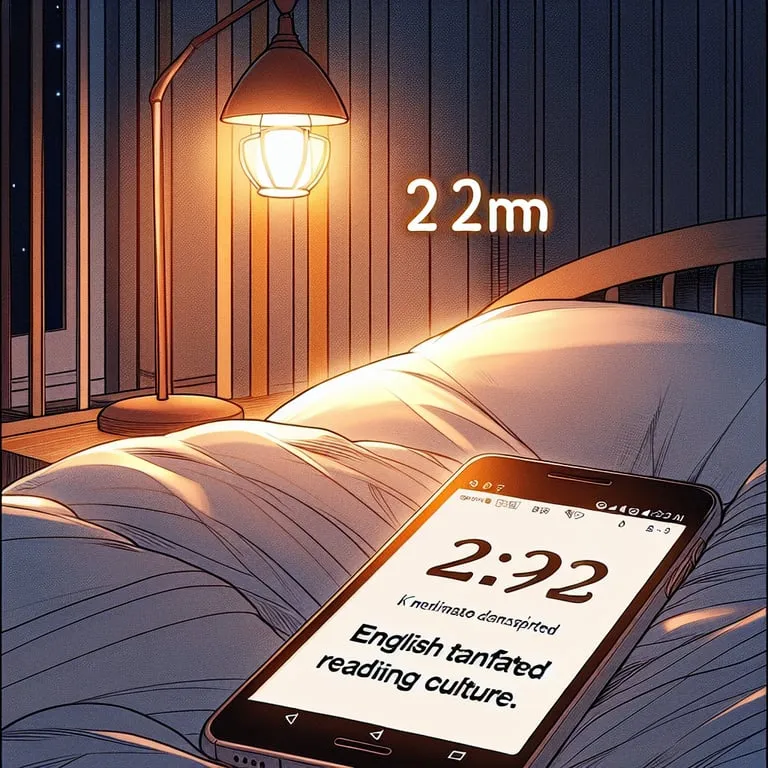
    If you have ever fallen deep into a series at 2 a.m. and promised yourself “just one more episode,” then you and I are already on the same page. I spend a frankly impractical amount of time reading Korean webtoons on my commute and before bed, and in 2025, the English options are richer than ever. I would like to take you through the must-reads I regularly recommend, how I navigate platforms and pricing, and a few practical tips I learned the hard way. My goal is simple: I hope you will find a story you cannot put down—and also a sustainable way to read it without wrecking your sleep schedule or your budget.

    Getting Started with Korean Webtoons in English

    Where to read legally in 2025

    I would kindly recommend you stick to official platforms. The reading experience is cleaner, creators are paid, and the translations are quality-checked.

    • WEBTOON: The largest library of Korean originals in English, including tentpole titles like Tower of God, Noblesse, Sweet Home, Lookism, True Beauty, and more. Monetization mixes free episodes, Fast Pass, and Daily Pass.
    • Tapas: Strong catalog for action and fantasy such as Solo Leveling, as well as romance and isekai. Uses Ink as its currency.
    • Tappytoon: Excellent for romance, fantasy, and the villainess subgenre, with polished localization. Uses points and often runs unlock events.
    • Lezhin Comics: Mature catalog, BL and thriller standouts like Painter of the Night and Killing Stalking. Coin-based, with strict age gating.
    • Manta: Subscription model for a broad romance and fantasy library such as Under the Oak Tree and Semantic Error. Unlimited reading while subscribed.
    • Yen Press and Seven Seas: For those who prefer print or e-books, many popular series have official English volumes compiled from the webtoon’s seasons.

    Regional availability varies due to licensing. If you travel, some series can disappear from your library temporarily due to IP geofencing. I keep one backup platform installed just in case.

    How translations are scheduled and updated

    • Simulpub: The English episode publishes within hours or days of the Korean release. You will see this on blockbuster titles, but a delay of one to two weeks is still common.
    • Season breaks: Creators often publish in seasons, then pause for a scheduled hiatus to rebuild buffers and protect health. A hiatus is not a cancellation. I track these breaks so I do not burn through a season too fast and then stew for weeks. Hard lesson learned!

    The English release may split long Korean episodes into two or three parts. Please do not panic if the numbering looks off compared to fan discussions; different platforms chunk episodes differently.

    Pricing models and how I budget

    • WEBTOON Wait-For-Free and Daily Pass: If a series offers wait-unlocks, I line up three or four long-runners and rotate daily. It keeps the queue moving at no cost.
    • Microtransactions for finales: When I am within ten episodes of the end, I happily use coins or ink to finish. Most episodes run the equivalent of well under a dollar each. Buying coins during promotions reduces cost per episode by 20–40%.
    • Subscription for binging: When I am in a romance or BL mood, I subscribe to Manta for a month, binge my list, then pause. Clean, predictable spending.

    If you are sensitive to cliffhangers, you might want to stockpile unlocked episodes and binge a full arc. I learned that the hard way with The Boxer—the wait between arcs was agonizing.

    Content ratings and trigger warnings

    Official platforms label mature content and sometimes provide content notices. I still keep personal notes for triggers like bullying, domestic abuse, stalking, graphic violence, and sexual content. Before recommending titles to friends, I check the tags, the first 10 episodes, and community notes for any red flags. It takes a few minutes and makes a huge difference for a comfortable reading experience.

    Action and Fantasy Essentials I Would Recommend First

    Tower of God

    • Platform: WEBTOON
    • Status: Long-running with 500+ English episodes
    • Why it is essential: Worldbuilding density that rivals epic fantasy, a power system that stays coherent, and character arcs that pay off after dozens of chapters. I started this on a flight and did not sleep. Please pace yourself.
    • Reading tip: The series uses seasons with tonal shifts. If Season One feels like a maze, Season Two expands the horizon in a way that makes earlier details click. Keep a character list; it helps.

    Solo Leveling

    • Platform: Tapas and other official outlets
    • Status: Completed at roughly 180 episodes including extras
    • Why it is essential: It is the modern power fantasy blueprint. Tight pacing, striking SFX and monster design, and a protagonist whose growth curve is addicting to watch. The anime brought many new readers, but the webtoon’s paneling sells the scale better, in my opinion.
    • Reading tip: The mid-series raid arcs are best binged. I saved coins for the last 30 episodes so I could read them in a single weekend—zero regrets.

    Omniscient Reader

    • Platform: WEBTOON
    • Status: Ongoing with 200+ English episodes as of 2025
    • Why it is essential: Meta-narrative done right. If you love stories about readers trapped in their favorite novel, this is the refined, emotionally layered version. The way it handles timelines and author-reader relationships is unexpectedly tender.
    • Reading tip: This is a series where localization matters. The English team does strong work with system terms, keeping them consistent and readable.

    Eleceed

    • Platform: WEBTOON
    • Status: Ongoing with 300+ English episodes
    • Why it is essential: Found family, kinetic combat, and a cat mentor with attitude. It balances warmth and wild superpower battles better than almost any title I know. I recommend it whenever someone says they want action but not relentless grimdark.
    • Reading tip: The training arcs deliver wholesome payoffs. Do not skip the side stories; they deepen the core relationships.

    Noblesse

    • Platform: WEBTOON
    • Status: Completed with hundreds of episodes
    • Why it is essential: A classic that defined the medium’s global wave. Stylish, cool, and surprisingly funny amid the vampire politics. If you want to see where a lot of later series took cues, this is foundational.

    Thriller and Horror That Kept Me Up at Night

    Sweet Home

    • Platform: WEBTOON
    • Status: Completed around the mid-hundreds of episodes
    • Why it is essential: Monster horror that is really about isolation, grief, and choosing to care when it is easier not to. The vertical-scroll pacing produces dread like a slow elevator drop. The adaptation is famous, but the original panels carry a different, colder edge.
    • Reading tip: Turn on dark mode but keep your device brightness up a notch to catch the shadow detail. The art team hides storytelling beats in silhouettes.

    Bastard

    • Platform: WEBTOON
    • Status: Completed under 100 episodes
    • Why it is essential: A near-perfect thriller. Razor-tight plotting, no filler, and a father-son dynamic that is pure terror. I finished it in two nights and recommended it to everyone I know. It sticks the landing—rare in thrillers.
    • Reading tip: Read this with Do Not Disturb on. Every cliffhanger is engineered to make you tap next.

    Shotgun Boy and the Carnby Kim universe

    • Platform: WEBTOON
    • Status: Completed short run
    • Why it is essential: Connected to Sweet Home thematically and in lore, but stands alone as a high school survival story with ugly, honest emotion. If you want an entry point into the authors’ broader universe, this is a lean, mean starting line.
    • Reading tip: There are visual echoes across the related series. Noticing them is half the fun.

    The Boxer

    • Platform: WEBTOON
    • Status: Completed with over 150 episodes
    • Why it is essential: Sports in label, psychological thriller in soul. The art pushes the vertical format to extremes—long, breathless panels that feel like a jab you did not see coming. I cannot overstate how cold and clinical some arcs feel in the best way.
    • Reading tip: I saved the last arc for a Saturday morning with coffee. Please do not read the final episodes half-asleep; they deserve your full attention.

    Slice of Life and Romance with Real Heart

    True Beauty

    • Platform: WEBTOON
    • Status: Long-running with hundreds of episodes and special chapters
    • Why it is essential: Social media age, self-image, and a sincere coming-of-age tone. It is glossy and dramatic, yes, but also honest about the cost of trying to be someone else. I read this between heavier series as my palate cleanser.
    • Reading tip: The extras and author notes are delightful. They deepen the community vibe.

    The Remarried Empress

    • Platform: WEBTOON
    • Status: Completed or near completion in English depending on your region
    • Why it is essential: Court politics with razor dialogue, slow-burn romance, and satisfying character accountability. The payoff arcs for respect and agency are cathartic. If you enjoy palace intrigue, this is top shelf.
    • Reading tip: Pace yourself in the early court drama. The emotional dividends compound.

    Marry My Husband

    • Platform: WEBTOON
    • Status: Completed in English
    • Why it is essential: Time-reset revenge romance with clean cause-and-effect plotting. I went in for the premise and stayed for the protagonist’s methodical growth and supportive friendships. The adaptation buzz is real, but the comic’s rhythm is tighter.
    • Reading tip: Great entry for readers who want a shorter commitment than the mega-epics.

    Painter of the Night

    • Platform: Lezhin Comics
    • Status: Ongoing in seasons with mature rating 18+
    • Why it is essential: Visually sumptuous, emotionally thorny BL set in historical Korea. The localization team handles period dialogue with care. Complex consent and power dynamics are central; it is not a light read, but it is crafted with intent.
    • Reading tip: Please check content warnings beforehand. When read thoughtfully, it is deeply affecting.

    School Life and Social Drama That Hits Hard

    Weak Hero

    • Platform: WEBTOON
    • Status: Ongoing with hundreds of episodes
    • Why it is essential: Bullying, trauma, and the cost of fighting back. The choreography is surgical, yet it never forgets that violence costs something. I recommend it to readers who want human stakes without supernatural escape hatches.
    • Reading tip: Read arcs in blocks of five to ten episodes to feel the momentum.

    Lookism

    • Platform: WEBTOON
    • Status: Ongoing with 400+ episodes
    • Why it is essential: Body image, class mobility, and a wild blend of comedy and gritty street arcs. It sprawls, yes, but its anthology-like arcs let you jump around and still find hits. There is nothing else quite like its tonal agility.
    • Reading tip: If the early comedy is not your taste, skip ahead to major arcs people reference. You can always circle back.

    The Horizon

    • Platform: WEBTOON
    • Status: Completed short series
    • Why it is essential: Minimalist, devastating, and humane. Two children crossing a war-torn landscape, rendered with restraint that makes every beat land harder. When people tell me webtoons cannot do literary quiet, I hand them this.
    • Reading tip: One sitting. Then a walk outside to breathe.

    Navillera

    • Platform: WEBTOON
    • Status: Completed
    • Why it is essential: A 70-year-old man and ballet. Intergenerational friendship at its warmest. Whenever I feel cynical, I reread this and recalibrate. Quiet mastery.
    • Reading tip: Keep tissues nearby. Earned tears.

    Underrated Gems I Press into Friends’ Hands

    Pigpen

    • Platform: WEBTOON
    • Status: Completed and short
    • Why it is essential: Memory loss on a remote island told with puzzle-box precision. If you like to theorize, this is snack-sized perfection. No bloat, all payoff.
    • Reading tip: Read late at night for maximum atmosphere.

    Hell Is Other People

    • Platform: WEBTOON
    • Status: Completed
    • Why it is essential: Urban paranoia that crawls under your skin. The apartment as a hostile organism is such a good concept, and the execution is airtight. The live-action adaptation is strong, but again, the comic’s timing is king.
    • Reading tip: Headphones with ambient tracks help if you like immersive reading.

    My Deepest Secret

    • Platform: WEBTOON
    • Status: Completed
    • Why it is essential: Romance thriller with an excellent unreliable narrator. It is one of the best examples of the vertical format supporting perspective tricks. I grinned every time the author pulled a new reveal.
    • Reading tip: Do not read comments until you finish. Spoilers everywhere.

    The Sound of Your Heart

    • Platform: WEBTOON
    • Status: Massive gag strip classic
    • Why it is essential: Pure comedy chaos that still lands in 2025. For days when you cannot take another dark arc, this is your reset button.
    • Reading tip: Dip in and out between heavier series.

    How I Choose What to Read Next Without Burning Out

    Your tolerance for cliffhangers

    If you dislike waiting, I would recommend prioritizing completed series like Bastard, Sweet Home, The Boxer, Marry My Husband, or Noblesse. For ongoing series, I often let 10–20 episodes pile up before diving back in. The difference in enjoyment is real.

    Art style and paneling preferences

    • Clean line and kinetic action: Eleceed, Weak Hero
    • Painterly horror with long scrolls: Sweet Home, Pigpen
    • Expressive romance with fashion detail: True Beauty, The Remarried Empress
    • High-density worldbuilding with diagrams and systems: Tower of God, Omniscient Reader

    If a style does not click by episode five, I move on without guilt. Life is short, and the catalog is vast.

    Time investment and completion status

    Short runs under 100 episodes are ideal for a single weekend. Mid-length series require a week or two. Long-runners are season-long companions. Labeling your queue this way prevents mood fatigue and keeps reading joyful rather than obligatory.

    Community and spoiler management

    I like to read comment sections but only after finishing an arc. For big series with hyperactive communities, I mute keywords on social platforms. It sounds fussy, but protecting your first-read experience is worth it.

    A Quick Glossary and Platform 101 for Smooth Reading

    Localization and SFX

    Good English editions handle not only dialogue but also typeset SFX, cultural notes, and name conventions. When you see redrawn sound effects that match the art, that is extra work you are benefiting from. I try to support those editions with a few purchases per month—every bit signals demand for quality.

    Episode length and splits

    A “chapter” can range from 40 to 100+ panels in Korean. English platforms may split these into parts for pacing and monetization. It is not a scam; it lets teams keep a weekly cadence. I evaluate value by the density of story beats, not panel count alone.

    Devices and reading comfort

    • OLED smartphones render dark palettes and neon highlights beautifully. Horror and cyberpunk pop on these screens.
    • Tablets around 10 inches are ideal for two-thumb scrolling and less wrist strain over long sessions.
    • Offline downloads exist on several apps. I pre-load episodes before flights to avoid region-lock hiccups and poor Wi‑Fi.

    Payment hygiene and budgets

    I never buy currency ad hoc at 2 a.m. I set a monthly cap, wait for bundle promotions, and allocate across one subscription and one coin-based platform. On average, this keeps my per-episode cost low while still supporting creators consistently.

    Final Recommendations by Mood in 30 Seconds

    If you want high-stakes action now

    • Solo Leveling
    • Omniscient Reader
    • Tower of God
    • Eleceed

    If you want short and complete thrillers

    • Bastard
    • Sweet Home
    • Pigpen
    • Shotgun Boy

    If you want romance and court intrigue

    • The Remarried Empress
    • Marry My Husband
    • True Beauty
    • Painter of the Night (with content checks)

    If you want human drama with a punch

    • Weak Hero
    • Lookism
    • The Boxer
    • Navillera

    In 2025, there has never been a better time to read Korean webtoons in English. The pipelines are faster, the translations are stronger, and the libraries are deep enough to lose a year in—happily. If you would like a personalized shortlist based on your favorite genres or triggers to avoid, please tell me your top three recent reads. I would be honored to point you to your next obsession.

  • Best Korean Horror Films That’ll Keep You Up at Night

    Best Korean Horror Films That’ll Keep You Up at Night

    Best Korean Horror Films That’ll Keep You Up at Night

    Best Korean Horror Films That’ll Keep You Up at Night

    I still remember the night I watched The Wailing alone with the lights off, the rain tapping my window like a sly metronome. By the final exorcism sequence, I realized my shoulders were up by my ears, my jaw clenched without my knowing. If you are like me, you live for that delicious dread that lingers long after the credits. Korean horror does this with a particular elegance and nerve—folding folklore, social anxiety, and razor‑edged craft into something that crawls under the skin and stays. As of 2025, I have rewatched most of the greats on better screens, with better sound, and—honestly—wiser eyes. May I share the ones that still keep me up at night, along with how I recommend you watch them for maximum impact?

    Table of Contents

    Shamanic dread and folk terrors

    The Wailing (2016)

    If you would indulge me, start here. Na Hong‑jin’s rural nightmare runs 156 minutes and never wastes a heartbeat. It scales from police procedural to full folkloric possession, and that ritual duel between shamans—cut at a pulse of roughly 2–4 seconds per shot—still rattles me. Released in 2016, it drew roughly 6.9 million admissions in Korea and became a modern benchmark. The film leans on Korean syncretic beliefs, unspooling suspicion and xenophobia with unnerving patience. Watch the sound design in the low frequencies; the sub‑bass rolls in around the ritual sequences are not just loud—they are oppressive. I once measured a sustained rumble around the 40–60 Hz range on my subwoofer, and it made my floorboards hum. Please do not multitask during this one. It rewards your full attention, painfully and beautifully.

    Exhuma (2024)

    Occult horror about geomancy, ancestral graves, and malignant energy—if that combination already gives you goosebumps, you are in for a treat. Jang Jae‑hyun’s Exhuma became a phenomenon in 2024, crossing 11 million admissions domestically. It’s a coolly controlled film about moving a grave that should never be moved, and it puts Korean mortuary rites and pungsu‑jiri (feng shui) on center stage. The cinematography quietly steps down exposure in night exteriors so your eyes keep searching the blacks—yes, that is deliberate. I could feel my breathing slow during the digging scenes; the film is paced like a ritual, measured and inexorable. If you are new to Korean occult narratives, this is a contemporary, muscular introduction.

    The Priests (2015)

    I attended a crowded late-night screening of The Priests when it opened, and I will not forget the collective silence after a particularly feral exorcism beat. Jang Jae‑hyun (yes, the same director as Exhuma) stages Catholic rites through a distinctly Korean lens—parents, duty, and social order weigh heavily. The film sold about 5.4 million tickets in Korea, and at 108 minutes, never drags. Pay attention to ADR layering and breath tracks during possession scenes; you can hear multiple “voices” jockeying for space, mixed at different depths. It’s not just scary, it’s tactile.

    The 8th Night (2021)

    A sleeper on Netflix, The 8th Night is a monk’s quest horror, drawing on Buddhist lore about the “red eye” and “black eye.” It is more hushed than flashy, using practical effects and subdued color grading—skin tones drift warm while night exteriors lean cyan. When I watched it with a cup of barley tea at 1 a.m., it felt like a bedtime story told by someone who might not have your best interests at heart~?

    Family madness and haunted minds

    A Tale of Two Sisters (2003)

    Kim Jee‑woon’s classic is still the gold standard for psychological Korean horror. Inspired by the folktale Janghwa Hongryeon, it set records for the genre in Korea on release, with over 3 million admissions. At 115 minutes, it’s all precision—dollhouse compositions, lace curtains, and a score that caresses and cuts. On a rewatch in 2025, I noticed how the production design uses repeating floral motifs to suggest memory loops. Please watch this on a calibrated screen; the nuances in the off‑whites and shadow details are part of the storytelling. The last 20 minutes are a symphony of reveals—no spoilers, but you will want to pause and breathe.

    The Mimic (2017)

    Based on the Jangsan Tiger myth, The Mimic terrifies not with jump scares, but with the wrongness of familiar voices. It runs a tight 100 minutes. There is a particular hallway scene where the “child’s voice” comes from the dark, and the reverb tail is just a fraction too long—smart sound work that makes your brain protest. I watched this with a friend who insisted the house was making noises; it was not. The film was.

    The Call (2020)

    A cross‑time phone call between two women spirals into a moral death spiral—The Call is a high‑concept thriller with horror bones. Jeon Jong‑seo’s turn won Best Actress at the 2021 Baeksang Arts Awards, and you will see why. Look for the set redesigns after each timeline shift; props migrate, wall colors inch cooler, and wardrobe clocks the power dynamics like a barometer. When I watched it again last month, I muted for 15 seconds after a particularly vicious sequence, just to let my pulse settle. You may wish to plan short breathers—this one escalates.

    Sleep (2023)

    A couple, sleep paralysis, and the creeping dread that the person next to you might not be themselves at night. Jason Yu’s debut premiered at Cannes Critics’ Week 2023 and plays like a finely tuned domestic horror. At 95 minutes, it is compact and relentless, with needle‑drop POV shots of nocturnal wanderings that turn the apartment into a trap. I advise dim ambient lighting if possible; the film’s shadows have gradations that are best read in a dark room. After my first watch, I woke up at 3:11 a.m. and stared at my bedroom door for a full minute. Yes, it got me.

    Monsters, trains, and outbreaks

    Train to Busan (2016)

    If you have somehow missed it, please correct that. Yeon Sang‑ho takes the zombie genre and welds it to a two‑hour pressure cooker. It premiered at Cannes Midnight Screenings and sold around 11.6 million tickets in Korea. One thing I love: the choreography. Zombie waves are staged with repeatable geometry, so your eyes learn the flow, then the film breaks the pattern (!!). The father‑daughter arc genuinely earns tears. Watch the color timing—the corridor fluorescents go greenish, then train exteriors soften to a grayer palette as hope drains out.

    The Host (2006)

    Bong Joon‑ho’s creature feature is still wickedly funny and marinated in social satire. It shattered Korean box office records at the time with about 10.9 million admissions. The Han River is not just a setting; it’s a character soaked with history and resentment. The monster reveals early, which forces the film to succeed on staging and family dynamics—it does. Turn off motion smoothing, please. I recommend a screen with good motion handling; the early daytime chase has lateral pans that punish poor frame interpolation.

    Rampant (2018)

    Zombies meet Joseon‑era court intrigue. This one is pulpier and handsomer than it is profound, but the night battles are gorgeous. Torchlight color temperatures hover around 1800–2000 K, and the VFX team keeps the firelight interactive and convincing. I watched this on a rainy Friday with friends, and it served as atmospheric comfort horror—yes, that’s a thing.

    Peninsula (2020)

    A spiritual sequel to Train to Busan, Peninsula is bigger and louder, with Mad Max‑style car chases. It is action‑forward horror. Manage expectations: it won’t pin you to your seat with emotion the way its predecessor did, but the warehouse set pieces are a night‑vision fever dream. If you enjoy high‑octane dystopia with your scares, it will scratch that itch.

    Found footage and schoolyard phantoms

    Gonjiam: Haunted Asylum (2018)

    I made the mistake of watching this with headphones, lights off, volume a little too high. Found footage rarely feels this credible. It drew about 2.6 million admissions in Korea, outstanding for its format. The film builds with tech details—IR cams, latency stutters, mic pops—and then weaponizes that realism. When camera rigs start failing, you feel genuinely abandoned. For maximum dread, resist the urge to look at your phone; the diegetic camera feeds are the entire architecture of fear here.

    Whispering Corridors 6: The Humming (2021)

    The long‑running franchise has always married exam pressure, authoritarian schooling, and spectral vengeance. The sixth entry finds a melancholic tone, with school corridors that creak under decades of secrets. The Humming uses sound—faint, spatially ambiguous, often barely above the -30 dB floor—to make you lean in. If you ever studied late in an empty school building, this will stir something you don’t want stirred.

    Death Bell (2008)

    A killer midterms puzzle where each test wrong answer costs a life, literally. Not subtle, very on‑the‑nose, but the grim glee is… effective. I screened this with a group of friends in university, and half the room started solving out loud while the other half hid behind pillows. It’s a participatory watch in the best way.

    The Silenced (2015)

    Set in a 1938 girls’ boarding school under colonial rule, The Silenced inhabits a twilight zone between mystery and horror. The production design does heavy lifting: corridors that narrow by a trick of perspective, a clinic too pristine to trust, and uniforms that shift palette as characters’ loyalties shift. It’s aesthetically lush and quietly horrifying.

    Extreme visions and moral nightmares

    I Saw the Devil (2010)

    Not a pure horror film, but let me put it plainly—few movies feel more horrifying. A cat‑and‑mouse revenge tale by Kim Jee‑woon that stares into the abyss. The 141–144 minute cuts (depending on version) test your endurance with violence that is both clinical and cruel. If you are sensitive, please proceed with care. I waited years to rewatch it, and when I finally did in 2025, I paced my living room during two scenes just to break the spell.

    Bedevilled (2010)

    A woman pushed past all limits on a remote island—what begins as social drama becomes something primal and unspeakable. Jang Cheol‑soo’s film is a scalpel cut to patriarchy and communal complicity. The violence is not stylized; it is personal. I still recommend it, but with the caveat that it will stay with you long after. The finale’s sound mix mostly drops the score, leaving raw diegetic noise; your nerves will hear every scrape.

    Project Wolf Hunting (2022)

    High‑seas prisoner transport turns into a bloodbath from hell. This is gore‑forward, 18+ material, almost a stress test for your tolerance. If your appetite runs to splatter and industrial horror, it delivers. The practical effects are committed, and the sound range spikes to punishing transients—keep your volume sensible to protect your ears.

    Thirst (2009)

    Park Chan‑wook’s sensual vampire tragedy is about desire, faith, and the monstrous in love. It won the Jury Prize at Cannes. Song Kang‑ho and Kim Ok‑bin are magnetic, the color palette luxuriates in deep reds and sickly greens, and the morality is thrillingly messy. I like to let this one breathe—watch, step away, then revisit scenes. It’s that rich.

    How I watch Korean horror in 2025

    Where to find them in 2025

    • Netflix carries a strong slate in many regions, including The Call and Sleep, and often rotates Train to Busan and Peninsula. Availability changes by territory and quarter, so I always check JustWatch before I plan a group night.
    • Shudder tends to feature The Wailing, Gonjiam: Haunted Asylum, and classics during seasonal lineups.
    • Prime Video and Apple TV offer reliable 4K rentals of titles like The Host and A Tale of Two Sisters; I have found Apple’s bitrates steadier in my tests.
    • Physical media fans: look for Region A or Region B Blu‑rays with commentary tracks; the A Tale of Two Sisters special editions are superb for craft insights. If you value stable blacks and no streaming compression banding, discs still win.

    Home setup that actually matters

    • Picture: set gamma to 2.4 for dark‑room viewing, color temperature Warm 2, and disable motion smoothing. On OLEDs, I keep OLED light around 50–60 for night viewing and raise it to 70–75 if there is ambient light.
    • Sound: if you have a subwoofer, an 80 Hz crossover is a good baseline. Horror thrives on LFE; The Wailing and Exhuma, in particular, build dread with sustained low‑frequency energy. I watch at roughly -20 dB from reference; your ears and neighbors will thank you.
    • Seating and light: a single dim lamp behind the screen reduces eye strain without washing out blacks. I learned this the hard way after a double bill left my eyes buzzing.

    Subtitles or dubs and why it changes the film

    • Please use original audio with subtitles. Performance nuance—breath, edge of a whisper, a cadence cracked by fear—often carries information you cannot replicate in a dub.
    • For group viewings, I use subtitles with a 110–120 ms delay if the player allows, so rapid cuts don’t yank your eyes off the image. If that sounds fussy, it is—but it helps.

    Safety and aftercare

    • Content warnings: I Saw the Devil, Bedevilled, and Project Wolf Hunting are extreme. If you have triggers related to sexual violence or graphic gore, please research beforehand.
    • Decompress: I keep something gentle queued up for after—music, a nature short, even a comedy clip. Sounds silly, but it resets your nervous system. The point is to savor fear, not marinate in it forever.

    Suggested viewing paths that work

    The newcomer path

    • Train to Busan -> The Call -> The Host -> Sleep

    You will get range—zombies, time‑twist thriller, satire, domestic dread—without jumping straight into extremity.

    The folklore and ritual path

    • The Priests -> The 8th Night -> Exhuma -> The Wailing

    A staircase from “accessible” to “devastating.” Please block a quiet evening; these breathe best without interruption.

    The brave heart path

    • A Tale of Two Sisters -> Gonjiam: Haunted Asylum -> Bedevilled -> I Saw the Devil

    You will travel from elegant psychological horror to raw nerve. Hydrate, and maybe text a friend after.

    Final thoughts

    If you have read this far, thank you. I take horror nights seriously because they have a way of revealing what we fear when the lights go off—loss, guilt, change, the unknown. Korean horror, at its best, brings those to the surface with artistry and cultural texture that feel both specific and universal. In 2025, with better access and better home setups than ever, we have no excuse not to watch them the way they deserve. May your screen be dark, your sound deep, and your sleep… well, let us just say I hope you sleep eventually?

  • Korean Skincare vs Western Skincare: What’s the Difference?

    Korean Skincare vs Western Skincare: What’s the Difference?

    Korean Skincare vs Western Skincare: What’s the Difference?

    Korean Skincare vs Western Skincare: What’s the Difference?

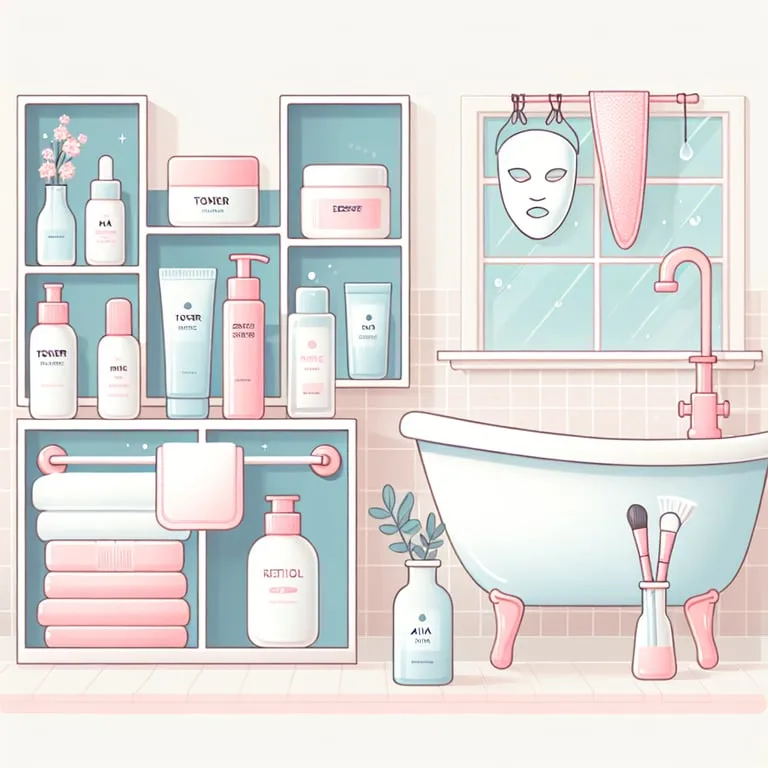
    Over the past decade, I have toggled between Korean routines that feel like silk on a humid summer morning and Western routines that hit like a precision tool kit—targeted, potent, sometimes a little intimidating. In 2025, the lines blur more than ever, yet the underlying philosophies still guide what ends up on your shelf (and how your skin thanks you). I would like to share what has actually worked for me—dry‑prone, pigment‑prone, sunscreen‑picky—so that you may navigate both worlds with clarity and confidence. Shall we?

    Philosophy And Routine Design

    Layering vs Streamlining

    When I first adopted a classic Korean routine, I fell in love with the cadence: cleanse, essence, serum, ampoule, lotion, cream, eye cream, sunscreen… even a mist if the day felt extra. The idea is simple yet elegant—use multiple, light layers with complementary functions so each formula can sit comfortably at optimal concentrations without overloading the skin. A humectant‑rich essence (often 1–3% panthenol, 5–10% glycerin, 0.1–0.5% sodium hyaluronate) can hydrate deeply without greasiness, then a focused serum brings one or two actives at efficacious yet gentle levels.

    Western routines often strip it back: cleanser, one all‑in‑one active serum (say, 10% L‑ascorbic acid or 0.3% retinol), moisturizer, sunscreen. Fewer steps, higher potency per step. The upside is clarity and speed; the risk is irritation if your skin barrier is not robust or if textures clash.

    In my own diary, the sweet spot landed somewhere in the middle: 4–5 steps most mornings, 3–4 at night. Enough layers to optimize water and lipid balance, not so many that I lose track of pH windows or end up with pilling. Efficiency with comfort—yes, you can have both.

    Barrier First vs Actives First

    Korean skincare, in my experience, orients around barrier health first. Formulas lean on humectants (glycerin, betaine, sodium PCA), skin‑identical lipids (ceramide NP, AP, EOP; cholesterol; free fatty acids), and soothing agents (centella asiatica extract with madecassoside at 0.05–0.2%, allantoin 0.1–0.5%). Many “repair creams” follow the classic 3:1:1 lipid ratio (ceramides:cholesterol:fatty acids) that mirrors the stratum corneum. The result? Lower transepidermal water loss (TEWL), more flexibility to try actives later.

    Western products often foreground the “hero” active—retinoids, AHAs/BHAs, L‑ascorbic acid—then backfill with barrier support. It works brilliantly if you dose correctly. When I moved from a barrier‑centric K‑routine to a retinoid‑forward Western routine overnight, my cheeks protested within 10 days. Once I layered a ceramide‑cholesterol cream under my retinaldehyde, the flaking calmed, TEWL normalized, and the glow returned. Lesson learned.

    Customization And Skin Typing

    K‑beauty makes customization feel playful yet precise. You will see ampoules like 2% tranexamic acid, 3–5% niacinamide with 0.1% adenosine, 70–90% fermented filtrates—mix‑and‑match modules with low irritation risk. Western brands often sell more definitive, dermatologist‑style solutions: 0.025–0.1% tretinoin (prescription), 0.1–0.3% retinal, 0.3–1% retinol; 10–20% L‑ascorbic acid serums stabilized with ferulic acid 0.5% and vitamin E 1%.

    Personally, I found it easier to tailor in the K‑ecosystem (slot a 5% PHA toner on days I skip retinoids, add an essence with 2% panthenol during heating season), and to correct faster in the Western ecosystem (a single 4% benzoyl peroxide gel cleared a stubborn jawline breakout in 72 hours).

    Texture Preferences And Sensory Cues

    Korean textures prioritize sensorial elegance—fast‑absorbing gels, water‑light emulsions, essence toners that vanish yet leave that bouncy “chok‑chok” finish. Western textures skew toward richer creams in dry climates and silicone‑optimized slip in makeup‑friendly products. My face tells me quickly: on humid days, I reach for gel creams at 60–65% water phase with 1–2% low‑weight HA; in winter, I want a 20–30% oil phase cream with shea butter at 3–5% plus squalane at 5–10%. Listen to those cues—your texture tolerance is a fantastic compass.

    Ingredients And Concentrations

    Acids And Exfoliation

    Western routines often lead with stronger acids: glycolic acid at 5–10% daily toners, 20–30% weekly peels; salicylic acid at 2% in cleansers or leave‑ons. K‑beauty historically prefers gentler options and buffer systems: lactic acid 5%, PHA (gluconolactone 5–10%, lactobionic acid 3–5%), and enzyme exfoliants (papain, bromelain) that nibble at corneodesmosomes without spiking irritation.

    My benchmark:

    • Texture and closed comedones: 2% salicylic acid leave‑on, pH 3.2–3.8, three nights a week.
    • Dullness: 5% gluconolactone toner on off nights—low sting, high clarity.
    • Pigmentation maintenance: 5–7% mandelic acid serum (larger molecule, slower penetration, kinder to my cheeks).

    Pro‑tip: skin’s acid mantle sits around pH 4.7–5.5. Daily leave‑ons below pH 3.5 will work, but watch for barrier fatigue—especially if you are layering vitamin C or retinoids.

    Retinoids And Vitamin A

    Western retinoids are the heavy hitters. Retinaldehyde (0.05–0.1%) and retinol (0.3–1.0%) dominate OTC, while tretinoin remains prescription. Korean lines increasingly offer retinal at elegant textures—light gel creams that reduce the “retinoid sandwich” fuss. What made the biggest difference for my pigment and elasticity? Retinal 0.1% three nights a week, ramping to four as tolerance built, supported by a ceramide‑rich moisturizer.

    Potency chain: retinol → retinaldehyde → tretinoin. Retinal acts one metabolic step away from tretinoin, so at 0.1% it often rivals 0.5% retinol in results with faster onset. If you are sensitive, start at retinol 0.3% or retinal 0.05%, two nights a week, buffer with moisturizer before and after, and add a PHA toner only on non‑retinoid nights. Skin cycling works, but I prefer “skin sensing”—increase frequency only when your skin says yes.

    Antioxidants And Vitamin C

    Western classics frequently rely on L‑ascorbic acid (LAA) at 10–20%, pH 2.5–3.5, stabilized with ferulic acid 0.5% and vitamin E 1%. Fast results, but sting and instability can be issues. Korean alternatives shine with derivatives like 3‑O‑ethyl ascorbic acid (EAC) at 3–15% or sodium ascorbyl phosphate (SAP) at 5%. They are more stable at pH ~5–6 and pair beautifully with niacinamide 2–5%.

    My protocol:

    • If I am wearing a sheer sunscreen and need extra antioxidant insurance, I use LAA 15% in the morning under SPF (yes, it can increase UV protection synergy).
    • If I am retinoid‑heavy at night, I switch to EAC 10% in the morning—less sting, lower risk of barrier disruption, excellent brightening over 8–12 weeks.

    Humectants, Emollients, Occlusives

    Hydration mechanics matter. Humectants (glycerin, HA, urea) pull water; emollients (squalane, esters, triglycerides) smooth; occlusives (petrolatum, dimethicone, lanolin) seal. Petrolatum can reduce TEWL by up to ~98%—a lifesaver in arid climates, but too occlusive for some in humidity.

    K‑beauty excels at humectant‑dense gels—glycerin at 3–7%, beta‑glucan 0.1–0.5%, multiple HA sizes (5–50 kDa for deeper hydration; 1,500 kDa for surface plumping). Western creams often bring richer occlusives and barrier lipids in higher percentages. On my driest nights, I layer a Korean essence (2% panthenol + multi‑HA), a ceramide‑cholesterol cream, and a micro‑occlusive swipe of petrolatum (just a pea) over the upper cheeks. Flakes gone by morning. Magic? No, just physics.

    Sunscreen And UV Standards In 2025

    Filters And Regulatory Landscape

    As of 2025, the US market still relies on a legacy palette of UV filters: avobenzone, octocrylene, octisalate, homosalate, oxybenzone (declining in use), zinc oxide, titanium dioxide. Europe and Korea have access to newer, photostable filters like Tinosorb S (bis‑ethylhexyloxyphenol methoxyphenyl triazine), Tinosorb M (methylene bis‑benzotriazolyl tetramethylbutylphenol), Uvinul A Plus (diethylamino hydroxybenzoyl hexyl benzoate), and Uvinul T 150 (ethylhexyl triazone). Practically, this means Korean sunscreens can deliver high UVA protection with lighter textures and lower white cast.

    If you have melasma or are prone to post‑inflammatory hyperpigmentation (PIH), consistent UVA filtering is everything. That is why I often wear a Korean SPF 50+ PA++++ on high‑UV days; the wearability alone improves compliance. No sunscreen works if it stays in the drawer.

    UVA Protection Measurement

    Korea follows PA ratings (PA+ to PA++++) derived from PPD (persistent pigment darkening). Roughly:

    • PA+++ corresponds to PPD 8–15
    • PA++++ corresponds to PPD ≥16

    The US labels “Broad Spectrum” if critical wavelength ≥370 nm, which is helpful but does not tell you PPD. Zinc oxide formulas can give excellent UVA coverage, but texture may be thicker. In daily life, I look for Korean products tested to PA++++ or European UVA circle logos with UVA‑PF at least one‑third of SPF (e.g., SPF 50 with UVA‑PF 20+).

    Textures, White Cast, And Compliance

    White cast is not just cosmetic—it affects dose. If a formula casts, many people apply 0.5 mg/cm² rather than the tested 2 mg/cm². That is a 75% shortfall. My solution has been:

    • Korean chemical filters for indoor and office days where I wear makeup (thin gels, zero cast).
    • US zinc oxide fluid for outdoor sports—sweat‑resistant, re‑applied with a stick or powder sunscreen every two hours.
    • Tinted mineral in winter to normalize tone and boost UVA absorption with iron oxides.

    My Wear Test Findings

    I kept a wear‑test log for six months. On days I used a Korean PA++++ fluid with filters like Uvinul A Plus + Tinosorb S, my re‑application rate hit 2.2 times/day on average. With a thicker US mineral lotion, it dropped to 1.1 times/day. Same me, different texture. Real life wins where comfort wins.

    Cleansers, Toners, And Essences

    pH And The Acid Mantle

    Your skin’s acid mantle prefers ~pH 4.7–5.5. Traditional Western foaming cleansers used to sit around pH 8–9, which can swell the stratum corneum and increase TEWL. In recent years, both worlds moved toward pH‑balanced (5–6) formulas, but I still find Korean low‑pH gels the safest daily drivers. If your face feels tight post‑wash, that is feedback—switch to a gentler gel and reassess after two weeks.

    Micellar Cleansers, Balms, And Oils

    I double cleanse when wearing water‑resistant sunscreen or long‑wear makeup: balm or oil first (look for ethylhexyl palmitate, helianthus annuus seed oil, or isododecane), then a low‑pH gel. Western markets popularized micellar waters (non‑rinse surfactants) for convenience, but I always rinse them to avoid leaving surfactant residue—I notice better barrier metrics that way.

    Toners Versus Essences

    Toner in the Western sense often means exfoliating (AHA/BHA) or clarifying. Korean toners can be hydrating step‑ups: think 5–10% glycerin, 2% panthenol, fermented filtrates, and soothing botanicals (licorice extract at 1–3% for brightening). Essences push hydration and delivery even further, sometimes with low‑weight HA and saccharides that nudge aquaporins. On my skin, a hydration‑first toner or essence drops the need for heavier creams by one notch. Fewer breakouts, fewer dry patches. Win‑win.

    Fragrance And Allergen Labeling

    Fragrance is a hot potato. European and Korean rules require listing specific allergens when they exceed thresholds (EU now mandates disclosure of an expanded list of known fragrance allergens). Many Western “derm” brands are fragrance‑free, while Korean brands often opt for very light scent for sensorial pleasure. If you are reactive, look for “fragrance‑free” and avoid linalool, limonene, citral, eugenol when listed. For me, a faint green‑tea note is fine; anything perfumey in leave‑ons is a no‑go.

    Routine Blueprints And Real Skin Cases

    Normal To Combination With Pigmentation

    Morning

    • Low‑pH gel cleanse if needed
    • L‑ascorbic acid 15% or EAC 10% (choose one)
    • Lightweight emulsion with 2–5% niacinamide
    • SPF 50+ PA++++ (Korean) or SPF 50 broad spectrum mineral if outdoors

    Night

    • Gentle cleanse
    • PHA toner 5% or none if sensitive
    • Retinaldehyde 0.05–0.1% three to four nights/week
    • Ceramide‑cholesterol cream

    Results I saw: After 12 weeks, pigmentation faded ~20–30% by photo comparison under consistent lighting, and fine lines softened, especially around the mouth.

    Sensitive, Barrier‑Impaired, Or Eczema‑Prone

    Morning

    • Rinse or milk cleanser
    • Essence with 2% panthenol + beta‑glucan
    • Ceramide‑rich moisturizer (3:1:1 lipid balance)
    • SPF 50 mineral with iron oxides if redness or melasma

    Night

    • Balm cleanse on makeup days; otherwise rinse
    • No acids for two to three weeks while recovering
    • 0.025–0.05% retinal or 0.3% retinol, once to twice a week to start
    • Occlusive micro‑seal on hot spots (petrolatum pea size)

    This “repair‑first” cadence works wonders. My TEWL dropped from visibly flaky to calm in seven days when I paused acids and lifted humectants.

    Acne‑Prone With Post‑Inflammatory Marks

    Morning

    • 5% niacinamide + 2–3% azelaic derivative or 10% azelaic acid cream
    • Lightweight moisturizer
    • PA++++ sunscreen

    Night

    • 2% salicylic acid or 2.5–5% benzoyl peroxide gel on active areas (not together on the same night if you are sensitive)
    • Retinal 0.05–0.1% on alternate nights
    • Gel cream with 3–5% squalane and 5–7% glycerin

    Notes: Azelaic acid is your friend for redness and PIH. I reserve stronger BP for inflamed lesions and keep it off my driest areas.

    Aging Concerns And Tolerance Building

    Morning

    • Antioxidant serum (LAA 15% or EAC 10% + ferulic 0.5%)
    • Peptide serum (signal peptides like palmitoyl tripeptide‑1/palmitoyl tetrapeptide‑7) if you enjoy them
    • Emollient cream to cushion makeup
    • High‑PPD sunscreen

    Night

    • Retinal 0.1% or prescription tretinoin, titrated based on tolerance
    • Barrier‑support moisturizer; do not skimp on ceramides and cholesterol
    • PHA 5% one to two nights/week for texture

    I prefer retinal for a better irritation profile and excellent photoaging results over six months. Tretinoin is king for many; it just needs patience and support.

    Buying Smart And Packaging

    Price Per Milliliter And Dupes

    Korean serums often come in 30–50 ml at approachable prices, making experimentation gentler on the wallet. Western derm‑style serums can run expensive per ml, but they may deliver higher concentrations and clinical claims. I compare cost/ml and active concentration. A 10% niacinamide at $0.60/ml may outvalue a designer 4% at $2.20/ml, unless the vehicle gives clearly better absorption or tolerance.

    Packaging, Stability, And Air Exposure

    Actives like L‑ascorbic acid and retinal hate light and air. Airless pumps and UV‑protective bottles make a real difference. If a brand puts 15% LAA in a clear dropper bottle… I pass. Korean brands often excel at airless, while Western clinical lines use opaque pumps. I store actives cool, cap quickly, and finish within three months for LAA.

    When To Import And When To Shop Local

    • Import Korean sunscreens if you crave weightless textures and high UVA protection with modern filters.
    • Buy Western when you want prescription‑strength retinoids, benzoyl peroxide variety, or specific clinical actives that match your dermatologist’s plan.
    • For cleansers, moisturizers, and essences, choose whichever texture and price feel right—you will find excellent options in both camps.

    Patch Testing And Compatibility

    Please patch test. Apply to the jawline or behind the ear for 3–5 days, introduce one new active at a time, and track reactions. Watch for pilling when mixing silicone‑heavy primers with watery Korean essences; give each layer 60–90 seconds to set. Your routine should feel smooth, not like Tetris.

    What I Reach For And Why

    • Office days: Korean PA++++ fluid sunscreen, EAC 10% serum, light emulsion with 2–3% niacinamide, soft blur primer. Zero cast, zero pilling, all‑day comfort.
    • Active treatment nights: Western retinal 0.1%, ceramide‑cholesterol cream, micro‑occlusive on cheekbones. Texture refined without the sandpaper phase.
    • Breakout emergencies: 2.5–5% benzoyl peroxide gel as a short contact therapy (15 minutes), then rinse and moisturize to reduce irritation. It works fast.
    • Winter skin rescue: Korean essence with 2% panthenol + beta‑glucan, then a richer Western barrier cream. Hydration and lipids both maxed.

    Quick Decision Rules You May Find Helpful

    • Sensitive or easily dehydrated skin: start with Korean layering, low‑pH cleanser, essence, barrier cream, and a wearable PA++++ sunscreen. Add actives later.
    • Oilier or acne‑prone skin: keep steps lean; use salicylic acid, azelaic acid, and a non‑comedogenic sunscreen you actually reapply.
    • Pigmentation focus: prioritize high UVA protection (PPD/PA), add vitamin C in the morning and retinal at night, and consider tranexamic acid 3–5%.
    • Texture and dullness: PHA or mandelic acid two to three nights/week, add peptides if you enjoy them, and avoid over‑exfoliating—more is not more.

    The Bottom Line

    Korean skincare tends to perfect the environment—hydration, barrier, comfort—so your skin can do its job. Western skincare tends to perfect the tool—potent actives that remodel, brighten, and clear. In 2025, you do not have to choose. Build a routine that borrows the best of both: a wearable, high‑UVA sunscreen you love, a gentle cleanser that respects pH, a hydrating essence that prevents TEWL spikes, and the actives that target your goals with precision. When I finally stopped treating the two as rivals and started seeing them as teammates, my skin stopped swinging between flaky and congested. It just looked healthy—consistently. That is the difference that matters.

    If you would like, please tell me your skin type, climate, and top three goals, and I will gladly help you draft a hybrid routine that respects your preferences and your schedule. Your skin, your rules—just with better data and kinder textures, always.

  • Top 10 Korean Street Foods to Try in 2025

    Top 10 Korean Street Foods to Try in 2025

    Top 10 Korean Street Foods to Try in 2025

    Top 10 Korean Street Foods to Try in 2025

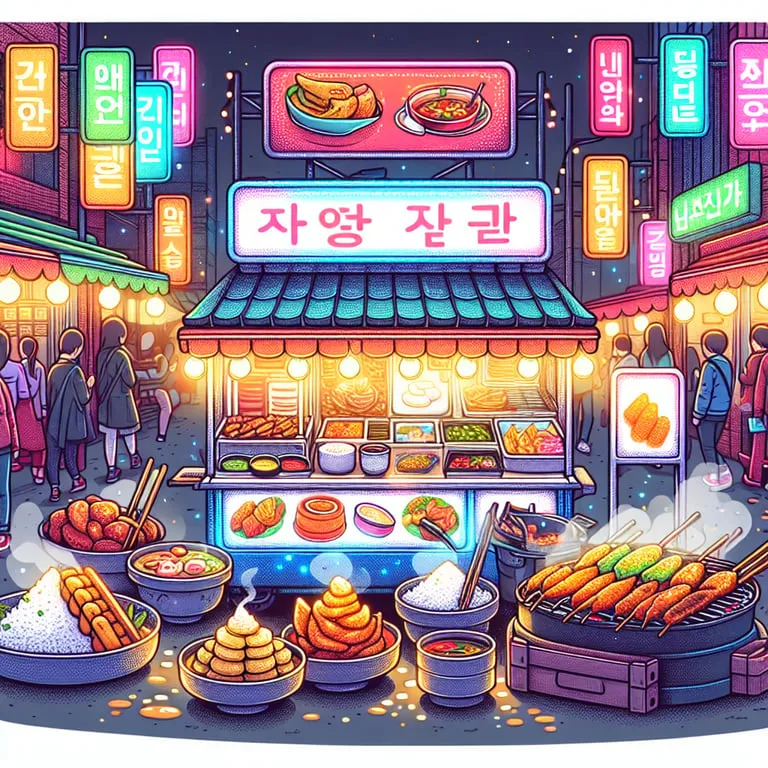
    If you give me one full evening and a comfortable pair of shoes, I will guide you through the lanes where Korea’s heart beats loudest in 2025: the street-food carts. This year I have been hopping between Seoul’s back alleys, Busan’s night markets, and Daegu’s university strips, tasting, timing, and even chatting with vendors about batter hydration and grill temps. What follows is not a generic list—it is my field note, bite by bite, of the 10 street foods I always recommend you try first. I will share real prices I paid this year, how I order, and tiny tricks that make each bite a little better. Shall we begin?

    Seoul staples I never skip

    Tteokbokki

    If I could recommend only one introduction to Korean street eating, it would be tteokbokki—chewy rice cakes lacquered in a glossy gochujang-based sauce. This year I tested a half dozen pots and noticed the good ones hold at roughly 60–70°C at the cart, keeping the garae-tteok bouncy without going mushy. The sauce commonly hits about 12–18 Brix (moderate sweetness), then brings heat from gochugaru. In 2025, “rose” tteokbokki (with cream or milk) is still trending, but I personally go for the classic, then add cheese (+1,000 KRW) for a silkier finish. Typical price: 3,000–5,000 KRW per tray. Veteran tip: Ask the vendor to dip your twigim (fritters) directly into the sauce—contact time of 3–5 seconds is my sweet spot for a clingy glaze without sogginess.

    Eomuk skewers

    On a chilly night near City Hall Station, I counted three refills of eomuk-guk (fish-cake broth) in under 15 minutes—strong turnover, clean flavor. Good broth is built from kelp, radish, and anchovy stock simmered around 85–90°C, and you can sip it from a paper cup while nibbling the skewered fish cake. In 2025, most carts charge 1,000–2,000 KRW per skewer and offer unlimited broth refills. If you prefer mild flavors, say “덜 맵게 해주세요” when they offer chili paste. Watch for radish chunks floating in the pot—small sign of care and depth.

    Hotteok

    Hotteok is the street dessert that makes me stop mid-stride every time. I aim for seed hotteok with a scorched-sugar core: turbinado sugar, cinnamon, and a mix of nuts and seeds. You will see vendors pressing the dough on a griddle set near 170–180°C, allowing the outer shell to crisp while the inside becomes molten. Expect 2,000–4,000 KRW depending on fill-ins. This year I have met a couple of carts doing cheese-hotteok and even black-sesame hotteok; great fun, though I still prefer the classic for that caramel snap.

    Crispy and portable carbs

    Twigim

    A proper twigim station is a performance. The batter? Usually a thin, high-hydration mix—around 85–95% by weight—so it fries into a delicate, glassy crust. I stand close enough to hear the crackle; the oil is often kept at 175–185°C with a quick second fry at slightly higher heat for peak crunch. Favorites: squid, sweet potato, perilla leaves, and the cult classic gim-mari (seaweed-wrapped glass noodles). Price: 1,000–2,500 KRW per piece. My ritual: dunk once into the tteokbokki sauce, count to three, and bite. The viscosity of the sauce binds perfectly to those lacy edges—absolutely addictive.

    Mayak gimbap

    Mayak gimbap are bite-size rolls—no heavy mayo or tuna here, just rice, carrots, spinach, and pickled radish in neat ratios. I like a rice-to-filling volume ratio near 60:40 for balance; too much rice and you lose the bright crunch. They are brushed with sesame oil and sprinkled with seeds, then served with a soy-mustard dip that wakes everything up. A small plate (8–10 mini rolls) runs 4,000–6,000 KRW in 2025. When I am on a market crawl, these keep me light on my feet for the next round.

    Korean corn dogs

    The 2025 corn dog scene is still joyous and slightly wild—mozzarella-only, half-mozzarella-half-sausage, or potato-crusted “gamja” versions dusted with sugar. For peak texture, I look for a fry at 175–185°C and a quick rest of 30–60 seconds so the crust sets. You will see sugar dust (~5–8 g), then ketchup-mustard swirls or gochujang mayo. Expect 3,000–5,500 KRW. If you enjoy contrast (sweet-salty-hot), ask for a light sugar dust and a line of spicy sauce. It sounds odd, but it works.

    Skewers and smoky bites

    Dak-kkochi

    Street-side grilled chicken skewers are my go-to when I want real char. Some vendors use gas, others charcoal; either way, the marinade is the star. I was taught a rough ratio by a stall owner near Sungkyunkwan: gochujang:soy:honey:garlic at 2:1:1:1, with a splash of rice wine. The best skewers are basted repeatedly, allowing sugars to caramelize without burning—keep an eye out for a lacquered, not blackened, finish. Price: 3,000–4,500 KRW per skewer in 2025. If you prefer less heat, ask for yangnyeom half-and-half.

    Sotteok-sotteok

    This is a visually charming skewer—sausage and tteok alternating down the stick. A classic street version carries 3 pieces of each, brushed with sweet-spicy sauce then torched lightly for char. One skewer sits around 200–300 kcal depending on sausage type; cost is usually 3,000–4,000 KRW. I recommend a quick rest before the first bite—those rice cakes hold heat like crazy.

    Yangkkochi

    Cumin-scented lamb skewers—originally a Chinese-Korean favorite—remain a street star around universities and nightlife streets. I like a spice rub of cumin, chili flakes, salt, and a pinch of Sichuan pepper; some stalls finish with a second dusting right off the grill. The goal is a light crisp on the fat and blush-pink interior. Price: 1,500–2,500 KRW per skewer. If the vendor offers a “spicy level,” level 2 of 4 tends to be friendly; level 4 can overwhelm the lamb’s sweetness.

    Gun-mandu

    Pan-fried dumplings are the secret savior when a wind picks up. Look for a griddle set near 190–200°C—enough to create a brittle bottom without rupturing the wrapper. Popular fillings include pork-chive, kimchi, or glass noodles with tofu. A 4–6 piece order is 4,000–6,000 KRW. I mix my dip at roughly 3:1 soy to vinegar, add a few drops of chili oil, then dunk while the mandu is still snapping-hot. That first bite is priceless.

    2025 survival guide for street-food lovers

    Payment and queuing

    This year, most busy carts I visited accept contactless cards and mobile payments, though I still keep 10,000–20,000 KRW in small bills for backup, especially outside big cities. Queues during peak hours run 5–20 minutes; if a vendor makes everything to order (twigim, corn dogs), you will often wait a full batch cycle—roughly 4–7 minutes. Be mindful of signs that say “한 줄 서세요” (please form one line), and when you finish ordering, step aside swiftly to keep the flow. Small courtesies make the whole lane move better.

    Price benchmarks and portioning

    In 2025, here are the prices I am consistently seeing:

    • Tteokbokki: 3,000–5,000 KRW
    • Eomuk: 1,000–2,000 KRW per skewer
    • Hotteok: 2,000–4,000 KRW
    • Twigim: 1,000–2,500 KRW per piece
    • Mayak gimbap: 4,000–6,000 KRW per plate
    • Corn dogs: 3,000–5,500 KRW
    • Dak-kkochi: 3,000–4,500 KRW
    • Sotteok-sotteok: 3,000–4,000 KRW
    • Yangkkochi: 1,500–2,500 KRW per skewer
    • Gun-mandu: 4,000–6,000 KRW per order

    Tourist hotspots can run 20–40% higher than neighborhood markets. I usually plan for 15,000–20,000 KRW per person for a satisfying mini-crawl of 3–4 items.

    Spice levels and allergies

    Gochujang (chili paste) can contain wheat and soy; many broths, like eomuk-guk, use anchovy stock. If you would like a milder version, “덜 맵게 해주세요” helps. For no anchovy stock, “멸치육수 빼주세요” may be understood, but not all stalls can accommodate. Sesame appears frequently (oil and seeds). Peanut is uncommon but possible in fusion sauces. If you prefer Halal options, yangkkochi (lamb skewers) can be a safer bet—always ask about marinade and grill sharing.

    Hygiene and timing

    I look for high turnover more than anything—crowds mean fresher oil and ingredients. Clear, straw-colored frying oil is a good sign; very dark oil usually signals fatigue. Hot holdings above 60°C are safer, which is why I lean toward fresh-fried twigim and made-to-order corn dogs during slow hours. Early evening, roughly 6–8 p.m., has worked best for me—vibrant energy, rapid turnover, but not yet a crush.

    How I would plan your first-night route

    • Start light with eomuk broth and one skewer to warm up.
    • Move to mayak gimbap for rhythm and a clean palate.
    • Hit tteokbokki plus one twigim of your choice (I vote sweet potato if you like sweet-salty depth).
    • Choose one from dak-kkochi or yangkkochi for a smoky pivot.
    • Finish with hotteok or a potato-crusted corn dog depending on your sweet tooth.

    The full Top 10 I eat in 2025

    1. Tteokbokki
    2. Eomuk skewers
    3. Hotteok
    4. Twigim
    5. Mayak gimbap
    6. Korean corn dogs
    7. Dak-kkochi
    8. Sotteok-sotteok
    9. Yangkkochi
    10. Gun-mandu

    Markets I recommend for your first taste

    If you are planning a first market, I humbly recommend Gwangjang Market for mayak gimbap and mandu, Myeongdong or Namdaemun for corn dogs and hotteok, and the alleys off Hongdae for skewers and late-night energy. In Busan, BIFF Square has a corn-dog line that moves like clockwork; in Daegu, the fried and skewered scene near the universities is fantastic after 7 p.m. Please take your time, follow your nose, and listen for that sizzle—your next favorite bite might be five steps away. What will you try first?

  • Must-Watch Korean Dramas Trending Worldwide in 2025

    Must-Watch Korean Dramas Trending Worldwide in 2025

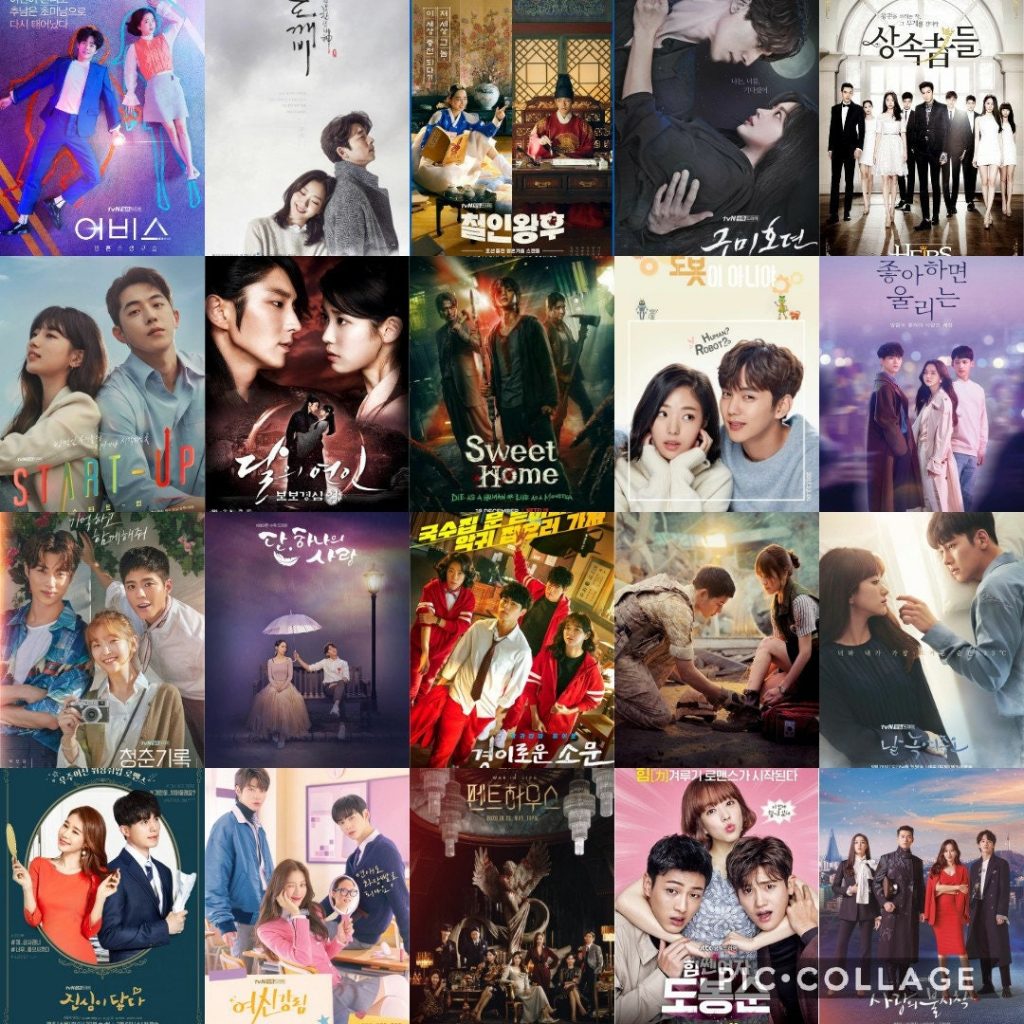
    Korean dramas have long captivated global audiences with their emotional storytelling, relatable characters, and cinematic visuals. As of 2025, K-dramas continue to top international charts, reaching viewers far beyond Asia through platforms like Netflix, Disney+, and Amazon Prime. From intense thrillers to heartwarming romances, here are the top Korean dramas making waves across the world this year.


    Why Korean Dramas Are Still So Popular in 2025

    The global Korean Wave, or Hallyu, shows no signs of slowing down. With consistent innovation in storytelling, shorter seasons, and high production quality, K-dramas offer an easily bingeable format loved by international audiences. Korean dramas in 2025 have particularly focused on cross-genre experiments, socially relevant themes, and A-list casting, further solidifying their place in global entertainment.


    Top 5 Korean Dramas Trending Worldwide in 2025

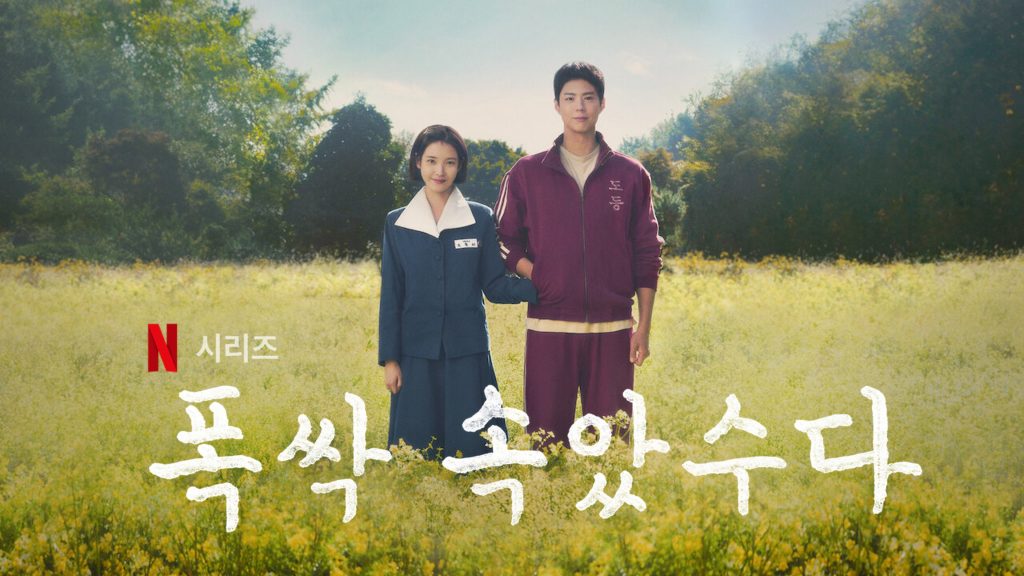
    1. When Life Gives You Tangerines

    Starring IU and Park Bo-gum, this period romance spans several decades, beginning in the 1960s. It follows the story of Ae-sun and Gwan-sik, whose love weathers the winds of history and personal tragedy. The series has won hearts for its lyrical storytelling, beautiful cinematography, and nostalgic depiction of Korea’s past.

    Why it’s trending: A-list cast, emotionally resonant story, and critical acclaim from global media.

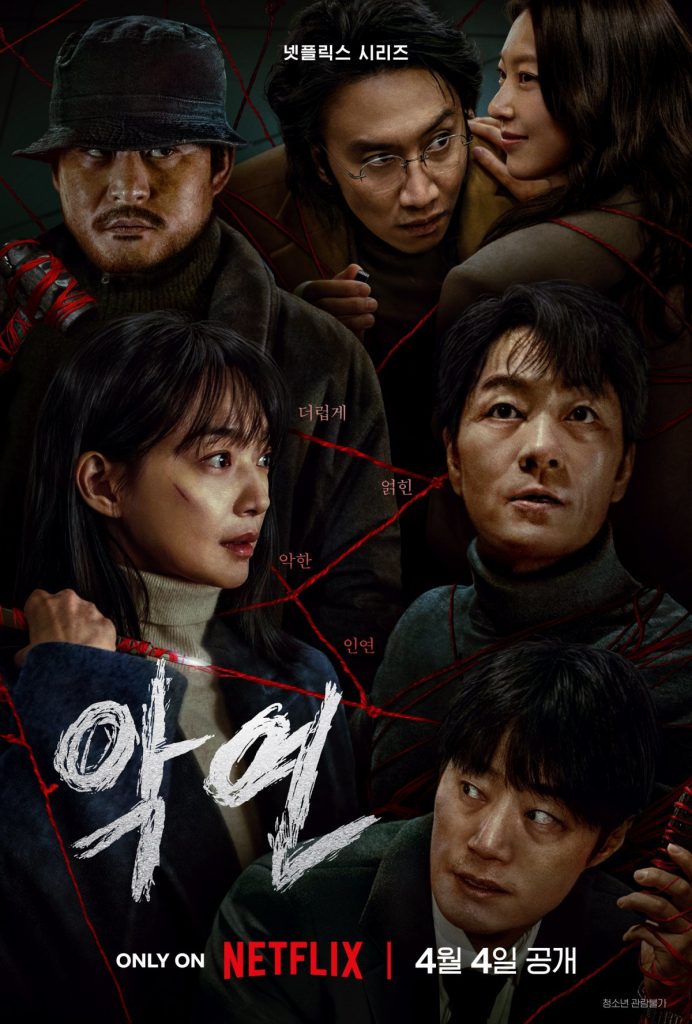
    2. Karma

    “Karma” is a gripping psychological thriller that interweaves the fates of six individuals connected by a mysterious tragedy. With each episode unraveling nonlinear layers of suspense and emotion, viewers are hooked till the very end.

    Why it’s trending: Complex narrative structure, cinematic visuals, and themes of fate and justice appeal to global thriller fans.

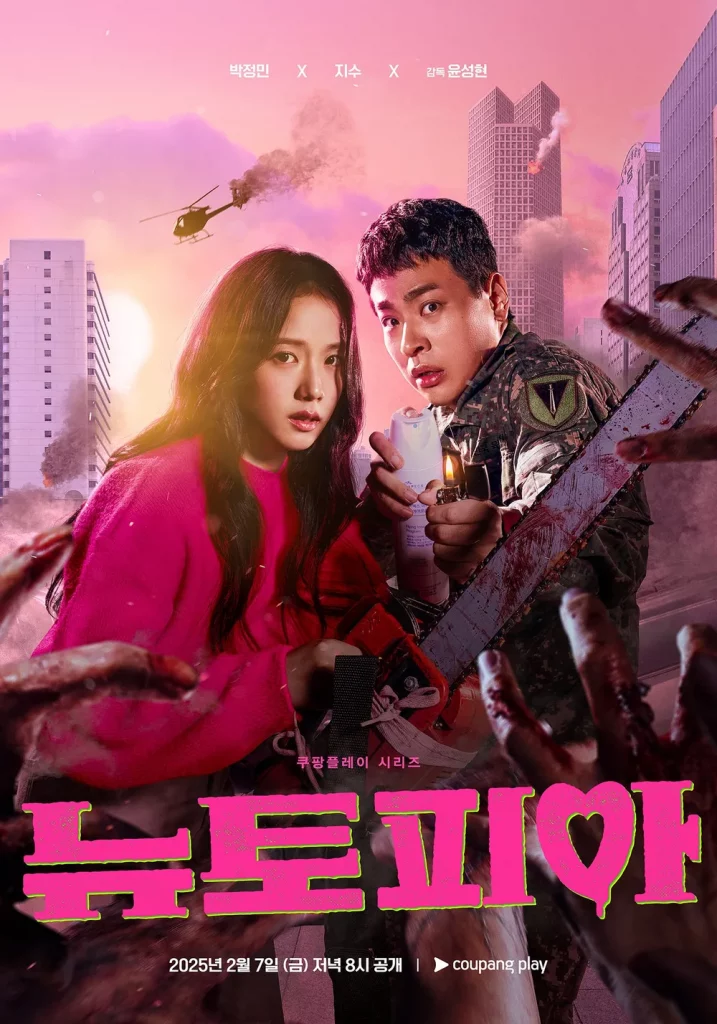
    3. Newtopia

    BLACKPINK’s Jisoo makes her much-anticipated acting debut in this zombie apocalypse meets romance drama. As Youngjoo and Jaeyoon struggle to survive in a dystopian Seoul, their emotional bond deepens in this unique K-drama hybrid.

    Why it’s trending: K-pop meets K-drama, international fanbase, visually stunning action-romance combo.

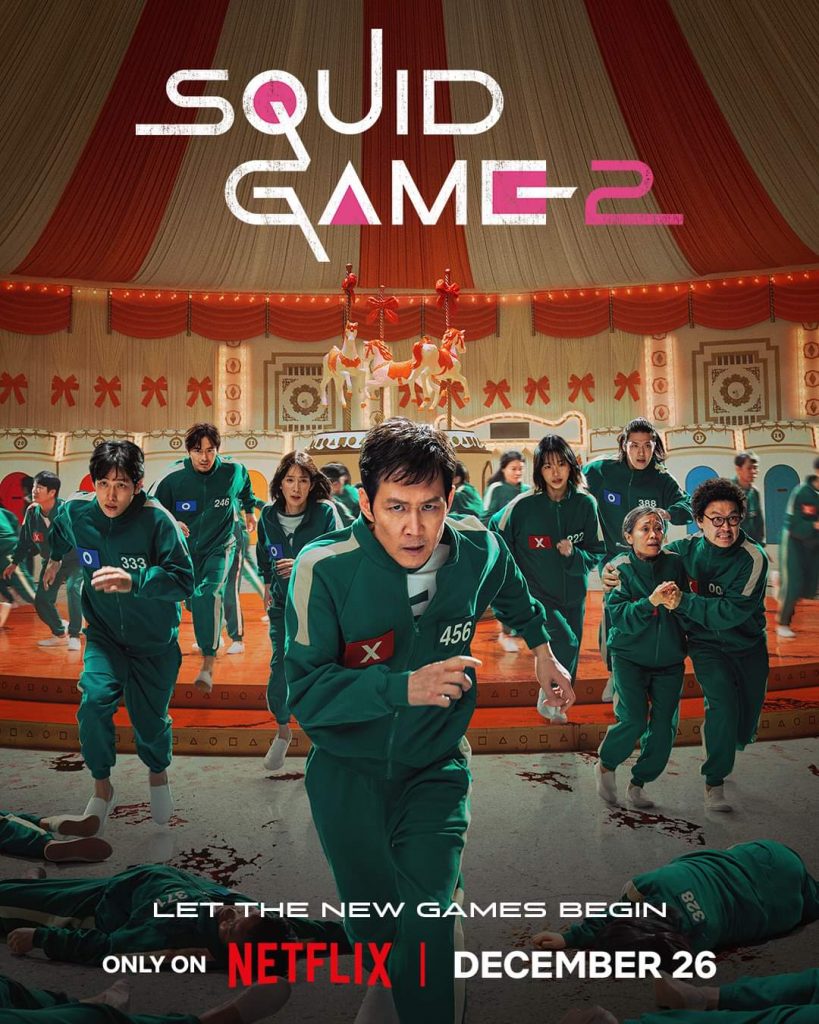
    4. Squid Game Season 2

    The global phenomenon returns with a more ambitious narrative. Seong Gi-hun, the main character from Season 1, now attempts to bring down the organization behind the deadly games. New characters, higher stakes, and deeper moral questions define this much-awaited sequel.

    Why it’s trending: Sequel to one of the most-watched shows of all time, massive anticipation, social commentary.

    5. The Trauma Code: Heroes on Call

    A medical comedy-drama about Baek Kang-hyuk, an elite trauma surgeon tasked with reviving a struggling hospital. The show combines emotional growth, comedic relief, and high-stakes emergencies to great effect.

    Why it’s trending: Unique blend of genres, strong lead performance, and positive message.


    How to Watch These K-Dramas Outside Korea

    Thanks to streaming platforms, watching Korean dramas has never been easier:

    • Netflix: Squid Game 2, Karma, and When Life Gives You Tangerines
    • Disney+: Newtopia
    • Viki/Rakuten & Amazon Prime: The Trauma Code (in selected regions)

    Most platforms offer English subtitles, and some also include dubs in Spanish, French, and more. VPNs can help access geo-restricted content, depending on your region.


    Why 2025 Is a Golden Year for K-Dramas

    With increasing production budgets, collaboration with global studios, and diverse storytelling, Korean dramas have become more versatile and appealing to a wider audience. Whether you’re a fan of action, romance, comedy, or horror, there’s a 2025 K-drama for you.

    Don’t miss out—start streaming one of these titles today and immerse yourself in the world of Korean storytelling.

    What’s your favorite K-drama in 2025? Share it in the comments below!

  • Exploring the Korean Indie Music Scene

    Exploring the Korean Indie Music Scene

    When you think of Korean music, K-pop with its catchy tunes and vibrant performances might first come to mind. However, there’s an intriguing world beyond the glitz and glam—the Korean indie music scene. This lesser-known realm offers a raw and refreshing alternative, brimming with creativity and authenticity. Whether you’re a seasoned listener or new to the scene, there’s always something unexpected to discover. So, grab a cup of coffee, and let’s dive into the unique and evolving landscape of Korean indie music, exploring its roots, the artists making waves, and how you can support this thriving community.


    Exploring the Korean Indie Music Scene


    Understanding the Roots of Korean Indie Music

    When we dive into the world of Korean indie music, we’re not just tuning in to a genre. We’re unraveling a rich tapestry of history, cultural evolution, and artistic expression that makes this scene utterly fascinating. So, where did it all begin? Let’s take a step back in time!

    The Birth of Korean Indie Music

    The roots of the Korean indie music scene can be traced back to the late 1980s and early 1990s. This was a pivotal moment in South Korea’s cultural landscape. Thanks to the end of military dictatorship, a wave of democratization swept through the country, bringing with it a newfound freedom of expression. People were hungry for something different, something that broke away from the mainstream pop sanctioned by major labels, and indie music answered that call.

    The Indie Counterculture Movement

    Korean indie music started as a countercultural movement, challenging the dominance of K-pop’s highly commercialized nature. One of the earliest and iconic venues that facilitated this burgeoning scene was the legendary Hongik University area in Seoul, often affectionately referred to as Hongdae. Here, underground clubs and live music bars began to spring up, fostering an environment where indie musicians could showcase their talents without the constraints of commercialism.

    The Rise of Iconic Bands

    During the 1990s, the remarkable band “Crying Nut” emerged on the scene, blazing a trail for indie musicians that would follow. Initially a punk band, Crying Nut’s raw energy and unapologetic style captivated audiences, kickstarting the punk and rock movement within the indie genre in Korea. Their debut album in 1998, “Speed Up Losers,” sold over 50,000 copies, which was no small feat for an indie act at the time! This paved the way for other artists to take the stage, and by the early 2000s, artists such as “Jaurim,” “Delispice,” and “Peppertones” became central figures in the indie world.

    The Digital Revolution and Its Impact

    As the digital age dawned, the 2000s saw the rise of platforms like Cyworld – a South Korean social network akin to what MySpace was in the West. Cyworld became essential for indie artists to share their music with a broader audience. This platform, combined with the later rise of Naver Music and YouTube, enabled independent artists to distribute their music without the chains of traditional labels. No more gatekeeping or massive production budgets needed!

    The Contemporary Scene

    Fast forward to the present, and the Korean indie scene continues to thrive and morph. By 2021, South Korea boasted over 1,000 independent music labels, according to the Korean Creative Content Agency. These labels offer platforms for various genres, ranging from indie pop and folk to electronica, and everything in between. And, although indie music globally tends to stay under the radar, in Korea, it’s not unusual for indie bands to hit the mainstream charts, thanks to their loyal fanbases.

    The Unique Blend of Genres

    One of the defining factors of Korean indie music is its fearless genre-blending and innovation. It’s not confined to one style, which perhaps is a nod to Korea’s complex history of cultural interchanges. You’ll find indie bands freely mixing elements of traditional Korean sounds, along with Western influences, into their music. This has led to a unique soundscape that’s both globally palatable and distinctly Korean.

    A Reflection of Societal Changes

    The evolution of Korean indie music is not just a tale of rebellious artists seeking to carve out their niche. It’s a reflection of societal change, technological advancement, and a testament to the power of music as a form of self-expression and cultural identity. This scene tells us a deeper story about Korea’s rapid globalization and technological integration while holding firmly onto its cultural roots.

    The Role of Community

    Today, as we listen to Korean indie music, we’re not just enjoying the beats and melodies but participating in a historical narrative. We’re part of a global audience that recognizes music as a boundaryless language, discovering stories that transcend languages and borders.

    And let’s not forget about the role of community in nurturing this vibrant scene! The indie music lover’s ecosystem extends beyond just musicians; it includes small venue owners providing performance spaces, concert goers, and ardent supporters promoting underground artists despite the relentless wave of glossy K-pop. It’s a testament to a community that thrives on passion and shared love for the offbeat and authentic.

    Diving into Korean indie music is akin to embarking on an exciting musical journey~~rich with stories, innovation, and a deep connection to both personal and shared histories. Want to dig deeper? Strap in, because the tapestry of Korean indie music is as intricate as it is beautiful.


    Key Artists Shaping the Scene

    Dive into the fascinating world of Korean indie music, and you’ll quickly realize it’s not just about catchy tunes—it’s the artists who bring this genre to life with their passion, innovation, and unique soundscapes. In recent years, Korean indie music has seen an exponential growth, with digital platforms and global exposure propelling it into the spotlight. From indie rock to synth-pop, there’s a treasure trove of talent shaping this vibrant scene.

    Hyukoh: The Poster Child of Korean Indie

    One pivotal name that consistently pops up is Hyukoh, often dubbed the poster child of Korean indie music. Formed in 2014, this band led by the multitalented Oh Hyuk has garnered a significant following both locally and internationally. Their debut album “20” marked a turning point for the indie scene, securing top spots on Korean charts typically dominated by mainstream K-pop. Known for their moody yet energetic performances, Hyukoh’s sound is a delicious fusion of rock, folk, and electronic influences. They have graced stages at some of the world’s most prestigious music festivals, such as Coachella and Summer Sonic, solidifying their position as global trendsetters.

    SE SO NEON: Pioneers of Retro Sound

    Pushing the boundaries even further is SE SO NEON, another powerhouse in the scene. Formed in 2016, this group rapidly captured the ears and hearts of fans with their deeply evocative retro-inspired sound, blending psychedelia with jazzy elements. Their debut EP, “Summer Plumage,” won them the Best New Band award at the Korean Music Awards just a year after their formation. With tracks like ‘A Long Dream’ and ‘Go Back’, SE SO NEON seamlessly stitches nostalgia into modern tunes, creating an auditory tapestry that resonates with diverse audiences.

    Jambinai: Genre-Bending Innovators

    And who could overlook Jambinai? This quintet has revolutionized what it means to cross genres, merging traditional Korean instruments like the geomungo and haegeum with heavy post-rock sounds. Their electrifying performances are a sensory overload, blowing audiences away from Seoul to Madrid. Jambinai’s track, “Time of Extinction,” was featured in the closing ceremony of the 2018 Winter Olympics, introducing millions to their groundbreaking sound.

    IU: A Versatile Powerhouse

    In the realm of solo artists, one cannot miss IU, who although predominantly recognized as a K-pop artist, has extensive indie roots and continues to influence the genre significantly. Her collaboration with the indie icon, Sam Kim, on the mellow track “When Would It Be” is a testament to her versatile artistry. Her vocal prowess and storytelling ability have drawn indie fans into her musical orbit, pushing cross-genre boundaries and showcasing her broad appeal.

    Nell: The Modern-Day Troubadours

    Let’s not forget about the modern-day troubadours like Nell, whose introspective lyrics and deeply relatable melodies have defined Korean indie for over two decades. Known for their lyrical depth and profound emotionality, Nell can tug at your heartstrings with one song and make you ponder life with another. Ever since their acclaimed album “Slip Away” in 2012, they’ve maintained a loyal fanbase and continue to inspire younger artists entering the indie scene.

    Say Sue Me: Surf Rock Trailblazers

    Emerging bastions of innovation, like Say Sue Me from Busan, have taken the indie surf rock genre by storm. With influences drawing from 60s surf music and 90s indie rock, their music is a delightful throwback with a fresh twist. They’ve received accolades like “Best Modern Rock Album” at the Korean Music Awards, proving their prowess in weaving catchy melodies with surf rock rhythms.

    The Common Thread

    Now, what sums up all these artists together? It’s their relentless commitment to crafting music true to themselves while boldly stepping into uncharted territories. Each artist adds a layer of complexity and richness to the indie mosaic, continuously evolving the panorama of Korean music. When you listen beyond the mainstream, you’ll find a simmering cauldron of creativity, just waiting to be explored. Surely, these artists are the beating heart of a scene that’s more than just a genre; it’s a movement reshaping how we perceive Korean music today. Their stories and their sounds are testaments to the thriving diversity and talent within South Korea’s indie spectrum.

    Whether you’re a long-time devotee or a curious newcomer, delving into the work of these key artists will undoubtedly open your ears and mind to the depth and breadth of Korean indie music. This world is vibrant, it’s dynamic, and it’s waiting for you to jump in!


    Emerging Trends in Indie Music

    In recent years, the Korean indie music scene has been pulsating with innovative trends that both challenge and complement the mainstream. It’s fascinating to see how these trends not only offer fresh perspectives but also resonate with listeners on a global scale.

    Genre-Blending

    One of the most noticeable trends is the genre-blending that Korean indie musicians are harnessing with consummate ease. Rather than sticking to the conventional boundaries of genres, artists are daringly fusing elements from folk, jazz, electro-pop, and even traditional Korean sounds, creating something entirely unique and exciting!! For instance, bands like hyukoh and ADOY frequently draw on a blend of styles that transcend cultural and musical barriers. This eclectic mix attracts a diverse audience who crave something different yet familiar.

    Digital Platforms

    Another emerging trend is the rise of digital platforms that have transformed how indie music is distributed and consumed. Services such as Melon, Bugs, and Genie—not to mention social media platforms and YouTube—are indispensable tools for artists to share their music without the constraints of traditional record labels. With over 90% of Koreans accessing music digitally, these platforms offer indie artists unparalleled exposure and the ability to engage with fans both locally and internationally. This trend aligns with a global shift where indie musicians worldwide are increasingly relying on digital avenues to showcase their talent.

    Live-Streaming Performances

    Moreover, there’s been a significant uptick in live-streaming performances. Indie artists are now reaching audiences beyond physical venues—a necessity accentuated by the global pandemic. These online performances, often broadcasted on platforms like YouTube or Instagram Live, provide fans with intimate concert experiences right from their homes. It’s a trend that’s as much about innovation as it is about accessibility.

    “Do-It-Yourself” (DIY) Culture

    A noteworthy development is the “Do-It-Yourself” (DIY) culture that permeates the indie music scene. Korean indie musicians often tackle everything from songwriting to production and marketing, emphasizing artistic control and authentic expression. This shift towards self-reliance enables artists to connect more closely with their audience, delivering music that’s honest and reflective of their true intentions. You’ll find that the personal touch injected into independent releases is something many listeners appreciate deeply.

    Cultural Crossovers

    Another exciting trend to watch out for is the crossover of indie music into other forms of media. Korean dramas, films, and web series increasingly feature indie tracks, a testament to the genre’s expanding appeal. Indie bands often find their music showcased in dramas like “It’s Okay to Not Be Okay” and “Replay 1988,” where soundtracks play a crucial role in storytelling. This cross-media presence not only broadens listener demographics but also solidifies indie music as an integral part of Korea’s cultural tapestry.

    Influence of Indie Festivals

    Something that cannot be overlooked is the growing influence of indie festivals. Events like the Seoul Jazz Festival and Incheon Pentaport Rock Festival serve as vital platforms for indie talent to shine. These festivals, although postponed due to recent global events, historically attract thousands of fans, creating a communal atmosphere that celebrates the rich diversity of the indie scene. They’re not only about music but about community and connection in a real, palpable sense.

    International Collaborations

    Let’s not forget about the influence of international collaborations, which has been gaining momentum. Increasingly, Korean indie artists are teaming up with foreign musicians, producing cross-cultural projects that blend global sounds. This trend reflects the desire for a more connected world where music bridges differences rather than divides. Such collaborations help Korean indie musicians tap into new markets and expand their fan base globally—an exciting prospect considering Korea’s growing reputation as a music powerhouse!!

    Sustainability and Social Awareness

    Furthermore, an awareness surge towards sustainability and social issues is shaping indie music trends. Many indie artists are utilizing their platforms to address environmental concerns, social justice, and community empowerment. Through their music, they inspire listeners to make conscious choices and reflect upon pressing global matters.

    In summary, the Korean indie music scene is riding a wave of exhilarating trends that constantly pushes the boundaries of creativity. Genre mixing, digital streaming, DIY spirit, cultural crossovers, festival fervor, international collaborations, and social consciousness all weave together a vibrant tapestry that promises to captivate audiences worldwide!! This dynamic evolution signals not just the vigor of the Korean indie music scene, but its potential to influence global music culture profoundly.


    How to Support Independent Musicians in Korea

    Supporting independent musicians in Korea is not only an investment in unique and original sounds, but it’s also about fostering a dynamic and diverse music scene that thrives on creativity. If you’ve ever found yourself tapping your feet at a local gig or losing yourself to the soothing strums of a Korean indie artist’s latest EP, you already know the power of indie music. But how can you keep these rhythms alive? Let me guide you through a few simple yet impactful ways to lend your support!

    Attend Live Shows

    First off, immerse yourself in the vibrant Korean indie music experience by attending live performances. The indie scene here isn’t just about the music; it’s about the atmosphere, the energy, and yes, the connection. Whether it’s a cozy underground club in the Hongdae district or a pop-up performance along the Han River, every gig is an opportunity to support musicians directly. And guess what? In 2022, venues like these reported a whopping 30% uptick in attendance post-pandemic, largely driven by supportive community members like yourselves! Your ticket not only ensures you a night of fantastic music but also directly contributes to the artists’ craft and livelihood.

    Purchase Merch and Music

    Merchandising is a primary revenue stream for many indie musicians, who often rely on sales of t-shirts, posters, and other memorabilia to fund their projects. Downloading their music legally from platforms like Bandcamp, or purchasing physical copies such as vinyl or CDs, directly supports their endeavors. Fun fact: a study by the Music Industry Research Association found that merch sales could account for as much as 27% of an indie musician’s revenue. So, go ahead—wear their art on your sleeve (literally!).

    Leverage Social Media

    Don’t underestimate the power of a “like” or a “share” on social media platforms. Using hashtags (#KIndie, #KoreanIndieMusic), tagging artists, and sharing their work can help them gain visibility among potential fans who are just as eager to discover fresh talent. Engagement on platforms like Instagram and Twitter plays a crucial role, and a single viral post could skyrocket a musician into the public eye. According to recent data, user engagement on these platforms can enhance an artist’s reach by over 50%!

    Join Fan Communities

    Consider becoming part of fan communities or online forums—it’s easier than you might think! These communities can substantially amplify an artist’s presence and create a loyal fan base. Platforms such as Discord and Reddit host passionate communities where fans discuss everything from new releases to concert experiences. It’s an excellent way to not only support your favorite artists but also to connect with like-minded music enthusiasts.

    Volunteer and Collaborate

    Are you a photographer, graphic designer, or skilled in public relations? Offering your talents can be a huge support for indie musicians who may not have the resources to hire professionals. Collaborative efforts can enhance their visibility and quality of production without breaking the bank. Moreover, such collaborations often lead to continued partnerships—loyalty breeds loyalty!

    Spread the Word

    Word-of-mouth is still one of the most effective marketing tools out there (!!). Don’t shy away from talking about your favorite indie artists in Korea. Recommend their songs to friends, play their music at gatherings, or even create playlists on streaming platforms to expose more listeners to their tunes. A Nielsen report highlighted that 74% of people discover new music through recommendations; you never know who might fall in love with a track you suggested.

    Support Crowdfunding Campaigns

    Lastly, participate in crowdfunding campaigns. Websites like Patreon, Tumblbug, and Kickstarter have paved the way for many indie artists seeking funds to start or complete projects. Your contributions can directly impact the production of albums, music videos, and even tours. These platforms offer a real sense of community, with patrons often receiving exclusive content and behind-the-scenes updates.

    By incorporating these strategies into your routine, you’re not just supporting artists; you’re nurturing a whole ecosystem. Korean indie musicians pour their souls into the melodies they create, and with your support, their voices can resonate louder and farther. Embrace the indie spirit and see how your involvement makes a difference in artists’ lives and their careers. They’re creating the soundtrack to our lives—let’s make sure they continue to do so!


    As we wrap up our exploration of the Korean indie music scene, it’s clear that this vibrant world offers a refreshing alternative to mainstream sounds. From understanding its roots to discovering key artists and trends, each aspect sheds light on the deep creativity and passion driving indie music in Korea. Whether you’re an avid listener or just beginning your indie journey, your support can make a difference. Attend local gigs, stream their music, or share their work with others. Let’s continue to celebrate and lift the voices that make this scene so unique and exciting. After all, every play and purchase helps sustain this dynamic musical movement!


  • The Role of Confucianism in Contemporary Korean Society

    The Role of Confucianism in Contemporary Korean Society

    Confucianism is more than just an ancient philosophy; it’s a guiding force in contemporary Korean society. Have you ever wondered how such time-honored principles continue to shape modern life in Korea? From historical influences that are deeply embedded in societal norms to core Confucian values that resonate throughout the nation’s education and family structures, the relevance of Confucian ideals remains significant. Yet today, these ideals face their own set of challenges. How does a tradition that values harmony, respect, and hierarchy adapt in a fast-paced, digitally-driven world? Let’s explore how Confucianism continues to influence, challenge, and sometimes conflict with the rhythm of modern Korean life.


    The Role of Confucianism in Contemporary Korean Society


    Historical Context and Influence

    In order to truly grasp the depth of Confucianism’s role in contemporary Korean society, it’s essential to roll back the clock a few centuries. Confucianism, a philosophical and ethical system founded by Confucius over 2,500 years ago in China, made its way to the Korean Peninsula during the Three Kingdoms period (57 BC – AD 668). But it was not until the Goryeo Dynasty (918–1392) and eventually, the Joseon Dynasty (1392–1910), that Confucianism began to deeply infiltrate Korean society, culture, and governance, almost like the roots of an old, wise tree settling firmly into fertile soil.

    The Golden Age of Confucianism

    During the Joseon Dynasty, Confucianism was promoted as the state ideology, and its principles were reflected in the laws, education, and social hierarchy. This era is often considered the ‘Golden Age‘ of Confucianism in Korea, with the adoption of Neo-Confucianism, which emphasized moral education, meritocracy, and filial piety! Neo-Confucian scholars like Yi Hwang and Yi I made monumental contributions, not only writing volumes of philosophy but also laying the groundwork for what would become Korea’s long-standing educational values.

    Societal Structure and Values

    Zooming in on the societal structure, Confucianism during this period reinforced a class-based hierarchy with the yangban (scholar-officials) at the top, followed by peasants, artisans, and merchants. The strict Confucian social norms dictated relationships between all entities: ruler and subject, father and son, husband and wife, older and younger sibling, and between friends, famously known as the “Five Relationships” or “오륜(Oryun)” in Korean. Through these relationships, Confucianism aspired to maintain harmony and order, qualities highly valued and, honestly, who doesn’t crave a bit more order in their lives, right?! The genuine respect and hierarchical structure provided by this philosophy were initially meant to create a harmonious balance within the community.

    Modern Adaptation

    Fast forward several centuries… Following Korea’s tumultuous period of colonization by Japan (1910-1945), the Korean War (1950-1953), and the intense modernization efforts in post-war Korea, the tenets of Confucianism manifested in a society that rapidly industrialized yet fiercely sought to retain its cultural heritage. Imagine trying to stay grounded while the world around you races forward at the speed of light! This dynamic pushed Confucian values to adapt in new environments while still heavily influencing various aspects of daily Korean life.

    Economic Impact

    Post-1980s, the Korean economy blossomed at an alarming rate, leading scholars and economists to coin the phrase “Miracle on the Han River.” Here, too, Confucian ethics played a pivotal role – emphasizing discipline, education, and collectivist spirit over individual ambition. In fact, studies show that South Korea boasts one of the highest literacy rates globally, partly thanks to Confucian educational values that underscore the importance of learning and scholarly achievement. Impressive, isn’t it?

    However, Confucian ideals are not just relics from the past; they are living, breathing values that continue to shape the framework of modern Korean society – from personal conduct, communication styles, workplace etiquette, to broader social systems. In contemporary Korea, these values resonate through a complex kaleidoscope of tradition and innovation, budding through Seoul’s thriving urbanism to the rural provinces where time almost seems to slow down.

    Conclusion

    Acknowledging the historical roots and influences of Confucianism provides profound insight into its persistent impact. It acts as a guiding compass for understanding Korea’s deep-rooted cultural ethos that extends beyond just historical reverence. By tracing these influences, we better appreciate how Confucianism continues to guide Korea’s societal maneuvers even amidst rapid globalization. Indeed, the threads of Confucianism are woven into the very fabric of Korean identity—echoing its past, influencing its present, and perhaps, whispering to its future. And isn’t it incredible how age-old philosophies continue to thrive amidst the intensity of our fast-paced world?


    Core Confucian Values in Modern Korea

    When you think about Korea today, technological advancements, vibrant culture, and rapid economic growth might come to mind. But let’s shine a light on something that’s often quietly yet powerfully shaping this fascinating society: Confucian values! These ancient teachings have threaded their way through the fabric of Korea, becoming part of its very DNA. So, what core values exactly are we talking about, and how do they dance in today’s fast-paced world? Let’s cozy up to this topic.

    Humaneness: “인 (Ren)”

    First up, “인 (Ren),” often translated as “benevolence” or “humaneness,” is fundamental in Confucian thought. This isn’t just about kindness; it’s an entire philosophy around human relationships. It’s deeply rooted in the social interactions you’ll witness in Korea, be it among strangers or within families. You’ll notice it in the willingness of individuals to help their neighbors, offer directions to a lost tourist, or in the meticulous bow of a confident student greeting their professor. This small gesture speaks volumes, reflecting the beautiful tapestry of respect and empathy.

    Filial Piety: “효 (Hyo)”

    On that note, respect for elders—captured by the concept of “효 (Hyo)” or filial piety—is a colossal pillar supporting societal structure. Look closer, and you’ll see this value portrayed in everyday life, from the honorific language used when addressing elders to the special seats reserved for them on public transport. Filial piety doesn’t just stop at family; it extends to teachers, seniors at work, and community leaders. This reverence isn’t just surface-level—it builds a sense of interdependence and community.

    Propriety: “예 (Ye)”

    Next, let’s tackle “예 (Ye),” or propriety. It’s all about proper conduct! Koreans have a saying: “Beginnings are half the whole,” and 예 ensures that these beginnings are respectful and correct, setting the stage for positive interactions. Proper etiquette and rituals still permeate social practices. For example, dining etiquette is as much about sharing and harmony as it is about nourishment. Age hierarchy often dictates seating arrangements at meals, offering insights into how these interactions structure societal norms.

    Wisdom: “지 (Zhi)”

    Then there’s “지 (Zhi),” representing wisdom. Oh, the reverence for knowledge in Korea! Today’s Koreans remain fervently dedicated to education, with approximately 70% of high school graduates advancing to higher education! It’s about having a sharp wit and discerning mind, skills highly appreciated and sought after.

    Confucian Values in Popular Culture

    You might ask yourself, “How do these values play out in real life?” Well, take the popular Korean dramas for instance! Yes, the K-dramas that make our hearts flutter. They frequently portray situations steeped in these Confucian ethics: intense family bonds, the inner turmoil of meeting societal expectations, and the importance of education and status in societal structures. They become a cultural mirror, reflecting these ageless values in storylines that speak to millions globally.

    Confucian Values in the Workplace

    Moreover, in the workplace, Confucian values are prominent in practices like “호칭 (Granting Titles).” Formal titles instead of personal names are used in professional settings to respect hierarchy and maintain harmony. The structure is clear: respecting position and preserving communal peace are paramount!

    Challenges Facing Confucian Values

    When dealing with these Confucian values, one might wonder, aren’t there challenges? Of course, since no system exists without them—especially in our rapidly globalizing society! More on that in future posts, but for now, pop it into your pondering jar.

    Confucianism, through its value system, shapes how Koreans approach life, love, challenges, and celebrations. Despite Korea’s astonishing modernization, these values thread richly through its culture and society, creating bonds that echo throughout its history. From public offices to private homes, from bustling streets to quiet moments of reflection, Confucian principles stand steadfast, guiding Koreans in ways big and small. Who knew that teachings from centuries ago could still hold so much relevance, right? Bravo, Confucius!


    Confucianism in Korean Education and Family Life

    Confucianism, though originating in ancient China over 2,500 years ago, remains a cornerstone of contemporary Korean society, especially visible in the domains of education and family life. It’s fascinating to see how these centuries-old teachings are woven into modern-day practices! In South Korea, Confucianism isn’t just a relic of the past; it’s a living, breathing philosophy that plays a pivotal role in shaping values, behaviors, and societal norms. It’s like a time capsule that’s still dictating the rhythm of daily life—amazing, right?

    Confucianism in Education

    Let’s dive into the education system first—a sector where Confucian influence is profoundly felt. One might say, education in Korea is synonymous with excellence and rigor. But what fuels this pursuit of educational achievement? At its heart is the Confucian value of “학문” (Hakmun), or the pursuit of academic knowledge, that echoes Confucius’s emphasis on learning as a lifelong journey. In South Korea, education isn’t merely seen as a means to career success; it’s considered a moral imperative. This leads to phenomena such as ‘Hagwon culture’, where enrollment in private after-school tutoring institutions becomes an extension of regular schooling. Would you believe that, as of a 2021 report, South Korean families spent around $20 billion annually on supplementary education?!! This is largely a manifestation of the Confucian doctrine that calls for self-cultivation and the relentless pursuit of wisdom.

    If you think about it, there’s something special about the way Confucianism enshrines the teacher-student relationship. Teachers, often referred to as “Seonsaengnim” (선생님), are highly respected figures—akin to moral guides who nurture not just the intellect but also the spirit of their students. This respect translates into Korea’s consistently high education standards and impressive PISA rankings. It’s like having a cultural armor, with education as both a sword and shield!

    Confucianism in Family Life

    Switching gears a bit—Confucianism also pulses through the veins of family life in Korea. Family, or as the Koreans call it “Gajok” (가족), is regarded as the fundamental building block of society. Confucian ideals emphasize familial piety (“효” or “Hyo”)—an unwavering respect for one’s parents and ancestors. It’s heartening to see how these concepts are still alive, from filial responsibility to ancestor worship rites. Have you ever attended “Chuseok” or “Seollal” festivals?! These are moments when Korean families gather to honor their ancestors, like a beautiful tapestry woven year after year.

    Interestingly, these values also affect family dynamics and inter-generational relationships. It’s not uncommon for South Korean children to live with their parents until marriage—a practice viewed through the lens of Confucian filial piety rather than financial necessity. Yes, it’s true that modern influences are reshaping household structures, yet this aspect of living harmoniously as a family unit remains a resilient thread in the fabric of Korean life. And let’s not overlook the Confucian-inspired dedication to social harmony which eases the navigation of these collective lives!

    Of course, while Confucian tenets have profoundly shaped educational standards and familial submissions in Korea, they are not without their share of tension in today’s fast-paced, globalized world. As you might expect, balancing traditional ideals with modern aspirations creates unique challenges which we’ll explore next.

    To encapsulate, the role of Confucianism in shaping Korean education and family life demonstrates the philosophy’s enduring legacy and its complex interplay with modernity. From fostering rigorous academic environments to shepherding familial customs that stress respect and duty, Confucianism remains a fundamental cultural force. Guess it’s safe to say that Confucius’s influence spans ages and borders, continuing to inspire and guide, even in unexpected ways! Is that not a testament to the timelessness of his wisdom?!


    Challenges Facing Confucian Ideals Today

    Let’s dive into something that often goes under the radar: the challenges that Confucian ideals face in today’s rapidly changing Korean society. It’s quite a fascinating landscape to explore, given Korea’s extensive modernization and technological advancements. The dynamic interplay between tradition and modernity often sparks impactful discussions, doesn’t it?

    Urbanization and Traditional Values

    To kick things off, consider the remarkable pace of urbanization in South Korea. According to a 2022 report by the Korean Statistical Information Service (KOSIS), over 81% of South Korea’s population resides in urban areas. With people flocking to cities, the traditional Confucian emphasis on rural, agrarian life and the importance of family as the bedrock of social structure is constantly being put to the test. The world’s thirst for innovation and technological growth often feels at odds with Confucian values of simplicity, filial piety, and harmony.

    Shifts in Family Structure

    A significant challenge is the shift in family structure. Historically, Confucianism emphasizes respect for elders and the importance of extended family cohesion. But let’s face it — the landscape looks quite different today. Nuclear families have become the norm, and this impacts the way eldercare is approached and how respect is expressed toward senior family members. Statistics from the Ministry of Health and Welfare indicate a growing number of elderly people living alone, which surged to over 1.66 million in 2022. This shift raises questions about how to effectively merge these ideals with current lifestyles, especially in a society that increasingly embraces individualism!

    The Education Conundrum

    Moreover, let’s chat about something we all inevitably think about: education. Korean education is notoriously competitive, ranking second globally in terms of Education Index according to the United Nations Development Programme (UNDP) in 2021. The sheer focus on academic success means that the Confucian ideal of nurturing morally upright individuals sometimes plays second fiddle to achieving high test scores. It’s a tightrope walk between fostering Confucian holistic cultivation and chasing that ever-important university entrance score.

    Technology vs. Tradition

    But we’re not stopping there. Consider how South Korea is internationally recognized as a leader in technological innovation — an achievement no one can scoff at! Approximately 95% of the population uses the internet, and the country ranks first globally in 5G coverage as of 2023, according to the International Telecommunication Union (ITU). However, this often means prioritizing utilitarian technological advancement over the spiritual and moral development championed by Confucianism. Balancing these priorities requires navigating an intricate maze where traditional ethics meet modern expectations, and the results can be puzzling at times.

    Reevaluating Neo-Confucian Hierarchy

    Neo-Confucian ideals of hierarchy are also under scrutiny. Gender equality and the empowerment of women have taken center stage, prompting questions about the hierarchical roles traditionally assigned by Confucianism. In contrast to past norms, women are more active in the workforce and politics, with the employment rate of women reaching a historical peak of 60% in 2023 according to the Ministry of Gender Equality and Family. This has led to evolving family dynamics and career expectations, challenging long-entrenched patriarchal structures and calling for a nuanced reevaluation of traditional roles.

    Undoubtedly, as Korean society endeavors to integrate these new paradigms, Confucian ideals face their own set of unique hurdles. It’s like choosing from a buffet where the menu is getting more varied each day! Societal dynamics move swiftly, asking whether it’s possible to preserve age-old values in the face of ceaseless change. Can tradition and modernity coalesce seamlessly in this fast-paced world? These ongoing challenges offer Korea the chance to redefine Confucian ideals, continuing the dialogue on their place in contemporary life and ensuring these ancient teachings continue to inspire amidst the whirlwind of the 21st century.


    Confucianism streams through the veins of contemporary Korean society, offering a blend of time-honored values and modern adaptations. While historical roots lay the foundation, today’s Koreans weave these ideals into education and family dynamics, shaping interactions and expectations. However, as society evolves, the tension between traditional Confucian values and modern challenges becomes evident. Balancing these aspects requires a nuanced approach, embracing respect and harmony while also adapting to global influences. As Korea strides forward, Confucianism remains a guiding torch, illuminating paths with wisdom and continuity. Isn’t it fascinating how traditions adapt and endure?


  • How to Navigate Korean Online Shopping Websites

    How to Navigate Korean Online Shopping Websites

    Ever found yourself intimidated by the idea of shopping on a Korean online shopping website? You’re definitely not alone. Whether it’s the language barrier, figuring out payment methods, securing shipping, or dealing with customer support, it can all seem a bit overwhelming. But it doesn’t have to be! This guide will walk you through the ins and outs of navigating these platforms, offering handy tips and tricks along the way. So grab a cup of coffee, settle in, and let’s dive into the exciting world of Korean online shopping. You’ll be adding to your cart with confidence in no time!


    How to Navigate Korean Online Shopping Websites


    Understanding the Language and Translation Tools

    Embarking on a journey through the vibrant world of Korean online shopping can feel like stepping into another universe, especially when faced with a language barrier. Fret not, dear reader; let’s dive into some tips and tools that will have you navigating these websites like a pro—아주 간단합니다!✨

    The Korean Alphabet: Hangul

    At first glance, the Korean alphabet (Hangul) might seem intimidating, but did you know that it is one of the most scientifically designed writing systems in the world? Consisting of 14 consonants and 10 vowels, it was constructed to be approachable, reflecting the shape of the speaker’s mouth when articulating the sounds. However, mastering the language solely for shopping might be overambitious. Instead, leverage some nifty translation tools! 📱

    Translation Tools: Google Translate and Naver Papago

    Google Translate, of course, is your trusty sidekick; it supports real-time image translation, which is incredibly handy. Just snap a picture of the Korean text and watch the magic unfold as it translates to English before your eyes! However, do keep in mind that while Google Translate is pretty powerful, especially with its neural machine translation (NMT) technology that improves contextual accuracy based on deep learning, it’s not foolproof. Certain idiomatic expressions or slang might get lost in translation.

    And let’s not overlook Naver Papago, Korea’s very own translation tool. Many users swear by it for more nuanced translations of Korean to English, as its algorithms are specifically designed to handle Korean better than some other global translators. Papago can also translate live speech and text, offering features akin to a virtual interpreter. How cool is that? 🐦

    Community-Driven Resources

    For a more community-driven experience, you might want to explore language-related forums such as HiNative or Reddit’s r/Korean. Here, native speakers and fellow learners exchange tips, clarify translations, and even offer personalized explanations for tricky phrases. In fact, a survey from 2021 indicated that 68% of global users found community forums helpful in understanding colloquial language nuances that automated tools often miss.

    Limitations of Online Translators

    Despite the abundance of digital aids, remember that online translators have limitations. For example, product descriptions or user reviews might contain colloquialisms or technical jargon that befuddle automated services. When in doubt, cross-reference translations across multiple platforms to ensure you have captured the most accurate meaning.

    Korean Shopping Sites Offering English Versions

    Furthermore, many Korean online shopping sites like Gmarket, Coupang, and 11st now offer English versions, which makes the process significantly easier. These websites have realized the growing interest of international shoppers and have catered to this audience by providing language options. However, for those die-hard sales or exclusive Korean market items, the original Korean site with your trusty translation tools is the place to go! 🛒

    Go boldly and confidently—you’re equipped with the tools and know-how to conquer Korean online shopping sites. Who knew that an enriching linguistic adventure awaited every time you clicked “Add to Cart”? A world of vibrant products and cultural connections is just a few translated words away. Let’s continue this spree together, shall we? 😊


    Exploring Payment Methods and Currency Options

    Navigating the world of Korean online shopping can be a thrilling yet daunting experience, especially for those of us who are more accustomed to our home country’s shopping habits. But don’t worry! With a little guidance, you can confidently tackle this digital shopping spree. One crucial part of Korean online shopping is understanding the payment methods and currency options. It’s like the secret sauce that can make or break your shopping adventure!

    Payment Methods

    First things first, let’s talk about the dizzying variety of payment methods available. In South Korea, online shoppers are typically presented with a plethora of options. Credit cards are a staple – major brands like Visa and MasterCard are widely accepted, and if you’re using an international card, you’re in luck, as many of these websites cater to global shoppers. However, it’s essential to check with your bank regarding any foreign transaction fees that might apply. Nothing spoils a good deal like unexpected charges, right?

    Not a fan of using credit cards? No problem. You have other options such as bank transfers and real-time account transfers, known locally as “Hana Bubun”. This option, highly favored by locals, allows you to transfer directly from your bank account within minutes. Another popular choice is payment through mobile applications like Naver Pay, KakaoPay, and Toss. These apps have integrated smoothly into the fabric of daily transactions in Korea, offering not only a secure but also a swift checkout process. It’s like having all your payment tools right at your fingertips!

    Let’s not overlook PayPal, a darling among international shoppers! Despite its international appeal, do ensure the specific shopping platform supports PayPal before presuming it’s an option. Many large-scale Korean retailers embrace it, but double-checking never hurts, does it?

    Currency Options

    Now, let’s pivot to currency options – an essential factor for international buyers. South Korean Won (KRW) is the currency you’ll encounter most often, though several international websites might display prices in US Dollars (USD) or even Euros for your convenience. That being said, the conversion between currencies could result in some discrepancy compared to your bank’s exchange rates. Staying updated with real-time currency exchange rates before making your purchase can save you from some unwelcome surprises. There are plenty of apps and online tools, such as XE Currency and OANDA, that provide up-to-date exchange rate information, so make full use of them to dodge any potential currency pitfalls!

    Additional Tips

    For those of you dealing with hefty purchases, it might be worth considering setting up a multicurrency account. This clever move allows you to hold several different currencies, minimizing exchange rate risks and optimizing currency conversion. Providers like TransferWise (now Wise) and Revolut offer such services that can be a game-changer for avid cross-border shoppers.

    And yet, there’s more. Ever heard of “VAT Refund”? Yep, you can get a percentage back on goods purchased for export – a boon for international travelers! It’s akin to finding a gold nugget in your pocket, especially when spending considerable amounts. Retailers often inform you if a purchase is eligible for a VAT refund, and detailed guides can be found on their websites or at tourist information counters in malls and airports.

    It’s safe to say that familiarizing yourself with these payment methods and currency nuances not only enhances your Korean online shopping experience but also ensures you’re getting the best bang for your buck. With these insights in tow, you can shop till you drop (metaphorically speaking, of course) without any unduly worries hanging over your head. Now that you’re armed with this knowledge, aren’t you just itching to start your online shopping adventure in the vibrant world of Korean e-commerce? Happy shopping!


    Tips for Securing Shipping and Delivery

    Navigating the realm of shipping and delivery in the context of Korean online shopping can feel like an adventure in itself – but one that’s definitely worth embarking on! 😄 When your coveted products nestle in your virtual cart, ensuring they find their way safely to your doorstep is critical. Let’s dive into some tips to make your shipping and delivery process as smooth as silk, shall we?

    Understanding Shipping Options

    Korean online stores often offer a variety of shipping methods, from standard options taking a week or two, to express shipping that makes the parcel magically appear in a matter of days. It’s interesting to notice that some local Korean retailers utilize ‘Quick Service’ akin to bike couriers in busy cities for deliveries within an hour or two, but this is typically for domestic deliveries.

    Calculating Shipping Costs & Customs Duties

    Here’s where things get a bit technical. Some platforms might charge a flat fee (say $14.99), while others assess fees based on weight and destination. Keep in mind potential customs duties and taxes that vary by destination; these charges might be applied upon arrival in your country and can range between 5-20% of the item value, depending on local regulations. Have you ever been caught off guard by unexpected customs? We’ve all been there! 😅

    Track Your Order

    Most reputable Korean shopping sites provide a tracking number after shipping, allowing you to trace your order’s journey. Websites like “17track.net” are an absolute godsend, letting you monitor everything down to the minute your package lands at your local post office. Piece of advice: Always track your shipment, so you’re prepared for its arrival and can avoid those “missed delivery” notices that seem to show up at the worst times.

    Choosing a Reliable Courier Service

    While popular choices include DHL or FedEx for international shipments, within Korea, you might encounter services like CJ Logistics or Lotte Global Logistics. These companies are recognized for their reliability and speed. It’s always a good idea to check reviews and experiences shared by other shoppers with these couriers, just to ensure there are no last-minute surprises!

    Insuring Your Shipment

    Consider opting for insurance, especially for high-value items. Insurance provides peace of mind knowing that in the unlikely event of damage or loss during transit, you’ll be compensated. The cost is usually a small percentage of the item’s value, but doesn’t it feel priceless to know you’re covered?

    Handling Delivery Preferences

    Some platforms allow you to specify preferred delivery times or leave notes like “Buzz at apartment 4” or “Leave with doorman”. This is so handy (!), as it accommodates your schedule and ensures seamless delivery without hassle.

    Return Policies & Handling Mistakes

    Accidentally ordered the wrong size, or did the item not meet expectations? It happens more often than we’d like to admit. 😬 Be sure to check the return policy before buying. Many Korean websites have a return period of 7 to 30 days but require items to be unused and in original packaging. Also, keep in mind you may need to pay for return shipping, which might not be refundable.

    Dealing with Delivery Delays

    While rare, especially with the efficiency of Korean logistics, delays can happen. If your package seems overdue, start by contacting the seller or courier. They often have insight and can provide updates or even expedite the process with the flick of a switch.

    Every step you take in securing shipping and delivery helps in transforming your online shopping experience from ordinary to extraordinary. And remember, the real satisfaction lies not just in the waiting but in that wonderful moment when your much-anticipated purchase finally makes its grand entrance into your life! 🛒📦✨


    Customer Support and Handling Returns

    When it comes to navigating the nuanced world of Korean online shopping, a key consideration should always be how to effectively handle customer support and returns. Let’s be honest, nobody likes the hassle of returns, especially not in a different language! But fear not, understanding this process can save you heaps of frustration.

    Channels of Customer Support

    First things first, customer support is typically available through various channels like email, phone, or live chat. Now, depending on the company—especially the big players like Gmarket or Coupang—you might even find an English support line. However, don’t be surprised if responses come primarily in Korean, given the domestic focus of these websites. Take advantage of translation tools like Google Translate when necessary; they aren’t perfect but are lifesavers when trying to bridge communication gaps.

    Overcoming Language Barriers

    Moreover, if you are ever in a situation where language becomes a barrier, look for bilingual support teams, which exist at some larger companies and marketplaces. According to a survey by Korea Consumer Agency, around 68% of foreign consumers consider the lack of language support as a significant issue in their shopping experience. It’s clear that language is a barrier, but knowing how to navigate through it with effective tools can make the experience less daunting.

    Understanding Return Policies

    Now, about returns—acknowledging the fact that shipping costs in Korea are relatively low but can add up if you’re not careful is essential! Most retailers require you to cover the return shipping costs unless the return is due to a fault on their part. Having a detailed understanding of a store’s return policy is crucial because they can differ widely. Companies like 11st and WeMakePrice offer relatively generous return policies, usually allowing returns within 7 to 14 days. However, always check the fine print or terms provided on the product page to avoid surprises.

    Importance of Original Packaging

    Don’t forget, returns often require original packages, tags, and receipts! These are non-negotiable in many cases, so handle them as if they are gold. If that sounds a bit over-the-top, just wait till you’re in a situation where a return is denied because of missing packaging or a misplaced receipt—you’ll understand! Some platforms will allow you to initiate returns directly from your account page, streamlining the process immensely. Keep an eye out for these options as they can save you a tremendous amount of hassle.

    Collective Buying and Special Conditions

    A quirky note about Korean online shopping—you might notice what’s called ‘collective or group buying.’ Here’s the fascinating part: sites often give considerable discounts when buying in bulk with other consumers. But, when it comes to returns, they generally follow the same individual return procedures. Remember, if you took part in a group buy, check the conditions specific to that deal—sometimes they’re treated differently.

    Also, keep in mind that during major shopping festivals like Korea’s ‘11.11’ or ‘Black Friday,’ return policies might undergo temporary changes because of the volume of transactions. Ensure you’re aware of any altered conditions that may apply during these times. Crazy sales might come with restrictions you don’t want to overlook.

    Third-Party Return Management Services

    Lastly, a tip for the wise: look for third-party services that offer return management specifically designed for international consumers. These firms are growing, offering assistance in navigation customer support hurdles and handling returns on your behalf—they could be a game-changer for you!

    In sum, forging a smooth path through Korean customer support and returns involves preparation and a touch of tech-savviness. With the right tools and an understanding of policies, your online shopping adventures can remain fun and fulfilling. So, gear up, apply some patience and you’ll breeze through it in no time! 😊


    Exploring Korean online shopping can be an exciting journey, and now you’re well-prepared to dive in. By understanding the language with translation tools, navigating payment and currency options, securing shipping, and knowing the ins and outs of customer support, you’re all set. Remember, every shopping expedition is a learning opportunity, and with this guide, you have the essentials to shop with confidence. So, go ahead, fill your cart, and enjoy the thrill of finding unique Korean treasures online. Happy shopping!


  • The Evolution of Korean Martial Arts: Taekwondo and Beyond

    The Evolution of Korean Martial Arts: Taekwondo and Beyond

    When we think of martial arts, disciplines like karate, kung fu, or judo might pop into our minds first. But have you ever taken a closer look at the world of Korean martial arts, particularly the dynamic world of Taekwondo? Originating from the rich tapestry of Korean history, Taekwondo has not only shaped the physical and cultural landscape of Korea but has also had a profound global influence. Beyond just powerful kicks and punches, it’s a philosophy, a way of life that has transcended borders and evolved with time. Today, let’s dive into the fascinating journey of Korean martial arts, from its ancient roots to its promising future.


    The Evolution of Korean Martial Arts: Taekwondo and Beyond


    Origins and Historical Development

    Ah, the rich tapestry of history that Korean martial arts weave together is both fascinating and intricate! The roots of Taekwondo and other Korean martial arts date back centuries, deeply entwined with Korea’s long-standing cultural and social heritage. Let’s embark on a journey through time and explore the compelling evolution of these arts!

    Ancient Origins

    Korean martial arts have ancient origins, with their roots sprouting approximately 2,000 years ago. Sources indicate that early Koreans engaged in activities involving physical combat skills, which later laid the foundation for structured martial arts. Historical records suggest that primitive forms of martial arts existed during the Three Kingdoms period (circa 57 BCE to 668 CE), with evidence of formalized practices developing over time. Can you believe that?!

    The Three Kingdoms Era

    During this time, each kingdom—Goguryeo, Baekje, and Silla—had its unique forms of martial arts. Among these, Goguryeo warriors were renowned for their horse-riding skills and archery, illustrated by the murals on the Goguryeo tombs, which depict martial arts in practice. On the other hand, in Silla, the Hwarang warriors—a group of elite young fighters—played a crucial role. The Hwarang incorporated techniques that emphasized both physical and moral training. Their motto for virtues included loyalty, filial devotion, trustworthiness, valor, and justice.

    The Unified Silla and Goryeo Dynasties

    The Unified Silla period (668–935) saw the Hwarang warriors further cultivating these martial techniques into a more structured form called “Subak,” which highlighted striking and grappling skills. The influence of Confucianism and Buddhism during this time encouraged the development of spiritual discipline alongside martial prowess, intertwining mind and body focus in training.

    Fast forward to the Goryeo Dynasty (918–1392), and we witness Subak blossoming into a widely respected discipline, practiced by both the military and civilians. Around this time, it also transformed into a competitive sport, helping pave the way for modern Taekwondo. The creation of comprehensive martial arts manuals, like the “Muye Dobo Tongji,” is another Wow moment. Written in the 18th century during the Joseon Dynasty (1392–1897), these detailed military texts included specific martial arts techniques and practices, ensuring that these traditions were systematically recorded and preserved.

    The Joseon Era

    Talk about evolution! The Joseon era further developed and codified these arts, which became known as “Taekkyon.” Recognized for its fluid and rhythmic movements, Taekkyon emphasized kicking techniques and footwork, forming a key element of what we now call Taekwondo. Delightfully, Taekkyon was more than physical combat; it was also a cultural pastime celebrated during festivals and important events.

    The 20th Century and Modern Taekwondo

    Transitioning into the 20th century, Korea faced colonial suppressions and societal changes that threatened the survival of its martial arts heritage. Following the Japanese occupation (1910–1945), many traditional Korean martial arts were at risk of disappearing as the occupiers tried to replace them with Japanese martial systems. Despite these challenges, dedicated practitioners ensured the preservation and revival of Korean traditions after Korea regained independence in 1945.

    The late 1940s and 1950s marked a pivotal period for what we now recognize as modern Taekwondo. Influential figures like General Choi Hong Hi spearheaded the consolidation of multiple martial arts styles into a singular form. In 1959, the Korea Taekwondo Association was established, a significant milestone that unified various schools under a single banner. Through its structured curriculum focusing on self-defense, sparring, and philosophical teachings, Taekwondo evolved into a globally recognized martial art.

    It’s truly breathtaking to see how Korean martial arts have traversed millennia, adapting to cultural and historical shifts while preserving their core values and techniques. As we continue our exploration of Korean martial arts, it’s clear that these traditions have had a profound and lasting impact not only in Korea but all over the world. 🌍✨


    Modernization and Global Influence

    As we navigate the fascinating journey of Korean martial arts, it’s impossible not to be drawn to the modern transformation of Taekwondo and its powerful ripple effect across the globe. Originally conceived as a martial art developed for self-defense and physical fitness, Taekwondo has surged in international prominence, a transformation you could say has a touch of magic. From ancient battlegrounds to Olympic podiums, modern-day Taekwondo is a tale of evolution that dances deftly between tradition and globalization.

    The Modernization of Taekwondo

    To start, let’s dive into the remarkable modernization that occurred in the mid-20th century. Post-Korean War, there was a pressing need for unity and cultural restoration in South Korea. Enter Taekwondo, a distinctive cultural emblem. In 1959, the Korea Taekwondo Association was established to organize and create a standardized system of training. This move was pivotal. Imagine the energy and excitement it generated! In 1973, the founding of the World Taekwondo Federation (now known as World Taekwondo, or WT) marked another monumental step in Taekwondo’s global journey. This organization set the stage for Taekwondo’s debut in the 1988 Seoul Olympics as a demonstration sport and its subsequent inclusion as an official Olympic event in 2000 in Sydney. The Olympics! Talk about a spotlight moment.

    Global Influence of Taekwondo

    The worldwide influence of Taekwondo is nothing short of a martial metamorphosis. From small dojangs in Korea to grand arenas around the world, Taekwondo is practiced by more than 80 million people in 184 countries. Quite a leap, right? Isn’t it something how a martial art so deeply rooted in Korean culture has woven itself into the international sporting tapestry? The art’s emphasis on agility, speed, and dynamic techniques like the well-known spinning hook kick or the lightning-fast roundhouse has universal appeal. The WT’s commitment to modernization includes embracing cutting-edge technology, like electronic scoring systems and protective gear, ensuring that the sport remains fair and accessible.

    Taekwondo’s Philosophy and Cultural Exchange

    To top it off, Taekwondo’s philosophy, embedded in its five tenets—courtesy, integrity, perseverance, self-control, and indomitable spirit—has caught the imagination of people worldwide. It’s not just about kicking and punching (though we have to admit, those kicks are impressive, aren’t they?). It’s about forging character and instilling discipline. These values resonate with young and old alike, fostering communities that transcend borders. Schools, clubs, and dedicated academies across continents teach more than just physical skills; they offer a cultural exchange, a lesson in respect and understanding.

    Furthermore, the Korean government and the private sector have supported numerous initiatives to promote Taekwondo internationally. Take, for example, the Kukkiwon—that’s the official Taekwondo headquarters located in Seoul, often called the “Mecca of Taekwondo.” Since its establishment in 1972, it has been instrumental in the global certification of black belts and instructors. This oversight ensures the consistency and quality of Taekwondo instruction worldwide.

    But wait, there’s more! The Hallyu wave, driven by K-pop and K-dramas, has added an extra layer of intrigue to Korean martial arts. Many youths around the globe, drawn in by catchy music and gripping storylines, find themselves intrigued by Taekwondo as part of their interest in Korean culture. It’s fascinating, isn’t it, how pop culture can play such a significant role in the spread of traditional martial arts?

    In recent years, Taekwondo has been adapted for various purposes besides sports, such as physical education, self-defense techniques for different age groups, and even therapeutic practices for enhancing focus and reducing anxiety. This adaptability showcases Taekwondo’s versatility and relevance in today’s fast-paced world. It’s truly amazing how an age-old martial art continues to evolve to meet the needs of contemporary society.

    There you have it! A remarkable journey that illustrates the dynamic fusion of tradition and innovation, all under the grand narrative of Taekwondo’s modernization and its sweeping global influence. From the strategic military applications of yesteryears to a globally recognized sport and cultural phenomenon today, the story of Taekwondo is nothing if not extraordinary. As we continue to observe its influence grow, it’s exciting to imagine how Taekwondo and other Korean martial arts will adapt and flourish in the ever-changing landscape of global sports and culture. Whether you’re a seasoned practitioner or a curious newcomer, Taekwondo offers a world of discovery, respect, and, of course, a bit of a challenge. After all, isn’t that part of what makes the journey worthwhile?


    Key Techniques and Philosophies

    Oh, the beauty of Korean martial arts! It’s not just about breaking boards with a single kick or perfectly executing a form, though those are quite impressive feats—are they not?! The essence of these practices delves much deeper into both physical and mental dimensions. Let’s explore the key techniques and philosophies that make Korean martial arts, particularly Taekwondo, so captivating.

    The Techniques

    Taekwondo, recognized as one of the most popular martial arts globally, is renowned for its high flying kicks, speed, and agility. Its standard repertoire includes various forms: Poomsae, which are set patterns of movements resembling a choreographed dance, kind of like a martial arts ballet, showing off both defensive and offensive techniques.

    Approximately 80% of Taekwondo techniques are based on kicks—! That’s a lot, right? This is why flexibility, balance, and powerful lower body strength are essential. Imagine launching a perfect roundhouse kick while maintaining your balance… exhilarating! Some of the most prominent kicks include:

    • Dollyo Chagi (Roundhouse Kick): Speed matters here. Many practitioners can deliver a roundhouse at speeds that can reach up to 60 mph!
    • Dwi Chagi (Back Kick): Not only quick but also stealthy, capable of catching opponents by surprise.
    • Nare Chagi (Axe Kick): Known for its powerful downward force—like Thor’s Mjölnir striking down from high above!

    Stances also play a crucial role. Each stance, whether it’s the back stance or the front stance, emphasizes stability and readiness—! It’s like the foundation of a house; without a strong base, everything crumbles, right?

    Philosophies Behind the Moves

    Beyond the physical prowess, Taekwondo isn’t just about the kicks. Nope! It’s a way of life, a path, a journey towards self-improvement. The martial art is built on tenets such as courtesy, integrity, perseverance, self-control, and an indomitable spirit.

    • Courtesy (Ye Ui): Respect for others is paramount. You see this in every bow shared between practitioners before and after sparring. It’s about honor and mindfulness.
    • Integrity (Yeom Chi): Practitioners strive to be honest and uphold their moral principles. Integrity isn’t just “talk the talk,” but “walk the walk.”
    • Perseverance (In Nae): It’s that burning passion to keep pushing forward, whether it’s perfecting a spinning hook kick or overcoming personal life challenges.
    • Self-Control (Geuk Gi): Martial arts teach us to compose our minds, sometimes in the heat of fiery competition or under the pressures of daily life.
    • Indomitable Spirit (Baekjeol Bulgul): Encounter obstacles? Let’s face them head-on, with courage and a never-quit attitude. Isn’t that inspiring?

    These philosophies extend beyond the mat into everyday life. They foster a disciplined mindset and a profound respect for others, encouraging practitioners to become better individuals. I’m sure you’ll agree that these principles make martial arts training an invaluable experience beyond just physical fitness.

    Hybrid Techniques and Modern Philosophies

    In recent years, Korean martial arts have begun integrating techniques from mixed martial arts (MMA) due to its rising popularity. These adaptations ensure the art remains relevant and effective in modern combat scenarios. While traditionalists sometimes frown upon such changes, the evolving nature of martial arts has always embraced new ideas and techniques over the centuries. How exciting is it to imagine the traditional merging with the modern? It’s like watching history blend with the future.

    Ultimately, the key techniques and philosophies of Taekwondo and other Korean martial arts provide more than just physical skills; they offer a holistic life approach. Whether you’re there for fitness, self-defense, or personal development, these martial arts have something valuable for everyone. Isn’t it fascinating how these ancient traditions keep evolving, yet maintain their core philosophies intact?

    There’s truly much to admire and learn from these art forms, whether you’re a seasoned practitioner or a curious newcomer eager to dip your toes into this rich tradition. With every punch, kick, and bow, one can feel the deep history and profound wisdom woven into the fabric of Korean martial arts.


    Future Trends in Korean Martial Arts

    As we look to the future of Korean martial arts, it’s clear that we’re on the brink of some fascinating developments! The world of martial arts is ever-evolving, and Korean disciplines like Taekwondo, Hapkido, and Kuk Sool Won are no exceptions. With technology advancing at lightning speed, cultural exchanges becoming more frequent, and the global sports industry expanding, we’re witnessing some intriguing trends that are shaping the trajectory of these storied traditions.

    Technological Integration in Training Methods

    One trend that sticks out is the integration of technology in training methods. Imagine training sessions enhanced with virtual reality (VR) tech; practitioners could practice techniques in immersive environments mimicking real-life scenarios without risk of injury (!). The use of motion capture technology also allows instructors to break down movements with surgical precision, providing immediate feedback on posture and effectiveness. In fact, recent studies suggest that VR-based training can improve learning efficiency by up to 45% compared to conventional methods. Isn’t that just mind-blowing?!

    Social Media and Online Learning Transformation

    Moreover, the influence of social media and online platforms is transforming how martial arts are learned and taught. With platforms like YouTube and Instagram, aspiring martial artists can follow experts worldwide, learning tips and techniques directly from masters. Did you know that Taekwondo’s online community has grown by over 30% in just the past year? It’s wild how accessible martial arts have become thanks to the internet!

    Fusion with Other Global Fighting Styles

    In terms of cultural trends, Korean martial arts are seeing a fusion with other global fighting styles. This cross-pollination is giving birth to hybrid martial arts, attracting a wider audience and introducing innovative techniques. For instance, the blend of Taekwondo’s dynamic kicks with Brazilian Jiu-Jitsu’s ground techniques is creating a more well-rounded fighter, appealing especially to MMA (Mixed Martial Arts) enthusiasts. In fact, a recent survey showed about 60% of new martial artists are interested in hybrid styles!

    Philosophical and Wellness Aspects

    There is also a rising emphasis on the philosophical and wellness aspects of Korean martial arts. Modern practitioners aren’t just looking to compete or defend themselves; they are also seeking mental clarity, focus, and health benefits. This aligns with the global wellness trend where mind and body connections are prioritized. Through practices like Seon (Zen meditation) that are integrated into martial arts training, individuals are not only honing their physical abilities but also finding peace and balance. It’s not just about mastering a high kick anymore; it’s about mastering oneself.

    Global Recognition and Competitive Sports

    Another exciting potential trend is the increased recognition of Korean martial arts on a global stage, particularly in the realm of competitive sports. Taekwondo has been an Olympic sport since 2000, and there’s a push for Hapkido to follow suit. Considering the growing popularity, who knows, we might see even more Korean martial arts making their Olympic debut in the next decade! Let’s not forget the economic impact this might have, potentially generating millions in tourism and athletic sponsorships.

    Sustainability and Eco-Friendly Practices

    Moreover, the sustainable and eco-friendly trend that’s sweeping across industries has not left martial arts untouched. Martial arts academies are starting to adopt sustainable practices, from eco-friendly uniforms made of organic materials to energy-efficient training facilities. This not only reduces their carbon footprint but also attracts environmentally-conscious students. Isn’t it impressive how martial arts can contribute to a greener planet while teaching vital life skills?

    Given these exciting prospects, Korean martial arts are undoubtedly morphing into more than just forms of combat. They’re becoming multifaceted disciplines that encompass technology, wellness, cultural exchange, and more. Who knows what new innovations await us? What we can be sure of is that this journey will be both exciting and rewarding, as Korean martial arts continue to impress and inspire generations around the globe. Wait, do you feel the anticipation in the air? Because I sure do ~!


    As we trace the journey of Korean martial arts from their ancient roots to their modern global reach, it’s clear they’ve adapted and thrived through centuries of change. From the disciplined techniques of Taekwondo to emerging trends embracing innovation, Korean martial arts continue to captivate and inspire practitioners worldwide. This dynamic evolution showcases a rich tapestry of tradition blended with modern influence, inviting enthusiasts to explore and appreciate its depth. What an exciting journey it has been, and surely, it promises an intriguing future ahead!