[작성자:] tabhgh

  • Korean Desserts You Didnt Know You Needed to Try

    Korean Desserts You Didnt Know You Needed to Try

    Imagine you’re walking down the bustling streets of Seoul, with the savory aroma of street food wafting through the air. But wait, there’s something sweet waiting for you around the corner. Korean desserts are like hidden gems in the vast world of sweets, offering flavors and textures you never knew you needed to try. From traditional treats that have stood the test of time, to modern twists that fuse unexpected ingredients, Korean confectionery is a journey of discovery. Whether you’re seeking to satisfy your sweet tooth or explore healthier options, these desserts promise a delightful experience. Ready to tantalize your taste buds? Let’s dive into the delectable world of Korean desserts.
     

    Korean Desserts You Didnt Know You Needed to Try


    Exploring Traditional Korean Sweets

    Ah, the world of traditional Korean sweets! These delightful confections offer more than just sugary goodness; they are an integral part of Korea’s rich cultural heritage. If you have a sweet tooth and a desire for immersive gastronomical experiences, exploring these treats might just be the adventure you’re looking for!

    Hangwa: The Essence of Korean Desserts

    Let’s start with Hangwa (한과), a category that literally encompasses the essence of traditional Korean desserts. These sweets have been crafted with intention and cultural symbolism for centuries, often featuring prominently in celebrations and rituals. A marvel of texture and flavor, Hangwa is a meticulous blend of glutinous rice flour, honey, or rice syrup, nuts, and spices. While Hangwa might sound simple, it’s the careful execution and reverential tradition that elevate it to an art form.

    Yakgwa: A Symphony of Taste and Tradition

    A standout member of Hangwa is Yakgwa (약과)! Hold on to your taste buds because this isn’t just any honey cookie—it’s a symphony of taste and tradition. Made primarily from wheat flour, honey, rice wine, and sesame oil, Yakgwa is often formed into elegant flower shapes. The result? A deeply satisfying chew and a flavor profile that hints at Korea’s royal past, where these sweets were reserved for kings and courtly occasions.

    Tteok: The Unique Charm of Korean Rice Cakes

    Moving on, let’s chat about Tteok (떡), or Korean rice cakes. Now, don’t let the word “cake” confuse you if you’re imagining Western-style fluffy desserts. Tteok has a unique charm, striking a balance between chewy and sumptuous. Varieties like Songpyeon (송편) are often enjoyed during Chuseok (Harvest Moon Festival). These half-moon-shaped rice cakes, stuffed with sweet fillings such as sesame seeds or red bean paste, are particularly beloved.

    Bokjonggae: A Taste of Subtlety and Health

    Ever heard of Bokjonggae (복중개), commonly known alongside Yakgwa? It’s a name that might not ring a bell, but its taste will certainly leave a lasting impression. Made from buckwheat, barley, and red beans, this delicacy is traditionally steamed in pine needles. The blend of subtle flavors and fragrances is nothing short of captivating. And, it’s hailed for the health benefits—offering a glimpse into the ancient wisdom on balance and nutrition that characterizes Korean culinary art.

    Maejakgwa: Delicacy and Sophistication

    But that’s not all! Travel deeper into Korea’s confectionery domain by indulging in Maejakgwa (매작과). This treat is for those who admire delicacy intertwined with sophistication. Known in English as “Sweet Crispy Fried Cookies,” it combines ginger-infused dough twisted and fried into artful braids, then glazed in sweet syrup. Imagine biting through layers of crispness with echoes of ginger warmth—a perfect exploration of complexity within sweetness.

    Misu: A Versatile Tradition

    And let’s not forget the refreshingly quirky Misu (미수). Technically a beverage made from finely ground rice and grains, Misu can also double as a dessert topped with a sprinkle of nuts. This versatile concoction traces back to the Joseon Dynasty, revered for its nourishing wholesomeness. Whether you prefer it as a drink or chilled sweet porridge, Misu truly exemplifies how traditional Korean desserts also cater to lightness and wellbeing.

    For those of you who lean towards artisanal flavors and hidden gems in culinary journeys, Korean traditional sweets offer a tapestry of unforgettable experiences. It’s not just about taste; it’s about narrative, nostalgia, and a linking thread to cultural artistry that defines Korea’s culinary elegance. So, ready for some sweet discoveries? Let’s dive into these iconic treats and transport ourselves to the colorful, flavorful world of traditional Korean confections!


    Fusion Flavors in Modern Korean Treats

    Have you ever experienced the delightful surprise of fusion flavors?! If not, you’re in for a treat—pun intended! 😉 Imagine biting into a confection that’s as much an art piece as it is a dessert, one where the boundaries of traditional tastes are playfully expanded. Welcome to the realm of modern Korean treats, where East meets West with vibrant creativity!

    In the landscape of Korean cuisine, innovation has found a thriving playground. It’s estimated that the global fusion food market will grow annually by 5.3%, and Korea is certainly making its mark. Korean chefs have been embracing cross-cultural gastronomy for decades, but it’s the sweet treats that are capturing everyone’s imagination today. How about a flavorful combination of traditional Korean ingredients with Western-style pastries? We’re talking about matcha-infused macarons, kimchi croissants, and even bibimbap-inspired bread—the daring scenarios are endless and as enticing as they sound!

    Sudal and Makgeolli Truffles

    Take the example of Sudal and Makgeolli Truffles: this adorable creation combines the traditional Korean rice wine, makgeolli, with smooth chocolate ganache. It results in an incredibly unique treat that offers that signature alcoholic warmth with the sweet, creamy texture only good chocolate can provide. It’s like indulging in a gentle hug from the inside out! Over 80% of consumers seem eager to try such exotic combinations when surveyed about fusion desserts.

    Soy Sauce Caramel

    Another irresistible indulgence is the incredible soy sauce caramel! It might sound unusual at first—soy sauce in a dessert? Really?! But wait until you take a bite of a soy sauce caramel brownie. The salty, umami essence pairs perfectly with the rich, buttery sweetness of caramel, balancing the flavors in a way that is nothing short of genius. The cultural blend here—where an age-old Asian staple steps into the world of decadent Western sweets—exemplifies how modern treats have become canvases for culinary artistry.

    Bingsoo with a Twist

    Speaking of artistry, let’s not forget Bingsoo with a twist! Traditionally, Bingsoo is a Korean shaved ice dessert topped with sweetened red beans, condensed milk, fruit syrup, and other goodies. Modern takes on this classic incorporate international flavors, such as tiramisu or even Caprese mozzarella and basil, creating a sweet-savory sensation that is both cooling and invigorating. According to recent food trend studies, hybrid desserts rank among the top contenders for capturing the imaginations—and taste buds—of younger generations, with over 60% of Gen Z participants expressing their fondness.

    Lavender-infused Rice Cake

    Have you ever imagined a lavender-infused rice cake? This Korean-French fusion, combining Korean tteok (glutinous rice cakes) with the fragrant, floral notes of lavender, creates a treat that is as aromatic as it is visually stunning! And it doesn’t end there… Many cafes in Seoul are now offering Green Tea Tiramisu, harmonizing the earthiness of green tea with the creamy richness of mascarpone. It’s a fusion elegance on a plate, attracting both dessert enthusiasts and those curious about culinary arts alike.

    Beyond these tasty adventures, the fusion phenomenon in Korean desserts illustrates a broader culinary revolution that embraces globalization while meticulously respecting tradition. It’s all about harmonizing disparate food cultures—resulting in a gastronomic experience that not only surprises but delights at every turn. Modern Korean treats invite you to think outside the cookie-cutter mold (literally!) and challenge your usual taste preferences.

    So, next time you’re in Korea or at a local Korean fusion cafe, don’t think twice about sampling these delicious bursts of creativity! You’re not just enjoying a treat—you’re savoring a piece of a rapidly evolving food landscape that breaks conventional barriers and bridges the gap between cultures, one sweet masterpiece at a time.


    Savory Craftsmanship in Street Desserts

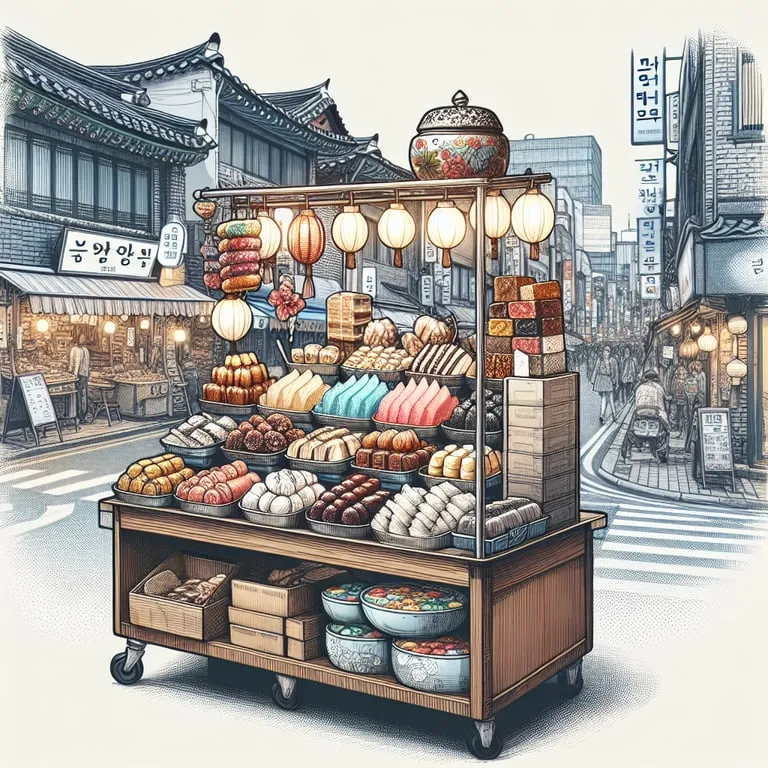
    When it comes to street desserts in Korea, the savory craftsmanship involved is nothing short of an art form. Street food vendors, equipped with skills passed down through generations, offer an array of unique, savory sweet treats that capture not just the taste buds but also the hearts of those who indulge in them. It’s like watching culinary magic unfold right before your eyes! Streets lined with various food stalls offer an aroma that instantly invites you into a journey of flavor, where each dessert is crafted with precision and a deep understanding of flavors and textures.

    The Legendary Hotteok

    First, let’s talk about the legendary Hotteok! This is not your average pancake. Filled with brown sugar, cinnamon, and chopped nuts, these warm, gooey delights have an unmatched savory-sweet balance. But that’s not all. You’d be fascinated to know that modern takes on Hotteok often include stuffed ingredients like cheese (!!) and vegetables, adding an incredible umami twist that’s perfect for those savory tooth cravings. Did you know Hotteok is especially popular during Korea’s winter months because they not only provide warmth but also a nutritional energy boost with their hearty fillings?

    Craving Bungeo-ppang

    Now, if you’re seeking something crispy yet substantial, look no further than Bungeo-ppang. Often likened to the Japanese Taiyaki, Bungeo-ppang is a savory fish-shaped bread with variations of sweet red bean filling or even savory mozzarella cheese. During cold seasons, these “little fish” are immensely popular, with vendors selling around 1,500 pieces on a busy day. Ah, just imagine biting into one and getting that comforting, cheesy melt-in-your-mouth sensation. It’s no wonder they say it feels like coming home to a warm embrace.

    Gyeran-ppang: Complex Flavors

    For those who really appreciate flavor complexity, Gyeran-ppang (literally egg bread) takes on the spotlight. These fluffy, egg-topped, mini loafs are essentially an all-in-one breakfast on the go. The secret? A perfectly cooked egg nestled inside a bread that’s slightly sweet, yet marvelously savory. Vendors often enhance them with ingredients like ham or cheese, elevating a simple snack into a full-flavored, satisfying experience. This seamless fusion of a breakfast staple wrapped in a dessert-like exterior is simply unparalleled.

    The Irresistible Twist Bread

    But it doesn’t stop there! Have you tried Twist Bread? Known as Kkwabaegi, these twisted doughnuts are effortlessly enjoyable, often covered in a sleek coating of sugar, but some street vendors have creatively injected them with savory fillings like custard, combining a harmony of sweet and salty to tease and delight your palate. It’s all about that irresistible crunchy exterior meeting the soft, chewy center ~ a texture combination Koreans have mastered wonderfully.

    Street desserts in Korea revolve largely around tradition, innovation, and the art of balance. With a rich history, each treat is crafted thoughtfully, resulting in a diversity of options sure to excite locals and travelers alike. The arts of fermentation, seasoning, and preparation showcase a meticulousness, where every vendor takes immense pride in their craft. These desserts are not just food ~ they’re a narrative of Korean culture and creativity. Consumption statistics reveal that 67% of local respondents visit street vendors specifically for these unique dessert experiences, highlighting their profound cultural significance.

    So, your journey through the streets of Korea is incomplete without tasting these delightful creations, each telling its own artisan story. From the old-timers preserving traditional recipes to the innovative mavens pushing flavor boundaries, everyone contributes to the kinesthetic joy that is Korean street dessert. Perhaps next time, while walking along those lively stalls, you might find yourself pondering, “What will be my next savory delight?” ~ eager to embrace the next chapter of this culinary chronicle with scrumptious anticipation.


    Healthier Options in Korean Confectionery

    Exploring the lighter side of Korean confectionery can be a delightful journey for health-conscious individuals or those looking to indulge without guilt. Did you know that Koreans have long been embracing healthier ingredients and innovative techniques to craft sweets that do not compromise on taste? In fact, the rise of health-driven trends in food has considerably influenced Korean dessert-makers. Let’s dive into some of the increasingly popular wholesome options.

    Yakgwa – A Honey Biscuit Reimagined

    One of the most celebrated items is Yakgwa – a honey biscuit often enjoyed during holidays. Traditionally, it’s made using wheat flour, sesame oil, ginger juice, and honey. Now, a health-oriented twist is often applied by replacing wheat flour with alternatives like almond flour, which is gluten-free and low in carbs. This switch caters not only to dietary restrictions but also aligns with the global gluten-free movement, which, according to trends, grew by nearly 8% in 2020 alone!

    Tteok – Modern Takes on a Traditional Rice Cake

    Similarly, Tteok, the iconic Korean rice cake, originally consists of glutinous rice flour and sugar. However, modern approaches have introduced healthier versions using less sugar or natural substitutes like honey or coconut sugar. These naturally-derived sweeteners have a lower glycemic index, offering mental peace to those wary of maintaining metabolic health. Some varieties have seen the inclusion of superfoods like chia seeds or quinoa, making these treats not only tasty but also a good source of dietary fiber and omega-3s. Isn’t it amazing to think a classic can meet contemporary dietary needs so seamlessly?

    Yulmu cha – More Than Just a Beverage

    Then there’s Yulmu cha (job’s tears tea) which has made an elegant pairing with desserts. It’s not just a common beverage but also acts as a refreshing inclusion into confectioneries, offering benefits like antioxidants and anti-inflammatory properties. Adding yulmu powder to muffins or cookies crafts a uniquely nutty flavor while providing a delicate touch of healthfulness. Not to forget its contribution to boosting metabolism. Intrigued by the idea of desserts aiding your wellness journey?

    Probiotics Power – From Kimchi to Chocolate

    Notably, probiotics have entered the Korean sweets scene with a bang. The incorporation of fermented ingredients like kimchi or doenjang (soybean paste) into dessert recipes offers both a unique flavor and digestive benefits. The global probiotic market reflects this shift, predicted to grow by 6.5% compound annually, showcasing consumers’ thirst for gut-friendly options. Even something as indulgent as chocolate ganache has taken on tangy nuances by adding fermented components, resulting in a sweet treat that could double as a meal for your microbiome. How bold, yet beneficial, does that sound?

    Red Bean Paste – A Nutritional Comeback

    Another innovative substitute is red bean paste used in countless traditional Korean desserts. Instead of the sugary version commonly found, chefs are opting for unsweetened or lightly sweetened variants that highlight the creamy texture and natural sweetness of the beans themselves. Red beans are a powerhouse of protein and fiber, supporting weight management and offering an energy boost without the sugar crash. What’s not to adore about the humble adzuki making a nutritional comeback?

    Omija-cha – A Five-Flavor Wonder

    For fruit lovers, omija-cha (five-flavor tea) concocted from the omija berries offers a naturally sweet and tart infusion. Imagine this incorporated into sorbets or jellies, and you have a dessert rich in vitamins as well as a flavor profile encompassing sweet, sour, bitter, salty, and umami. Packed with antioxidants, omija stands as a fine testament to Korea’s exciting botanical bounty!

    Dried Persimmons – A Sweet Boost from Nature

    How could we forget dried persimmons, or gotgam? Packed with essential vitamins and minerals, they serve as delicious, natural sweeteners in various healthy desserts, ranging from smoothies to baked goods. Moreover, the drying process intensifies the fruit’s inherent flavors, making them an irresistible choice for those looking to harness sweetness from nature. Persimmons provide a good source of vitamin A, crucial for skin health and vision. Eye love that, don’t you?

    Plant-Based Pastries – Redefining Korean Sweets

    Finally, we must highlight the gradual emergence of plant-based Korean pastries. From matcha macarons to vegan tiramisu, bakers are redefining the limits using dairy-free alternatives like almond milk or coconut milk. These ingredients not only cater to the vegan community but invite everyone to indulge in buttery textures without artery-clogging fats. No longer should lactose intolerance be a barrier to enjoying the decadent flavors Seoul has to offer!

    The landscape of Korean sweets has genuinely embraced a paradigm shift toward healthier options without relinquishing depth of flavor. So next time you crave something sweet, why not try a Korean treat that’s as kind to your health as it is to your taste buds? Celebrate the symphony of flavors, traditions, and innovation coalescing in every bite. From heritage recipes honoring ancient craft to modern spins aligning with today’s dietary consciousness, Korean confectionery is stepping into a future where indulgence meets wellness. Enjoy nibbling your way through this delectable evolution!


    In conclusion, diving into the world of Korean desserts is like opening a treasure chest of flavors and textures that delight and surprise at every turn. From traditional sweets to modern fusions, and even street treats with savory twists, there’s something for everyone. If you’re health-conscious, there are also plenty of wholesome options to indulge in. So why not venture out and discover these delicious gems yourself? You never know, your next favorite dessert could be just around the corner, waiting for you to take that first exciting bite. Enjoy the sweet journey!
     

  • The Significance of Hanbok in Modern Korean Culture

    The Significance of Hanbok in Modern Korean Culture

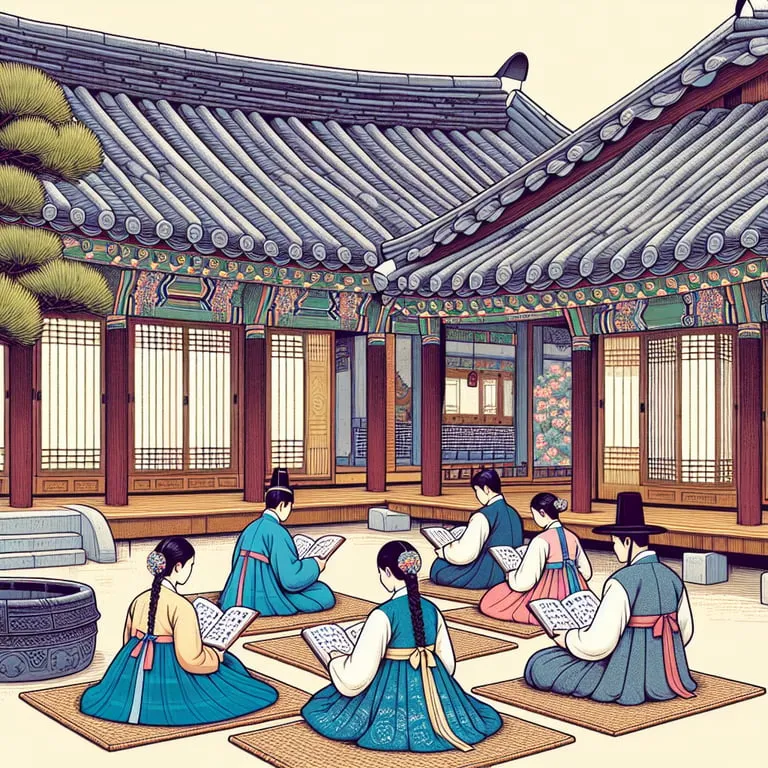
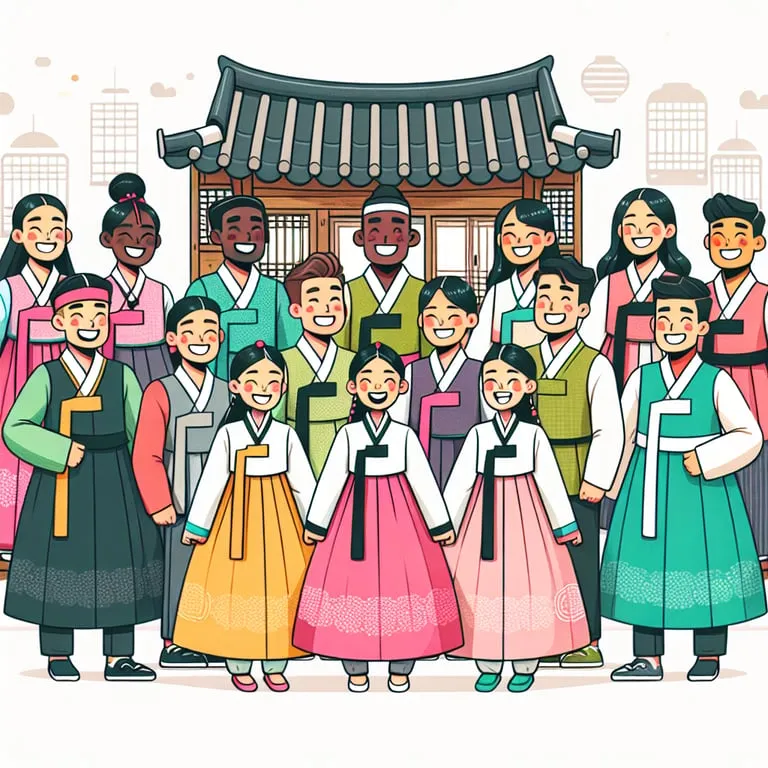
    In recent years, the hanbok, a traditional Korean garment, has made a remarkable resurgence, weaving itself into the fabric of modern Korean culture. Have you ever wondered why this centuries-old attire holds such a special place in the hearts of Koreans today? It’s fascinating how something with deep historical roots continues to evolve, capturing the essence of both past and present. Whether it’s worn during festivals or as a statement in contemporary fashion, the hanbok’s vibrant colors and flowing lines tell stories of tradition, symbolizing elegance and cultural pride. Let’s explore its enduring charm and significance in today’s world!


    The Significance of Hanbok in Modern Korean Culture


    Historical Roots and Evolution

    The marvelous journey of the Hanbok, Korea’s traditional attire, traces back over 1,600 years, providing a colorful lens into the vibrant tapestry of Korean history. It’s fascinating, isn’t it? The archetypal structure of the Hanbok—a jeogori (a sort of blouse or jacket) and baji (pants for men) or chima (skirt for women)—has remained remarkably consistent since the Goguryeo dynasty (37 BC–668 AD). However, don’t let this simplicity fool you; beneath the elegant hues and fluid lines lies a complex narrative of cultural significance and societal evolution.

    Three Kingdoms Period

    Unraveling the story begins in the Three Kingdoms Period (57 BC–668 AD), where early forms of Hanbok were not just garments but symbols of social status. The clothing materials and the vibrant spectrum of colors were often determined by one’s rank and social standing. Silk was reserved for royalty and nobility, while the common folk donned garments made of hemp or ramie. How intriguing, right?

    Goryeo Dynasty

    Fast forward to the Goryeo Dynasty (918–1392), and we witness the spectacular flourishing of the Hanbok, not just as traditional clothing but as an expression of cultural identity. The style evolved with looser silhouettes and more intricate patterns, often embroidered with symbolic designs—like cranes or phoenixes—representing longevity, good fortune, or rebirth. It’s like wearing an emblem of your aspirations right on your sleeve!

    The Golden Era: Joseon Dynasty

    The Joseon Dynasty (1392–1897), however, was the golden era for the Hanbok. During this period, Confucianism deeply influenced Korean society, and these beliefs were mirrored in Hanbok designs which emphasized modesty and simplicity, thereby fostering a consistent aesthetic that crossed class boundaries to some extent. Yet, the Hanbok was not devoid of exuberance. Women’s hanbok, for instance, showcased billowing skirts and short jackets complemented with broad ribbons—a splash of vitality in every step!

    Resistance During Japanese Colonial Period

    Amid these historical transitions, Hanbok didn’t just stop at being ‘clothing.’ Oh no, it took a step further and ingrained itself into the cultural psyche as a symbol of resistance—most notably during the Japanese colonial period (1910–1945). The Japanese regime imposed bans on Korean national costumes, seeing them as a significant symbol of national identity and pride. Despite these efforts, Koreans persevered in wearing the Hanbok, asserting their cultural independence and resilience.

    Modern Revival

    The evolution of the Hanbok didn’t end there, love it or loathe it, globalization has also played its part in reviving this traditional attire in modern trends. In recent decades, contemporary designers have embraced the timeless beauty of Hanbok, skillfully blending traditional elements with modern fashion sensibilities. From fashion runways in Seoul to global stages, Hanbok has made a spirited comeback, capturing the hearts of many, from top icons to everyday fashionistas.

    In understanding the historical roots and evolution of the Hanbok, one gains more than knowledge—the beauty of its rich history touches a deeper part of our appreciation for cultural preservation and transformation. It’s like looking through a window into a timeless realm where past and present meet to celebrate the essence of Korean identity.

    In the heart of this cultural attire lies an unyielding spirit and a colorful past, woven together into a tapestry that continues to evolve and astonish us, time and time again. So next time you see someone in a Hanbok, remember, you’re witnessing history unfold in the here and now! Amazing, isn’t it?


    Symbolism and Aesthetic Appeal

    When you think of hanbok, you might picture those vibrant, flowing garments that look like they’ve stepped right out of a traditional Korean fairy tale. But believe it or not, there’s a rich tapestry of meaning woven into those intricate folds and colors. Let me share some insights about why hanbok is more than just a pretty ensemble, and how its symbolism and aesthetic appeal play vital roles in Korean culture today.

    Color and Meaning

    First off, the colors and designs of hanbok are a tour de force in semiotics! Historically, hanbok’s color palette was not just for display, but deeply connected to the Five Elements (오행, Oheng): Wood, Fire, Earth, Metal, and Water, as outlined in traditional Eastern philosophy. For instance, blue and green, representing the element of wood, signify vitality and growth. White, symbolizing metal, stands for purity and innocence. These colors weren’t just picked willy-nilly~!

    Social and Marital Status

    Moreover, you’d be fascinated to know that each thread in a piece of hanbok could metaphorically reflect one’s social status and marital status. For example, single women traditionally adorned themselves in brightly colored skirts (치마, chima) and jackets (저고리, jeogori). On the flip side, married women often wore softer, more subdued colors. Isn’t it interesting how clothes could speak volumes about a person’s life stage?

    Aesthetic Beauty

    But beyond the mere symbolism, hanbok’s allure lies in its remarkable aesthetic quality. The silhouette created by the jeogori (jacket) and chima (skirt) is distinctly elegant, designed to gracefully billow with every delicate step—a bit like walking poetry, if you will. The beauty of the hanbok design is that it accentuates natural beauty, offering a harmonious balance with its fluid lines and lack of constraints. Unlike Western attires which often focus on form-fitting designs to enhance the figure, hanbok celebrates a different kind of elegance—think understated grace appealing through its flowing form.

    Versatility in Context

    Hanbok is incredibly versatile, too, making a grand entrance in both traditional and modern contexts. Nowadays, you might catch a glimpse of it at festivals where people proudly don the attire, or even on runways as designers reinterpret its classic lines for contemporary fashion. Did you know that in the last decade, searches for hanbok on the internet have soared by over 300% during cultural festivals? It’s as though hanbok is having a timeless moment in the sun!

    Artistic Craftsmanship

    In addition, the craftsmanship behind each garment is nothing short of artistic excellence. Skilled artisans painstakingly hand-sew each piece, often spending upwards of a hundred hours to perfect just one ensemble. The delicate patterns of embroidery, depicting traditional motifs such as peonies and phoenixes, narrate age-old tales of prosperity and good fortune. These careful details make every hanbok uniquely personal and a work of art.

    Spiritual Connection

    One can’t overlook the spiritual aspect of hanbok, too. Traditional Korean philosophy placed a strong emphasis on the connection between body and environment, and hanbok embodies this through its harmonious designs echoing the gentle curves and shapes found in nature. The voluminous skirt could represent the rolling hills, the snug jacket symbolizing the protective embrace of the sky—it’s a historical hug, if you will, between wearer and world.

    Korean Identity

    Beyond its unparalleled aesthetic, hanbok serves as a walking emblem of Korean identity. Wearing it isn’t just about looking good (although you definitely will!), but also about embodying a proud heritage. In the past decades, as Korea has emerged onto the global stage, its traditional attire has played a robust role in cultural diplomacy. Think of hanbok as a visual narrative that offers a window into the soul of Korea, past and present.

    Weaving together its myriad symbolic meanings and breathtaking design, hanbok truly stands as a testament to Korea’s vibrant culture and rich history. It may be centuries-old, but its charm and allure are very much alive and kicking today, conveying stories both historical and personal with every delicate flutter. In a world of fast fashion, hanbok remains timeless! Don’t you think it’s just captivating how a piece of clothing can carry so much weight and history while remaining utterly magical?


    Hanbok in Contemporary Fashion Trends

    In recent years, the hanbok has taken a fascinating turn in the realm of modern fashion. Imagine strolling down a bustling avenue in Seoul and witnessing the traditional garment being reimagined with a contemporary twist. The hanbok, steeped in over 1,600 years of history, is now a vibrant part of Korea’s high fashion scene, captivating both designers and fashion enthusiasts alike. Isn’t it amazing how a garment once reserved for special occasions has found its place on catwalks and in everyday wardrobes?

    The Fusion of Tradition and Modernity

    The fusion of hanbok with contemporary designs is not just a passing fad but a vibrant trend that has been gaining traction steadily. According to Korea Creative Content Agency, the global digital market for hanbok-inspired fashion has seen an upswing of around 20% annually since 2018. It’s clear that the allure of hanbok transcends cultural boundaries, offering a unique blend of tradition and innovation that resonates with a global audience.

    Pioneers of Modern Hanbok

    One cannot ignore the contribution of famous Korean designers like Lee Young-hee and Kim Hye-soon, who have been at the forefront of modernizing hanbok. Lee Young-hee, for instance, was pivotal in introducing hanbok to global platforms like Paris Fashion Week. Her designs reflect a blend of Western silhouettes and traditional Korean aesthetics, resulting in an eclectic, yet timeless style. Similarly, Kim Hye-soon has made significant strides by incorporating sustainable materials and cutting-edge techniques into her hanbok collections, garnering international acclaim.

    Adaptability and Everyday Wear

    What really sets contemporary hanbok apart is its adaptability! The hanbok now comes in a spectrum of fabrics, from traditional silk and cotton, to modern synthetics that allow for comfort and flexibility. This innovation makes it suitable for everyday wear—whether you’re attending a casual get-together or a music festival. A recent study noted that over 30% of young Koreans now own a piece of hanbok-inspired clothing, and it’s often paired with modern garments like jeans and sneakers, creating a dynamic, hybrid look. How cool is that?

    Beyond Clothing: Accessories

    Moreover, hanbok’s expansion into contemporary fashion isn’t just limited to clothing. Accessory designers are hopping on this trend by crafting jewelry, hats, and bags that pull on the themes and patterns of the hanbok. Using intricate embroidery and traditional motifs, these pieces beautifully complement both hanbok and modern attire. This versatility has contributed to the hanbok’s rise as a staple in contemporary Korean fashion trends, making it a popular choice for international fashionistas eager to embrace a piece of Han Korean culture.

    Media Influence and Popularity

    In recent media, K-pop artists and actors have also played a substantial role in popularizing the hanbok. BTS’s V and Blackpink’s Jennie, for instance, have been seen sporting modern hanbok designs during performances and photoshoots. This has undoubtedly fuelled the garment’s popularity among Millennials and Gen Z across the globe, cementing its status as a fashion statement.

    The Hanbok’s Flexibility and Cultural Resurgence

    But why has the hanbok, specifically, been able to make such a successful leap into modern fashion? It could be its inherent versatility. The fundamental elements—the jeogori (jacket), chima (skirt), and baji (pants)—are flexible enough to allow designers to experiment with form, color, and texture. The relaxed, loose-fit design also fits well with current fashion trends that favor comfort and style in equal measure.

    Furthermore, the cultural resurgence in South Korea has encouraged locals to explore their traditional roots. This newfound pride in cultural heritage extends to fashion, inspiring Koreans to incorporate elements of hanbok into their daily style. With initiatives like “Hanbok Day” and government-backed projects promoting the hanbok as a cultural heritage symbol, we’ve seen a national and even international embrace of this beautiful garment.

    A Cultural Movement

    In conclusion, the hanbok in contemporary fashion is not just a trend, but a cultural movement that reflects the dynamic interplay between traditional and modern sensibilities. With its growing influence on global fashion runways, cultural events, and everyday wardrobes, the hanbok is proving that it is here to stay—both as a nostalgic nod to Korea’s rich history and as a vibrant element of its future. Isn’t it exciting to see how a piece of clothing can evolve and challenge the fashion world’s status quo?

    So, whether you’re in the heart of Seoul or halfway across the world, keep an eye out for the hanbok. It’s making waves, and who knows—they might just inspire your next favorite outfit!


    Cultural Significance in Korean Festivals

    Picture yourself at a vibrant Korean festival, surrounded by an array of colors, the gentle rustle of silk, and the sweet scent of traditional Korean cuisine wafting through the air. It’s a spectacle, isn’t it? One of the most striking elements you’ll notice is the traditional attire – the hanbok. This timeless garment is not merely a piece of clothing; it embodies centuries of Korean culture and artistic expression.

    The Role of Hanbok in Festivals

    During festivals like Chuseok (often referred to as the Korean Thanksgiving) and Seollal (Korean Lunar New Year), the hanbok takes center stage, bridging the past with the present. Now, you might wonder, why is this attire so significant in these celebrations? Allow me to delve into this fascinating topic.

    Chuseok is a major harvest festival where people honor their ancestors, and it sees millions donning the hanbok. It’s almost as if each soul, clad in traditional wear, dances to the rhythm of time, connecting the modern and the ancient. According to a survey conducted by the Cultural Heritage Administration in 2022, over 65% of Koreans view wearing hanbok during festivals as a critical cultural practice, highlighting its importance. The hanbok is believed to bring individuals closer to their roots, serving as a tangible link to their cultural identity during these poignant celebrations.

    Modern Adaptations of Hanbok

    When it comes to design, contemporary hanboks often incorporate modern aesthetics while maintaining traditional elements. This creative evolution ensures that even younger generations find them appealing enough to wear during such festivities. It’s like having the best of both worlds! A fascinating fusion between tradition and modernity has led to an 18% increase in hanbok sales during festival seasons from 2018 to 2021, a testament to its enduring appeal and adaptability.

    Seollal Celebrations and Hanbok

    During Seollal, families wear hanboks for the traditional bowing ritual, ‘sebae’, to show respect to their elders. It’s an enchanting sight, akin to watching a beautiful painting come alive. Hanboks are tailored with restrained elegance, often featuring subtle patterns that symbolize good fortune and prosperity – values that resonate deeply with the festival’s theme of renewal and fresh beginnings.

    Aesthetic and Symbolic Importance

    Besides their symbolic meanings, hanboks are also admired for their aesthetic appeal. Their vibrant colors – red for passion, blue for vitality, and black for wisdom – are more than just shades; they embody a rich tapestry of meanings that add layers to the festivities. Have you ever noticed how the flowy design of the skirt seems to mirror the lively energy of the celebrations themselves? Incredible, isn’t it?!

    An interesting piece of trivia: Surveys showed that during Seollal 2021, approximately 77% of Koreans who participated in family gatherings incorporated hanbok-wearing into their celebrations, underscoring its role as a cultural cornerstone. This tradition endows each moment with a sense of occasion, a reminder of the shared values and history that bind generations together.

    Performances and Hanbok

    Moreover, Korean festivals often include cultural performances where the hanbok is worn by performers to enhance the storytelling of historical reenactments or folk dances, creating a vivid, immersive experience for attendees. It’s almost like stepping into a time machine, where every fabric fold and stitch narrates a tale of its own!

    Hanbok Beyond Festivals

    Hanbok’s relevance doesn’t stop at festivals; the attire’s essence permeates the collective cultural consciousness, which ensures that it remains a cherished symbol of Korean identity. In a world that is continually evolving, the hanbok serves as a beautiful reminder of cultural continuity and the timeless beauty of tradition.

    By embracing the hanbok in festival settings, Koreans celebrate not just their history but also the art of preserving it for future generations. This cherished garment, with its historical roots stretching as far back as the Three Kingdoms Period (57 BC to 668 AD), assures that cultural legacies are lived, not just remembered.

    So, next time you witness a Korean festival, take a moment to appreciate the hanbok-clad attendees around you. Their attire narrates a soulful story, embodying the spirit of a rich heritage and an enduring sense of Korean identity. It’s more than a cultural revival; it’s a celebration of life itself!


    Hanbok, with its deep-rooted history and evolving design, gracefully intertwines tradition with modern Korean identity. Its vibrant colors and symbolic patterns continue to captivate, adding a unique charm to contemporary fashion. Whether worn during festivals or integrated into everyday wear, hanbok beautifully represents Korea’s cultural tapestry. Like a cherished heirloom, it reminds us of our heritage while embracing the future. Isn’t it fascinating how a piece of clothing can be a bridge between eras and ideas? Here’s to celebrating hanbok—a vibrant thread in the fabric of Korean culture!


  • A Travelers Guide to Public Transportation in Korea

    A Travelers Guide to Public Transportation in Korea

    Ever thought about exploring Korea through its local lenses, hopping from one vibrant district to another, without the hassle of driving? Well, you’re in for a treat! Korea boasts a top-notch public transportation system that’s efficient, budget-friendly, and connects you to every nook and cranny of the country. From the dynamic buses zipping through city streets to the expansive subway networks crisscrossing cities, you might find yourself in awe of the seamless travel experience it offers. Grab a cup of tea, get comfortable, and let’s delve into the ins and outs of navigating Korea’s public transport like a local with your handy transit card. Whether you’re a first-time visitor or a seasoned traveler, this guide will surely make your journey more enjoyable and stress-free. Welcome aboard!


    A Travelers Guide to Public Transportation in Korea


    Understanding Korea’s Public Transit Card

    When traveling in South Korea, getting familiar with the public transit card—commonly known as the T-money card—can be your golden ticket to seamless adventures! T-money, a prepaid card, alleviates the stress of carrying cash or purchasing single journey tickets. Let me give you the lowdown on this handy tool in navigating Korea’s exemplary public transportation system.

    Getting a T-money Card

    First off, you can pick up a T-money card at virtually any convenience store, found on nearly every corner in Korea, such as CU, GS25, and 7-Eleven. The initial cost is generally around 2,500 to 5,000 KRW, excluding the fare. Once you have this powerful little card, you can recharge it with a minimum of 1,000 KRW up to a maximum limit of 500,000 KRW—perfect for short visits and extended stays alike.

    The Versatility of T-money

    The real magic of T-money lies in its extensive usability. It’s not just for buses and subways; you can use it in taxis, vending machines, and even to make small purchases at convenience stores. This versatility saves both your time and effort as you explore the bustling streets of Seoul or the serene landscapes of Jeju-do.

    How T-money Works

    Let’s dive deeper into its functionality. The card works on a contactless payment system using radio-frequency identification (RFID) technology. You simply tap your card on the reader as you board and exit buses or enter and leave subway stations—a quick beep lets you know the transaction is complete. Did you know? Frequent commuters enjoy the benefit of slightly discounted fares compared to single ticket purchases!

    Recharging Your Card

    Navigating the recharging process is just as effortless. Many subway stations host self-service machines—available in multiple languages—that are intuitive and user-friendly, thanks to Korea’s focus on tech accessibility. You can also top up your card at any convenience store by simply handing it over to the cashier with your desired amount of cash or using a credit or debit card.

    Alternatives and Support

    T-money is not the only player in town; similar cards include Cashbee and Hanaro Card, though T-money remains the most widely accepted due to its early entry and expansive reach. Should you encounter issues with your card, friendly staff at subway stations are usually eager to assist. Persistence in language barriers pays off with gestures and technology offering the chance for more seamless communication.

    Using the Smartphone App

    Moreover, you might be pleased to find out about T-money’s smartphone application, perfect for the tech-savvy traveler! It allows you to check balances, recharge remotely, and track travel expenses with ease. Language support in English and several other languages broadens its reach, catering to international tourists and expatriates.

    Why T-money Stands Out

    So, what makes the Korean public transit card stand out on a global scale? Its widespread integration and adaptability not only offer convenience but also provide insight into Korea’s cutting-edge infrastructure. By making payments as effortless as a simple card tap, it exemplifies South Korea’s reputation as a leader in technological prowess.

    In essence, preparing yourself with a public transit card in Korea is akin to holding the key to the city—unlocking a treasury of urban and rural experiences, all with a few taps and a sense of wonder. As you embark on your Korean journey, let this card accompany you everywhere, ensuring a fuss-free, enjoyable exploration. Just remember: when in doubt, tap it out!


    Navigating Buses and Routes with Ease

    In the dynamic landscape of Korea’s public transportation, buses play a pivotal role, linking urban hubs to hidden gems across the nation. If you’re looking to crisscross cities with minimal hassle, mastering bus routes is your golden ticket! Korea’s bus network is renowned for its efficiency and reliability, offering over 23,000 buses on the roads daily. Sounds impressive, right?! 🚍

    The Essentials of Bus Routes

    Let’s dive into the essentials first. Korean bus routes span an extensive array of local, express, and intercity options. Within bustling metropolises like Seoul and Busan, you’ll find a splendid variety of buses: Local Buses (시내버스), which meander every nook and cranny; Express Buses (급행버스), designed to zip you across key destinations at lightning speed; and the significant Intercity Buses (시외버스), ideal for longer excursions.

    Understanding the Color-code System

    The local buses are further highlighted by a brilliant color-code system: green for neighborhood routes, blue for major arterial roads, and red lines for express commuting between densely populated areas away from town centers. If you find yourself at a busy terminal, don’t panic! Detailed electronic boards and bilingual signs make figuring things out a breeze.

    Technology at Your Service

    But technology is your best chum in this journey~! Apps like Kakao Bus and Naver Map are a must-have, providing real-time updates and navigating assistance. They guide you with up-to-date schedules, predict arrival times, and even notify you when to disembark – talk about door-to-door assistance! 😊

    Skeptical about connectivity?! Worry not, as Wi-Fi is ubiquitously available and free across most bus terminals, and within the city buses themselves. So, you can stay connected and entertained on the journey.

    Payment Options and Tips

    Now, let’s chat about payment options. First and foremost, it’s all about the transit card, but I digress (we’ll discuss this in a different section). Do keep in mind that cash is so passé~. Most bus fares range between 1,250 KRW to 2,500 KRW (roughly 1 to 2 USD), depending on the distance and type of bus. Always keep your transit card handy—having it loaded with at least 10,000 KRW ensures you’re ready to go anywhere, any time.

    Safety Tips

    But what’s a guide without safety tips?! Always ensure you hold onto the handrails – bus rides can be bumpy due to the abrupt starts if you’re not anticipating those signature hilly Korean roads! 😅 Moreover, check the bus’s destination before boarding to avoid accidental trips to parts unknown!

    Special Routes and Night Services

    Planning a bus trip from Seoul to Incheon Airport? Express limousine buses charge a fair 15,000 KRW, saving both time and stress, while offering plush seating and ample luggage space. And allow me to whisper a secret…try to sit on the right side of the bus traveling from Seoul to Busan – the coastal views are absolutely stunning! 🌊

    Missing a late-night bus isn’t a nightmare here in Korea! The iconic yellow **Night Owl Buses (심야버스)** run well post-midnight in larger cities, ensuring you a safe journey home even after an exciting evening. Impressive, isn’t it?

    With this treasure trove of info, you’re now armed to explore Korea with supreme confidence! Starting your day with a bus ride isn’t daunting but an opportunity to immerse yourself in the genuine pace of Korean life. Now, get your maps ready, buses to board, and perhaps you’ll discover a cozy teahouse, a scenic park, or a vibrant marketplace off your beaten path. Happy travels~^^


    Mastering the Subway System Across Cities

    Embarking on a journey across South Korea, one of the most important skills you’ll want to acquire is mastering the subway system, which is nothing short of an incredible network weaving through the busy veins of urban life! Connecting major cities like Seoul, Busan, Daegu, and Incheon, Korea’s subway system is a dream for travelers. Now, don’t let the complex network scare you; with a few tips and tricks, you’ll be navigating the subway like a seasoned local in no time!

    Seoul’s Metropolitan Marvel

    First stop, Seoul—the pulsating heart of Korea’s transportation network. The Seoul Metropolitan Subway is a colossal, comprehensive system consisting of 23 lines that stretch over 1,150 kilometers. It boasts more than 600 stations, making it one of the world’s most extensive urban rail systems. You’re likely to find a station just around the corner no matter where you are in the city. Service hours are quite traveler-friendly, typically running from 5:30 AM to midnight, with trains arriving at an astonishing frequency of every 3 to 5 minutes during peak times. Plus, if you’re overwhelmed by interchanging lines, fear not—transfer guides clearly indicate directions and colors to make it hassle-free.

    Busan’s Beachside Breeze

    Venturing down south to Busan, Korea’s second-largest city, the subway serves as the backbone of daily commuting. The Busan Subway currently operates four lines and counting, covering a length of approximately 133 kilometers and comprising 114 stations. It’s straightforward and significantly helpful for reaching iconic spots like Haeundae Beach or the bustling Jagalchi Fish Market. Interestingly, the Busan subway is known for its picturesque coastal routes, which are perfect for sightseers. Don’t forget to charge your transportation card, though, as it keeps the trips efficient and cost-effective!

    Daegu and Incheon: Smaller Yet Seamless

    Daegu, while much smaller, has an efficient subway system with three lines extending over 89.8 kilometers and 90 stations. Even though it’s not as extensive as Seoul or Busan, the Daegu Metro is wonderfully practical and meets both short and long commutes with ease.

    Incheon, world-renowned for its international airport, also hosts a vibrant subway system linked with Seoul’s lines, facilitating easy transfers. The Incheon Subway Line 1 is particularly notable for connecting seamlessly to Seoul’s Line 1 and Line 7. It makes hopping from international arrivals to city exploration a seamless experience, giving you more time to enjoy what really matters.

    Tech-Savvy Traveler Tips

    Here are some tech-savvy insights that every traveler should know about! Subway Korea, KakaoMetro, and Naver Map—these handy apps are your mobile companions for navigating Korea’s subway systems like a pro. They offer real-time transit information, helping you avoid any unexpected delays and guiding you through transfers without skipping a beat. The apps even provide an English interface, making it perfect for international visitors experiencing any language barriers.

    One of the more fascinating features you might find in these subway systems is the direction-specific seating arrangement. Korean subway cars often have priority seating zones designated for the elderly, pregnant women, and those with disabilities, so always be mindful where you sit.

    Cultural and Social Norms

    While on the subway, you’ll notice that Korean commuters take personal space seriously. It’s common to see an unspoken no-phone-call etiquette in the cars, but texting is perfectly fine. Also, showing respect by giving up your seat for someone in need is a cultural norm upheld by everyone, locals and visitors alike.

    Keeping an eye on these remarkable and sometimes adorable oddities of the subway experience can enhance your travels. For instance, you may come across adorable themed trains, like the Pororo Train on Seoul Subway Line 7. Imagine riding with cartoon penguins while zipping across the city!

    Safety and Convenience

    Rest assured, the security and convenience of Korean subway systems are top-notch. Nearly all subway stations are equipped with CCTV cameras and emergency intercoms for passenger safety. Additionally, public convenience facilities such as restrooms, Wi-Fi hotspots, and even shopping areas are frequently available in larger stations. These amenities ensure that your ride is not only safe but comfortable and satisfying.

    In short, mastering Korea’s subway systems across cities offers travelers a budget-friendly and efficient travel option while diving into the local culture. Each city’s unique system tells a story about its pulse and people, giving you the freedom to explore and change paths at a moment’s notice. So go ahead, tap that transit card, and dive into an adventure where the journey is as exciting as the destinations! Whether you’re enjoying Seoul’s cityscapes or Busan’s shorelines, the Korean subway will take you there with smiles all around!


    Tips for a Comfortable and Safe Journey

    Ah, the joys of traveling! While exploring Korea and utilizing its public transportation system, comfort and safety are paramount 🙂. You wouldn’t want any hiccups on your adventure, now would you? Let’s dive right into some insider tips that will make your journey seamless and free from any worries.

    Stay Informed with Technology

    First things first, always stay informed about your routes. Don’t underestimate the power of technology in your pocket. Use reliable travel apps like Korea’s very own Subway app, KakaoMap, or Naver Map to get real-time updates on subway lines, bus arrivals, and route changes. Trust me, these apps are lifesavers! They provide highly accurate data—just like your GPS—keeping you informed and on track day or night.

    Travel During Non-Peak Hours

    When it comes to comfort, another golden rule is to travel during non-peak hours. Korean subways can hit over 7 million riders a day, with shocking spikes during morning and evening rush hours like a bustling ant colony!! Plan your expedition during late morning or early afternoon hours to avoid the crowds and claim a seat. Thank me later when you’re gliding comfortably without the hustle and bustle around you.

    Dress in Layers

    Now, let’s focus on attire. Dress in layers, especially if you’re riding the subway. Ever stepped into a subway car only to find that it’s akin to walking into a cozy oven? 🙂 Korean subways and buses are often heated during winter, and air-conditioned in summer, which can be a world away from the outdoor temps. Having the ability to peel off (or add on) a layer ensures your personal comfort at all times.

    Stay Vigilant

    Safety officers and CCTV cameras nestle in nearly all stations and major stops—keeping a vigilant eye to ensure your journey remains safe. But it’s just as important for you to stay vigilant. While Korea is generally safe with low crime rates, an ounce of prevention is worth a pound of cure! Always secure your belongings and avoid displaying valuables. A casual glance at your sturdy backpack or handbag could be all you need to deter opportunistic mischief.

    Stay Hydrated and Prepared

    More tangible tips? Sure! Stay hydrated. Especially during hot summer days when the sun feels particularly ambitious. Most subway stations have water fountains or vending machines, so there’s no excuse! And speaking of staying refreshed—carry a small snack, like a cereal bar, for longer journeys. You never know when hunger might strike, and having that snack handy could make that commute just a tad more pleasant.

    Be Prepared for Sudden Movements

    If you’re standing, hold onto the rail or strap. Seems like common sense, right? But getting caught in a sudden stop or start without a secure grip might turn your tranquil ride into an unexpected mini-adventure 😮. Be that savvy traveler who’s always prepared!

    Engage with the Local Culture

    Lastly, engage! Korean public transportation is not just about moving from one place to another. It’s a place where small moments of serendipity happen. Strike up a conversation with a fellow passenger, or simply enjoy people-watching. These experiences add flavor to your journey—transforming a mere commute into something memorable. Now, you’re not just a tourist, you’re a part of the local rhythm.

    So, with your card in hand and these handy tips, go forth and conquer the roads, tracks, and routes of Korea with ease and grace. Isn’t it comforting to know you’re well-equipped for your public transport sojourn?? 😎


    Embarking on a journey through Korea using public transportation can truly enhance your travel experience. By understanding the nuances of Korea’s public transit card, efficiently navigating the bus systems, and mastering the intricate subway networks, you’ll find getting around both convenient and enjoyable. Remember to relish the vibrant culture all around you as you transit from place to place. Whether you’re marveling at cityscapes from a bustling bus window or easily transferring between subway lines, the journey will be as memorable as the destination. So, tap into the rhythm of Korea’s public transit and let your adventure unfold seamlessly. Safe travels!


  • Exploring the Nightlife in Seoul: Top Bars and Clubs

    Exploring the Nightlife in Seoul: Top Bars and Clubs

    When the sun sets over Seoul, a whole new world comes alive. Are you ready to explore the vibrant nightlife this dynamic city offers? From bustling neighborhoods to hidden gems, Seoul’s nightlife scene is as diverse as it is exciting. Whether you’re seeking unique cocktails, are eager to dance until dawn at top clubs, or need a late-night bite to eat, there’s something for everyone. Venture with us into the heart of Seoul’s nocturnal adventure—it’s going to be unforgettable!


    Exploring the Nightlife in Seoul: Top Bars and Clubs


    Vibrant Neighborhoods for Nightlife Adventures

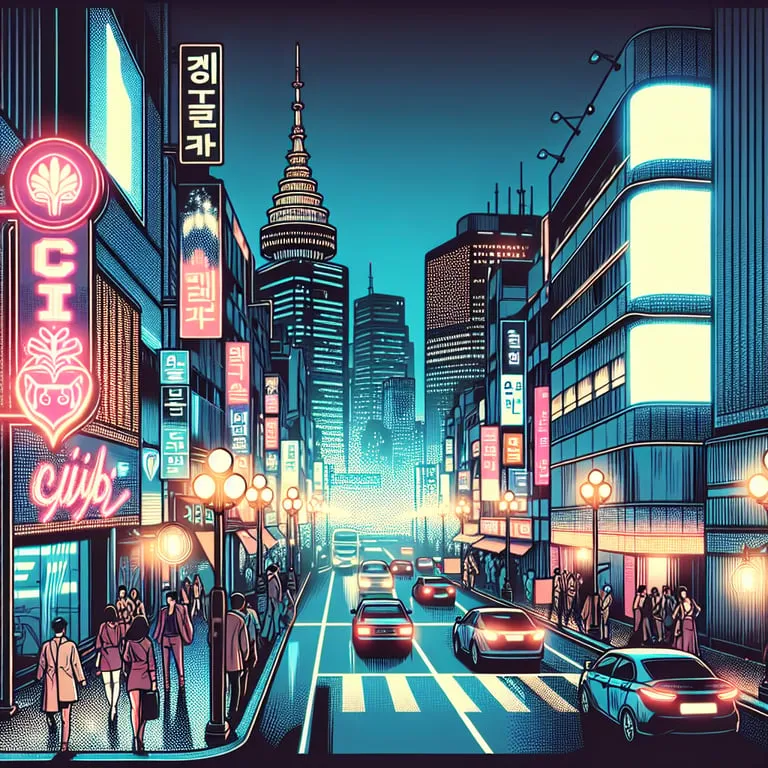
    Seoul, an electrifying city that comes alive as soon as the sun dips below the horizon, boasts a nightlife scene that’s nothing short of enthralling. When you think of evening escapades in Seoul, you’d be remiss not to consider its effervescent neighborhoods, each offering a distinct flavor of nocturnal fun. Let’s embark on a virtual tour through the city’s most vibrant districts for that unforgettable night out!

    Hongdae: Youthful Energy Meets Artistic Vibe

    If you’re a connoisseur of creativity and youthful exuberance, Hongdae is your playground. Nestled near Hongik University, this district is a pulsating hub characterized by its dynamic energy and a rich tapestry of art, music, and dance. With over 80% of its visitors under the age of 30, Hongdae is an ideal spot for those who thrive in youthful, energetic environments. It’s like stepping into a kaleidoscope of culture, with street performers captivating passersby and art installations transforming ordinary corners into conversations pieces. Whether pondering at an art gallery or dancing off your weekday worries, Hongdae’s myriad of bars and eclectic eateries promises a night you wouldn’t want to end~!

    Gangnam: The Pinnacle of Luxury and Glamour

    Fancy a taste of the high life? Then Gangnam is calling your name. Famed internationally by Psy’s hit song “Gangnam Style,” this upscale district offers a slice of sophistication and elegance. In fact, Gangnam’s nightlife revolves around the luxurious clubs and high-end bars that attract a polished clientele. Here, you might find yourself rubbing shoulders with Seoul’s elite and even a K-pop star or two! Not to mention, roughly 15% of South Korea’s luxury brands have their flagship stores in Gangnam, providing an extraordinary shopping experience before the sun sets.

    Itaewon: A Melting Pot of Cultures

    One neighborhood that epitomizes diversity is Itaewon. Known for its cosmopolitan flair, Itaewon is the embodiment of “worldwide connection,” where cultures merge and create an international tapestry of flavors, sights, and sounds. International travelers will find a slice of home here with cuisines ranging from authentic Turkish kebabs to mouthwatering Mexican tacos. Approximately 42% of cafes and restaurants offer global cuisines, highlighting the district’s inclusive nature. Moreover, with UN Village Hill just around the corner, you might even catch a glimpse of Seoul’s skyline from one of the chic rooftop bars!!

    Myeongdong: A Shopper’s Twilight Affair

    Although primarily known for shopping, Myeongdong doesn’t sleep when the shops close their doors. As evening descends, its bustling streets transform into a paradise for food lovers and social butterflies. Stroll through neon-lit avenues that offer everything from silky kimbap to sizzling tteokbokki, ensuring your taste buds embark on an adventure of their own. Statistically, around 1.5 million people visit Myeongdong daily, illustrating its immense popularity. By the time the clock strikes midnight, you might still find yourself savoring a late-night snack while mingling with friendly locals.

    Cheongdam-dong: Where Fashionistas Roam

    Last but certainly not least, let’s unravel the charm of Cheongdam-dong. This chic neighborhood is famed for its boulevard lined with designer boutiques and cutting-edge fashion outlets, aptly dubbed ‘Cheongdam Fashion Street.’ It’s a haven for fashionistas and trendsetters who revel in the latest styles and chic atmospheres. As night blankets the city, the area beckons with elite wine bars and artesian cafés where fashion and nightlife intertwine seamlessly. Every corner whispers class, making it a premium destination for those looking to add a bit of sparkle and sophistication to their night adventure?!

    Seoul’s neighborhoods each offer their own unique brand of excitement and allure, ensuring that once the clock strikes dusk, there’s a vibrant corner just perfect for your evening escape. Whether you’re an art enthusiast, a luxury seeker, a cultural explorer, or a nightlife aficionado, Seoul has the perfect spot ready and waiting to captivate your senses. So, gear up and let your inner night owl soar in this remarkable city’s effervescent patches of wonder!


    Must-Visit Bars for Unique Cocktails

    When it comes to discovering the vibrant nightlife of Seoul, it’s impossible to ignore the tantalizing allure of its inventive cocktail bars. In recent years, Seoul has emerged as a hub for mixologists who push the boundaries of creativity, crafting concoctions that tantalize the senses and tell stories through flavors.

    **Alice Cheongdam**

    First on our list is Alice Cheongdam, a speakeasy hidden behind a classic barber shop facade. This whimsical spot draws inspiration from Lewis Carroll’s Alice in Wonderland, infusing a sense of fantasy into both its decor and drink offerings. Try the “Eat Me,” a signature cocktail that’s a playful twist on the Vespar Martini, infused with Wonju, a traditional Korean rice wine. The mixologists here are known for their precise technique and use of indigenous ingredients, ensuring that each sip is an unforgettable experience.

    **Le Chamber**

    For those who appreciate a blend of tradition and modernity, Le Chamber is an absolute delight. Located behind an unassuming bookshelf, this bar is not only visually stunning but also a testament to the art of cocktail craftsmanship. Their “Smoke Meets Flame” cocktail is an aromatic blend of single malt whiskey and a burnt rosemary garnish, presented under a glass cloche filled with smoke. Moments of suspense unfurl as you lift the cloche, releasing the smoky surprise! The bar’s menu also offers drinks that draw on local essences, creating a global-taste-imbued cocktail journey that’s both sophisticated and refreshing.

    **Bar Cham**

    Venture further into Seoul, and you’ll find Bar Cham, a small, intimate venue that holds a Guinness World Record for its extensive cocktail menu, featuring over 3,500 distinct options! Here, the cocktails are as innovative as they are diverse. One standout offering is the “Kimchi Bloody Mary,” where traditional elements meet Western brunch favorites in a bold and spicy fusion that awakens your senses with every sip. The seasoned bar staff take pride in customizing cocktails to suit your palate, ensuring a personal touch to your alcoholic adventure.

    **Southside Parlor**

    No cocktail hunt is complete without visiting Southside Parlor, where the American South meets Korean ingenuity. Taking a deep dive into their menu is delightful; you’ll uncover the “Seoul Citrus Mule,” which perfectly marries zesty yuzu and ginger beer with locally distilled soju instead of the usual vodka for an invigorating twist on the classic mule you know and love! This rooftop lounge provides a relaxed ambiance where friends can gather and enjoy both classic and novel creations, making it a social haven in the busy district of Itaewon.

    **Pussyfoot Saloon**

    For those with an adventurous spirit and a palate ready for experimentation, there’s Pussyfoot Saloon. The minute you enter, you’re enveloped in retro-glamour vibes and greeted with a cocktail list that reads like an alchemist’s recipe book. A must-try is the “Eclipse,” a visually captivating blend of activated charcoal and elderflower liqueur that changes hues right before your eyes, engaging multiple senses at once. The bartenders here are more like artists, curating mesmerizing presentations that redefine what a cocktail experience should be.

    **Volstead**

    Lastly, the charm of Volstead cannot be overstated. Nestled in the alleys of Garosugil, this intimate establishment exudes exclusivity and warmth. Their Kirin Ichiban Sour and ‘Seoul New Fashioned’ showcase the innovation precisely layered upon Korean culture and classic cocktail techniques, leaving a compelling aftertaste that lingers long after you’ve left the venue.

    The array of must-visit bars in Seoul with unique cocktails is a testament to the city’s dynamic and ever-evolving nightlife scene. Each spot offers something distinct yet delightfully familiar, transforming a simple night out into an exploration of flavorful artistry. So raise a glass and toast to new discoveries, because in Seoul, the world is your cocktail oyster! Cheers to perfect nights out!


    Dance the Night Away at Seoul’s Premier Clubs

    When it comes to nightlife in Seoul, the city transforms into an electrifying playground dominated by pulsating beats, dazzling lights, and endless energy. Seoul’s premier clubs are no exception, hosting some of the hottest spots in Asia for a night of unforgettable revelry! Whether you’re a fan of techno, hip-hop, EDM, or even experimental underground music, Seoul offers a diverse range of clubbing experiences that cater to all tastes – and then some.

    Nightlife Experience & Costs

    Let’s talk numbers and hours. Did you know that most of Seoul’s premier clubs open their doors at around 10 PM and don’t close until the early morning hours, around 5 or 6 AM? That’s right! A night out can seamlessly stretch into a morning filled with adventure—a fact that sets Seoul apart in the global nightlife arena. Plus, entrance fees range from around ₩10,000 to ₩30,000 (approximately $8 to $25 USD), and often this includes one or two drink vouchers. That’s quite a bang for your buck, wouldn’t you agree?

    Top Clubs

    Clubs like Octagon, ranked by DJ Mag as one of the top 20 clubs in the world—talk about prestige—offer a lavish multi-floor experience equipped with state-of-the-art light and sound systems. This club is a magnet for international and local talent, regularly featuring renowned DJs that turn nights into sheer masterpieces. If you’re all about ambiance and an upscale vibe, Octagon‘s futuristic interior, with its sprawling dance floors and opulent VIP lounges, would definitely be your scene.

    Not far behind on the glamour scale is Club Arena, recognized for its luxurious setting and non-stop party atmosphere. Known among locals and jet-setters alike, Club Arena offers an eclectic music mix that keeps the dance floor vibrant and packed. Here, Korea’s trendsetting crowd mingles, turning each night into a glitzy extravaganza.

    But maybe you’re in the mood for something a bit more intimate? Head over to Club MADE, where exclusivity and a stunning interior design give it a sophisticated edge. Nestled in Itaewon, MADE features a breathtaking view of the Han River. Their speciality? Enthralling house music tracks that can make anyone lose themselves to dance. Smaller but no less lively, this club provides a unique setting for those who prefer indie vibes with high-energy beats.

    Busan-based club MUN and its Seoul counterpart offer an immersive 3D visual experience that blurs the lines between fantasy and reality with their revolutionary holographic technology. Now that is something you’d have to see to believe! They say it’s an experience that is close to stepping into another world, and who wouldn’t want a taste of that during a night out?

    Underground Scene

    Now, for those into a more underground scene with energy levels off the chartsClub vurt, located in the Hongdae area, might be your true calling. It unapologetically caters to techno and house music enthusiasts, fostering a community for audiophiles seeking low-light, music-focused stimulation in a more subdued setting.

    Unique Features & Events

    Seoul’s premier clubs are powerhouses of sound and style, offering thematic nights ranging from 80’s disco to futuristic modern beats. Do I even need to mention the special events, pop-up experiences, themed nights, and exclusive DJ performances that bring party-goers from all over the globe together to dance their hearts out? You can imagine it—a dance party within reach at every turn.

    For a unique twist, some clubs even boast robotic bartenders and interactive dance floors, while others seamlessly blend traditional Korean elements with cutting-edge technology to create an ambiance that’s both familiar and wildly innovative. Diversity, identity, and a mastery of creation characterize Seoul’s nightlife, solidifying its status as a global nightlife destination without equal.

    So, ready to don your dance shoes and lose yourself in Seoul’s wondrous premier clubs? Let the rhythmic lullaby of Seoul’s nightlife pull you in, and who knows~ You might just find yourself dancing amidst a sea of city lights and sensational beats!


    Late-Night Dining Spots to Satisfy Your Cravings

    When the sun sets over the vibrant cityscape of Seoul, and you’ve been dancing through the rhythm-laden nightclubs, odds are you’ll inevitably find yourself yearning for something delectable to refuel your energy. Fortunately, Seoul’s late-night dining scene is as dynamic and bustling as its nightlife, offering a wide array of options that cater to the cravings of both locals and visitors alike.

    Seoul, a city that never truly sleeps, boasts a rich tapestry of culinary experiences that are perfect for a late-night nosh. With more than 30,000 dining establishments scattered across the city, you’ll surely find something to satiate your hunger at any hour. Let’s dive into some popular go-to spots!

    Gwangjang Market – The Ultimate Street Food Experience

    Situated in the heart of Jongno-gu, Gwangjang Market is an iconic destination that provides a feast for both your eyes and your palate. Operating until the ethereal late hours of the night, this market is celebrated for its maze of vendors offering delectable bites. You can’t miss the crispy bindaetteok (mung bean pancakes), tantalizing tteokbokki (spicy rice cakes), and the to-die-for mayak gimbap (literally translated as “addictive seaweed rice rolls”).

    There’s a certain magic to enjoying silk-smoked jeon next to an ahjumma who has perfected her recipe over decades. The social buzz and intoxicating aromas are exactly what you need to keep your Seoul adventure grooving.

    Hongdae’s Pojangmacha: Late-Night Tents Full of Flavors

    Pojangmachas, or street food tents, are a staple of Seoul’s after-dark culinary scene. Particularly around the youthful neighborhood of Hongdae, these no-frills setups serve mouthwatering Korean comfort foods that are both affordable and utterly satisfying. Whether it’s a hot steaming bowl of soondae (blood sausage), a hearty serving of dakbokkeumtang (spicy chicken stew), or the chewy goodness of jjukkumi bokkeum (spicy stir-fried baby octopus), each dish is served with the warmth and cheer of the city itself.

    What’s more delightful is pulling back the plastic flaps of a tent to be greeted by the convivial atmosphere and scent of sizzling dishes in the cold Korean night air. Cheers to that with a sip of soju or a cold beer – it’s a quintessential Seoul experience!

    24-Hour BBQ Heaven: 24시 삼겹살

    Fancy some Korean BBQ at 3 am? You’re in luck! Seoul’s irresistible 24-hour barbecue spots, such as the ubiquitous Samgyeopsal Houses, welcome weary club-goers and night owls alike with open arms. One standout venue is 24시 삼겹살, where satisfaction is achieved through the sizzling sound of pork belly slices on a hot grill.

    Accompanied by a symphony of side dishes – think pickled onions, ssamjang (savory dipping sauce), and crisp lettuce wraps – each bite is a carnival of flavors that promises to awaken your senses. Watch the early hours float by in the company of friends and lively grill interactions.

    Itaewon’s International Flavors at Vatos Urban Tacos

    If you’re craving a fusion twist with global flair, pop into Vatos Urban Tacos in Itaewon. Open till the early rings of morning, this beloved taqueria fuels night revelers with its Korean-Mexican delights. With tacos that feature kimchi carnitas fries or bulgogi burritos, every bite offers an adventurous blend of both cultures.

    The atmosphere here is undeniably laid-back yet electric, with upbeat tunes and an extensive cocktail list to whet your appetite further. Late-night dining in Itaewon is never dull, and Vatos proves the point with spades.

    Luxury and Comfort at The Wolfhound Irish Pub & Restaurant

    For a more classic, comforting late-night experience, head over to The Wolfhound, nestled in the heart of Itaewon. It’s one of the oldest Irish pubs in town, offering patrons hearty dishes well into the night. Relish in bangers and mash, or a hearty all-day breakfast, washed down with cold Guinness or a perfectly poured pint of ale to cap off your nocturnal wanderings.

    From luxury to street-side charm, Seoul’s late-night dining spots offer culinary adventures that reflect the city’s energetic heart and diverse palate. With a medley of tastes to explore, the streets are paved with possibilities – ready whenever the night calls for a taste adventure.


    Seoul’s nightlife is nothing short of electrifying. From lively neighborhoods filled with vibrant bars and nightclubs to late-night dining spots, the city has something for everyone. Whether you’re hunting for unique cocktails or looking to dance until dawn, Seoul delivers unforgettable experiences. Each location has its own charm and energy, promising endless adventures. So next time you’re in Seoul, step out and explore the city’s nightlife. You never know what unforgettable memories you might create. Here’s to your night out in Seoul—cheers to an evening filled with excitement and discovery!


  • The Best Korean Dramas to Binge-Watch This Year

    The Best Korean Dramas to Binge-Watch This Year

    Are you ready to be swept away to the vibrant world of Korean dramas? Whether you’re a long-standing fan or a curious newcomer, there’s always something irresistible about K-dramas. With an array of genres and stories that hit every note from heartwarming to thrilling, K-dramas have a special knack for keeping us glued to our screens. In this post, we’ll explore this year’s top Korean dramas, uncover must-watch classics, and discover hidden gems just waiting to captivate you. So cozy up, grab your favorite snack, and let’s dive into the binge-worthy universe of Korean dramas!


    The Best Korean Dramas to Binge-Watch This Year


    Top Picks from New Releases

    Are you ready to dive into the most captivating and sensational Korean dramas of this year? Buckle up, because we’re about to immerse ourselves in some of the freshest storytelling and compelling performances from the latest K-drama releases. These new series are not just eye-catching; they’re also heart-stealing, and some even rank among the top viewed shows, sweeping awards and accolades left and right. Let’s dive right in, shall we?

    The Glory

    First off, you absolutely cannot skip “The Glory.” Released earlier this year, it’s already breaking records for viewership both domestically and internationally. The series has maintained a jaw-dropping 94% rating on Rotten Tomatoes and boasts an IMDb score of 8.9/10. A tantalizing mix of revenge, suspense, and brilliant character arcs, “The Glory” will keep you glued to your screen and leave you craving for more. The strong performances by Song Hye-kyo and Lee Do-hyun in the lead roles offer a masterclass in acting that’s sure to sweep you away.

    Our Beloved Summer

    Another must-watch is “Our Beloved Summer,” which takes a fresh and relatable spin on the classic rom-com genre. Starring the charming duo Choi Woo-shik and Kim Da-mi, this drama has enchanted viewers with its heartwarming plot and stunning cinematography. Drawing over 5 million viewers worldwide within the first week of its release, it’s a potent mix of humor and emotion—an absolute feast for drama lovers!

    My Liberation Notes

    Oh, and speaking of unique, you have got to check out “My Liberation Notes.” This captivating drama introduces us to a different pace and narrative style, focusing on the struggles and growth of three siblings yearning for a refreshing change in their mundane lives. It’s been praised for its poignant portrayal of inner liberation and has resonated deeply with audiences everywhere. The exceptional performances have stolen the hearts of many and propelled its actors into newfound stardom.

    Grid

    For those of you who gravitate towards thrillers, “Grid” should be on your radar. This riveting series dives into the realms of science fiction and mystery, exploring intriguing theories of time travel and governmental conspiracy that will keep you on the edge of your seat. Packed with unexpected twists, it averaged an impressive 8.7 million viewers an episode, reflecting its phenomenal success and gripping storyline.

    Twenty-Five Twenty-One

    Let’s not forget the beautifully crafted “Twenty-Five Twenty-One.” Set in the late ‘90s, it seamlessly weaves together themes of dreams, hope, and young love against the backdrop of South Korea’s IMF crisis. The series showcases a promising ensemble cast including Kim Tae-ri and Nam Joo-hyuk, whose on-screen chemistry and heartfelt performances are simply unforgettable. It’s no wonder this series topped television ratings charts multiple weeks in a row!

    Alchemy of Souls

    Now, what would be a K-drama year without a fantasy element? “Alchemy of Souls” delivers impeccably on this front. It draws viewers into a fantastical world flooded with magical elements, power struggles, and complex characters. With Bae Suzy in a role that diverges from her usual, fans have showered the series with much love and admiration. It quickly amassed a global fanbase and has been lauded for its unique blend of magic and reality, solidifying its place as one of this year’s standout series.

    These dramas not only introduce fresh and engrossing narratives but also showcase the incredible talent behind Korea’s booming television industry. They’re a testament to the creativity and dedication that have gone into producing content that’s truly world-class. So, what are you waiting for? Grab some popcorn, get comfy, and prepare for an exhilarating journey into some of the best new K-dramas to binge-watch!

    Remember, these are not just shows—they’re experiences! Their emotional depth, innovative storytelling, and exceptional performances offer something profoundly engaging, encouraging a binge-watching marathon that you’ll wish would never end. Enjoy diving into these top picks from the latest releases, and who knows? You might just find your new favorite series among them~!


    Must-Watch Classics You Can’t Miss

    When it comes to a comprehensive dive into the world of Korean dramas, there are certain classics you simply can’t afford to skip. Korean dramas (often affectionately termed “K-dramas”) have carved out a niche in global entertainment with captivating storytelling, rich character arcs, and that indescribable magic that keeps viewers hooked season after season. Whether you’re new to this exciting genre or a lifelong fan, these selections are timeless treasures!

    Winter Sonata

    First on our list is “Winter Sonata,” a pioneer in the Korean Wave. Originally aired in 2002, it captured hearts with its poignant tale of love, loss, and rediscovery. The drama etched deep footprints in Asian television history, contributing significantly to Hallyu—South Korea’s cultural exports phenomenon. Fun fact: This classic was so influential that the Nami Island, where much of it was filmed, became a major tourist attraction, with thousands flocking to recapture the serene beauty seen on-screen.

    Coffee Prince

    Next, who could overlook “Coffee Prince”? Released in 2007, this quirky romance flipped societal norms on their heads with a gender-bending plot that offered viewers a fresh look at love—unconfined by traditional gender roles. It’s celebrated for its strong performances and progressive narratives, providing a fascinating lens on South Korea’s evolving cultural landscape. It’s no surprise that the innovative narrative and groundbreaking performances received critical acclaim, even securing international awards.

    Jewel in the Palace

    Another iconic must-watch is “Jewel in the Palace.” Released in 2003, this historical drama reached an incredible viewership of over 54% in South Korea alone. Its tale of an extraordinary woman rising through the strictures of the Joseon dynasty to become the king’s first female physician has captivated audiences with its inspiring mix of cultural and feminist themes. Not only did it receive accolades for its storytelling, but it also offered a window into Korean food culture, which was a unique element to viewers worldwide.

    Boys Over Flowers

    Then, there’s “Boys Over Flowers,” a modern classic that took the world by storm in 2009. Based on the Japanese manga “Hana Yori Dango,” this drama’s unforgettable charm lies in its heartthrobs and a Cinderella-like storyline that resonates with universal fairy tale desires. Its success was astronomical, with viewership ratings soaring and catapulting its lead actors to international stardom, including the ever-charming Lee Min-ho.

    My Love from the Star

    Finally, let’s talk about “My Love from the Star,” a more recent classic that has become a staple for K-drama enthusiasts since its broadcast in 2013. Mesmerizing audiences with the tale of a 400-year-old alien who falls in love with an actress, the show’s ingenious blend of science fiction, romance, and comedy was a game-changer in the industry. Not only did it redefine genre boundaries, but it also initiated a cultural phenomenon—reviving sales of Chimaek (a fried chicken and beer pairing seen within the show)—showing the tangible cultural impact of K-dramas!

    While the allure of these classics lies in their storytelling, it’s their impact on global culture that further solidifies their status in the K-drama hall of fame. These series didn’t just entertain; they broke barriers, shaping perceptions and paving the way for future narratives. They’ve inspired fashion trends, set new standards for performance, and, importantly, they’ve enticed a global audience to explore South Korean culture through the T.V. screen.

    Diving into these must-watch classics offers more than a viewing experience—it’s a cultural journey that blends time-honored traditions deeply embedded in Korean society with universal themes of love, aspirations, and resilience that anyone can relate to. As these dramas have enriched many lives with their compelling stories, they continue to demonstrate that storytelling is an art that transcends languages and borders. So grab your favorite snack, get comfortable, and get ready to be mesmerized by the magic of these K-drama masterpieces!


    Hidden Gems Worth Your Time

    Let’s dive into the world of Korean dramas that might not have made a splash in the mainstream but are absolutely worth every second of your time. These hidden jewels might have slipped under the radar initially but have garnered cult followings and raving reviews from those who have discovered their magic. From compelling storylines to extraordinary acting, these series deserve a spot on your binge-watch list.

    Signal

    First up, let’s talk about “Signal.” This drama blends a gripping police procedural with a splash of time-travel and supernatural elements. It tells the story of a 2016 cold case profiler, played by Lee Je-hoon, and a detective from 1989, portrayed by Cho Jin-woong, who team up through a mysterious walkie-talkie to solve the toughest cases. Despite its 2016 release, it still boasts an impressive IMDb rating of 8.6, reflecting its critical and fan acclaim. The way it interlaces modern-day techniques with retro detective work is nothing short of genius—definitely a must-watch!

    Prison Playbook

    Next on the list, “Prison Playbook” might sound grim, but it’s a fantastic blend of comedy and drama—one of the K-dramas that redefine the notion of “prison stories.” It features Park Hae-soo in the role of Kim Je-hyuk, a superstar baseball player navigating life within a correctional facility. With deft storytelling, this series unpacks the camaraderie among inmates and explores the human spirit’s resilience. Since its debut in 2017, it has held a remarkable 9.1 rating on MyDramaList, illustrating an impressive testament to its staying power.

    The Light in Your Eyes

    Do not miss “The Light in Your Eyes,” a unique narrative about time and the choices we make. Starring Han Ji-min and Nam Joo-hyuk, this series combines elements of fantasy and melodrama, exploring the poignancy of time manipulation. The drama beautifully navigates themes of aging and the regret of lost time with an unexpected twist that will keep you hooked until the very end. According to audience feedback, it delivers a staggering emotional impact, earning an 8.2 score on Rotten Tomatoes.

    Misaeng: Incomplete Life

    Adding to the list, “Misaeng: Incomplete Life” is a narrative homage to reality, highlighting the work lives of office workers through the eyes of the lead character, Jang Geu-rae, played by Im Si-wan. Based on a popular webtoon, this series found its niche by capturing the often-overlooked intricacies and mundanity of a corporate setting. With its genuine portrayal of the workplace, it gained an average viewer rating of 8.5 on AsianWiki, proving its resonating impact on white-collar audiences worldwide.

    Secret Door

    Lastly, if you’re in the mood for something historical yet offbeat, give “Secret Door” a try. Centered on King Yeongjo and his son, Crown Prince Sado, it surrounds the tumultuous clashes and political conspiracies of 18th-century Joseon. The historical accuracy combined with intense dramatisation creates an engaging narrative that satisfies both history buffs and drama enthusiasts alike. As per Nielsen Korea, its intricate plot lines have maintained steady viewership, highlighting its mesmerizing portrayal of Korean history.

    These dramas may not have the immediate name recognition of some of their more famous counterparts, but they each offer rich, immersive experiences that continue to captivate audiences. By investing your time into these lesser-known series, you’ll uncover the treasure troves of diverse storytelling that Korean drama has to offer. Happy watching, but remember—stock up on snacks and tissues; you’ll be glad you did!


    Romantic Dramas That Tug at the Heartstrings

    If you’re in the mood for love stories that dive deep into the complex spectrum of human emotions, look no further than some of the most beloved South Korean romantic dramas. These dramas have a way of getting under your skin and remain burned in your memory for years. A mix of compelling storytelling, unique characters, and visibly heart-wrenching scenes is the golden formula that makes these shows irresistible. And let’s not forget the visual aesthetics—often, the settings alone deserve awards!

    “Crash Landing on You”

    First on the must-watch list is “Crash Landing on You.” This global sensation, starring Son Ye-jin and Hyun Bin, captivated millions, with its poignant narrative revolving around a South Korean heiress who accidentally paraglides into North Korea. Their ensuing romance pushes past not just geographical boundaries but emotional ones as well. This drama beautifully intertwines comedic elements with profound moments of tenderness that will have even the most hardened viewers wiping a tear or two away!

    “Goblin”

    Next up, we have the modern classic, “Goblin” (or “Guardian: The Lonely and Great God”). With Gong Yoo and Kim Go-eun leading the charge, this fantasy drama explores an immortal goblin seeking his bride to end his cursed existence. The twist? He doesn’t want to end his life once he meets her. Delivered over 16 exquisite episodes, it was a phenomenon, achieving a peak audience rating of 18.7% in South Korea, according to Nielsen Korea. The uncanny blend of fantasy and romance with philosophical undertones makes “Goblin” more than just a love story—it’s an exploration of love’s timelessness and its profound effects on the soul.

    “Descendants of the Sun”

    Another drama that is an absolute emotional rollercoaster is “Descendants of the Sun.” This blockbuster drama redefines epic love stories with soldier Yoo Shi-jin, played by Song Joong-ki, and doctor Kang Mo-yeon, portrayed by Song Hye-kyo. Through tumultuous circumstances fraught with a clash of duty and affection, their story is one of growth, understanding, and the perennial question—what sacrifices are love worth? This gripping narrative had a staggering peak viewership of 38.8% in Korea, illustrating its massive impact!

    “Scarlet Heart: Ryeo”

    If you’re seeking melodrama with a poetic touch, “Scarlet Heart: Ryeo” is a must-view. Set against the backdrop of the sprawling Goryeo dynasty, it follows a 21st-century woman transported back in time, navigating the harsh dynamics and politics of the royal family. The series, starring IU and Lee Joon-gi, doesn’t just capture the tumultuousness of forbidden love, but also the inevitably tragic nature of historical constraints. The visual storytelling and heartfelt nuances make it a bittersweet tale you won’t easily forget. Productivity might take a hit, but it’s so worth it~?

    “Someday or One Day”

    “Someday or One Day,” although not as ancient a chronicle as some, has made whispers into roaring accolades. Its science fiction twist on traditional romantic narratives adds an extra layer of intrigue as it toys with concepts of time travel and identity. The intricacies of this Taiwanese-origin drama have resonated with many K-drama enthusiasts for its sweet yet gut-wrenching execution—it’s reported to have maintained a steady 8.3% rating internationally.

    “The Legend of the Blue Sea”

    For those in search of something closer to a classic fairy tale, “The Legend of the Blue Sea” offers a rich blend of humor with earnest romantic pursuit. This fantasy drama, featuring Jun Ji-hyun as a mermaid navigating modern-day life, and Lee Min-ho as the genius conman searching for true love, invites viewers into a beautifully crafted world where fantasy and reality elegantly collide. The combination of folklore references and heartfelt longing provides a refreshing take on love transcending worlds and universes!

    “Moon Lovers”

    Historically rich “Moon Lovers” is another gem set amid an era of intense intrigue and politics. With breathtaking cinematography and a hauntingly beautiful soundtrack, it chronicles the trials of love caught amid royal rivalry and offers an emotional depth rarely seen on television. The leads’ onscreen chemistry is something to behold, and every episode is a testament to love’s eternal grip, even through the corridors of power and despair.

    In conclusion, whether it’s overcoming fate, navigating the boundaries of socio-political divides, or unlocking the mysteries of time and the universe, Korean romantic dramas never fail to deliver. These heartfelt narratives are designed to take you on a journey of passion, despair, resilience, and hope—each leaving its mark as indelible as the sea on sand. So grab some tissues and a streaming account, and dive headfirst into these captivating stories! You’ll be swept off your feet and forever touched by the magic of K-drama romance!


    And there you have it, a delightful mix of Korean dramas that cater to all your binge-watching needs. Whether you’re in the mood for something new, a classic journey through time, or discovering a hidden gem, there’s something for everyone. So grab your favorite snacks, settle into your cozy corner, and let yourself be swept away by these captivating stories. Don’t forget to share your favorites with friends; after all, there’s nothing like discussing plot twists with fellow drama enthusiasts. Happy watching!


  • Learning Hangul: Tips and Tricks for Beginners

    Learning Hangul: Tips and Tricks for Beginners

    Have you ever thought about diving into the world of Hangul, the beautiful and logical writing system of the Korean language? Whether you’re planning a trip to Seoul or just want to broaden your linguistic skills, learning Hangul is a rewarding journey. In this blog post, we’ll explore helpful tips and tricks, making the process less daunting and more enjoyable. From understanding the very basics to avoiding common pitfalls, I promise to make this experience as smooth as your favorite cup of coffee. Let’s embark on this linguistic adventure together!


    Learning Hangul: Tips and Tricks for Beginners


    Understanding the Basics of Hangul

    So, you’re diving into the world of Hangul?! That’s awesome~! 🙂 Understanding the basics of Hangul will set the stage for your Korean language journey. This systematic writing system, created in 1443 by King Sejong the Great and his scholars (collectively known as the Hall of Worthies), is the foundation of the Korean language. Before Hangul’s invention, Koreans used Classical Chinese characters, which made literacy a privilege of the educated elite. Hangul democratized literacy, and now it’s time for you to explore this fascinating script!

    Let’s start with the structure!

    Hangul is an alphabetic system, but it might seem like a series of intricate symbols at first glance. Each Hangul syllable is composed of a tightly-knit block of characters: initials (consonants), medials (vowels), and, sometimes, finals (consonants)! Think of it as a puzzle where you fit the pieces together: 하나 (ha-na), a common way to say ‘one’ in Korean, neatly encapsulates this setup with its “ㅎ”, “ㅏ”, and “ㄴ” characters molded together.

    Consonants and Vowels

    The building blocks of Hangul, amount to 14 basic consonants and 10 basic vowels. However, when you include the doubled (or “tensed”) consonants like “ㄲ”, “ㄸ” and additional complex vowels like “ㅐ”, “ㅔ”, or even diphthongs like “ㅘ”, “ㅢ”, the total count rises! This built-in versatility allows for the creation of a vast array of sounds, truly reflecting the rich tapestry of Korean pronunciation.

    The consonants are modeled on the articulation points of the mouth! Originating from representations of the mouth shape when making that sound—cool, right?! For instance, “ㅂ” denotes the sound ‘b/p’ and is visualized with closed lips, mimicking the movement of your lips. Similarly, vowels represent the three elements of eastern philosophy: Heaven (represented by a dot, which later developed into a short line), Earth (represented by a horizontal line), and Humanity (represented by a vertical line). In modern Hangul, these are abstracted but still retain this symbolic significance.

    Intriguing Aspects of Hangul

    Another intriguing aspect of Hangul is the balance and symmetry it shows within its syllable blocks. Each one of these blocks forms a neat square, making the writing aesthetically pleasing and easy to read once you get the hang of it. It’s no surprise that Hangul is lauded for its scientific design, transcending simple aesthetics to become highly functional as well.

    Practical Tip Time!

    To familiarize yourself with Hangul, practice writing your name or favorite words in Korean. This exercise will not only make learning fun but also help solidify your grasp on how consonants and vowels interact within each square block. Moreover, this hands-on approach offers a tactile sense: feel the strokes, understand their order—which by the way is top to bottom, left to right—and find satisfaction in seeing it come to life before your eyes.

    Phonetic Regularity

    Phonetic regularity is another friendly feature Hangul provides. For beginners, this means that most words you read in Hangul are pronounced as they’re written; wonderful news for those struggling with silent letters or pronunciations muddled by numerous exceptions in other scripts! Of course, there are exceptions due to phonetic changes, like ‘batchim’ rules, where the consonant at the end of a syllable block might not sound as you expect, but they’re usually easy to catch onto with a bit of practice.

    Cultural Nuances

    Did you know? In the North and the South, despite speaking a ‘common’ language, subtle differences exist! South Korea employs a standard that includes several loanwords, whereas North Korea emphasizes ‘pure’ Korean. These nuances reflect how cultural and political landscapes influence language evolution.

    Sketch down this sentiment: Hangul is a gateway, not just to a language, but to understanding a vibrant culture. By decoding this beautiful script, you unravel historical narratives and connect with traditions centuries-old, leading you through a journey not just in language learning, but cultural appreciation as well!

    Feel free to get cozy with the basics, repeat the drills, and soon Hangul characters will be more familiar than ever! Your proficiency with them will open doors, unlock dialogues, maximize your enjoyment of Korean media, and possibly, overseas adventures~! Who knows?! 🙂


    Effective Techniques for Memorizing Characters

    Diving into the world of Hangul can be exhilarating yet a bit daunting at first. Fear not, as mastering the art of memorizing Hangul characters is well within your grasp with the right strategies! Let’s journey together through some proven techniques that will transform those seemingly cryptic symbols into something as familiar as the alphabet. Ready to make Hangul your new best friend? Let’s do this!

    Visualization and Association

    One of the most powerful methods you can employ is visualization combined with association. Our brains excel at recalling images compared to abstract symbols. Visualize each Hangul character as an image or object that resembles something familiar. For example, the character “ㄱ” can be seen as an angled corner or a part of a railing. By creating such associations, you tap into the brain’s natural affinity for visual memory. Studies show that associating images with symbols can boost recall by up to 65% over a sustained period. Wow!

    Mnemonics

    Mnemonics are a fantastic trick for memory retention. You can create little stories or phrases that incorporate the sounds of the characters. Take “ㄴ”, which sounds like ‘n’. Imagine a “nose” because “ㄴ” kind of looks like a flexible nose bridge. Laugh if you must, but quirkiness often cements the mnemonic techniques in your mind! Weird works.

    Chunking and Spaced Repetition

    Don’t cram! Chunking your learning material into manageable sections is more effective, especially when combined with spaced repetition. The human brain can only process a limited amount of information at once. Based on the spacing effect, consistently reviewing a few characters daily rather than trying to memorize everything in a single session leads to longer retention periods and is about 200% more effective! The algorithm behind apps like Anki leverages this principle seamlessly.

    Active Recall

    Actively engage with what you’ve learned instead of passively reviewing. Create flashcards, write down the characters by hand repeatedly, and test yourself regularly. Your initial retention when using active recall methods can improve up to 60%. It’s not only about memorizing; it’s about mastering.

    Multi-Sensory Learning

    Engage multiple senses to reinforce your learning experience. This method can elevate your understanding to new heights. Listen to the audio pronunciations of Hangul while you trace characters in the air, or even taste Korean food while you study! Connections made through sensory learning can stimulate memory through association—a practice shown to enhance encoding and recall by 50%.

    Social Learning and Teaching

    Don’t go at it alone—find a language partner or study group. According to Vygotsky’s social learning theory, learning blossoms in a social context. Explaining characters to someone else not only reinforces your own understanding but increases the likelihood of retaining this information by 70%. Not to mention, laughter and camaraderie can sweeten the struggle of memorization.

    Consistency and Patience

    Approach your Hangul learning with patience and consistency. Daily practice—even if it’s just 10 minutes a day—can make a tremendous difference. Like any skill, memorization requires practice and perseverance. Remember, Rome wasn’t built in a day and neither is your Hangul expertise.

    Set milestones, but don’t beat yourself up if you hit the odd bump along the way. Progress might be slow, but it’s steady, and that’s what matters in the marathon of language fluency. Keep a journal of your challenges and triumphs along the way. Observing your journey over weeks and months will provide motivation to keep you moving forward.

    Armed with these techniques, your journey to memorizing Hangul is bound to be an enlightening and successful adventure. With every character you master, you gain another piece in the puzzle of the rich tapestry that is the Korean language. Have faith in the process, and trust in your ability to adapt and grow. Stay curious, and let Hangul unravel its secrets to you. You’ve got this! ^^


    Common Pitfalls and How to Avoid Them

    Ah, the excitement of diving into a new language like Hangul! It’s truly a fascinating script with its logical structure and aesthetic appeal. However, I must remind you, as enticing as it is, beginners often stumble into certain common pitfalls that may muddle their journey. But don’t worry, we’re here to clear the fog and keep you on track! 😊

    Incorrect Pronunciation

    Let’s talk about the first pitfall: incorrect pronunciation. Hangul characters, known as “Jamo,” can seem straightforward at first glance. Yet, the devil is in the details. For instance, the subtle nuances between ㄱ (giyeok) and ㅋ (kieuk) could trip you up quite easily. They sound quite similar, but ㄱ is softer than ㅋ, which has a stronger expulsion of air, almost like saying “k” with a bit of a punch! Mispronunciation here might lead to misunderstandings that could spiral into full-fledged communication breakdowns 😲. To avoid this, practice with native Korean speakers or use language apps like Tandem or HelloTalk, which can provide real-time feedback.

    Over-Reliance on Romanization

    Moving on, we find the next hurdle: over-reliance on Romanization. This might seem like a convenient shortcut (who doesn’t love a good shortcut?!), but my advice is to resist the urge. Romanization often fails to accurately capture the true phonetic value of some Hangul characters, leading to bad habits that are tough to shake off later. Instead, immerse yourself in Hangul from day one. You’ll grasp the unique consonant and vowel sounds more naturally and become more adept at reading entire words in their original script before you know it!

    Neglecting the Importance of Stroke Order

    Another trap that looms large is neglecting the importance of stroke order. To a beginner, stroke order might appear as an optional detail, but missing out on this could be to your detriment. It’s not just about aesthetics; proper stroke order ensures your Hangul is legible to others and helps you write with speed and accuracy. It’s similar to how English cursive writing can be unreadable if the strokes are in the wrong sequence. Spend some time using workbooks specifically focused on stroke order, or watch step-by-step YouTube tutorials that break down each character’s formation.

    Memorizing Hangul Characters

    Now, let’s discuss the challenge of memorizing Hangul characters. Some learners fall into the pit of excessive focus on flashcards or rote memorization without understanding the logic behind the script. Hangul is not just a random set of symbols; it was beautifully designed by King Sejong in the 15th century to be intuitive and easy to learn. Each character is meant to represent the shape of your mouth and tongue during pronunciation. Isn’t that ingenious?! Instead of rote memorization, spend time understanding this logic, and you’ll find memorizing them becomes more of an intriguing puzzle than a chore 😄.

    Lack of Cultural Context

    One often overlooked aspect is the lack of cultural context when learning a language. Many learners dive into grammar and vocabulary like there’s no tomorrow, and while these are undoubtedly crucial, understanding cultural nuances can make or break your ability to communicate effectively. The same word or phrase might have different connotations depending on cultural context; similar to how “What’s up?” is a friendly greeting in English, but could be perplexing if translated directly into another language. To sidestep this pitfall, try immersing yourself in Korean culture through films, music, and books which will give you a richer sense of the language’s place in everyday life.

    Impatience for Fluency

    One last pitfall on our radar today is the impatience for fluency. We all want to be able to chat away effortlessly in a new language as soon as possible, but language learning isn’t a sprint—it’s more of a leisurely marathon. A mistaken belief prevalent among beginners is the expectation for quick fluency. According to research, it takes around 600–750 hours of dedicated study to achieve general professional proficiency in Korean, classified as a Category III language by the Foreign Service Institute. The trick is to set realistic goals and celebrate small victories along the way to stay motivated!

    There you have it, a blueprint to navigate the common pitfalls of learning Hangul and come out victorious (and fluent) on the other side! Keep these insights close, and let them be your guide as you embark on this rewarding linguistic adventure. Language learning is as much about enjoying the journey as it is about reaching the destination. Happy learning~!


    Resources for Further Practice and Improvement

    Once you’ve dived into the intriguing world of Hangul, it’s natural to seek resources that can help you refine and expand your skills. Fear not! The resources for further practice and improvement are plentiful, and I’m here to share some great recommendations that can transform your learning journey from “I know a little” to “I’ve got this!”.

    Language Apps

    1. Language Apps: If there’s one thing we’ve learned in this age of technology, it’s that there’s an app for almost everything, and learning Hangul is no exception. Apps like Duolingo, LingoDeer, and Memrise offer structured lessons on Hangul where you learn at your own pace. These apps are designed not just to teach you characters but to help build vocabulary and grammar skills too. For example, Duolingo uses a spaced repetition system that increases retention—ideal for memorizing those tricky Hangul letters!

    Online Tutorials and Videos

    2. Online Tutorials and Videos: Platforms like YouTube and Coursera are treasure troves of free lessons on Hangul. Influencers and educators such as Sweet and Tasty TV and Korean Unnie make learning fun and approachable. Through their engaging videos, you can practice pronunciation, recognize nuances in the language, and even pick up some slang to sound like a native!! The interactive nature of videos can help improve listening skills, which is vital when mastering any new language.

    Flashcards for Mastery

    3. Flashcards for Mastery: Remember those old-school flashcards? Well, they’ve gotten a digital makeover! Apps like Anki and Quizlet allow you to create personalized flashcards and quizzes to test your Hangul knowledge. Did you know the visual aid of flashcards can help increase recall by up to 50%?! With thousands of user-generated Hangul decks, you’ll find sets catering to all levels—from beginner to advanced. This technique can be incredibly powerful when paired with the spaced repetition feature many of these apps offer.

    Social Media and Online Communities

    4. Social Media and Online Communities: Why not transform your scrolling time into learning time? Joining online communities can provide a sense of camaraderie and accountability. On platforms like Reddit and Facebook, groups such as “Learn Korean” or “Korean Language Exchange” allow for interaction with fellow learners and native speakers. Sharing experiences and tips adds depth to your learning and can make a huge difference when you’re feeling stuck or unmotivated.

    Books and Guides

    5. Books and Guides: If you love a good old-fashioned book, you’ll be glad to know there are exceptional resources like “Korean Made Simple” by Billy Go and “Integrated Korean” by KLEAR Textbooks. These books provide comprehensive lessons that start with the basics and work up to more complex language structures. Moreover, they often include cultural notes that give a broader understanding of how the language functions in context—pretty neat, right?

    Language Partners

    6. Language Partners: Looking to make language learning more personal? Finding a native Korean language partner could be a game changer. Websites like Tandem and HelloTalk connect learners with native speakers, allowing for language exchange right at your fingertips. This is not only a more immersive experience but it also aids in learning authentic pronunciations and idiomatic expressions that textbooks might miss.

    Korean Podcast and Audio Resources

    7. Korean Podcast and Audio Resources: Immersing yourself in the auditory nuances of any language can speed up your learning curve. Korean podcasts, like “Talk To Me In Korean,” offer bite-sized lessons that you can listen to during commutes or while doing chores. Interestingly, listening to a language in authentic contexts can increase comprehension by 45% more rapidly than traditional textbook methods!

    Local Classes and Meetups

    8. Local Classes and Meetups: Check if local community centers or universities offer Korean language classes. More personal and direct interaction with an instructor can greatly benefit language acquisition. Additionally, joining meetups can be both enriching and fun—imagine discussing K-dramas and K-pop with people who share your love for Korean culture while simultaneously practicing Hangul!

    And there you have it! Whether you dive deep into books, chat with language partners, or learn through apps, exploring these diverse resources can ignite your path to mastering Hangul in a truly interactive and engaging manner. Happy learning!


    Embarking on the journey to learn Hangul can be both exciting and rewarding. With a solid understanding of the basics and effective memorization techniques, you’re well on your way to mastering this beautiful script. Remember to watch out for common pitfalls, and don’t hesitate to explore various resources for extra practice and improvement. Embrace the process, stay curious, and enjoy the progress you’re making. Keep practicing and immerse yourself in the language, and you’ll find that each step brings you closer to fluency. Keep it up, you’re doing great!


  • The Influence of Korean Cinema on Hollywood

    The Influence of Korean Cinema on Hollywood

    Ever notice how Korean films have been making a buzz in Hollywood lately? It’s fascinating to watch, isn’t it? Korean filmmakers are stepping into the Hollywood scene, bringing with them a unique blend of storytelling that’s rich in cultural nuance and emotional depth. From thrilling narratives to heartwarming tales, these cinematic gems are reshaping global film narratives and sparking iconic collaborations. Let’s dive into how Korean cinema is influencing Hollywood, and perhaps even changing it for the better. Grab a cup of coffee, and let’s get cozy exploring this cinematic journey.


    The Influence of Korean Cinema on Hollywood


    The Rise of Korean Filmmakers in Hollywood

    When we think about the movie industry today, Hollywood and its global influence often pop up. However, there’s an intriguing and exciting development happening right under our noses: the meteoric rise of Korean filmmakers in the heart of Hollywood! For film enthusiasts, it’s nothing short of extraordinary. With an unprecedented wave of talent flooding the U.S. film industry, Korean filmmakers are defying traditional boundaries and crafting stories that universally resonate yet maintain a distinct cultural flair.

    The Beginning of a New Era

    You might wonder, how did this phenomenon start? Well, it wasn’t an overnight miracle. The journey began decades ago with dedicated filmmakers laying the groundwork. Directors like Park Chan-wook and Bong Joon-ho have played pivotal roles. Bong Joon-ho’s film ‘Parasite’ (2019) marked a historical moment by winning the Academy Award for Best Picture — a first for a non-English language film. That accolade not only highlighted Korean cinema’s storytelling prowess but also cemented its influence on a global scale.

    A Surge in Popularity

    But let’s dive into some numbers. A study by the Korean Film Council revealed that in 2021, Korean films achieved approximately 20% of the international market share. That’s an impressive feat considering the dominance of American cinema. Moreover, the popularity of Korean dramas and films on streaming platforms, such as Netflix, continues to skyrocket, further propelling Korean filmmakers into the spotlight. As of 2022, Korean content is reported to have been watched by over 90% of Netflix’s global audience. Talk about going viral~!

    Influence Beyond Box Office

    The influence extends beyond mere box office numbers. Korean directors, known for their unique narratives and edge-of-the-seat suspense, often challenge societal norms and provoke thought, characteristics that Hollywood has increasingly welcomed and adopted. And speaking of storytelling, these filmmakers masterfully blend familiar genre elements with distinct cultural influences — be it the intricate plot twists of a psychological thriller or the raw emotions of a heartfelt drama — thus creating a fusion that appeals to international audiences as well as staying true to Korean roots.

    The Role of Technology and Innovation

    Let’s not forget the role of technology in this blend. With advancements in CGI and filmmaking techniques, Korean filmmakers are bringing visually stunning works to the table, sharing the same level of sophistication as Hollywood productions. Their technical expertise and artistic vision converge to form an innovative cinematic language that resonates around the world.

    Collaboration Between Cultures

    Moreover, collaborations between Korean and Hollywood studios have become a fruitful ground for co-productions and talent exchanges. Films like ‘Snowpiercer,’ directed by Bong Joon-ho, showcased the potential of multicultural and multinational cooperation. Korean actors, screenwriters, and directors are frequently sought after, as their approaches provide refreshing perspectives and aesthetics in a continually evolving cinematic landscape.

    The Impact of Social Media

    Additionally, technology and social media have contributed to this spectacular rise. Platforms like YouTube and TikTok, widely embraced by the younger generation, allow content creators and filmmakers from Korea to reach audiences globally, share trailers, behind-the-scenes snippets, and even engage with fans interactively. This social engagement builds a loyal fanbase and stirs curiosity, enticing more viewers to explore Korean cinema.

    This remarkable trend shows no signs of slowing down. The new era of Korean filmmakers in Hollywood reflects a fascinating cultural exchange, one that has enriched global cinema and introduced viewers to diverse storytelling modes. As these filmmakers continue to make strides, they are not just contributing to the movie industry but also forging paths for future artists from various backgrounds to showcase their unique narratives on the world’s most coveted stages.

    Clearly, the rise of Korean filmmakers in Hollywood signals a shift in the global cultural tide. It’s an exhilarating time for the industry, as it paves the way for a more inclusive and dynamic cinematic future. For movie lovers, it’s a treasure trove of new stories waiting to be unraveled!


    Cultural Elements in Korean Cinema

    안녕하세요~! 처음 영화관에 가서 스크린을 한 번에 보면서 흥분했던 그 순간 기억나시나요? 그 마법 같은 경험이 한국 영화에서는 독특하게 느껴질 수 있어요. 그렇다면, 한국 영화만의 문화적 정체성은 무엇일까요? ^^

    한(恨)의 정체성

    한국 영화는 그 자체로 강력한 문화적 유산을 드러냅니다. 가장 먼저 떠오르는 것은 바로 **’한(恨)’**의 개념일지도 모릅니다. ‘한’은 깊은 슬픔과 억압된 분노가 혼합된 한국 문화 고유의 감정인데요, 이 감정은 ‘올드보이(Oldboy)’, ‘기생충(Parasite)’ 같은 영화에서와 같이 인물들의 행동 동기에 깊고 복잡한 층을 추가합니다. 그렇죠? 마치 무수한 청중의 마음에 깊고도 은은한 울림을 주죠.

    음식과 영화

    그리고 한국 영화에서 놓칠 수 없는 것은 음식입니다. 어떤가요! 감칠맛나는 한국식 미장센! ^^ 영화 속에서 등장하는 반찬, 김치, 비빔밥은 단순한 디테일이 아니라, 인물의 정체성, 그리고 때로는 갈등의 매개체로 사용됩니다. ‘리틀 포레스트(Little Forest)’ 같은 영화는 이 측면을 잘 활용하여 음식을 중심으로 이야기를 전개합니다. 음식을 통한 영화적 표현은 그 자체로 미니멀리스트적이면서도 문화적 풍부함을 더해요.

    가족 테마

    물론, 가족이라는 테마도 빼놓을 수 없죠. 가족에 대한 이야기는 한국 영화의 심장 같다니까요? ‘기생충(Parasite)’ 같은 영화는 가족 내의 유대와 갈등을 통해 계층 문제를 조명하고, ‘살인의 추억(Memories of Murder)’은 사건을 추적하는 과정에서 비형식적이지만 굳건한 ‘가족’의 형성을 보여줍니다. 한국 영화는 이렇게 복잡다단한 가족 관계를 탐구하며 진정한 인간의 모습을 드러냅니다.

    사회적 문제와 영화

    사회적 문제 또한 한국 영화의 핵심 요소입니다. 약 30% 이상의 한국 영화는 사회적 또는 정치적 이슈를 다루고 있어요. ‘택시운전사(A Taxi Driver)’나 ‘1987’ 같은 작품은 역사를 재조명하며 세대간의 소통을 시도합니다. 이로 인해 한국 관객뿐 만 아니라 국제적인 관객들도 본인 내면의 참된 메시지를 발견하게 되죠. 😉

    공포 장르의 독보적 입지

    또한, 한국 영화는 공포 장르에서의 독보적인 입지도 잊지 마세요! ‘괴물(The Host)’, ‘곡성(The Wailing)’, ‘부산행(Train to Busan)’ 등의 작품들은 다채로운 공포 경험을 선사합니다. 사실 한국의 공포 영화는 다양성과 창의성으로 가득 찬데, 이는 순수한 공포만이 아닌, 인간관계, 사회적 메시지를 포함하는 것이 특징입니다. 이 조합은 두 배로 무섭죠!!

    한국 영화는 문화적 요소를 십분 활용하여 서사와 정서를 풍요롭게 합니다. 자연스럽게 녹아든 한국적 정서나 전통은 몰입도를 한층 더 높이며, 이 모든 게 결합되어 관객에게는 깊은 감정적 여파를 남깁니다. 다음에 한국 영화를 보신다면, 이런 문화적 요소들이 영화 감상을 어떻게 한 단계 끌어올리는지 한번 더 생각해보시면 어떨까요~? ^^


    Iconic Collaborations between Korea and Hollywood

    In recent years, one could say that the collaboration between Korean filmmakers and Hollywood has been nothing short of cinematic magic~! This cross-cultural exchange has led to blockbuster hits, groundbreaking storytelling, and an incredible fusion of talent from both worlds ^^. So, let us dive deeper into these thrilling collaborations that have reshaped the global film landscape!

    Director Bong Joon-ho’s Collaborations

    First up, we have the phenomenal partnership between director Bong Joon-ho and American studios. Bong, already renowned for his brilliant work in Korean cinema, exploded onto the international scene with the film “Parasite” in 2019. It became the first non-English language film to win the Academy Award for Best Picture!! This success story didn’t just stop there. Bong’s subsequent collaborations with Hollywood, including producing and working on local adaptations, celebrate and blend the best of both cinematic traditions.

    Director Park Chan-wook’s Contribution

    Another legendary team-up featured South Korean director Park Chan-wook. His collaboration on “Snowpiercer,” a sci-fi thriller adapted from a French graphic novel, marked a significant milestone. Despite being a multi-national project, Park maintained his distinctive storytelling style, while working with a Hollywood cast including Chris Evans and Tilda Swinton. This 2013 film grossed an impressive $86.8 million worldwide, demonstrating the commercial potential of such collaborative projects.

    Actor Lee Byung-hun in Hollywood

    Moreover, we cannot overlook the dynamic synergy between Korean actor Lee Byung-hun and Hollywood productions. Known for his versatility and powerful performances, Lee made a remarkable mark with his roles in prominent Hollywood films like “G.I. Joe” and “The Magnificent Seven.” Here, his ability to captivate international audiences showed the importance and impact of incorporating global star power into Hollywood’s fabric.

    Bong Joon-ho’s “Okja”

    Let’s not forget the iconic collaboration in “Okja,” yet another cinematic masterpiece by Bong Joon-ho, which was backed by Netflix. Released in 2017, this film was an extraordinary mix of Korean and Hollywood elements, featuring Hollywood stars like Tilda Swinton and Jake Gyllenhaal alongside Korean actors. “Okja” boldly critiqued corporate capitalism and animal rights while striking a chord both critically and commercially—a true testament to the power of collaborative storytelling!

    Influences in Animation

    Additionally, in the realm of animation, DreamWorks’ “Kung Fu Panda” took influences from Korean animation artistry and expertise to create stunning visuals. Collaborations like these ensure that Hollywood animation remains fresh and innovative, borrowing talents across borders.

    In essence, what makes these collaborations so potent and appealing is the unique combination of Korean narrative depth with Hollywood’s grandeur and market reach. This fusion allows for enriching stories that can play with genres, providing audiences around the world with new experiences and perspectives. Whether it’s through stylistic innovations or thematic boldness, these teams transcend traditional boundaries and craft unforgettable cinematic experiences.

    Moreover, the blending of Korean directors’ celebrated storytelling nuances with Hollywood’s expansive production capabilities often results in films that stand out not just for their narratives but also for their artistic integrity. This collaboration is not just about the merging of talents but also about creating new paths for storytelling that honor cultural diversity and creativity.

    You might wonder, will these collaborations continue to rise? Absolutely! Analysts believe this trend will only grow stronger with the increasing globalization of content. Movielabs’ industry analysis reports have suggested that international collaborations could account for nearly 30% of global film productions by 2030. This prediction only further fuels the excitement!! This growth indicates an ongoing demand for hybrid cinema that balances cultural authenticity with universal appeal.

    Ultimately, these iconic collaborations between Korea and Hollywood have not only rewritten rules but have also opened new chapters in the history of global cinema. As we look forward, the question remains—what dazzling cinematic gems will this cross-pollination of ideas, styles, and talents bring forth next? Well, we can certainly anticipate these partnerships to continue delivering surprises, pushing boundaries, and inspiring both upcoming and veteran filmmakers alike.


    Impact on Global Film Narratives

    Would you believe me if I told you that Korean cinema is shaking up the storytelling frameworks in films worldwide? I mean, seriously, just look at the accolades and attention Korean films have garnered in recent years. The impact is nothing short of seismic! Let’s dive into how Korean narrative styles have influenced global cinema, shall we?

    The Art of Melodrama and Social Commentary

    To start with, Korean filmmakers have a talent for weaving melodrama with social commentary, which has translated well into captivating stories that resonate across cultural boundaries. Take Bong Joon-ho’s “Parasite,” for instance. This groundbreaking film didn’t just win the Palme d’Or and the Academy Award for Best Picture for its jaw-dropping plot twists and relentless pacing. It stood out for its exploration of class, deception, and survival—universal themes yet distinctively told through a Korean lens. It carved a niche by challenging traditional narrative structures and offering something both fresh and deeply resonant.

    The Cultural Concept of ‘Han’

    But why Korean storytelling? You know, a lot of it boils down to their use of ‘Han,’ a uniquely Korean cultural concept of deep resentment, grievance, and longing. This undercurrent not only stirs profound emotions but also creates complex characters that audiences can’t help but be drawn to. These narratives often refuse tidy endings, instead embracing ambiguity—a signature move that adds nuance and depth to storytelling.

    Nonlinear Storytelling and Genre-Blending

    Moreover, consider the contribution of “Oldboy” by Park Chan-wook, a film so influential that it spurred a Hollywood remake in 2013. The original brought forward the element of tension and narrative layering that kept audiences on their toes. Talk about a story with twists that you never saw coming~! The non-linear storytelling, combined with a gripping revenge plot, made it an irresistible narrative model for filmmakers around the globe. Pretty phenomenal, right?

    Korean cinema often successfully incorporates a mixture of genres, a technique that is becoming increasingly prevalent in Hollywood films today. For instance, in the realm of thrillers, “The Handmaiden” fused romance, drama, and mystery with a plot reminiscent of a Russian nesting doll—each layer more unexpected than the last. Western filmmakers can’t help but admire and adapt these nonlinear narratives and intricate genre-blending techniques, believing they infuse a dynamic edge into traditional storytelling formats.

    Strong Character Arcs

    Let’s also not forget the Korean penchant for strong character arcs. You know, viewers love a well-rounded underdog taking on the odds. In many successful Korean films, the lead characters undergo immense transformation, resonating powerfully with audiences everywhere. Whether in Kim Ki-duk’s “Spring, Summer, Fall, Winter… and Spring” or the more recent Netflix hit “Squid Game,” the perfection of these arcs ensures that viewers are not merely casual observers but are emotionally invested in the story, which increases global appeal.

    Nuanced Dialogue

    Ah, the dialogue! Korean filmmakers are exceptional at writing nuanced dialogues that propel the narrative without spoon-feeding information to the audience. Think of “Burning,” directed by Lee Chang-dong, where each line holds deeper meaning and the spaces between dialogues create suspense that draws viewers into the mysterious atmosphere. The subtle intricacies in conversations have influenced filmmakers worldwide to craft dialogues that motivate audiences to hone their attentiveness and immerse fully in the narrative.

    The Role of Digital Platforms

    Furthermore, let’s marvel at how the digital platforms have magnified the reach of Korean storytelling! The evolution of digital streaming has democratized access to international cinema for audiences worldwide, fostering an appetite for more diverse narratives. For instance, Netflix’s marketing efforts for Korean content have empowered films like “Okja” to become global phenomenon, further solidifying Korean cinema’s influence on worldwide film narratives. In 2022, over 30% of Netflix’s non-English programming came from South Korea, demonstrating a significant market shift toward Korean films and dramas—impressive numbers, wouldn’t you say?

    Conclusion

    To sum it up, the impact of Korean cinema on global narratives is undeniable. Their unique storytelling approach, which combines cultural specificity with universal themes, has not only elevated Korean cinema on the world stage but also inspired countless filmmakers globally. Korean films continue to push boundaries, challenge storytelling conventions, and encourage a more globalized understanding of narrative—turning the film industry on its head and prompting all of us to ask, “What’s next?” Isn’t it just thrilling to witness?!


    The world of cinema is constantly evolving, and the influence of Korean filmmakers on Hollywood is a testament to this dynamic landscape. From incorporating rich cultural elements to fostering iconic collaborations, Korean cinema has undeniably enriched global storytelling. As more narratives cross international boundaries, we see a fusion of innovative ideas that resonate with audiences everywhere. It’s an exciting time for movie lovers, and who knows what inspiring projects the Korean and Hollywood film worlds will dream up next? Let’s sit back, grab some popcorn, and enjoy the cinematic magic that unfolds.


  • Korean Beauty Products You Need to Try Right Now

    Korean Beauty Products You Need to Try Right Now

    Have you ever found yourself browsing through endless aisles of beauty products, wondering which ones are truly worth the hype? If you’re like me, you might have heard whispers of Korean beauty products that promise glowing skin and makeup that seems to defy time. Well, let me tell you, the buzz is real! Korean beauty, or K-beauty, has been making waves all over the globe with its innovative approaches and high-quality ingredients. From skincare and makeup to beauty tools and renowned brands, there’s something for everyone eager to explore this sensational trend. So, grab your favorite chair, sip on a warm cup of tea, and let’s dive into the captivating world of Korean beauty that might just revolutionize your routine!


    Korean Beauty Products You Need to Try Right Now


    Korean Skincare Essentials You Can’t Miss

    Welcome to the world of K-beauty, where glowing, dewy skin isn’t just a trend – it’s a lifestyle. If you’ve been diving into the rabbit hole of Korean skincare, you’ve probably realized that it’s not just about slapping on a moisturizer and calling it a day. Korean skincare is an art, and mastering it can completely change your skin game! Let’s dive into some essential products that you absolutely need to incorporate into your routine for that coveted glass skin.

    Double Cleansing: The Foundation of K-beauty

    Double cleansing is the cornerstone of the K-beauty regime. It starts with an oil-based cleanser to melt away makeup, SPF, and sebum. Follow it up with a water-based cleanser to remove any remaining impurities. Why two steps, you might ask? Because each cleanser targets different kinds of grime, ensuring your skin is squeaky clean (but not stripped!). Look for products that contain gentle ingredients like green tea or calendula to soothe your skin while cleaning~!

    Essence: The Heart of Korean Skincare

    Essences are a unique hybrid of a toner and serum, supercharged with hydrating, anti-aging, and brightening ingredients. A cult favorite is the SK-II Facial Treatment Essence, which boasts over 90% Pitera, a natural byproduct of yeast fermentation. With consistent use, studies show that users experience improved skin texture and rhythmically even tone by up to 10%! This magical potion might just be the elixir you’ve been looking for.

    Sheet Masks: Your Quick Skin Spa

    If sheet masks weren’t already a staple in your beauty arsenal, it’s time to hop on the bandwagon, friends. These single-use wonders are soaked in concentrated serums, targeting a range of skin issues from dehydration to dullness. On clutch days when your skin needs that extra boost, a sheet mask can be your face’s best friend for a moisture surge that lasts~! Statistically, consistent use of sheet masks can increase skin hydration by up to 75%.

    Serums: Powerhouses of Active Ingredients

    Korean serums are where you find the real heavy-lifters. Whether it’s niacinamide, renowned for its brightening properties, or snail mucin (yes, really!) prized for repair and hydration, there’s no shortage of serums to choose from. Studies have shown snail mucin to improve epidermal cell turnover and enhance skin elasticity by 32%—perfect for achieving that youthful bounce. Just a few drops every day can transform your skin. Ah, the science behind the snail can be quite a marvel!

    Sun Protection: The Non-Negotiable Step

    Now, this step cannot be stressed enough. No skincare routine is complete without sun protection. Korean sunscreens are particularly lightweight, often infused with additional skincare benefits like anti-aging or soothing ingredients. Look for a broad-spectrum formula with at least SPF 50+ and PA+++ to fully protect against UV rays. Shockingly, a study highlighted that daily SPF usage can reduce premature skin aging by up to 24% compared to non-users. That’s a stat worth noting if you aim to keep those fine lines at bay!

    Sleep Masks: Overnight Miracles

    What if I told you there’s a product that works its magic while you sleep? Enter sleep masks, which are formulated to provide intensive nourishment and moisture recovery overnight. The Laneige Water Sleeping Mask, infused with ionized mineral water, beta-glucan, and ceramides, is a true sleep miracle. Proven to increase skin moisture levels by 60% overnight, it ensures you wake up to a well-rested, hydrated glow every morning. Who doesn’t love waking up with a radiant face?! ^^

    The allure of Korean skincare lies in its holistic approach, combining science, tradition, and innovative formulations. It’s about maintaining your skin’s health with gentle, nourishing care. Embrace these K-skincare essentials, and you’ll be well on your way to achieving a complexion that radiates from within. Get ready for your skin to be en-chantingly supple and smooth~!


    Must-Have Korean Makeup Additions

    Alright, beauty aficionados, fasten your seatbelts because we’re diving headfirst into the dazzling world of Korean makeup—a universe brimming with vibrancy, innovation, and that oh-so-coveted “glass skin” look! If you’re on the hunt for some new beauty products to jazz up your daily routine, Korean makeup additions should be at the top of your list. Let’s talk about the must-haves that will make your makeup pouch sparkle with excitement.

    BB Creams

    First on the list, BB creams—because who doesn’t love a good multi-tasker that effortlessly blends skincare with makeup? South Korea is acclaimed for its BB creams which offer not just coverage but a slew of benefits like SPF protection, hydration, and anti-aging properties. Many Korean BB creams boast SPF-30 or higher and contain skin-loving ingredients such as hyaluronic acid and niacinamide. Look out for brands like Missha and Etude House, whose BB creams provide that flawless finish we all crave.

    Cushion Compacts

    Next, let’s discuss cushion compacts! These innovative little wonders are a staple in any Korean makeup routine. Lightweight, hydrating, and perfect for touch-ups on-the-go, cushion foundations offer a natural, dewy finish—ideal for achieving that youthful, radiant glow. The magic lies in the cushion that releases a consistent and controlled amount of foundation with each tap, ensuring an even application every time. Laneige and Sulwhasoo’s cushions are celebrated for their extensive shade ranges and superior formulas.

    Lip Tints

    Another Korean delight? Lip tints! They’re vibrant, long-lasting, and effortlessly chic. That’s right, the Korean beauty market has perfected lip tints that can last through multiple cups of coffee and a three-course meal! Brands like Peripera and 3CE offer a rainbow of colors, from bold reds to subtle pinks, catering to every mood and occasion. Plus, they typically contain nourishing ingredients such as shea butter and jojoba oil to keep your lips hydrated and smooth.

    Highlighters

    We can’t possibly talk about Korean makeup without mentioning their incredible use of subtle yet striking highlighters. The key here is the ‘lit-from-within’ glow that appears oh-so-natural. Korean highlighters often come in cream or liquid formats, allowing for a seamless blend that elevates your cheekbones without streaking or caking. Consider products like Pony Effect’s highlighters, known for their silky texture and ethereal glow.

    Eye Makeup

    Don’t overlook the eyes—Koreans have a knack for creating mesmerizing eye makeup. From ultra-fine liquid eyeliners that deliver precise lines to highly-pigmented eyeshadow palettes bursting with color and dimension, there’s a lot to explore. Their eyeshadow palettes, often featuring shimmers and metallics, are perfect for adding depth and sparkle. Check out HERA’s or Clio’s eye makeup products to experience how bold yet subtle they can be.

    Setting Sprays

    And let’s not forget about the amazing setting sprays infused with botanical ingredients that nourish the skin while keeping your makeup intact. Oh, the joy of a mist that sets your makeup without the heavy cakey feeling! Touch In Sol and Innisfree offer some of the best setting sprays that refresh your face throughout the day, while not compromising on skin health.

    Innovative Applicators

    Now, let’s talk about innovative applicators like the lovely and surprisingly effective silicone sponges. Unlike traditional sponges, silicone applicators do not absorb liquid products, ensuring you get the most out of your foundations and creams. It’s a game-changer for makeup enthusiasts looking to conserve their products without sacrificing flawless application.

    Korean makeup brands have carved a path in beauty that melds skincare with cosmetics allowing you to look gorgeous while taking care of your skin. From skin-healing foundations to cutting-edge beauty tools, these products aren’t just about the allure on the surface; they’re about enhancing your skin’s health from within, and who wouldn’t want to hop on that train?! So, go ahead, explore these must-have Korean makeup additions—your makeup bag will thank you.


    Innovative Korean Beauty Tools

    Who knew that beauty tools could be game-changers in your skincare and makeup routine?! Korean beauty has never shied away from employing cutting-edge techniques and tools to elevate the regular beauty regimen into something truly transformative. Here, I’m going to walk you through some of the most innovative Korean beauty tools that are both intriguing and effective~!

    LED Light Therapy Masks

    First on the list has to be the LED Light Therapy Masks. A staple in many Korean skincare regimes, these masks use LED lights of different wavelengths to target a variety of skin concerns. Red light, famous for its anti-aging benefits, boosts collagen production and reduces fine lines and wrinkles – statistics show an 80% improvement in collagen density after regular use over just 4 weeks! Blue light, on the other side of the spectrum, effectively tackles acne by eliminating bacteria and calming inflammation. Talk about a tech-driven beauty revolution, am I right?!

    Microcurrent Facial Devices

    Moving on, let’s talk about the Microcurrent Facial Devices. These handy devices have taken the beauty world by storm with their ability to lift and tone facial muscles through gentle electrical currents. Almost like a gym session for your face, consistent use (just five minutes a day) can improve facial contour and skin elasticity by up to 50% in just a few short weeks. Seriously, it’s like having a personal esthetician at home without the spa fees!

    Vibrating Facial Cleansing Brushes

    Then, there are the Vibrating Facial Cleansing Brushes. Imagine your face getting a million gentle hugs a minute! That’s what these incredible brushes do. With around 9,000 pulsations per minute, they penetrate deep into the skin to remove impurities, unclog pores, and enhance absorption of subsequent skincare products. Users have reported a 97% increase in skincare product efficacy post-use, which is absolutely phenomenal.

    Skin Typing Devices

    But hold on, we’re not done! Enter the world of Skin Typing Devices. These sophisticated gadgets are also becoming increasingly popular in Korea. Through analyzing your skin’s moisture levels, oil content, and elasticity, they provide personalized data that help in choosing the right skincare products for your unique skin type. It’s like having your very own skincare coach, ensuring you make the best choices for that flawless glow!

    Cooling Globes

    Next, let’s delve into the innovative realm of Cooling Globes. Particularly adored in hot summers or as a remedy for overly puffy morning faces, these tools work wonders. Simply pop them into the fridge, and then enjoy a soothing, de-puffing facial massage. They help encourage lymphatic drainage and boost circulation, leading to refreshed and toned skin – a favorite for both its soothing and contour-enhancing capabilities!

    Gua Sha Stones

    And how could I not mention the Gua Sha Stones, an ancient Chinese skin-healing technique embraced by modern Korean skincare enthusiasts for their myriad benefits? These stones are designed to improve blood circulation, reduce puffiness, and even help sculpt the face with measured regular use – literally, a few times a week is all it takes to start seeing results.

    Nano Misters

    Lastly, let’s acknowledge the brilliant creations of Korean beauty tech wizards: the Nano Misters. These small, portable devices disperse a fine nanometer mist of your toner or essence, delivering immediate hydration straight into the skin layers, greatly increasing moisture levels without disturbing makeup. It’s perfect for a mid-day freshen-up or when you’re dealing with extra-dry environments – a beauty savior in the era of air-conditioned gyms and offices!

    Every beauty tool I’ve mentioned brings something unique to the table, and with the right selection, your beauty routine can positively transform. From sophisticated electronic devices to simple manual tools, the spectrum is broad, offering something for everyone~! Whether you’re after revitalized skin, sculpted features, or enhanced product penetration, Korean beauty tools speak to the endless possibilities of innovation meeting daily care. So, why not give these tools a try and enjoy the enchanting world of Korean beauty technology?


    Cult-Favorite Korean Brands to Explore

    Ah, the world of K-beauty—it’s an enticement too tempting to resist! With a plethora of brands flooding the global market, zeroing in on ones that truly reign in the realm of cult favorites can be a beauty enthusiast’s delightful challenge. Let’s dive into a treasure trove of these gems, shall we?

    Innisfree: Embracing Nature

    First up, let’s talk about Innisfree. Rooted in eco-friendly practices, Innisfree draws from the rich, fertile lands of Jeju Island, a paradise with over 4,000 plant species. This brand has become a go-to for people seeking natural ingredients seamlessly integrated into their skincare routine. The Green Tea Seed Serum, now a fan favorite worldwide, provides an impressive 70% more hydration than the standard serum fare you might find elsewhere — mind-blowing, right?! 🌱

    Laneige: Hydration Mastery

    Next, there’s Laneige, a brand that’s become synonymous with hydration. Their Water Science technology has developed over a million dedicated users nationwide, focusing on water solutions for different skin types. Their Water Sleeping Mask, for instance, sells one every 11 seconds globally, which is a testament to its effectiveness 📈. Its innovative Sleep-Tox™ technology rids your skin of impurities accumulated during the day while you dream away—it’s almost like a fairy godmother for your skin!

    Sulwhasoo: The Luxury Touch

    Moving on to Sulwhasoo, the epitome of luxury in the K-beauty sector. Steeped in over five decades of wisdom, this brand beautifully interweaves traditional Korean herbal medicine with modern skincare science. With the magic of Ginseng and a whole host of Jaum Balancing Complex™ (a secret mosaic of five precious ingredients), their Concentrated Ginseng Renewing Cream becomes nothing short of a skin sorcerer, rejuvenating and revitalizing your visage with every use 👑.

    COSRX: Skincare Simplicity

    How could we forget COSRX, a name that resonates with both skincare aficionados and novices alike? Loved for its minimalist formulas and emphasis on high-performance ingredients like Snail Mucin and AHA/BHA acids, COSRX positions itself as the skincare guardian for troubled skin. If you’re wrestling with acne and blemishes, their BHA Blackhead Power Liquid makes an entry with a 90% satisfaction rate among users—now that’s a talisman worthy of your beauty bag!

    Etude House: A Splash of Color

    Let’s sprinkle a bit of color into this mix with Etude House. From romantic rosy blushes to wonderfully creamy lip shades, Etude House has a knack for adding a whimsical pop to any makeup collection. Their Play Color Eyes palettes with vibrant hues have become beloved, necessitating restocks in record times during seasonal launches! For anyone wanting a playful yet stunning look, the Dear Darling Water Gel Tint captures hearts (and lips!) with its vivid and long-lasting colors.

    Dr. Jart+: Dermatological Delight

    Have you met Dr. Jart+? Birthplace to the iconic Cicapair Tiger Grass Collection known for its redness-relieving properties, Dr. Jart+ fuses cutting-edge dermatological science with artistic inspiration. Initially crafted for post-procedure skin recovery, its Cicapair Cream soothes irritated skin like a calming balm straight from nature!

    AmorePacific: Traditional Meets Innovation

    Rounding up this prestigious list is AmorePacific, the luxury brand that marries modern technology with traditional Asian botanical ingredients. Revered for their proprietary formulations of potent green tea, their dedication to quality is so intense they even own their fields where they harvest and process their ingredients! Their Time Response Skin Renewal Cream, often considered the Grandmaster of anti-aging, has legions of followers who swear by its magical touch, citing visible results within weeks.

    These brands don’t just offer products; they offer experiences. A promise of transformation and joy wrapped in delightful packaging. Exploring these cult-favorites is like embarking on a personal journey through the heart of Korean beauty rituals, opening doors to traditions and innovations that enhance your self-care repertoire. So, whether you’re a K-beauty novice or a seasoned guru, there’s always something new—and utterly fabulous—to discover in this ever-evolving landscape! 🎁✨


    With so many incredible Korean beauty products available, your skincare and makeup routine is about to reach new heights. Whether you’re diving into the world of innovative tools or exploring cult-favorite brands, there’s something for everyone to discover. So, why not treat yourself to some new beauty treasures and experience the magic of Korean beauty? Happy exploring and glowing!


  • Exploring Jeju Island: Koreas Tropical Paradise

    Exploring Jeju Island: Koreas Tropical Paradise

    Are you ready to dive into Korea’s tropical paradise? Jeju Island awaits with its stunning landscapes, rich culture, and mouth-watering cuisine. Each corner of this enchanting island offers a unique experience, whether you’re exploring natural wonders or indulging in local delicacies. Curious about the best time to visit or what cultural gems to uncover? Join me as we embark on an unforgettable journey through the captivating beauty and vibrant life of Jeju Island. Grab a cup of coffee, and let’s begin this exciting adventure!


    Exploring Jeju Island: Koreas Tropical Paradise


    Best Time to Visit Jeju Island

    Planning a trip to Jeju Island? Timing is everything! While Jeju is known for its stunning landscapes and unique culture, choosing the right time to visit can make your experience even more enchanting. 🏝️ Known as the “Hawaii of South Korea,” Jeju offers something special every season. But let’s delve into the seasons to find out when it’s most magical.

    Jeju Island boasts a humid subtropical climate, which means mild winters and hot, humid summers, a combo that lends itself beautifully to diverse experiences year-round. However, each season here presents unique opportunities and challenges.

    Spring (March to May)

    Ah, spring~ The perfect time to witness Jeju’s breathtaking landscapes come alive! 🌸Starting in March, cherry blossoms paint the island in soft pink hues; it’s a sight you do not want to miss. Plus, you’ll find the weather is comfortably cool, ranging from 10°C to 20°C (50°F to 68°F), just right for hiking up Hallasan Mountain or exploring the coastal trails without breaking too much of a sweat.

    Summer (June to August)

    If you’re a fan of beach outings and water sports, summer on Jeju is calling your name! ☀️🌊 With temperatures often climbing to 30°C (86°F) and beyond, it’s the ideal time to indulge in surfing, snorkeling, or just lounging by Hyeopjae Beach. But beware, Jeju’s summer also coincides with the monsoon season, especially in July, so don’t forget your rain gear.

    Autumn (September to November)

    Personally, autumn might be THE time to visit Jeju Island! 🍂 Not only do you escape the summer crowds, but the scenery is equally (if not more) spectacular. The temperatures mellow down between 15°C to 25°C (59°F to 77°F), making it comfortable for any outdoor activity. The island is awash with vivid autumn foliage, a color palette so rich it’ll leave you absolutely mesmerized.

    Winter (December to February)

    Jeju doesn’t get bone-chilling winters, typically maintaining a range from 3°C to 10°C (37°F to 50°F), which is relatively mild compared to mainland Korea. If snow-covered landscapes enthrall you, a winter visit will reveal a rare, tranquil beauty at places like Sangumburi Crater and the snow-draped Oreums (volcanic cones).

    Moreover, one can’t overlook the festivals and events hosted on the island. Jeju Fire Festival in February is a vibrant spectacle that offers cultural insight while immersing you in the island’s traditions. And let’s not forget the Olle Walking Festival in the fall, perfect for trekking enthusiasts who wish to explore the island’s renowned trails.

    Consider the Crowds

    What about crowds, though? It’s no secret that summer and major holidays can bring a surge of tourists. So if you prefer a quieter visit with more intimate encounters with the island’s allure, shoulder seasons like late spring and early autumn are prime.

    In essence, while each season on Jeju has its own charm, it’s vital to balance personal preferences with what each period offers. Whether you’re chasing blossoming flowers, sunlit beaches, autumn leaves, or gentle snowfall, Jeju Island stands ready to captivate your heart at any time of the year! 😉


    Must-See Natural Wonders

    Jeju Island, Korea’s tropical jewel, is an absolute visual feast for nature lovers, brimming with awe-inspiring wonders that tempt your senses and whisper ancient tales. Let’s dive into some of these natural marvels that you absolutely cannot miss.

    Hallasan Mountain

    First on our list is the mighty Hallasan Mountain, standing proudly at 1,947 meters, making it the tallest mountain in South Korea! Rich in biodiversity, Hallasan’s rugged peaks and verdant blanket of forest are home to approximately 1,800 species of plants and 4,000 species of animals. Whether you are a climber with a thirst for adventure or a nature lover simply wanting to take a scenic stroll, this UNESCO World Heritage Site offers hiking trails for all fitness levels. Imagine, on clear days, the panoramic view from the summit provides a spectacular glimpse of the island’s expanse enveloped by the azure ocean—breathtaking, right?! 😍

    Manjanggul Lava Tube

    Next, we venture to the mysterious Manjanggul Lava Tube. Recognized as one of the world’s finest lava tunnels, this subterranean wonder stretches a formidable 13.4 kilometers, though only a one-kilometer section is open to the public. When you wander through this cooled magma river, you’ll behold various structures within the tube, like the 7.6-meter high Lava Column—one of the largest known in the world. The cool, damp atmosphere contrasted with the intricate textures of the lava walls offers a truly unforgettable experience. Not to mention, the eerie silence occasionally disturbed by water droplets echoing adds a touch of mystique.

    Seongsan Ilchulbong

    Now, let’s talk about the stunning Seongsan Ilchulbong, also known as the “Sunrise Peak.” With its 99 sharp rocky ridges circling a crater, it’s nothing short of a geological marvel. This tuff cone is actually a hydromagmatic landform formed by volcanic eruptions some 5,000 years ago. Watching the sunrise from here is considered a quintessential Jeju experience, as the first rays of light cast a golden hue over the emerald waters below and the luscious green landscapes surrounding the crater. 🌅 It’s a moment you’ll undoubtedly want to freeze in time, with your camera in one hand and a hot coffee in the other!

    Cheonjeyeon Falls

    Let’s not forget Jeju’s enchanting waterfalls, like the iconic Cheonjeyeon Falls, often referred to as “The Pond of God.” This three-tiered waterfall system is a natural paradise, offering a glimpse into the island’s mythological past and stunning biodiversity. From July to September, the subtropical climate bestows the waterfalls with a more vivacious flow, making it the perfect time for a visit. Legend has it that nymphs would bathe in its crystal-clear waters, and you can too, metaphorically speaking, by immersing yourself in the area’s tranquility and beauty.

    Jusangjeolli Cliff

    Speaking of tranquility, have you heard of the majestic Jusangjeolli Cliff? These towering stone pillars were formed when lava from Hallasan Mountain erupted into the sea, cooling rapidly into dramatic polygonal formations. Stretching approximately 2 kilometers along the coast, the cliffs provide a beautiful contrast of black stone against the vibrant blue sea. On stormy days, the sight of waves crashing against these geometric monuments is nothing short of dramatic and intense—nature’s power on full display, if you will!

    Udo Island

    Then, there’s the idyllic Udo Island, a microcosm of Jeju itself, where you can experience pristine beaches, serene grazing cattle, and fields of vibrant coral reefs. Hector dolphins might even greet you as you glide across its waters on a glass-bottomed boat! Udo offers a leisurely day trip with endless photographic opportunities, from the iconic white sand of Seobinbaeksa to the island’s peaceful inland where peanut ice cream is a local delicacy you simply must try.

    Jeju Island’s natural wonders are a genuine testament to the majestic beauty of Earth’s geological processes and the boundless allure of unspoiled beauty. Your visit to these sites will surely leave you with everlasting memories and a deep admiration for nature’s artistry. As you explore, remember to take in not just the sights but the stories they tell, and you’ll return home with more than just photographs, but an enriched soul.

    So, do you feel the allure calling out to you, beckoning you to delve deeper into Jeju’s natural gifts? 🌿✨


    Unique Cultural Experiences on Jeju

    Jeju Island, a jewel of South Korea, offers a cultural experience that is as unique as it is enchanting. With traditions that go back thousands of years, this tropical paradise is not just a feast for the eyes, but also a treasure trove of heritage waiting to be discovered! Let’s dive into some of these culturally rich experiences that you simply can’t miss when visiting Jeju.

    The Remarkable Haenyeo

    One of the most distinctive cultural aspects of Jeju is the remarkable Haenyeo, or “sea women.” You might wonder, who are these mysterious figures? These incredible women, who are often aged 60 or above (!!), bravely dive into the ocean to harvest marine life without any breathing equipment. Talk about traditions meeting pure grit and determination! There are estimated to be around 4,500 Haenyeo still practicing this age-old profession as of 2020, exhibiting an extraordinary testament to the resilience and independence of Jeju’s women. It’s not just about the catch; it’s about community, survival, and a way of life that has been recognized by UNESCO as an Intangible Cultural Heritage.

    Jeju’s Folk Village

    Swinging to another spectrum of Jeju’s culture, let’s explore the island’s folk village, which feels like stepping back in time! Jeju Folk Village Museum preserves the way of life from 200 years ago, comprising over 100 traditional houses and structures. Picture this—thick thatched roofs, basalt stone walls, and even ancient Confucian and Shaman shrines. It’s incredible to imagine how this bucolic setting captures the spirit of a bygone era without the intrusion of modern life! Not only is this an opportunity to witness architectural ingenuity but also to engage in traditional crafts and performances, which often leave visitors in awe.

    The Dol Hareubang

    Ever heard of the Dol Hareubang? These iconic stone statues are a must-see and are affectionately thought of as the “guardians of Jeju.” Standing tall with wise expressions and hands resting on their bellies, these grandfathers (as the translation goes) are believed to offer protection and fertility—quirky yet culturally significant! The Dol Hareubang have become a symbol of the island itself, embodying its spirit and history.

    Vibrant Seasonal Festivals

    Then there’s the vibrant seasonal festivals that color the island with excitement and fascination. Consider the Jeju Fire Festival in March, which celebrates the islanders’ unique practice of burning grassland to improve the quality of the livestock pastures. Imagine flames dancing against the starry night, illuminating the island with vibrant, fiery beauty while bringing together locals and travelers alike in joyous celebration.

    Shamanistic Practices

    The island’s shamanistic practices also offer an intriguing insight into its cultural ethos. With over 43,000 shrines reported on the island, Jeju’s spiritual landscape is dominated by shamanism, a practice centered around the belief in spirits and gods governing the natural world. Rituals, called ‘gut’, performed by shamans are elaborate ceremonies intended to exorcise evil spirits and invoke blessings, deeply fascinating to both believers and those observing for the first time. Here, ancient beliefs capture the hands and hearts of the local people, forming a spiritual tapestry that is as colorful as it is profound.

    Jeju National Museum

    And for those interested in the more scholarly side of Jeju, the island is home to the Jeju National Museum, which provides an in-depth exploration of Jeju’s rich cultural fabric. From prehistoric artifacts to historical records detailing the island’s role in Korea’s history, it’s an enriching experience for any history buff!

    The Jeju Dialect

    A unique aspect of Jeju’s cultural narrative is also its dialect. Recognized as an intangible cultural property, the Jeju dialect is markedly different from standard Korean, resonating with a cadence that reflects the island’s independent spirit. Though it’s spoken by fewer people as time progresses, efforts are ongoing to preserve this linguistic heritage.

    Jeju island certainly isn’t short on mystique and allure. Whether you’re seduced by the tales of legendary women divers or mesmerized by ancient rituals and statues, the cultural experience on Jeju Island is bound to leave you with memories as enchanting as they are enlightening. So, what do you say? Pack your bags and experience a culture where the past beautifully intertwines with the present!


    Delicious Culinary Delights of the Island

    Jeju Island, with its unique combination of volcanic landscape and ocean bounty, presents an extraordinary culinary tapestry unrivaled anywhere else in the world! If you’re a fellow foodie with an adventurous palate, then you’re absolutely in for a treat in this tropical paradise. So, let’s delve into the delicious culinary delights that Jeju Island offers.

    Jeju Black Pork

    One cannot start a culinary journey in Jeju without indulging in the famed Jeju Black Pork. This locally raised breed is one of the rarest and most sought-after meats in Korea. The meat is celebrated for its succulent flavor and tender texture, thanks to a rigid diet of specialty feed that includes barley, and it’s all enhanced with traditional Korean cooking methods like grilling (gogi gui). The moment you hear the sizzle and catch the aroma wafting from a hot grill, you know you’re in for something special. And when paired with the island’s very own spicy gochujang sauce, it’s a gastronomic delight you simply can’t miss.

    Seafood Offerings

    Let’s not forget about Jeju’s bountiful seafood offerings! The Jeju Hairtail Fish (Galchi) is a must-try, often found in the bustling traditional markets like Dongmun. Freshly caught and usually prepared in a hearty soup or grilled with a savory coating, galchi is the epitome of island indulgence. Notably, Jeju women divers, known as haenyeo, contribute immensely to the island’s seafood scene. With techniques passed down through generations, these divers collect sea treasures like abalone, sea urchins, and sea cucumbers. Their harvest not only supports a unique way of life but also brings the incredibly fresh flavors of the sea to your plate.

    Hwe – Korean Sashimi

    For the lovers of sushi and raw seafood, hwe (Korean sashimi), promises a feast for the senses. Pulled straight from the surrounding seas and skillfully sliced, Jeju’s rawfish dishes are as fresh as you can get. You can find more than 30 types of seafood in these vibrant plates! Add a splash of local soy sauce, a touch of sesame oil, and a pinch of fresh chili peppers, and you have a meal that captures the essence of Jeju’s waters.

    Island Fruits: Hallabong

    One should venture out to taste the island’s fruits, quite literally! Hallabong is Jeju’s signature citrus fruit, especially prominent during the winter months. Named after the peak of the island’s iconic Hallasan Mountain, Hallabong is juicy, sweet, and has just the right hint of tartness – a perfect snack after exploring Jeju’s majestic natural wonders. In fact, Hallabong’s tangy zest is even finding its way into desserts and beverages across the island.

    Omegi Tteok – The Sweet Treat

    Looking for something sweet and unique? How about trying the Omegi Tteok, a type of chewy rice cake filled with red bean paste and covered in bean powder or seeds. It’s more than just a snack—it’s a part of the tradition! Often made and shared during festival times, this delicacy brings both history and sweetness to your trip.

    Vegan and Vegetarian Options

    Vegans and vegetarians, fear not! Jeju has something for everyone. The island’s mild climate allows for a wide array of vegetables, and the traditional Korean temple cuisine, or sachal eumsik, emphasizes fresh, local ingredients prepared with minimal seasoning—perfect for those seeking balance and wellness through their meals. From crunchy lotus root to delicately seasoned seaweed, the flavors are clean, refreshing, and reverence for the ingredients shines through.

    Local Drinks: Makgeolli and Soju

    And finally, to wash it all down, you can’t leave Jeju without tasting their locally brewed makgeolli or soju. Known for its smoothness and light flavor, Jeju’s soju uses volcanic bedrock water unique to the island, creating a harmonious blend that pairs beautifully with Jeju’s diverse cuisine.

    In essence, Jeju Island’s culinary scene offers more than just meals; it’s an exploration of the island’s culture, traditions, and the spirit of its people. From traditional markets to modern eateries, every dish tells a story, waiting for you to discover. So go ahead, let your taste buds guide your journey on this captivating island. Bon appétit!


    Jeju Island is truly a gem of Korea, offering everything from breathtaking natural wonders to rich cultural experiences and delectable culinary offerings. Timing your visit to coincide with the island’s bursts of seasonal beauty only adds to the allure. Whether you’re hiking Hallasan, exploring volcanic formations, or experiencing the unique traditions of Jeju, each moment is unforgettable. And let’s not forget the mouthwatering local dishes that await you! I hope this guide inspires you to embark on your own adventure to Jeju Island. So, when are you booking your trip? Let the island’s charm sweep you off your feet!


  • The Art of Making Authentic Korean Kimchi at Home

    The Art of Making Authentic Korean Kimchi at Home

    Imagine bringing the vibrant and complex flavors of Korea right into your kitchen by making your own authentic kimchi. This isn’t just a culinary adventure; it’s a gateway into a rich tradition that has withstood the test of time. Making kimchi at home can be both a fun and rewarding project, allowing you to tailor the spice level and tanginess to your liking. From crunching into the perfectly fermented cabbage to the spicy kick that lingers, homemade kimchi offers a depth of flavors that store-bought versions simply can’t match. Gather your ingredients, clear your kitchen counter, and let’s embark on this flavorful journey together!


    The Art of Making Authentic Korean Kimchi at Home


    Essential Ingredients for Perfect Kimchi

    When embarking on your kimchi-making journey, gathering the right ingredients is paramount to achieving that authentic taste and texture that characterizes perfect kimchi. Let’s dive into the must-haves for an impeccable batch!

    Napa Cabbage (배추)

    Traditionally, Napa cabbage is the kimchi staple. Its texture and crispness allow it to soak up the spicy, tangy kimchi paste beautifully. To ensure you start with the best, look for heads weighing around 2 to 3 pounds with vibrant green leaves and no blemishes. Trust me, the cabbage’s natural sweetness when fermented will add a depth of flavor that you’ll adore.

    Korean Radish (무)

    Known for its crunchy texture and slightly peppery taste, Korean radish is another essential. You’ll want one that feels heavy for its size—this suggests it’s packed with dense, juicy flesh. It’s often cut into matchsticks or small cubes to provide a delightful crunch in your finished kimchi.

    Salt (소금)

    Oh, salt, the unsung hero! Kosher salt or Korean sea salt that’s medium to coarse-grained is ideal for the salting process. Precise salting is key, as it draws out moisture and helps the cabbage and radish soften while preserving them. Use about 1/4 cup of salt for every 6 cups of water during the brining process; add directly to the vegetables to catalyze the fermentation.

    Garlic (마늘) and Ginger (생강)

    Essential aromatics like garlic and ginger lend warmth and depth to your kimchi. You’ll need about 8-10 cloves of garlic and a 2-3 inch piece of ginger, both finely minced. Their pungent notes are mellowed by fermentation, leaving a savory umami flavor that balances beautifully with the spicy elements.

    Korean Red Pepper Flakes (고추가루 – Gochugaru)

    Here’s where that vibrant red color and signature heat originate. Believers in the power of gochugaru will tell you there’s no substitute for these coarse flakes. They aren’t purely about heat (~5,000 to 8,000 Scoville units), but offer a smokey, slightly sweet flavor that’s, well, irreplaceable!

    Fish Sauce (액젓) or Brined Shrimp (새우젓)

    Add a dash of authenticity! Many recipes call for fish sauce—a couple of tablespoons will suffice for a subtle briny flavor. If you’re seeking that extra umami punch, consider brined shrimp. A tablespoon or so will do, providing an enriching layer to the taste complexity.

    Green Onions (파)

    Don’t sleep on these! While not the main attraction, green onions add a refreshing sharpness and color contrast. Simply slice 3-4 stalks into 1-inch pieces and mix them in.

    Sugar (설탕)

    A teaspoon or two of sugar (or sweetener of choice) aids in balancing the sharpness of the other ingredients. It speeds up fermentation slightly, helping the flavors meld perfectly—trust this step!

    Preparing these ingredients not only sets the groundwork for delicious kimchi but also allows room for variation. That’s the beauty of making kimchi at home! You control the heat, sweetness, and depth according to your palate. So, armed with this essential list, you’re well on your way to creating a batch of kimchi that may just rival even the most traditional homemade efforts. Who knows—you might even surprise yourself!


    Step-by-Step Kimchi Preparation Guide

    Embarking on the journey of making authentic Korean Kimchi at home can feel like stepping into a kitchen filled with magic and tradition! But worry not—I’ll lay out each step, making sure you can follow along like an expert culinary artist. After assembling your essential ingredients, it’s time to dive into the world of fermentation and spice!

    Prepare the Napa Cabbage

    Start by slicing your Napa cabbage in half lengthwise and then into quarters. You’ll need about 3 heads for a traditional batch. Rinse the quarters thoroughly to rid any soil hiding within the leaves. Next, prepare a salty brine using ½ cup of sea salt and soak the cabbage pieces for about 6 hours in a large bowl or basin, turning every hour. The brine is crucial as it tenderizes the cabbage and draws out water, allowing it to soak up the vibrant flavors later on. Don’t forget to rinse the cabbage thoroughly after brining and let it drain well in a colander.

    Prepare the Rice Paste

    While the cabbage is brining, create a sticky rice paste. Combine 1 ½ cups of water with 2 tablespoons of glutinous rice flour in a saucepan. Stir this mixture constantly over medium heat until it thickens (around 5 minutes), then let it cool. This paste will help bind your spices and create a silky sauce that clings lovingly to each cabbage leaf!

    Create the Spice Mixture

    Time for the spices! Mix 1 cup of Korean chili powder (gochugaru) with your cooled rice paste. To this fiery mix, add a blend of 6 minced garlic cloves, 1 tablespoon of minced ginger, and 1 tablespoon of fish sauce for that umami kick (you can substitute soy sauce or anchovy sauce if preferred). Add 2 tablespoons of sugar; this sweetness balances the heat and aids fermentation. Voilà, you’ve got your spice paste ready!

    Add the Fresh Ingredients

    Chop 4 large scallions, 1 small Korean radish (mu), and 1 carrot into thin julienne strips. These vegetables not only add a crunchy texture but also release flavorful juices absorbed during fermentation. Mix them into your spice paste, ensuring each piece is coated with that fragrant mix.

    Combine and Coat

    Now comes the fun part! Lay your cabbage quarters out and, wearing gloves (trust me, it’ll save your skin from turning seriously red!), spread the spice mixture evenly between the leaves of each quarter. Don’t hesitate to add more paste if you love a spicy kick~

    Pack and Store

    Gently pack the coated cabbage into airtight containers, leaving about an inch at the top for expansion. Seal them tightly—this maintains an anaerobic environment ideal for fermentation. Leave the containers at room temperature for around 24 to 48 hours, depending on your desired tanginess. Kimchi ferments quickly at room temperature, so keep a close eye on it for your preferred flavor profile!

    Refrigerate for a Final Bite of Freshness

    Once your kimchi has reached the right sourness, move it to the refrigerator. Cold storage slows fermentation, allowing flavors to continue developing harmoniously. Typically, a well-matured kimchi will be rewarded with a complex, savory depth after 1 to 2 weeks. However, it’s perfectly delightful to enjoy at any stage—something to enjoy over time.

    Let’s face it, making kimchi at home can be an incredible journey that lets you mix, taste, and frankly, fall in love with every step. Remember, practice makes perfect kimchi! Experiment with spice levels, ingredient ratios, and fermentation duration to create a version that suits your palate. It’s an art, after all, isn’t it? And every bite, with its depth of flavors from fiery heat to sour tang, is a testament to your culinary adventure.


    Fermentation Tips for Flavorful Kimchi

    Creating that quintessential deliciousness in your homemade kimchi can be a delightful journey, but it’s the fermentation process that truly makes magic happen! Fermentation is the heart and soul of kimchi, transforming simple vegetables into a tangy, umami-rich delight that dances on your taste buds. Allow me to guide you through some tips to ensure your kimchi develops that exquisite flavor you crave.

    The Role of Lactic Acid Bacteria

    First things first, let’s talk about the stars of fermentation: lactic acid bacteria. These delightful microorganisms are the real MVPs (Most Valuable Players) when it comes to developing the signature tang in kimchi. They feed on sugars found in the vegetables and produce lactic acid, which not only preserves the kimchi but also gives it that desired sourness. It’s a symbiotic relationship that turns cabbage into culinary gold! To encourage these little agents of flavor, ensure your work area and tools are clean yet not sterile—over-sanitizing can kill the bacteria we actually want to thrive.

    Temperature Control

    Temperature control is crucial, folks! The best range for fermenting kimchi is between 18°C and 22°C (or about 64°F to 72°F). This temperature range encourages a steady fermentation process, allowing flavors to develop fully without compromising texture. If it’s too warm, the process happens too fast and can lead to overly sour kimchi, or worse, spoilage. Too cold? Your kimchi might be more bland, as slower fermentation can mitigate flavor intensity. Monitoring the temperature is key, and don’t forget to factor in seasonal changes and adjust accordingly!

    Fermentation Duration

    Duration is another vital factor in reaching your desired flavor profile. Typically, homemade kimchi takes about 2 days to start fermenting at room temperature, but it can be customized to taste by extending the fermentation time. For those who enjoy a gentle tang, refrigerating after 1 or 2 days may suffice. However, if you enjoy a more robust, sour kick, leave it to ferment a bit longer at a lower temperature. Some traditionalists will even tell you a good batch can mature for weeks, or even months! It’s truly about experimenting and finding your sweet (or rather, sour) spot.

    Salt Content and Its Importance

    The salt content you use also plays a role in controlling the rate of fermentation. A general practice is to use approximately 2% to 3% salt by the weight of the vegetables. Salt not only draws moisture from the vegetables, providing a brine that curates the perfect fermentation environment, but it also inhibits the growth of undesired bacteria. Therefore, ensure you’ve balanced salt quantity—it’s essential for both taste and safety.

    Choosing the Right Container

    Let’s not forget about the container in which your kimchi resides. Traditional methods often employ onggi, these special breathable earthenware vessels, which allow gases to escape while preventing any unwanted microorganisms from entering. But don’t fret if you don’t have one on hand! An airtight glass jar will do just fine; just make sure to “burp” it occasionally to release gases built up from fermentation to avoid any vigorous, messy surprises.

    Submerging the Vegetables

    Keeping the vegetables submerged in their natural juices is another vital step. Oxygen is the enemy in fermentation, encouraging mold growth, which we certainly don’t want. Use a weight to keep cabbage beneath the brine if needed—it’s all about ensuring your veggies are comfortably immersed.

    Starter Cultures for Kimchi

    And here’s a little insider tip: include a small amount of already fermented kimchi brine or juice with a new batch. This acts as a starter culture, like a love letter to your future kimchi self, lending it a mature flavor embedded with memories of past perfect batches.

    So, roll up your sleeves, and with these fermentation tips, you’re now equipped with the know-how to hone your craft of making utterly delectable kimchi. As you embark on this fermentation journey, remember—the joy is in the process. Happy fermenting!


    Storage and Serving Suggestions for Homemade Kimchi

    Ah, so you’ve crafted your very own batch of kimchi~! Congrats, you’re essentially carrying on a vibrant tradition that spans back over a millennia. But wait, how do you ensure that this flavorful creation maintains its peak deliciousness? Fear not, I’ve got some savvy storage tips and serving ideas to make sure you enjoy every crunchy, tangy bite to its fullest.

    Storage

    First things first, let’s talk storage. Effective storage is vital for extending the life of your homemade kimchi while enhancing its flavor profile. When it comes to storing kimchi, the key is containment. You’ll want an airtight container, my friend. Fermentation means gas release, so choosing a container with a solid seal not only prevents odors from seeping out into your fridge but also retains the right amount of pressure inside. Glass containers or special kimchi containers with a double lid are often the go-to choices here. They typically range between 500 milliliters to 5 liters in capacity, allowing for small to large batches alike.

    For optimal results, your homemade kimchi should be refrigerated at a consistent temperature of approximately 35°F (around 1.5°C). The coolness not only slows down the fermentation process, preserving the crunch and freshness, but it also helps maintain the vibrant red hue of the gochugaru (Korean chili powder) ~ stunning! While it’s safe to eat kimchi stored at slightly higher or lower temperatures, the textural nuances and balance of flavors are best maintained within the aforementioned range.

    Serving Suggestions

    Now, let’s dive into the exciting part – serving your delicious homemade kimchi! There’s more versatility here than one might think 🙂 Traditionalists might enjoy it as a side dish, part of the well-loved banchan (Korean side dishes), providing that delectable kick alongside rice and a steaming bowl of doenjang jjigae (soybean paste stew). Yet, there’s no need to limit your creativity. Imagine topping off your Korean BBQ tacos with a dollop of spicy, garlicky kimchi or giving your morning eggs an unexpected twist with its tangy crunch. The possibilities are endless~!

    For a refreshing culinary experience, try incorporating kimchi into salads. Toss some into a simple green salad with cucumbers, radishes, and an Asian-style sesame dressing. Alternatively, a kimchi and avocado rice bowl offers a delightful balance of creaminess and heat. Feeling adventurous?! Whip it up into a pancake. Kimchijeon, or kimchi pancakes, offer a crispy indulgence perfect for snacking or impressing guests.

    Using Mature Kimchi

    Oh, and here’s a quick tip for the true kimchi aficionados: as it continues to ferment, utilizing more mature kimchi in stews or fried rice can result in deeper, richer flavors, infusing the entire dish with complexity. This is exactly why some kimchi recipes, like kimchi jjigae, benefit from using older kimchi that’s maybe two or three months fermented. The potent and pungent flavor is highly prized, turning a simple stew into a taste explosion.

    Now, while indulging in the fiery goodness of kimchi, remember it not only tantalizes the taste buds but also packs a punch with its health benefits – probiotics, fiber, and a range of vitamins! Ensuring it’s stored correctly and presented in diverse, mouth-watering ways can elevate your dining experience from everyday to extraordinary~.

    Just imagine having friends over, serving up a dish sprinkled with your homemade kimchi, and watching as their eyes light up with that familiar, satisfying zing. Such is the art of crafting and serving homemade kimchi!


    Embarking on the journey of making authentic Korean kimchi at home can truly be a rewarding and delightful experience. By selecting the right ingredients and carefully following the preparation guide, you can create a delicious and personalized version of this iconic dish. Remember, fermentation is an art; give your kimchi time to develop its distinct flavors. Enjoy the sight of it transforming on your kitchen counter! Once your masterpiece is ready, share it with loved ones or savor it solo. Don’t forget, storing it properly will ensure it lasts and gets even better with time. Happy kimchi-making!