[작성자:] tabhgh

  • The Impact of Korean Literature on World Literature

    The Impact of Korean Literature on World Literature

    When we think about world literature, our minds might often wander to Western authors and their classic works. However, there’s a fascinating realm that has been quietly yet powerfully shaping global narratives—Korean literature. Imagine peeling back layers of a rich tapestry woven with history, culture, and unique perspectives! From poetry that whispers the soul’s deepest yearnings to novels that challenge societal norms, Korean literary works have begun leaving their mark on readers far beyond their country’s borders. Join me as we explore the evolution of Korean literature, meet its key figures, and see how these stories compare and contrast with Western literary traditions. Get ready for an enlightening journey through the world of words!
     

    The Impact of Korean Literature on World Literature


    A History of Korean Literature’s Evolution

    Let’s dive into the fascinating evolution of Korean literature, shall we~? The journey of Korean literature is an intricate tapestry that dates back over a thousand years. From the inception of written languages to the vibrant and diverse expressions we see today, its history is as rich as it’s transformative. It’s a story filled with resilience, creativity, and cultural reflection, offering so much to anyone willing to take a closer look!

    The Beginnings: Silla and Goryeo Periods

    Way back to the Silla period (57 BC – 935 AD), inscriptions and poetry known as “hyangga” started to flourish. It was a period marked by religious symbolism and a poignant reflection of human emotions. As time unwrapped, the Goryeo dynasty (918 – 1392) emerged as a creative powerhouse. During this era, the creation of “pansori” and “gasa” poetry took center stage, highlighting not only the romantic and didactic aspects of life but also reflecting the socio-political climate of its time.

    The Significance of the Joseon Dynasty

    Now, let’s not forget the Joseon dynasty (1392 – 1897), which proved foundational in many ways. This era birthed an indispensable innovation: “hangul” – the Korean alphabet, invented in the 15th century by King Sejong the Great and his scholars. Isn’t it impressive? Before hangul, writing in Classical Chinese was often complex and inaccessible to the majority. The introduction of hangul empowered the Korean people by making literacy attainable and encouraging native literary creations. This era also saw the rise of “sijo” and “hansi,” reflecting Confucian thought and scholarly pursuits.

    The Tumultuous 20th Century

    As you move through the folds of history, the tumultuous 20th century left indelible marks on Korean literature and set a new page of modernism. The Japanese colonial era (1910 – 1945) stifled native literary expressions, yet it inadvertently sparked a remarkable flourish of resistance literature that empowered voices yearning for freedom and identity. Authors like Yi Kwang-su heralded modern Korean novels, emphasizing realism and advocating for independence and social reform.

    Post-Liberation to the Modern Era

    Post-liberation, Korean literature continued to transform through the vivid recounting of the Korean War’s (1950 – 1953) tragedies and the continuing narrative during the democratization waves of the late 20th century. Writers like Kim Dong-ri and Hwang Sok-yong brought to life stories of historical strife and human endurance, deeply ingrained in themes of division, cultural identity, and reconciliation.

    Globalization and Contemporary Recognition

    In more recent decades, globalization has ingrained a new layer of dynamism, with Korean literature now extending its reach beyond borders. With impressive speed, authors like Han Kang and Kyung-sook Shin have captivated international readers, earning accolades like the International Booker Prize. It feels surreal seeing Korean literature garner recognition from a global audience, doesn’t it? Their works not only highlight unique Korean narratives but resonate universally with themes of human connection, suffering, and the labyrinth of personal history.

    The Future of Korean Literature

    Today, Korean literature continues to thrive, a beautiful culmination of over a millennium of storytelling. With every line penned, it opens doors to a world where ancient traditions and modern influences intermingle. This evolution is an ode to the timeless power of words and their ability to bridge cultural divides and nurture global conversations! It’s exciting to think about what the future holds for the ever-evolving world of Korean literature, keeping us on our toes with every chapter it unfolds.

    In a nutshell, as you skim through the pages of Korean literature, you’re not just witnessing the growth of a nation’s literary landscape but embracing the evolving soul of a culture as it speaks to the world through its unique and spirited voice. Quite the journey, don’t you think~?


    Key Figures and Their International Influence

    Korean literature’s global reach is a phenomenon intricately linked to the remarkable contributions of several key figures, whose roles have been pivotal in shaping and disseminating Korean narratives across borders. Are you curious about who these literary giants are and how they’ve left their marks worldwide~?

    Yi Mun-yol

    Let’s start with Yi Mun-yol, a prolific writer whose works have been translated into more than 20 languages! Yi’s novel “The Poet,” which delves into the life of a conflicted poet during tumultuous times, resonates with audiences across cultures due to its universal exploration of identity and morality. This work alone has sold more than two million copies globally, highlighting its significant impact on international readers.

    Han Kang

    Now, have you heard of Han Kang, the brilliant mind behind “The Vegetarian”? Han Kang’s novel reached the echelons of international fame after winning the Man Booker International Prize in 2016. This penetrating narrative, which tackles themes of societal norms and personal rebellion, has been a topic of discussion in literary circles from New York to London. The allegorical tale not only brought Korean literature into the global spotlight but also sparked conversations around mental health and autonomy.

    Kim Young-ha

    And let’s not forget Kim Young-ha, another captivating storyteller whose imagination knows no bounds. His enchanting and sometimes eerie narratives, like “I Have the Right to Destroy Myself,” have been translated into various languages and are particularly well-received in Western countries. His ability to fuse traditional Korean themes with modern existential questions sketches a cross-cultural tapestry that intrigues and engages a global readership.

    Sun-mi Hwang

    How about Sun-mi Hwang, whose work “The Hen Who Dreamed She Could Fly” has been translated into 27 languages?! This novella, comparable in its philosophical depth to fables like “The Little Prince,” delivers profound truths about freedom and self-fulfillment through the journey of a humble hen. Its universal themes have bridged cultural gaps and cemented its place on international bestseller lists.

    Ko Un

    Moreover, Ko Un, a towering figure in contemporary Korean poetry, has awakened the global literary community with his numerous poetry collections. Ko’s work, frequently nominated for the Nobel Prize in Literature, speaks to shared human experiences, capturing the delicate balance of nature and society in a way that transcends linguistic barriers. His extensive body of work consists of approximately 150 books (incredible, right?), reaching audiences far and wide.

    Each of these authors, with their unique voices, highlights the richness of Korean culture and narrative style. Their ability to capture the imaginations and emotions of global audiences showcases the universal appeal of Korean literature. This ongoing cultural exchange, facilitated by their writings, has undoubtedly enriched the world’s literary fabric.

    What makes these figures remarkable isn’t just their talent with words but their ability to resonate, inspire, and connect people across continents. They bridge cultures, breaking down barriers and fostering understanding through the power of storytelling. Their influence turns Korean literature into a beacon of creativity, sparking interest and admiration worldwide.

    Exploration into Korean literature via its key figures reveals a world as vibrant and multifaceted as the stories they tell. As readers continue to discover and embrace these narratives, the bridge between Korea and the world strengthens, inviting endless possibilities for shared stories and cultural appreciation. Who knows which literary horizons Korean authors will conquer next~? Let’s keep our eyes and hearts wide open for more!!


    Cultural Perspective in Korean Literary Works

    Korean literature has long been a window into the country’s richly layered cultural identity and history. The nuances within these literary works allow readers to delve deep into societal norms, historical events, and human emotions that are distinctly Korean yet resonate globally. What is it about these writings that make them feel so intimate and universal at the same time? Let’s immerse ourselves in the intricate tapestry of Korean cultural perspectives captured through literature, shall we?

    Historical Roots and Cultural Narrative

    Imagine a land steeped in deep historical roots, with a pantheon of stories inspired by the convergence of ancient philosophies, dynastic transitions, and colonial experiences. Korean literature reflects this in a way that’s both profound and eye-opening. The cultural landscape within Korean novels and poetry offers insights into Confucian values which have dictated societal structure for centuries. The emphasis on filial piety, the importance of education, and hierarchical relationships are recurrent themes that shape characters and plotlines, coloring them with a unique societal backdrop.

    Traditional Poetry and Philosophical Depth

    Taking a closer look at formal poetry like “sijo,” a traditional Korean poetic form that’s comparable to Japanese haiku, you’ll see how its tightly woven structure harbors deep reflections on life, nature, and human emotions. These poetic nuances showcase Korea’s reverence for balance and harmony within its cultural narrative. It’s quite fascinating to notice how simplicity merges with philosophical depth within just a few lines, isn’t it?

    Colonial Period and Cultural Preservation

    Literature from the colonial period (1910-1945) provides another profound cultural lens. Amidst Japanese colonization, Korean writers utilized literature as a form of resistance and perseverance. Texts from this era are rich with themes of identity struggle and cultural preservation, symbolizing hope and resoluteness in the face of adversity. Notably, “The Soil” by Yi Kwang-su portrays the spirit of Korean nationalism and the yearning for self-preservation amid external domination. Such narratives offer a raw and candid glimpse into the cultural psyche, don’t they?

    Folklore, Mythology, and Societal Reflections

    Let’s not forget the essential role of folklore and mythology in shaping cultural narratives within Korean literature. Tales of “Kumiho,” a mythical nine-tailed fox, and stories like “The Tale of Hong Gildong,” often regarded as the Korean Robin Hood, help in preserving traditional ideologies while engaging audiences with moral undertones and ethical dilemmas. These stories often carry allegorical meanings that mirror societal changes and ethical concerns. Who doesn’t love a good allegory that reflects on societal values, right?

    Contemporary Korean Literature and Cultural Convergence

    Shift your focus to contemporary Korean novels, and you’ll notice vibrant threads interwoven with tradition and modernity. Works like “Please Look After Mom” by Kyung-sook Shin reveal the intricate dynamics of modern Korean family life while addressing generational conflicts and evolving societal roles, giving the readers an authentic glimpse into contemporary Korean values through emotionally charged storytelling.

    The Korean Wave and Global Influence

    The ‘Korean Wave’ or “Hallyu,” which has taken the world by storm in recent decades, has also influenced the nation’s literary scene. The blending of traditional elements with themes like technology, existential crises, and urban alienation in stories creates a nuanced cultural exploration that dovetails harmoniously with global literary trends. Authors like Han Kang, with her acclaimed work “The Vegetarian,” examine metaphysical transformation and identity from a psychological and cultural lens, earning international praise and awards like the Man Booker Prize. Talk about crossing cultural boundaries while staying true to one’s roots!

    Love and Societal Norms in Korean Literature

    Moreover, Korean literature often grapples with the theme of requited and unrequited love seen through socio-cultural lenses. Poignant love stories are woven into the fabric of literary works, reflecting societal expectations and individual desires often seen in Korea’s historically patriarchal society. Such narratives further open dialogues about gender roles and societal transformations over time.

    In essence, Korean literary works are a palimpsest reflecting both the diverse cultural heritage and the evolutionary trajectory of modern Korean society. Its rich cultural perspective forms a delicate bridge between tradition and the avant-garde. So, the next time you dive into a piece of Korean literature, remember, you’re not just reading a story—you’re embarking on an intimate cultural dialogue that transcends time and borders! Does this profound connection intrigue you as much as it does for many admirers worldwide? It surely keeps the curiosity flowing.


    Comparative Analysis with Western Literature

    When diving into a comparative analysis of Korean literature and its Western counterparts, one immediately notices the unique flavors each brings to the table. Korean literature, with its centuries-old traditions, offers a profound sense of history and cultural depth, while Western literature presents a diverse tapestry reflecting individualism and philosophical exploration. This comparison isn’t merely academic but feels like a dialogue across time and space, bringing the essence of different worlds into focus.

    Historical Underpinnings

    First off, let’s talk about the historical underpinnings that differentiate these literary traditions. Western literature boasts an extensive heritage rooted in Greek and Roman cultures, marked by an evolution through various eras such as the Renaissance, Romanticism, and Modernism. Each of these periods brought about shifts in themes, style, and focus, with figures like Shakespeare, Goethe, and Joyce steering the course of creative expression. This rich historical evolution is encapsulated in theories such as the Hero’s Journey, prominently explored by Joseph Campbell, influencing countless narratives.

    In contrast, Korean literature’s evolution took a distinctive path. It’s deeply intertwined with national history and cultural identity—reflecting a cultural resilience borne out of centuries of invasions and occupations. Works like “The Tale of Hong Gildong” from the Joseon Dynasty elucidate not only the socio-political themes of their time but also an innate sense of justice and reform that often mirrors the collective ethos of Korean society. Over 500 years old, this piece is a testament to Korea’s narrative richness.

    Thematic Differences

    Now, if we were to highlight thematic differences, one finds that Western literature often gravitates towards the individual journey, existential inquiries, and the exploration of the human psyche. Look at Dostoevsky’s exploration of consciousness or Virginia Woolf’s narrative innovations with interior monologues. These are often driven by the forces of capitalism and individualism emblematic of Western philosophies.

    On the flip side, Korean literature tends to focus on community and the interplay between personal and collective fate. The “Han” can be seen as a recurring theme—representing a deep-seated feeling of grief, resentment, and longing within Korean works. This notion is vividly illustrated in the works of authors like Han Kang, whose “The Vegetarian” challenges personal autonomy against societal norms, gaining global recognition with the Man Booker International Prize in 2016. This is as much representative of Korean socio-cultural fabric as it is engaging.

    Linguistic and Stylistic Elements

    But let’s spice things up with some linguistic and stylistic elements—what about prose and form? In Western literature, experimentation with form is palpable. Modernists played with stream-of-consciousness techniques, disruption of narrative temporality, and syntax. Think of James Joyce’s “Ulysses,” where the narrative style itself becomes an art. Meanwhile, Korean literature has maintained a certain poeticism within its prose, often concise yet potent, with a refined emotional undercurrent. Poems in the form of “sijo,” short but packed with meaning, merge natural beauty and philosophical introspection.

    Cultural Influences

    Culturally, Korean literary works incorporate strong Confucian ideals. They emphasize morality, familial duty, and respect for hierarchy, aspects that are often secondary in Western narratives. The West’s focus on self-discovery and freedom contrasts sharply with these collectivist ideals, where personal goals frequently intersect with community and societal obligations. Yet, there are also converging points—universal themes such as love, tragedy, and moral dilemmas transcend these cultural divides, presenting a unified human experience across borders.

    Recent Convergence

    Amidst all these differences, one could also observe a growing convergence in recent times. Globalization has paved a way for Korean authors to blend local narratives with global themes, similarly to how Western literature integrates multicultural elements. For instance, writers like Min Jin Lee and Kyung-sook Shin have embraced a storytelling style that resonates with global audiences while staying rooted in Korean culture, creating a hybrid literary form.

    Together, both traditions form a massive narrative universe where one is not necessarily better or more significant than the other. Instead, each offers distinct modes of understanding our world and humanity. It’s about appreciating these differences and finding joy in the diversity of expression that literature provides—how fascinating it is to witness this dialogue of cultures through written words! Such analyses aren’t rigid comparisons but celebratory explorations into the heart of human narrative creativity.

    So, join me in marveling at how these literary giants stand shoulder to shoulder, sharing stories that have moved countless hearts and minds around the world. Wouldn’t you agree that literature is a magical vehicle for such cultural exchanges?


    Korean literature has undeniably woven its rich tapestry into the broader fabric of global literature. With a fascinating evolution influenced by historical and social changes, it’s resonated with readers worldwide. Key figures like Yi Mun-yol and Han Kang have contributed immensely to this cross-cultural dialogue, sharing uniquely Korean narratives that echo universal themes. The cultural perspectives portrayed in these works offer readers a nuanced understanding of Korean society and, by comparison, challenge and inspire interpretations with Western literature. It’s like chatting with an old friend who always brings something new and enriching to the table. Isn’t it exciting to see how Korean literature continues to impact and inspire? Let’s keep exploring its endless stories and reflections together!

     

  • A Guide to Korean Bathhouses: What to Expect

    A Guide to Korean Bathhouses: What to Expect

    Have you ever wondered what it’s like to step inside a traditional Korean bathhouse? These unique sanctuaries offer more than just a place to bathe; they’re an experience steeped in culture and relaxation. When you walk through the doors, expect to find a world where the hustle and bustle fades away, replaced by the soothing warmth of mineral-rich waters and the gentle hum of people unwinding. With services ranging from massages to saunas, there’s something for everyone to enjoy. Plus, the health benefits are a wonderful bonus! Whether you’re a curious first-timer or a seasoned visitor, understanding the etiquette and facilities can enhance your visit. Let’s explore together and make the most of this rejuvenating experience.


    A Guide to Korean Bathhouses: What to Expect


    Traditional Bathhouse Etiquette

    When you step into a Korean bathhouse, also known as a ‘jjimjilbang’, you’re entering a realm of relaxation and cultural tradition that dates back centuries. Did you know the history of Korean public bathhouses can be traced as far back as the Three Kingdoms period? That’s some serious cultural heritage right there! Not just a place to unwind, these bathhouses are rich in etiquette and customs that enhance the experience and make it truly authentic. With a little knowledge, you’ll blend right in and feel like a local in no time at all!

    Preparation Before Entering the Bath Area

    Firstly, before entering the bath area, it’s important to fully undress and take a shower. Yes, you heard that right! Undressing completely might seem a tad intimidating initially, especially for newcomers, but it’s all part of the unique experience here. Bathhouses in Korea maintain strict hygiene standards to ensure everyone enjoys a pristine environment. So, embrace it and enjoy the liberating feeling!

    Enjoying the Hot Pools

    After your shower, it’s time to step into the hot pools. Here, you’ll find varying temperatures, commonly ranging from 38°C to 42°C (100°F to 108°F). The key is to enter slowly, giving your body time to adjust to the heat — trust me, your muscles will thank you later. It’s perfectly fine to hop between different pools to find the temperature that suits you best.

    The Art of Silence

    The art of silence is another key aspect of bathhouse etiquette. While it’s perfectly okay to chat quietly with friends or family, the atmosphere is generally tranquil, providing time for personal reflection and relaxation. Shhh~ A tranquil environment is considered sacred.

    Make sure to leave your personal items, like your phone, in the locker provided to maintain the serene ambiance. It’s about disconnecting from the hustle and bustle and connecting with yourself. Isn’t that what unwinding is all about?

    Services and Self-care

    To further savor the experience, consider trying out the scrubbing services offered. Known as ‘seshin’, these are no ordinary exfoliations! You’ll be scrubbed from head to toe, leaving your skin feeling as soft as a baby’s. This practice is both a cultural staple and a physical refresh, rejuvenating both body and mind.

    Whether engaging in the dry heat of a sauna — which can range from a mild 60°C (140°F) to an intense 90°C (194°F) — or indulging in nourishing face masks and treatments, Korean bathhouses offer an array of self-care routines that cater to every need. But remember, always sit on a towel while enjoying the saunas~.

    Enjoying Snacks and Conclusion

    Lastly, don’t forget the jinju joomukbap or any delicious snacks available at the bathhouse café. After your time spent relaxing and revitalizing, a warm rice ball paired with a glass of sikhye (a traditional sweet rice drink) is a delightful way to round off the experience. It’s like the cherry on top!

    Navigating Korean bathhouse etiquette with grace enhances not only the experience for you but also for those around you. Above all, these customs reflect the values of respect, cleanliness, and tranquility deeply embedded in Korean culture. So, dive in and enjoy every moment of this uniquely refreshing journey!


    Services and Facilities Available

    When stepping into a Korean bathhouse, or “jjimjilbang,” you’re not just entering a place for a simple soak and scrub—oh no, you’re immersing yourself in a cultural experience teeming with fascinating services and diverse facilities. Ready to explore?! 😊

    Baths and Pools

    First off, let’s talk about the wide array of baths and pools you’ll find in a standard jjimjilbang. These aren’t just regular tubs, mind you. Many bathhouses feature high-tech filtration systems and geothermally heated water, with temperatures ranging from a gentle 30°C to a soothing 42°C (~86°F to ~107.6°F). These pools are often infused with minerals like sulfur or mugwort to promote various health benefits. In certain bathhouses, you’ll find unique offerings, such as “hanjeungmak” — traditional Korean sauna rooms, where the heat can kick up to a steamy 80°C (~176°F). It all sounds so relaxing, doesn’t it?!

    Body Care

    Where there’s water, there’s body care! You won’t be left wanting for options in a jjimjilbang for personal care and pampering services. Traditional services such as “seshin,” a scrubbing ritual using textured mitts called “italy towels,” will leave your skin as soft as silk. Plus, customers can indulge in massages incorporating aromatherapy, shiatsu techniques, or even acupressure. Intriguing, isn’t it?

    Diverse Facilities

    Moving along, let’s dive into the variety of jjimjilbang’s diverse facilities. Many bathhouses boast fitness centers equipped with modern workout machines that rival any gym. After sweating it out at the gym, unwind in one of the infrared saunas or ice rooms found onsite. These facilities offer temperature therapy that not only relaxes but also revitalizes your body.

    Entertainment Facilities

    Don’t fancy the gym? Say no more! Lots of jjimjilbangs offer entertainment facilities such as noraebang (karaoke rooms) and game rooms, presenting visitors with the perfect opportunity for laughter and bonding. Who would have thought you could sing your heart out while wearing a spa robe, huh? 😂

    Dining and Refreshments

    Hungry from all that relaxation? Well, most jjimjilbangs have you covered. They often feature snack bars and restaurants offering a variety of Korean delicacies like “sikhye,” a sweet rice drink that is just delightful, and “eggs baked in saunas,” giving you the best of both nourishment and novelty.

    Family Area

    In the family area, you’ll find spaces dedicated to communal relaxation, where children can play while adults unwind on mats, surrounded by gentle lighting and calming music. Indeed, these bathhouses have something for everybody, from the busy business traveler to entire families looking for respite and recreation.

    Overall, Korean bathhouses provide an intriguing mix of services and facilities that cater to a wide array of interests and needs. From luxurious body treatments to diverse entertainment, there’s a little something for everyone to discover and enjoy. Finding oneself lost in relaxation or bonding over shared experiences is only natural here. If you embrace the wide array of services and enjoy the variety of facilities, you’ll certainly leave feeling rejuvenated, refreshed, and perhaps with a few more stories to share. 😊


    Health Benefits of Visiting a Bathhouse

    Diving into the soothing waters of a traditional Korean bathhouse, or ‘Jjimjilbang’, can be one of the most rejuvenating experiences ever! 현대 사회의 분주함에서 잠시 벗어나 몸과 마음의 평온을 찾기에 이보다 좋은 방법이 또 있을까요? Let’s explore the multifaceted health benefits that these cultural sanctuaries offer, shall we?

    Cardiovascular and Skin Benefits

    First and foremost, the therapeutic potential of bathhouses lies in their hot pools and saunas. When you step into these steamy environments, your blood circulation instantly gets a boost. The high temperatures cause blood vessels to dilate, improving circulation—almost like giving your cardiovascular system a little workout! Studies have shown that spending just 15-20 minutes in a hot bath can help lower blood pressure and reduce the risk of heart disease.

    There’s more than just the heart benefits. Your skin gets quite the makeover too! The warmth of the baths opens up pores, allowing impurities and toxins to escape. It acts like a natural exfoliant. Another secret? The mineral-rich waters often found in jjimjilbangs! 허브나 약초가 가미된 물에서 몸을 담그면 피부 질감과 톤이 개선되는 데 큰 도움을 줘요. Some regular visitors even claim it reduces fine lines and makes the skin glow.

    Mental and Sleep Benefits

    But it’s not just about the physical benefits; the mental perks can’t be ignored. There’s something inherently calming about the rhythmic sound of water combined with the dim and serene setting of a bathhouse. These elements work synergistically to decrease stress levels and promote mental clarity. According to a study from the International Journal of Biometeorology, repeated thermal stimulations in saunas and baths reduce cortisol—our notorious stress hormone—by up to 30%!

    Sleep is another area where bathhouse visits can do wonders. The National Sleep Foundation suggests that raising your body temperature before bedtime and allowing it to cool rapidly might lead to better sleep quality. Ever notice how you get that blissful dose of sleepiness after a warm bath? That’s because your core body temperature drops post-bath, signaling to your body that it’s time to rest.

    Flexibility, Joint Relief, and Detoxification

    Anyone interested in flexibility and joint relief? The warm environment of a bathhouse can ease muscle tension and soothe aching joints. Hydrotherapy is known to significantly reduce symptoms for those suffering from arthritis and other joint-related conditions. Imagine relieving persistent pain simply by submerging in a warm whirlpool!

    Let’s not forget the detoxification benefits! Regular sweating induced by saunas and hot baths helps to detoxify the body through one of our largest organs—the skin. By purging accumulated toxins, the body’s natural detoxification processes are enhanced, contributing to an overall sense of well-being.

    Moderation and Additional Services

    While we’re basking in all these benefits, it’s vital to indulge in moderation. Balance is key. Overexposure to heat can lead to dehydration or dizziness, so it’s essential to hydrate adequately and listen to your body’s signals. Remember that those with specific health conditions should always consult their healthcare provider before diving into a new regimen.

    Beyond the bath itself, many Korean bathhouses offer a variety of services, such as body scrubs, massages, or even sleeping rooms, which enhance relaxation and health benefits even further. 초보자든 숙련자든, 오락과 치유의 이 매혹적인 조화는 저항하기 매우 어렵습니다.

    Ultimately, taking time to unwind in a bathhouse is much more than just a relaxing experience—it’s an investment in your health and well-being. With a harmonious blend of temperature therapy, mineral exposure, and serene settings, who wouldn’t want to embrace such extraordinary wellness advantages?! So next time you’re seeking a way to rejuvenate, remember that a visit to a bathhouse is an enhancement of both body and mind, offering a myriad of health benefits in the most soothing way possible.


    Tips for First-Time Visitors

    Embarking on your first adventure to a Korean bathhouse, or “jjimjilbang,” can be quite the experience! 😊 With their unique blend of relaxation and cultural immersion, these bathhouses are a must-try if you’re in Korea. But, as with anything new, there’s always a learning curve. Here’s your comprehensive guide to navigating your maiden visit.

    Pack Light and Right

    First things first, let’s talk about what you should bring. Surprisingly, not much is required. Most jjimjilbangs provide everything you need, from towels to pajamas. The key, however, is to bring a reusable water bottle. Hydration is crucial, especially because you’ll be sweating out toxins in those hot saunas! 💦

    Know the Facilities

    A typical jjimjilbang includes various saunas, hot baths, ice rooms, and even entertainment facilities. Be adventurous! Try the red clay room, which can reach temperatures of 50-60°C (122-140°F) for intense detoxification. For a challenging touch, the ice room offers a brisk -10°C (14°F) atmosphere, perfect for quick recovery after a steamy session. Don’t be shy to explore each one and see what works for you!

    Understand the Etiquette

    One of the most important things is to adhere to the unwritten rules of jjimjilbangs. Nudity is the norm in bathhouse’s wet areas, as bathers cleanse before entering communal pools. Feel free to embrace the culture with confidence—remember, everyone is there for a relaxing time. Also, it’s customary to shower thoroughly before entering any communal baths or saunas. Cleanliness is next to godliness, right?

    Try the Extras

    Most jjimjilbangs offer additional services like body scrubs and massages, which range from 10,000 to 20,000 KRW. These can be a delightful treat and elevate your experience from enjoyable to unforgettable. Ever had a “seshin” scrub? It’s an invigorating, deep-cleaning skin treatment unique to Korea. Not for the faint-hearted, but oh-so worth it for that baby-soft skin!

    Snack Sensibly

    Another delightful perk of visiting a jjimjilbang—snacks! You can enjoy some traditional treats like “sikhye,” a sweet rice drink that’s both refreshing and delicious. It’s something of a post-sauna tradition. Or perhaps try a boiled egg straight from the hot saunas—a customary snack that will replenish your energy.

    Timing is Everything

    Plan your visit during off-peak hours. Weekday afternoons are usually less crowded, ensuring a more peaceful experience. If you’re a night owl, you’re in luck! Many jjimjilbangs operate 24 hours, offering a cozy place to rest. Imagine drifting off on a heated floor mat after hours of relaxation… divine, isn’t it?

    Be Ready for Gender-Segregated Areas

    For those who may feel a tad nervous, remember that many jjimjilbangs feature gender-segregated bathing areas. It offers an added layer of comfort for many first-timers. Public areas, such as the saunas and lounges, are typically co-ed, where you can reunite with friends or family.

    Socialize and Unwind

    Don’t just sweat and go; jjimjilbangs are as much about socializing as they are about relaxation. Engage in casual conversations, or bring along a book to dive into while reclining in the lounges. You might even make a new friend while bonding over a warm herbal tea. After all, these spaces are designed for community and connection as much as personal rejuvenation.

    Language Isn’t a Barrier

    Worried about not speaking Korean? Fear not! Many jjimjilbangs, especially in tourist-friendly areas, have staff who can assist in English. Plus, the universal language of relaxation and smiles goes a long way. So, take a deep breath, step in with an open mind, and let the tranquil vibes guide you.

    Venturing into a jjimjilbang for the first time is bound to be an adventure filled with relaxation, warmth, and perhaps a little bit of culture shock. Embrace it all! By being open and prepared, you’re sure to have an experience that’s both refreshing and culturally enriching. 😊🌸


    Exploring Korean bathhouses can be a truly rejuvenating experience that offers both relaxation and a glimpse into a cherished aspect of Korean culture. With a bit of knowledge about traditional bathhouse etiquette, and the diverse services and facilities available, you’re all set for an enjoyable visit. The health benefits are numerous, from stress relief to improved circulation — who wouldn’t want that? If it’s your first time, just go with the flow and embrace the experience. Remember, everyone was a first-timer once, and there’s a communal spirit that makes it all the more enjoyable. So take a deep breath, let go of any hesitation, and dive into the wonderful world of Korean bathhouses! You’ll come out feeling refreshed and perhaps with a newfound appreciation for this age-old tradition. Happy soaking!


  • Korean Traditional Games Still Played Today

    Korean Traditional Games Still Played Today

    Korean traditional games have persisted through centuries, adapting yet retaining their core cultural essence. What makes these games fascinating is not just their entertainment value but the rich history and profound symbolism they carry. From their ancient origins to modern versions, these games continue to capture interest globally, offering not only amusement but also insight into Korea’s cultural heritage. Whether for educational purposes or leisure, understanding these games provides a deeper appreciation of Korea’s societal evolution and its enduring traditions.


    Korean Traditional Games Still Played Today


    Origins and Evolution of Korean Traditional Games

    Korean traditional games are an integral part of the country’s rich cultural tapestry, bridging the ancient past with the vibrant present. These games, deeply rooted in the historical and social fabric, offer both entertainment and insight into the Korean way of life. The origins of these games can be traced back over several centuries, with mentions in historical records and classic literature providing a glimpse into their enduring popularity and cultural importance.

    The Evolution of Korean Traditional Games

    The evolution of Korean traditional games can be seen in numerous stages. Initially, they were mainly recreational activities tied to agricultural rites and seasonal festivals, celebrated particularly during major holidays like Chuseok (Korean Thanksgiving Day) and Lunar New Year. The games served as a communal activity to foster social cohesion and kinship among participants, reflecting the confucian values that have long influenced Korean society.

    Yut Nori

    In their nascent stages, games like Yut Nori, an ancient board game believed to be played since the Three Kingdoms Period (57 BCE–668 CE), were often used for divination or to herald the upcoming year’s harvest. The board and its unique stick dice have remained relatively unchanged, signifying a pristine adherence to tradition while subtly adapting to the changing times.

    Ssireum

    Another seminal game, Ssireum (Korean wrestling), with roots claimed as far back as the Goguryeo period, has evolved drastically over millennia. Initially, it was a rural pastime conducted in village competitions but eventually elevated to a national sport with formalized rules. Its growing recognition led to the creation of the Korean Ssireum Association in the 20th century, marking its evolution from a bucolic pastime to an organized competitive sport embraced by the masses.

    Tuho

    The game of Tuho, which involves throwing arrows into a narrow-necked pot from a distance, boasts a history that purportedly dates back to the Silla Dynasty (57 BCE–935 CE). It evolved from a courtly pastime enjoyed by royalty and noble families into a more pervasive activity appreciated by the general populace post the Joseon Dynasty (1392–1897). Today, its refined design and elegant simplicity continue to attract people from all walks of life, preserving its status as a symbol of traditional Korean grace and precision.

    Cultural Transmission and Modern Adaptations

    Another aspect of their evolution is visible in the storytelling and cultural transmission associated with these games. Unlike the static rules and products of many other historical games worldwide, Korean traditional games have been dynamic, influencing and reflecting societal changes, values, and realities. The collectivistic aspirations of the Korean people are epitomized in games like Jegichagi, a game similar to hacky sack, which saw its origins amongst the common people but was later embraced as a sporting activity that emphasizes agility and communal participation.

    As Korea underwent rapid modernization in the late 20th century, these traditional games faced challenges due to the influx of Western culture and entertainment. However, they have experienced a resurgence in recent years, fueled by cultural pride and a collective desire to preserve Korean heritage. Organizations and educational institutions continue to play a critical role in this renaissance, incorporating these games into educational curriculums and cultural festivals.

    Furthermore, governmental support through initiatives aimed at promoting intangible cultural heritage has provided a robust framework for these games’ survival and relevance in contemporary society. This has led not only to preservation efforts but also to innovative adaptations and reinterpretations of the games to keep them appealing to newer generations. The digital age has also seen these traditional games being adapted into video games and mobile apps, thus ensuring that their legacy endures in a rapidly changing digital landscape.

    The intriguing journey of Korean traditional games, from their ancient origins to their modern adaptations, mirrors the broader narrative of Korea’s cultural and historical evolution. They remain a testament to the resilience and creativity of the Korean people, serving as a vibrant link between the past and the future! As such, they are not only a means of leisure and entertainment but also pivotal in understanding and appreciating the myriad of influences that have shaped Korean identity over millennia. The continuous dynamic equilibrium they maintain makes them an enduring symbol of Korea’s historical continuity and innovation.


    Popular Traditional Games and Their Rules

    Korean traditional games boast a captivating blend of history, culture, and entertainment that has been enshrined in the daily lives of Koreans for centuries. These games, passed down from generation to generation, are now recognized not only as mere playful engagements but as significant cultural markers. Allow me to introduce you to some of the most popular traditional Korean games that continue to captivate the hearts of many, complete with their unique rules and traditional nuances.

    Yut Nori (윷놀이)

    Yut Nori is perhaps one of the most quintessential Korean games, often prominently featured during the Korean New Year (Seollal). The game’s core consists of a board called a ‘malpan’ and four sticks known as ‘yut,’ which act as a combination of dice and markers. Each stick is shaped like a half-moon and tossed to determine the movement of one’s tokens on the board. Depending on how many sticks land face up, players can move their tokens 1, 2, 3, 4, 5 (when all are face down, called “mo”) spaces forward, or reroll for specific combinations. Players form teams, aiming to complete a circuit of the board with all their tokens before their opponents. This balancing act between strategy and chance has led Yut Nori to withstand the passage of time and remain a fixture in Korean celebrations. An intriguing strategy often employed is the concept of “ddakjil,” where tokens of opposing teams can be re-started by landing on the same spot—a rule that turns the seemingly simple board game into a tactical battle of wits.

    Jegichagi (제기차기)

    Jegichagi is another crowd favorite, especially among children. While similar to the Western hacky sack, this game replaces the sack with a ‘jegi’—a weighted object made with coins or metal discs wrapped in paper or cloth. The principal objective is to use one’s foot to keep the jegi in the air as long as possible, without it falling to the ground. Scoring is straightforward: the individual who kicks the jegi the most times consecutively emerges victorious. There exists a variant involving teams, wherein players form a circle and take turns kicking the jegi without it dropping, making it a test not just of individual skill, but of cooperative synchrony. Not only does this game enhance physical coordination, but it also evokes joy and laughter with each spirited attempt to keep the jegi afloat.

    Tuho (투호)

    Stepping away from more active pursuits, Tuho offers a tactile test of precision and prowess. Originating as a royal pastime, Tuho involves throwing arrows into a narrow-mouthed pot placed at a distance. Customarily made from bamboo, the arrows must be flung from a specified line, and points are scored based on the number successfully landing in the pot. While seemingly simple, the difficulty of the game offers both challenge and delight, marrying skillful execution with strategic aim. This game was historically believed to cultivate virtue and integrity—a reflection of the societal values intertwined with entertainment. It is a testament to the keen social importance placed on games in educating and instilling discipline among Korean youth and aristocrats alike.

    Ssireum (씨름)

    In the realm of competitive sports, Ssireum stands out as a unique form of Korean wrestling, characterized by its graceful yet powerful techniques. Widely likened to Japanese sumo wrestling, Ssireum diverges greatly in its approach and rules. Participants, known as ‘ssireum-pae,’ don specially designed cloth belts called “satpa” and use them to gain leverage over their opponents. The match culminates in a victory when a competitor successfully throws or trips their opponent to the ground, with any body part above the knee touching the sand. Distinct weight classes and divisions recognize various champions, and specialized moves such as the ‘ankle sweep’ or ‘over-the-shoulder’ throw enrich its competitive edge. Ssireum’s integration of skill, technique, and sheer physicality has not only immortalized it as a beloved traditional sport but also a thriving cultural activity with enduring popularity, often celebrated during festivals.

    These beloved games do more than just provide entertainment; they embody Korea’s rich cultural history, encapsulating values that continue to be handed down from ancestors to descendants. Whether through the strategic clatter of Yut sticks or the precise toss of Tuho arrows, these games endure as a vibrant part of Korea’s living heritage. So, in indulging in these playful pastimes, one partakes not merely in play, but in a tradition intertwined with the very history and soul of Korea.


    The Cultural Significance Behind Each Game

    Korean traditional games, known as “Jeontong Nori,” carry rich cultural significance that transcends mere entertainment. These games are not only amusements but profound expressions of Korea’s socio-historical narrative. To fully appreciate these cultural treasures, it’s vital to delve into their intricate symbolism, communal values, and enduring legacy within Korean society.

    Historical Context and Folk Traditions

    To begin with, Korean traditional games serve as vibrant representations of the nation’s historical context and folk traditions. For instance, “Yut Nori,” a widely beloved board game, is thought to have originated during the Samguk era (18 BC-935 AD). This game simulates agrarian practices, reflecting Korea’s historically agrarian society. The game consists of throwing four wooden sticks, known as “yut,” which represent the four cardinal points, a metaphor for securing bountiful harvests through harmonious equilibrium with nature.

    Communal Bonding and Shared Cultural Heritage

    Additionally, the cultural importance of Korean traditional games is accentuated through communal bonding and shared cultural heritage. Games such as “Tuho” (pitch-pot) encourage group participation, strategic networking, and collective decision-making, highlighting the intrinsic communal spirit woven into the fabric of Korean society. During the Joseon Dynasty (1392–1897), noble and common people alike participated in Tuho, underscoring the game’s societal leveling and inclusive nature.

    Reinforcement of Confucian Values

    Moreover, these games often reinforce Confucian values such as filial piety, respect for elders, and social harmony. For instance, “Juldarigi” or traditional Korean tug-of-war, historically performed during the Daeboreum festival, symbolizes unity and cooperation. With variations seen in different villages, the game involves two teams embodying different sectors of a community. By pulling together, the victorious team predicts a successful harvest, showcasing the belief in collective effort and the shared fate of the community.

    Cultural Allegories and Symbolism

    On a more nuanced level, the symbolic elements embedded within each game serve as cultural allegories. The intricate stone patterns in the “Baduk” (Go) board game symbolize the Taoist philosophy of balance and harmony. In Baduk, players strive to strike a balance between expansion and protection, illustrating the idea of yin and yang, a fundamental concept in East Asian thought.

    Gender Dynamics in Traditional Games

    Furthermore, the role of gender dynamics within these games speaks volumes about historical and cultural evolution. Traditionally, games like “Ssireum,” a form of wrestling, were male-dominated, reflecting the patriarchal society of the time. However, modern adaptations increasingly include female participation, signaling progressive shifts towards gender equality within recreational contexts.

    Linguistic Contributions and Idioms

    Another layer of cultural significance is found in the linguistic contributions these games have made. Common idioms and proverbs derived from these games have permeated the Korean language, offering insight into historical values and societal perceptions. For example, the phrase “Gongi Nori,” referring to a children’s game similar to jacks, is used to describe multitasking skillfully, implying the multitasking prowess expected in everyday life.

    Enduring Legacy in Modern Culture

    The enduring legacy of these games in modern Korean culture can be seen in global cultural exchanges and digital media adaptations. Global events often feature traditional Korean games as a medium for cultural promotion, enabling cross-cultural dialogues. Additionally, digital adaptations of traditional games have captured the imagination of younger generations, further solidifying their relevance in contemporary society.

    In essence, Korean traditional games offer a window into understanding Korea’s cultural heritage, ethos, and identity. The narratives captured within each game’s rules, strategies, and communal aspects serve to preserve and perpetuate Korea’s history, social customs, and philosophies in a world where globalization often threatens localized cultural expressions. Their significance is as enduring as the games are engaging, continually encouraging both communal participation and cultural reflection. What resonates beyond the colorful festivities is a powerful cultural legacy that continues to educate and unite people across generations and borders.


    Modern Adaptations and Continuing Relevance

    Korean traditional games have not only withstood the test of time, but they have also evolved to meet the demands of modern society! With the rapid advancement of technology and globalization, many of these games have been thoughtfully adapted to ensure their continuing relevance. These modern adaptations not only maintain the essence of the original games but often introduce fresh perspectives and enhanced playability.

    Digital Adaptations

    In recent years, there has been a significant surge in digital adaptations of Korean traditional games. For instance, the popular game Jegichagi—originally involving a weighted object similar to a shuttlecock—has been successfully translated into mobile and online platforms. This digital transformation enables players across the globe to partake in the once geographically-bound game, thus expanding its reach and appeal. According to data from the Korea Creative Content Agency (KOCCA), digital adaptations of traditional games have witnessed a 35% annual growth in user engagement over the past five years!

    Educational Integration

    Moreover, traditional games are increasingly finding their way into educational settings. Educators in South Korea have creatively integrated games like Yutnori into project-based learning initiatives. This approach not only aids in teaching mathematical concepts such as probability and statistics but also reinforces cultural ties among young students. Students’ engagement levels in these gamified lessons have reportedly increased by 25%, as evidenced by a 2022 survey conducted by the Korean Educational Development Institute. These educational adaptations emphasize critical thinking and problem-solving, ensuring that students gain both academic and cultural insights.

    Global Cultural Festivals

    Another fascinating development can be observed in cultural festivals and events held globally, where traditional Korean games are presented to international audiences. For instance, the Ddakji game—famously showcased on various platforms, including popular Korean dramas—has cultivated an international fan base. Audience participation in these festivals displays a whopping 40% increase in attendance in recent years, showing an overwhelming enthusiasm for cultural exchange.

    Media and Entertainment

    The broadcasting industry too has played a pivotal role in highlighting these games. Shows such as “Running Man” intersperse gameplay with real-world challenges. This not only boosts viewership ratings in South Korea but also attracts international audiences who then seek to learn and play these games themselves. This synergy between traditional games and multimedia exemplifies their adaptability within contemporary entertainment contexts.

    Commercial Revitalization

    On the commercial front, traditional games are being revitalized through contemporary product designs and merchandising! Companies are collaborating with skilled artisans to produce premium, aesthetically appealing versions of games like Gonu and Tuho. These products are marketed not only as games but as elegant, cultural artifacts—definitely a significant shift from their humble, traditional origins. Reports indicate that sales of these high-quality game sets have grown by approximately 20% year-on-year, underscoring a healthy demand for such items.

    Integration into Modern Video Games

    Interestingly, Korean game developers are also blending elements of traditional games into modern video game genres. Let’s take Ssireum—the traditional Korean wrestling sport—as a notable example. Modern video games have incorporated aspects of Ssireum into combat mechanics, enabling users to experience the strategic elements of this unique form of wrestling. The global video game industry, which is valued at over $150 billion, presents a vast and lucrative field where cultural traditions can seamlessly integrate with cutting-edge technology!

    Social Media Influence

    Social media platforms are acting as another vital avenue for maintaining the relevance of traditional games. Platforms like Instagram and TikTok have seen viral trends revolving around these games, with users sharing short video clips participating in challenges set around games such as Konggi and Hacky Sack. Hashtags related to Korean traditional games have generated millions of views, proving their universal appeal and adaptability in today’s digital landscape.

    Despite the encroachment of globalization and technology’s dominance, traditional Korean games have demonstrated remarkable resilience and adaptability in the modern era. Their evolving nature ensures that they continue to be an integral part of cultural identity and collective memory. By transcending boundaries—both geographical and generational—these games not only uphold a rich heritage but also forge connections in today’s dynamic, interconnected world. Thus, they remain timeless treasures, serving as living links between the past and the present.


    Korean traditional games, deeply rooted in history and culture, continue to influence both young and old. They not only serve as entertainment but as carriers of cultural narratives and community values. As these games evolve, they maintain their significance and relevance in modern society. Their enduring legacy showcases the resilience of traditional customs and their ability to adapt to new environments and generations. The continued popularity of these games highlights the intrinsic connection between play, culture, and social interaction, reminding us of the importance of preserving cultural heritage in our rapidly changing world.


  • Must-Have Travel Apps for Visiting South Korea

    Must-Have Travel Apps for Visiting South Korea

    Exploring South Korea’s vibrant culture, delicious cuisine, and bustling cities requires the right set of digital tools at your fingertips. In this age of technology, travel apps have become indispensable companions for both seasoned travelers and first-timers. Whether you’re navigating the intricate subway systems of Seoul, communicating with locals in their native tongue, discovering hidden culinary gems, or immersing yourself in the rich tapestry of Korean traditions, having the must-have travel apps can make a significant difference. Equip yourself with these essential applications to enhance your journey and experience South Korea like never before.


    Must-Have Travel Apps for Visiting South Korea


    Essential Navigation Tools for Getting Around

    Navigating the bustling streets and intricate subway systems of South Korea can seem daunting, especially for first-time visitors. Fear not, however, as technology provides a plethora of navigation tools specifically designed to ease your journey through this vibrant nation. Let’s delve into some essential applications that will make traversing South Korea’s urban and rural landscapes as seamless as possible.

    Naver Maps: The Go-To Navigation App

    First and foremost, we have Naver Maps, an indispensable tool for anyone in Korea. While Google Maps might be your go-to in other parts of the world, in South Korea, Naver Maps holds the crown. Boasting comprehensive and up-to-date local data, it covers everything from subway timetables to bus routes across the country. The application’s real-time traffic updates ensure you avoid congestion, making it a reliable guide whether you’re navigating the lively streets of Seoul or exploring the serene coastal paths of Jeju Island. Moreover, its user interface provides support in multiple languages, including English, which is essential for eliminating any language barriers.

    KakaoMap: A Versatile Alternative

    KakaoMap provides another powerful alternative. With a clean and intuitive interface, KakaoMap grants access to detailed maps, panoramic street views, and real-time public transport updates. Its versatility extends to pedestrian navigation, enabling users to efficiently pinpoint their desired locations. Utilizing KakaoMap, visitors can explore lesser-known attractions or detour through charming alleyways that lead to hidden treasures across Korea. The application’s popularity among locals reveals its reliability—gaining insights from the most frequented places can provide you with an authentic experience, just as Koreans enjoy.

    Subway Korea: Master the Metro

    Public transportation in South Korea is efficient, with its subways lauded as among the best worldwide. For seamless metro journeys, Subway Korea serves as an exceptional resource. This app excels in offering intricate information on all subway lines, complete with travel times and costs. If the prospect of navigating the multi-line subway system in Seoul seems overwhelming, Subway Korea simplifies the process significantly. It includes detailed maps with clear English language support. In an urban environment where speed and precision are essential, having this app is akin to holding a linguistic and logistic pocket guide.

    Korea Tour Card App: Travel Convenience At Your Fingertips

    Another noteworthy application is the Korea Tour Card app, which complements these navigation tools by providing invaluable travel convenience. Linked directly to transportation networks, it enables tourists to top up credits that can be used on public transport, including buses and ferries. This not only streamlines travel but also encourages exploration of the country, fostering enjoyable and spontaneous adventures. With benefits like discount offers at popular sites and local stores, this application aligns perfectly with the thrill of discovering South Korea while easing the traveler’s journey.

    Car Rental Services for Scenic Exploration

    For those wishing to delve deeper into Korea’s scenic landscapes, a car rental might be on the itinerary. Here, Skyscanner’s car rental feature or similar apps like Tabcar can facilitate booking vehicles, ensure you can explore at your leisure, and avoid the hustle of public transport when schedules are tight. GPS capabilities are a crucial aspect of driving in unfamiliar territories, and South Korea’s rental firms often offer English GPS for accuracy and reliability on the move.

    Beyond Directions: Discover and Explore

    Beyond finding your way, most navigation apps integrated with location-based services provide discovery features. This includes restaurant suggestions, café recommendations, or highlights of must-visit spots nearby! Real-time notifications for special events or popular spots bustling with activity can transform a simple culmination of directions into an adventurous journey of discovery.

    Safety and Peace of Mind

    Safety is a paramount consideration when traveling, especially when exploring unknown locations. Therefore, having these comprehensive and reliable navigation tools at your disposal can offer peace of mind. They ensure that even if you wander off the beaten path, you’ll always find your way back safely.

    In conclusion, when embarking on your South Korean journey, arm yourself with these powerful navigation tools tailored to augment your travel experience dramatically. Not only will they guide you efficiently through the vibrant localities, but they will also provide invaluable insights into the rich stories that await you at every corner. By embracing this technology, you’re not just traveling; you’re uncovering the intricate tapestry of South Korean culture, one click at a time!


    Language Translation Apps for Easy Communication

    Navigating a foreign country can be a daunting task, especially when a language barrier looms large. South Korea, with its rich culture and bustling cities, is no exception. The country uses Hangul, a beautiful script that’s pivotal to integrating with the local lifestyle. However, fear not: the digital age blesses us with powerful tools to bridge this communication gap!

    To make your journey in South Korea seamless, equipping yourself with a robust language translation app is a must. Research indicates that nearly 80% of travelers rely on digital tools for linguistic assistance, and you’re about to discover why.

    1. Google Translate

    Google Translate: A renowned powerhouse in the realm of translation. Google’s AI-driven app supports over 133 languages, including Korean. With seamless text, voice, and image translation features, it stands as a true lifesaver in real-world situations. You can simply point your camera at a Korean sign or menu and get instant translations. Moreover, the 71 million people utilizing its voice translation feature monthly are a testament to its efficacy!

    2. Papago

    Papago: Developed by Naver, South Korea’s equivalent of Google, Papago is optimized for Korean. It effectively captures cultural nuances and local slang, offering a more contextually accurate translation. Particularly noteworthy is its conversation mode, allowing for smoother dialogue exchange—a vital tool when engaging with Koreans in real-time. Back by over 10 million downloads on Android alone, Papago continues to draw travelers for its reliability.

    3. Microsoft Translator

    Microsoft Translator: This gem by Microsoft specializes in text translation, speech, and even the use of offline packs to minimize data usage—ideal when roaming charges threaten your travel budget. It caters to over 60 languages, fortifying your communication capabilities without an internet connection. The app also boasts a live feature for translating conversations with multiple participants—perfect for group travel!

    4. SayHi

    SayHi: If voice interactions are your primary concern, SayHi is crafted for you. Offering real-time voice translation in 90+ languages, including Korean, it’s praised for its voice recognition accuracy. Whether it’s for a friendly chat or an essential question, SayHi ensures you’re heard (and understood). With an intuitive interface, even the least tech-savvy can navigate its capabilities effortlessly.

    5. iTranslate

    iTranslate: Praised for its user-friendly interface, iTranslate helps you navigate day-to-day interactions with its voice-to-voice translation. The Pro version enhances your experience with features like verb conjugations and website translations. With over 200 million downloads, it represents how technology has revolutionized communication.

    These apps not only facilitate easier communication but also bolster your confidence in exploring and engaging with local culture. Remember, technological advancements are here to enhance your travel experience. So, dive into the heart of South Korea, relish the adventure, and build bridges through these indispensable translation apps. Who knew a simple app download could open the door to such a rich and genuine cultural exchange?!

    In an age where technology seamlessly integrates into daily life, these translation tools are nothing short of essential in navigating the vibrant streets and communities of South Korea. Ensuring you have these apps downloaded before your trip could be the key to unlocking a truly meaningful travel experience, one conversation at a time. Keep your smartphone charged and let the technological magic unfold.

    According to recent studies, there’s a 35% increase in traveler satisfaction when equipped with a reliable translator app. This statistic stands as a testament to the profound impact they have on modern travel. Herein lies the beauty of traveling through a digitally connected lens: exploration without boundaries!


    Top Food Recommendation Apps to Satisfy Your Cravings

    Embarking on a culinary journey in South Korea is an adventure your taste buds will thank you for! This vibrant nation is renowned for its rich culinary traditions, which blend the savory, spicy, and sweet into truly mouthwatering experiences. To make sure you don’t miss out on any of the delights—from authentic street food stalls to hidden gourmet restaurants—leveraging the finest food recommendation apps is crucial. Here, we delve into top-notch apps ingeniously designed to help quench your culinary thirst and navigate the complex tapestry of South Korean cuisine.

    Mangoplate

    Mangoplate: This app is a powerhouse in the Korean food landscape, boasting a vast database of over 200,000 restaurant listings across the country. Mangoplate is akin to a sophisticated culinary concierge! It offers not only user reviews and ratings but also detailed menus and price ranges. The app features a visually stunning interface and employs a cutting-edge AI system to provide personalized recommendations based on your taste preferences and previous dining experiences. Whether you’re a fan of spicy kimchi stew or craving something sweet like Patbingsu, Mangoplate ensures you uncover well-regarded eateries and local hidden gems.

    Dining Code

    Dining Code: Another formidable player in the food app arena! Dining Code sets itself apart with its emphasis on data popularity rather than user ratings, hence reducing bias and exaggeration found elsewhere. This app uses algorithms to scan and analyze online food forums, social media platforms, and food blogs, amassing culinary insight from all corners of the web. This methodology empowers it to provide unbiased, reliable recommendations for every palate. With an extensive array of 50,000+ establishments covered, Dining Code is your go-to app for authentic and delectable Korean dining adventures 🙂

    TripAdvisor

    TripAdvisor: Though not exclusively a food app, TripAdvisor is indispensable when exploring South Korea’s local cuisine from a comprehensive travel perspective. The app’s expansive coverage, featuring over 96,000 restaurants located all over the world—and a substantial amount in South Korea—includes reviews from millions of users. Renowned for its photo-rich content, TripAdvisor delivers instant social proof and dishes that look as enticing as described. Its robust filtering features let you sift through cuisine types, dietary restrictions, and even ambiance features—be it romantic dining or casual hangouts—helping you pinpoint exactly what you crave.

    Yelp

    Yelp: Known globally, Yelp has established a solid foundation in Korea’s food-loving society. Its database is enriched with nearly 50 million user reviews, many pertaining specifically to buzzing local and international food joints in Korea. Yelp integrates both descriptive reviews and practical star ratings with frequently updated lists (“Hot & New,” “Most Reviewed,” etc.) providing an essential guide for new visitors. The freshness of its user-generated content means you’re always getting the latest scoop on changing restaurant offerings and hot new culinary spots.

    MeatIn Korea

    MeatIn Korea: For those who have an unwavering love for intricately flavored meats, from bulgogi to Korean-fusion BBQ, MeatIn Korea is an indispensable app. It is meticulously curated with options primarily centered on meat dishes—giving you recommendations that focus on Korean BBQ hotspots. You’ll find options in every cityscape, from spicy, meaty Jeonju delicacies to posh Gangnam bites, all rated on texture, taste, and tenderness.

    Each of these apps elevates your culinary quest in South Korea to a delightful and efficient one. As digital gastronomy guides, these applications can significantly enhance your travel experience by unearthing dining treasures tailored to your individual tastes. Be it the tantalizing aroma of street food sizzling under the neon glow of Seoul or the hearty, savory broths found in a traditional jeongol house, these apps give you the tools you need to feast like a local ~ Don’t forget to explore with an open mind and an empty stomach. Cheers to your delicious Korean adventure!


    Cultural and Event Guide Apps for an Authentic Experience

    As you traverse the vibrant landscapes and buzzing cities of South Korea, gaining a deep understanding of its rich culture and local events can greatly enhance your travel experience. The need for reliable and updated information is crucial, given the fact that, according to the Korea Tourism Organization, over 17.5 million tourists visited South Korea in 2019 alone. With ever-evolving cultural landscapes and countless activities burgeoning across the nation, finding the right app to guide you through this myriad of experiences becomes indispensable.

    VisitKorea App

    One of the foremost applications in this domain is the VisitKorea app, developed by the Korean Tourism Organization itself, designed to ensure that travelers do not miss out on significant cultural treasures and events. The app provides comprehensive information on various cultural sites, events, and traditions that are integral to the South Korean experience. With its intuitive interface, users can effortlessly discover everything from dazzling heritage festivals, such as the Andong Mask Dance Festival, which dates back over 800 years, to cutting-edge contemporary art exhibitions spread across Seoul.

    Moreover, this app offers seamless six-language support, including English and Chinese, ensuring widespread accessibility for non-Korean speakers. Coupled with offline map capabilities, the app ensures that you remain informed even in the most remote corners of the country.

    MangoPlate App

    Another must-have tool at your disposal is the MangoPlate app. While primarily a food discovery platform, MangoPlate goes beyond mere food recommendations, also highlighting gastronomic events and culinary festivals across the country. Experience the vibrant street food culture at festivals like the Tongin Market (established in 1941?!) or gastronomic extravaganzas such as the Gwangju Kimchi Festival, attracting over 1 million visitors annually!

    Klook App

    In the same vein, the Klook app stands out by providing a comprehensive ticket purchasing avenue for cultural performances and themed events. Whether you are eager to witness traditional Korean music at the Jeonju International Sori Festival or explore the breathtaking world of K-Pop concerts, Klook ensures effortless access with its streamlined booking system. Even more impressive is their dynamic use of augmented reality (AR) to deliver real-time event interpretations and highlights, adding an extra layer of engagement.

    Cultural Heritage Administration of Korea App

    For travelers yearning to delve deeper into the realm of local customs and practices, the Cultural Heritage Administration of Korea has developed a dedicated application, offering an in-depth exploration of both tangible and intangible cultural heritages. Expect detailed narratives and media content on everything from traditional hanbok dress-wearing ceremonies to mesmerizing Namsadang Nori puppet performances, each narrative helping you immerse in the culture authentically. This app, with its cutting-edge immersive technologies, is particularly attuned to digital users eager for more interactive experiences.

    Vingle Platform

    The Vingle platform is another gem in the treasure trove of apps, standing as a vibrant online community where travelers can connect, share insights, and receive recommendations on cultural happenings directly from locals and experienced travelers alike. With over 3 million users globally, the interactive nature of Vingle perfectly complements the exploratory spirit of any traveler looking to experience South Korea beyond the surface.

    Wow Korea App

    Lastly, the Wow Korea app, with its auto-translating features and immersive real-time content streaming, offers a gateway into the heart of Korean cultural vibrancy. Not only does it provide up-to-date listings for themed exhibitions and artistic endeavors, but it also functions as a digital travel companion, notifying users of upcoming local events such as Cherry Blossom Festivals or Lantern Celebrations well in advance. This proactive engagement with users empowers travelers to plan their itineraries with precision.

    With the advent of these cultural and event guide apps, travelers can tailor their expeditions to reflect genuine interests and desires. By amalgamating cutting-edge technology with cultural richness, these tools not only facilitate seamless exploration but also foster an authentic connection with South Korea’s diverse cultural tapestry. As you discover the nation’s profound customs, traditional celebrations, and contemporary allure, these apps are instrumental in crafting a truly immersive and memorable journey.


    Traveling to South Korea is an enriching experience, made even more accessible with the right apps on your smartphone. In this tech-savvy nation, these digital tools are not merely conveniences but essential companions to elevate your journey. From seamless navigation through bustling cities to overcoming language barriers, these apps provide indispensable support. Moreover, they offer intimate insights into the local culinary scene and cultural events, allowing deeper connections with Korea’s rich heritage. Equipping yourself with these must-have travel apps enhances not only the ease of travel but also the authenticity of your Korean adventure, ensuring a memorable and fulfilling experience.


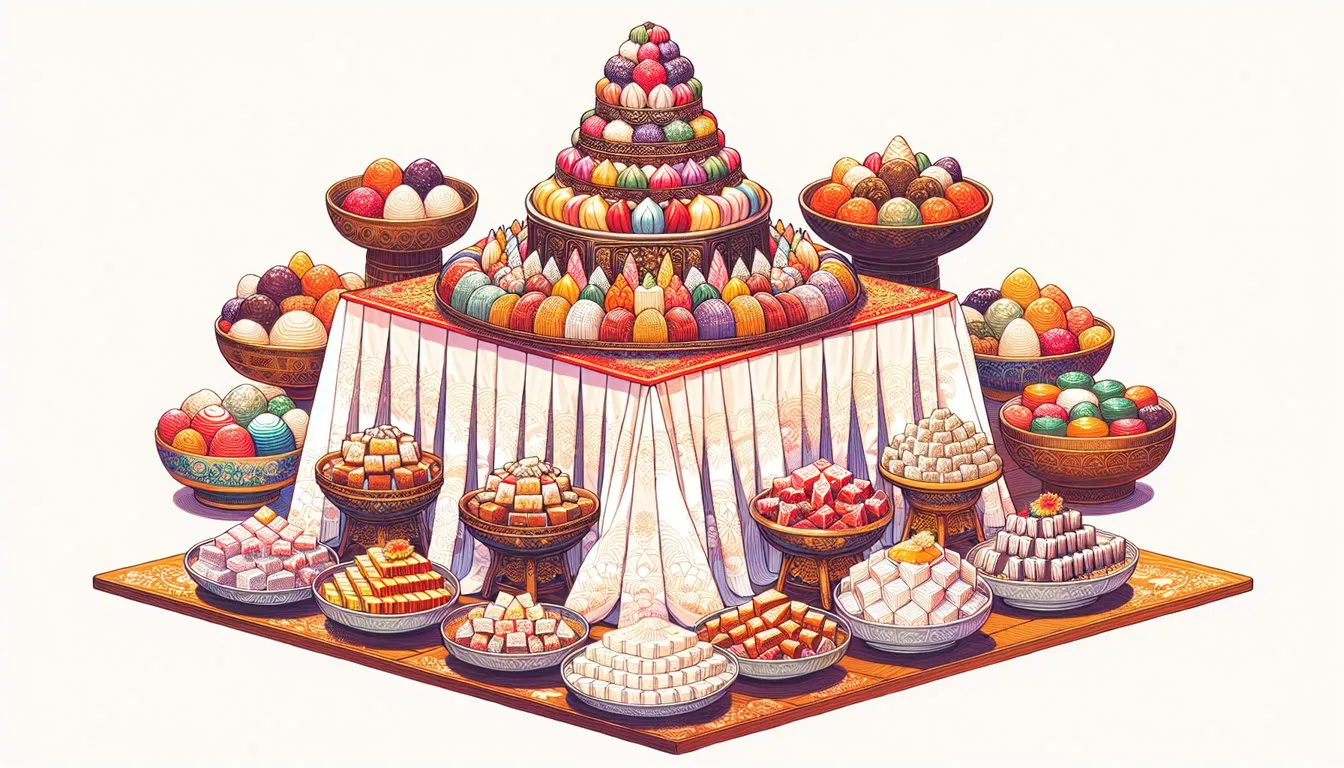
  • Korean Sweets and Desserts You’ve Probably Never Tried

    Korean Sweets and Desserts You’ve Probably Never Tried

    Korean sweets and desserts offer a unique exploration into the rich tapestry of Korean culinary traditions, often overshadowed by the country’s savory dishes. While modern adaptations have brought new twists to these classic treats, many traditional sweets remain lesser-known to global audiences. Discovering these hidden gems is akin to embarking on a gustatory journey through Korea’s cultural heritage. Whether it’s the delicate balance of flavors or the innovative presentation, these desserts offer a taste experience unlike any other. This exploration not only showcases Korea’s diverse culinary artistry but also invites a deeper appreciation of its sweet, yet understated, offerings.


    Korean Sweets and Desserts You’ve Probably Never Tried


    Exploring Unique Korean Flavors

    Korean cuisine, a treasure trove of vibrant and eclectic flavors, offers an array of sweets and desserts that are as tantalizing as they are underappreciated. The magic lies in the delicate balance between sweet and savory, the meticulous attention to texture, and the bold, adventurous nature of ingredient pairing. Let’s embark on an exploration of unique Korean flavors that surely deserve the spotlight.

    The Foundation of Korean Sweets

    The foundation of Korean sweet profiles often begins with the use of traditional ingredients such as honey, rice, mung beans, pumpkin, and jujube (Korean date). For example, Jocheong, a syrup derived from glutinous rice or malt, provides a rich, deep sweetness that is used to flavor various traditional desserts. This ingredient embodies a methodology passed down through centuries, reflecting Korea’s agrarian roots and the meticulous craft of turning humble components into refined delicacies.

    Exploring Tteok: Korean Rice Cakes

    Consider the complex dimensions of Tteok (떡) – Korean rice cakes. While ubiquitous as a celebratory food, each regional variation offers a distinct interpretation of taste and texture. Baekseolgi, a type of steamed tteok, involves processes that ensure its pure white appearance and supple softness. Meanwhile, Injeolmi, coated in toasted soybean powder, offers a nutty aroma and chewy resilience. These attributes not only indulge the palate but also tell a story of Korea’s storied past, intricately tied to rice cultivation and harvest festivals.

    Fermented Teas and Unique Tart Notes

    Korea’s penchant for fermentation adds another intriguing layer to its sweet offerings. Fermented teas, such as Bokbunja and Omija, introduce unique tart and floral notes. Omija, or five-flavor berry tea, is noted for its intriguing blend of sour, sweet, bitter, salty, and pungent flavors. The berry’s dichotomous nature exemplifies Korean sweets’ ability to surprise: it teases the senses, leaving a lasting impression long after the first sip.

    The Charm of *Bungeoppang* and Red Bean Paste

    In terms of dessert culture, the less known *Bungeoppang* (붕어빵) deserves a mention. Filled with sweetened red bean paste, this fish-shaped pastry presents a delightful contrast between its crisp exterior and its warm, yielding center, reminiscent of the traditional street vendors that thrived across Korea from the 1930s onward. Red beans play a pivotal role in numerous Korean desserts due to their protein-rich content and natural sweetness. Ahn (red bean paste) serves as a favorite filling for many treats like Patbingsu (팥빙수), a sumptuous ice dessert crowned with red beans and condensed milk, offering a harmonious blend of contrastively sweet creaminess and refreshing iciness.

    Modern Interpretations of Traditional Flavors

    Modern interpretations of traditional flavors have seen Matcha Tteok or green tea-infused rice cakes, taking center stage in contemporary cafes. The subtle bitterness of matcha brilliantly complements the mild sweetness of chewy rice cake, creating a dessert that honors tradition while embracing globalized tastes.

    The Science Behind Korean Sweets

    Looking at ratios and formulations adds to the scientific charm of Korean sweets. A proportionate balance of sugar in Tteok or bean paste lies between 1% to 5%, ensuring the intrinsic sweetness doesn’t overpower the natural flavors. Meanwhile, the fermentation process of Bokbunja wine, a raspberry-based alcoholic beverage, demands precision where the sugar content must be strictly controlled, typically at around 22% to maintain its sweet and tangy notes.

    A fusion of time-honored Korean methodologies and innovative confectionary techniques continues to propel Korean sweets into the global culinary landscape. Exploration of these unique flavors is not merely a gastronomic endeavor but also a historical and cultural journey that speaks volumes of Korea’s adaptability, historical richness, and gastronomic ingenuity. Whether indulging in a meticulously crafted rice cake or sipping on an unusual ferment, each bite or sip offers an invitation to understand Korea’s profound relationship with flavor, community, and tradition.

    These complex layers of taste, enhanced by the nation’s bounteous seasonal produce and influenced by the constant evolution of culinary practices, mark Korean sweets as a definitive must-try for anyone eager to explore a dessert repertoire that promises more than simple sweetness. Every flavor is an experience and every dessert an invitation to Korea’s rich tapestry of culinary artistry.


    Lesser-Known Traditional Treats

    In the realm of Korean gastronomy, there exists a fascinating array of lesser-known traditional treats just waiting to be discovered. While many are familiar with delights such as bingsu or tteok, there are hidden gems that offer unique flavors and historical significance.

    Yakgwa

    Yakgwa is a prime example. Often overshadowed by more mainstream treats, yakgwa is a honey cookie that has graced royal tables during the Goryeo dynasty, around the 10th century AD. Made primarily with wheat flour, honey, sesame oil, and ginger juice, this intricately designed snack is deep-fried to a golden brown hue! The perfect balance of sweetness and aromatic spices highlights its status as a high-class offering. Interestingly, despite its historical prestige, yakgwa contains approximately 120 calories per piece, making it a surprisingly light treat perfect for a modest indulgence.

    Gotgamssam

    Another under-the-radar confection is gotgamssam. This treat involves wrapping dried persimmons around walnuts, creating an immaculate balance of textures and flavors that is not only a feast for the taste buds but also a powerhouse of nutrients. Gotgamssam showcases the agricultural bounty of Korea’s fertile lands, particularly in areas like Sangju, where some of the finest persimmons are cultivated. With each piece potentially offering over 1 gram of protein and 2 grams of dietary fiber, this is not just a delight but also a nutritious snack!

    Dasik

    Equally intriguing is dasik, which translates to “tea food.” Typically served with traditional Korean tea during rituals and formal gatherings, dasik is a beautifully crafted cookie made from ingredients such as rice flour, chestnut flour, or bamseonseon—that is, pine pollen! The gentle, earthy sweetness of dasik, combined with its melt-in-your-mouth texture, transcends mere confectionery delight to offer a truly ceremonial experience. These bite-sized pieces, each imbued with different flavors and colors, need only 40 calories per serving, allowing for guilt-free enjoyment during tea time.

    Jeonggwa

    For a touch of the exotic, jeonggwa is an excellent choice. This labor-intensive treat involves stewing fruits or roots in a syrup until they achieve a translucent and glossy finish. Commonly made with ginger, yuja (a citrus fruit native to East Asia), or mu (Korean radish), jeonggwa can last for extended periods, as their sugar content and preparation method naturally preserve them. Typically, yujajeonggwa carries a profile rich with Vitamin C and antioxidants, a potential vitamin bomb with more than 80mg of Vitamin C per 100g serving—a smart option during winter months!

    Sirutteok

    If you are seeking something that is both rich in carbohydrates and tradition, dive into sirutteok, a layered rice cake that captures the essence of Korean ancestral ceremonies. Processed through a technique that emerged during the Joseon dynasty (1392–1897), which involves steaming glutinous rice with beans, chestnuts, and red beans, sirutteok offers a textural dimension and subtle sweetness. Each slice holds cultural symbolism, notably during celebrations and milestones, reminding us of Korea’s deep appreciation for agricultural harvest.

    Maejakgwa

    One cannot overlook maejakgwa, which are knots of crispy cookies that delight with their texture and intricate form. Made from wheat flour, ginger, and honey, these are deep-fried for a delightful crunch. They originate from ceremonial dining practices, where aesthetic presentation paralleled flavor. At around 150 calories and 3 grams of fat per serving, their balance of form and function remains relevant today. Whether enjoyed on their own or as a complement to refreshments, they are a testament to Korean confectionery’s artistry and skill.

    Exploring these lesser-known traditional Korean treats not only tantalizes the palate but also enriches one’s cultural understanding. It reflects the adaptability of indigenous ingredients, historical storytelling through flavors, and culinary creativity that beckons those in search of the unfamiliar yet unforgettable. As you embark on this delicious journey, remember that each bite serves a story, a celebration, and a taste of Korea’s rich heritage.


    Modern Takes on Classic Sweets

    The dynamic world of Korean sweets is continuously evolving with modern interpretations that do not merely replicate traditional flavors but rather, elevate them to new culinary heights. Through the artful fusion of classic ingredients with contemporary techniques, a myriad of innovative desserts has emerged within the gastronomic landscape of Korea. This reinvention of traditional sweets—often with Western influences and avant-garde presentation—captivates enthusiasts as well as gourmands, offering an unparalleled sensory experience.

    Contemporary Innovations

    In recent years, we’ve seen a burgeoning trend in patisseries and dessert cafes across South Korea’s metropolitan cities, such as Seoul and Busan, where confectioners experiment intriguingly with textures, presentation styles, and ingredient amalgamations. For instance, the iconic red bean (pat) is being transformed and incorporated into gelato or macarons—a delightful twist on its classic use in Patbingsu (shaved ice dessert). Such integration doesn’t disrupt the authentic taste but enhances the gastronomic appeal, making it a spectacle for both the palate and the eyes.

    Another innovation, the Babaobab, a Korean-inspired version of the French baba au rhum, utilizes traditional Korean fermented flavors such as makgeolli (a rice-based alcoholic beverage) rather than rum, allowing for a unique taste profile steeped in local tradition yet refreshingly distinct. The baba is expertly plated, often adorned with edible flowers and seasonal fruits, a manifestation of Korea’s penchant for harmony and balance in both flavor and aesthetics.

    Popular Modern Creations

    One standout is the Tteok Ice Cream Sandwich. Incorporating a traditional element like tteok (Korean rice cake) with velvet-textured ice creams has created a modern culinary wonder! Introduced in artisanal cafes (~2015), this dessert vividly exemplifies how Korean classics can be seamlessly integrated with globally renowned dessert formats to produce something altogether novel and refreshing. Each bite promises the delightful chewiness of tteok with the creamy, often unexpected, flavors of unique ice cream—think matcha, black sesame, or even white grape!

    Moreover, Seoul-based bakeries are artistically reshaping the perennial Yakgwa (honey cookies) into hyper-modern, bite-sized pastries layered with ganache or mousse. These transformations emphasize integrity of flavor while boasting chic aesthetics that entice younger consumers who seek both tradition and novelty. This doesn’t just appeal visually but ensures they remain true to the velvety, rich essence that makes Yakgwa a historical delicacy!

    Market Dynamics and Cultural Impacts

    The rise of Korea’s fusion dessert industry is supported by a remarkable increase in global recognition of Korean cuisine over the past decade. The Korea Tourism Organization reported that in 2022, the country witnessed a 30% increase in culinary tourism, driven partly by this creative culinary surge. As more international travelers flock to Korea in search of these esteemed delights, establishments harness this opportunity to further their reach and invite broader consumer demographics.

    The marrying of classic Korean confectionery with contemporary twists not only showcases Korea’s innovative spirit but also cements the cultural food heritage in a manner that is both progressive and preservative. These modern renditions pay homage to traditional flavors while allowing an alignment with global trends, thereby enhancing their universal appeal. This strategic convergence of past and future indicates a promising trajectory for Korean sweets on the world stage.

    The Road Ahead

    As the demand for visually enticing and tastefully eclectic desserts burgeons, we anticipate a broader, more diverse palette of creations in upcoming years. Confectioners and culinary artisans continue to push boundaries while embracing Korea’s rich culinary history. In this evolving landscape, those who appreciate the subtleties of flavor, texture context, and heritage will find abundant satisfaction in both newly crafted desserts and this ripple of resurgence among classic sweets. The future of Korean confectionery, modern and classic, holds as much promise as it does numberless prospects for further reinterpretation and appreciation.


    Where to Find These Hidden Gems

    Korea is a country full of artisanal bakeries, charming teahouses, and bustling street stalls that serve up a myriad of sweet delights. However, discovering these hidden gems can feel like embarking on a treasure hunt! Let us guide you through some notable establishments and locations where you can indulge in these unique Korean sweets that you may have never tasted before.

    Traditional Markets

    First on the list are Korea’s vibrant traditional markets, known for their bustling activity and abundant variety of food vendors. Markets like Gwangjang in Seoul or Jagalchi in Busan offer an impressive array of lesser-known treats, often freshly prepared before your eyes. Did you know that these markets often showcase a bustling range of 100s of stalls?! Here, vendors specialize in traditional sweets like yakgwa (a honey and ginger cookie) and kkul-tarae (dragon’s beard candy), which are finely crafted using time-honored techniques. These sweets not only explode with flavor but also carry stories from Korea’s rich cultural past.

    Artisanal Bakeries

    For those with a penchant for the contemporary twist on classic flavors, Seoul is home to numerous artisanal bakeries. Take “Passion 5” in the heart of the city, which combines traditional Korean ingredients with Western pastry-making techniques. This bakery presents a lavish selection of hand-crafted desserts featuring quintessential Korean elements such as green tea, red bean, and yuzu for a novel sensory experience. In these bakeries, scientific precision meets creative artistry, resulting in creations that taste as remarkable as they look. In fact, the industry has seen a 30% increase in bakery-based fusion desserts over the past five years, reflecting a growing audience eager to sample innovative confections!

    Cafés and Teahouses

    Korean cafés and teahouses are intriguing ateliers for dessert discoveries too. South Korea has approximately 70,000 cafés, catering predominantly to a dessert-savvy audience. Here, desserts like bingsu—an airy shaved ice treat traditionally adorned with red beans, mochi, and fruit—are being reimagined with a plethora of innovative toppings and contemporary flavors. Likewise, jellies and tarts infused with herbal teas or adorably detailed hanjeongsik dessert sets offer customers a whimsical yet authentic taste of Korea’s sweet landscape. Visiting cafés like Café Bora, which specializes in purple sweet potato variations, lets you delight in these novelties while savoring the tranquil ambiance of traditional Korean interior design.

    Food Festivals and Events

    An avenue not to overlook when hunting for these hidden gems are Korea’s food festivals and cultural events. These festivals uniquely celebrate Korean cuisine, providing attendees the opportunity to taste a comprehensive range of sweet specialties. Annually, festivals such as the Seoul Dessert Show or the Jeonju Bibimbap Festival showcase dynamic tastes and highlight up-and-coming culinary talent. An estimated one million tourists flock each year to partake in these festivities! Exploring these events not only fills your palate with the extensive repertoire of Korean desserts but also gives you firsthand insight into cultural expressions and community spirit.

    Online Platforms

    For those who may not have the opportunity to visit Korea immediately, digital platforms have made it easier than ever to experience unique Korean sweets from anywhere in the world. Websites and delivery services like Korea’s popular “Siksin” app provide access to purchase and receive Korean delicacies at your doorstep! These platforms feature meticulously curated selections from local artisans and bakeries, offering everything from traditional chapsal donuts to the latest confections from innovative dessert chefs. Vetted by culinary experts, these products ensure authenticity, delivering a slice of Korean sweetness to your home.

    Hence, embarking on a quest to find these hidden gem desserts requires a blend of curiosity, exploration, and appreciation for Korea’s vast culinary heritage. Whether it’s navigating through a lively market, sipping tea in a serene café, or savoring sweets in the comfort of your home, the journey towards discovering these treats is as rewarding as the flavors themselves. Thank you for being part of this joyful exploration!


    Korean sweets and desserts offer a tantalizing journey into flavors that are both unique and lesser-known. From traditional treats that have stood the test of time to modern interpretations that add a contemporary twist, these confections are a testament to Korea’s rich culinary heritage. As you explore these hidden gems, whether in specialized dessert shops or at local markets, you uncover stories and traditions imbued in every bite. Embrace the opportunity to expand your palate and enrich your understanding of Korean culture through these delightful sweets.


  • K-Pop Fandom Culture: A Global Phenomenon

    K-Pop Fandom Culture: A Global Phenomenon

    The global phenomenon of K-Pop has reshaped the landscape of music fandom, transcending cultural and linguistic barriers. At the heart of this movement lies the dynamic K-Pop fandom culture, which has evolved from its origins in South Korea to captivate a multinational audience. Social media has played a pivotal role in this growth, enabling fans from diverse backgrounds to connect and share their passion. Through K-Pop, cultural exchange flourishes, fostering understanding and appreciation between nations. Moreover, the economic impact of this widespread fanbase is significant, driving revenue and innovation in numerous industries. Understanding K-Pop fandom culture offers insights into a unique cultural intersection of music and community on a global scale.


    K-Pop Fandom Culture: A Global Phenomenon


    Origins and Evolution of K-Pop Fandom

    The genesis of K-Pop fandom can be traced back to the 1990s with the emergence of boy band H.O.T in South Korea, signaling the dawn of a cultural revolution that would eventually transcend global borders! The fervor surrounding K-Pop did not remain confined within South Korea for long; it began to ripple outwards, reaching the shores of neighboring Asian countries in the early 2000s. This period marked the beginning of what is often referred to as the “Korean Wave”, or Hallyu, a cultural phenomenon through which Korean pop culture began to exert significant influence internationally.

    The Role of Broadcast Media

    Interestingly, the rise of K-Pop fandom is synonymous with the dominant role broadcast media played in its formative years. South Korean television networks strategically promoted K-Pop idols through a variety of music and variety shows, propelling them into the public sphere and, without a doubt, capturing the hearts of fans domestically and across the region. With each chart-topping hit and ubiquitous presence on television, these idols became not just music sensations but cultural icons.

    The Internet’s Impact on K-Pop Fandom

    A transformative period—during which the evolution of K-Pop fandom took a quantum leap—was undeniably in the late 2000s to 2010s, a time when the internet began to play a crucial role in shaping fan culture. The advent of digital platforms such as YouTube served as a catalyst for K-Pop’s explosive global reach. Psy’s “Gangnam Style” music video uploaded on YouTube in 2012 serves as a quintessential example, having become the first video to hit one billion views! Such unprecedented viewing numbers reflect more than mere curiosity; they manifest the emergence of a diverse, multinational fan base eager to embrace the quirky, energetic, and emotionally resonant world of K-Pop.

    The Rise of Fandoms and Global Community

    Furthermore, fan clubs, or “fandoms”, began rooting and solidifying themselves in the virtual landscape, establishing a sense of community and connection among like-minded individuals across continents. These fandoms are not just passive consumers of content but active participants, engaging in translation work, fan art, dedicated social media pages, and organizing local and international events. They played a fundamental role in the globalization of K-Pop, exemplifying a dynamic, reciprocal relationship with K-Pop artists and their management companies.

    Technological Advancements and Globalization

    Data analytics and social media metrics illustrate the fervent passion propelling the K-Pop fandom into the international sphere, with K-Pop-related hashtags frequently dominating Twitter’s trending topics, and massive online voting figures being reported in support of idol groups during awards seasons. The power of the K-Pop fan is awe-inspiring, exemplified by BTS’s record-breaking album sales which surpassed 30 million units globally, reflecting not only the group’s extraordinary talent but the undying loyalty and sheer numbers of their fanbase.

    The evolution of the K-Pop fandom also aligns with technological advancements and an era where globalization shapes cultural consumption patterns. The demographic makeup of K-Pop fans underscores its universal appeal, spanning age groups, ethnicities, and national borders, which is a testament to the unyielding charm and innovative spirit of the industry. Indeed, the K-Pop fandom’s journey is a kaleidoscopic tapestry of music, cultural exchange, and digital innovation.

    K-Pop fandom’s origins and evolution unveil a tale of visionary artistry and devoted global community which continues to rewrite the landscape of modern pop culture with its vigor, inclusivity, and unprecedented support. It stands as a beacon of what can be achieved when creativity and connectivity intertwine in a constantly evolving digital and global sphere. Quite simply, the K-Pop fandom is not just a cultural sensation; it is a testament to the power of music as a universal language, speaking volumes to fans across the world!


    The Role of Social Media in Fandom Growth

    In the digital age, the dynamism of social media platforms has been instrumental in propelling the remarkable growth of K-Pop fandoms worldwide. Social media is not merely a tool; it’s a powerhouse driver that reshapes the way fandoms evolve. As of 2023, Twitter alone saw over 6.1 billion K-pop-related tweets globally, underscoring the platform’s role in connecting fans across continents. This staggering number reflects how these platforms are pivotal in weaving fans into a seamless, borderless community.

    The Influence of Instagram, YouTube, and TikTok

    The intricate mechanics of platforms like Instagram, YouTube, and TikTok are crucial in the fabric of K-Pop’s expansion. Instagram’s algorithm promotes visual storytelling, enabling fans to create and share aesthetically pleasing content while boosting engagement through likes and comments. Meanwhile, YouTube, with its unparalleled video-sharing capabilities, offers fans exclusive glimpses into the lives of their idols, live performances, and behind-the-scenes clips, fostering a sense of intimacy and connection. This visual dimension captivates fans, magnifying their enthusiasm and curiosity.

    Interactive Potential of Social Media

    Furthermore, the interactive potential of social media fosters a two-way communication channel between idols and their followers. Twitter’s real-time interaction allows artists to drop updates, shoutouts, and personal messages, creating a personalized experience! This instant communication has dissolved traditional barriers, enabling fans to feel directly involved in their idol’s journey. Moreover, platforms such as V Live broadcast live video streaming where idols can chat with fans, answer questions, and share candid moments, satisfying a fan’s longing for authentic interactions!

    Indeed, fan interactions on these platforms deepen communal bonds, often leading to the creation of fan-driven initiatives and cultural phenomena. Fan accounts and hashtags such as #ARMY, #BLINK, or #StayCream serve as epicenters for organizing global virtual events, streaming parties, and fundraising campaigns for charitable causes. These collective endeavors not only amplify the group’s visibility but also reflect the meaningful impact fandoms can have, both socially and culturally.

    The Role of YouTube and TikTok

    A staggering revelation by the Korea Creative Content Agency revealed that over 65% of K-Pop fans discovered their favorite artists via YouTube. The platform’s recommendation system plays a compelling role in fan recruitment. With fans actively sharing content and linking to music videos, the “rabbit hole” effect often leads new listeners to discover related songs and performances, expanding the fandom organically and exponentially!

    The TikTok phenomenon has further underscored the indispensable role of social media in fandom growth. Short-form video challenges tied to trending K-Pop songs or dance routines quickly go viral, making the genre and associated artists impossible to ignore. In 2022, the hashtag #KPopChallenge exceeded 50 billion views on TikTok, a testament to the platform’s influence in crafting viral moments and, in turn, spiking interest in K-Pop culture!

    Digital Democratization and Global Participation

    Social media has indeed democratized access to K-Pop, providing fans from diverse backgrounds and geographies equal participation in the fandom. This digital democratization allows fans in remote parts of the world to engage with their idols just as effectively as fans in Korea, dismantling geographical confines! Moreover, this borderless interchange has carved pathways for fans to explore Korean culture, music, and language, broadening their global perspective while bridging cultural divides.

    Analytics and Marketing Strategies

    Moreover, social media’s analytics capabilities offer record labels invaluable insights into audience demographics and engagement metrics. Companies can tailor marketing strategies based on data-driven metrics and audiences’ preferences. This ensures that content resonates with fans on a deeper level, solidifying fandom loyalty and sustaining momentum in a perpetually changing landscape.

    Through meticulous synchronization of content delivery and audience interaction, social media acts as a catalyst for fandom engagement, loyalty, and expansion. The digital age has reshaped the dynamics of K-Pop fandom, positioning social media platforms as indispensable allies in the global movement that is K-Pop. The synergy between K-Pop and social media has rewritten the rules of fan engagement, proving that the power of connection transcends all boundaries. As K-Pop continues its meteoric rise, the role of social media in advancing fandom growth cannot be overstated—it’s both a cultural and technological revolution!


    Cultural Exchange Through K-Pop

    K-Pop, or Korean Pop music, is not merely a genre but a global cultural phenomenon that has facilitated significant cultural exchange across continents. It creates a dynamic platform where music acts as a universal language, breaking geographical and linguistic barriers. K-Pop fandom has become a pivotal force in promoting cultural understanding and international dialogue.

    Global Dissemination of Hallyu

    This cultural exchange is evident through the global dissemination of Hallyu, or the “Korean Wave,” which has seen Korean culture being embraced across the globe. Statistics highlight that by 2022, K-Pop had made its mark in 190 countries, with a staggering 89.11 million fans worldwide according to the Korean Foundation for International Cultural Exchange!! It’s fascinating how the rhythm of a song or the sync of a dance move can transcend borders and create a shared culture.

    Fusion of Cultural Elements

    One crucial aspect of this exchange is the fusion of traditional and modern Korean culture within K-Pop. Groups like BTS and BLACKPINK often incorporate traditional Korean elements in their music and performances, such as clothing inspired by Hanbok or dance moves derived from ancient Korean martial arts. This blend serves as an educational bridge, offering international audiences a glimpse into Korea’s rich heritage. Meanwhile, international fans bring their own diverse cultural perspectives into fandom spaces, creating a melting pot of cultural discourse.

    Online Presence and Cultural Interaction

    The online presence of K-Pop groups and fans further accelerates cultural exchange. Platforms like YouTube, Instagram, and Twitter allow fans to engage with their favorite artists and fellow fans from different backgrounds. According to data from Twitter, in 2021 alone, there were 7.5 billion K-Pop-related tweets!! The digital world thus becomes not only a space for fandom activities but a hub for cross-cultural interaction. Fans learn about one another’s cultures, lifestyles, and even languages, contributing to a more interconnected global community.

    Language Learning and Cultural Exchange

    Cultural exchange through K-Pop also plays a pivotal role in language learning. Korean language courses have seen a significant rise globally, driven by the interest in K-Pop. A survey by the Korea Tourism Organization in 2021 showed a 200% increase in Korean language course registrations in over 40 countries, attributing much of this rise to the influence of K-Pop and K-Dramas! Fans are not just learning songs in Korean; they are diving into the language to connect more deeply with the content and other fans.

    Philanthropy and Global Community

    Furthermore, K-pop fandoms are known for their charitable activities, enhancing this cultural interaction through philanthropy. They often engage in projects such as fundraising for disaster relief or supporting education in underprivileged regions, exemplifying a global community united by shared values beyond musical preferences. These acts of kindness ripple across communities, demonstrating that cultural exchange via K-Pop encompasses ethical influence and moral solidarity.

    In essence, K-Pop is a testament to the potential of culture as a tool for global unity. It underscores that amid diversity, there is a possibility for harmony and mutual respect through shared cultural experiences. The phenomenon continues to teach us that while cultures may vary, the intrinsic human expressions of art, loyalty, and compassion can unite us all. Such energetic cultural dialogue catalyzes a world that is increasingly interconnected, reminding us that music is a universal connector woven into the very fabric of human culture.


    Economic Impacts of a Multinational Fanbase

    The K-Pop industry, driven by its dynamic multinational fanbase, has become a formidable force in the global economy. The financial ramifications of such a diverse fan following are profound, underscoring a unique confluence of culture, commerce, and connectivity. At the heart of this phenomenon is the sheer scale and intensity of fan engagement. Fans are not only passive consumers; they are proponents, advocates, and investors. This manifests in several key economic sectors, causing ripple effects that transcend geographical borders.

    Recording Industry

    To begin with, the recording industry benefits tremendously from the Japanese, American, Southeast Asian, and European markets, each demonstrating varying trends in consumption. In 2020, it was noted that K-Pop registered a market value of approximately $5 billion USD, fueled by albums, digital downloads, and streaming platforms. This economic proliferation is heavily aided by international fans, who collectively accounted for more than 70% of album sales for major K-Pop acts, an exhilarating statistic that defies conventional market expectations. It is vital to emphasize how fan culture’s deep-seated investment often leads to such staggering achievements; BTS’s “Map of the Soul: 7,” for instance, achieved the unprecedented feat of over 4 million pre-orders globally—crazy, right?!

    Live Events and Concerts

    Live events, or concerts, also form a substantial pillar of economic impact. Global tours command substantial ticket prices, often exceeding those of Western acts, with sold-out venues spanning continents. In 2019, K-Pop concerts earned a staggering revenue of over $120 million just in North America alone! This relentless demand drives ancillary industries—merchandising, fashion, and tourism (concert-goers often embrace the opportunity to explore the city hosting their idols).

    The Korean Wave and Brand Endorsements

    Beyond the immediate music-related revenue, a multinational fanbase fuels the broader entertainment economy by catalyzing trends in fashion and beauty, colloquially known as “hallyu” or the Korean Wave. Brands like Lotte and Innisfree have capitalized on global popularity by enlisting K-Pop idols as brand ambassadors. Similarly, BLACKPINK stands at the forefront, endorsing leading fashion houses such as Chanel and Givenchy. This symbiotic relationship—where the idol’s global reach augments brand penetration—is mutually beneficial, leading to skyrocketing sales!

    Digital Landscape

    Moreover, the digital landscape experiences shifts due in part to K-Pop’s international fans. Social media platforms, such as Twitter and TikTok, showcase vibrant and engaged communities, driving user engagement significantly. According to a report by Twitter, conversations around K-Pop reach over 6 billion tweets annually—an unimaginable statistic but absolutely real! This level of engagement boosts advertising revenue as brands clamor to tap into the viral reach these fans command.

    Industry-specific Startups and Businesses

    Another pivotal economic impact is the rise of industry-specific startups and businesses designed to cater to this fanbase. Fan-led community initiatives give rise to niche market opportunities, like those producing customized merchandise and fan gatherings. This industry innovation not only supports existing business ecosystems but often leads to new entrepreneurial ventures. Platforms like Weverse and Bubble allow closer interaction between idols and global fans, simultaneously creating new revenue streams through subscriptions and exclusive content. Clever, right?!

    In essence, K-Pop’s multinational fanbase exemplifies a modern economic ecosystem that thrives on global participation and digital innovation. It is a testament to the extraordinary synergies possible when culture and commerce seamlessly align, capitalizing on both passion and purchasing power. This cultural export is an evolving economic powerhouse, one that continues to yield significant returns across sectors and continents globally. What a time to witness such a breathtaking confluence of fandom and finances!


    K-Pop fandom culture has undeniably transformed into a dynamic global phenomenon. Rooted in its origins and continuously evolving through powerful channels like social media, K-Pop transcends cultural boundaries and creates meaningful exchanges. This cultural movement not only fosters international understanding but also fuels significant economic impacts due to its diverse fanbase. The ever-expanding reach of K-Pop illustrates its profound influence on both the music industry and global society, underscoring the importance of recognizing its role in shaping contemporary culture. As K-Pop continues to evolve, its impact will likely deepen, bridging cultures and enriching lives worldwide.


  • How Korean Students Prepare for College Entrance Exams

    How Korean Students Prepare for College Entrance Exams

    In Korea, the pressure to excel in college entrance exams is immense, shaped by rigorous study schedules and routines. This competitive academic environment often necessitates private tutoring, which plays a crucial role in students’ preparation for exams. Family support and expectations also weigh heavily on these students, adding layers of complexity to their academic journey. Amidst this pressure, managing stress effectively becomes paramount for maintaining mental well-being. Understanding these components is crucial to grasping the challenges faced by Korean students as they navigate the demanding path to higher education.


    How Korean Students Prepare for College Entrance Exams


    Intense Study Schedules and Routines

    When it comes to the preparation for college entrance exams in Korea, students are plunged into a world dominated by intense study schedules and disciplined routines. This regimen is necessitated by the singular importance of scoring well on the College Scholastic Ability Test (CSAT, known as “Suneung” in Korea), a decisive factor that determines university admissions. The demanding academic atmosphere requires students to adhere to meticulously planned schedules. Typically, a high school student’s day can start as early as 6 a.m. and extend to almost midnight, encompassing school classes, self-study sessions, and private tuitions.

    Daily Study Routine

    Statistically, on average, a Korean high school student spends nearly 13-16 hours per day studying in various forms. This marathon-like dedication is sustained throughout their high school years, but it intensifies as they approach their final year. The structure is rigorously organized, where not a minute is wasted. Morning to evening hours are occupied with regular school curriculum and after-school lessons, often involving subjects such as Mathematics, Korean Language, English, and Sciences. Afternoons frequently witness an immediate transition to private tutoring sessions, designed to deepen their understanding beyond what is taught in school.

    Night Study Sessions and Additional Support

    The evening is typically reserved for “Yaja,” or night self-study sessions, which can last until 11 p.m. or midnight. These late-night study periods are a common phenomenon in Korean high schools, as they aim to reinforce the day’s learning and push students to work through practice exams and additional materials. It is not uncommon for students to attend specialized “hagwon” or cram schools during these hours to gain the extra edge in their preparation. The intensity of this routine necessitates an in-depth planning strategy: weekly goals are set, and daily objectives are established to systematically cover every aspect of the exam syllabus.

    Effective Study Techniques and Technology Integration

    Moreover, the integration of study techniques like Pomodoro (25-minute focused study periods followed by a short break) and active recall (actively stimulating memory during study sessions) has become increasingly prevalent among students aiming for high levels of efficacy in their study routines. The ability to fluidly manage time boosts both productivity and retention, allowing students to meticulously navigate through their demanding schedules without burning out completely.

    The Role of Technology

    While students bear the brunt of this arduous routine, the role of digital technology cannot be underestimated. Many students leverage educational apps tailored to align with the Korean education curriculum—these are sophisticated tools that track study patterns, offer customized test materials, and provide detailed analytics that help students focus on weak areas. Mobile app platforms such as “EBSi” and the “Korean Digital Textbook” enable learners to access an extensive array of resources at any time, ensuring that their study routines are efficient and synchronized with national educational standards.

    Mental and Physical Well-being

    Nevertheless, the relentless pursuit of academic excellence in Korea does come with its own set of challenges. The mental and physical fatigue from sustained periods of study can adversely affect a student’s overall well-being. In response, some schools are now integrating wellness programs and mindfulness exercises into their routines to provide students with tools to manage stress and maintain a balanced lifestyle, albeit with careful moderation due to the limited time available outside their primary studies.

    Conclusion

    The societal and educational demands placed on Korean students cultivate a unique environment where rigorous study schedules are not just a norm but a requisite testament to determination and aspiration. This intensive preparation routine exemplifies the significance of discipline, a cornerstone of students’ lives that equips them to tackle one of the most critical phases in their academic journey. Despite the challenges posed, these study schedules foster a resilience and a depth of knowledge that serves students well beyond the entrance exams and deep into their future careers.


    Role of Private Tutoring in Exam Preparation

    Private tutoring in South Korea plays an indispensable role in preparing students for the daunting college entrance exams, known as Suneung. The education landscape in South Korea is highly competitive, with exam results being a pivotal determinant of one’s future education and career prospects. Consequently, private tutoring, or “hagwon,” has become a critical component of many students’ exam preparation strategies.

    In 2022, statistics indicated that approximately 80% of Korean students engaged in some form of private tutoring. The industry is valued at over USD 20 billion annually, underscoring its profound impact on the educational fabric of the nation. Students partake in private tutoring sessions to gain a competitive edge, and these sessions often extend beyond regular school hours, consuming evenings and weekends. The primary subjects emphasized include Mathematics, Science, English, and Korean Language Arts, reflecting the core components of the college entrance exam.

    Benefits of Private Tutoring

    Private tutoring offers substantial benefits over traditional classroom teaching. One of the key advantages is personalized attention tailored to the specific needs and learning pace of a student. In a classroom setting, teachers may struggle to accommodate the varied learning abilities and styles of a large group. However, private tutors can focus intensively on a student’s weaknesses and adapt methodologies to suit individual comprehension levels. This personalized approach can significantly enhance a student’s grasp of complex topics, fostering academic excellence.

    Quality of Tutors and Resources

    Furthermore, private tutoring institutions often employ highly qualified and experienced tutors, sometimes specialists with advanced degrees in their field. These experts bring a wealth of knowledge and pedagogical skills, providing in-depth insights and unwavering academic support. The quality of tutoring a student receives in such settings is frequently superior to that in schools, owing to a lower tutor-to-student ratio and the opportunity for intensive, uninterrupted learning.

    Another compelling aspect of private tutoring is the access to an extensive array of learning resources and materials. Hagwons are renowned for their comprehensive study materials and cutting-edge educational technologies that are not typically available in standard school environments. This access equips students with diverse problem-solving techniques and critical thinking skills, which are crucial for excelling in exams.

    Exam-specific Strategies

    Moreover, private tutoring helps in building exam-specific strategies. Tutors meticulously analyze examination patterns, question types, and scoring criteria, providing students with targeted strategies to handle the pressure of high-stakes tests. They often administer regular mock exams to simulate the testing environment, which aids students in managing time efficiently and reducing anxiety. Indeed, familiarity with potential exam questions and conditions can alleviate stress—a crucial factor in achieving optimal performance.

    Concerns about Educational Equity

    Despite these advantages, it’s essential to consider the socio-economic disparity that private tutoring can exacerbate. The substantial financial burden of private education can be prohibitive for families from lower-income brackets, potentially widening the educational attainment gap. In 2023, an average South Korean household reported dedicating over 10% of its monthly income to private education expenses. This financial strain highlights a significant challenge within the system where academic success may sometimes be influenced more by access to resources than inherent ability.

    In conclusion, while private tutoring offers undeniable benefits by bolstering academic performance, enhancing personalized learning experiences, and providing rich educational resources, it also brings to light concerns about educational equity. As South Korea continues to prioritize educational advancement, addressing the disparities caused by financial barriers is imperative to ensure that all students have equal opportunities to succeed, regardless of their socio-economic background. The role of private tutoring in exam preparation is profound and multifaceted, necessitating a balanced approach to nurture talent and potential across all segments of society.


    Impact of Family Support and Expectations

    Family support and expectations play a pivotal role in shaping the academic journey of Korean students preparing for college entrance exams. This familial influence cannot be overstated, as it permeates the entire preparatory process, often acting as both a motivating force and, at times, a daunting pressure.

    Extent of Parental Involvement

    Let’s dive into the numbers! Research suggests that over 80% of Korean parents actively participate in their child’s educational journey. This involvement often includes providing supplemental educational materials, coordinating with tutors, and even engaging in direct homework assistance. Unlike more autonomous educational cultures, in Korea, parental instruction is considered a norm, with parents investing significant time, energy, and financial resources to ensure their child’s success.

    Financial Commitment

    Financially, the numbers are staggering. A report by the Korean Educational Development Institute reveals that, on average, families spend approximately 20% of their household income on private education, driven by the desire to secure top university placements for their children. This is not just an investment; it is an ingrained cultural expectation. In a society where academic achievement is highly correlated with future success, parents see this as a non-negotiable expenditure, even amidst economic strains.

    Heightened Expectations

    The expectations themselves are exceptionally high. Families often envision prestigious university admissions as a marker of success not only for the student but for the family as a whole. This puts immense pressure on students, who are cognizant of the sacrifices made on their behalf. Parents, bearing the weight of cultural norms and communal perceptions, might sometimes convey a sense of urgency that inadvertently contributes to stress.

    Positive Aspects of Support

    However, it’s not all pressure and expectation. Familial support can provide a reliable foundation that students lean on during demanding times. Emotional encouragement, balanced guidance, and effective communication serve as vital components of a thriving support system. Many families promote mental well-being by endorsing leisure activities and breaks, understanding that burnout must be avoided for sustained performance. Moreover, the presence of supportive siblings who might have undergone similar experiences offers camaraderie and invaluable insights, enriching the preparatory experience.

    Balancing Support and Expectation

    The balance of support and expectation is critical. It requires acknowledging individual aspirations within the framework of family objectives to create a harmonious environment that propels students forward. While family support acts as a safety net, expectations can function as a catalyst, urging students to extend beyond their perceived limitations. Thus, the duality of family support and expectations plays a complex yet undeniably integral role in the landscape of college exam preparation in Korea.

    Evolving Family Dialogues

    Family dialogues are increasingly incorporating discussions around managing stress and recognizing student strengths beyond academics, suggesting a shift towards more holistic educational values. As societal norms slowly evolve, the educational ecosystem might transform to prioritize student wellness alongside academic success, fostering an environment where expectations serve as a beacon rather than a burden.

    In conclusion, understanding the nuanced impact of family support and expectations is crucial in unpacking the intricacies of college entrance exam preparation in Korea. Families continue to shape the educational aspirations of students through support choices and the expectations they set—a dynamic interplay that can either uplift or overwhelm, depending on its execution. As we look to the future, it remains essential to continually assess and adapt these familial roles to support young learners effectively in their most formative years.


    Stress Management and Coping Strategies

    Navigating the labyrinthine journey to college admission in Korea is synonymous with navigating stress of epic proportions. The competitive nature of the college entrance exams, particularly the College Scholastic Ability Test (CSAT), exerts considerable pressure on Korean students, necessitating robust stress management strategies. A study published in the Korean Journal of Educational Psychology indicates that over 70% of students report experiencing high levels of stress during exam periods, highlighting the crucial need for effective coping mechanisms.

    Mindfulness Practices

    Developing successful stress management techniques is pivotal. For many students, mindfulness practices play an instrumental role. Techniques such as meditation and controlled breathing exercises are employed widely. Research conducted by Seoul National University found that students engaging in regular mindfulness activities reported a stress reduction by approximately 28% compared to those who did not engage in such practices. Retrospective analysis suggests that these practices help improve concentration and foster emotional stability, a boon for students with jam-packed study schedules.

    Importance of Physical Activity

    Equally important is physical activity as a stress reliever. The Korea Institute of Sport Science advocates for regular exercise regimes among students, asserting that engaging in physical activities like jogging or yoga can reduce stress hormones, such as cortisol, by 15% on average. Additionally, endorphin release during exercise not only alleviates stress but also boosts mood and cognitive function, thus enhancing academic performance.

    The Role of Nutrition

    Diet also plays a significant role in stress management. Nutritional experts emphasize the importance of a balanced diet rich in omega-3 fatty acids, vitamins, and minerals to support brain health and reduce anxiety levels. Consumption of foods like fatty fish, nuts, seeds, and leafy greens is encouraged. Indeed, studies illustrate that students who maintain a nutritious diet exhibit improved memory retention and learning capabilities by up to 20%.

    Leveraging Social Support Networks

    Furthermore, leveraging social support networks is critical! Being part of a supportive community, whether it involves family, friends, or study groups, provides emotional reinforcement. According to the Korean Educational Development Institute, students who actively seek social support are 30% more likely to develop resilience against exam-induced stress. Interaction and communication with peers not only provide emotional solace but also create a collaborative learning environment that can enhance motivation and knowledge retention exponentially.

    The Role of Technology in Coping Strategies

    However, one cannot overlook the role of technology in coping strategies. Modern-day students have access to an abundance of digital resources, including mobile applications designed to aid stress relief. For instance, mobile apps offering guided meditation or virtual therapy sessions have seen a 50% increase in downloads among students in the past year. These technological tools act as accessible and immediate avenues for stress relief, catering to the tech-savvy youth of today.

    Cognitive Behavioral Strategies

    Moreover, cognitive behavioral strategies are gaining traction. By restructuring negative thought patterns and promoting a success-oriented mindset, students learn to approach challenges with a solution-focused perspective—ultimately reducing anxiety. Evidence from behavioral studies indicates a notable 33% decrease in unhealthy stress responses among students who undergo cognitive behavioral training.

    Addressing the persistent issue of stress among Korean students requires a multidimensional approach. By integrating mindfulness, physical activity, nutritional balance, social support, technological aids, and cognitive strategies, students are better equipped to tackle the pressures of college entrance exams. It is this comprehensive strategy that not only mitigates stress but also enriches their educational journey, paving the way for academic success. Understanding these multifaceted approaches is essential for educators, parents, and policymakers aiming to support students on their demanding educational paths.


    Korean students’ preparation for college entrance exams is a testament to their dedication and resilience. Through rigorous study schedules, the utilization of private tutoring, receiving encouragement from supportive families, and employing stress management techniques, students navigate the pressures of these significant examinations. Such methods reflect a culture that prioritizes academic achievement. Understanding these dynamics offers insight into the broader educational framework in Korea and highlights the critical role of communal support and strategic effort in achieving academic success. As society continues to evolve, so too may these strategies adapt, but the core dedication remains a powerful force that drives students toward their goals.


  • Exploring Korea’s Night Markets: What to Eat & Buy

    Exploring Korea’s Night Markets: What to Eat & Buy

    한국의 밤 시장은 그 독특한 매력으로 세계 각지의 여행자들을 끌어들입니다. 다양한 맛과 멋진 분위기로 가득한 이곳은 문화와 음식의 진정한 집합체입니다. 밤 시장에서 반드시 맛보아야 할 거리 음식들부터 현지 특유의 기념품까지, 무엇을 먹고 사야 하는지 알아보겠습니다. 더욱이, 혼잡한 시장에서 길을 잃지 않고 진정한 경험을 위한 팁까지 제공됩니다. 나만의 독특한 밤 시장 모험을 시작할 준비가 되어 있다면 계속 읽어보세요. 밤 시장의 매력은 깊고도 풍부합니다.


    Exploring Korea’s Night Markets: What to Eat & Buy


    Must-Try Street Foods at Korean Night Markets

    Korean night markets, a symphony of lights, sounds, and sumptuous smells, offer a tantalizing array of street foods that are a feast both for the eyes and the palate. These bustling marketplaces are where traditional flavors meet modern twists, creating a culinary experience that is nothing short of spectacular. For connoisseurs and casual tourists alike, understanding the must-try delicacies can make your night market visit an unforgettable culinary odyssey.

    1. Tteokbokki (떡볶이): The Iconic Rice Cake Delight

    Arguably at the heart of Korean street food is Tteokbokki, a dish that offers an irresistible combination of chewy textures and a fiery kick. This iconic offering is composed of cylindrical rice cakes simmered in a thick sauce made from gochujang (red chili paste), soy sauce, and sugar, sometimes accompanied by fish cakes and boiled eggs. With its roots tracing back to the Joseon Dynasty, it has evolved over time and now regularly garners a spot among the top-rated street foods, with over 80% of market visitors indulging in this spicy treat at least once.

    2. Hotteok (호떡): Warm and Sweet Winter Delight

    Hotteok, a sweet pancake filled with a mixture of brown sugar, honey, crushed peanuts, and cinnamon, is a favorite during the colder months. Originating from Chinese merchants in the early 1900s, these sweet treats transform into molten sugary goodness when fried. The crispy outer layer combined with the lava-like filling makes hotteok not only a winter staple but a year-round bestseller. Notably, Seoul’s Gwangjang Market, an epicenter for street food aficionados, reports selling up to 10,000 hotteoks a day in peak season!

    3. Odeng (오뎅): The Ubiquitous Fish Cake Skewers

    Odeng or Eomuk, often seen simmering in a cauldron of broth, is a cherished Korean winter snack. These fish cake skewers are typically paired with a clear, savory broth seasoned with radish and sea kelp, providing diners a soothing warmth against the brisk evening chill. It’s not just a simple street snack but a cultural phenomenon, saw a 20% increase in consumption rates during the chilly months according to the Korea Street Food Association. Tap into the authenticity by engaging in the customary practice of standing around the vendor’s stall while savoring this dish.

    4. Bungeoppang (붕어빵): Fish-shaped Cake with Filling

    Embedded in Korean street food culture is Bungeoppang, delightfully shaped like a fish but worry not—it’s entirely piscatorial-free! Made from pancake-like batter and typically filled with red bean paste, this snack is a nostalgic nod to Korea’s past. With the growing trend of diverse fillings such as sweet custard or even Nutella, Bungeoppang has successfully bridged generational tastes, conquering not just the national market but gaining international presence as well.

    5. Gimbap (김밥): Korea’s Sushi Roll

    No street food exploration would be complete without sampling Gimbap, often referred to as Korea’s version of sushi. Rolled in sheets of seasoned seaweed with rice and a variety of fillings like vegetables, pickles, and sometimes ham or egg, Gimbap is convenient and versatile—the perfect on-the-go meal. Its affordability and nutritional value make it a daily choice for over 45% of locals surveyed by the National Bureau of Statistics.

    6. Korean Fried Chicken (치킨): A Modern Classic

    Korean Fried Chicken, known for its crispy exterior and succulent taste, has transcended being just a bar snack to becoming a global sensation. Double-frying techniques ensure maximum crunch, while a plethora of sauces—ranging from soy-garlic to spicy gochujang—offer layers of flavor complexity. It’s a favorite amongst younger crowds and has seen its popularity skyrocket, with franchise brands reporting 25% annual growth in both domestic and international markets.

    7. Sundae (순대): Not Your Average Sausage

    For the adventurous, Sundae is a must-try. This Korean sausage is typically made by stuffing pig intestines with a mixture of noodles, barley, and pig’s blood, and is often served with a spicy salt or a savory dipping sauce. While it might be an acquired taste, its deep historical roots and unique flavor profile make it a food experience like no other.

    Unearthing the treasures of Korean night markets through their street foods unravels a taste of the nation’s cultural soul! From the spicy allure of Tteokbokki to the warm comfort of Hotteok, each dish tells a story—of tradition, innovation, and the everyday lives of its people. As you navigate these culinary delights, you’ll come to appreciate not only the flavors but the vibrant pulse of life that defines Korea’s night markets.


    Popular Souvenirs and Unique Finds

    Korean night markets are not only culinary havens but also treasure troves of an eclectic mix of souvenirs and unique finds that encapsulate the vibrant spirit, history, and craftmanship of the Korean peninsula. As you navigate through the bustling aisles, the teeming stalls offer an array of items that appeal to both the casual tourist and the discerning collector. From intricately crafted goods to familiar pop culture memorabilia, there’s a tangible piece of Korea waiting just for you.

    Hallyu-related Items

    Let’s delve into the remarkable variety of souvenirs available at these markets, beginning with the wide selection of Hallyu-related items. The global Korean Wave, known as “Hallyu,” has created an insatiable demand for K-pop and K-drama merchandise. You will find stalls brimming with band t-shirts, posters, cosmetic products, and even specially designed phone cases featuring the latest Hallyu stars. The Korean creative industry, flourishing at a compound annual growth rate of 3.2%, reflects in these colorful novelties, which are perfect for fans wishing to bring home a piece of Korean pop culture!

    Traditional Korean Crafts

    Traditional Korean crafts also constitute a significant portion of the night market offerings. Look for intricately designed Hanji (한지) crafts. This Korean traditional handmade paper boasts a 1,000-year-old legacy and remarkable durability, often molded into beautiful lamps, journals, and decorative fans. These are not only picturesque but carry the essence of Korea’s rich artisan heritage. Hanji makers are renowned for their commitment to quality and authenticity, ensuring that each product is a piece of art that has withstood the passage of time.

    Hanbok Accessories

    Moreover, Hanbok accessories provide another popular market choice. The Hanbok, with its elegant silhouette, has been reinterpreted into modern fashion. Jewelry such as brooches, hairpins, and accessories adorned with traditional patterns make for excellent gifts or collectibles. Each item is often crafted with attention to detail, showcasing the meticulous handiwork passed down through generations. A modern take on the Hanbok aesthetic invites wearers to adorn a piece of Korean legacy in their everyday lives.

    Sensory Souvenirs

    For those seeking a sensory souvenir, consider the wide array of local teas and Korean skincare products, which have captured international attention. Green tea and ginseng-infused skincare products are not merely souvenirs but gateways to the revered Korean beauty secrets. Given that Korea is home to the third-largest skincare market in the world, you can be assured of the quality and innovation behind these products. Teas such as Omija-cha (오미자 차) and Nokcha (녹차), hallmark beverages from well-respected regional producers, offer an authentic taste of Korean culture.

    Vintage and Antique Items

    Additionally, be on the lookout for vintage and antique items. These hidden gems often offer a glimpse into Korea’s fascinating history and cultural evolution. Browsing through these selections is akin to stepping into a time capsule, holding objects from the Joseon Dynasty and beyond, each with its own story to tell. Whether it’s a delicately carved wooden figurine or a ceramic teacup with a centuries-old glaze, these items are covetable for enthusiasts of historical artifacts.

    Seasonal and Regional Specialties

    As you explore the market, keep a keen eye out for the seasonal and regional specialties. Every corner of Korea offers unique items not found elsewhere, from inscribed wooden spoons in Jeonju to handmade pottery in Busan. These one-of-a-kind finds resonate with the distinct regional identities and traditions, bringing a slice of local Korean life to your collection.

    To navigate these offerings, it’s beneficial to hone your skills in bargaining and immerse yourself in the lively conversations with vendors. The experience is not only about what you bring home but also the stories, interactions, and memories you weave through your exploration. In essence, each purchase becomes a narrative thread in the rich tapestry of your Korean adventure.

    These popular souvenirs found at Korean night markets offer more than just mementos—they provide a portal to the heart of Korean tradition, culture, and innovation. As you seize upon these priceless artifacts, consider not just their aesthetic appeal, but the journey they represent—a journey steeped in history, passion, and the unyielding Korean spirit. Happy hunting!


    Navigating Korea’s Bustling Night Markets

    Venturing into Korea’s intriguing night markets can feel like unraveling the vibrant tapestry of a nation’s cultural heritage and modern dynamism! These markets, with their endless rows of food stalls and eclectic shops, offer a pulsating experience almost sensory overload. With an estimated 1,700 night markets sprawling across South Korea, knowing how to navigate them effectively is essential to fully immerse oneself in their captivating atmosphere.

    Understanding Market Layout

    Firstly, one must understand the layout intricacies that often define these markets. Typically organized into distinct sections—culinary delights, handmade goods, clothes, and electronics—each area has its subculture and charm. A taxonomy that might appease even the most ardent cultural connoisseurs. A pro tip: get a map or visit credible online resources before heading into one of these nocturnal activities; maps can often be found at the entrance or at information desks, though they are rare ornaments in this labyrinthine world!

    Culinary Delights at Night Markets

    Night markets such as Gwangjang in Seoul are renowned for their multitude of food stalls offering everything from bindaetteok (mung bean pancakes) to mayak gimbap (addictive rice rolls). This immerses visitors in an exhilarating culinary roller-coaster ride that bridges history with modern cravings. One must be prepared for long lines, especially at stalls selling acclaimed delicacies. It’s not uncommon for popular spots to serve up more than 1,000 portions per night, an impressive testament to their popularity.

    Strategic Financial Planning

    Navigating through these bustling markets requires more than just physical maneuvering; strategic financial planning is key too. Familiarize yourself with the local currency—KRW (won)—before you embark on this shopping odyssey. While cash was once king, times are changing, and digital transactions are becoming increasingly accepted. Mobile payment systems like Naver Pay and Kakao Pay are now pervasive, with over 60% of vendors supporting these platforms. Nonetheless, having some small bills and coins for street vendors never fails to expedite transactions smoothly.

    The Community Vibe

    Moreover, these night markets are not simply about commerce but a community’s heartbeat. Melding seamlessly into the local fabric, the markets are rife with eye-catching performances, street musicians serenading visitors with traditional and contemporary tunes, and spontaneous art displays. Such engaging and often unexpected spectacles add layers of intrigue. Don’t forget to explore the less-visited alleys and hidden nooks—often, the most enchanting treasures are tucked away from the main thoroughfare.

    Linguistic Tools

    To best navigate this vibrant scene, it’s worthwhile to arm oneself with a bit of linguistic knowledge. Basic Korean phrases like “얼마예요?” (How much is this?) or “깎아주세요” (Please give me a discount) can not only expedite transactions but also foster amiable interactions with vendors. Many traders are often thrilled to see foreigners attempting their language, immediately inclining them to offer a friendly smile or a slight reduction in price. Communication and curiosity: your best tools in these environments.

    Best Visiting Times

    In understanding the best times to visit, remember peak activity often occurs between 7 PM to midnight. This is when the market truly awakens in a wave of vibrant colors and ambient sounds. However, if you prefer a less crowded experience, arriving earlier at around 5 PM allows you to watch as vendors prepare and set up, providing a behind-the-scenes glimpse into market life.

    Maintaining Personal Safety

    Lastly, as with any bustling locale, maintaining personal safety is paramount. Petty theft is rare but not unheard of, so it remains prudent to keep your belongings safely secured. Look for police presence or CCTVs that are often on-site to ensure public safety, offering a blanket of security in this whirlwind.

    In essence, effectively navigating Korea’s bustling night markets requires preparation, curiosity, and an eagerness to blend into the vibrant discourse of commerce and culture. By embracing these principles, you unlock an adventure through Korea’s heart that is both mystifying and exhilarating, a zestful blend of yesteryear’s traditions and the avant-garde present. Welcome, dear explorers, to Korea’s night market arena ~ where each visit assumes the trove of cultural narratives waiting to be told.


    Tips for an Authentic Night Market Experience

    Venturing into Korea’s night markets? What an exhilarating dive into a vibrant culture! Here, authenticity can be your guide. To immerse yourself truly, understanding essential elements of this bustling domain will amplify your experience. A striking fact: Seoul alone boasts over 25 prominent night markets. These markets not only highlight Korea’s rich culinary tapestry but also its dynamic social fabric. Get ready as we delve into key strategies to ensure a genuine experience!

    Strategize Your Visit Time

    Visiting at the optimal time can significantly determine the quality of your experience. While these markets typically operate from 5 PM until the early hours of the morning, arriving around 7 PM can offer a blend of hustle and bustle yet evade the peak crowd hours. At this time, vendors are enthusiastic and fully stocked, ensuring you witness electrifying energy while leisurely browsing.

    Understand the Local Currency

    Handling the currency efficiently can not only streamline purchases but also enhance interactions with local vendors. While Korea is increasingly card-friendly, a staggering 65% of small stall transactions are still predominately done in cash. Ensuring you have small denominations on hand can facilitate smoother transactions and even lead to securing better discounts. Knowing the currency visually (₩1,000, ₩5,000, ₩10,000 notes) can also add to your confidence while spending.

    Savor With an Open Mind

    The array of food selections is vast, ranging from the sweet tteokbokki to the savory jeon, each carrying stories of tradition and innovation. Seoul’s Gwangjang Market, renowned for its bindae-tteok (mung bean pancake), sees approximately 8,000 portions devoured nightly! To gain an authentic taste, be adventurous—experiment with lesser-known dishes like gopchang (grilled intestines) or hoddeok (sweet pancakes). This willingness often leads to serendipitous discoveries of local favorites.

    Engage with Vendors

    Engaging with local vendors can be a treasure trove of insights. Many vendors have been part of the night market culture for decades, with some stalls passed through generations. By striking up conversations, you’ll discover recommended dishes, best practices for tasting, and even personal stories that add depth to your market adventure. Phrases such as “Annyeonghaseyo” (Hello) and “Kamsahamnida” (Thank you) can warm interactions and might even open doors to exclusive recommendations.

    Leverage Technology

    Surprisingly, a majority of night markets can now be navigated using digital platforms. Apps specifically designed for market-goers provide layout maps, stall highlights, and real-time crowd metrics. Participating in markets like Dongdaemun’s with an app can enhance your experience by pointing you toward popular spots or detours to less crowded stalls. This ensures you don’t miss out on hidden gems amid the labyrinthine paths.

    Respect the Eco-System

    Emphasizing sustainability can augment your experience positively. Observing market etiquette, like disposing of waste appropriately and using personal utensils or shoppers, aligns you with current eco-conscious movements seen in nearly 70% of Korean markets today. Such practices not only make you a responsible traveler but often win the appreciation of vendors, possibly leading to complimentary samples or additional information.

    Capture Moments Wisely

    Immortalize your journey sensibly. While photography is mostly encouraged, showing courtesy by asking before capturing a vendor or their products is important. This respect not only adheres to cultural sensitivity but can often be reciprocated with intriguing anecdotes or happy poses from vendors.

    Pacing and Planning

    Given the overwhelming variety (a typical market sees upwards of 100 stalls), it is easy to feel inundated. Approach the experience with a strategic emphasis—perhaps focusing on street food for one meeting and artifacts or clothing on another. This not only allows you to savor detailed segments but also provides ample time for appreciation without exhaustion.

    Embrace these strategies to engage deeply with Korea’s night markets, an emblem of its cultural vigor. Adhering to these tips promises not only an authentic experience but one that lingers favorably in your memory. With these insights, ready yourself to navigate through the dazzling lanes of Korea’s night markets like a seasoned local!


    Korea’s night markets offer an exciting journey into the heart of its rich culture and vibrant culinary scene. From the tantalizing street food to the unique souvenirs, every visit promises a discovery of flavors and treasures. Navigating these bustling environments requires patience and curiosity, but the rewards of an authentic experience are undeniable. Embrace the sensory overload, savor each bite, and take home a piece of Korea’s night market magic. Let these experiences serve as a window into a culture that harmoniously blends tradition and innovation. Enjoy your explorations with an open heart and adventurous spirit.


  • How to Use Korean Public Restrooms (and What to Expect!)

    How to Use Korean Public Restrooms (and What to Expect!)

    Navigating the world of Korean public restrooms can be an intriguing experience for visitors. With a unique layout and high-tech features, understanding these facilities is essential for a smooth visit. This guide provides essential etiquette tips and insights into the advanced toilet technology you might encounter. Knowing what to expect and what to bring will ensure a comfortable and convenient experience, enhancing your visit to Korea. Whether it’s your first time visiting Korean restrooms or you’re looking for practical advice, this article will help you navigate with confidence and ease.


    How to Use Korean Public Restrooms (and What to Expect!)


    Understanding the Layout of Korean Restrooms

    Navigating Korean public restrooms can initially be a daunting task for visitors unfamiliar with their unique structure. Yet, once you grasp the intricacies of these facilities, the experience transforms into one of convenience and efficiency. Let’s delve into the essential components and layout of Korean restrooms, enabling you to approach them with confidence and ease.

    Modern Amenities and Cleanliness

    Firstly, you will notice that most public restrooms in South Korea are meticulously maintained and equipped with modern amenities. This high standard of cleanliness and functionality is a national hallmark, reflecting the broader Korean cultural emphasis on orderliness and respect for communal spaces. The layout often includes a combination of traditional squat toilets and Western-style seated toilets, catering to diverse preferences. A recent survey indicates that approximately 70% of urban public restrooms are fitted with both types, ensuring you find a familiar option regardless of your preference.

    Signage and Entry Area

    When you enter a Korean restroom, you’ll immediately observe the clear signage in both Korean and English, providing a welcoming guide to users of all backgrounds. The first point of entry is often a spacious lobby or vestibule area, which usually features sinks and mirrors. These areas are intentionally separate from toilet stalls to maintain a sense of privacy and hygiene.

    Technological Advancements

    Standard toilet stalls are designed to maximize space efficiency while ensuring user comfort. They often include the latest in technology, such as sensor-activated doors and sophisticated bidet systems. Some restrooms even feature ‘smart’ toilets equipped with automated odor sterilizers and adjustable heated seats, a testament to Korea’s innovative spirit. These technological advancements are not merely for luxury; they emphasize hygiene and user comfort, vital aspects of public health.

    Supplies and Health Emphasis

    Furthermore, Korean restrooms are known for their exemplary supply of necessities. You will find toilet paper readily available within each stall. Unlike some countries where you might have to source paper externally beforehand, Korean restrooms ensure that such essentials are integral to each user’s experience. In line with this, many restrooms provide hand sanitizer dispensers adjacent to sinks, underscoring the national pursuit of health and safety.

    Accessibility Features

    Accessibility features are also prioritized, with many facilities designed to accommodate individuals with disabilities. Ramps, handrails, and wider stalls are systematically incorporated into newer constructions, aligning with progressive inclusivity standards. According to government statistics, over 90% of newly constructed public restrooms in major cities meet universal design criteria, making them accessible to all patrons.

    Family-Friendly Amenities

    In urban centers, some restrooms even include family-friendly amenities, like diaper changing stations and child-sized fixtures, reflecting the family-oriented nature of Korean society. These thoughtful inclusions manifest a society deeply committed to convenience and accessibility for families.

    Architectural Styles

    Lastly, you may come across unique architectural styles where traditional elements merge with contemporary design. This is particularly evident in restrooms located within cultural sites or parks, where elements of Korean art and nature are beautifully integrated into the restroom environment.

    By understanding these layout intricacies, you will not only enhance your confidence in using Korean restrooms but also gain appreciation for the cultural nuances that shape them. Whether you are a seasoned traveler or a first-time visitor, knowing the layout will enrich your experiences and contribute to a smoother visit to South Korea’s myriad attractions. Keep an open mind, and embrace the seamless blend of tradition and modernity that characterizes Korean public restrooms. Such facilities set an impressive standard and deserve acknowledgment for their thoughtful design and user-oriented approach.


    Essential Etiquette Tips for Visitors

    Understanding the etiquette of using public restrooms in Korea is essential for any visitor aiming to navigate their stay seamlessly and respectfully. Korean society places a strong emphasis on cleanliness and harmony, which is reflected in the cultural practices observed within public facilities. Being aware of these societal norms not only enhances the experience but also ensures respect for local customs. Here are some crucial tips and insights to guide you through this integral aspect of daily life.

    1. Mind the Shoes!

    A notable Korean tradition, particularly in restrooms attached to certain restaurants or traditional Korean-style establishments, is the removal of shoes before entering. This practice stems from a broader cultural insistence on maintaining cleanliness within enclosed spaces. In settings where shoe removal is required, you will typically find a line of slippers provided for restroom use. Remember to swap your shoes with these slippers before entering the restroom area. This gesture of cleanliness not only aids in sanitation but demonstrates respect for Korean cultural values.

    2. The Etiquette of Quietness

    Korean restrooms, especially in workplace and university settings, are environments where quiet demeanor is expected. Engaging in loud phone calls or conversations is considered inappropriate as these actions may disrupt the tranquil ambiance expected in shared spaces. While it’s understandable to exchange polite conversation, maintaining a lower volume helps preserve the restroom’s integrity as a place of brief respite from the busy world outside.

    3. Flushing and Waste Disposal Norms

    In certain areas, flushing toilet paper is discouraged due to specific plumbing systems that are sensitive compared to those in other parts of the world. Instead, you will find a small bin beside the toilet for disposing of used paper. It might sound unusual at first, but abiding by this can prevent plumbing problems and maintains restroom cleanliness. Such practices are often indicated through signs, which might be in Korean. Recognizing key phrases like “휴지 버리지 마세요” (Do not flush toilet paper) is helpful! Always ensure to follow these instructions even if they differ from practices in your home country.

    4. Hand Hygiene and Drying

    While hand-washing is universal, the method of drying hands may vary. Korean restrooms commonly provide air dryers, but you will occasionally encounter reusable hand towels in smaller venues. Use them efficiently and responsibly, moderate your use if a hand towel is present to ensure availability for others. Additionally, many establishments are moving towards high-tech solutions like sensor-activated taps, which work seamlessly – simply place your hands under the spout.

    5. Queue Orderliness

    Queues often form outside popular restrooms in busy locations. The decorum here is straightforward; wait patiently in line without overtaking others who have arrived before you. On occasion, staff members will facilitate the flow, guiding guests towards available stalls or facilities. Following these directions enhances the cooperative spirit expected in communal settings.

    6. Prepare with Necessities

    While most high-traffic restrooms are well-stocked, some locations, particularly in rural areas, may not provide essentials like toilet paper or soap. Bringing a small personal hygiene kit – containing tissue, hand sanitizer, and a compact towel – can be immensely helpful. This small step ensures you are prepared regardless of the restroom’s provisions.

    7. High-Tech Features Explained

    Many modern Korean restrooms have incorporated advanced features like bidet systems with heated seats, control panels with varying levels of complexity, and even ambient temperature controls. Understanding the basic function of these buttons enhances comfort and usability. While the initial setup might appear daunting, signages often include simple visual illustrations or English translations. Experimenting cautiously with these features can add to the uniqueness of your experiences while exploring the faceted world of Korean technology.

    By acknowledging and respecting such etiquettes, you not only ensure a smooth experience but also contribute towards upholding the cultural integrity of Korea. This attention to restroom decorum resonates well with the broader appreciation aimed at fostering harmonious exchanges between visitors and residents. Welcome this practice, and embrace the essence of respectful engagement!


    Navigating High-Tech Features with Ease

    In the technology-rich landscape of South Korea, even public restrooms are a testament to cutting-edge innovation! For visitors, especially those unfamiliar with these advancements, navigating the high-tech features of Korean restrooms can initially seem daunting. However, with a little guidance, anyone can confidently and comfortably use the facilities.

    High-Tech Bidet Toilet Seats

    One of the most prominent features you’ll encounter is the high-tech bidet toilet seats, universally known as 비데 (pronounced “bee-day”) in Korean. South Korea takes cleanliness very seriously; thus, these advanced bidets are equipped with an array of functions designed to enhance hygiene and comfort. The control panel, often located on the side of the toilet seat, typically includes options to adjust the water temperature, pressure, and spray position. Some models even come with a drying option to eliminate the need for toilet paper entirely, embracing an eco-friendly approach.

    Across a survey conducted, nearly 90% of respondents found the water temperature adjustment feature to be the most soothing and user-friendly when using these high-tech toilets. While the buttons are usually labeled in Korean, fear not! Many restrooms in urban and tourist-heavy areas will offer bilingual controls, and icons serve as helpful visual guides, ensuring you won’t get lost in translation 😉

    Automated Sensor-Based Flush Systems

    Moreover, expect to encounter automated sensor-based flush systems. These are designed with hygiene in mind, eliminating the need to touch any buttons or levers to complete your use of the facilities. A simple stand and the system takes care of the rest. However, be aware: occasionally, flushing can be more sensitive than anticipated, leading to accidental activations. It’s all part of the charm!

    For those wondering about making the experience even more comfortable, be advised: 21% of users expressed initial surprise at the thoroughness of the air drying feature! But once familiar with it, most appreciated it as a clever addition.

    Automatic Faucets and Soap Dispensers

    Aside from toilets, you’ll commonly see automatic faucets and soap dispensers in Korean restrooms. These smart devices are intuitive and require just a wave of your hand to function, thus promoting hygiene through a contactless user experience. According to recent studies, areas in central Seoul report that approximately 95% of public restrooms within metro lines implement these automated systems.

    Luxury Features

    Another marvel of Korean restroom technology you might find is the presence of heated seats—a true luxury, especially appreciated during the cold, biting months of winter. These are found in many upscale public restrooms and provide an experience that some travelers describe as heavenly on a brisk winter’s day.

    Furthermore, it’s not uncommon to stumble upon restrooms that are outfitted with television screens or digital advertisements, offering entertainment or useful information during your brief visit. This innovation reflects South Korea’s seamless merging of daily life with technology.

    Despite these advanced features, if you ever encounter a restroom where the technology feels overwhelming or confusing, do not hesitate to seek assistance. Korean residents are known for their hospitality and willingness to help tourists. Learning a few basic Korean phrases like “죄송합니다, 도움이 필요해요” (Excuse me, I need help) might just pave the way for a learning moment that enriches your travel experience.

    Rest assured, South Korea’s high-tech restrooms symbolize the country’s commitment to sophistication and cleanliness, embodying a blend of practicality and comfort. Navigating these features with ease comes down to a simple willingness to explore and embrace the future of convenience!


    What to Bring for a Comfortable Experience

    Navigating the realm of public restrooms in Korea can be an adventure on its own. While the facilities generally uphold a high standard of cleanliness and technological sophistication, there are certain items that can enhance your comfort and preparedness for any unexpected situations. Arm yourself with knowledge (and a well-packed bag), and you’ll glide through this experience with ease and grace.

    Pocket Tissue Packs

    First and foremost, consider carrying pocket tissue packs. While it’s true that many Korean restrooms provide toilet paper, some still operate on a BYOTP (Bring Your Own Toilet Paper) policy due to various reasons such as maintenance or cost-efficiency considerations. A recent study highlighted that only 68% of public restrooms in less frequented tourist areas consistently stocked toilet paper. Thus, a small pack of tissue can be your savior in such scenarios.

    Hand Sanitizer

    Next, a travel-sized hand sanitizer is indispensable. Although numerous restrooms are equipped with soap dispensers, variations in dispenser maintenance can occur. In South Korea, high hygiene standards are the norm, and hand sanitizers are your trusty companions to ensure germ-free hands, especially in bustling urban hubs or rural spots during peak tourist season.

    Wet Wipes

    Wet wipes should also be at the top of any traveler’s list. These versatile wipes are not only useful for freshening up but also serve as a handy tool for cleaning surfaces. With an estimated 14.5 million international tourists visiting South Korea annually in pre-pandemic years, handling surfaces touched by throngs of people is inevitable. A quick wipe can make a significant difference in maintaining personal hygiene.

    Socks

    Socks—yes, socks! Some traditional establishments may require you to remove your shoes when entering certain restrooms. A clean and extra pair ensures you not only follow local customs but also avoid any discomfort. South Korea’s unique intersection between tradition and modernity often coexists harmoniously, and respecting these customs can enhance your travel experience.

    Phone Charger

    For tech enthusiasts or those more reliant on modern conveniences, an extra phone charger can be a lifesaver. Many Korean restrooms, especially in major cities, are equipped with charging stations. Reports indicate that 53% of travelers face unforeseen low-battery situations at least once during their trips. Having a charger at hand ensures that technology can always aid you when navigating new surroundings or language barriers.

    Deodorant

    Furthermore, for extended travel days, it’s worthwhile to consider a small and portable deodorant. Public transportation and full itineraries can leave even the most seasoned traveler feeling less than fresh. As environmental considerations become more prominent, opting for eco-friendly and travel-sized deodorants made from sustainable ingredients reflects conscientiousness, highly regarded in Korean culture.

    Collapsible Reusable Water Bottle

    A collapsible reusable water bottle is another excellent addition to your traveling toolkit. While this isn’t directly related to restroom use, staying hydrated is vital, especially if you embark on long journeys between attractions. South Korea offers numerous opportunities to fill up as you go, and carrying a reusable bottle aligns with the country’s growing eco-awareness while saving costs.

    Modest Selection of Coins

    Lastly, a modest selection of coins is practical for accessing certain restrooms, especially in train stations or within specific tourist areas. While such practices are becoming less common, it’s not unheard of to encounter a nominal fee. Having 500 to 1000 KRW (approximately 0.40 to 0.80 USD) in coins ensures a smooth passage.

    While none of these items are legally required or mandatory by any means, they serve as useful tools in optimizing your restroom experience in Korea. Equip yourself with these essentials, and your journey through Korean public facilities will be seamless, allowing you to fully immerse yourself in the beauty and allure of this vibrant nation.

    As you venture into public spaces across South Korea, let your preparations be proactive and your mindset positive. The charm of experiencing a new culture often lies in its small, everyday elements. Don’t underestimate the comfort that thoughtful packing can bring to your travels!


    Navigating public restrooms in Korea may initially seem daunting, but understanding their layout and etiquette can greatly enhance your experience. Embrace the high-tech features, which are designed to provide convenience and comfort. Bear in mind to carry essentials for a more pleasant visit. By being well-prepared and knowledgeable, you can effectively manage any situation with confidence. Take these insights and enjoy the modern amenities and cultural nuances of Korean restrooms, ensuring a smooth and respectful experience. Safe travels and happy restroom visits!


  • Korean Nail Art Trends You Need to Try

    Korean Nail Art Trends You Need to Try

    In recent years, Korean nail art trends have taken the global beauty scene by storm. Known for their intricate and innovative designs, these trends offer a unique blend of creativity and artistry. Whether you’re a professional nail technician or someone who loves DIY manicures, understanding the must-have Korean nail art supplies can transform your nail styling game. As each season unfolds, new styles and trends emerge, offering endless possibilities for expression. Embarking on this colorful journey not only enhances your personal style but also ensures your Korean-inspired nails stay beautiful and well-maintained. Discover the captivating world of Korean nail art and embrace the endless beauty possibilities it offers.


    Korean Nail Art Trends You Need to Try


    Exploring Innovative Designs

    Korean nail art has truly carved its niche in the global beauty industry, offering a plethora of innovative designs that capture both tradition and trend. Let’s delve into the techniques and concepts that propel Korean nail art to the forefront of creativity and style.

    The ‘Glass Nail’ Technique

    One of the most captivating aspects of Korean nail art is the embracement of the ‘glass nail’ technique, a design concept that reflects a kaleidoscope of colors and light reminiscent of shattered glass. This method typically uses iridescent cellophane and clear gel polish to create a look that captures and refracts light beautifully. Statistics show that this technique, initially popularized in 2017, continues to maintain a strong fan base, with social media hashtags like #GlassNails amassing over 1.5 million posts on Instagram alone. Such trends highlight the dynamic nature of these designs and their lasting impact on the nail art community.

    3D Embellishments

    Moreover, Korean nail art is renowned for its intricate use of 3D embellishments, ranging from delicate pearls and jewels to more avant-garde elements like small figurines and charms. Embellishments are not merely decorative; they convey a storyline or theme unique to each wearer’s preferences and personality. Expert nail artists employ a meticulous layering technique, often using acrylates and UV-cured gels to ensure these designs not only captivate visually but also provide durability and comfort.

    The ‘Jelly Nail’ Design

    Another innovative leap in the Korean nail art scene is the ‘jelly nail’ design. Achieving a semi-translucent, resin-like finish, jelly nails require a specific blend of transparent pigments and UV gel. This method creates a depth and dimension similar to that of infused glass and is particularly celebrated for its versatility and vibrant color potential. When layered correctly, these nails exhibit a luminous effect that is subtly striking, boasting shades like tangerine and sky blue, that have been scientifically proven to lift mood and stimulate creativity.

    Color Theory and Innovation

    Furthermore, innovation extends to color theory within Korean nail art trends. Korean designers seamlessly integrate traditional Hanbok color palettes, which emphasize harmony and balance, into contemporary nail aesthetics. These palettes favor softer hues, such as pastels and earthy tones, which are documented to enhance relaxation and well-being. The elegance of these colors is often complemented with minimalistic line work, using techniques derived from ancient Korean brush arts, offering a graceful and cultured touch to modern designs.

    Digital Innovation

    Digital innovation also plays a pivotal role in exploring new designs. Advanced technologies such as augmented reality are being implemented to allow customers to virtually try on nail designs before committing. AR applications can simulate thousands of possibilities, providing increased satisfaction and customization—aligning perfectly with the desire for unique expression through nail art.

    Sustainability Trends

    Lastly, sustainability trends are becoming more prevalent among Korean nail artists. There is a growing inclination towards using eco-friendly materials, such as refillable gel polishes and organic nail stickers, thereby reducing waste and environmental impact. This sustainable focus aligns with the global movement, emphasizing the necessity for responsible consumption within the beauty industry.

    To encapsulate the spirit of Korean nail art, it’s essential to appreciate the continuous evolution that stems from cultural heritage, technological advancement, and societal values. With groundbreaking designs pushing the boundaries of what’s possible in nail fashion, enthusiasts and professionals alike stand to gain fresh inspiration at every turn. Each design tells a unique story, celebrating individuality while keeping a firm nod to artistic traditions that continue to inspire worldwide admiration.


    Must-Have Korean Nail Art Supplies

    When it comes to Korean nail art, which has taken the beauty world by storm with its creativity and precision, having the right supplies is absolutely crucial. For anyone looking to replicate or innovate on these stunning designs, a well-equipped toolkit is essential. Korean nail art supplies are specifically designed to help achieve both intricate details and bold statements.

    Let’s dive into the must-have supplies for perfecting this art form:

    Gel Polishes

    The foundation of most Korean nail art designs are high-quality gel polishes. These polishes are preferred for their long-lasting finish and vibrant color options. According to market trends, gel polishes cover about 65% of all nail treatments in Korea. Brands like Gelique and I’ZEMI offer extensive palettes that range from soft pastels to bold neons.

    Dotting Tools

    Precision is key. Dotting tools help in crafting perfect circles and intricate patterns with ease. Available in various sizes (from 1mm to 5mm tips), these tools are versatile for DIY enthusiasts and professional artists alike.

    Thin Brushes

    To master those delicate lines and detailed artwork synonymous with Korean designs, slender brushes are indispensable. Many artists recommend the Nevada No.0 and SB Professional Detailer as they provide excellent control and precision.

    Nail Stickers and Foils

    These elements add an extra layer of creativity to nail art. Korean nail decals and foils, such as those from NAILY, help in achieving intricate designs quickly and efficiently. Holographic foils are particularly in trend, providing a futuristic touch that reflects beautifully under light.

    LED/UV Nail Lamps

    Essential for curing gel polishes, LED/UV lamps ensure your artwork is sealed and ready to last. A product such as the SUNUV SUN2C lamp is popular for its dual light source and quick curing time (10-30s).

    Buffer Blocks and Nail Files

    These tools are used to prepare the nail plate before beginning any design. A nail simply isn’t ready for artwork without a smooth and even surface. Market-leading options such as those by MaxShine provide different grits to suit various needs.

    Nail Care Oils and Treatments

    Aftercare is a vital component of nail health. Korean beauty places a strong emphasis on this, with nail essential oils such as D’BEAUTY’s cuticle revitalizing oil leading the market. Rich in vitamins A, C, and E, these oils nourish the nail bed and keep cuticles healthy.

    3D Art Supplies

    For those who wish to take their designs to the next level, investing in 3D nail art supplies such as nail jewels, pearls, and even small metallic shapes is essential. Brands such as DAISO provide affordable yet stunning embellishments that elevate any nail art creation.

    Nail Glues and Adhesives

    Ensuring that elements like jewels and embellishments remain securely in place is critical. Nail glues specifically designed to bond unique materials are a must-have for any nail artist.

    Thermal Polishes

    These provide a magical touch to your creations by changing colors with temperature changes. It’s a popular choice in Korea for those looking to add dynamic shifts to their designs, reflecting modern, interactive designs.

    Each of these supplies is pivotal for crafting the unique and fashionable looks that Korean nail art is celebrated for. Having the right tools not only simplifies the application process but also ensures high durability and professional results. Advanced nail artists and beginners alike will find that the investment into these essential supplies significantly enhances their nail art capabilities.

    By embracing the must-have supplies listed above, you’re setting the stage for creativity that knows no bounds. Each element, from gel polishes to precision tools, plays a role in delivering stunning and trendy nails that can be the highlight of any ensemble. Engaging in Korean nail art isn’t just about mimicking existing styles; it’s about defining your own aesthetic and leaving a personal mark on every canvas – your nails.


    Seasonal Trends and Styles

    In the vibrant and ever-evolving world of Korean nail art, staying ahead of the seasonal trends and styles is essential for enthusiasts and professionals alike. As the seasons shift, so does the palette of colors, the array of designs, and the choice of textures that define the season’s most fashionable nails in the industry. This constant evolution keeps the world of nail art both exhilarating and challenging, offering a plethora of opportunities to experiment with new looks that resonate with the changing moods and climates.

    Spring Trends

    Spring arrives with a delightful burst of pastel hues and botanical themes. Imagine your nails adorned with delicate cherry blossom designs, reminiscent of the enchanting Korean countryside in full bloom. The integration of real dried flowers encased in clear gel polishes has been a captivating trend during the spring months, offering a dash of realism and artistry that appeals to many. Nail artists often use techniques like gradient color transitions and negative space designs to echo the freshness and new beginnings of the season.

    Summer Trends

    As summer steps in, bold, bright, and daring colors take center stage! Citrus tones such as vibrant oranges, zesty lemons, and cool aqua shades become predominant. In 2023, neon gradients and holographic nail varnishes caught the spotlight, turning ordinary nails into extraordinary canvases that reflect the electrifying energy of summer festivals and beach outings. Moreover, 3D embellishments like beads and rhinestones are frequently used to mimic the sparkle of sunlight on crystal-clear waters. This seasonal trend is all about capturing the exuberance and freedom that summer embodies.

    Autumn Trends

    As autumn unfolds, the Korean nail art scene transitions to warm earth tones and sophisticated designs that echo the stunning foliage changes. Rich browns, muted reds, and olive greens become the colors of choice, often coupled with intricate patterns such as plaid or marbled effects that mimic the natural textures of autumn environments. Metallic accents in golds and bronzes are artfully applied, reminiscent of fallen leaves shimmering under a gentle autumn sun. Artists are inspired to tap into themes of harvest and introspection, often utilizing matte finishes to provide a rustic yet elegant look.

    Winter Trends

    Winter is a season synonymous with sophistication and elegance in Korean nail art, and 2023 is no exception. Deep, luxurious tones including midnight blues, velvets, and silvers encapsulate the frosty, serene nature of winter landscapes. Simplicity in design speaks volumes as minimalistic approaches coupled with metallic foil accents and subtle glitter offer a chic nod to the holiday season. Winter nails often reflect the beauty of frost and ice, with snowflake patterns delicately brushed onto rich backgrounds using fine nail brushes or even stamp kits.

    Each seasonal transition in Korean nail art trends not only encapsulates the very essence of the time of year but also echoes broader fashion and cultural shifts. Understanding and embracing these seasonal styles can significantly enhance one’s ability to remain relevant and innovative in the realm of nail art. Nail art enthusiasts are encouraged to continually experiment and push creative boundaries. By aligning styles with the seasonal trends, they ensure that their nails remain a definitive and stylish accessory that celebrates the passage of time and the endless possibilities it brings.


    Caring for Your Korean-Inspired Nails

    Embarking on a journey through Korean nail art is like entering an intricate world of color, creativity, and careful craftsmanship. But, as enchanting as these designs are, they demand maintenance and care to keep them looking their absolute best. Now, dive into the world of nail care, where scientific names meet the splash of artistry, ensuring your Korean-inspired nails stay dazzling. Keep them flawless and picture-perfect as they grace your day-to-day lives with elegance.

    Hydration is Key

    First and foremost, hydration should be at the forefront of your nail care regimen. The cuticles, that small but mighty part of the nail structure, play a pivotal role in nail health. Did you know that cuticles are composed of a protein called keratin, which requires moisture to remain flexible and strong? Apply cuticle oil daily to provide essential nutrients like Vitamin E, which assists in cellular repair and prevents dryness. A generous percentage of 73% of nail problems stem from inadequate hydration!

    Protecting Your Investment

    Korean nail art, often intricate and delicate, requires protection from the daily wear and tear. Invest in a high-quality top coat, preferably one fortified with UV filters to shield against color fading and chipping. Research suggests that applying a top coat every 3 days can increase the longevity of your manicure by up to 50%! Another tip: wear gloves when performing household chores to prevent harsh chemicals from damaging those artful designs.

    The Right Tools Matter

    Having the correct toolkit is crucial for maintaining your Korean-inspired nails. A buffer with a 240-grit side will help restore shine without wearing down the art. Ensure you use a glass file rather than a metal one; metal files can cause microtears in the nail, weakening them over time. Additionally, sterilize your tools after every use to curb the spread of bacteria — the nail’s worst enemy!

    Dietary Considerations for Nail Health

    An often overlooked aspect of nail care is nutrition. Nails, composed primarily of keratin, benefit significantly from a balanced diet rich in biotin, omega-3 fatty acids, and iron. Clinical studies reveal that adequate biotin intake (around 2.5 mg per day) can lead to a 25% improvement in nail thickness. Incorporate foods like salmon, almonds, and spinach into your diet to foster strong, healthy nails.

    Regular Professional Maintenance

    Finally, consistent visits to a professional nail artist ensure your nails remain vibrant and intact. Korean nail salons are known for their meticulous attention to detail and cutting-edge technology, which can benefit your nails. Experts recommend professional touch-ups every 2-3 weeks. It’s not just about refreshing the aesthetics; it’s also about accessing expert care tailored to maintain the health and longevity of your nails.

    By integrating these care strategies, you don’t just preserve the aesthetic appeal of your Korean-inspired nails; you nurture their health, ensuring every design, no matter how complex or vibrant, remains a timeless testament to your unique sense of style. Remember, nails are not just a canvas; they are an extension of your personal narrative. Keep your Korean nail masterpieces beautiful and thriving with these expert tips, and watch as each design tells its own captivating story.


    In summary, embracing the vibrant world of Korean nail art can elevate your style and express your individuality. By exploring innovative designs, equipping yourself with essential tools, and staying updated with seasonal trends, you can transform your nails into captivating works of art. Remember, proper nail care ensures the longevity of your exquisite designs and keeps your nails healthy. So, why not indulge in the creative allure of Korean nail artistry and let your hands make a bold statement? Your journey into the realm of intricate patterns and striking colors awaits.