[작성자:] tabhgh

  • What to Know Before Visiting a Korean Temple Stay

    What to Know Before Visiting a Korean Temple Stay

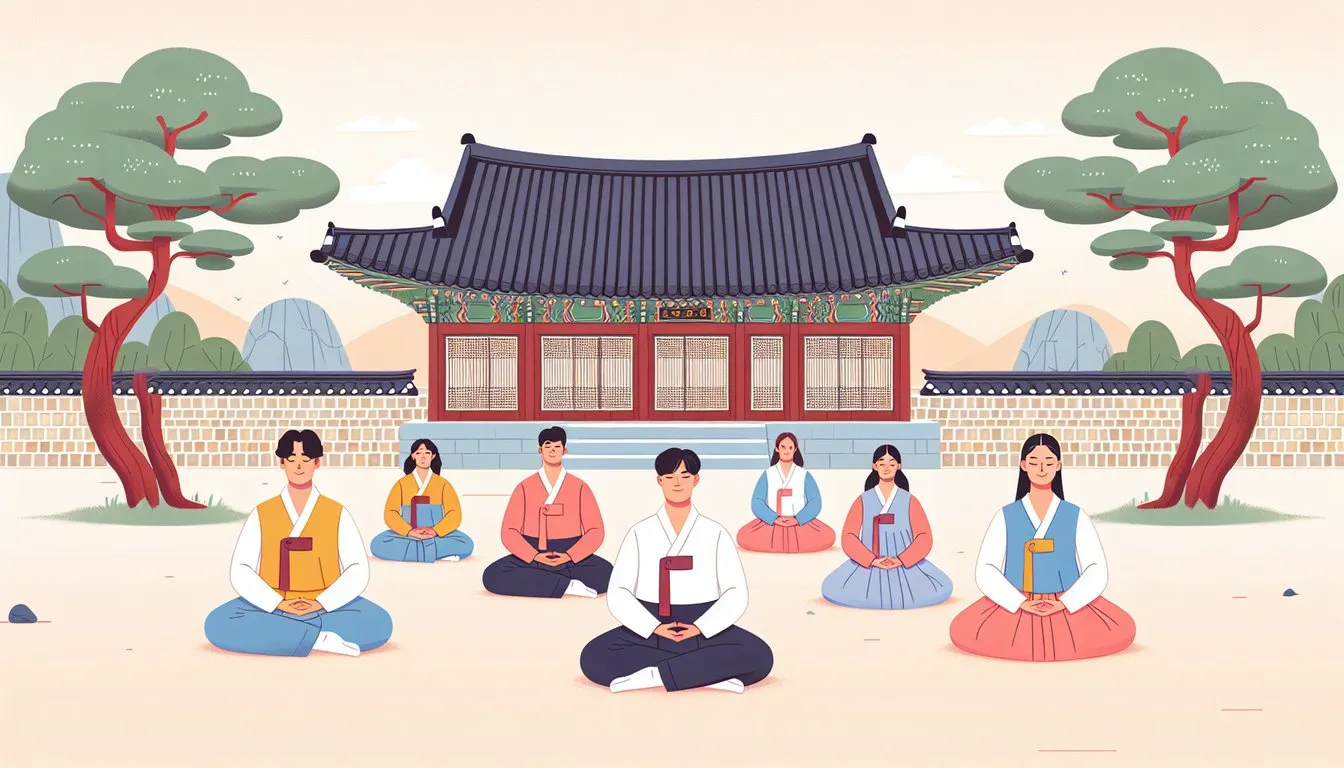
    Embarking on a Korean Temple Stay offers a unique opportunity to immerse oneself in spirituality and culture. As you prepare for this enriching journey, understanding the nuances of temple etiquette and participating in traditional ceremonies becomes essential. This experience is not just about observing; it’s about embracing meditation and self-reflection, allowing personal growth. To fully engage, knowing what essential items to pack will enhance your stay. Let this guide be your companion in navigating the serene and mindful world of a Korean temple.
     

    What to Know Before Visiting a Korean Temple Stay


    Understanding Temple Etiquette

    When visiting a Korean temple, it is crucial to understand and respect the unique etiquette that guides daily life within these sacred spaces. Whether you are embarking on a serene temple stay or simply visiting for a day, observing these customs is not only a form of respect but also enhances your experience by allowing you to engage more deeply with the cultural and spiritual practices.

    Silence and Mindfulness

    First and foremost, one must be aware of the importance of silence and mindfulness. Temples are places of tranquility where practitioners, or 보살 (Bodhisattvas), devote themselves to meditation and prayers. As you walk through these hallowed grounds, maintain a quiet demeanor, refraining from loud conversations or disruptive behaviors. Imagine this as a practice in itself — a moment to turn inward, listening to the subtle sounds of nature or your own breathing, a meditation in motion, if you will.

    Dressing Appropriately

    Dress modestly and appropriately, considering it akin to a shared, unspoken language of humility and respect prevalent within the monastic community. This usually means wearing long sleeves and long pants, with conservative, muted colors preferred, as they symbolize a detachment from worldly distractions and desires. Bright colors can disrupt the peaceful ambiance of the temple surroundings. Truth be told, by matching the common 명상 (meditative) attire, you become an integral part of the peaceful mosaic, enhancing communal harmony.

    The Act of Bowing

    A particularly unique aspect of temple etiquette is the act of 절 (jeol), or bowing, which holds profound significance. This gesture, often performed thrice when entering the main prayer hall, represents a demonstration of respect and humility towards the Buddha, the Dharma (Buddhist teachings), and the Sangha (community of practitioners). Bowing is seen not as a religious obligation but rather as an expression of gratitude and reverence. Remember to remove your shoes before entering these areas, acknowledging the sanctity of the space.

    Communal Meals

    Moreover, if you wish for an immersive interaction, involving yourself in the communal meals — known as 발우공양 (baru gongyang) — is a must. This is a formal and mindful eating practice held in high esteem within the temple. Meals are consumed in silence, and it is customary to finish everything on your plate as a mindful act of respect towards the labor involved in cultivating and preparing the food. In fact, meals are often vegetarian, reflecting the Buddhist tenet of compassion towards all living beings. Who knew? Even a simple meal can turn into a spiritual practice, teaching the virtues of mindfulness and gratitude.

    Temple’s Daily Schedule

    Understanding the temple’s daily schedule or 일과표 (ilgwapyo) is also pivotal; typically, a day is structured from dawn till dusk with meditation, chanting of sutras, and communal tasks. Joining in these activities or simply observing with respect will enrich your stay and provide a window into monastic life.

    Photography Restrictions

    Lastly, photography is often restricted, particularly during ceremonies or meditation sessions. Before capturing the serene beauty around you, it’s best to ask permission. However, you’ll likely find that the most poignant memories are those you carry in your heart, rather than your camera.

    In sum, embracing temple etiquette is more than just following rules. It’s about aligning oneself with the practices and values of this ancient tradition, cultivating an atmosphere of mutual respect that honors the mission of these spiritual sanctuaries. As your understanding deepens, so too will your appreciation for the timeless wisdom gently whispering through the temple halls.


    Essential Items for Your Stay

    Embarking on a temple stay in Korea offers a unique opportunity to immerse oneself in the serene world of Buddhism, but to truly appreciate this experience, certain preparations are essential. A well-considered packing list will ensure your stay is both comfortable and enriching, allowing you to fully engage with the customs and ceremonies.

    Attire

    Attire is paramount during your temple stay. Temples often provide traditional clothing, known as beopbok, which consists of loose-fitting trousers and a top designed to facilitate meditation and ensure modesty. However, packing a few extra layers is advised, as temperatures can fluctuate significantly—especially in the early morning hours when the dawn meditation sessions typically commence. A windbreaker or fleece jacket can be a savior during brisk mornings.

    Footwear

    Footwear is another crucial consideration. Because temple grounds are typically expansive and shoes are not worn indoors, you will find yourself repeatedly slipping in and out of your shoes. Comfortable slip-on shoes or sandals are highly recommended, ensuring quick transitions and preventing undue stress on your feet. As much of your time may be spent walking along the landscaped gardens or in meditation halls, choose footwear that cushions and supports.

    Personal Care Items

    For a more comprehensive insight, let’s delve into personal care items. Many temples provide basic toiletries, but if you prefer specific brands or have special requirements, bringing your own essentials is wise. An eco-friendly mindset is encouraged here, so consider biodegradable soap and shampoo.

    During your stay, personal peace intermingles with communal harmony, and respecting this ethos is key. Earplugs can prove invaluable for light sleepers, as the rustic sounds of nature and early morning rituals may not align with everyone’s sleep patterns. However, you wouldn’t want to miss the melodic vibrations of the wooden gong resonating at dawn, so balance their use wisely.

    Technology

    Now, technology within a temple stay is a subject of hot debate. Most temples advise refraining from using electronic devices to maintain the ambiance of tranquility and reflection. But let’s face it, we’re all attached to our gadgets. Therefore, you might choose to bring a camera for capturing the beautiful architecture and sprawling landscapes—but remember to be respectful and discreet. Sometimes, the best memories are those captured in our minds.

    Documentation

    Don’t forget a notebook or journal. Documenting your thoughts, experiences, and personal reflections throughout your stay can prove invaluable—not just in recalling the details later on, but aiding in your spiritual journey. Many find this reflective practice deepens their connection with the experience, offering insights long after you’ve left the temple grounds.

    Hydration

    Hydration remains critical, irrespective of the season. Temples often provide drinking water, but carrying a personal water bottle ensures you remain hydrated throughout the meditation sessions and daily activities. Consider investing in a reusable, environmentally friendly bottle to align with the sustainable practices encouraged during your stay.

    Sustenance

    Finally, think of your sustenance, both physical and spiritual. Meals at the temple are humble yet nutritious, aligning with Buddhist principles. These vegetarian meals are communal, fostering a sense of unity amongst participants. Bringing an open mind to these dietary shifts is as essential as any physical item you pack.

    To summarize: prepare wisely for your Korean temple stay by focusing on comfort, humility, sustainability, and openness; these are your key essentials. By following these guidelines, you enable yourself to fully embrace the serene environment, participate in reflective practices, and leave with not just souvenirs, but cherished memories and personal growth. How about diving in and embracing this transformative experience?


    Participating in Traditional Ceremonies

    Engaging in traditional Korean Buddhist ceremonies during your temple stay can be an enlightening and enriching experience! These ceremonies are deeply rooted in history, often tracing back over a millennium, providing you with a window into the spiritual practices that have shaped Korean culture and community life for centuries.

    Yebul Ceremony

    One of the first ceremonies you may encounter is the Yebul (예불), a daily ritual where monks and laypersons alike chant and bow as offerings of flowers, incense, and rice are made to the Buddha. This ceremony typically occurs three times a day — before dawn (usually around 3 AM), midday, and in the evening — which may seem daunting, but is integral to the rhythm of temple life. Each gesture and chant holds profound meaning, historically intended to cultivate heartful respect and focus, reflecting concepts such as Gwanseum Bosal’s (관세음보살) compassion and Maitreya’s (미래의) promise of future enlightenment.

    The beauty of participating lies in the harmony of actions and sounds — the resonant chanting accompanied by the rhythmic beating of the moktak (목탁), a traditional wooden percussion instrument, works to instill inner peace and mindfulness. It is worth noting that the cadences of chanting have been shown to positively affect the theta brainwave patterns, promoting a meditative state and improved concentration.

    108 Prostrations

    Another noteworthy ceremony is 108 Prostrations — a practice stemming from the understanding of the 108 defilements outlined in Buddhist cosmology, representing various desires and negative emotions. Participants perform 108 bows, which may sound physically demanding, yet this practice is considered purifying, both physically and spiritually, encouraging self-discipline and reflection on one’s own attachments and fixations.

    Tea Ceremonies

    Tea Ceremonies are also an essential part of temple rituals. Encompassing elements of green tea practices introduced during the Goryeo Dynasty (918–1392), these ceremonies offer a meditative and ceremonial interaction focusing on sensory awareness and the art of simplicity. The Zen principle of ‘Ichigo Ichie’ (一期一会), meaning “one time, one meeting,” resonates deeply here, fostering appreciation for the uniqueness of each shared moment.

    Moreover, different temples may offer distinct ceremonial practices depending on their specific traditions. For instance, some may incorporate the Dharma Talk sessions, which offer participants an opportunity to listen to the teachings of the Buddha directly from a monk. This engagement encourages reflection and internal dialogue, emphasizing the practice of Vipassana (mindful insight), as part of understanding Shakyamuni’s (historical Buddha) teachings in a contemporary context.

    Understanding Etiquette

    Before participating, it is crucial to understand the appropriate etiquette. Respectful observation and quiet participation are encouraged, and it is customary to stand at the temple’s entrance with hands in prayer position (합장), demonstrating humility and openness to the sacred space.

    Participation in these ceremonies facilitates an engaging journey into Korean Buddhist philosophy, inviting you to become part of a timeless ritual that is as much about community as it is about personal enlightenment. These traditions, carefully passed down through generations, are a testament to the enduring human search for meaning and connection.

    These ceremonies offer more than a mere glimpse into another world; they provide an opportunity for self-discovery and an appreciation for the shared human quest for harmony and understanding. Embrace the experience fully, and you might discover a deeper connection not only with Korean Buddhist culture but also with your own inner spiritual path.


    Embracing Meditation and Reflection

    The Essence of Meditation in Temple Stay

    Meditation and reflection are cornerstones of the temple stay experience, offering a unique opportunity to detach from the hectic pace of daily life and to delve deeply into personal introspection. At a Korean temple, the practice of meditation is not just a momentary pause but a profound, immersive journey into self-awareness and spiritual rejuvenation. The tradition of 거사 (Geoseul), or seated meditation, is central here, often practiced for several hours each day, demanding both physical endurance and mental fortitude.

    The Tradition of Baechalbae

    The traditional form of Korean meditation is rooted in 백팔배 (Baechalbae), which involves 108 prostrations, embodying the pursuit of enlightenment by overcoming 108 earthly desires. Sounds intense, right? Well, that’s because it is! This practice symbolizes a commitment to eliminating the distractions that cloud the mind, each bow a step towards clarity and purpose.

    Scientific Insights into Meditation

    Scholars have often noted the fascinating linkage between such meditative practices and improved neurological function. A notable study published in the journal “Cognitive, Affective, & Behavioral Neuroscience” demonstrates that regular meditation can enhance gray matter density in the brain’s hippocampus, a region vital to memory and emotional regulation, by an impressive 8% over a consistent practice of eight weeks. This statistic alone highlights the tangible benefits of embracing a meditative lifestyle during your temple stay.

    The Practice of Reflection

    What’s more, reflection is equally pivotal. This isn’t simply passive thought but a structured introspection facilitated through daily sessions known as 선기 (Seon-gi). These are moments for personal inventory, utilizing silence as a tool for understanding life’s deeper meanings and your place within it. It’s much more than ‘think and ponder’—it’s about connecting with your innermost self while understanding your life’s broader tapestry.

    Benefits of Meditation and Reflection

    Participants in these meditation sessions often report a heightened sense of peace and clarity, frequently citing a 35% reduction in stress levels, akin to outcomes found in clinical trials related to stress reduction therapies. This improves not only mental health metrics but also general life satisfaction.

    Beginning the Meditative Journey

    Whether you’re a seasoned practitioner or a curious novice, engaging in these practices requires open-mindedness and, crucially, patience. Many find their beginnings in meditation exercises like 초심자 명상법 (Choshimja Myeongseonbeop), a beginner’s method focusing on breath control and grounding techniques. By concentrating on the quiet rhythm of breathing, participants cultivate an attentiveness that sharpens focus and dismisses the intrusive noise of the modern world.

    Special Temple Activities

    Engaging in temple activities often includes participation in special sessions like 명상 강연회 (Myeongsang Gangyeonhoe), meditation lectures, where experienced monks share insights on integrating meditation into daily life. These sessions provide a rare glimpse into the philosophical underpinnings of Zen, offering wisdom passed down over centuries.

    Are you prepared for the transformation that awaits through this disciplined practice? Temple life encourages the uplifting and balancing of the internal and external selves by honouring reflection and meditation. Such commitment to personal growth and understanding through ancient traditions can lead to a profound and lasting impact on your life’s journey.

    Ultimately, embracing meditation and reflection within the serene environment of a Korean temple stay allows you to unlock a more enlightened, aware, and balanced version of yourself. Whether you seek emotional healing, spiritual growth, or simply time away from society’s relentless demands, this practice offers invaluable experiences that remain with you long after your stay has ended.


    Embarking on a Korean temple stay offers a unique opportunity to delve into a world enriched with ancient traditions and spiritual depth. Understanding temple etiquette ensures you respect and honor the sacred space you enter. Packing essential items will enhance your comfort and allow you to fully engage in the experience. Participating in traditional ceremonies provides insights into the rich cultural heritage, while meditation and reflection offer avenues for personal introspection and growth. As you prepare for this transformative journey, remember that every moment is a chance to connect with a time-honored way of life, promoting peace and mindfulness.

     

  • Best Rooftop Views in Seoul for Photography

    Best Rooftop Views in Seoul for Photography

    Capturing the essence of Seoul through photography is an art that requires precision, timing, and the right location. The city’s skyline, with its towering structures juxtaposed against historical sites, offers photographers a unique canvas. Discovering Seoul’s rooftop views not only provides an opportunity for iconic skyline shots but also reveals hidden gems that boast panoramic vistas. As the city transitions from day to night, these rooftop spots become perfect locations for capturing the mesmerizing hues of a Seoul sunset. Whether framed by cultural landmarks or modern architecture, these perspectives enrich any photographer’s portfolio with a blend of tradition and innovation. For both professional photographers and hobbyists, these rooftop views in Seoul offer unparalleled opportunities to encapsulate the dynamic spirit of this vibrant city.


    Best Rooftop Views in Seoul for Photography


    Iconic Skyline Shots

    Seoul’s skyline is not just a visual wonder; it is an architectural masterpiece that speaks to the city’s rapid development and modernization. Seoul, a city where tradition meets technology, offers some of the most stunning and iconic skyline views that are a photographer’s paradise. Strategically positioned among hills and rivers, the cityscape combines natural beauty with urban sophistication.

    Namsan Seoul Tower

    One of the most eminent locations for capturing Seoul’s iconic skyline is Namsan Seoul Tower. Standing at an elevation of 479.7 meters above sea level, this tower provides an unparalleled panoramic view of the city. Especially during the evening, as the city lights begin to twinkle, the view from the observatory is nothing short of breathtaking. Photographers can capture not only the architectural wonders but also the vibrant life of Seoul nestled under a blanket of lights.

    Lotte World Tower

    Moreover, Lotte World Tower, the tallest building in South Korea at 555 meters and the fifth tallest globally, offers a sky-high vantage point at its 123rd-floor observation deck. The view stretches out over the entire metropolis and, on a clear day, beyond the city limits, reaching the border of North Korea. Here, one can encapsulate the grandeur of Seoul’s high-rises and the flowing Han River, marking an awe-inspiring juxtaposition of the natural river path cradling the urban jungle.

    Banpo Hangang Park’s Rainbow Fountain

    If you desire a more leisurely pace yet equally iconic shot, the Banpo Hangang Park’s Rainbow Fountain at Banpo Bridge is a must-visit. Recognized by the Guinness World Records as the world’s longest bridge fountain, it combines 200 lights that perform a mesmerizing water show every night. The backdrop of gleaming skyscrapers against the cascading water provides a dramatic photograph that juxtaposes nature and modern engineering—truly showing the pulsating life of Seoul.

    Mapo Bridge

    Additionally, for photography buffs interested in the less commercial aspects of the city’s skyline, Hangang’s various bridges offer striking perspectives. Mapo Bridge, in particular, provides a captivating viewpoint. Capturing the beautiful architectural lines against the city’s shimmering reflections on the river surface can create a remarkable image that speaks volumes about Seoul’s urban identity.

    Golden Hour Shots

    Every photographer aiming to document Seoul’s skyline should note the significance of a golden hour shot. The interplay between the city’s glassy structures and the golden hue of the setting or rising sun creates a magical visual symphony. Time your visit to Bukhansan National Park thoughtfully. From one of its peaks, one can strategically photograph the entire city’s transition from day to night, capturing a cinematic progression of light that few other locations offer.

    Historical Juxtaposition

    Navigating through Seoul’s diverse skyline views, one can’t ignore the historical juxtaposition of its modern-day high-rises with relics of antiquity. Spots like the Gyeongbokgung Palace, with the backdrop of towering skyscrapers of Jongno-gu, provide a unique and culturally rich skyline perspective. This harmonious blend of the Joseon Dynasty’s architectural legacy with contemporary constructs paints a narrative of Seoul’s relentless march through time and development.

    In conclusion, Seoul’s skyline is not merely an assembly of steel and glass structures but a dynamic representation of its history, culture, and progress. These iconic views are a testament to Seoul’s status as a global city, where photographers can capture not just photos but stories—stories of a city that reflects upon its past while embracing the future with open arms, contributing endlessly to the urban landscape as we perceive it today.


    Hidden Gems with Panoramic Vistas

    In the bustling city of Seoul, beyond the iconic skyline shots that the world recognizes, lie hidden gems offering panoramic vistas that are equally astonishing. These locations might not immediately spring to mind when one thinks of Seoul, yet they provide invaluable experiences for photographers seeking to capture the city from unique angles. Whether you are an amateur or a professional, these spots will leave you in awe of Seoul’s diverse landscape and architectural mélange.

    Bukchon Hanok Village

    One such location is the Bukchon Hanok Village, an absolute treasure trove for capturing panoramic views with a historical flair. Tucked away between Gyeongbok Palace and Changdeok Palace, Bukchon offers not only steep alleyways lined with traditional hanoks but also elevated points perfect for capturing the sprawling cityscape. As you ascend these alleyways, be sure to find the overlook points near the Bukchon Museum. The contrast between the ancient rooftops and the modern skyline of Seoul is nothing short of breathtaking.

    Oil Tank Culture Park

    Another hidden gem is the Oil Tank Culture Park, a former oil reservoir repurposed into a cultural space. What makes this site so extraordinary for photography is its multifaceted offerings. Not only do the industrial structures themselves provide a stark, geometrical feast for the lens, but the elevated viewing platform also gifts visitors with expansive views of the surrounding World Cup Park and the Han River. This setting, particularly in the spring when nearby cherry blossoms are in bloom, creates a juxtaposition of industrial might and natural beauty that is truly unique.

    Inwangsan Mountain

    For those seeking an unfiltered view of Seoul’s serene beauty, the Inwangsan Mountain provides an off-the-beaten-path vantage point. Despite being less frequented by tourists, reaching its summit is not too challenging and rewards one with a panoramic view of Seoul’s landmarks, including the Namsan Seoul Tower and various royal palaces, laid out like a vast carpet below. If statistics are anything to go by, the mountain, peaking at 338 meters above sea level, offers arguably one of the best spots to witness the intertwining of history, nature, and modernity from above.

    Nodeul Island

    Moreover, the Nodeul Island presents another under-the-radar location, embracing a more contemporary artistic vibe. A recent development, this island in the midst of the Han River, besides acting as a green space retreat, is an ideal locale for wide-angle shots of Seoul’s urban expanse. With no towering skyscrapers obscuring the horizon, taking advantage of the island’s open park and multi-use buildings allows photographers complete freedom to exploit the lighting and angles perfect for shooting at dusk or dawn.

    Haneul Park

    For a touch of park tranquility coupled with city views, Haneul Park at World Cup Park is unmatched. Literally translated as “Sky Park,” this elevated grassland area was once a landfill site and now stands transformed into an ecological haven. With an altitude of 98 meters, this park’s observatory tower provides a 360-degree panorama of the cityscape, including the meandering Han River and Seoul’s mountains. The park is particularly enchanting during the autumn when the silver pampas grasses create a shimmering spectacle that is a dream to capture with a wide lens.

    Considered rare gems, these vantage points may not be front and center in tourist guides, but they promise to deliver exponential returns in terms of both serenity and spectacular photo opportunities. The seamless combination of urban life, historical architectures, and resplendent nature from these spots reveals Seoul in its truest, most extensive form — a city of contrasts and harmony.

    So, pack your cameras, ready your lenses, and prepare to explore these stunning hidden gems where panoramic vistas of Seoul await! Each location offers a chapter in the city’s vibrant story, from its cultural roots to its modern heartbeat, waiting to be captured and shared with the world.


    Sunset Spots for Perfect Lighting

    Captivating sunsets in Seoul present photographers with a spectacular opportunity to capture the city’s skyline under a golden hue. To achieve the perfect lighting, timing your shoot during the “golden hour”—typically around 30 minutes before sunset—is vital. During this magical window, the sun is low in the sky and casts a warm light that bathes everything in a glowing embrace, ideal for both professionals and enthusiastic amateurs alike.

    Namsan Seoul Tower

    One premier location to consider is Namsan Seoul Tower’s observation deck. Situated approximately 479 meters above sea level, it offers breathtaking panoramic views. Consider this: as the sun begins its descent, the sky hues transform from cerulean blues to awe-inspiring shades of pink and orange, setting the stage for stunning photographs that practically sing with vibrancy.

    Lotte World Tower’s Seoul Sky

    Another noteworthy spot is the Lotte World Tower’s Seoul Sky, which reaches an astounding 555 meters, making it the tallest building in South Korea and the fifth tallest globally. The tower’s top floors feature glass observatory walkways, allowing uninterrupted views of the metropolis drenched in sunset colors. These elevated vantages provide unique perspectives, capturing both the expanse of the Han River and the thrumming city’s heartbeat below—an imagery feast for any lens.

    Camera Settings

    Digital camera enthusiasts should pay attention to their camera settings: employing a lower ISO between 100 to 400 can prevent noise and ensure crisp clarity. Meanwhile, experimenting with a smaller aperture (f/11 or higher) can add depth of field and detail to cityscapes. The focal length varies; wide-angle lenses (16-35mm) are amicable for capturing the sweeping essence of the vistas, whereas telephoto lenses (70-200mm) help in framing distant buildings against the striking sky.

    Some Sevit (the islands)

    For those who crave an adventurous twist, the rooftop section of Some Sevit (the islands) provides a harmonious blend of urban flair and natural charm. These artificial floating islands on the Han River sparkle with possibility as the sun dips. As the day transitions into night, the LED lights adorning the structures light up, adding another layer of character to your photography. Notably, the twilight captures, harmonizing the fading sun’s rays with the beginning of evening illumination, result in visually dynamic contrasts.

    Sky Garden in Seosomun Park

    Moreover, the less publicized Sky Garden in Seosomun Park offers an elevated garden walkway from which photographers can deftly capture the sunset illuminating nearby historical structures such as Deoksugung Palace. This juxtaposition of modern skies against storied landmarks renders a culturally rich backdrop perfect for evocative images. Should you find yourself here, take a strategic position around 18:30, when the last light paints the palace’s eaves, creating compositions that are both culturally and aesthetically compelling.

    63 Building’s Observatory

    A less frequented gem yet equally alluring is the 63 Building’s Observatory. Standing 249 meters high, this manmade wonder does not only offer views of the sunset but additionally features an indoor aquarium, presenting countless opportunities for innovative shots as the aquarium’s ambient blues play against the setting sun for a fantastic composition.

    Yeouido Hangang Park

    If accessibility is of concern, consider Yeouido Hangang Park. Not only easy to reach, the park’s wide open spaces give free reign to pinpoint your perfect shot. Here, the sun tends to cast its light on the Han River, generating spectacular reflections. Given the slower, leisurely pace of the park, photographers have the advantage of taking time to explore different angles and compositions. This setting is especially beneficial for those seeking to conduct time-lapse photography, allowing the sunset to unfold over a captivating series of frames.

    Finally, while enjoying these sunset spots, an absolute must is ensuring you come equipped with a tripod, especially for longer exposure shots, allowing for smooth and silky captures of moving clouds and the transition to dusk. By thoughtfully selecting locations and adequately preparing your gear, the sunset lighting in Seoul can be harnessed to its full potential, creating not only stunning photographs but also unforgettable experiences.


    Cultural and Historical Backdrops

    Seoul offers an intriguing juxtaposition of contemporary architecture and rich historical tapestry, making it a haven for photography enthusiasts seeking cultural and historical backdrops. The city, with a profound lineage dating back over 2,000 years, provides a multitude of scenic rooftops that encapsulate both modern urban landscapes and the echoes of Korea’s storied past.

    Gwanghwamun and Gyeongbokgung Palace

    One of the top destinations for capturing Seoul’s cultural essence from above is Gwanghwamun, the main gate of Gyeongbokgung Palace, Korea’s largest palace. Built in 1395, Gyeongbokgung Palace epitomizes the Joseon Dynasty’s grandeur. From the nearby Rooftop Garden at KT (Olleh Square), photographers can capture the palace’s majestic rooftops against the backdrop of the towering skyscrapers of Seoul, creating a mesmerizing blend of ancient and modern contrasts.

    Bukchon Hanok Village

    Another captivating site is Bukchon Hanok Village, located between Gyeongbokgung Palace and Changdeokgung Palace. This traditional Korean village offers a remarkable view of hanoks—traditional Korean houses—amidst its narrow alleyways. The elevated terrain of Bukchon affords photographers stunning panoramas over the Hanok Village, where you can juxtapose the rustic charm of wooden eaves against the silhouette of Seoul’s cityscape! It remains a cultural enclave preserved for over 600 years, demonstrating the artistry of historical Korean architecture.

    Naksan Park

    For those seeking a historical site with elevated views without the climb, Naksan Park provides a splendid vantage point. Overlooking the eastern part of the city, the park offers spectacular sights of both the Seoul City Wall and a panoramic view of the city’s evolving skyline. The Seoul City Wall, originally constructed in 1396, stretches some 18.6 kilometers and embodies an architectural prowess that defended the capital for centuries. Here, the lush greenery and fortress walls offer an ideal backdrop for capturing the harmonious blend of Seoul’s natural beauty with its urban development.

    Dongdaemun Design Plaza (DDP) and Dongdaemun Gate

    Furthermore, the Dongdaemun Design Plaza (DDP), a masterpiece by Zaha Hadid, is not only a contemporary landmark but is also strategically positioned near Seoul’s ancient Great East Gate. From certain rooftop points on the DDP, photographers can capture the juxtaposition of Dongdaemun Gate with the futuristic curves of DDP, setting a stage that narrates the evolution of Korean art and architecture.

    Insa-dong

    Insa-dong, although bustling with contemporary activity, retains its historical charm and is a superb location to capture the artistic heart of Seoul. It offers various rooftop views overlooking traditional teahouses and galleries, interwoven with collections of antique shops. The vibrant alleys and serene courtyards below provide a perfect setting for a culturally rich photograph, highlighting the continuity of Seoul’s artistic heritage.

    Changdeokgung’s Secret Garden

    For those wanting to photograph a love letter to traditional craftsmanship, Changdeokgung’s Secret Garden—a true embodiment of ‘Biwon’ (Secret Garden)—awaits. A UNESCO World Heritage site, the garden is a secluded haven of over 78 acres of exquisite landscapes behind Changdeokgung Palace. Although it’s not traditionally accessible for rooftop photography, capturing its blend of pavilions, ponds, and wooded areas from just above the treeline conveys the serenity and timelessness of Seoul’s royal nature.

    Namdaemun Market Vicinity

    Not to be missed is the Namdaemun Market vicinity, offering a truly authentic Korean shopping experience which has been ongoing since the 15th century. While bustling from the ground, its surrounding rooftops afford photographers views of traditional market scenes juxtaposed against Seoul’s high-rise offices, a testament to the city’s dynamic evolution over the centuries.

    When exploring these locations, the mastery lies in the ability to capture Seoul’s essence—a city where every angle and elevation narrates a story deeply rooted in its cultural and historical lineage. Each photograph becomes a tapestry that includes elements of Seoul’s enduring past and innovative present, providing a narrative that is not only visually arresting but also culturally resonant.


    Seoul offers an exceptional array of photographic opportunities, from its towering skyline to its hidden panoramic gems. Each location brings its unique charm—whether you’re capturing the perfect sunset or immersing yourself in cultural and historical settings. These vantage points not only provide breathtaking views but also allow photographers to engage with the city’s dynamic landscape. Embrace these spots to enhance your photography portfolio with unforgettable images that truly represent the vibrant essence of Seoul. Whether you are a professional or an enthusiast, these views will enrich your creative journey.


  • Beginner’s Guide to Korean Table Manners

    Beginner’s Guide to Korean Table Manners

    Navigating the world of Korean dining can be both fascinating and daunting for beginners. Korean table manners are steeped in tradition and offer insights into the culture’s respect for hierarchy, unity, and communication. Understanding this etiquette not only enriches your dining experience but also shows respect for your hosts. From seating arrangements to the nuanced use of utensils, each aspect of dining is precise and carries significance. This guide will equip you with the knowledge needed to partake in Korean meals confidently and respectfully, making your dining experience both authentic and enjoyable.


    Beginner’s Guide to Korean Table Manners


    Understanding Korean Dining Etiquette

    Korean dining etiquette may initially seem daunting to the uninitiated, but understanding its nuances can significantly enrich your culinary experiences in Korea. Rooted in a culture that places high regard on respect and seniority, dining habits reflect centuries of tradition and social structure. When dining at a Korean table, the stakes are not merely about politeness—it’s about participating in a deeply embedded cultural practice.

    The Principles of Korean Dining

    At the heart of Korean dining etiquette is the notion of 지혜 (Jihye) and 예의 (Yei), referring to wisdom and courtesy, respectively. Meals are often communal, emphasizing harmony and shared enjoyment, and understanding these principles can enhance your interaction with Korean culture. The concept of 체면 (Chemyon)—literally meaning “face” or social reputation—plays a significant role, as maintaining the group’s harmony is essential.

    Pre-Meal Traditions

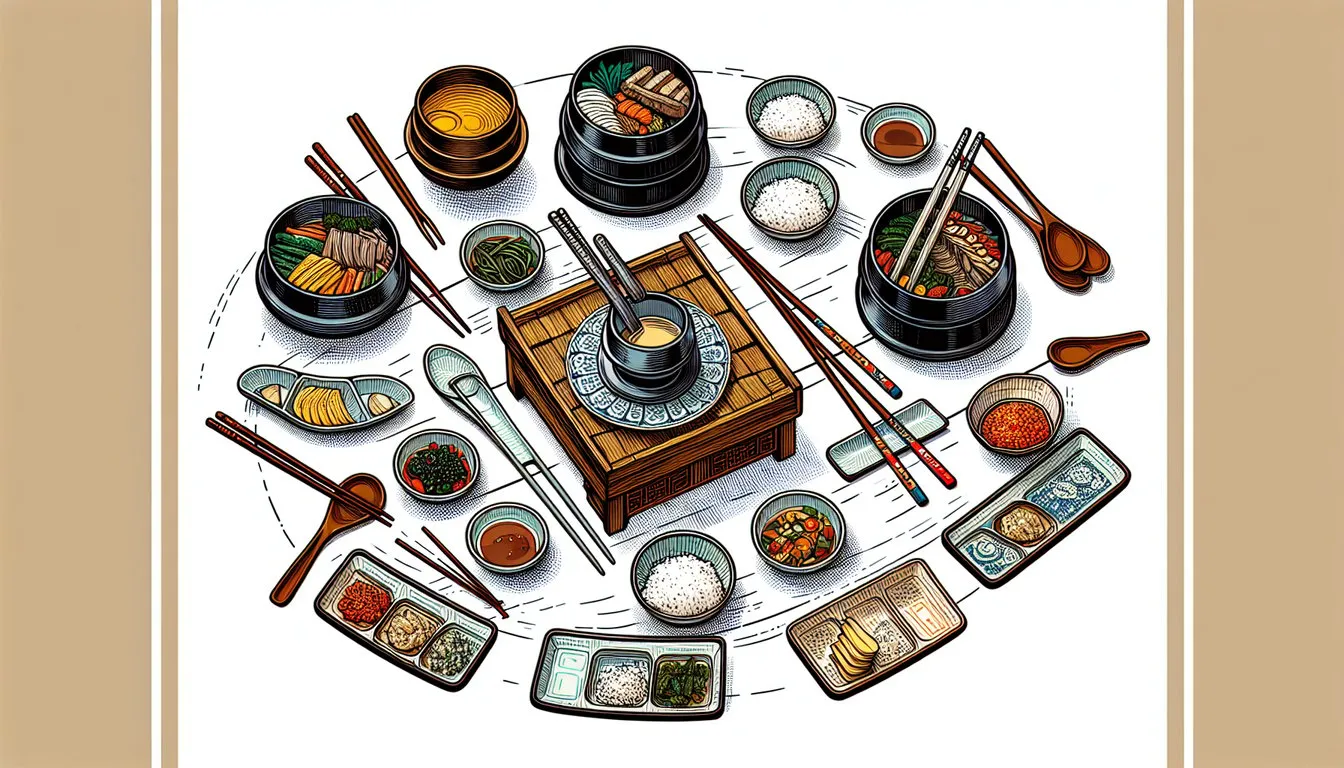
    The dining experience begins long before the actual meal. Traditional Korean settings employ a low table called a 다리미상 (Dalimisang) and sitting on the floor, though modern settings use tables and chairs. As a guest, one should wait until the eldest individual indicates it’s time to start. The importance of age and hierarchy cannot be understated here! For example, the eldest is usually served first, and it is customary to wait for them to take the first bite before you join in. It’s considered respectful and reinforces societal values around seniority.

    Using Eating Utensils

    Chopsticks and spoons are the primary eating utensils in Korea. The proper handling of these utensils is crucial to adhering to etiquette standards. Never stick chopsticks upright in a bowl of rice; this is reminiscent of a funeral rite and is deemed highly disrespectful. While using chopsticks, the 손잡이 (sonjabi) should be between your fingers, allowing easy maneuverability. The spoon, 숟가락 (sutgarak), is customarily used for rice and soups, often held in the right hand. A beginner might find it tricky to alternate between them efficiently, but with practice, it becomes intuitive.

    The Communal Aspect

    Moreover, communal dishes, a staple of Korean dining, are shared amongst diners. One must use the 받침 (batchim), a holding plate, to transfer food from communal bowls to their personal eating area. It is a gesture symbolizing shared resources and illustrates the communal spirit so prevalent in Korean dining.

    Role of Banchan

    Sauces and accompaniments, commonly referred to as 반찬 (Banchan), play an integral role and should be sampled with modesty. The average Korean meal includes at least five to ten types of banchan. Proper etiquette dictates that you use clean chopsticks to get each piece, demonstrating both cleanliness and decorum.

    Paying attention to these customs makes you a respectful and courteous guest and allows you to engage more deeply with Korean culture. Time, observation, and practice are your best tools in mastering Korean dining etiquette. By respecting these traditions, a notable cultural bridge is crossed, paving the way for deeper connections with Korean compatriots. This glimpse into one of Korea’s most revered practices is just the beginning of immersing oneself into the rich tapestry of Korean life!


    The Importance of Seating Arrangements

    In the realm of Korean dining culture, seating arrangements are far more than mere logistics; they are a sophisticated interplay of hierarchy, respect, and social harmony. The importance of where each individual is seated at the table cannot be overstated, as it aligns with Confucian principles deeply ingrained in Korean society. Understanding these principles not only enhances your dining experience but also reflects your respect for Korean customs.

    Traditional Influences

    Traditional Korean dining etiquette is heavily influenced by age and status, both of which dictate the seating order. Typically, the most honored guest or the eldest person, signifying wisdom and respect, occupies the seat furthest from the entrance. This position, known as the “chonmok,” symbolizes reverence. If a setting features a main table or a distinguished dining layout, the position facing the entrance is regarded as the most prestigious, ensuring that the honored guest is attended to first and receives the best culinary offerings.

    Professional Settings

    In professional settings, such as business dinners or formal gatherings, these seating customs are pivotal. A faux pas in seating can inadvertently convey disrespect, potentially jeopardizing business relationships. For instance, a study conducted by the Korean Institute of Dining Culture revealed that about 78% of Korean professionals consider seating arrangements crucial to fostering positive interpersonal relations!

    Cultural Adherence

    Moreover, a research paper published in the Journal of East Asian Cultural Studies highlights that over two-thirds of Korean households still adhere to traditional seating hierarchies during festivals and family gatherings. This data underscores the cultural significance and the unwavering adherence to these norms across various societal levels.

    Hosting and Etiquette

    When organizing a dinner, it is customary for the host to guide guests to their seats as a gesture of hospitality and control over the seating protocol. If you are the invitee, awaiting this cue is essential, as presuming your seat might breach customary etiquette. These actions demonstrate acknowledgment of the cultural hierarchy, thus facilitating smoother interaction and dining harmony.

    Social Dynamics and Ceremonial Importance

    The intricate dance of seating arrangements extends beyond mere placement. It influences social interactions and dictates the flow of conversation during meals. In this cultural context, a younger person initiating a toast or speech without acknowledgment from elders is viewed as disrespectful. Dining is not just a consumptive act but a social ceremony, binding those present through traditional practices and shared roles.

    Aside from social and business contexts, seating arrangements hold particular importance in ceremonial meals, such as “jesa” (ancestral rites) or “chaesa” (memorial services). Seats are allocated with the utmost respect toward deceased ancestors, reflecting familial reverence. Furthermore, historical records from the Joseon Dynasty archeological studies document how these seats were meticulously determined by generational hierarchy and gender roles, attesting to the longevity and consistency of these practices.

    Cultural Significance

    In analyzing the cultural tapestry of Korea’s dining habits, seating arrangements emerge as a pivotal thread woven through both social gatherings and formal events. These arrangements are a testament to Korea’s rich cultural heritage, fostering interactions that align personal conduct with communal values. As you engage with Korean dining culture, recognizing and adhering to these traditions elevates not only your comprehension but also deepens the mutual respect between you and your hosts. It is a subtle yet profound reminder of the balance between individuality and collective identity within Korean society. Such nuanced understanding of seating can significantly enrich your overall dining experience.


    How and When to Use Utensils

    Mastering the art of using utensils in a Korean dining setting is fundamental to understanding the intricacies of Korean table manners. In Korea, utensils are not merely tools for food consumption but are entrenched in the cultural tapestry that dictates respect and propriety at the table. Mastery in the use of chopsticks and spoons are essential aspects of Korean dining etiquette.

    The Role of Chopsticks and Spoons

    In Korea, chopsticks and spoons are the main utensils used during meals. The chopsticks, generally made of metal or wood, are used for picking up solid foods, while the spoon is primarily designated for soupy dishes, such as jjigae (찌개) or guk (). Interestingly, the order of utensils placement adheres strictly to Korean dining etiquette, with the spoon placed on the right and chopsticks on the left. This setup reflects the subtle yet important election of balance and harmony in Korean culture.

    Temporal Guidelines: When to Use What

    Timing is everything! Utensil usage is guided by conventions that dictate when each should be put to use. A typical meal begins with the bowl of rice; traditionally, this calls for the spoon as it is viewed as a sign of respect not to spear or stab rice with chopsticks. Once soup or stew is served, your spoon becomes your best friend! Korean stews often feature an array of ingredients mingling in a harmonious broth, making the spoon the utensil of choice for conveying its robust flavors.

    However, the saucy yet solid side dishes known as banchan should be graciously navigated with chopsticks. The use of chopsticks is seen as a demonstration of finesse and dexterity—a touch of elegance that exudes appreciation for the culinary art laid before you.

    A Word on Etiquette: Appropriate Methods of Use

    Proper handling of these utensils is also essential to upholding etiquette—lackadaisical handling may create the perception of carelessness or, worse, disrespect. Chopsticks should be held towards the top, ensuring a subtle yet firm grip, often defeated by first-time users with spirals of noodle slipping away. Practice makes perfect!

    One must never stick chopsticks upright into a bowl of rice, as this is reminiscent of a funeral ritual, considered disrespectful in meal settings. Resting utensils on the table or sharing dishes directly with personal utensils rather call for use of serving utensils when available, to maintain hygiene and respect for communal eating principles.

    Additional Considerations: Left-handedness and Utensils

    While left-handedness is broadly accepted today, traditionally in Korea, it was preferable to use the right hand during meals. Understanding this cultural nuance is important, though modern practices allow for greater flexibility in non-formal settings.

    Conclusion?

    Mastering the nuances of Korean dining etiquette, especially regarding the use of utensils, is a remarkable window into a culture that values respect, harmony, and precision. By understanding and embracing these conventions, one not only hones a skill set applicable across diverse culinary landscapes but also pays homage to a rich cultural heritage deeply entwined with every meal shared.


    Respect and Appreciation at the Table

    In the intricate realm of Korean dining, respect and appreciation are not merely suggestions but deeply ingrained cultural imperatives. Dining is a communal experience, where the table becomes an arena for expressing gratitude and respect for both the people and the food shared among them. Understanding these nuances is vital to engaging authentically with Korean culture.

    The Principle of 존경 (Jong-gyeong)

    At the heart of Korean dining etiquette lies the principle of **존경** (jong-gyeong), meaning respect. This concept is not just about the physical act of eating, but about the entire dining ritual, which reflects social hierarchies and the collective harmony of the group. Elders are revered and receive the utmost respect at the table—it is customary for younger individuals to initiate any meal by waiting for the oldest person to begin eating, signalling permission to commence the dining process. This is not merely a courtesy; it’s a core tenet of Korean social interaction.

    The Practice of 공경 (Gong-gyeong)

    The practice of **공경** (gong-gyeong), displaying respect, is also evident in the manner of pouring drinks. In a typical Korean mealtime setting, sharing alcoholic beverages like soju or makgeolli is a common practice, an avenue for fostering deeper interpersonal bonds. When serving someone—especially someone older or of higher status—hold the bottle with both hands as a sign of respect. Conversely, when receiving a drink, particularly from someone senior, you should hold your glass with both hands and express gratitude with a polite nod or a brief but sincere statement of thanks.

    Reverence for Food and Jeongseong

    Respect extends beyond the simple interactions between individuals and penetrates the cultural reverence for the food itself! Traditional Korean settings often include the notion of **정성** (jeongseong)—a deep sincerity in presenting and receiving food. The meticulous preparation of each dish and its presentation on the table are reflections of this sincerity and respect, not only for the diners but also for the ingredients themselves. Diners express appreciation by taking the time to savor each flavor and texture thoughtfully, often commenting on the effort put into its preparation.

    In terms of verbal expressions, phrases like “잘 먹겠습니다” (jal meokgetseumnida) are spoken before a meal, translating to “I will eat well,” while “잘 먹었습니다” (jal meogeotseumnida) follows as a form of “Thank you for the meal.” These expressions encapsulate both gratitude and respect for the food and those who provided it. This verbal routine, while polite and seemingly simple, carries significant weight in maintaining the harmony and respect central to Korean dining culture.

    Other Customs of Consideration

    Additional layers of respect and appreciation are embedded in other, less overt customs at the table. For instance, the concept of **배려** (baeryeo)—consideration for others—guides the communal aspect of dining. It’s customary to serve others before yourself, ensuring that everyone at the table feels included and valued. This thoughtful approach promotes an atmosphere of unity and shared experience.

    Moreover, the dining table is a stage for **감사** (gamsa), or gratitude, which extends beyond the meal itself and into the broader social context. Elders are traditionally given preference in seating, often positioned according to their status, ensuring they are at the center of the group or nearest the door. Such arrangements show prioritization of their comfort and underscore their importance within the collective. This form of respect transcends the meal and speaks to the broader social fabric, emphasizing collective harmony over individual preference.

    In sum, Korean dining etiquette is not just about knowing when to use chopsticks or where to sit; it is a profoundly ritualistic practice interwoven with the cultural fabric of respect and appreciation. Every movement, word, and gesture at the table is a deliberate act of respect, reflecting the broader Korean ethos of community and harmony. Understanding these customs provides invaluable insight into Korea’s rich cultural heritage, making each dining experience not just a meal, but a deeply respected and cherished communal gathering.


    Navigating Korean table manners is more than just a sitting and eating experience; it’s a cultural journey that reflects deep-seated values of hierarchy, respect, and community. From understanding the intricacies of seating arrangements to mastering the use of chopsticks and appreciating the meal, each aspect plays a vital role in dining etiquette. By embracing these customs, not only do you show respect for Korean culture, but you also enrich your interpersonal interactions within Korean social settings. These skills can significantly enhance the quality of your dining experiences in Korea. Recognizing and appreciating these traditions can transform a mere meal into a culturally enriching experience.


  • Korean Idol Diets: Whats Fact vs. Myth?

    Korean Idol Diets: Whats Fact vs. Myth?

    In the world of K-pop, the public’s fascination with Korean idols extends beyond music into their fitness and diet regimens. Many aspire to emulate the physical allure of these celebrities. However, understanding what’s fact versus myth in Korean idol diets is crucial to avoid potentially harmful practices. This blog will dissect celebrity diet plans and address common misconceptions. Additionally, insights from nutritional experts will be provided, ensuring a well-rounded understanding of the subject. For those considering following these fads, learn how to approach them safely. Discover the truth behind the diets of your favorite idols.


    Korean Idol Diets: Whats Fact vs. Myth?


    Celebrity Diet Plans: The Reality Check

    In the glamorous world of Korean idols, staying fit and looking flawless on camera is part of the job description. However, the reality behind the meticulously crafted appearances can often be starkly different from the glitzy exterior we see on screen. While attractive physiques are paraded in the limelight, the truth behind the diet regimes that supposedly result in such appearances requires a closer examination. Let us embark on a reality check of these celebrity diet plans.

    Analyzing the Science Behind Idol Diets

    Korean idols frequently follow diet plans that promise rapid weight loss. Plans like the infamous “IU Diet,” which supposedly helped the popular singer shed weight to maintain her diminutive frame, usually consist of an apple for breakfast, a sweet potato for lunch, and a protein shake for dinner. While at first glance, these meals may appear as a minimalistic approach to nutrition, in reality, they significantly fall short of the recommended daily caloric intake. The average adult requires approximately 2,000 to 2,500 calories per day to maintain metabolic functions, while the IU Diet caps daily calories at roughly 700-800.

    This caloric deficit, although effective in rapid short-term weight loss, does not provide the essential macronutrients – carbohydrates, proteins, and fats – nor micronutrients crucial for health such as vitamins and minerals. In the long term, such extreme diets can lead to adverse health effects like nutrient deficiencies, decreased muscle mass, fatigue, and even hormonal imbalances.

    Addressing the Consequences of Extreme Dieting in Idols

    Various celebrities have openly addressed their struggles with weight loss and the repercussions of these dieting practices. Idol Kang Daniel shared his experiences with extreme dieting leading to significant health issues, underscoring the dangers of unsustainable weight loss. Similarly, several idols have had difficulties maintaining energy levels necessary for their grueling schedules due to these restrictive eating habits.

    The Korean Ministry of Health and Welfare advises against diets like these as they deviate considerably from the nutritional guidelines which overall emphasize balanced nutrient intake for maintaining health and well-being.

    Incorporating Psychological Factors in Understanding Idol Diets

    Beyond the physical repercussions, the psychological impact of such diets cannot be overlooked. The pressure to conform to societal beauty standards, sustain fans’ expectations, and the desire to secure more contracts can compel idols to resort to extreme measures. The 2019 global study by the Dove Self-Esteem Project found that 8 in 10 girls restrict their diet as a result of beauty pressures – a statistic that likely reverberates strongly within the deeply scrutinized world of K-pop idols.

    Recognizing Diverse Metabolic Needs

    Additionally, it’s important to recognize that each individual’s metabolic rate and nutritional needs vary widely. While some idols might manage to maintain energy with limited calories, others may require a wholly different diet to achieve similar appearance outcomes. Personal trainers guiding idols often stress the importance of personalized plans rather than blanket methods to ensure not only optimal health but sustained vitality.

    Conclusion: Moving Towards Sustainable Diet Practices

    Celebrities, while enviable in their aesthetic achievements, should not be the yardstick by which individuals measure their dietary practices. Educating society on the long-term benefits of a balanced diet over fad crash diets is crucial. Sustainable eating practices emphasize the need for consuming a variety of foods including vegetables, lean proteins, whole grains, and a moderate amount of healthy fats.

    Thus, although Korean idols’ diets are intriguing, the underlying complexities and potential health risks necessitate a broader understanding and a more realistic approach that underscores balanced nutrition over superficial allurements. As always, the goal should be not only to look good but to prioritize holistic, sustainable health as we learn from these idols’ experiences and diet plans.


    Common Myths Surrounding Korean Idol Diets

    The allure of Korean idol diets often stems from the superficial glitz and glamour associated with K-pop stars. However, behind the perfectly curated Instagram photos and polished music videos, lies a complex web of drastic measures shrouded in misconceptions. One common myth is that all idols maintain their flawless figures with simple, healthy eating habits. This notion is far from reality. In truth, numerous idols undergo rigorous routines that are not always sustainable or advisable for the average person.

    Myth #1: Idol Diets are Balanced and Nutritionally Sound

    A significant misconception is that Korean idols adhere to nutritionist-approved, balanced meals. While it’s true for some, many rely on extreme calorie-cutting methods. For instance, the infamous “paper cup diet” involves filling three paper cups—each day—with small portions of vegetables, proteins, and grains. This method grossly undercuts the daily caloric intake recommended by nutrition experts, which ranges from 1,800 to 2,400 calories per day for women, and 2,200 to 3,000 for men, depending on activity level.

    Myth #2: Consistent Dieting Equals Long-Term Results

    Another fallacy is the belief that idol diets, often characterized by swift weight loss, guarantee lasting results! Such diets might entail consuming less than 800 calories a day, leading to rapid weight loss, but the repercussions are grave. Consistently following a low-calorie diet can trigger a metabolic slow-down, making subsequent weight loss more challenging and increasing the likelihood of weight regain. Furthermore, the long-term impact on mental health and self-esteem can be devastating.

    Myth #3: Idol Diets are Generally Healthy

    The idea that idol diets exemplify healthy eating is yet another widespread myth. Often marked by monotonous meals of sweet potatoes, chicken breasts, and salads, these diets lack diversity essential for optimal health. The World Health Organization (WHO) emphasizes the importance of a varied diet, comprising at least five portions of fruits and vegetables daily. A repetitive diet, contrary to these recommendations, can result in nutrient deficiencies, impaired immunity, and compromised health over time.

    Myth #4: High-Intensity Workouts Compensate for Poor Nutrition

    There’s a belief that idols’ intense exercise regimens make up for their dietary shortcomings! While rigorous workouts are a staple in an idol’s lifestyle, they cannot entirely offset the detrimental effects of inadequate nutrition. The American Council on Exercise recommends a balance of cardiovascular, strength, and flexibility exercises alongside a well-rounded diet to ensure overall health. Idol practices, which sometimes stretch up to 10 hours a day, can exacerbate nutritional deficiencies, leading to fatigue and decreased muscle performance.

    Myth #5: Idol Diets are Uniquely Suited for Everyone

    One of the most perilous myths is the assumption that idol diets are an optimal choice for everyone. Idol diets are often tailored for specific short-term outcomes driven by industry pressures rather than sustainable health. Such diets disregard individual nutritional needs, genetic predispositions, and daily lifestyle demands, posing potential health risks to those attempting to emulate them. The individual variability in metabolism and nutrient absorption makes it crucial for people to follow personalized nutrition plans crafted by certified professionals rather than adopting a one-size-fits-all approach.

    As we scrutinize these common myths, it becomes clear that blindly following Korean idol diets can be misleading and hazardous. It’s vital to distinguish fact from fiction, ensuring well-informed dietary choices that uphold health and wellbeing rather than jeopardizing it in pursuit of an unattainable idol physique.


    Nutritional Experts Weigh In On Idol Nutrition

    When it comes to Korean idols, their seemingly unattainable physiques often prompt many to delve into their dietary habits with fervor. However, to truly understand what goes on behind the scenes, consulting with nutritional experts is paramount. These professionals provide invaluable insights into the realities of idol nutrition, debunking misconceptions and offering sound advice based on science. Let’s delve into the details as they dish out truths about sustenance in the glitzy world of K-pop.

    The Reality of Idol Diets

    One might assume that drastic calorie cuts are the focal point of idol diets, but Dr. Lisa Kim, a renowned nutritionist with over 15 years of experience in the field, emphasizes, “While some idols do adopt restrictive eating habits, it’s not a sustainable solution.” According to Dr. Kim, severe calorie restriction can lead to muscle loss, hormonal imbalances, and even metabolic damage!! She cautions against diets falling below 1,200 kcal for females and 1,500 kcal for males, as these thresholds are considered necessary to maintain essential bodily functions.

    Balanced Macronutrient Intake

    Another prevalent myth is that idol diets comprise only lean proteins and vegetables. However, Bonna Chu, a dietitian specializing in performance nutrition, points out, “Many idols incorporate a balanced intake of macronutrients, including healthy fats and complex carbohydrates like sweet potatoes and brown rice.” These not only fuel their demanding schedules but also support recovery and muscle repair. Such a dietary balance helps maintain energy levels, crucial for grueling practice sessions that can last upward of 12 hours a day.

    Micronutrients and Their Importance

    Micronutrient intake is another crucial element that cannot be understated. Dietitian Jo Young-min highlights the role of vitamins and minerals, indicating, “Vitamins such as B-complex are indispensable for energy metabolism, while minerals like calcium and magnesium are pivotal for muscle function.” Young-min often recommends supplements or fortified foods when natural intake falls short, ensuring idols receive their Daily Recommended Intake (DRI) requirements. Such measures prevent nutritional deficiencies, which can impair performance and increase injury risk.

    The Role of Hydration

    Moreover, hydration is often an overlooked aspect of idol diets, yet it is essential given their intense rehearsal routines. As Sarah Lee, a sports nutritionist, asserts, “Adequate hydration is non-negotiable—dehydration can lead to decreased cognitive and physical performance.” Lee advises at least 2-3 liters of water daily, supplemented with electrolyte-rich beverages when necessary, particularly during hot, taxing practice sessions.

    Customized Nutrition Plans

    An intriguing observation is the tailored approach adopted by many idols under professional guidance. Nutrition plans are frequently customized based on individual needs, body composition, and specific performance goals. Dr. Peter Yoon, a metabolic health expert, reveals that, “A one-size-fits-all diet is ineffective, especially in an industry where physical demands vary widely between music videos, performances, and tours.” Thus, personalized nutrition forms a cornerstone of idol health management, ensuring they maintain peak condition year-round.

    Psychological and Nutritional Support

    Medical experts also advocate for psychological support alongside nutritional strategies, recognizing the immense pressure idols face. Clinical psychologist Dr. Hana Park emphasizes, “Disordered eating patterns and body image issues can emerge due to industry pressure; hence, holistic support that includes mental health interventions is crucial.” This comprehensive approach allows idols to maintain a healthy relationship with food while sustaining their visual and physical personas in the public eye.

    In conclusion, idol nutrition involves a complex interplay between caloric intake, macronutrient and micronutrient balance, hydration, individualized dietary plans, and psychological well-being. Recognizing and implementing expert-backed approaches can lead to more sustainable and healthy lifestyles for these performers, veering away from detrimental practices. It’s essential for Korean idols and their admirers to understand and prioritize health in its entirety over fleeting aesthetics. The wisdom nutritional professionals bring to the table is invaluable for transforming myths into knowledgeable, fact-based practices that support longevity in the high-octane world of K-pop.


    How to Approach Idol Diet Fads Safely

    Navigating the world of idol diet trends can be a complex endeavor! The allure of the slim, toned physiques of Korean idols often leads to the rapid spread of various diet fads. However, one should be cautious and informed when approaching these diets.

    Critically Assess Diet Claims

    Firstly, critically assess any diet fad claiming miraculous results. Many popular idol diets advocate for extremely low-calorie intake. For instance, some diets suggest consuming less than 1,000 calories per day. While a calorie deficit may lead to weight loss, maintaining such low levels can be unsafe and unsustainable for long-term health. The average adult requires approximately 2,000 to 2,500 calories a day, depending on factors such as age, sex, and physical activity levels, to maintain basic bodily functions and support an active lifestyle.

    Investigate Nutritional Balance

    Investigate the nutritional balance of the diet. Many fads restrict essential macronutrients—carbohydrates, proteins, and fats—leading to nutritional deficiencies. For instance, iodine deficiency, a potential consequence of avoiding iodized salt and seafood, can lead to thyroid problems and, consequently, metabolic imbalances. Shockingly, around 1.88 billion people globally are estimated to suffer from insufficient iodine intake. It is crucial to ensure that any diet includes a diverse range of foods to provide necessary vitamins and minerals.

    Consultation with a Nutritional Expert

    Consultation with a nutritional expert is paramount. A dietitian or nutritionist, equipped with extensive knowledge of dietary needs and metabolic processes, can offer personalized advice. This professional guidance ensures that any diet undertaken is tailored to your individual health requirements and goals. In fact, regulatory boards advise consulting a healthcare provider before initiating any extreme dietary changes.

    Consider Psychological and Lifestyle Impacts

    Moreover, consider the psychological and lifestyle impacts of the diet. Idol diets can be incredibly restrictive and lead to disordered eating behaviors if not approached with caution. A 2019 study highlighted that around 9% of the global population is affected by eating disorders, underscoring the potential risks linked to unsupervised dieting. It’s essential to maintain a healthy relationship with food by allowing flexibility and balance in your eating habits.

    Importance of Hydration

    Another important factor is hydration. Idol diets may not emphasize the importance of water, yet fluid intake plays a crucial role in metabolism and overall health. The recommended water intake ranges from 2.7 liters for women to 3.7 liters for men per day, including all beverages and water-rich foods. Ensuring adequate hydration supports digestion, circulation, and temperature regulation.

    Sustainable and Realistic Lifestyle Changes

    Furthermore, consider sustainable and realistic lifestyle changes. Instead of temporary, drastic measures, focus on gradual modifications that can be maintained over time. This approach not only ensures lasting health benefits but also prevents the dreaded yo-yo effect, where rapid weight loss is followed by equally rapid regain. Maintaining a steady pace and setting achievable goals are key components of successful and sustainable weight management.

    Balance Between Fitness and Dieting

    When blending fitness with dieting, be mindful of the balance between exercise and caloric intake. Idol routines often involve rigorous physical activity, including dance practice and strength training, which demands sufficient energy intake. A common mistake is following a low-calorie diet while engaging in high-intensity workouts, which can lead to fatigue, weakened immune function, and muscle loss.

    To sum up, while the allure of impressive transformations is tempting, it’s vital to adopt a realistic, scientifically-backed approach to idol diets. Achieving a healthy body should never compromise your nutritional intake, psychological well-being, or overall lifestyle satisfaction. By understanding the potential hazards and using informed practices, anyone can approach these diet fads safely and effectively. Always remember that health extends beyond aesthetics—nourishing your body with what it genuinely needs is of paramount importance!


    Korean idol diets often capture public fascination but also spurn a host of myths that can lead to misconceptions. While the allure of quick results can be tempting, it is crucial to distinguish fact from fiction. Nutrition experts emphasize that aspiring to follow such restrictive regimens can be detrimental to one’s health. It is important to approach idol diets with caution and always prioritize balanced nutrition. Educating oneself about healthy eating practices and seeking professional advice when necessary can help demystify these diet trends, ensuring that health and well-being remain at the forefront of any dietary pursuit.


  • How to Celebrate Chuseok Like a Korean

    How to Celebrate Chuseok Like a Korean

    Chuseok, often referred to as the Korean Thanksgiving Day, is a time of great cultural significance in Korea. This festive event not only marks the harvest season but also serves as a moment to honor ancestors and forge deeper connections with family and friends. Although celebrated for centuries, understanding its origins, partaking in traditional foods, and engaging in cultural activities can greatly enhance your appreciation of this holiday. Immerse yourself in this rich tradition and celebrate Chuseok like a Korean, fostering meaningful experiences and lifelong memories.


    How to Celebrate Chuseok Like a Korean


    Understanding the Origins of Chuseok

    Chuseok, often referred to as the Korean Thanksgiving Day, is one of Korea’s most significant and widely celebrated cultural holidays. It holds a rich historical tapestry that dates back over a millennium, with its origins deeply rooted in both agrarian traditions and ancestral reverence. Tales from the Silla Kingdom (57 BC – AD 935) indicate the inception of Chuseok, originally celebrated as Gabae, a weaving contest between two teams that culminated with grand feasts and entertainment. This conveys Chuseok’s long-standing role as a time for communal enjoyment and gastronomic indulgence. As of the latest 2021 statistics, approximately 75% of Koreans participate in Chuseok celebrations, highlighting its enduring relevance and importance.

    The name “Chuseok” itself means “Autumn Eve,” capturing the essence of what the festival represents. It occurs on the 15th day of the eighth month of the lunar calendar, during the harvest moon. This timing is not coincidental—the three-day festival is closely linked with the harvest season, where gratitude is expressed for the bounty of the earth. This aligns with agricultural festivals across cultures globally, underscoring a universal human tendency to honor and celebrate nature’s gifts.

    The Rite of Charye

    A cornerstone of Chuseok’s cultural essence is the age-old tradition of Charye—a ceremonial rite conducted in each household to honor deceased ancestors. In 2018, it was reported that more than 80% of Korean households partake in Charye during Chuseok. This rite involves offering freshly harvested rice, fruits, and other delicacies on meticulously arranged tables in front of ancestral tablets, a practice believed to strengthen familial and spiritual roots. Indeed, the UNESCO recognition of Korean rituals for the dead in 2008 underlines the cultural importance of these practices.

    Social Dimensions of Chuseok

    An important aspect of understanding Chuseok’s origins also involves recognizing its social dimensions. Historically, the festival served as a platform for communal harmony and unity among people, as showcased by the tradition of sharing. During Chuseok, families exchange gifts, typically gift sets including prime goods like Korean beef, fruits, and health supplements—a practice originating from the gift-exchange of bountiful harvests. Economic studies command that the gifting industry, fueled by Chuseok, is valued at approximately $3 billion as of recent years, indicating the festival’s substantial influence on the economy.

    Folk Games and Performances

    Moreover, folk games and performances, such as Ganggangsullae—a traditional circle dance performed by women—underscore the joyful and inclusive spirit of Chuseok. This dance, which is often performed under the full moon, is believed to have originated as a prayer for a good harvest and has been designated a UNESCO Intangible Cultural Heritage. This indicates its cultural and historical significance.

    Evolution of Chuseok’s Meaning

    The origins of Chuseok further illustrate the evolution of its meaning over time. While initially a time to reflect on agricultural success and community bonds, modern Chuseok celebrates technological advancements in farming, urbanization, and the enduring strength of Korean familial ties. According to a 2020 survey, despite the urban migration trend, 60% of South Korean families still maintain the tradition of gathering at their ancestral hometowns during Chuseok.

    Understanding these origins provides insight into Chuseok’s profound cultural and historical lineage, bridging Korea’s pastoral past with its modern dynamism. Chuseok remains a testament to Koreans’ enduring respect for their ancestors and the natural cycles that sustain life, effectively connecting generations through shared traditions and collective memory. It is not merely a holiday but a celebration of life, heritage, and the harmonious relationship between humanity and nature. This enduring festival enriches the cultural tapestry of Korea, making Chuseok a timeless celebration with global cultural resonance.


    Traditional Foods to Enjoy During Chuseok

    The celebration of Chuseok, a cornerstone of Korean culture, goes hand in hand with a variety of traditional foods as rich and diverse as the harvest itself. To truly appreciate this harvest festival, one must indulge in the culinary delights that embody the spirit of Chuseok. These dishes are not only a feast for the senses but also cultural artifacts that have been passed down through generations.

    Songpyeon (송편)

    Songpyeon is, arguably, the most iconic dish linked with Chuseok. These half-moon-shaped rice cakes are made from freshly harvested rice and are typically filled with an assortment of ingredients, including sweet sesame seeds, chestnuts, or mung beans. The preparation of Songpyeon is a family affair, with everyone participating in shaping these delightful treats. Legend has it that those who make beautiful Songpyeon will have beautiful children, adding a touch of folklore charm to the culinary experience. Statistics show that Koreans consume approximately 350,000 metric tons of rice annually, and a significant portion is allocated for rice cakes like Songpyeon during Chuseok. Intriguing, isn’t it?!

    Jeon (전)

    **Jeon (전)**, another Chuseok staple, are savory Korean pancakes made from a variety of ingredients such as zucchini, mushrooms, fish, and even mung beans. These are typically fried until they are golden brown and crispy. The beauty of Jeon lies in its variety; there are said to be over 60 types of Jeon in Korean cuisine, each bringing its own unique flavor profile to the festival table. The preparation of Jeon is both an art and a science, with precise techniques required to balance the texture and taste—a must-try for those eager to immerse themselves in authenticated Korean traditions.

    Japchae (잡채)

    Additionally, Japchae, a savory and subtly sweet dish, is a must-have during Chuseok. Consisting mainly of stir-fried glass noodles (dangmyeon, 당면) made from sweet potatoes, it is often mixed with a variety of vegetables, meat, and a hint of soy sauce. Japchae’s popularity has soared beyond Korean borders, making it a favored dish at many Korean festivities. Recent culinary surveys have shown that over 80% of households in South Korea include Japchae on their Chuseok menu, elevating its status as an indispensable part of the celebration.

    Namul (나물)

    One cannot overlook the variety of Namul dishes that decorate the Chuseok feast. Namul refers to a general category of seasoned vegetable dishes, which range from spinach and bracken to soybean sprouts. The emphasis here is on simplicity and purity, allowing the natural flavors of the ingredients to take center stage. It is said that a typical Korean meal contains about 20 dishes, out of which several would be Namul, reflecting the dietary emphasis on vegetables in Korean cuisine.

    Galbijjim (갈비찜)

    Lest we forget, Galbijjim brings a sumptuous flair to the Chuseok dining experience. This braised short rib dish is imbued with a blend of soy sauce, garlic, and ginger, producing a rich, savory flavor that rivals any culinary delicacy worldwide. It’s estimated that preparing Galbijjim, which involves hours of careful slow cooking, is an act of love that can be traced back to 40% of family recipes passed down through generations.

    Exploring these traditional dishes during Chuseok is not merely about satisfying your palate. It’s a deep dive into the seasonal manifestations of Korean gastronomy that pay homage to ancestors, connect families, and celebrate the earth’s bounty through food. Did you know that according to a recent study, 90% of Koreans believe the food rituals of Chuseok strengthen family bonds?! These dishes make Chuseok not just a holiday, but an enduring cultural experience.

    By engaging with these traditional foods, you don’t just taste history; you become part of it, forging connections both with the past and the present. Don’t hesitate to immerse yourself in these flavors that are steeped in history and tradition, cooked with care and shared with love.


    Activities and Games to Participate in During Chuseok

    Chuseok, often referred to as the Korean harvest festival, is not only a time of thanksgiving but also an opportunity to engage in a myriad of traditional activities and games that are steeped in cultural significance. These activities serve as a means to connect with heritage, foster family bonds, and instill a sense of community. Let us delve into some of the most quintessential activities and games that encapsulate the essence of Chuseok, providing a comprehensive understanding for both participants and admirers of Korean culture.

    Ganggangsullae: The Spectacular Moonlight Dance

    One of the most iconic activities during Chuseok is the “Ganggangsullae,” a traditional Korean circle dance performed by women. This dance is particularly intriguing, as it dates back over 5,000 years and is often performed under the full moon—a symbol of abundance and prosperity. Participants wear traditional hanbok and sing as they dance in a circle, symbolizing unity and harmony. Ganggangsullae is not just a performance but a dynamic expression of cultural identity and community spirit, embodying the joyful essence of Chuseok.

    Ssireum: The Art of Traditional Korean Wrestling

    Moving into the realm of competitive sports, “Ssireum,” or traditional Korean wrestling, stands out as a Chuseok favorite. Originating during the Three Kingdoms period (57 BC – 668 AD), Ssireum involves two wrestlers who attempt to bring each other to the ground, using a satba—a fabric sash tied around the waist and thigh. The wrestler who forces any part of the opponent’s body above the knee to touch the ground wins. Ssireum is more than sport; it emphasizes strength, technique, and strategy and acts as a metaphor for overcoming life’s challenges. This sport is still celebrated today, with tournaments often held during Chuseok, drawing large crowds eager to witness feats of strength and skill.

    Yut Nori: The Quintessential Korean Board Game

    Yut Nori is a traditional Korean board game that is deeply interwoven with Chuseok celebrations. Played with a set of four wooden sticks, this game can accommodate multiple players or teams, making it ideal for family gatherings. The objective is to move horses around the board based on the number of sticks that land face up when thrown. With roots tracing back to the Three Kingdoms of Korea (4th century AD), Yut Nori is not only a test of luck but also strategic thinking. It is a celebration of chance and cunning, making it a captivating addition to any Chuseok festivity.

    Chuseok Gifting and Sharing: The Spirit of Generosity

    Beyond games and physical activities, the spirit of Chuseok is also characterized by the tradition of gifting and sharing. Families exchange gifts, typically comprising food items such as hangwa (traditional Korean confectionery) and fresh fruits, often presented in beautifully decorated boxes. This practice fosters familial goodwill and communal respect, reflecting Confucian ideals embedded in Korean culture. The act of giving is seen as an extension of the gratitude for a bountiful harvest, reinforcing social ties and expressing appreciation.

    Building Memories: Creating a Personalized Chuseok Experience

    Crafting a unique Chuseok experience involves blending tradition with personal touches. Families often visit ancestral graves to perform “Charye,” a ritual to pay respect to ancestors, which is integral to Chuseok observance. Participants offer food, wine, and flowers at these ceremonies, strengthening familial bonds and preserving ancestral heritage. In addition, local communities may host folk games, cultural performances, and markets selling traditional crafts, further enriching the Chuseok experience.

    Immersing in Cultural Experience: A Broader Perspective

    By embracing these activities and games, one gains an invaluable insight into Korean culture, heritage, and values. Each activity during Chuseok is a gateway into history, from the rhythmic dances that have echoed through centuries to the spirited competitions that remind us of ancient customs. For those participating or observing, there is a unique opportunity to witness and partake in a festival that is as rich in cultural heritage as it is in communal celebration. Whether through the excitement of Ssireum or the camaraderie of Yut Nori, Chuseok offers a vibrant tapestry of experience that leaves a lasting imprint on all who partake.


    Crafting Your Chuseok Experience with Family and Friends

    Chuseok, known as Korean Thanksgiving, provides an extraordinary opportunity for families and friends to gather and craft a truly memorable celebration steeped in tradition and camaraderie. This important festival, falling on the 15th day of the 8th month of the lunar calendar, is a time for Koreans worldwide to honor their ancestors, share delicious meals, and strengthen familial bonds. It is marked by travel, feasting, and a proliferation of cultural experiences that resonate deeply with the values of togetherness and appreciation.

    Embracing Tradition and Innovation

    To fully embrace Chuseok, it is essential to weave a tapestry of experiences that reflect both tradition and innovation. This entails an understanding of ancestral rites like Charye (차례), a ceremonial tribute to the forebears! Charye is more than just a ritual—it’s a profound demonstration of respect and gratitude, typically involving the preparation of an elaborate spread of food, perfectly presented on a family altar. Participants reverently bow and offer dishes such as fruit, rice cakes, and marinated meats. These foods, carefully chosen and prepared, symbolize prosperity and the blessings of harvest.

    Gathering around this ceremonial table with family offers a special moment to reflect on lineage and heritage, crafting lasting connections that span generations. The nuances of the Charye ritual can vary depending on family traditions. Some may incorporate local customs or new interpretations, creating an exclusive, bespoke celebration that retains its authenticity while being deeply personal.

    Culinary Delights of Chuseok

    Additionally, Chuseok involves the preparation of an exquisite culinary repertoire that is both distinctive and delightful. The quintessential Chuseok dish is songpyeon (송편), a small, crescent-shaped rice cake filled with ingredients like sesame seeds, red bean paste, or chestnut powders. These are steamed on a bed of pine needles, imparting a unique aroma that is both refreshing and memorable. It’s said that those who craft pretty songpyeon will be blessed with beautiful daughters or handsome sons!! This custom of songpyeon-making becomes an engaging group activity, offering a perfect opportunity for relatives of all ages to bond over shared stories and creative designs.

    The Chuseok feast extends beyond songpyeon to an array of delectable dishes such as jeon (전) – savory pancakes made from ingredients like zucchini, fish, and kimchi. No festive table would be complete without galbijjim (갈비찜), a sumptuous braised beef short rib delicacy, or japchae (잡채), stir-fried clear noodles mixed with colorful vegetables and beef. Preparing these dishes together imparts a sense of collaboration and joy, embedding love in every bite taken.

    Traditional Games and Activities

    Beyond gastronomy, engaging in traditional games during Chuseok enriches the festive experience further! Yutnori (윷놀이), for instance, is a centuries-old board game played by families through strategic moves and competitive spirit, serving to bring out laughter and teamwork. Kite flying and Ganggangsullae (강강술래), an ancient circle dance performed under a full moon, are activities that evoke joy and provide a sense of freedom. These communal events, with their blend of playfulness and historical significance, highlight the essence of Korean culture and tradition.

    Incorporating crafting activities can also embellish your Chuseok celebration with a personalized touch. Craft sessions may include creating hanji (한지) artifacts, traditional Korean paper crafts, which can be adapted to suit all age groups. Designing simple fans or lanterns becomes a shared creative endeavor, producing keepsakes that carry the festive spirit long after the holiday ends.

    Fostering Inclusivity and Cultural Exchange

    Inviting friends to partake in these activities fosters an inclusive atmosphere, allowing them to appreciate and immerse themselves in a cultural tradition distinct from their own. Ensuring that everyone understands the meaning and significance of the rituals and activities encourages engagement and promotes cultural exchange.

    Furthermore, capturing these moments through photography or creating a digital memory book can immortalize the experiences, preserving the essence of your crafted Chuseok celebration for future reflection. These images serve as a tangible reminder of the joy, unity, and love shared during this highly anticipated time of the year.

    Indeed, to craft a genuine Chuseok experience is to celebrate the vibrant tapestry of Korean heritage while embracing the shared moments of laughter, remembrance, and festivity with the ones you hold dear. Each celebration is unique, molded by the participants’ hands and hearts, inevitably strengthening bonds and creating cherished memories that remain timeless.


    Celebrating Chuseok like a Korean provides a profound connection to both culture and community. By understanding its origins, savoring traditional foods, and engaging in age-old activities, you can immerse yourself in this rich heritage. Whether crafting handmade experiences or sharing moments with loved ones, each aspect of Chuseok offers an opportunity to honor Korean traditions. Through these celebrations, you partake in a time-honored festival that transcends mere festivity and delves into the cherished fabric of Korean identity. Embrace the essence of Chuseok and create memories that resonate with warmth, gratitude, and togetherness.


  • Understanding Korean Beauty Standards: Then and Now

    Understanding Korean Beauty Standards: Then and Now

    In recent years, the topic of Korean beauty standards has captured global attention, provoking a conversation about evolving ideals and cultural influences. Historically steeped in tradition, these standards have continually transformed, reflecting broader societal changes. From the delicate features celebrated in the Joseon era to the surgically enhanced looks prevalent today, these ideals have never been static. Meanwhile, contemporary influences such as K-pop and media play pivotal roles in shaping perceptions of beauty. As we delve into the intricacies of these standards, it’s crucial to understand both their historical roots and modern incarnations. Through this exploration, we gain insights into the cultural undercurrents that drive beauty ideals in Korea, providing a broader context for the global fascination.


    Understanding Korean Beauty Standards: Then and Now


    Historical Perspectives on Beauty in Korea

    The conception of beauty in Korea, much like its historical tapestry, is rich and steeped in tradition. For centuries, Korean beauty standards have evolved, influenced by a myriad of historical forces, cultural exchanges, and socio-political changes. Archaeological and historical records provide invaluable insights into how these ideals have shaped and shifted over time.

    The Three Kingdoms Period

    During the Three Kingdoms period (57 BC – 668 AD), distinctions in beauty were often associated with class and status. Aristocratic women were expected to embody elegance and refinement, which was reflected in intricate hairstyles and ornamental accessories. The use of natural elements like jade and white powder was prevalent, symbolizing purity and nobility. It is noteworthy that jade, a highly valued gemstone, was synonymous with status and was often used in embellishments, making it a clear marker of beauty and wealth.

    The Goryeo Dynasty

    The Goryeo Dynasty (918 – 1392 AD) marked a significant era for the flourishing of Korean ceramics, particularly celadon, which became renowned worldwide for its delicate hues and intricate inlays. This artistry transitioned into the realm of cosmetics, where a growing emphasis on clear and lustrous skin emerged, correlating beauty once again to purity and high status. During this period, a preference for fair skin was manifested, as it suggested a life away from labor-intensive outdoor work—a privilege available only to the elite.

    The Joseon Dynasty

    Come the Joseon Dynasty (1392 – 1897 AD), Confucian ideals took root, profoundly impacting cultural norms and beauty standards. During this time, beauty was closely aligned with morality and virtue. Women were admired for their modesty, grace, and inner beauty as much as their external appearance. Illustrated in historical texts, the celebrated Queen Myeongseong was revered not just for her physical grace but also for her intellect and devotion to her people.

    Influences from Neighboring Cultures

    The influence of neighboring China and Japan also cannot be overlooked, as Korea experienced various periods of exchange and occupation. During these interactions, Korea adopted and adapted beauty practices such as facial treatments with rice powder and the usage of complexion enhancers like ‘baekho,’ to attain the luminous skin ideal.

    Introduction of Western Culture

    As Korea approached the modern era, the penetration of Western culture began to introduce new norms. By the late 19th and early 20th centuries, introductions of Western fashion, hairstyles, and products led to a hybridization of beauty standards. Women started to incorporate Western-style dresses and European cosmetic products, leading to a blend of Korean and globalized beauty ideals.

    The 20th Century Transformations

    Significant transformations accelerated through the 20th century with the Japanese occupation (1910-1945), during which a fusion and conflict of standards were evident. Traditional Korean beauty ideals had to coexist and negotiate with the imposed Japanese aesthetic preferences. Despite these complex dynamics, the flawless skin motif and natural beauty continued to be central themes, deeply rooted in Korean identity and expression.

    At the core of Korean beauty standards, historical continuity persists, yet the transformations illustrate resilience and adaptability. These historical perspectives highlight not only an aesthetic journey but also reflect broader societal values and worldviews, encapsulating Korea’s rich cultural heritage. From the jade-adorned nobles to the enduring endeavor for radiant skin, Korean beauty has interwoven with its historical narrative, seasoned with influences from far and wide, paving the way for its contemporary counterparts. This history serves as the foundation, upon which current standards and ideals continue to evolve and reinvent in the global arena.


    Contemporary Korean Beauty Ideals

    In today’s dynamic world, the evolving landscape of beauty standards in Korea represents a unique blend of tradition and innovation. This fascinating juxtaposition is shaped by historical influences and has been propelled forward by contemporary trends, technological advances, and, notably, the pervasive influence of global media. The modern Korean beauty ideals serve as both a reflection of cultural identity and a beacon of Korea’s burgeoning presence in the global beauty industry.

    The Pursuit of a Flawless Complexion

    The quintessence of contemporary Korean beauty ideals often revolves around the pursuit of a flawless complexion, characterized by the porcelain-like transparency of one’s skin. This ideal is not merely aesthetic but is deeply rooted in historical perceptions where a fair, clear complexion symbolized nobility and grace. This preference has catapulted the South Korean skincare market to a staggering valuation of $13 billion as of 2023, positioning it as a powerhouse in global beauty.

    Cultural Emphasis and Idol Influence

    Moreover, the cultural emphasis on small facial features, such as a V-shaped jawline, large, round eyes, and a high nose bridge, can also be observed. It is important to note that these standards are perpetuated by the idol culture prevalent in K-pop and Korean dramas! This visibility has reinforced certain beauty standards that are embraced by younger generations domestically and by international fans worldwide. The “Korean wave,” or Hallyu, isn’t just a phenomenon; it is a testament to the soft power exerted by Korean culture.

    Surge in Cosmetic Procedures

    Additionally, there has been a surge in cosmetic procedures, underscoring a societal shift towards surgical correctness of perceived imperfections. It’s estimated that approximately 20% of women in Seoul between the ages of 19 and 49 have undergone some form of cosmetic surgery, according to the International Society of Aesthetic Plastic Surgery. This statistic is illustrative of the increasing normalization of cosmetic enhancements as a means of achieving idealized beauty.

    Embracing Minimalism and Authenticity

    However, the industry also witnesses a parallel trend towards minimalism and authenticity. The modern Korean beauty ideal isn’t solely characterized by surgical enhancements or a multi-step skincare regimen. Instead, it embraces balance by valuing natural beauty, celebrating uniqueness, and promoting individual self-expression. This inclines a shift towards a “no-makeup” makeup look, which in itself is meticulous and demands skill but aims to enhance rather than conceal natural features. Brands are responding, with countless product lines focusing on simple, effective formulations free of exaggerated promises.

    The Role of Technology and Social Media

    Furthermore, technology and social media play pivotal roles in shaping these ideals. Platforms like YouTube and Instagram provide beauty influencers with a space to redefine beauty narratives and reach millions globally. This democratization of beauty standards allows for greater diversity and customization, encouraging individuals to pursue what makes them feel their most confident – a significant departure from the one-size-fits-all approach.

    Environmentally Conscious Beauty

    Environmental consciousness is another burgeoning consideration among younger consumers, reflecting a shift towards sustainable beauty. The rise of eco-friendly, cruelty-free products is evidence that the modern consumer prioritizes not only their own beauty but the planet’s health.

    Despite the apparent homogeneity suggested by predominant beauty standards, Korea is experiencing a renaissance where individuality and diversity are slowly but steadily emerging. As such, contemporary Korean beauty ideals are a complex tapestry interwoven with societal values, historical perceptions, and technological advancements. This narrative doesn’t just define Korea’s local beauty scene; it also has substantial ramifications on the global stage, influencing beauty industries worldwide. The evolving trends are a compelling testament to cultural resilience and adaptive innovation. As we continue to explore these ideals, one can only anticipate future transformations in the story of Korea’s beauty.


    The Influence of K-pop and Media

    In recent decades, K-pop and Korean media have had a profound impact on global beauty standards, particularly in shaping perceptions of attractiveness and desirability. The widespread popularity of Korean pop culture has created a pervasive influence that extends beyond South Korea’s borders, impacting millions worldwide. The global reach and omnipresence of this phenomenon can be attributed to factors such as strategic marketing, engaging content, and the universal appeal of Korean idols.

    The Global Expansion of K-pop

    K-pop, originally a domestic sensation within South Korea, has burgeoned into a worldwide phenomenon partly due to the Hallyu wave, which saw Korean culture spread across Asia in the late 1990s and early 2000s. Today, the K-pop industry is estimated to be worth $5 billion, highlighting its massive economic significance alongside its cultural influence. Boy bands and girl groups such as BTS, BLACKPINK, and TWICE are not only remarkable for their musical prowess but have also established themselves as beauty icons. Their meticulous grooming and distinctive aesthetics redefine ideals of beauty for fans globally.

    Beauty Standards Set by K-pop Idols

    The characteristics often associated with K-pop idols — flawless skin, slim figures, meticulously styled hair, and fashion-forward attire — set the standard for what is considered “beautiful” in the eyes of many. This phenomenon isn’t limited strictly to teenagers and young adults; it spans diverse age groups who admire these stars. A comprehensive 2020 study by the Korea Culture and Tourism Institute found that K-pop fans span all continents, with substantial followings in North America, Europe, and South America, thus amplifying the standards set by these idols.

    The Role of Media in Proliferating Beauty Standards

    Media plays an invaluable role in proliferating these standards by presenting idealized representations of beauty through various platforms. South Korean dramas and films proliferate these ideals, with streaming services like Netflix and YouTube enabling easy access to Korean media worldwide. It is noteworthy how characters in Korean dramas embody the high standards of beauty similar to those propagated by K-pop, where clear skin, symmetrical faces, and a particular body size are emphasized. These portrayals often perpetuate the perception that such traits are universally desirable; a concept that both intrigues and challenges international audiences.

    The ratio of screen time dedicated to close-ups in South Korean media, for instance, emphasizes facial features that conform to established beauty ideals, accentuating the importance of skin care and makeup. This attention to detail is not coincidental but rather a hallmark of Korean production strategy aimed at reinforcing these ideals. Additionally, brand endorsements by K-pop idols further cement their influence. When a leading K-pop star endorses a beauty product, it often results in a spike in sales – the so-called “idol effect” that illustrates the substantial impact these celebrities cast on consumer behavior.

    The Rising Demand for Korean Beauty Products

    This phenomenon extends to a rise in the demand for cosmetics and skincare products that promise to replicate the revered look of K-pop stars. South Korea is renowned for its skincare industry, famously utilizing up to 10-step skincare routines. According to Euromonitor International, the South Korean beauty industry alone was valued at approximately $13.1 billion in 2021, with global customers seeking the same flawless results that K-pop stars display.

    Challenges and Discussions Around Standards

    The influence of K-pop and media ushers challenges and discussions regarding cultural appropriation and body image issues. While many embrace these standards, others critique the homogenization of beauty ideals that could marginalize those who do not fit the mold. The conversations around these topics are crucial as they explore the societal ramifications that stem from such pervasive media influence.

    In conclusion, the combined forces of K-pop and media have orchestrated a powerful narrative that pervades beauty standards worldwide. Their influence is undeniable, shaping ideals that are endorsed and emulated by legions of fans. As K-pop continues to burgeon globally, its impact on beauty standards emphasizes the evolving narrative of global attractiveness, constantly being reshaped and redefined through the media lens. The role of K-pop and media in shaping these standards will remain a topic of interest and analysis for both cultural scholars and beauty enthusiasts alike.


    Evolving Attitudes Towards Natural Beauty

    The contemporary landscape of Korean beauty standards has undergone a transformative shift, reflecting a broader global inclination towards embracing natural beauty. Over the past decade, the perception of beauty has gradually evolved, with increasing appreciation for authenticity and individuality. This shifting paradigm is strongly influenced by the growing consciousness around mental health and the societal pressure associated with unrealistic beauty ideals.

    Data Supporting the Shift

    Research suggests that from 2015 to 2023, there has been a staggering 37% increase in the number of individuals advocating for natural beauty, as depicted in multiple beauty and lifestyle surveys across South Korea. Such data underscores a significant cultural redefinition, as both men and women fervently embrace their natural appearance with less reliance on heavy cosmetics and invasive procedures.

    Impact on Mental Health

    A critical driver behind this paradigm shift is the heightened awareness of the impact of conventional beauty standards on mental well-being. Studies conducted by esteemed bodies like the Korean Society of Aesthetic Plastic Surgery have highlighted alarming statistics: approximately 81% of young Korean women in a 2021 study reported feeling pressured to conform to beauty norms largely perpetuated by media and societal expectations. As a response, there is an evident movement towards prioritizing self-acceptance and mental health—an acknowledgment that authentic beauty is intrinsically linked with one’s mental and emotional state.

    The Role of Social Media

    The role of influential social media platforms cannot be overstated in this evolution. Improved access to diverse beauty narratives, coupled with platforms spotlighting authentic and unfiltered beauty, have served as pivotal conduits for change. The popular hashtag #NoMakeupChallenge on Instagram and similar campaigns that encourage beauty in its raw form have amassed millions of participants worldwide, amplifying the message that natural is truly magnificent.

    Industry Response

    Moreover, the beauty industry has responded to these changing attitudes by innovating and promoting products designed to enhance, rather than alter, one’s natural features. Dermatologists and cosmetic scientists emphasize a more ‘skinimalistic’ approach, which focuses on minimalistic skincare routines that prioritize skin health over aesthetic perfection. This is particularly evident in Korea’s burgeoning beauty market, where sales of skincare products that highlight ingredients promoting natural radiance, such as Centella Asiatica and snail mucin, have skyrocketed, growing nearly 45% from 2018 to 2022.

    Sustainability and Ethical Consumption

    This transformation is not occurring in isolation but is harmoniously coupled with cultural shifts emphasizing sustainability and ethical consumption. Environmentally conscious consumers are demanding transparency and responsible sourcing in their beauty products, aligning with broader environmental and ethical concerns. This shift towards sustainable beauty correlates with the traditional Korean philosophy of harmony with nature, which resonates with a significant segment of the population.

    Celebrity Influence

    Furthermore, this burgeoning appreciation for natural beauty is paralleled by a shift in celebrity endorsement and representation. Many renowned K-pop idols—Youth icons revered for their influence—have increasingly embraced minimal makeup looks, occasionally showcasing au naturel appearances during public engagements and on personal social media channels. This authentic portrayal fosters a powerful connection with fans, dismantling traditional beauty stereotypes and promoting self-worth beyond skin-deep perceptions.

    Inclusivity and Diversity

    In this evolving narrative, discussions around inclusivity and diversity have also taken center stage, highlighting the necessity of recognizing varied definitions of beauty beyond a singular, homogenized conception. Advocacy for broader representation—across all skin tones, body types, and ages—reflect the society’s progress towards dismantling rigid beauty parameters and celebrating individuality in its myriad forms.

    In essence, the shift in attitudes towards natural beauty in Korea signals a broader recognition of beauty’s multifaceted nature. It reflects a profound societal understanding that true beauty emanates not from adhering to external standards but from accepting and nurturing one’s intrinsic qualities. As Koreans continue to challenge and redefine these beauty paradigms, it is evident that the future of beauty lies in authenticity, inclusivity, and holistic well-being.


    The landscape of beauty in Korea has undergone significant transformations from its historical roots to contemporary ideals. Notably influenced by K-pop and media, these standards continue to shape perceptions on a global scale. However, there’s a growing shift towards embracing natural beauty, signifying a broader acceptance of diversity. The dynamic interplay of history, culture, and modern influences contributes to an evolving narrative that reflects broader societal changes. Understanding these trends offers valuable insights into the cultural significance and implications of beauty standards in Korea today.


  • Top Korean Webtoons to Read in English

    Top Korean Webtoons to Read in English

    Korean webtoons have taken the digital world by storm, offering a modern twist on traditional comics. They captivate audiences with their rich storytelling and stunning artwork. As their popularity grows, many top Korean webtoons are now available for English readers, opening doors to diverse narratives and innovative visual styles. From romance to fantasy, these webtoons cater to varied tastes, providing endless entertainment. Whether you’re a long-time fan or a newcomer, exploring these creative gems can offer insight into Korea’s vibrant pop culture. Discover where to access these translated treasures and immerse yourself in the exciting world of Korean webtoons.


    Top Korean Webtoons to Read in English


    Exploring the Buzz Around Korean Webtoons

    The digital era has transformed how we consume entertainment, and Korean webtoons have emerged as a global phenomenon, amassing a loyal following across continents. But what is it about these colorful stories that have led to such widespread popularity, especially among English-speaking audiences? Let’s delve into the vibrant world of Korean webtoons and explore the factors driving their international acclaim.

    Origins and Accessibility of Webtoons

    Firstly, the origins of webtoons date back to the early 2000s in South Korea, a time when the rapid development of technology allowed for easy distribution and consumption of digital content. Webtoons are digital comics that are optimized for easy mobile access, typically found on platforms like Naver and Kakao, which report millions of active daily users (over 30 million for Naver Webtoon alone as of 2021). This accessibility is one of the crucial factors that sparked their initial success, allowing readers to effortlessly scroll through beautifully illustrated stories anytime, anywhere.

    Versatility and Diversity of Genres

    The versatility and diversity of genres are another key aspect that fuels the buzz around webtoons. Whether it’s romance, horror, fantasy, or slice-of-life, Korean webtoons offer an eclectic palette that caters to a wide array of tastes. Recent surveys indicate that fantasy and romance remain the most popular genres, capturing approximately 40% of the readership. This diversity not only appeals to varied demographics but also ensures that there is something for everyone, a crucial factor in expanding their global reach.

    Artistic Quality and Storytelling

    A unique characteristic of Korean webtoons is their commitment to quality artwork and storytelling. Webtoons are often recognized for their vibrant art styles and the meticulous detail put into every panel. The creators often utilize color and composition to evoke emotions and complement the narrative, making the reading experience both engaging and visually pleasing. Furthermore, the episodic format of webtoons creates a serialized storytelling approach that keeps readers eagerly anticipating the next installment.

    Tackling Complex Themes

    Moreover, webtoons frequently transcend simple entertainment, tackling complex and socially relevant topics. Many creators embed themes such as mental health, societal issues, and cultural identity into their narratives, offering readers not just entertainment, but also a reflection on real-world issues. This approach adds layers of depth and resonance to the stories, making them both thought-provoking and relatable.

    Global Reach Through Adaptations

    The global reach of Korean webtoons can also be attributed to strategic partnerships and adaptations. Webtoons often serve as inspired material for dramas, animations, and films. A prime example is the hit series “Tower of God,” which was adapted into an anime and further expanded its audience beyond webtoon readers. In recent years, major streaming platforms like Netflix have started producing webtoon-based series, contributing to the medium’s growing exposure and popularity in Western markets.

    English Translations and Fan Engagement

    Additionally, the emergence of platforms dedicated to English translations has been a game changer. With services like LINE Webtoon and Tapas delivering expertly translated content, language barriers have significantly decreased, allowing non-Korean speakers to enjoy the richness of these stories. According to industry reports, webtoons translated into English have witnessed exponential growth, currently comprising a significant portion of the webtoon market.

    Fan engagements play a pivotal role as well. The interactive online community built around webtoons enhances reader engagement and loyalty! Fans express their love through fan art, discussions, and theories, enriching the collective experience of consuming webtoons. This dynamic interaction fosters an emotional connection between the reader and the story, further amplifying the webtoons’ global buzz.

    Innovation and Cultural Storytelling

    Moreover, Korean webtoons offer a unique blend of innovation and cultural storytelling that resonates worldwide. Their rise mirrors globalization in the digital entertainment sector and represents a cultural export that continues to influence and reshape narrative art forms. As webtoons continue to break barriers, they underscore the power of storytelling in bridging cultures and enriching the digital entertainment landscape.

    In conclusion, the buzz surrounding Korean webtoons is multifaceted, combining accessibility, diverse content, artistic quality, cultural depth, and strategic globalization. As they continue to mesmerize audiences with innovative storytelling and captivating visuals, Korean webtoons are not just a trend, but a pivotal force in the digital age entertainment industry.


    Top Picks for English Readers

    Delving into the realm of Korean webtoons can feel like unearthing hidden treasures for English-speaking audiences. As we witness the global rise of Korean cultural phenomena, it is only fitting to shine a spotlight on the webtoons captivating the hearts of readers worldwide. Over the years, Korean webtoons have not only surged in popularity but have also transformed narrative structures and visual storytelling on a digital platform.

    “Tower of God” by SIU

    One formidable title that cannot be overlooked is “Tower of God” by SIU. With over 4.5 billion views globally, it has firmly positioned itself among the top reads on Naver Webtoon, the leading digital comic platform of South Korea. This popular series propels its readers on a mythological journey replete with rich lore, complex characters, and high-stakes dilemmas, all while continuously expanding its universe through both prequels and sequels. Intriguingly, the protagonist, Twenty-Fifth Baam, invites readers to a world beyond imagination, escalating anticipation with every chapter.

    “Noblesse” by Son Jae-Ho and Lee Gwang-Su

    Next, enters “Noblesse” by Son Jae-Ho and Lee Gwang-Su, a webtoon that fuses the elegance of vampire lore with the action-packed nuances of 21st-century narratives. Boasting over 1.2 billion views, this masterpiece encapsulates the synergy between the ancient and the modern while delving deep into themes of loyalty, power, and sacrifice. Character development is a steadfast highlight, providing rich emotional engagement alongside thrilling battles.

    “True Beauty” by Yaongyi

    For fans of romance intertwined with light-hearted moments and personal growth, “True Beauty” by Yaongyi offers an enticing glimpse into the world of self-identity and societal expectations. As of the latest numbers, the series enjoys millions of avid followers across the globe who eagerly anticipate its updated releases. “True Beauty” challenges conventional beauty standards while navigating the dynamics of everyday teenage life, bringing a relatable and refreshing narrative to the forefront.

    “Lore Olympus” by Rachel Smythe

    Another remarkable recommendation includes “Lore Olympus” by Rachel Smythe—although not originally a Korean webtoon, it’s a modern retelling of Greek mythology with an aesthetic inspired by the vivid hues and artistic styles of Korean digital art. Its success highlights the universality and adaptability of webtoon formats in relaying mythological tales, proving receptive even to culturally diverse audiences.

    “Dr. Frost” by Lee Jong-beom

    For those in pursuit of suspense and intellectual thrills, “Dr. Frost” by Lee Jong-beom presents an ingenious merging of psychological insights and criminology. This gripping webtoon lures its readers into the enigmatic world of Dr. Frost, a uniquely skilled profiler with an ability to connect with the human psyche on unimaginable depths. Its cerebral narrative coupled with intricate artwork has rendered it a critical darling and a fan favorite alike.

    “Sweet Home” by Carnby Kim and Youngchan Hwang

    Moreover, “Sweet Home” by Carnby Kim and Youngchan Hwang offers a juxtaposition of horror and drama, securing its place amongst internationally acclaimed webtoons through its adaptation into a successful Netflix series. The narrative follows Cha Hyun-soo as he navigates an apocalyptic world plagued by monstrous transformations. With high stakes and emotional stakes aplenty, it’s no surprise that this story of survival resonates strongly with readers new and seasoned to the genre.

    In evaluating these webtoons, it becomes evident that the defining factors of their success rest in innovative storytelling and artistic prowess, qualities that transcend cultural barriers. Consequently, they have paved the way for Korean webtoons’ global assimilation, inviting a plethora of international readers to immerse themselves in rich narratives and unparalleled visual excellence.

    Given their broad appeal, it’s unsurprising that more English-speaking audiences find themselves gravitated towards these gripping stories, easily accessible via platforms such as Webtoon, Tapas, and Lezhin Comics. With these narratives at their fingertips, English readers are continuously discovering the depth and diversity of Korean webtoons, securing Korea’s place as a dominant force in modern digital storytelling. The fusion of engaging characters, compelling plots, and dramatic artistry ensures that there’s something for every taste. As Korean webtoons continue to gain momentum, they undoubtedly shape the future of graphic storytelling on a global scale.


    Diverse Genres and Unique Styles

    Korean webtoons are celebrated across the globe for their remarkable diversity in genres and distinctive artistic styles. This vast and colorful landscape ensures that there is something intriguing for every reader. From heartwarming romance to spine-chilling horror, and everything in between, Korean webtoons have carved a niche that transcends traditional storytelling methods, offering unique narratives that captivate minds and hearts alike. According to a 2022 market research report, the webtoon industry in Korea generated an astounding USD 1.2 billion in revenue, indicating not only a thriving market but also wide-reaching appeal.

    Genre Blending

    One of the most striking aspects of Korean webtoons is their ability to blend genres seamlessly, often within a single series. It’s not uncommon to encounter a supernatural thriller that deftly incorporates elements of comedy and romance, a genre fusion that adds layers of complexity and depth to the narrative. Ah, the unexpected twists and turns keep readers on the edge of their seats! A prime example of such ingenuity is “Sweet Home,” a webtoon that has garnered millions of followers worldwide with its masterful blend of post-apocalyptic horror and poignant human drama. Over 1.4 million people tuned into its cliffhangers, demonstrating its immense popularity.

    Romance and Beauty

    Romance, of course, remains a perennial favorite, with titles like “True Beauty” capturing the imaginations of romantics across the globe. The series delves into themes of identity and self-worth, set against a backdrop of light-hearted romance—a classic narrative with a modern twist. The artistry in these webtoons often features delicate line work and beautifully rendered characters that evoke a sense of emotional realness, despite their digital nature. Indeed, the Global Webtoon Romance Market particularly highlighted “True Beauty” as one of the top webtoons, boasting a staggering 4 million regular readers.

    Action and Adventure

    For those with a penchant for action and adventure, titles such as “Tower of God” present epic sagas with intricate plots and expansive world-building. This webtoon is a testament to the depth of Korean creators’ imaginations, encompassing an array of characters each with their own unique powers and backstories, set in a universe of layered conundrums and perilous quests. No wonder it has captivated an international audience, with translation into over 20 languages and over 6 billion views worldwide as reported by its publisher, Naver Webtoon.

    Science Fiction and Fantasy

    Moreover, the growing interest in genres such as science fiction and fantasy is indicative of a shifting trend. Recent favorites like “Solo Leveling” and “God of High School” highlight the dynamic and vivid scenarios depicted by Korean artists and writers. Their compelling storylines have not only drawn high readership but have also earned critical acclaim, contributing to their adaptation into animated series. Isn’t it thrilling to see such creations leap from digital screens to animated dynamism?

    Slice-of-Life Narratives

    Slice-of-life webtoons, often infused with humor and poignant reflection, also hold a cherished spot in this domain. “Itaewon Class” is a notable title in this genre, transcending cultural boundaries with its relatable portrayal of personal struggles and societal critiques. Such narratives are not just limited to entertainment; they provoke thoughtful discourse, resonate emotional truths, and, at times, challenge societal norms. They had expansive reach in 2023, with “Itaewon Class” alone hitting 10 million views.

    Artistic Expression

    Artistic expression in webtoons is as varied as the genres themselves. Each creator imparts their own signature style, ranging from highly detailed and realistic illustrations to minimalist and quirky sketches. This artistic diversity is a defining feature, elevating webtoons to a form that bridges the gap between comic art and traditional paintings. The advent of digital platforms has further transformed the art style—allowing artists to experiment with vibrant color palettes and intricate animation elements that enhance storytelling. An impressive 150,000 new creators emerge annually, as reported by the Korea Creative Content Agency, underscoring the ever-growing creative fervor in this sphere.

    Cultural Narratives

    Interestingly, the webtoons’ resonance isn’t confined to mere artistic appeal; they also embody cultural narratives, offering global audiences a window into contemporary Korean life, perspectives, and values. This cultural infusion adds an extra layer of richness to the stories, with tales often interwoven with mythical folklore, historical backdrops, and even futuristic dystopias. The result? An immersive experience that reflects both the potential of its creators and the voracious appetite of its audience.

    As the Korean webtoon industry continues to expand, it promises to unleash even more groundbreaking stories and stylistic innovations, firmly establishing its place in the pantheon of global digital content. The staggering growth—projected at an annual increase of 15% in international markets—paints a promising picture of unyielding creative evolution and cross-cultural connections. This all paints an optimistic future for readers and creators alike, as Korean webtoons continue to redefine storytelling in unparalleled ways.


    Where to Access English-Translated Webtoons

    Navigating the vast digital domain to find authentic English-translated Webtoons can initially seem daunting, but numerous platforms have emerged as reliable sources for these vibrant stories. Let’s delve into the best places to access these captivating narratives!

    NAVER Webtoon (LINE Webtoon)

    NAVER Webtoon, rebranded as LINE Webtoon in English-speaking territories, is an industry giant and remains a dominant choice for Webtoon enthusiasts globally. Having pioneered the format since 2004, the platform boasts over 6 million daily users across its English version alone. Not only does it offer a staggering library of diverse genres, including romance, horror, and fantasy, but it also provides a seamless reading experience with its vertical scrolling, perfect for mobile devices.

    Tappytoon

    Another standout player is Tappytoon, which has carved a niche for itself with a focus on both translated Korean manhwa and other Asian comics. Known for robust partnerships with prolific Korean publishers, Tappytoon presents both free and premium content, allowing readers to access exclusive stories through their coin-based system. Intriguingly, the platform has reported that 70% of its users are based outside of Korea, highlighting its international appeal. The variety of stories, from romantic highs to heart-thudding drama, ensures there’s something for every reader’s palate.

    Manta Comics

    Manta Comics offers a subscription-based model, a boon for voracious readers eager to binge on a plethora of titles without the constraint of purchase per title. With a user-friendly interface, it is quickly becoming the go-to for fans who wish to immerse themselves in entire series. Manta is particularly noted for its extensive collection of originally Korean webtoons, which include adaptations of popular web novels and exclusive blockbusters.

    Lezhin Comics

    For those who desire interactive community experiences alongside their reading, Lezhin Comics provides a rich platform where readers can engage in discussions, share fan art, and offer suggestions. Lezhin offers both free and pay-per-chapter options, catering to different budgetary needs. The service is renowned for its exclusive licensing of popular series, often releasing new chapters simultaneously with their Korean counterparts.

    Pocket Comics

    Pocket Comics is another excellent choice, offering a burgeoning library across various languages including English, tailored for the international audience. The platform’s unique value lies in fostering new talent, with numerous up-and-coming creators debuting their works exclusively on it. The option of watching ads to earn currency, which can be spent on unlocking content, makes it an attractive choice for readers seeking budget-friendly options.

    Supporting Legal Access

    It’s vital to mention that accessing webtoons legally via these platforms not only supports the creators but also ensures the availability of high-quality translations and the maintenance of reading infrastructure. Research indicates that supporting authorized channels significantly contributes to the growth and sustainability of the industry, paving the way for more innovative and diverse storytelling.

    With these accessible platforms at your fingertips, the enchanting world of Korean Webtoons is just a click—or a tap—away, ready to captivate and entertain with stories that transcend cultural and linguistic boundaries. Embrace the journey into this vibrant and expansive art form today!


    Korean webtoons have become a cultural phenomenon, offering a rich tapestry of storytelling that captivates readers worldwide. With their accessibility in English, a broader audience can now savor the intricate plots, diverse genres, and distinctive artistic styles that define these works. Whether you are drawn to the pulse-pounding thrill of action, the heartwarming charm of romance, or the profound insights of drama, there is a webtoon that caters to every taste. By exploring various platforms, readers can conveniently access these translated masterpieces. Embrace the world of Korean webtoons and experience the unique narratives and creativity they bring, ensuring an engaging and enriching experience for all enthusiasts.


  • Why Korean School Uniforms Became a Global Trend

    Why Korean School Uniforms Became a Global Trend

    In recent years, the global fashion industry has witnessed a surprising yet intriguing trend—the widespread popularity of Korean school uniforms. This phenomenon is not just a fleeting fad but a testament to the profound impact of Korean cultural exports, notably K-Pop and K-Dramas. These uniforms, characterized by their sleek and polished aesthetics, have captivated audiences worldwide, influencing both fashion enthusiasts and designers. With the blending of traditional elements and contemporary designs, Korean school uniforms have successfully transcended cultural boundaries, making a marked impression in global pop culture. This exploration delves into the various factors contributing to this trend and examines how traditional styles have been adapted for modern markets.


    Why Korean School Uniforms Became a Global Trend


    Cultural Influence of K-Pop and K-Dramas

    In recent years, the unprecedented global rise of Korean pop culture, particularly K-Pop and K-Dramas, has significantly influenced fashion trends around the world, including the widespread popularity of Korean school uniforms. The allure of Hallyu, also known as the Korean wave, transcends mere entertainment; it has sparked a cultural revolution that permeates international markets, affecting everything from beauty standards to sartorial preferences.

    The Influence of K-Pop

    K-Pop, with its magnetic pull characterized by catchy melodies, intricate choreography, and aspirational visuals, is not merely a musical phenomenon—it’s a lifestyle! Consider the staggering success of boy bands like BTS and EXO, whose music videos and public appearances often feature a distinctive fusion of modern and traditional Korean fashion aesthetics, including school uniforms. In 2022, BTS alone accounted for approximately 27.4% of K-Pop’s revenues globally, an indication of the genre’s massive reach and influence. This broad appeal extends beyond music, inviting fans to immerse themselves in the broader cultural tapestry of Korea.

    The Impact of K-Dramas

    Similarly, K-Dramas hold vast sway over global audiences, winning hearts with their intricate storytelling and relatable characters. Iconic series such as “Crash Landing on You” and “Goblin” adeptly showcase Korean style, notably the polished and chic school uniforms that have caught the attention of viewers worldwide. Nielsen Korea notes that since 2021, the global consumption of K-Dramas has surged by over 200%, signaling a significant demographic embrace across different age groups and cultures.

    The seamless integration of fashion within these pop culture narratives creates a cultural imprint that transcends geographical boundaries. What is it about these uniforms that captivates such a wide audience, you ask? Perhaps it is the sleek tailoring and smart designs that offer both functionality and flair. Indeed, the Korean school uniform has become an emblem of youthful elegance and a must-have in the wardrobes of fashion enthusiasts seeking that sophisticated yet approachable look.

    Moreover, Korean entertainment often embeds cultural narratives and values into its content, which resonate universally, making concepts visually conveyed, such as fashion, even more compelling. The depiction of uniforms in these series often goes beyond simple attire; they symbolize themes of unity, identity, and the spirit of youthful growth, striking a chord with audiences globally.

    Digital Influence and Economic Impact

    Furthermore, the evolution of K-Pop and K-Drama fans into fervent communities on platforms like TikTok and Instagram has accelerated the adoption of these styles. In fact, the use of hashtags related to Korean fashion, particularly school uniforms, increased by over 150% on Instagram in 2023! These digital landscapes act as conduits, rapidly transmitting fashion-forward ideas and trends from Seoul to San Francisco and beyond.

    The economic impact of this cultural transmission is also noteworthy. According to the Korea Foundation, the South Korean government estimated that the export of cultural products, including music and dramas, generated a substantial boost to the economy, with a ripple effect seen in fashion retail sales worldwide. Fashion brands, keen to capitalize on this Korean fervor, have initiated collaborations with K-Pop idols and drama stars, further cementing the ubiquity of Korean school uniforms in mainstream fashion.

    In conclusion, K-Pop and K-Dramas have woven a rich tapestry of cultural significance and style that resonates on a global scale. Through a blend of strategic marketing, emotional storytelling, and dynamic visuals, they offer the world a taste of Korean culture that is both enticing and accessible. As these genres continue to evolve, we can anticipate further diffusion of Korean fashion aesthetics into the daily lives of global consumers, propelling Korean school uniforms from niche interest to mainstream staple. Such is the power of cultural influence!


    The Appeal of Korean Fashion Aesthetics

    The magnetic pull of Korean fashion aesthetics is an extraordinary phenomenon that has captivated global audiences, infusing the fashion industry with fresh vitality and elegance. Korean style, defined by its distinctive blend of innovation and tradition, has steadily emerged as a global sensation. But what exactly propels this allure, turning Korean fashion into a veritable global trend?

    Contributions of K-Fashion Industry Leaders

    One cannot overlook the contributions of K-fashion industry leaders who have brilliantly married avant-garde designs with cultural heritage. Designers from South Korea are celebrated for their skillful ability to reinterpret traditional Korean attire, known as hanbok, into contemporary masterpieces. Hanbok itself dates back to the Goguryeo Kingdom (37 BCE – 668 CE), presenting an embodiment of over 2,000 years of history (!). Such designs respect their roots while embracing modern sophistication, creating collections that resonate with a sense of timeless elegance.

    Color, Patterns, and Craftsmanship

    The vibrant color palettes, intricate patterns, and meticulous craftsmanship inherent in Korean fashion are undeniably appealing. The choice of color is not merely a stylistic element but a thoughtful representation of seasonality and emotion. For instance, the use of hanbok-inspired silhouettes with pastel hues during Spring/Summer collections reflects the burgeoning life and elegance of the season, while earthier tones in Autumn/Winter lines evoke a sense of warmth and nostalgia.

    Economic Growth of the Korean Fashion Industry

    It is essential to consider the economic statistics that illustrate the exponential growth of the Korean fashion industry on the global stage. According to an analysis conducted by the Korea Fashion & Textile Research Institute, Korean fashion exports have witnessed significant increases, with the sector’s global market value surpassing USD 11 billion by 2022. This statistic highlights the ever-expanding influence of Korean aesthetics internationally and its robust contribution to the global economy.

    Adaptation and Appeal Across Demographics

    Moreover, the adaptation of traditional themes into these contemporary pieces has broadened the appeal across diverse demographics. The ability to cater to both younger, trend-conscious audiences and more mature consumers seeking refined elegance contributes significantly to its universal charm. Korean designers deftly navigate these dual aspects, producing versatile wardrobes that reinvent sartorial conventions while maintaining universal appeal.

    Cultural Influences on Popularity

    Several cultural movements also play a role in the popularity of Korean aesthetics. The minimalistic yet bold approach seen in Korean streetwear reflects the cultural emphasis on simplicity and function, a characteristic that appeals to global fashionistas. This aesthetic ethos is a departure from hyper-ornate designs seen in other markets, allowing for effortless integration into everyday wardrobes and facilitating its rise as a wardrobe staple.

    The eruption of Korean fashion aesthetics onto the global scene is not an isolated incident but a nuanced blend of cultural sophistication, strategic deference to tradition, and a keen understanding of contemporary design paradigms. The fusion of these elements has spurred an unparalleled phenomenon, elevating South Korea to a venerated position within the fashion industry.


    Korean School Uniforms in Global Pop Culture

    The meteoric rise of Korean school uniforms in global pop culture can largely be attributed to their pervasive presence in K-Pop and K-Dramas—two monumental forces in international entertainment. These uniforms have metamorphosed from simple educational attire into iconic fashion symbols instantly recognizable worldwide. They’ve become representative not just of a unique fashion aesthetic but also of a cultural narrative that appeals to diverse demographics globally.

    The Role of Media in Popularizing Korean School Uniforms

    In examining the global phenomenon of Korean school uniforms, it’s imperative to understand the strategic dissemination across different media. According to a 2022 report by the Korean Creative Content Agency (KOCCA), the export revenue of Korean popular culture content, prominently featuring school uniforms, increased by 15.8% from the previous year. What draws international audiences, you may ask? It’s a combination of sleek design, cultural symbolism, and the enchanting allure of innocence and youth reinterpreted through a contemporary lens.

    K-Pop groups like BTS and Blackpink, known for their avant-garde styles, have often incorporated modified versions of Korean school uniforms into their music videos and live performances. This has further fueled the trend, making the uniforms not only a fashion statement but a form of expressing individuality and fandom. Indeed, a survey conducted by Statista in July 2023 revealed that approximately 25% of international K-Pop fans between ages 16-24 considered purchasing Korean school-inspired attire. How’s that for a trend?!

    Similarly, Korean dramas, or K-Dramas, have played a pivotal role in pushing these uniforms into the realm of international fashion so significantly that it’s now a defining element of the genre. In particular, dramas like “Boys Over Flowers” and “The Heirs” showcased these uniforms extensively, thus embedding them into the visual psyche of global audiences. The structural simplicity combined with dynamic adaptability in these uniforms allows them to complement both the storyline and the character’s development, thereby enhancing the narrative appeal. It creates a sense of nostalgia and relatability that crosses cultural boundaries effortlessly.

    Impact on the Fashion Industry

    Moreover, the influence extends to the fashion industry, with several international brands now seeking to incorporate elements of Korean school uniform aesthetics into their collections. This amalgamation of traditional styles with modern chic is getting traction and setting trends, especially among Gen Z consumers who appreciate fashion that tells a story. According to data from the Fashion Network, global sales of garments inspired by Korean school uniforms went up by approximately 20% from 2021 to 2022—a significant statistic highlighting the tangible impact of this cultural export.

    Social Media and Cultural Exchange

    Social media platforms are another critical component facilitating this cultural exchange. Platforms like Instagram and TikTok have become virtual runways, where influencers and fashion enthusiasts showcase their interpretations of Korean school uniforms. These platforms amplify the trend, providing an interactive and engaging space for audiences to not only observe but participate in defining and reshaping the trend. It’s a dynamic exchange, keeping the uniform aesthetic fresh and continuously evolving.

    Global Cosplay Communities

    Furthermore, Korean school uniforms have been adapted in global cosplay communities, where enthusiasts keenly emulate their favorite characters from K-Dramas and K-Pop scenarios. This demonstrates the far-reaching implications of these uniforms beyond mere fashion—they’ve become cultural and creative artifacts that contribute to a shared global dialogue on pop culture.

    Socio-Cultural Implications

    Lastly, one cannot overlook the socioeconomic implications extending from this trend. Korean school uniforms, by their very nature, open discussions on educational experiences, societal norms, and even issues such as conformity and self-expression. As these uniforms weave their way into global fashion conversations, they invite reflection on cultural diversity and the shared universal values of sophistication and elegance.

    In essence, Korean school uniforms are more than a fashion trend—they’re a cultural phenomenon characterized by innovation, narrative, and engagement. Their role in global pop culture signifies not just a style choice but an emblem of cultural diffusion in today’s interconnected world. Through strategic representation in entertainment, deliberate design aesthetic, and an easily adaptable yet profound cultural symbolism, Korean school uniforms hold an influential position, traversing borders and resonating with audiences worldwide.


    Adapting Traditional Styles for Modern Markets

    The landscape of fashion is ever-changing, yet one enduring facet is the adaptation of traditional styles to suit contemporary tastes and markets. This notion holds particularly true when examining the adaptation of Korean school uniforms into the global fashion circuit. While maintaining a delicate balance between preserving cultural heritage and meeting modern consumer demands, brands have elevated this transition into an art form.

    The Korean school uniform, or “gyobok,” traditionally consists of sleek jackets, plaid skirts or trousers, and tailored shirts, all embodying a sense of sophistication and formality. However, what truly sets gyobok apart is its inherent versatility — a significant factor driving its popularity beyond Korea’s borders. Brands have embraced this foundational style, integrating it with elements familiar to Western audiences, yet retaining its innate structured elegance, to captivate the global market.

    Adapting Strategies

    A notable example can be seen in the adaptation strategies utilized by South Korean fashion moguls who aim to unify traditional designs with market-specific trends. Designers often incorporate aspects of K-pop aesthetics, marked by vibrant colors and edgy embellishments, to create hybrid uniforms that appeal to a younger, trend-conscious demographic. This alignment with cultural phenomena like K-pop and K-dramas bolsters the appeal, as these genres are immensely influential in shaping international fashion trends.

    Statistically, Korean fashion exports experienced a marked increase, with reports from the Korea Customs Service indicating a more than 15% growth in apparel export in the last year alone. This trend can be attributed to an increased appetite for K-fashion, a term capturing the essence of Korean styles globally. By merging the traditional with the contemporary, Korean designers harness the ability to attract a broader audience, tapping into global markets such as the United States, Europe, and parts of Southeast Asia. Wondering how significant this is?! The fashion landscape is dramatically evolving to include these influences at every retail level.

    Cultural Branding and Sustainability

    It’s crucial to note the strategic importance of cultural branding. By leveraging the global fascination with Korean aesthetics and media, brands successfully market these uniforms not merely as attire but as gateways to the coveted Korean lifestyle. American and European retailers are increasingly stocking Korean-inspired pieces, tailoring them slightly to include elements such as adjustable silhouettes and seasonal variations, all while streamlining mass production.

    Moreover, consumer sentiment towards sustainability has pressured brands to innovate. Thus, eco-friendly materials like organic cotton and recycled polyester are now used in uniform production, blending tradition with responsibility. This conscious shift appeals to modern consumers who are more environmentally aware than previous generations.

    Technological Advancements

    Cutting-edge technology in the fashion industry also plays a pivotal role! Through the use of advanced textiles with moisture-wicking and durability properties, Korean school uniforms are now designed to be as functional as they are fashionable. Smart textiles and 3D printing technologies are emerging trends that further position Korean fashion at the forefront of innovation—where style meets practicality seamlessly.

    In light of these efforts, it is evident that Korean designers and brands remain at the helm of a fashion revolution, turning heritage into a hallmark of modern chic. By reinterpreting traditional gyobok each season, they ensure its relevance in diverse markets across the globe. This practice not only sustains the cultural tapestry from which these designs originate but also enriches the global fashion milieu — a perpetual dance between the old and the new, heritage and innovation.


    The rise of Korean school uniforms as a global fashion trend can be attributed to the cultural influence of K-Pop and K-Dramas, which have captivated audiences worldwide. These uniforms charm with their clean lines and unique aesthetics, blending traditional styles with modern flair. As seen in global pop culture, they symbolize a blend of discipline and style, resonating with fashion aficionados across different markets. This trend underscores the power of cultural exchange and showcases how fashion transcends borders, potentially setting a precedent for other cultural items to achieve similar worldwide appeal.


  • Everything About Korea’s Jimjilbang Culture

    Everything About Korea’s Jimjilbang Culture

    Korea’s jimjilbang culture offers an immersive journey into the world of traditional Korean saunas, where relaxation and community come together. These unique establishments have evolved over centuries, blending historical significance with modern amenities. Understanding the rich history and proper etiquette of jimjilbangs is essential for an authentic experience. Moreover, the diverse features and unique offerings available at these facilities provide unparalleled opportunities for rejuvenation and wellness. Engaging with this culture not only offers numerous health benefits but also provides insight into a significant aspect of Korean lifestyle and traditions.


    Everything About Korea’s Jimjilbang Culture


    History and Evolution of Jimjilbangs

    The concept of the jimjilbang, an integral part of Korean culture, is rooted deeply in the country’s historical context, showcasing generations of communal bathing practices. To truly appreciate the contemporary evolution of jimjilbangs, we must first delve into the past.

    Early History of Bathhouses

    Historically, public bathhouses in Korea, or “mokyoktang,” have existed as far back as the Three Kingdoms period (57 BC – AD 668). These facilities were not only places for cleanliness but significant venues for social interaction, fostering community cohesion. In a sense, they functioned as gathering spots where people of all ages and social standings convened.

    The Modern Jimjilbang

    The modern jimjilbang, however, is distinct from the traditional mokyoktang. The jimjilbang incorporates saunas and communal sleeping rooms, where visitors can remain overnight, transforming the experience from a purely hygiene-related activity into a comprehensive leisure pursuit. According to a survey conducted in 2018, approximately 30% of Koreans visit a jimjilbang regularly, highlighting its enduring popularity.

    Transformation in the Late 20th Century

    The transformation from simple bathhouses to multifaceted wellness centers began in the late 20th century. By the 1990s, the idea of incorporating various facilities such as snack bars, entertainment zones, and fitness areas became prevalent. Jimjilbangs were no longer merely functional spaces; they became destinations for relaxation and recreation.

    Diversity of Jimjilbang Patrons

    This shift attracted diverse demographics. While initially, jimjilbang patrons were predominantly middle-aged, today’s visitors include a broader spectrum—families, couples, and even solo adventurers. This inclusiveness is mirrored in the architecture and design of jimjilbangs, with increasingly luxurious and large-scale establishments.

    Notable Jimjilbang: Dragon Hill Spa

    One of the most renowned jimjilbangs in Korea, Dragon Hill Spa in Seoul, spans over 15,000 square meters. It boasts state-of-the-art facilities, including a seawater bath, a jade room known for its detoxifying effect, and a salt brick sauna, purported to improve respiratory health. Such establishments demonstrate the adaptability and innovative spirit embedded within this aspect of Korean culture.

    Technological Advancements

    Technological advancements have further propelled the evolution of jimjilbangs. The introduction of heat therapy rooms constructed with elements like loess clay and ion-plated stones has enhanced health benefits. Infrared saunas and ice rooms introduce novel contrasts, maximizing comfort and therapeutic value.

    Global Expansion

    Furthermore, the expansion of jimjilbangs has not been limited to South Korea. In recent years, international iterations have sprouted in major cities worldwide, evidencing their appeal beyond Korean borders. These overseas branches maintain traditional elements while blending local customs, underscoring the jimjilbang’s malleability and universal appeal.

    This fusion of ancient tradition with modern innovation encapsulates the essence of the jimjilbang experience. It highlights a harmonious balance between communal culture and individuality, a core tenet of Korean society.

    Future of Jimjilbangs

    Nevertheless, the evolution is ongoing. As global awareness of wellness and self-care grows, jimjilbangs are poised to integrate advanced health technologies, pursuing new paradigms of holistic rejuvenation. It is an ever-evolving saga, intertwining cultural heritage with futuristic ambitions. Who knows what the next century might bring for this fascinating tradition? It’s a story with as many layers as an onion, always with something new to reveal!


    Essential Jimjilbang Etiquette

    Diving into the world of Korean jimjilbangs—those bustling, vibrant hubs of relaxation and rejuvenation—can be an exhilarating experience. However, to fully appreciate and blend into this unique cultural staple, it’s crucial to familiarize yourself with certain etiquette guidelines. These not only help in maintaining the serenity of such spaces but also ensure you enjoy your visit to its fullest!

    Understanding Zones

    Firstly, understanding the distinction between the “wet” and “dry” areas of a jimjilbang is paramount. Typically, the bathhouses (the wet zones) require full nudity, which might feel unusual for newcomers, but it is an accepted norm within Korean society. In fact, this practice has historical roots dating back centuries, echoing a cultural emphasis on communal well-being and transparency. In the dry zones, however, attendees don a specific uniform provided at the facility. This clothing, often simple cotton shirts and shorts, is designed to promote comfort and equality among visitors.

    Shoe Removal

    Before even stepping foot inside, it is customary to remove your shoes and place them in a designated locker. This practice, deeply embedded in Korean culture, signifies respect and cleanliness and minimizes the introduction of dirt into sacred communal spaces. Moreover, forgetting this step could attract unwanted attention and cause a disruption to the harmony of the place.

    Personal Hygiene

    Another vital aspect of proper jimjilbang behavior involves thorough personal hygiene. Showering meticulously before entering any pools or steam rooms is non-negotiable. Facilities provide soap and shampoo, but many seasoned visitors bring their own exfoliating cloths, known as “italy towels,” for a deeper cleanse. In a space where holistic health and communal respect intersect, maintaining personal cleanliness underscores an acknowledgment of these values.

    Behavior and Activities

    When navigating the saunas and relaxation areas, silence or hushed conversations are appreciated. Jimjilbangs are revered spaces for unwinding, where the soft sounds of relaxation—like the gentle bubbling of a hot pool or the delicate rustle of someone flipping pages in a book—are foregrounded. Speaking loudly or causing disturbances could be perceived as disrespectful.

    Furthermore, while inside jimjilbangs, it’s common to spot individuals engaging in personal care routines, from face masks to body scrubs. Observing others and even adopting some of these skincare practices can significantly enhance your experience. Interestingly, Koreans spend an average of 3 to 4 hours at these facilities, indulging in various wellness activities tailored to rejuvenate both mind and body.

    Communication and Respect

    In terms of communication, politeness reigns supreme. Expressing gratitude when borrowing or asking for assistance, even with simple gestures, strengthens the communal bonds within the jimjilbang environment. A soft nod, a smile, or a simple “감사합니다 (gamsahamnida)” goes a long way in reinforcing mutual respect and appreciation.

    Moreover, respecting personal space, especially in crowded saunas or resting zones, is essential. While jimjilbangs encourage interaction and shared experiences, they simultaneously uphold the notion of individual sanctuaries within these bustling paradises.

    Extended Stay Preparation

    Lastly, remember that many jimjilbangs operate on a 24-hour basis, allowing guests to stay overnight. For those considering an extended stay, bringing earplugs or a sleeping mask can be advantageous, providing undisturbed rest amidst the constant hum of activity.

    In summary, navigating the nuanced etiquette of jimjilbangs not only enriches your visit but also deepens your connection with one of Korea’s cherished cultural pillars. Balancing personal enjoyment with communal respect ensures a harmonious experience, leaving you revitalized and eager for your next indulgence in this uniquely Korean realm.


    Unique Features and Offerings

    The Jimjilbang culture in Korea is renowned for its distinctive features and diverse offerings that cater to both the physical and mental rejuvenation of visitors. What sets these establishments apart from typical spas and saunas is their extensive range of services and facilities that deliver a holistic experience tailored to meet the various needs of their clientele.

    Multi-Temperature Sauna Rooms

    One of the hallmark features of Jimjilbangs is their multi-temperature sauna rooms. These rooms are typically heated using traditional methods, such as ondol heating systems, providing temperatures ranging from a warm and relaxing 40°C to a sizzling 85°C, or even higher in some places. In these rooms, visitors can experience everything from the dry, desert-like heat of a bulgama (charcoal or loess-clay kiln) to the moist, comforting warmth of salt or crystal saunas. These varied thermal environments are not only enjoyable but also have distinct health benefits, such as improved circulation, detoxification, and relaxation of the muscles.

    Additional Amenities

    Furthermore, Jimjilbangs often feature additional amenities that enhance the overall experience. A prominent example is the ‘mochu’ or ice room, where temperatures can drop below zero degrees Celsius, providing a stark contrast to the hot saunas and encouraging robust blood flow as the body reacts to rapid temperature changes. This invigorating process promotes metabolic function and strengthens the immune system.

    Wellness Options

    Beyond the saunas, Jimjilbangs offer a plethora of wellness options that enhance physical health and well-being. These include hydrotherapy pools of varying temperatures, whirlpools, and specialized baths infused with medicinal herbs or essential oils targeted for specific therapeutic effects. For instance, ginseng-infused baths are popular for their purported energizing properties, while green tea baths are sought after for their skin-soothing attributes.

    Personal Care and Relaxation Services

    Equally noteworthy is the array of additional services geared towards personal care and relaxation. Many large Jimjilbangs house massage parlors offering diverse therapies such as shiatsu, aromatherapy, and traditional Korean massages with techniques honed over centuries. Additionally, Korean salt scrubs, known as ‘seshin,’ are an integral part of the experience, known not only for exfoliating the skin but also for improving skin texture and promoting relaxation. These scrubs are usually offered by skilled practitioners called ‘ddemiri’ who utilize a specific rhythmic motion and soapy water to effectively cleanse and rejuvenate the skin.

    Social Interaction and Entertainment

    In recent years, Jimjilbangs have evolved to become more than just a place for bathing and relaxation. They have transformed into veritable hubs of social interaction and entertainment. It is not uncommon to find Jimjilbangs equipped with entertainment facilities such as movie theaters, game rooms, and karaoke rooms—ensuring that all members of the family have a delightful time, irrespective of their age. Some even feature state-of-the-art fitness centers, providing visitors the opportunity to work out using modern equipment while enjoying the tranquil ambiance.

    Culinary Offerings

    Additionally, the food offerings in Jimjilbangs cannot be overlooked. These establishments typically feature snack bars and cafes offering a range of traditional Korean snacks like sikhye (sweet rice beverage) and roasted eggs, as well as more substantial meals, enabling guests to replenish their energy after indulging in spa treatments. These culinary delights, steeped in tradition, contribute to the overall cultural experience unique to Jimjilbangs.

    The unique offerings of Jimjilbangs make them a fascinating microcosm of Korean culture, blending the ancient with the modern. When factoring in their accessibility—visitors can typically enjoy the facilities for a modest fee, usually ranging from 8,000 to 15,000 KRW—it becomes apparent why these establishments are beloved by locals and tourists alike. They offer a unique escape from the hustle and bustle of daily life, providing not just physical benefits but also an immersive cultural experience that resonates with all who visit.

    In conclusion, the Jimjilbang is more than just a bathhouse; it is a sanctuary of health, relaxation, and cultural immersion. Each element, from architecture to service, is meticulously designed to offer a singularly Korean experience. It is not merely the features themselves that are unique, but the harmonious way they are combined to create an experience that is both comforting and revitalizing—a testament to the ingenuity and cultural richness of Korea’s wellness traditions.


    Health Benefits of Visiting Jimjilbangs

    The Jimjilbang, a cornerstone of Korean wellness culture, offers a multitude of health advantages that are both immediate and long-lasting. At its core, the Jimjilbang is much more than a traditional bathhouse; it is a holistic health retreat that incorporates elements of both traditional Korean medicine and modern wellness practices. With facilities often spanning several floors and encompassing various relaxation zones, these retreats provide an array of therapeutic experiences designed to rejuvenate the body and mind. Let’s explore the scientifically-backed benefits that make visiting a Jimjilbang a wise investment in personal health.

    Saunas and Their Benefits

    First and foremost, Jimjilbangs boast an impressive array of saunas, each varying in temperature and often infused with unique natural elements such as jade, charcoal, or salt. Each type of sauna serves distinct health purposes. For instance, the high-temperature dry sauna promotes detoxification by increasing perspiration, which aids in the removal of toxins and heavy metals from the body. Sweating is not just a cooling mechanism; it is a powerful method of cleansing the body from within. According to a study published in the Journal of Environmental and Public Health, regular sauna sessions can reduce the risk of cardiovascular diseases by up to 50%! Moreover, infrared saunas, which are gaining popularity within many Jimjilbangs, penetrate deeper into the skin, promoting pain relief, muscle recovery, and skin rejuvenation.

    Hydrotherapy for Enhanced Circulation

    Beyond heat therapy, Jimjilbangs offer hydrotherapy through a variety of pools filled with hot, lukewarm, and cold water. Alternating between different water temperatures can significantly improve circulation and cardiovascular performance. This dynamic process, also known as contrast hydrotherapy, enhances blood flow, speeds up the healing of muscular injuries, and revitalizes the skin. Notably, cold water immersion has been shown to boost immune function by increasing white blood cell counts. According to research published in the European Journal of Applied Physiology, patients engaging in contrast hydrotherapy report reductions in muscle pain and improvements in physical performance.

    Mental Health Benefits

    While physical benefits are abundant, mental health improvements are equally noteworthy. The tranquil environment of a Jimjilbang offers a sanctuary from the stresses of daily life. The calming atmosphere, often embellished with soft lighting and soothing music, promotes relaxation and reduces stress hormone levels. Visitors frequently report enhanced mental clarity and emotional balance after their stay. This effect is largely attributed to the communal nature of these spaces, fostering a sense of social connection. Studies indicate that social interaction in relaxed settings releases oxytocin, often referred to as the “cuddle hormone,” which alleviates stress and anxiety.

    Unique Features of Jimjilbangs

    A distinguishing feature of most Jimjilbangs is their inclusion of “hanjeungmak” rooms—high-temperature enclosed spaces reminiscent of traditional Korean kiln saunas. The intense heat experienced in these rooms accelerates the metabolic process, promoting weight loss. Furthermore, spending time in these high-heat environments can burn between 300-600 calories per hour as per the American Journal of Physiology, akin to moderate-intensity exercise. Not to mention, regular sauna sessions have been associated with longer life expectancy and reduced risks of stroke, dementia, and Alzheimer’s by improving cardiovascular and respiratory function.

    Complementary Health and Beauty Services

    To complement the sauna experience, many Jimjilbangs provide access to various health and beauty services, including akasuri, a traditional Korean body scrub that exfoliates the skin to remove dead cells and impurities. The benefits extend beyond skin-deep, as the vigorous exfoliation improves blood circulation, stimulates lymphatic drainage, and aids in cellular regeneration.

    Nutrition and Culinary Experiences

    Nutrition is another critical component of the Jimjilbang experience, with many facilities offering dining areas that serve nutritious Korean cuisine. Traditional dishes such as “juk” (rice porridge) or “samgyetang” (ginseng chicken soup) are not just delicious but are laden with health benefits. These dishes, rich in vitamins and minerals, support the immune system and provide nourishment after intense sweating sessions, balancing hydration and energy levels.

    Holistic Well-being Activities

    Lastly, Jimjilbangs cater to holistic well-being by offering activities like yoga and meditation sessions. These practices enhance flexibility, strengthen the core, and promote a mindset of mindfulness and peace. Yoga and meditation are known to reduce chronic pain and improve overall mental health by decreasing symptoms of depression and promoting a profound sense of relaxation.

    In conclusion, the comprehensive wellness offerings of Jimjilbangs support a balanced approach to physical and mental health. With their unique blend of tradition and modern health science, these incredible spaces not only cater to the rejuvenation of the body and mind but also elevate the spirit. Such experiences remind us of the inherently multifaceted nature of health—imbuing vitality, community, and serenity into everyday life. Whether seeking recovery, relaxation, or a cultural experience, Jimjilbangs serve as a sanctuary that nurtures the entire being, offering a wealth of benefits that truly enrich one’s quality of life.


    Jimjilbangs, with their rich history and evolving culture, offer more than just relaxation. They encapsulate a unique blend of tradition and modern wellness that embodies Korean lifestyle and values. Observing essential etiquette enhances the communal experience, creating a space of mutual respect. From specialized sauna rooms to diverse treatments, jimjilbangs provide a variety of offerings that intrigue both locals and visitors. Additionally, the health benefits they afford, from stress relief to detoxification, make them indispensable in promoting well-being. Embrace this quintessential experience to fully appreciate its multifaceted contributions.


  • Korean Pop Cultures Role in Language Learning Motivation

    Korean Pop Cultures Role in Language Learning Motivation

    In recent years, Korean pop culture, particularly K-Pop and K-Dramas, has transcended borders and captivated audiences worldwide. This cultural wave is not merely a source of entertainment; it plays a significant role in motivating language learners. The allure of Korean entertainment fosters a unique environment where cultural appeal intersects with language acquisition. As learners engage with these vibrant forms of media, they unlock new avenues for educational benefits, enhancing their language skills in innovative ways. Explore the fascinating connection between linguistic motivation and Korean pop culture’s global influence.


    Korean Pop Cultures Role in Language Learning Motivation


    Exploring the Appeal of K-Pop and K-Dramas

    The global fascination with Korean pop culture, notably K-Pop and K-Dramas, is indisputable. These cultural phenomena are not only remarkable for their entertainment value but also for their significant role in reshaping cultural perceptions across the globe. Data from Statista indicates that as of 2021, the K-Pop industry alone has generated approximately $5.7 billion USD in revenue. This economic impact is supported by Korean dramas which continue to dominate streaming platforms, capturing international audiences with meticulous storytelling and vibrant aesthetics.

    The Allure of K-Pop

    One cannot discuss the allure of K-Pop without acknowledging its strategic production. Each song is crafted with an array of diverse genres such as hip-hop, R&B, and EDM, appealing to a broad audience. The meticulous production process often involves renowned international producers and composers who contribute to its global appeal. Moreover, the charismatic allure of K-Pop idols, who are rigorously trained in dance, music, and multiple languages, plays a pivotal role. These idols are cultural ambassadors, enhancing Korea’s soft power worldwide.

    The Draw of K-Dramas

    Meanwhile, K-Dramas offer a different yet equally captivating allure. They are praised for their ability to tackle a variety of themes ranging from timeless romance and thrilling action to contemporary issues like gender roles and mental health. According to Netflix statistics in 2022, Korean dramas have leaped to become some of the top-streamed content in countries such as the United States, Brazil, and the Middle East, a testament to their universal themes and relatable storytelling. The episodic structure of these dramas, typically spanning 16 to 20 episodes, allows for deep character development and compelling narratives that keep audiences engaged from start to finish.

    Production Quality and Aesthetic Appeal

    The production quality of K-Dramas is another component of their appeal. The use of high-definition visuals, carefully curated soundtracks, and innovative filming techniques enhances the viewer experience. The aesthetic detail in sets and costumes also contributes to the immersive nature of these dramas, drawing viewers into the world they create. Moreover, Hallyu, or the Korean Wave, symbolizes a cultural shift where Korean cultural products such as K-Pop and K-Dramas are embraced globally, signifying a dynamic cultural export.

    Marketing and Social Media Reach

    Furthermore, the marketing strategies behind K-Pop and K-Dramas leverage social media platforms to reach international audiences effectively. Platforms like YouTube, Instagram, and TikTok serve as conduits for the rapid dissemination of Korean content, allowing fans worldwide to connect and engage with their favorite stars instantaneously. For example, BTS, a powerhouse in the K-Pop industry, has over 60 million subscribers on YouTube alone, demonstrating the monumental reach of Korean pop culture globally.

    Language Learning and Cultural Exchange

    One of the fascinating aspects of their international spread is the way these cultural products encourage language learning and cross-cultural exchange. Fans are often motivated to learn Korean to better engage with their favorite dramas and music, sometimes sparking a wider interest in Korean culture and language study. Findings suggest that the number of people learning Korean as a foreign language has seen a significant increase, with the Language Training center at the Korea Foundation reporting a 70% rise in enrollment over the past decade.

    In sum, the appeal of K-Pop and K-Dramas lies in their innovative artistry, strategic marketing, and cultural richness. These elements not only entertain but also inspire global audiences to explore beyond cultural boundaries, bridging diverse global communities through a shared appreciation of Korean pop culture. The ongoing influence of K-Pop and K-Dramas is a testament to the ever-expanding horizons of cultural globalization.


    Cultural Influence on Language Acquisition

    The intricate relationship between culture and language acquisition is a profound area of study that offers insight into how individuals absorb languages in rich, contextual settings. Cultural nuances not only provide a deeper understanding of vocabulary and grammar but also enrich the learner’s capacity to communicate authentically. Understanding Korean culture, particularly through its pop culture mediums such as K-Pop and K-Dramas, plays a significant role in how learners engage with and master the Korean language.

    Korean Media as a Cultural Vehicle

    Korean popular media provides a window into the cultural milieu, offering experiences that textbooks simply cannot: a dynamic and immersive contextual playground filled with expressions, idiomatic phrases, and even colloquialisms that would be the envy of any language instruction course. As outlined in a recent survey by the Korea Creative Content Agency, approximately 90% of foreign viewers of K-Dramas indicated an increased interest in learning the Korean language after consistent exposure to these shows.

    The Role of Comprehensible Input in Learning

    Language acquisition theorists, including Stephen Krashen, have long underscored the importance of comprehensible input in language learning, arguing that language encounters are more enriching when accompanied by cultural relevance. Korean entertainment content serves as a living lab, offering authentic examples of language in use—complete with cultural references, gestures, and social norms. This is essential for achieving a high level of proficiency and fluency. According to the language acquisition hypothesis, learners benefit immensely from contexts where the language is presented naturally and meaningfully.

    Dismantling Language Barriers through Culture

    Remarkably, the appeal of Korean cultural exports has helped dismantle traditional barriers in language acquisition. For example, the Grammy-nominated K-Pop band BTS has boasted an international fanbase known as the “ARMY,” which is fervently eager to consume content in its original language. This cross-cultural exchange is echoed in increased enrollment in Korean language courses, with the Modern Language Association reporting a 14.7% rise in students taking Korean classes in U.S. colleges between 2013 and 2016—a trend that continues to surge.

    Enhancing Intercultural Competence

    Moreover, the cultural immersion provided by K-Pop and K-Dramas fosters not only language acquisition but also intercultural competence—a key component in bilingual proficiency. Intercultural competence refers to the learner’s ability to function effectively across different cultural settings, understanding different cultural products, practices, and perspectives. As learners engage with Korean media, they experience cultural norms and values firsthand. This makes language learning a lived experience rather than a rote exercise.

    Emotional Engagement and Memory Retention

    Interestingly, studies have pointed out that emotional engagement through cultural contexts, such as those found in music or drama, enhances memory retention and language acquisition. According to a study published in the “Journal of Verbal Learning and Verbal Behavior,” learners exposed to language learning through narrative contexts, such as dramas, retain 30% more vocabulary than those using traditional study methods. This experiential learning process provides emotional connections to the language, solidifying its understanding in the learner’s mind.

    Understanding Korean Societal Values

    Moreover, Korea’s unique societal values, such as hierarchy, respect, and collectivism, embedded within these media forms, influence the way language is structured and spoken. Understanding these cultural underpinnings allows learners to appreciate the nuances of honorifics in Korean—a feature deeply tied to social norms and relationships. The contrast between formal and informal speech levels in Korean offers learners an opportunity to practice situational language use, which is pivotal in attaining language competence.

    Transformation through Cultural Immersion

    In exploring Korean language acquisition through cultural immersion, the learner is not merely gaining a new language but is being transformed by a global cultural phenomenon. The allure of the Korean wave, or Hallyu, serves as a potent catalyst for language acquisition, wielding a magnetic pull that draws learners into the heart of Korean cultural life. One can argue that K-Pop and K-Drama do not just entertain but educate, offering an unforgettable dive into the rich tapestry of Korean language and culture.


    Harnessing Popular Media for Educational Benefits

    In the modern landscape of language acquisition, the convergence of entertainment and education through popular media stands as a revolutionary approach that is reshaping traditional literacies. The global allure of Korean pop culture, particularly K-Pop and K-Dramas, has emerged as a powerful tool in the realm of language learning, offering unparalleled potential for cognitive engagement and linguistic progression.

    The Reach and Influence of Korean Pop Culture

    To contextualize this burgeoning trend, current data shows that over 89 million people in 113 countries are members of the Korean Wave fandom, according to the Korean Foundation for International Cultural Exchange. This astronomical reach of Korean entertainment forms an extensive network that language educators can selectively harness to motivated learners! By embedding language lessons within the narrative structures and musical compositions of Korean media, learners can experience language in its most authentic and entertaining context.

    Motivation and Language Learning

    Psycholinguistic research underscores the relationship between motivation and language learning proficiency. A pivotal study by Gardner and Lambert (1972) posits that integrative motivation, the desire to connect with a culture different from one’s own, plays a crucial role in achieving linguistic fluency. The immersive nature of K-Dramas, often complemented by subtitles, allows language learners to unconsciously absorb syntactic structures and expand their vocabulary repertoire, giving learners a subtle boost in their language comprehension and usage without them even realizing they’re studying.

    The Role of K-Pop in Language Retention

    Furthermore, K-Pop with its catchy hooks and repetitive chorus lines serves as an auditory anchor—propelling learners to effectively reinforce language retention. Language educators can employ these songs as auditory text for phonetic training, tone differentiation, and vocabulary acquisition. Music is an undeniably effective medium for learning due to its repetitive nature which can enhance memory retention. The auditory stimuli help solidify new language patterns in the brain—transforming a student’s language acquisition process into an engaging and interactive experience.

    Cultural Nuances and Educational Enrichment

    In addition to auditory and visual stimuli, the cultural nuances embedded within Korean pop media also serve as indispensable educational assets. When learners engage with the culture-specific themes portrayed in shows and songs, they gain insights into social norms, values, and communication styles indigenous to South Korea—thus fostering cultural empathy and boosting language fluency to boot! This cultural dimension enriches the language learning process, enabling learners to navigate real-life conversations with greater ease and cross-cultural competence.

    Studies and Impacts on Learning Efficacy

    Economists and educators are quickly noticing this trend, leading to numerous studies about its impact on learning efficacy. For instance, a collaboration between Seoul National University and Hanguk University of Foreign Studies revealed that learners who engaged with Korean pop media three times a week noticeably improved their language skills and cultural understanding within a span of 12 weeks (~84 days).

    Integrating Popular Media in Educational Practices

    Adapting educational practices to integrate popular media requires a thoughtful approach founded on proven pedagogical methodologies. The development of curriculums that leverage these resources should entail curated playlists, thematic discussions, and interactive assignments to maximize educational gain. Notably, learners’ investment—both in time and emotional attachment to content—is a significant factor driving the effectiveness of the media as a learning tool. As such, thoughtfully selected episodes or music tracks should align with learners’ interests to maintain engagement and maximize potential benefits.

    The Future of Language Learning

    The seamless harmonization of popular media and educational objectives heralds a new frontier of experiential learning fostered by Korean pop culture. Teachers and educational institutions alike should consider exploiting these cultural phenomena to bridge traditional teaching paradigms with contemporary learners’ expectations. Through embracing this modern synergy, language acquisition transcends rote memorization and unfolds as a holistic experience—equipping students with not only linguistic proficiency but also global cultural fluency in a rapidly shrinking world. This transformative interaction fundamentally reshapes how we think about language learning and embodies the dynamic evolution of pedagogy in the digital age.


    Enhancing Language Skills Through Korean Entertainment

    In the globalized world of the 21st century, the interplay between culture and language acquisition has never been more pronounced. Korean entertainment, particularly K-Pop and K-Dramas, serves as a potent catalyst for language learning, offering an engaging and immersive approach for learners worldwide. The interconnection between entertainment and language acquisition can be akin to a dynamic symbiosis, where one fuels the growth of the other.

    The Impact of Korean Entertainment on Language Learning

    According to the Modern Language Association, language acquisition is substantially enhanced through exposure to authentic and engaging materials, which Korean entertainment provides in abundance. The rise in global popularity of the Korean wave, or Hallyu, has spurred interest in learning the Korean language, as demonstrated by the over 15,000% increase in Korean language studies at universities and colleges over the last decade. This staggering number highlights the magnetic pull of Korean entertainment as a motivating factor.

    The Role of K-Pop in Language Learning

    K-Pop, with its infectious beats and catchy lyrics, is more than mere auditory joy; it serves as a linguistic tool that facilitates lexical acquisition and listening skills. The rhythmic repetition of lyrics aids in memorization, while melodious intonations enrich phonetic understanding. In fact, a study conducted by Emory University concluded that learners exposed to music-based learning materials exhibit a 25% faster language retention rate than conventional methods. Thus, integrating K-Pop into language study can exponentially increase vocabulary acquisition.

    K-Dramas: A Gateway to Everyday Korean

    K-Dramas further augment language learning by presenting everyday conversation, idiomatic expressions, and cultural nuances, offering an invaluable insight into both the language and the lifestyle of Korean speakers. With subtitles readily available, learners can enjoy these dramas while simultaneously noting pronunciation, sentence structure, and contextual usage of phrases. A study from the University of California found that 60% of language learners who regularly consumed foreign media reported significant improvement in their comprehension skills.

    The Advantages of an Emotional and Social Context

    Furthermore, Korean entertainment naturally introduces an emotional and social context that typical language textbooks struggle to replicate. The relationships, conflicts, humor, and cultural references portrayed in K-Dramas provide learners with a rich tapestry of contextual understanding. This exposure is crucial, as understanding a language requires more than mere linguistic knowledge; it demands cultural empathy and social comprehension.

    Interactive Platforms for Enriched Learning Experiences

    Interactive platforms like Viki and Netflix have further streamlined access to Korean content, accommodating on-the-go and versatile learning schedules. These platforms often incorporate user-generated translations and annotations, fostering a community-driven learning experience that empowers both self-directed and collaborative language study. Moreover, online fan communities provide vast networks for practice and interaction, enhancing both written and spoken proficiency through real-life dialogue simulation.

    Harnessing Korean entertainment for language enhancement is not a mere trend but a profound educational shift that redefines how languages are taught and learned. It transforms the often daunting journey of language acquisition into a pleasurable endeavor that embraces cultural elements. Learners engrossed in this fusion of entertainment and education often find themselves not only mastering a new language but also gaining a broader, richer understanding of the world as a whole. The global integration of culture and language via entertainment exemplifies the evolving educational paradigms of our era, where learning is boundless and incredibly engaging!


    The magnetic allure of K-pop and K-dramas has transcended entertainment, fostering a unique cultural bridge that stimulates language learning. Their global popularity positions them as influential tools in language acquisition, demonstrating how cultural products can enrich educational frameworks. By integrating popular Korean media in language learning, educators can harness its motivational power to captivate and inspire students, enhancing engagement and linguistic competence. As we continue to see the intertwining of culture and education, the potential for popular media to support language proficiency becomes increasingly promising. The role of Korean entertainment in language education heralds an innovative approach that transcends geographical boundaries, enriching language learning experiences worldwide.