[작성자:] tabhgh

  • What to Eat for Breakfast in Korea: Local Morning Dishes

    What to Eat for Breakfast in Korea: Local Morning Dishes

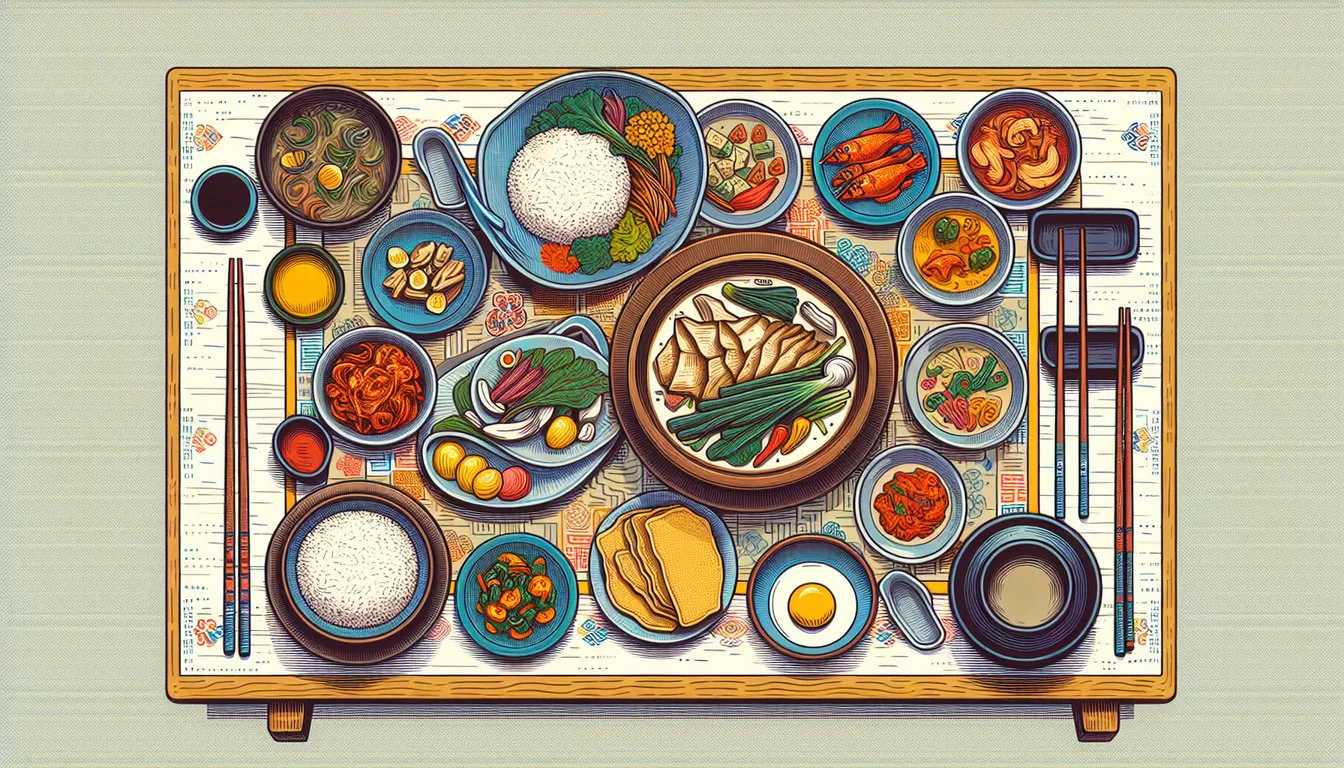
    Navigating the diverse culinary landscape of Korea, breakfast often holds a special place in the hearts of culinary enthusiasts. Whether you are an adventurous foodie or someone looking to explore new cultures through food, embarking on a morning journey in Korea is both delightful and informative. The local breakfast options range from time-honored staples to innovative modern twists. Dive into a world where every dish tells a story and start your day with meals that promise both nourishment and cultural immersion. Discover the essence of Korea through its breakfast tables.
     

    What to Eat for Breakfast in Korea: Local Morning Dishes


    Traditional Korean Breakfast Staples

    When it comes to breakfast in Korea, the traditional fare is as rich in history as it is delicious. The Korean breakfast has evolved significantly throughout the centuries but remains deeply rooted in age-old customs and local ingredients. A typical traditional Korean breakfast will often start with rice, a staple in nearly all Korean meals, providing a crucial source of energy to kick-start the day. Paired with this cornerstone is a selection of banchan, which refers to the small side dishes that accompany a meal. An average Korean family might serve between three to six different varieties at a time, offering a balance of flavors and nutrients, ensuring that each meal is a well-rounded one.

    Baekban: A Cornerstone of Korean Morning Meal

    One cornerstone of the Korean morning meal is baekban, which can be translated to “white rice and side dishes.” Alongside the ever-present rice, a typical baekban spread might include kimchi, which is more than just a national dish. This fermented staple, made primarily from napa cabbage and radishes and seasoned with chili powder, garlic, ginger, and jeotgal (salted seafood), is a crucial source of probiotics and vitamins. Indeed, kimchi contains high levels of vitamins A, B, and C and has been prominently noted for its digestive health benefits. It is not uncommon for a family to have multiple types of kimchi on the table, with each variety boasting different flavor profiles and fermentation levels.

    The Role of Soup or Jjigae

    Soup or jjigae (stew) is often deemed essential, not just as a food item, but as an experience. The steamy warmth of a bowl of miyeok-guk (seaweed soup) or kongnamul-guk (bean sprout soup) offers comfort and nourishment, akin to a culinary embrace on a cold morning. Traditionally, miyeok-guk is consumed on birthdays in Korea, believed to bring good fortune and longevity. Scientifically, miyeok, or seaweed, is a powerhouse of iodine, fiber, vitamins and minerals, contributing greatly to thyroid function and general health. Meanwhile, kongnamul-guk is widely recognized for its simplicity and effectiveness in aiding digestion and alleviating hangovers—common circumstances in bustling urban lives.

    Eggs: Gyeranjjim

    Eggs, an international symbol of breakfast, find their unique expression in Korean cuisine through gyeranjjim, a silky soft steamed egg casserole subtly seasoned with sesame oil and green onions. Its delicate and comforting nature makes it an ideal companion for bolder-flavored dishes and has gained popularity not only in Korea but in Korean restaurants worldwide. With a protein content that’s hard to rival and a creamy texture that delights the palate, gyeranjjim provides essential amino acids necessary for muscle repair and growth.

    Jeon: Savory Korean Pancakes

    Jeon refers to savory Korean pancakes made from a batter of eggs, flour, and a variety of vegetables and meats, fried to golden perfection. Popular jeon variations include pajeon (scallion pancakes), kimchi jeon, and haemul jeon (seafood pancakes). These are often enjoyed with a dipping sauce made of soy sauce, vinegar, and sesame seeds. High in carbohydrates and fats, jeon offers a satisfying and filling start to the day, especially popular in regions like Jeonju, known for its rich culinary tapestries.

    The Benefits of Dried Seaweed Sheets: Gim

    Lastly, dried seaweed sheets, or gim, provide both umami flavor and nutritional benefits from iron and calcium. Often toasted and seasoned with a light dusting of salt and sesame oil, gim offers a delightful crunch that balances the meal’s textural profile. It’s often rolled around a mouthful of rice and eaten as a wrap or sprinkled as a topping to add an aromatic layer to the dish beneath.

    Korean breakfast staples reflect the nation’s emphasis on harmony and balance in food, seamlessly blending taste and nutrition. Whether it’s the piquant punch of kimchi or the soothing slurp of seaweed soup, each component serves not only as nourishment but as a testament to Korea’s rich cultural and gastronomic heritage.


    Healthy Morning Soups and Stews

    In the culinary landscape of Korean breakfasts, soups and stews occupy an essential role — offering both nourishment and a mastery of flavor balance. These morning dishes are much more than a simple comfort; they epitomize a philosophy of harmony: combining hot and cold, spicy and mild, solid and liquid. Did you know that traditional Korean medicine places a significant emphasis on the temperature and nature of food to maintain equilibrium in the body? Here, you’ll discover that Korean soups and stews aren’t merely delectable but are thoughtfully crafted to promote well-being.

    두부국 (Tofu Soup)

    A prime example of a healthful morning soup in Korea is “두부국” (Tofu Soup). Known for being protein-rich yet low in calories, tofu serves as an excellent source of essential amino acids. To give you a taste of its nutritional prowess, a single serving offers approximately 8g of protein, only 70 calories, and a wealth of calcium and iron. Add leafy greens such as 미나리 (water celery) or 신김치 (sour kimchi) to enhance the flavor and nutrients, and you have a powerhouse breakfast that fuels your morning without weighing you down.

    콩나물국 (Bean Sprout Soup)

    Then there comes “콩나물국” (Bean Sprout Soup), a widely cherished dish especially renowned for its simplicity and vitality-boosting properties. Bean sprouts are acknowledged to be rich in Vitamin C and essential enzymes, which are believed to aid in digestion and refreshment. With only about 5-6 key ingredients, most of which are pantry staples like garlic and soy sauce, this soup is a testament to how minimalism and wellness go hand in hand in Korean cuisine. The subtle aroma of bean sprouts along with the savory notes of anchovy broth makes it a refreshing start to the day.

    미역국 (Seaweed Soup)

    Ever tried “미역국” (Seaweed Soup)?! This deeply embedded cultural staple is often associated with birthdays and postnatal recovery due to its benefits in replenishing nutrients. Seaweed is an incredibly potent source of iodine and omega-3 fatty acids, integral for thyroid function and brain health. Perhaps that’s why the iodine intake among Koreans tends to be among the highest worldwide. A cup of this oceanic delight can encompass around 30% of your recommended daily value of iodine!

    순두부 찌개 (Soft Tofu Stew)

    Equally fascinating is “순두부 찌개” (Soft Tofu Stew), a spicy yet soothing option that’s renowned for its recuperative abilities. Consisting mostly of uncurdled tofu, it is supremely soft and accompanied by gochujang (fermented red chili paste) and fresh seafood, creating a tantalizing contrast of flavors. Often served boiling and direct from the stove, its cloud-like texture promises an invigorating start to the morning while the capsaicin from the chilies works wonders in waking up both palate and spirit.

    육개장 (Spicy Beef Soup)

    For the adventurous palate, “육개장” (Spicy Beef Soup) offers an indispensable experience. Integral to this bowl of hearty goodness is its use of shredded beef brisket, seasoned heavily with ground red pepper and garlic, resulting in a delightful symphony of deep flavors. The balance of fibrous vegetables like fernbrake and leek ensures this bowl is as nourishing as it is inviting. This soup embodies the depth and warmth of Korean hospitality in a single serving.

    삼계탕 (Ginseng Chicken Soup)

    Similarly, “삼계탕” (Ginseng Chicken Soup) may surprise those unfamiliar with its medicinal roots. Typically enjoyed during the peaks of summer heat, this soup embodies a principle in Korean wellness — to combat heat with heat. Remarkably, a whole young chicken is stuffed with glutinous rice, garlic, and a jujube fruit, simmered alongside ginseng to maintain a unique amalgamation of nutrients. Such a blend reportedly tops up stamina and nourishes one’s nutritional intake, delivering a spoonful of vitality with each serving.

    Yet, even amidst this range of options, the factor that stands central is the patronage to seasonality and locality. Ingredients are meticulously chosen based on the freshest availability, ensuring each soup and stew remains as close to nature as possible. This reliance on fresh produce not only promotes optimal health but also reinforces sustainability — a consciousness ever-present in Korean dining practices.

    These soups and stews present more than just a meal; they are a cultural narrative in each simmering bowl, carrying stories of tradition, innovation, and health. Such steaming bowls are a testament to Korea’s storied history, weaving together modern health insights with ancestral wisdom. As you savor each spoonful, you’re not merely tasting a dish — you’re partaking in a celebrated heritage that celebrates wellness as an art form. Is it a bite of nostalgia? Indeed, for many Koreans, it’s just that: an edible embodiment of home, shared across countless mornings.


    Popular Korean Street Food for Breakfast

    Street food in Korea isn’t merely a gastronomic delight; it’s an integral part of the cultural landscape, bustling with energy and flavors that often surprise the palate. Let’s delve into an aspect of Korean breakfast that tantalizes both locals and visitors alike: street food, a beacon of variety and affordability in the culinary world. Known for its eclectic mix of aromas and tastes, Korean street food offers a morning meal as vibrant as the neon-lit streets from which it is served.

    Gimbap (김밥)

    A breakfast on-the-go must-have, gimbap is Korea’s version of a sushi roll, delectable and satisfying. It combines rice, various vegetables, and proteins – fish cake, crab stick, or even beef, all wrapped in seaweed. Each roll is carefully proportioned, making it an accessible and quick breakfast treasure. A typical serving of gimbap might contain as low as 250 calories, making it a relatively healthy option.

    Hotteok (호떡)

    For those with a morning sweet tooth, hotteok offers the perfect combination of crispiness and sweetness. This delightful pancake is filled with a blend of brown sugar, honey, and nuts, cooked until golden brown! Think of it as a traditional Korean embrace on a cold morning, and with a single piece packed with approximately 200 calories, it’s a guilty yet irresistible indulgence.

    Mandu (만두)

    Korean dumplings, or mandu, offer a savory option. Filled with meat, tofu, or vegetables, they can be either steamed, boiled, or fried. Closely associated with nourishment, these dumplings are packed with flavors and offer a warming start to any day. With one dumpling ranging around 30 to 40 calories, a plate-full can offer a substantial breakfast option.

    Tteokbokki (떡볶이)

    This street food favorite, featuring chewy rice cakes smothered in a spicy and sweet gochujang (red chili paste) sauce, ensures a burst of flavor with every bite. Though traditionally thought of as a snack, its carbohydrates make it a satisfying breakfast, especially for those desiring something savory and bold. Each serving contributes around 300 calories, making it a hearty morning choice.

    Bungeo-ppang (붕어빵)

    As whimsical as its name, this fish-shaped pastry is filled with sweetened red bean paste. It’s a quintessential street breakfast item during the winter months, offering warmth and comfort. Each pastry generally contains close to 150 calories.

    The spectrum of Korean street food for breakfast is awe-inspiring, extending beyond these typical offerings to include regional specialties and modern twists. The Korean street food culture isn’t just about eating; it’s a social experience reflected through the steamed clouds wafting from food stalls and the vibrant exchange between vendors and patrons. Every bite of street breakfast is a savory exploration of texture and taste, deeply embedded in Korea’s rich history and rapidly changing present. A visitor’s morning journey through these crowded stalls offers not only sustenance but an introduction to the very essence of Korea’s heart and soul.

    Renowned for affordability and convenience, these culinary offerings serve as a testament to Korea’s vibrant street culture, where each dish tells a story of tradition, innovation, and passion. As the country’s food landscape continues to evolve, the enduring charm of Korean street food, especially for breakfast, remains a cherished ritual, savored by many who find themselves immersed in its unique allure.


    Modern Twists on Classic Breakfasts

    In the ever-evolving culinary landscape of Korea, traditional breakfast dishes have not escaped innovative reinterpretations! This exciting trend hacia la deslumbrante fusión of past and present offers a delightful tapestry for the palate. Modern chefs and enterprising food entrepreneurs have been adding creative spins to classic Korean breakfasts, artfully balancing traditional flavors with contemporary ingredients. This harmonization is not just a passing fad—it reflects a broader cultural dialogue between heritage and modernity, a dialogue vital to Korea’s global gastronomic standing.

    The Transformation of “Kimchi Jjigae”

    Let’s begin with the ubiquitous “kimchi jjigae”, a staple of morning meals traditionally composed of aged kimchi, tofu, pork, and sometimes seafood. Enterprising chefs have begun transforming this classic by incorporating unconventional ingredients such as quinoa and kale, pairing them with heirloom varieties of local vegetables to infuse verve and texture. The goal with these adaptations is to boost nutritional value without compromising the umami-rich flavor profile characteristic of this beloved dish. According to the Korean Dietary Guidelines, integrating superfoods into traditional diets not only supports a balanced nutritional intake but also amplifies the diverse offerings of the Korean table.

    The Evolution of “Jeon”

    And what about the quintessential “jeon”, a savory pancake-like dish often enjoyed in the morning? Contemporary twists include the addition of truffle oil, transforming it from a humble breakfast fare to a gourmet delight. Enhanced with organic cheese and seasonal vegetables like zucchini blossoms or heirloom cherry tomatoes, these modern iterations reclaim jeon’s role not just as a side dish, but as a standalone breakfast spectacle! The creative possibilities are almost endless, encouraging culinary experimentation that stimulates both the palate and the imagination.

    Innovative “Juk” Creations

    The humble “juk” or rice porridge also sees innovative reimaginings. Popular in its simplest form, chefs are elevating this comforting classic by fusing it with unexpected elements such as saffron and coconut milk, inspired by South Asian influences. This produces a luxurious texture and depth of flavor, enriching the historical dish with globalization’s lush flavors. The marriage of saffron and coconut milk with Korean rice highlights both cultural integrity and gastronomic inventiveness. These explorations mirror the exponential growth of Korean cuisine’s fanbase as seen in the metrics of international culinary publications—an undeniable testament to the growing global appetite for Korean flavors.

    The Reinvention of “Bap with Banchan”

    And let’s not forget the “bap with banchan”, a codified assemblage of rice and side dishes. Forward-thinking eateries are revamping this breakfast classic by incorporating Western breakfast staples to introduce a novel East–West fusion! Imagine smoked salmon and poached eggs nestled alongside pickled vegetables and steamed rice, a breakfast that delivers a protein-rich kickstart to the day. Brunch spots in Seoul often integrate these offerings, attracting both locals and tourists eager to explore culinary frontiers.

    Modern “Hotteok” Innovations

    For pastry lovers, the traditional “hotteok”, a thick, sweet pancake that traditionally houses a melty sugar and nut filling, gets its modern treatment with infusions of imported chocolate or local honey, spiked with ground wild ginseng for an unexpectedly delightful twist. In recent food fairs, innovations such as matcha green tea hotteok have captured consumers’ imaginations, illustrating how diverse flavors can transform a nostalgic treat into a veritable masterpiece!

    The unending quest for innovation has led to a fusion of culinary traditions not just rich in flavor but also in nutritional benefits, bridging the past and future. It encapsulates the creative spirit that continues to define Korea’s culinary narrative, bringing new life to beloved classics while continuing to captivate an international audience. As global diets continue to evolve, the study of Korean breakfast adaptations provides critical insights into sustainable food practices and the celebration of cultural diversity.

    The trends are clear: Modern twists on classic breakfasts are more than just culinary experiments—they are the future of Korea’s rich gastronomical heritage. As we delve deeper into the art of Korean cuisine, we appreciate not only the flavors but also the history and innovation each bite represents. Every dish, whether a playful modern reinterpretation or a venerable traditional staple, tells a story that spans generations and transcends borders.


    In the diverse culinary landscape of Korea, breakfast offers a fascinating blend of traditional and modern flavors. Whether you start your day with a classic bowl of rice and banchan, a comforting stew, or indulge in vibrant street fare, Korean breakfasts provide both nutrition and a glimpse into the country’s rich cultural tapestry. For those seeking something contemporary, modern twists on time-honored dishes showcase how innovation meets tradition. Discover the delights of Korean breakfast and gain a deeper appreciation for this essential part of Korean life. Exploring these morning meals not only fuels your body but enriches your understanding of Korean culture.
     

  • Seoul Subway Tips: Navigating Public Transport Easily

    Seoul Subway Tips: Navigating Public Transport Easily

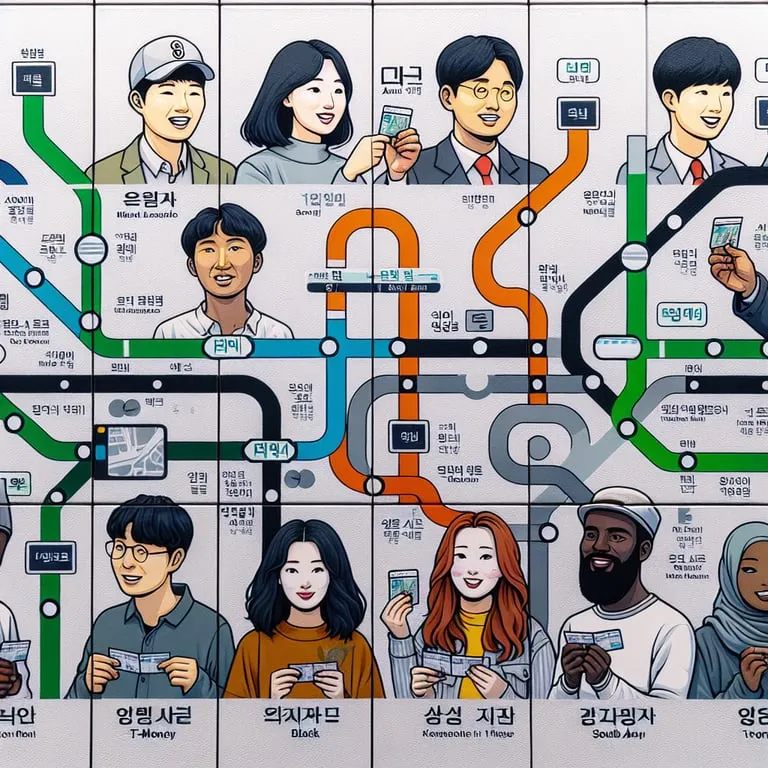
    Navigating Seoul’s subway can be intimidating for first-timers, but mastering this efficient public transport system can greatly enhance your travel experience within the city. With over 20 lines and hundreds of stations, understanding the ins and outs of Seoul’s subway is essential. This guide provides crucial tips to make your journey smoother—from acquiring and using T-Money cards, to strategic planning for avoiding rush hours, and seamlessly handling transfers and exits. Equip yourself with these expert insights to travel confidently and efficiently.


    Seoul Subway Tips: Navigating Public Transport Easily


    Understanding Seoul’s Subway System

    Seoul’s subway system is often hailed as one of the most efficient and comprehensive public transport networks in the world. With a staggering 23 lines stretching over approximately 1,365 kilometers, Seoul rates as the third-largest in the number of stations and lines globally. The seamless network connects not only the heart of the city but also extends to nearby suburbs and satellite cities, catering to around 2.6 billion riders annually. Impressive, isn’t it?

    Complex Connectivity and the Role of Express Trains

    The Seoul Metropolitan Subway serves as a vital lifeline for the bustling city. Each line is identified by a unique number and color, simplifying navigation even for first-timers. While the network seems intricate at first glance, numerous resources, such as English-language signs and apps like Subway Korea, enhance the accessibility of navigating the maze-like underground. A remarkable feature is the express trains on certain lines like Line 1, Line 3, and Line 4, which skip certain stations to expedite travel times. These can dramatically cut down travel time during long commutes, allowing you to traverse vast distances quickly.

    Technological Advancements and Customer Amenities

    Seoul’s underground marvels are not merely about efficiency but are also embedded with cutting-edge technology. Free Wi-Fi is available on most lines, with 4G LTE coverage throughout the network ensuring that you stay connected at all times. Most stations are equipped with platform screen doors for enhanced safety, while automated gates streamline the passenger flow during peak times. For those needing assistance, each station provides customer service centers with friendly staff ready to offer help.

    Navigation and Language Assistance

    Seoul’s subway system has undergone transformations to cater to both locals and international visitors. Official languages used include Korean, English, Chinese, and Japanese on signs and information kiosks. This multilingual support is crucial, given the city’s thriving position as a global metropolis. Station announcements and digital displays frequently provide updates in English, reducing the anxiety of missing important information.

    Understanding the Fare System and Cost Efficiency

    The fare system operates based on distance and is seamlessly integrated using T-Money cards—a popular choice for commuters. Starting at approximately 1,250 KRW for the first 10 kilometers with incremental charges beyond, it’s a cost-efficient method to navigate the city. Interestingly, Seoul offers a transfer discount policy: switching lines within 30 minutes incurs no extra charge, encouraging multi-stop journeys without the fear of additional expenses.

    A Historical and Modern Blend

    Traveling through Seoul’s subway gives an insight into both the city’s deep historical roots and its ultra-modern advancements. Stations like Gyeongbokgung on Line 3 bear historical significance, located near the iconic Gyeongbokgung Palace, while stations such as Gangnam on Line 2 pulse with modern vibrancy and energy. Each line provides a unique travel experience, revealing different facets of Seoul’s rich tapestry.

    In conclusion, Seoul’s subway system is not just a transportation network but a testament to the city’s innovative spirit and dedication to providing an inclusive and efficient public service. Navigating this intricate system, with its state-of-the-art conveniences and strategic design, makes exploring the intricacies of Seoul’s bustling urban life an adventure rather than a challenge. Your journey through Seoul on its subway can be as enriching as it is convenient, with each station a gateway to new experiences and hidden gems waiting to be discovered.


    Buying and Using T-Money Cards

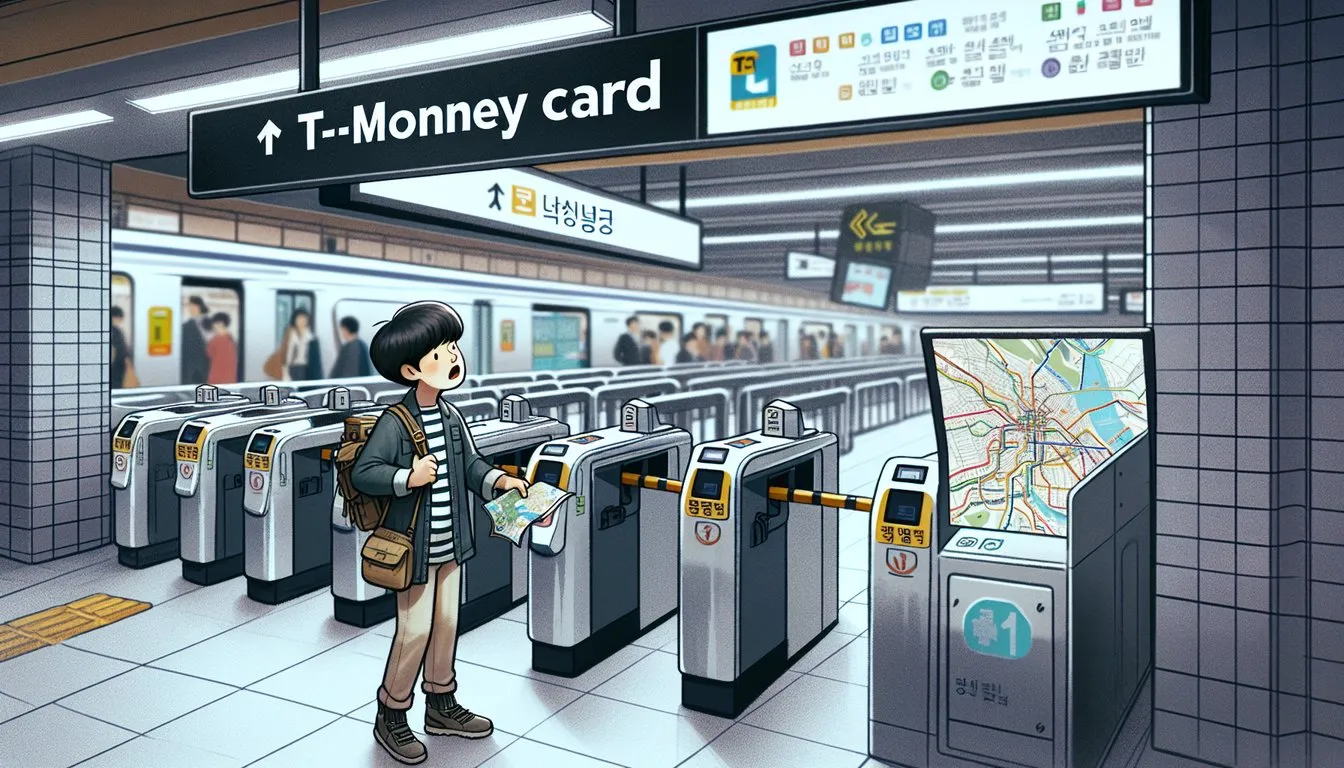
    Navigating Seoul’s expansive subway system can be both thrilling and overwhelming, especially for newcomers. One way to simplify your journey is by using the T-Money card. The T-Money card is a contactless smart card, functioning as a prepaid transportation card that is accepted not just on Seoul’s subway system, but also on buses and even taxis. This card is essential for anyone planning to explore Seoul efficiently and cost-effectively.

    Acquisition of the Card

    Acquiring a T-Money card is straightforward. You can purchase one at convenience stores found ubiquitously across the city, including brands such as GS25, 7-Eleven, and CU. These cards are typically available at various price points starting from 2,500 to 5,000 KRW, depending on the design and special editions available during your visit. Moreover, some vending machines located within subway stations also dispense T-Money cards, adding to the convenience.

    Upon purchase, the card does not come pre-loaded with fare. Therefore, it’s wise to reload your card immediately, which can be accomplished using the same vending machines within the subway stations or by using electronic kiosks in convenience stores. Choose a recharge amount according to your travel plans; for instance, a typical daily commuter might benefit from loading around 10,000 KRW, considering an average one-way fare can start around 1,250 KRW.

    Using the Card

    Once you have your T-Money card loaded, using it is a breeze! Simply tap the card on the designated reader located at the subway turnstiles. You will hear a satisfying beep, confirming your entry and simultaneously displaying your remaining balance on a small screen. Exit the subway by repeating this process at your destination.

    One of the card’s many advantages lies in its ability to streamline transfers within the system. If you need to switch from a subway to a bus or another line, the system will intelligently calculate the fare differential and deduce only the additional amount needed, facilitating a seamless transition.

    Economic and Time-Saving Merits

    The T-Money card is not just a ticket to convenience but a wise financial investment, offering a discount on standard fares when compared to using single journey tickets. These savings can add up over time, especially if your itinerary involves multiple subway trips each day! Furthermore, the card is instrumental in avoiding long ticket lines at peak times, significantly reducing wait times—a handy advantage during one of Seoul’s notoriously busy rush hours.

    It is noteworthy to mention that the T-Money card is incredibly versatile. The card not only applies to public transportation but can also be used for small transactions in convenience stores, some cafes, and even vending machines. For tourists, this is especially advantageous, minimizing the need to carry loose change or hunt for ATMs.

    Lost or Stolen Cards

    In an unfortunate event where your T-Money card is misplaced or stolen, it’s crucial to know that these cards are generally non-refundable and non-transferable. However, all is not lost. The minimal initial cost of acquiring another card is an inconvenience for sure, but not significantly detrimental. Keep track of your card at all times to ensure its longevity and the wealth of benefits it provides.

    In conclusion, purchasing and utilizing a T-Money card is an integral part of efficiently and economically navigating Seoul. Its widespread acceptance, combined with the ease of use, makes it invaluable for both residents and visitors alike. With your T-Money card in hand, the vast and vibrant city of Seoul awaits your exploration.


    Strategies for Avoiding Rush Hour

    Navigating through Seoul’s bustling subway system can be a daunting experience, especially during rush hour. With millions of commuters utilizing this efficient transport network daily, understanding the strategies to avoid the peak congestion times can markedly enhance your travel experience. Let’s delve into the strategic timing, alternative routings, and particular stations to be cautious of during these hours.

    Understanding Rush Hour Timings

    First and foremost, knowledge of the specifics of rush hour timings is pivotal. In Seoul, the morning rush hour generally occurs from 7:00 AM to 9:00 AM, with the evening rush hour spanning from 5:30 PM to 7:30 PM. During these critical periods, the subway lines resemble a sea of humanity, with occupancy levels often exceeding 150% capacity. Planning your travel outside these windows could spell a significant difference in comfort and efficiency, making your commuting experience vastly more enjoyable. If your schedule is flexible, it is highly advisable to commute either early in the morning before 7:00 AM or after 9:15 AM, and similarly in the evening post 8:00 PM.

    Utilizing Less Congested Lines

    For those bound by stricter schedules, another viable tactic involves utilising less congested lines or transferring at specific stations that are known to absorb fewer commuters. Seoul’s subway is integrated with multiple lines – 23 to be exact, with certain lines notorious for peak period overcrowding. For instance, Line 2, also known as the “circle line,” is heavily trafficked as it cuts through major business districts and educational centres. On the contrary, less central lines such as Line 8 or Line 9 might offer more breathing room.

    Choosing the Right Stations

    Strategically timing your entry and exit at the right stations, known as “ghost stations,” can also significantly alleviate the stress of crammed platforms. Stations such as Yaksu on Line 3 and 6, or Bulgwang on Line 3 and 6 are renowned for lighter traffic even during busy hours, thereby providing a smoother transition between lines.

    Utilizing Technology

    Additionally, avid commuters should certainly consider utilising technology to navigate efficiently. Apps such as KakaoMap or Naver Map provide real-time transit updates and can help identify less congested routes or offer alternatives that circumvent major traffic snarls. Another high-tech convenience, for those who aren’t averse to paying a premium, is metro cabins that offer upgraded services during specific hours, providing you with a little more personal space and comfort for a small additional fee.

    Exploring Alternative Transport Options

    Moreover, it is beneficial to be proactive about understanding the mechanisms of alternative transport when planning your journey. Exploring the coupling of bicycles for segments of the trip, or exploiting the extensive network of buses can substantiate flexibility in timing and pathways, especially when poring over congested lines or delays. Noteworthy is the well-coordinated Seoul Bus Network, which oftentimes parallels major subway routes and can present a viable alternative.

    Seoul’s bustling rhythm during rush hour might initially seem chaotic, but with premeditated strategic planning, it can indeed be effectively mitigated. By adopting these insights, travelers can not only circumvent overcrowded conditions but also indulge in a more serene and efficient transit experience. Whether by recalibrating departure times, exploiting less traversed stations and lines, or by tapping into technological aids, your journey through Seoul’s extensive subway landscape can remain smooth and punctual. Embrace these strategies, and transform what may once be considered a daily hustle into a streamlined chapter of your urban narrative.


    Navigating Transfers and Exits

    Navigating Seoul’s extensive subway network can be intimidating at first glance, especially when it comes to managing transfers and exits. However, with over 330 stations across 23 lines, and an average daily ridership of approximately 7.2 million passengers, the system is designed to be as efficient and user-friendly as possible for both locals and tourists alike. Understanding how to seamlessly navigate these transfers and exits will considerably enhance your travel experience in this bustling metropolis.

    Transfers

    One of the critical aspects of using Seoul’s subway efficiently is mastering the art of transferring between lines. The key lies in the powerful trio of signage, station maps, and mobile applications. Each station is equipped with color-coded signs that clearly indicate the route, which is crucial given that some stations, such as Gangnam and Seoul Station, act as transfer hubs with connections to multiple subway lines and services. A helpful tip – follow the directional signs for your next train’s platform number, which ensures you find the shortest and quickest path, minimizing travel time and confusion.

    For those who prefer digital assistance, the Seoul Metro app is invaluable. With real-time train schedules, line maps, and transfer guides, the app assists in planning every leg of the journey, from when you depart to where you switch to another line. Not to mention, Seoul’s WiFi capabilities throughout the subway make it supremely convenient to access this app anywhere underground.

    Efficient Exiting

    Exiting at the correct point can save time and avoid unnecessary backtracking, truly a must for time-sensitive travelers. Upon entering a station, take note of the exit information at the platform you arrive on – it specifies the area outside each exit, complete with surrounding landmarks. This is vital in stations like Express Bus Terminal Station, which boasts as many as 16 exits leading to different parts of the bustling district. Knowing your exact destination will help in selecting the right exit in the labyrinth of corridors!

    To enhance your exit strategy, consider utilizing mobile apps that offer augmented reality features; they guide you through station exits using your smartphone’s camera. This technology transforms the experience for those who might find station maps puzzling or tedious.

    Pro Tips

    • Memorize the Major Hubs: Stations such as Seoul Station, Jamsil, and Hongdae are not only key for transfers but also critical connection points for various transportation lines including buses and airport links.
    • Check for Signage and Maps at Transfers: Ensure you always have a mental map of the Transfer centers you frequent most often. Well-known stations like Dongdaemun History & Culture Park connect three major subway lines – having a mental note can save valuable time!
    • Take Advantage of Virtual Explorations: Before even stepping foot into the subway, various online platforms allow virtual walkthroughs of stations, showing what each platform and exit affords in terms of direction and destination spots.

    Another imperative strategy is to align your knowledge with Seoul’s subway announcements. These typically broadcast in Korean, English, Japanese, and Chinese, ensuring that virtually every passenger can decipher the easy-to-understand transfer stations and corresponding line numbers.

    No less important is the cultural understanding of the subway experience in Seoul. The norm encourages patience and respect, which is especially pertinent during busy transfer exchanges. Stand on the right on escalators, leave priority seating for the elderly and pregnant, and follow the prominently placed directional arrows during ebbs and flows of on-boarding riders! It’s an intricate dance of urban transit harmony achieved through some key courtesies and strategic insights.

    Embracing these techniques will turn the potential complexity of navigating Seoul’s subway transfers and exits into an effortlessly managed experience. Taking control of this knowledge enhances not only your practical insights but transforms the whole image of urban exploration into an empowering city adventure. Whether you are on a tight sightseeing schedule or a daily commute, these strategies will ensure a smooth and efficient journey through the heart of South Korea’s vibrant capital.


    Navigating Seoul’s extensive subway system can initially seem daunting, but with informed preparation and strategic planning, it transforms into a convenient and efficient travel method. Understanding the layout and features of the system minimizes confusion. Equipping yourself with a T-Money card simplifies transactions and ensures seamless mobility across the network. Steering clear of peak travel times enhances comfort and expedites your journey. Mastering transfers and exits allows for fluid transitions to your destinations. Equip yourself with this knowledge to confidently explore Seoul with ease, fully appreciating the intricacies of its public transport infrastructure.


  • Understanding Korean Drinking Culture: Soju, Rules & More

    Understanding Korean Drinking Culture: Soju, Rules & More

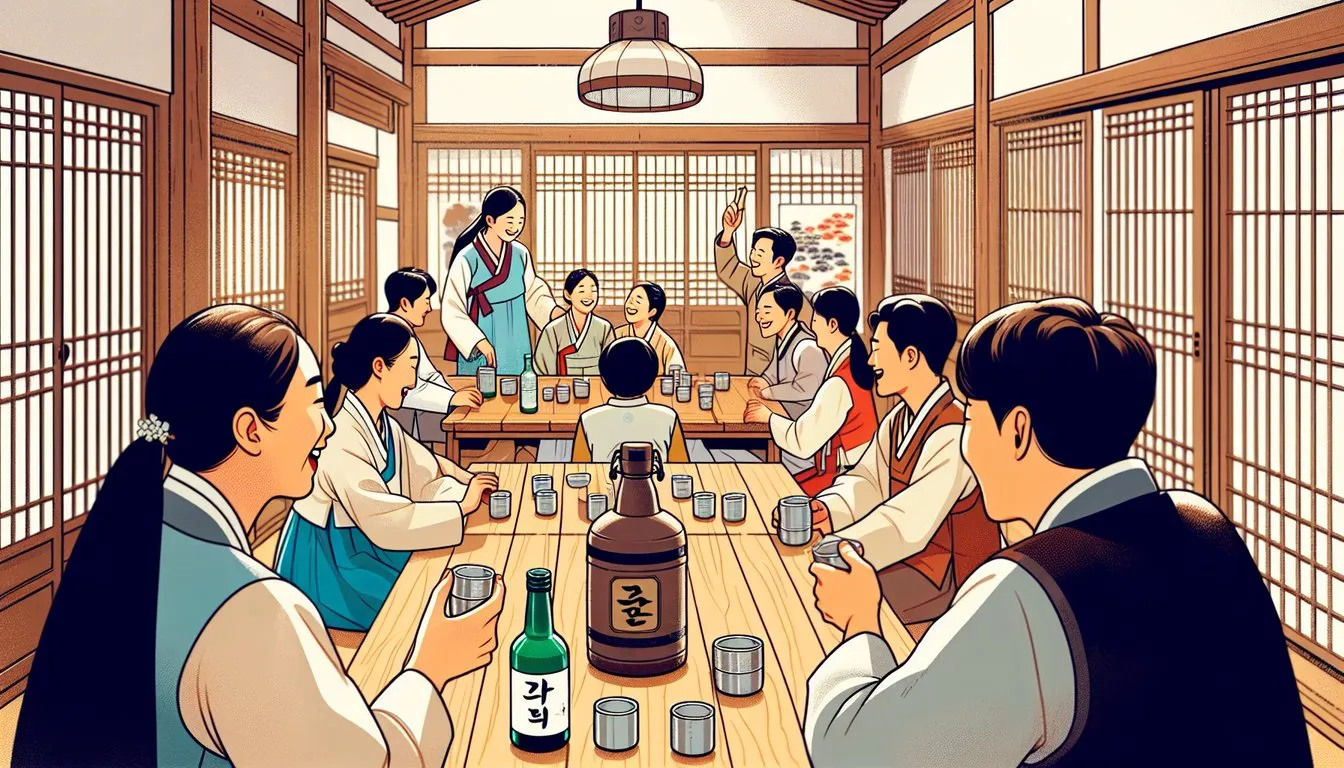
    In Korea, drinking culture holds a significant place in social and cultural interactions. Soju, a popular alcoholic beverage, is more than just a drink; it is a symbol of shared experiences and camaraderie. Understanding the nuances of traditional drinking etiquette and customs is crucial for anyone looking to engage authentically in Korean social settings. Additionally, the landscape of Korean bars is evolving, with modern trends and innovations that blend traditional practices with contemporary tastes. Navigating social gatherings confidently can enhance your experience, allowing for meaningful connections. Join us as we delve into this dynamic aspect of Korean culture.


    Understanding Korean Drinking Culture: Soju, Rules & More


    The Origins and Significance of Soju

    Soju, Korea’s iconic distilled spirit, holds a storied place within the tapestry of Korean culture. Unlike other spirits, soju’s history and significance extend far beyond its simple classification as an alcoholic beverage. Its origins can be traced back to the 13th century during the Goryeo Dynasty, when techniques for distillation were introduced to the Korean peninsula from the Mongol Empire. This serendipitous encounter with Middle Eastern distilling methods led to the creation of a unique beverage that would evolve into what we know as soju today.

    Traditional and Modern Soju

    Initially, traditional soju was made from grains such as rice, barley, and wheat. However, during the Joseon Dynasty, restrictions on rice due to economic hardships and famines led Koreans to adapt their production methods. They began using sweet potatoes and tapioca to create what is now referred to as “diluted soju.” This variant maintained the essence of soju’s identity while catering to the needs of the time. Remarkably, it is this adaptive spirit that has allowed soju to stand the test of time and remain integral to Korean society.

    Modern-day soju has an average alcohol by volume (ABV) of around 16% to 25%, considerably lower than its historical counterpart, which could often reach up to 40%. This shift was primarily influenced by changes in consumer preferences and government regulations aiming to encourage moderation. Today, soju is celebrated not only for its storied past and adaptable nature but also for its approachable and versatile profile, which brings people together in both solemn and celebratory contexts.

    Soju in Korean Culture

    The significance of soju permeates many aspects of Korean life, from its role in ancestral rites and ceremonies to its central presence at social gatherings and business dinners. The Korean concept of ‘jeong’—a profound sense of human connection and affection—is often nurtured over a shared bottle of soju. This makes it a vessel of camaraderie, trust, and friendship. In many ways, soju can be seen as both a facilitator and a symbol of social bonds.

    Economic and Cultural Impact

    In 2019, domestic soju production reached approximately 3.6 billion bottles, underscoring its popularity and importance within Korea. This number is not just a reflection of consumption but a testimony to the cultural gravity it holds. Recent years have also seen its growing appeal internationally, with exports increasing by more than 10% year-on-year, illustrating how Korean culture, through soju, is gaining appreciation worldwide.

    Not only does soju connect people and preserve tradition, but it also represents Korea’s resilience and innovation. Despite the commercialization and globalization of alcoholic beverages, soju maintains its uniqueness by continuously evolving while staying true to its roots. It is this dynamic blend of tradition and modernity that ensures its reverence as a cultural icon.

    From a historical ambassadorship during the late Goryeo period to contemporary tables, soju remains an emblem of Korean identity and hospitality. It stands as a liquid inscription of Korea’s enduring spirit, reflecting the nation’s passage through time and underscoring its place in an increasingly interconnected world. Whether as a historical artifact or a modern delicacy, soju’s significance goes beyond mere consumption, threading through the very essence of Korean life and identity.


    Traditional Drinking Etiquette and Customs

    Diving into South Korea’s traditional drinking culture offers a fascinating glimpse into its rich and storied past. At the heart of this culture is the communal beverage: soju, a distilled spirit often enjoyed in social gatherings and woven into the fabric of Korea’s social norms. To fully appreciate the significance of Korean drinking rituals, it’s crucial to understand the etiquette that accompanies these cherished customs. This isn’t merely about quenching one’s thirst but observing time-honored traditions that define Korean social interactions!

    Respect and Hierarchical Order

    First and foremost, there is the concept of “gapjil”—a behavioral expectation where individuals demonstrate proper etiquette to those of higher social standing or age during drinking sessions. In many Korean social settings, the hierarchical order is pivotal. Here, younger participants, or those of lower rank, are expected to pour drinks for their seniors while holding the bottle with two hands as a sign of respect. The act of using both hands enhances the gesture’s sincerity and thoughtfulness.

    The Art of Pouring

    Another key element of traditional Korean drinking customs is the practice of not pouring a drink for oneself. Instead, attendees look to those around them to refill their glasses, fostering a spirit of generosity and camaraderie. This ritual goes beyond simple politeness—it creates a bond and mutual recognition among participants. Drinking involves a rhythm of giving and receiving, cultivating an atmosphere of friendship and unity.

    Seating Arrangement and Respect

    Furthermore, the seating arrangement at a traditional Korean drinking gathering can speak volumes about one’s understanding and respect for these customs. The most distinguished guest, often the eldest or the highest in rank, is seated at the top of the table. Other attendees are then seated in order of their social ranking. This spatial organization reflects not only respect but also careful attention to complementary roles within the group.

    Serving Presentation

    In terms of presentation, drinks are usually served in a manner where the receiver turns their head slightly away from the drink-giver and uses two hands to hold their glass when taking a sip. This subtle gesture enhances humility and deference, crucial components of Korean drinking tradition. This cultural nuance might seem intricate, but it epitomizes the fundamental respect that permeates Korean society.

    Expressions of Celebration

    Now, let’s talk about “geonbae” and “haeng-in”, two significant phrases often shouted enthusiastically during such gatherings! “Geonbae” is akin to “cheers,” an exuberant toast indicating the commencement of the drinking activity, unifying all present. It is a call to pause and savor the companionship and the shared joy of the moment. Following this, the concept of “haeng-in” tells participants to drink until their heart’s content, emphasizing enjoyment and the carefree spirit of the occasion.

    Attention to Detail

    As part of the ritual, pouring drinks is not merely a perfunctory task but an opportunity to showcase one’s mastery of the etiquette… for example, the pouring itself is a graceful act, often accompanied by the expression of gratitude and mutual acknowledgment. The attention to such minute details conveys respect and enhances the overall experience, turning a simple act into a meaningful exchange.

    Modern Adaptations

    Additionally, in recent years, there’s an evolving trend where younger Koreans may adapt these rules slightly, reflecting a dynamic shift in cultural practices. However, the core ethos remains intact—underscoring mutual respect, connection, and shared experience.

    In South Korea, drinking culture is entwined with a sophisticated set of rules and traditions that define social exchanges with warmth and sociability. Understanding these customs not only enriches the experience of the drinking ceremony but also serves as a window into Korea’s broader cultural nuances. As you partake in these age-old traditions, remember that every gesture and sip carries with it centuries of cultural significance!

    Traditional Korean drinking etiquette is not just about rules but about embracing a lifestyle where diplomacy, respect, and kinship thrive with every shared drink. By engaging with these customs, one pays homage to a rich cultural legacy that continues to enrich Korea’s bustling social landscape. Cheers~?!🍶


    Modern Trends and Innovations in Korean Bars

    Korean bars have evolved dramatically over the past few decades, transforming from traditional venues into modern epitomes of innovation and trendsetting. This evolution mirrors the country’s broader socio-economic developments and its increasing engagement with global influences. At the epicenter of this transformation lies an ingenious fusion of tradition and innovation that captures both local and international patrons alike.

    Technology Integration

    One of the most significant trends in the Korean bar scene is the infusion of technology. Particularly in metropolitan areas like Seoul, cutting-edge technology has been integrated to enhance the drinking experience. For instance, AI-assisted recommendations and robotic bartenders are becoming commonplace in high-end bars. These technological advances not only intrigue visitors but also streamline service efficiency, creating a seamless experience from order to delivery. The use of interactive tablets that suggest personalized cocktails or digitally track the freshness of served items is relatively new but gaining traction rapidly. Furthermore, according to industry reports, about 30% of bars in Seoul are adopting some form of digital interfacing by 2023, an impressive growth from just 5% in 2020.

    Sustainability in Bars

    Moreover, the concept of sustainability has found its way into the bar culture with unprecedented vigor. Bars are increasingly adopting green practices by using locally-sourced ingredients, minimizing waste, and engaging in eco-friendly design concepts. For example, the utilization of upcycled materials for bar interiors and the commitment to zero-waste philosophies signify a crucial shift towards environmental consciousness. This trend resonates with a global movement, yet Korean bars have distinguished themselves by incorporating traditional elements like hanji (Korean paper) for decor and menus, offering a unique blend of ecological responsibility and cultural homage.

    Aesthetics and Thematic Innovations

    In terms of aesthetics and thematic innovations, Korean bars are also pioneering developments that appeal to a wide array of interests. Themed bars have gained significant popularity, ranging from bars inspired by iconic Korean dramas to those that replicate traditional hanok (Korean house) style, offering both nostalgia and novelty. Themed experiences not only enhance the entertainment factor but also provide a cultural narrative that enhances the allure for tourists and locals alike.

    Culinary Innovations

    Culinary innovation within bars has also taken many leaps forward, with chefs and mixologists working hand-in-hand to create experiences that tantalize the taste buds. The fusion of Korean traditional ingredients with global spirits has brought about a renaissance in cocktail offerings. Ingredients like yuja (Korean citrus), ginseng, and mugwort are not only spotlighting Korea’s rich culinary heritage but also reinventing the drinking narrative by introducing new flavor profiles. According to a recent gastronomy survey, fusion drinks have seen an increase in demand, with approximately 42% of patrons seeking these innovative blends over classic cocktails.

    Live Entertainment

    Korean bars are also pushing the boundaries by creating immersive experiences beyond just drinks and décor. Live entertainment, ranging from K-pop idol performances to traditional Korean music ensembles, is increasingly featured as an integral part of the bar experience. This blend of music realms is testament to Korea’s diverse cultural landscape and its prowess in entertainment innovation.

    The embrace of diversity and innovation is driving Korean bars to international acclaim, establishing themselves as paragons of hospitality innovation. The trend towards experiential drinking culture—wherein the role of a bar transcends mere consumption of beverages and becomes a theater of cultural and technological convergence—is fast gaining popularity. As Korean bars continue to evolve, these pioneering approaches solidify their position not just as places of leisure but as cultural beacons in the global bar landscape. In tandem with these modern trends, the essence of Korean hospitality—its warmth, communal spirit, and generosity—remains the heart of every innovation, ensuring that while the face of Korean bars may change, its spirit remains steadfast and inviting.


    Navigating Social Gatherings with Confidence

    When it comes to Korean drinking culture, social gatherings are more than just events—they are complex interactions deeply woven with traditions and unwritten rules. For those new to this cultural phenomenon or those wishing to refine their etiquette, understanding these nuances is crucial. Here’s how you can traverse these gatherings like a seasoned connoisseur (or at least look like one!).

    Mastering the Art of Soju Shots

    In South Korea, soju is more than just a beverage; it symbolizes camaraderie and hospitality. The country’s renowned spirit has an alcohol content ranging from 16.8% to 53% ABV, depending on the brand and variant. When at a gathering, it’s customary to receive a shot of soju from a colleague or friend, and it’s crucial to accept it with both hands if offered by someone of higher status. This gesture embodies respect and gratitude, two pillars of Korean social interaction.

    Maintaining Respect in the Hierarchy

    Hierarchy plays a significant role in Korean culture, especially in social settings. The concept of “jeong,” a deep communal affection and respect, dictates much of the culture’s social interactions. When drinking in groups, seating arrangements often reflect rank, with elders or higher-status individuals being seated before others. If you’re unsure of ranking dynamics, pay attention to cues from your peers and adjust your behavior accordingly to avoid any potential faux pas.

    The Ritual of Pouring and Receiving

    The act of pouring drinks holds ceremonial value. Common etiquette demands that you pour drinks for others before attending to your own glass. It’s a shared responsibility that fosters connections and strengthens bonds. While pouring, use both hands or one hand to hold the bottle and support your pouring arm with the other hand. When receiving a drink, slightly bow as a sign of thanks; this respects each participant’s role in the social interaction.

    The Art of Proposing a Toast

    Toast culture is another significant facet of these gatherings. A toast typically starts with the exclamation “Geonbae!”—translated as “Cheers!” When delivering a toast, make it heartfelt and sincere, even if brief. The resonance of your words often lingers far beyond the clink of glasses, enhancing relational warmth and mutual respect.

    Knowing Your Limitations

    Enjoyment is paramount, but it’s equally important to know your limits. Understanding your tolerance is crucial for maintaining decorum. Korean gatherings can be lengthy, with several rounds of drinks and food, known as “rounds” or “cha.” The first round (il-cha) usually includes dinner and drinks, while subsequent rounds involve visiting various venues for more drinks or entertainment. It’s prudent to pace oneself, and graciously declining additional drinks is acceptable, provided it’s done with humility.

    Engaging with a Smile

    At these gatherings, small talk is encouraged, as it’s a means to deepen connections. You might engage in conversations ranging from lighthearted banter to more profound discussions about life and values. Maintaining a polite demeanor, active listening, and genuine enthusiasm can significantly enhance these interactions. Remember, a warm smile can transcend language barriers, acting as a universal gesture of goodwill and acceptance.

    Adapting to Modern Variations

    While traditional norms are steadfast, modern social scenes incorporate innovative changes, especially among younger generations. Expect to encounter fusion drinking games, creative soju cocktails, or even Korean variants of Western pub quizzes. Embracing these blends of old and new will not only enrich your understanding of Korean culture but also showcase your adaptability and appreciation of cultural evolutions.

    Understanding and adapting to these practices will arm you with the confidence to confidently participate in Korean social gatherings. These occasions, rich with tradition, offer unique opportunities to build genuine bonds and enhance intercultural diplomacy. Whether you are keen to climb the corporate ladder or just enjoy a night out with new friends, mastering the subtleties of Korean social etiquette is invaluable and rewarding.


    In conclusion, the rich tapestry of Korea’s drinking culture, highlighted by the iconic soju, offers more than just a taste experience; it presents a window into the nation’s traditions and evolving social norms. Understanding the origins and cultural significance of soju, along with the time-honored ritual of Korean drinking etiquette, enriches our appreciation of these practices. As modern bars innovate and the drinking landscape evolves, there’s an exciting convergence of past and present. Armed with this knowledge, you can confidently navigate social gatherings in Korea, forging genuine connections and participating in a celebrated cultural heritage.


  • Korean High School Life vs. Western School Life

    Korean High School Life vs. Western School Life

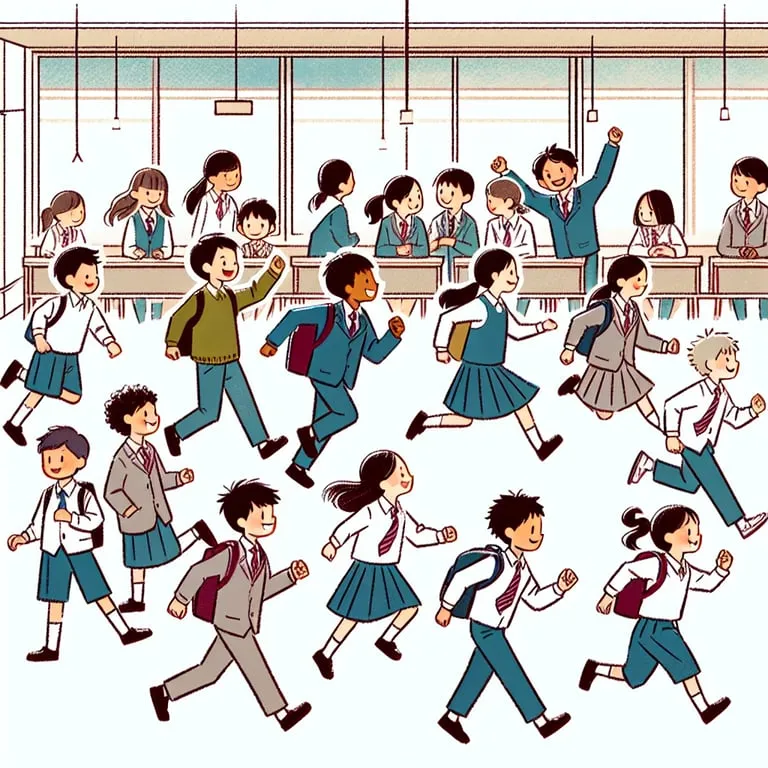
    Navigating the landscape of high school life presents a fascinating tapestry of contrasts between Korean and Western educational systems. While each culture offers its own unique educational journey, these differences embody far more than just distinct learning environments. From daily school routines to the dynamic interplay between students and teachers, these differences reflect deeper cultural values and societal expectations. By examining the nuances of these educational experiences, one gains insightful perspectives on the varying approaches to learning, personal development, and social interaction in diverse global contexts. Understanding these distinctions is crucial for appreciating the broader implications of educational practices worldwide.


    Korean High School Life vs. Western School Life


    Daily School Routine Differences

    The daily routines of Korean and Western high schools are meticulously structured yet starkly divergent, each embodying distinct educational ethos and cultural dispositions.

    School Days in Korea

    In Korea, the school day is marked by its intense structure and extended hours! Classes often commence around 8:00 AM and can extend until as late as 9:00 PM, influenced by the ubiquitous concept of “hagwons” (학원), or private after-school academies. The dedication of an average Korean student is not merely confined to the school grounds. In fact, their day is heavily supplemented by hours of additional study, both supervised and self-initiated. Korean students can spend more than 15 hours per day focused on academics, making education a central pillar of daily life.

    School Days in the West

    In comparison, Western school days generally run from approximately 8:30 AM to 3:30 PM. This shorter academic day, typically spanning six to seven hours, is designed to balance formal education, extracurricular pursuits, and personal time. Western systems place a higher emphasis on holistic development, encouraging students to engage in creative and athletic endeavors post-school hours, often blurring the rigid boundaries between structured school time and free personal time.

    Classroom Structure and Mobility

    Now, zooming in on classroom structure: Korean high school students often experience a fixed class seating arrangement, where educators come to them. This contrasts starkly with Western schools, where the mobility of students between classes every hour or so is the norm, fostering a dynamic and varied physical and educational environment.

    Teaching Methodologies

    Moreover, the teaching methodologies differ substantially between these two education systems. Korea adheres to a hard-line academic curriculum with a significant focus on rote learning and testing prowess. This manifests in the form of the infamous “Suneung” (수능), the national college entrance exam, a pivotal, life-shaping event for Korean students requiring unwavering discipline and preparation throughout their schooling years.

    Conversely, Western educational systems often emphasize critical thinking and creative problem-solving abilities over pure memorization. Coursework may include hands-on projects, interactive discussions, and group work, reflecting a broader evaluative approach where standardized testing, although prominent, does not solely dictate academic success.

    Breaks and Recess

    A fascinating contrast arises in how breaks and recess are observed. In Korea, classroom sessions are interspersed with ten-minute breaks, allowing students just enough time to relax their minds before tackling the next academic challenge. Western schools, however, generally provide students with a longer lunch break and often incorporate physical activities directly into their daily schedule through physical education classes and sports practice.

    The societal and cultural values that underlie these approaches to structuring school days cannot be overstated. In Korea, education is often intertwined with a sense of national pride and economic necessity, while Western approaches frequently align with values of individuality and balance.

    In essence, the daily school routines witnessed on either side of the globe are a reflection of the broader socio-cultural narratives that prioritize varying aspects of student development. Understanding these contrasts not only illuminates educational practices but also sheds light on underlying societal priorities and assumptions. Such insights are invaluable for educators, policymakers, and academic scholars striving to create environments that maximize the potential of students across diverse cultural landscapes.


    Approaches to Extracurricular Activities

    Extracurricular activities serve as a pivotal element in the holistic development of students, not just contributing to academic enrichment but also instilling essential life skills. The approach to these activities, however, markedly varies between Korean high school life and that of Western institutions.

    Korean High School Extracurricular Approach

    In Korea, extracurricular activities are heavily regimented and aligned closely with academic pursuits. The Korean education system emphasizes rigorous preparation for the notorious College Scholastic Ability Test (CSAT), which often dictates students’ participation in activities. According to statistics, up to 70% of Korean high school students attend hagwons, or private academies, which offer additional coursework and test preparation. Consequently, extracurricular activities are not merely optional but integrated into the academic framework to enhance students’ resumes and university applications. Clubs such as science, mathematics, and literature are popular, providing students with opportunities to delve deeper into their subjects of interest.

    Western High School Extracurricular Approach

    Conversely, in Western high schools, extracurricular activities are seen as a cornerstone for fostering individuality and personal growth. Western schools emphasize a more balanced approach, focusing not only on academics but also on nurturing diverse skills and talents outside the classroom. The participation rate in sports teams, music ensembles, drama clubs, and volunteer organizations often exceeds 80%, as noted in a recent National Center for Education Statistics (NCES) report. These activities are valued for their ability to cultivate teamwork, leadership, and time management skills, pivotal attributes in career success.

    Funding and Support Structure

    One noteworthy distinction is the funding and support structure. In Korea, parents are primary financiers of extracurricular involvement through private tutoring and academies, which makes participation sometimes limited to those who can afford it. On the other hand, Western schools frequently provide a wide range of school-funded programs, ensuring inclusivity and wider accessibility for all students. This difference reflects cultural and systemic approaches to education, where individual merit, personal interests, and communal support are balanced differently.

    Regulatory Framework and Activity Diversity

    Moreover, the regulatory framework in Korean schools can impose restrictions on the variety of available extracurricular activities. School authorities often have significant control over which clubs and activities are sanctioned, focusing predominantly on those that can directly benefit academic performance. By contrast, Western high schools offer a diverse smorgasbord of activities, often student-led, which encourages teachers to serve as facilitators rather than directors. This autonomy allows students in the West to explore their passions without direct linkage to academic outcomes.

    Examples of Extracurricular Activities

    To illustrate further, in Korean high schools, clubs like “Debate” and “Math Olympiad” are structured with a significant emphasis on competitive achievement. The results in these competitions often have a direct correlation with university admissions processes. Acknowledging this, Korean students dedicate a significant portion of their time honing their skills in these areas under the guidance of dedicated coaches.

    In Western high schools, however, there is a broader narrative that encompasses enrichment through exploration and enjoyment. A survey by the National Federation of State High School Associations (NFHS) highlights that nearly 70% of students participate in sports, driven more by the love of the game and the camaraderie it fosters rather than collegiate prospects. Additionally, active involvement in social causes and creative arts receives substantial encouragement as these activities are perceived as vital contributors to societal improvement and personal expression.

    Conclusion

    In sum, the approaches to extracurricular activities in Korean and Western high schools underscore divergent educational philosophies and cultural values. By analyzing these differences, it becomes evident how each system prepares its students—whether it’s equipping them with academic prowess in Korea or imparting a well-rounded character education in the West. Both models, while distinct, testify to the indispensable role extracurricular activities play in developing tomorrow’s leaders and innovators.


    Student-Teacher Relationship Dynamics

    The dynamics of student-teacher relationships within educational environments profoundly affect the learning experience, playing a pivotal role in academic performance and socio-emotional development. While the overarching goal of fostering conducive learning is universal, the modes and nuances of these relationships can diverge significantly between Korean and Western schooling systems.

    Hierarchical Structure in Korean Education

    In Korea, the structure of the student-teacher relationship is often characterized by a pronounced hierarchical model, deeply ingrained within the societal respect for authority and age, known as “nunchi”. This concept of perceptive attentiveness shapes interactions, underlining expectations for students to demonstrate respect and obedience towards teachers. A recent survey indicated that over 85% of Korean students perceive their teachers as authoritative figures, which can engender a more formal and respectful classroom atmosphere. Nevertheless, this might also lead to a less open exchange of ideas during class discussions, as conformity often takes precedence over individual expression.

    Egalitarian Approach in Western Education

    By contrast, Western educational systems, particularly those in countries such as the United States and many parts of Europe, tend to embrace a more egalitarian approach. Here, interaction tends to be less formal, with teachers often positioning themselves as facilitators rather than traditional authority figures. Studies suggest that around 75% of Western educators intentionally cultivate a classroom environment that encourages dialogue and critical thinking, reducing the psychological distance between students and teachers. This openness fosters a participatory culture, where questioning and debate are not only encouraged but are central to the pedagogical style.

    Impact on Educational Outcomes

    Interestingly, this difference in approach has tangible effects on the educational outcomes and student well-being. Research by the OECD shows that students who perceive a closer, more personal connection with their teachers, often exhibit stronger engagement and higher academic resilience. However, the degree of engagement in Korean classrooms is also striking, with students often dedicating upward of 15 hours per week to teacher-led supplemental education, known as “hagwons”. This reflects a deep trust in the expertise and guidance provided by educators, further solidifying their authoritative role.

    Technological Integration in Classrooms

    Further complicating these dynamics is the influence of technological integration within classrooms. In Korea, the use of technology is systematically incorporated to maintain strict oversight of educational activities, often using platforms that facilitate real-time monitoring of student progress by educators. In contrast, Western schools leverage technology to promote independent learning and emphasize student autonomy in their educational journey. This technological dichotomy further echoes the distinct pedagogical priorities inherent in these educational systems.

    Disciplinary Approaches

    Moreover, the impact of these differing dynamics is also seen in the disciplinary approaches adopted by schools. Korean teachers are often viewed as guardians, with explicit authority to enforce discipline, relying largely on collective accountability and sometimes strict corrective measures. Conversely, Western educators often apply a collaborative form of discipline that seeks to involve students in consequence-based discussions, aiming to cultivate self-regulation and personal responsibility.

    Cultural Influences and Expectations

    Cultural influences deepen these dynamics, with academic pressure and familial expectations in Korea often leading to more intensive student-teacher interactions, designed to maximize scholastic achievement. In the West, emotional well-being and individual growth are often emphasized, with teachers taking on a role that extends beyond academic instruction to include mentorship and support in personal development.

    The intricate tapestry of student-teacher relationships is a testament to the cultural and educational priorities of a society. While both Korean and Western systems aim to equip students with the necessary skills and values for future success, their teachers’ roles and interactions weave unique narratives that reflect their distinct societal values and educational philosophies.

    Globalization and Cross-Cultural Exchanges

    With globalization and increasing cross-cultural exchanges, these dynamics are becoming more visible and open to adaptation. As educators and policymakers continue to learn from each other’s systems, the potential to enrich these relationships grows, promising a more nuanced understanding of effective educational practices worldwide. Ultimately, whether through respect and structure, or dialogue and facilitation, the student-teacher relationship remains a cornerstone of education, its dynamics shaping the foundational experiences that guide learners throughout their academic and personal lives.


    Cultural Influences on Educational Experience

    In the realm of education, cultural contexts play a crucial role, shaping experiences, expectations, and outcomes for students. This is abundantly evident when we compare the educational experiences of Korean high school students with those in Western countries. The cultural underpinnings in these contexts influence elements such as discipline, values, parental involvement, and the overarching philosophy of learning.

    Confucian Ethos in South Korean Education

    Firstly, let’s delve into the Confucian ethos prevalent in South Korea, which deeply impacts its educational landscape. Centered around respect, hierarchy, and the value of hard work, Confucianism establishes a high level of discipline among students. Success is often equated with academic achievement, a belief that propels students into rigorous study habits. This dedication can be quantified; statistics show that South Korean students spend, on average, over 50 hours per week on schoolwork and private tutoring, a staggering figure compared to the average 35 hours for students in Western countries.

    Western Educational Ideologies

    Conversely, Western educational settings often emphasize individualism, creativity, and critical thinking, influenced by a diverse set of philosophical traditions from Socratic dialogue to modern educational theorists like John Dewey. These ideologies promote an educational experience characterized by exploration and personal growth. For instance, in countries like Finland and the United States, educational systems are more flexible, allowing students to tailor their learning experiences around their interests and strengths. This is reflected in the variety of electives available, encouraging students to pursue their passions alongside traditional academics.

    Parental Involvement and Expectations

    Parental involvement also starkly contrasts between these cultural contexts. In Korea, parental pressure is a well-documented phenomenon; parents often invest substantial resources in their children’s education, including private tutoring and supplementary classes known as “hagwon.” This investment is not solely financial but emotional, with 60% of Korean parents expressing high expectations for academic excellence. In contrast, Western parents tend to emphasize well-rounded development, balancing academics with social skills and extracurricular talents. This difference influences how students prioritize their studies and leisure activities—an intriguing dichotomy that underscores cultural priorities.

    Teacher-Student Dynamics

    Moreover, cultural perceptions of education also manifest in the teacher-student paradigm. In Korea, the teacher’s authority is seldom questioned, and students typically adhere to structured, teacher-led classrooms where rote learning is prevalent. This differs significantly from many Western classrooms, where open dialogue and critical engagement are encouraged. Educators in Western systems often function as facilitators rather than authoritarian figures, fostering an environment where students feel empowered to question and contribute.

    Competitive vs. Holistic Approaches

    Furthermore, societal attitudes towards education in Korea often drive a competitive educational environment. The pervasive belief that high test scores and prestigious university admissions are pathways to future success is a cultural norm. This contrasts with the Western ethos, where there’s a growing trend towards valuing skills, practical knowledge, and emotional intelligence over test scores alone. This is evident in the increasing adoption of holistic educational models that look beyond conventional metrics of academic performance.

    Technology in Education

    Finally, technology use in educational contexts also reflects cultural influences. South Korea, being one of the most technologically advanced nations, integrates digital tools extensively in education. More than 90% of Korean high schools are equipped with digital devices to enhance learning experiences. On the other hand, while technology is also prevalent in Western education, there is often a stronger emphasis on balance—incorporating experiential learning and outdoor education as complementary elements to digital instruction.

    In summary, the cultural influences present within Korean and Western educational systems result in distinctive educational experiences. Recognizing these influences provides valuable insights into the diverse approaches to learning worldwide, emphasizing the profound impact that deep-seated cultural values have on shaping how education is perceived and practiced. Whether through the lens of rigorous Confucian discipline or the embrace of creative individualism, cultural contexts offer a fascinating framework through which we can examine and understand educational experiences across the globe.


    In conclusion, the contrasting educational paradigms of Korean and Western high schools highlight distinct priorities and traditions. Each system offers unique advantages and faces its own set of challenges. While Korean schools emphasize academic rigor and discipline, Western schools often foster individuality and creativity. Understanding these differences can provide valuable insights into how cultural values shape educational experiences globally. Ultimately, fostering a blend of both systems could lead to a more holistic educational approach, enhancing learning outcomes while respecting cultural diversity. Both experiences offer profound insights into how education can be tailored to meet diverse needs and aspirations.


  • Where to Stay in Seoul: Best Areas for Tourists

    Where to Stay in Seoul: Best Areas for Tourists

    When planning a trip to Seoul, choosing the right area to stay is crucial for experiencing the city’s vibrant culture and history. With its diverse districts, Seoul offers a plethora of options that cater to various interests and budgets. Whether you’re a first-time visitor, budget traveler, or looking for luxury accommodations, understanding the best areas can enhance your experience. Discover the distinct characteristics of Seoul’s neighborhoods and find the perfect base for your adventures in this dynamic city.


    Where to Stay in Seoul: Best Areas for Tourists


    Exploring Seoul’s Districts

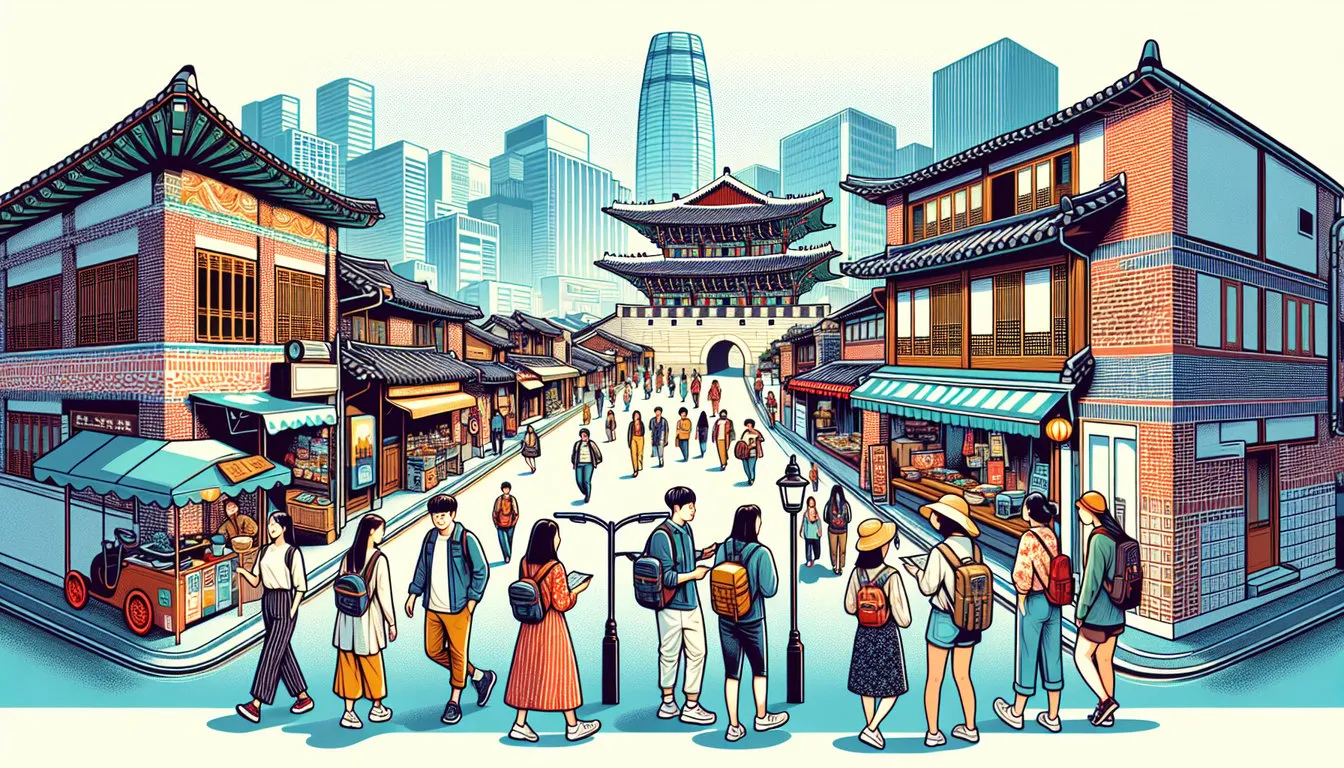
    Seoul, South Korea’s sprawling capital, is a city that uniquely marries the past with the present, offering an intricate tapestry of history, culture, and modern ingenuity across its 25 districts. Each district, or ‘gu’, holds its unique charm, catering to diverse interests ranging from historical explorations to cutting-edge urban excitement. Whether you’re a history enthusiast, a gastronomic adventurer, or a nightlife seeker, Seoul’s dynamic districts have something tailored for you.

    Jongno-gu

    Jongno-gu is the heart of Seoul and a microcosm of Korean history and culture. It houses the city’s most iconic cultural assets, including the grand Gyeongbokgung Palace, built in 1395 as the main royal palace of the Joseon dynasty. This district is the bedrock of Korean tradition, featuring several UNESCO World Heritage Sites. Explore Bukchon Hanok Village, where traditional Korean houses (‘hanok’) nestle amongst narrow alleyways—it’s a sensual journey into Korea’s architectural heritage. What’s fascinating is the juxtaposition of heritage and modernity, as Jongno seamlessly integrates with modern infrastructures, symbolizing Seoul’s progressive outlook.

    Myeongdong

    Turning to the bustling neighborhood of Myeongdong, it’s hard to overlook the rush of energy bursting from this commercial haven. Highly revered by fashionistas, this district is a shopper’s paradise, attracting approximately 1 million visitors daily (!!). Renowned for its vast collection of Korean cosmetic stores, international fashion brands, and street food stalls, Myeongdong serves as a living canvas of Seoul’s commitment to global trends. It’s not just about the shopping; it’s an exhilarating cultural experience where every step resonates with the buzz of consumer excitement and curiosity.

    Gangnam-gu

    Gangnam-gu, often synonymous with affluence and sophistication, came under the global spotlight with Psy’s “Gangnam Style” in 2012 and continues to exemplify grandiosity. This district boasts Seoul’s fastest-growing economy, with luxury shopping centers, towering skyscrapers, and gourmet dining establishments defining its skyline. The Coex Mall, Asia’s largest underground shopping complex, and the iconic Cheongdam Fashion Street cater to those with a penchant for luxury. Gangnam also reinforces its artistic embrace through the Bongeunsa Temple, which offers a serene escape amidst the urban hustle, inviting visitors to partake in traditional Buddhist temple stays.

    Hongdae

    Navigating over to Hongdae, this district pulsates with youthful exuberance and artistic energy. It is highly popular among university students as the area around Hongik University is famous for its vibrant indie music scene, quirky cafes, and lively street performances, offering an eclectic blend of entertainment options. Driven by creative spirit, Hongdae’s free expression culture appeals to those who dare to deviate from the mainstream. If you have an ear for innovation and a craving for cultural dynamism, Hongdae’s eccentric charm will not disappoint—imagine streets transformed into impromptu stages for musicians, dancers, and artists passionately showcasing their talents.

    Itaewon

    Moreover, Itaewon stands as Seoul’s international district, a cultural melting pot where locals and expatriates converge. Its unique cultural amalgamation is visible in its diverse range of international cuisines, boutiques, and vibrant nightlife. The streets are colorfully adorned with flags from around the world, signifying Itaewon’s cosmopolitan identity. It’s particularly appealing due to the proximity of the US Army Garrison and is home to a variety of foreign embassies. Tourists in search of diversity, cultural exchange, and culinary delights often find themselves drawn to Itaewon’s hospitable embrace—a testament to Seoul’s welcoming ethos.

    Songpa-gu

    Finally, a deep dive into Songpa-gu reveals a fusion of family-friendly attractions and aquatic wonders. Most notably, this district houses Lotte World, a spectacular amusement park attracting over 7.3 million visitors annually, offering excitement to thrill-seekers and families alike. This place is perfect for those desiring a blend of excitement and relaxation, as it possesses serene attractions like Seokchon Lake, a picturesque spot known for its splendid cherry blossoms in spring, blending leisure with scenic beauty.

    Each of these districts offers a distinct narrative and energy; they are threads woven intricately into the vibrant fabric of Seoul. While meticulously exploring these districts, visitors can truly internalize the vibrant synergy where tradition and modernity intersect, offering rich narratives waiting to be uncovered. Indeed, Seoul is not merely a destination but a grand, unfolding story that invites you to participate in its lively chapters, encapsulated within these dynamic districts. Seoul stands as a mosaic of historical legacies and futuristic visions—a city where every corner tells a different story, making it an enigmatic urban tapestry.


    Top Neighborhoods for First-Time Visitors

    Navigating a city as expansive and dynamic as Seoul can be daunting for first-time visitors. But fear not. The city is segmented into a myriad of neighborhoods, each offering a unique slice of culture, history, and modernity. For anyone stepping foot in Seoul for their inaugural visit, these neighborhoods are exceptional starting points to immerse oneself in the Epitome of Korean allure.

    Myeongdong – The Epicenter of Shopping and Street Food

    Myeongdong, often referred to as the ultimate shopping haven, attracts millions of tourists every year. Catering to shoppers of all budgets, the area features both international brand giants and quaint boutique shops. Statistically, Myeongdong sees approximately 10 million visitors annually, a testament to its magnetic appeal. Surrounded by a labyrinth of streets brimming with cosmetics stores, this area is also renowned for its mouth-watering street food, ranging from spicy tteokbokki to savory hotteok. Myeongdong’s central location boasts unparalleled accessibility, with easy access to public transportation hubs, making it a strategic home base for broader Seoul exploration.

    Insadong – A Cultural Oasis

    For those keen on delving into the traditional core of Korean culture, Insadong is incomparable. This vibrant neighborhood is a veritable showcase of Korean art, antiques, and collectibles, inviting more than two million culture enthusiasts annually. Here, one can browse through galleries brimming with traditional paintings, ceramics, and crafts. The famous Ssamziegil complex alone represents a significant cultural landmark, attracting over 1.4 million visitors yearly. With a primary focus on authenticity, Insadong offers experiences such as traditional tea ceremonies and hanbok dress rental, which present first-time visitors with an authentic snapshot of historical Korea, nestled amid the high-rise modernity.

    Hongdae – The Heart of Youth and Creativity

    If creative vibrancy and a youthful atmosphere beckon, look no further than Hongdae. Anchored by Hongik University, a nucleus known for its top-ranking art programs, this neighborhood pulses with eclectic energy from morning till night. Over 90,000 university students and young professionals populate this vicinity, which fosters an environment rich with unique cafes, clubs, and live music venues. The legendary Hongdae Free Market, operational seasonally, provides a vibrant platform for artists to showcase handmade crafts and art pieces, drawing both locals and international visitors. For a genuine taste of today’s Korean pop culture, layered with innovation and rhythm, Hongdae is unrivaled.

    Itaewon – A Melting Pot of Cultures

    Diverse and inclusive, Itaewon is a melting pot of cultural experiences. Historically, this area has accommodated expatriates and is home to people from over 100 countries. As such, Itaewon offers an international flair with its myriad of global cuisines, from authentic Middle Eastern dishes to mouthwatering Mexican tacos, making it a culinary destination for gourmands! Additionally, the area’s landscape has been transformed by the presence of international embassies and organizations, perpetuating a continuous influx of cultural exchange. Complemented by vibrant nightlife and eclectic shops, Itaewon is a dynamic setting for tourists eager to experience the world in a single neighborhood without ever leaving Seoul.

    Gangnam – Elegance and High-End Luxury

    Last but certainly not least, Gangnam is an emblem of sophistication and luxury. Internationally famous due to the hit song “Gangnam Style,” this district is renowned for its upscale shopping, luxurious hotels, and premium dining experiences. Defined by skyscrapers and exclusive boutiques, Gangnam attracts a clientele keen on indulging in high-end fashion and gourmet cuisine. A staggering 45% of Seoul’s luxury sales occur within Gangnam’s precincts. As night falls, Gangnam transforms into a playground for opulent nightlife, boasting lavish nightclubs and lounges that cater to a discerning clientele.

    Each of these neighborhoods caters distinctively to first-time visitors, offering slices of Seoul’s multifaceted identity. For those seeking to explore beyond these highlighted areas, an entire city of hidden gems awaits discovery. Each district of Seoul offers a veritable treasure trove of experiences waiting to unravel, underscoring the city’s reputation as a metropolis entwining the threads of past, present, and future.


    Best Budget-Friendly Areas

    Seoul, a vibrant metropolis with a population exceeding 10 million, offers a wealth of experiences for tourists, including various budget-friendly neighborhoods. Understanding which areas offer the best value for money is crucial for travelers looking to explore on a budget without sacrificing quality. Let’s delve into the specifics:

    Hongdae (Hongik University Street)

    Known for its youthful energy and buzzing nightlife, Hongdae is a mecca for budget-conscious tourists. It’s not only a cultural hub for artists and musicians, but also a neighborhood where affordable lodging flourishes. Budget hotels and hostels in Hongdae typically range from ₩20,000 ($18) to ₩50,000 ($45) per night. Transportation is seamless, aided by the area’s proximity to Hongik University Station, serviced by Line 2, the Airport Railroad, and the Gyeongui Line.

    Gwangjang Market Vicinity

    Steeped in tradition, Gwangjang Market is one of Seoul’s oldest and most popular street markets. Nearby accommodations—ranging from ₩15,000 ($13) to ₩40,000 ($36)—provide exceptional value, allowing tourists to stay within the heart of authentic Korean culture. Proximity to metro lines 1 and 2 means easy access to other parts of the city, with Jagalchi and Jongno 5-ga stations situated nearby.

    Dongdaemun

    A renowned shopping district, Dongdaemun is celebrated for its frenetic pace and affordability. Travelers will find low-cost hostels and guesthouses, prime for those whose shopping excursions might leave them financially light-stepped! Accommodation prices range from ₩20,000 ($18) to ₩60,000 ($54) per night. The area is accessible via Lines 1 and 4, connecting you to major attractions and shopping centers.

    Itaewon

    Traditionally known as an international district, Itaewon provides a melting pot of cultures. It’s a superb choice for budget travelers seeking diversity in dining and nightlife, with a splash of international flavor. Accommodation options, such as budget hotels and hostels, fall between ₩25,000 ($22) and ₩60,000 ($54) per night. Itaewon Station on Line 6 serves this multicultural enclave, offering easy access to other districts.

    Mangwon-dong

    Characterized by its hidden alleys and trendy cafes, Mangwon-dong is a less tourist-trodden path yet a gem for budget travelers. Hostels and guesthouses are available at attractive rates—between ₩15,000 ($13) and ₩45,000 ($40). Just a short trip from Mangwon Station on Line 6, visitors can easily transition from serene streets to the bustling neighborhoods nearby.

    With a plethora of unique and cost-efficient areas to choose from, budget travelers can rest assured they will have a comprehensive and economical experience in Seoul. Whether you are spending a day exploring the tech-savvy streets of Gangnam or indulging in late-night culinary adventures at a local Pojangmacha (street vendor), choosing your base wisely will enrich your stay phenomenally!


    Luxury Accommodations in the City

    Seoul, a vibrant metropolis where tradition meets modernity, is home to some of the world’s most luxurious hotels, each offering unmatched elegance and sophistication. For those seeking the pinnacle of opulence, the city provides a plethora of options, ranging from globally renowned hotel chains to exclusive boutique hotels that blend contemporary style with local flair. Allow us to introduce you to some of the finest accommodations that epitomize luxury in this sprawling city, ensuring an unforgettable stay.

    Four Seasons Hotel Seoul

    First on the list is the iconic Four Seasons Hotel Seoul, located in the bustling district of Jongno-gu. This magnificent establishment boasts 317 rooms, each meticulously adorned with modern art and cutting-edge technology. Guests can relish panoramic views of the city skyline while indulging in the comfort of high-thread-count linens and custom furniture. The hotel is also home to seven distinguished restaurants and bars, each offering an exquisite dining experience that is not to be missed.

    Hotel Shilla Seoul

    Next, the Hotel Shilla Seoul stands as a beacon of luxury and elegance in the heart of the city. Situated in the Jung-gu district, this grandiose hotel has been the preferred choice for dignitaries and celebrities since its opening in 1979. With a whopping 464 guestrooms, including state-of-the-art suites, the Hotel Shilla is renowned for its impeccable service and attention to detail. The property features a world-class spa, designed by the jet-setting brand La Mer, which offers a serene escape from the city’s bustling pace, as well as a fitness club equipped with a rooftop swimming pool.

    Banyan Tree Club & Spa Seoul

    For those seeking a more intimate setting, the Banyan Tree Club & Spa Seoul offers unparalleled luxury on Mt. Namsan’s verdant slopes. This exclusive urban resort provides 50 rooms and suites, each with a private relaxation pool, offering the perfect sanctuary after a day exploring the city. The Banyan Tree is praised not only for its breathtaking views and soothing ambiance but also for its tailored wellness programs and delectable dining options at the Granum Dining Lounge.

    The Ritz-Carlton Seoul

    In the upscale district of Gangnam, The Ritz-Carlton Seoul exquisitely merges Korean artistry with refined Western comforts. This luxurious property, with 410 rooms and 47 suites, ensures guests experience personalized service with an all-encompassing sense of luxury. The Club Level accommodations offer privileged access to an exclusive lounge that provides bespoke amenities, including private check-in and check-out and tantalizing culinary offerings throughout the day.

    Le Meridien Seoul

    If an ardent appreciation for art is what you seek, look no further than Le Meridien Seoul. Nestled in Gangnam, this hotel features an impressive art collection curated across its 336 lavish rooms and suites. Le Meridien seamlessly blends mid-century modern design with contemporary touches, creating a sophisticated atmosphere that appeals to art enthusiasts and discerning travelers alike. Guests can unwind at the M Contemporary art center or savor inventive cuisine at Chef Artur Martinez’s Michelin-starred restaurant, Lab XXIV.

    Signiel Seoul

    For the ultimate in sophisticated lodging, consider Signiel Seoul. Situated in Lotte World Tower, one of the tallest skyscrapers in the world, this hotel redefines luxury with its sky-high location in Songpa-gu. Guests are treated to breathtaking views from rooms positioned between the 76th and 101st floors. With 235 rooms, including lavish suites equipped with state-of-the-art amenities, Signiel offers unparalleled hospitality. The Michelin-starred BICENA and Bar 81, with its extensive champagne collection, are testament to the hotel’s commitment to top-tier dining and entertainment experiences.

    The care to detail and commitment to excellence found in Seoul’s luxury accommodations make these sanctuaries paramount for those who demand the highest standards. Whether it’s the rich history and exclusive charm of Hotel Shilla or the ultra-modern allure of Signiel Seoul, discerning travelers will find themselves enveloped in opulence and sophistication, ensuring a memorable stay in this dynamic city.


    Seoul is a city of vibrant neighborhoods, each offering unique experiences for travelers. From bustling districts rich in culture to serene areas that provide budget-friendly options, there is something for every type of visitor. First-time tourists will find dynamic energy in popular neighborhoods, while luxury seekers will indulge in the city’s premium accommodations. As you explore each district, you’ll discover the rich tapestry of traditions and modernity that Seoul offers. Making the right choice on where to stay can enhance your visit, offering a home base to unwind and explore this captivating city.


  • Learning Korean Through K-Dramas: A Beginners Method

    Learning Korean Through K-Dramas: A Beginners Method

    In today’s world of rich digital content, K-Dramas have emerged as an engaging and comprehensive tool for language learners wishing to master Korean. As a beginner, harnessing the power of these dramas can offer both cultural insights and linguistic skills. This method is not merely about passive entertainment; it’s a dynamic form of education that leverages authentic dialogue, varying contexts, and emotional narratives to deepen your understanding. By carefully selecting the right series and implementing effective learning techniques, beginners can build a strong foundation in the Korean language. Dive into this innovative approach and witness a transformative learning experience.


    Learning Korean Through K-Dramas: A Beginners Method


    Benefits of Using K-Dramas for Language Learning

    The journey of language acquisition is multifaceted, requiring an engaging approach that surpasses traditional textbook methods. One highly effective and increasingly popular medium is the use of Korean dramas, or K-Dramas. Recognized for their cultural richness and captivating narratives, K-Dramas provide an immersive experience that significantly enhances the language learning process.

    Authentic Language Exposure

    First and foremost, K-Dramas offer authentic real-world language exposure. This is critical because the language used in these dramas is naturally reflective of everyday conversational Korean, unlike the sometimes stilted and overly formal language presented in textbooks. Research shows that exposure to colloquial language forms and regional dialects can boost comprehension and fluidity in a learner’s spoken skills by up to 50% compared to traditional methods.

    Emotional Engagement and Retention

    Furthermore, the emotional engagement and storytelling in K-Dramas serve as a powerful tool for memorization and retention. Emotional context in learning has been shown to increase memory retention rates by 30-60%, a benefit that learners can harness through watching dramas. The storyline hooks increase motivation, prompting learners to understand dialogues, absorb nuances, and pay attention to language cues. This engagement stimulates cognitive functions that aid in language retention, ensuring that phrases and vocabulary learned are not easily forgotten.

    Cultural Immersion

    Additionally, K-Dramas provide an unparalleled avenue for cultural immersion. Language is deeply intertwined with culture, and understanding cultural contexts enriches language learning. Through K-Dramas, learners are introduced to Korean customs, etiquette, and social norms, which are paramount in mastering proper language use. Studies illustrate that cultural immersion can enhance language proficiency scores by approximately 25%. This holistic learning approach ensures learners not only speak the language but also comprehend the context in which it is used.

    Diverse Learning Styles

    Moreover, K-Dramas accommodate a diverse range of learning styles. For visual learners, the vibrant settings and character interactions provide context and visual cues that enhance understanding. Auditory learners benefit from the variety of accents and intonations presented in dialogue. Engaging multiple learning paths in this manner ensures the process is tailored to individual needs, which is vital in maintaining interest and preventing burnout—a common setback in language acquisition.

    Social Practice Opportunities

    The social aspect of watching K-Dramas cannot be overlooked. Online platforms, discussion forums, and fan communities around K-Dramas offer learners a chance to practice reading and writing in Korean, further broadening their skill set. Peer interactions, especially in language learning communities, contribute to a 75% increase in language practice, fostering an environment of shared learning and mutual support.

    Understanding Language Etiquette

    Environment exposure through K-Dramas—most especially in scenes depicting formal and informal settings—educates learners on the subtleties of Korean language etiquette, such as the use of honorifics. Understanding these subtleties is critical for learners aiming to achieve fluency and navigate social situations successfully in Korean-speaking environments.

    In conclusion, the benefits of using K-Dramas for language learning are both comprehensive and impactful. By providing real-world language exposure, enhancing emotional connection, fostering cultural understanding, accommodating diverse learning styles, and offering social practice avenues, K-Dramas stand out as a compelling complement to traditional language learning models. Learners who integrate this medium into their study routines are likely to see significant improvements in their linguistic proficiency and cultural competency, paving the way for a more rewarding and effective language learning journey.


    Choosing the Right K-Drama for Your Skill Level

    Selecting the perfect K-Drama for your Korean language learning journey is akin to finding the needle in a haystack – it requires discernment and a keen understanding of your current linguistic capabilities. The right drama will not only engage you but also challenge your comprehension and augment your vocabulary efficiently! It is paramount to choose wisely, as this selection can do wonders in transforming your learning experience from overwhelming to enjoyable.

    Assessing Your Skill Level

    First and foremost, assess your skill level as accurately as possible. Are you a beginner who is just getting acquainted with the mesmerizing world of Hangeul, or are you somewhat intermediate, able to follow simple conversations but striving for more nuanced understanding? Determining where you stand will significantly inform your subsequent choice.

    For Beginners

    For beginners, selecting a drama with straightforward dialogue, slower speech patterns, and less complex vocabulary is recommended. Look for series that prominently feature family-friendly themes, romance, or comedies, which often come with predictable plots and recurring language use. Titles such as “Begin Again” and “The Heirs” serve as excellent starting points, providing a delightful yet manageable dialogue inventory for new learners. As an intriguing option, famous variety shows like “Running Man” could also provide entertaining exposure to diverse conversational styles and vocabulary in engaging contexts.

    For Intermediate Learners

    On the other hand, intermediate language learners should seek dramas that incorporate more colloquial expressions and faster-paced conversations to stimulate growth. Series in genres like mystery or medical drama, namely “Signal” or “Hospital Playlist,” challenge viewers with professional and idiomatic language, aiding in development beyond rudimentary communication. Hearing how characters navigate complex social scenarios or professional settings exposes learners to a wide spectrum of vocabulary they might not encounter in everyday settings.

    For Advanced Learners

    When it comes to more advanced learners, indulging in dramas that delve into historical or political themes could provide an additional layer of vocabulary richness and cultural contexts. Historical dramas such as “Dong Yi” or “Mr. Sunshine” incorporate intricate dialogue filled with honorifics and ESL nuances, crucial for refining listening skills and an understanding of Korean contexts. Language learners might be interested to know that according to recent statistics, engaging with period dramas can expand vocabulary breadth by up to 20% more than contemporary settings due to their diverse language use!

    Considering Subtitles

    Beyond skill assessments, consider the subtitles factor. Beginners may opt for dramas with English subtitles to maintain comprehension while simultaneously jotting down new phrases. Conversely, intermediate and advanced learners might alternate between Korean subtitles and none, depending on comfort and challenge levels. Research indicates that learners who transition between subtitle settings tend to retain new vocabulary more effectively than those who continuously rely on English translations.

    Using Learning Apps

    In your selection process, leveraging data from learning apps tailored to your skill level can also offer personalized drama suggestions based on previously learned vocabulary. Platforms like Duolingo and Rosetta Stone provide curated lists of recommended K-Dramas accompanying your current learning progress, thus streamlining the exploration process.

    Selecting the right K-drama for your skill level is not merely about choosing something entertaining; it’s about crafting a learning environment that feels both challenging and rewarding. Whether you are a novice speaker taking your first step into this cultural tapestry or an advanced learner desiring more sophisticated speech, the right K-Drama can elevate your Korean proficiency to unprecedented heights. Embrace this journey with curiosity and an open mind, and let each episode transform your skills with subtle yet substantial impact.


    Effective Techniques to Enhance Vocabulary and Understanding

    Leveraging K-Dramas for language acquisition is an astute method that combines entertainment with education, making vocabulary expansion and comprehension much more engaging. By adopting specific strategies, learners can maximize their exposure to the Korean language through this medium, enhancing both breadth and depth of language skills!

    1. Contextual Vocabulary Acquisition

    Contextual learning plays a pivotal role in acquiring vocabulary effectively. When words are encountered within the context of a story, learners are more likely to grasp nuances, connotations, and usage. K-Dramas provide an immersive experience where language is naturally integrated into dialogues, gestures, and cultural practices, which boosts understanding significantly. Research suggests viewers can learn and recall up to 30% more vocabulary through context-driven learning compared to isolated word study. Over time, the brain becomes adept at picking up patterns, idioms, and colloquial expressions, all of which enhance linguistic proficiency.

    2. Active Listening and Transcription

    Active listening entails attentively following dialogue and making mental notes of unfamiliar terms. By incorporating transcription exercises, language enthusiasts can further refine their skills. Pausing a scene to jot down lines or phrases can sharpen listening ability and improve auditory retention. Transcription transforms passive viewership into an active learning session. According to studies on language acquisition, students who engage in transcription demonstrate a 50% higher recall rate for phrases and idioms compared to those who watch passively. Over time, regular transcription exercises can substantially amplify one’s recognition and reproduction of Korean phonetics and syntax.

    3. Utilization of Subtitles—Strategically

    Strategically employing subtitles can significantly augment language comprehension! Initial viewing with Korean audio and English subtitles allows for a foundational grasp of context. Subsequently, switching to Korean subtitles with repeated views can deepen understanding, helping learners connect spoken language with written form. This method supports the development of reading skills concurrently with listening. Data indicates that learners who consistently switch between English and Korean subtitles are able to advance their understanding of sentence structures by approximately 40% within a few months!

    4. Shadowing and Pronunciation Practice

    Shadowing, an active technique where learners mimic dialogue in real-time, is particularly effective in K-Dramas. This method sharpens pronunciation, intonation, and accent while providing real-world conversation examples. As characters speak, the learner repeats the words or sentences immediately after, mimicking tone and pace. Linguists assert that shadowing can dramatically enhance speaking fluency and confidence, often within weeks. In video platforms equipped with slowing features, slowing down challenging scenes can further improve the accuracy of pronunciation without losing the essence of natural speech rhythms.

    5. Interactive Note-Taking and Phrase Compilation

    Compiling notes of interesting phrases or common expressions from K-Dramas creates a personal lexicon and reinforces memory. Organizing these notes into categories like helpful nouns, useful verbs, or cultural idioms allows for easy reference and targeted study. It’s akin to creating a tailored dictionary that grows with each episode. By systematically expanding this compilation, learners can track progress and identify focal areas for improvement. Evidence shows that active engagement through note-taking can lead to 70% better recall and practical application in everyday language interactions.

    6. Cultural Insights and Language Connection

    Understanding cultural nuances present within K-Dramas deepens language comprehension. Since language and culture are inextricably linked, exposure to cultural references, etiquette, and societal norms enriches the learner’s ability to interpret and use expressions accurately. As you immerse yourself in cultural contexts, the language comes alive! Statistics show that learners with cultural familiarity can predict language patterns and meanings 60% more accurately, showcasing the undeniable benefits of this holistic approach.

    In sum, by infusing these techniques into your language learning routine, you’re not just absorbing vocabulary – you’re internalizing a living language. Whether it’s through strategic subtitle use, active listening, shadowing, or engaging with cultural contexts, each method acts as a stepping stone toward fluency! The diverse strategies outlined here make the process dynamic and multifaceted, effectively turning the captivating narratives of K-Dramas into fruitful learning platforms.


    Incorporating Listening and Speaking Practice

    Incorporating listening and speaking practice into your Korean language learning journey using K-dramas can significantly enhance your language acquisition process. This immersive technique is not only beneficial but also essential for anyone serious about mastering the language. Here, we’ll explore proven methods and strategies that transform your screen time into a productive learning experience.

    Immersive Listening Experience 🎧

    Listening skills form the bedrock of language comprehension and fluency. Research has shown that auditory training plays a crucial role in language development. Watching K-dramas allows you to absorb the nuanced sounds, intonations, and rhythms of the Korean language in a way textbooks simply cannot. K-dramas are often laden with real-life conversations, colloquialisms, and diverse dialects, providing a rich auditory environment. A study by the Journal of the Acoustic Society found that learners exposed to varied audio inputs were able to improve their speech recognition accuracy by over 30% more than those relying solely on textbook audio exercises. Isn’t that fascinating?!

    To maximize your listening practice, start by actively watching scenes without subtitles and try to grasp the context and emotions conveyed. Once comfortable, replay the scene with subtitles to check your understanding. Platforms like Netflix and Viki offer user-friendly options to toggle subtitles on and off, allowing you to test your comprehension without any fuss.

    Speak Up! 👄🗣️✨

    Speaking exercises, while engaging with K-dramas, will significantly boost your verbal confidence and fluency. Mimic the dialogues as you watch – pay attention to pronunciation and try to replicate the actors’ tone, pace, and intonation. This method is akin to shadowing, a technique favored by polyglots globally. By imitating native speakers, you refine your accent and reduce the influence of your native language, an issue frequently highlighted in psycholinguistic studies.

    It’s essential to speak out loud, even if you feel embarrassed at first. Practicing in front of a mirror or recording yourself can help identify areas for improvement. According to a study published in Language Experimentation, students who incorporated speaking practices were able to retain vocabularies up to 40% better than those who only utilized passive learning methods.

    Engage with the Community 🤝

    Engage in online forums or language exchange platforms to discuss your favorite K-dramas. Websites like TalkToMeInKorean or Language Exchange facilitate conversations with native Korean speakers who can provide feedback on your pronunciation and conversational skills. Statistics reveal that learners engaged in community-based learning platforms had a 25% higher language retention rate than isolated learners.

    Practical Exercises and Tools 🛠️

    Implement practical exercises such as transcribing dialogue from short clips. This activity sharpens both listening and writing skills. Use applications like Audacity to slow down speech without altering pitch, making it easier to catch every word. It’s an invaluable tool for parsing those fast-paced dramatic monologues!

    Simultaneously, harness apps like HelloTalk or Tandem to connect with native speakers ready to converse in exchange for you teaching them your language. This real-world practice is indispensable.

    The Role of Consistency 📅

    Commit to a consistent schedule. Language acquisition is largely about frequency and repeated exposure. Dedicate at least 15 minutes daily to this integrated listening and speaking regimen using K-dramas. Consistency, not intensity, is the key. A study by the National Institute on Deafness and Other Communication Disorders discovered that learners maintaining daily exposure to their target language improved conversational fluency by up to 35% within three months!

    Embracing K-dramas as a medium to enhance listening and speaking prowess establishes a robust foundation for achieving fluency. By integrating these practices, learners not only gain linguistic skills but also cultivate a deeper connection to Korean culture, enriching their learning journey tenfold! The seamless fusion of entertainment and education transforms the daunting task of language learning into an enjoyable and rewarding endeavor.


    K-Dramas provide an engaging and authentic platform for language learners to immerse themselves in the Korean language and culture. By selecting shows appropriate to your proficiency and employing strategic techniques, such as vocabulary building and speaking practice, you can significantly enhance your learning experience. Integrating these methods not only aids in understanding colloquial expressions but also boosts your confidence in using Korean in everyday situations. Embrace the captivating world of K-Dramas as a dynamic supplement to your language acquisition journey, and watch your skills flourish with each episode you encounter.


  • Korean Hairstyles That Are Trending in 2025

    Korean Hairstyles That Are Trending in 2025

    In the rapidly evolving world of fashion, hairstyles have emerged as a significant marker of personal and cultural expression. As we step into 2025, Korean hairstyles continue to set global trends, embodying a fusion of innovative design and traditional elegance. With their unique approach to haircut styles, modern perm techniques, and vibrant color palettes, Korean hair fashion offers a fresh perspective for those eager to reimagine their look. Whether you’re looking to adopt the latest styles or seeking inspiration to enhance your current appearance, understanding these trends is essential for anyone passionate about staying ahead in the world of beauty. Join us as we delve into the captivating world of Korean hairstyles and discover what makes them so remarkable this year.


    Korean Hairstyles That Are Trending in 2025


    Latest Korean Haircut Styles to Watch

    Korean hairstyles have always been at the forefront of global trends, pushing boundaries and setting new standards in hairstyling. As we delve into 2025, the Korean haircut scene continues to dazzle with its distinctive mix of tradition and innovation. With precision cuts, texture variations, and strategic layering, these styles are not only aesthetically pleasing but also technically advanced. So, what exactly should one expect in the upcoming Korean haircut repertoire? Let’s unravel the secrets behind the stunning trends sweeping the stage.

    The Curtain Bang Sensation

    Statistics reveal that about 47% of trends in Asian hairstyles involve bangs in some form, with curtain bangs leading the pack. These wispy, soft bangs that frame the face bring out a fresh yet sophisticated look. They’re incredibly versatile, complementing both casual and formal attire effortlessly?! Tailored to different face shapes, this style involves meticulous layer cutting techniques to achieve the perfect feathered end. Notice how these bangs gently cascade down the cheeks, enhancing facial features without overpowering?! A must-try in any hair enthusiast’s book.

    The Pixie Bob Hybrid

    Surprised to see this seemingly classic style in a lineup of trendy cuts? The pixie bob hybrid has redefined edginess in hair fashion. Especially in Korea, this hairstyle has taken an unconventional route, integrating asymmetrical lengths and undercuts for added dimension. Over 60% of Korean celebs have been spotted with variations of this cut, indicating its massive popularity. The texturized back and longer top layers create volume, a common request among those with finer hair. Plus, this hybrid offers the ease of short hair with the styling options of a bob!

    Effortless Shag Cut

    The shag cut isn’t going away anytime soon, particularly among younger generations?! Endorsed by a whopping 35% surge in popularity, its inherently messy yet stylish appearance makes it desirable. The styling technique involves deep point-cutting, enhancing movement and volume. This cut is characterized by its layered sharpness, catering to fundamentally modern aesthetics while celebrating a touch of retro vibes. In 2025, expect to see the shag cut complementing everything from sleek midnight black hues to bold pastels!

    Modern Bowl Cut

    Forget the awkward childhood memories associated with bowl cuts. This style has undergone a glamorous transformation. The 2025 adaptation includes subtle layering, taper fades, and a slightly longer top, allowing for movement and texture that the classic lacked^^. Reports indicate that the modern bowl cut accentuates structured jawlines and high cheekbones beautifully. Incontrovertibly low-maintenance yet high-impact, this style is proof that less is indeed more!

    The Romantic Hush Cut

    Inspired by the serenity of whispering winds, the hush cut is the embodiment of romance in hairstyling. This involves long, flowing layers and tousled ends, achieving a delicate, soft finish. Observations indicate a 40% increase in inquiries for this style among women aiming for an ethereal, fairy-tale appearance. Indeed, the hush cut, with its understated charm, transcends trends, providing timeless elegance. It’s a spectacular option for those seeking to blend functionality with subtle sophistication.

    The Uneven Lob

    The lob, or long bob, has been a consistent favorite globally, but Korean stylists have reimagined it with an uneven twist. It’s particularly favored in Seoul’s cosmopolitan circles, where innovation is always at the forefront. The uneven lob delivers a spontaneous, non-uniform edge that aligns perfectly with minimalist fashion! Skillful balance is crucial here; stylists often rely on point cutting and angle adjustment techniques to achieve the desired asymmetry. In 2025, expect to see this style in varied textures, from sleek and straight to naturally wavy.

    These haircut styles are not merely about appearance; they represent a confluence of cultural artistry and cutting-edge hairdressing techniques. With an eye for detail and a passion for perfection, Korea’s hairstyle trends promise to invigorate the ordinary, offering new avenues for self-expression. Each cut, whether minimalistic or bold, serves as a testament to the skill and creativity driving this industry forward. As 2025 continues to unfold, keeping a close watch on these styles could provide the inspiration needed to redefine one’s own hair narrative.


    Modern Perm Techniques for a Unique Look

    Modern perm techniques in the realm of Korean hairstyling have undergone a transformative evolution, crafting appearances that are as distinctive as they are trendy. With advanced methodologies and state-of-the-art technology, achieving a strikingly unique and personalized look has never been more attainable. These contemporary techniques not only redefine traditional perm aesthetics but also cater to diverse preferences, from subtly elegant waves to voluminous curls with a dramatic flair!

    Digital Perm

    One standout innovation in this field is the ‘Digital Perm,’ a method that has gained prominence for its ability to create natural-looking curls with exceptional longevity. Utilizing digitally controlled perming machines, this technique ensures precise temperature control, vital for minimizing hair damage. The digitized process allows stylists to tailor the curl size and texture to the individual’s hair type and desired look, resulting in a bespoke approach that amplifies personal expression. Digital perms are known for producing softer, more natural waves that are effortless to maintain, all the while retaining the structure of the curls for up to six months~!

    Setting Perm

    Following closely is the ‘Setting Perm’ technique, which has become a favored option for creating bouncy and well-defined curls. This method incorporates cutting-edge setting solutions adjusted to suit different hair textures, ensuring that each strand is treated with care and precision. Whether you have fine, thick, or unruly hair, setting perms can be customized to achieve a lively, energetic bounce that also retains its form for several months. Stylists recommend this technique for those looking to enjoy long-lasting results with minimal upkeep, making it an ideal choice for busy lifestyles or those new to perm!

    Root Perm

    Adding another dimension to modern perm techniques is the highly adaptive ‘Root Perm.’ This method focuses exclusively on the roots to provide a lift and improve overall volume. Root perms are an excellent choice for individuals with limp or flat hair who desire extra fullness and movement without the commitment of full-fledged curls. By targeting only the roots, it enhances the natural lift of the hair, creating a more dynamic and textured appearance. The process takes only a fraction of the time compared to traditional perms (typically around 30 to 45 minutes) and results in a rejuvenated look that’s both trendy and easy to manage.

    Integration of Nourishing Products

    In addition to these innovative techniques, the integration of cutting-edge hair products that incorporate nourishing ingredients and intelligent formulas is essential. Modern perm solutions often contain keratin, silk proteins, and botanical extracts to protect and nourish the hair during the perming process. This shift towards more gentle and caring formulas reflects a broader trend within the industry towards sustainability and long-term hair health. The outcome? Healthier, shinier curls that emphasize natural beauty and radiance.

    Modern perm techniques are not just altering hair structures; they are reshaping the very ethos of hairstyling, embracing diversity, personalization, and creativity. As professional stylists continue to hone their skills with these advanced techniques, individuals seeking glamorous and fresh styles are sure to find inspiration from the dynamic world of Korean perming! By staying attuned to the latest trends and innovations, you can ensure your hairstyle remains at the forefront of fashion, turning heads and making a lasting impression wherever you go. Discover the incredible versatility of modern perm techniques and indulge in the artistry of hair transformation, celebrating the unique narrative your curls have to tell.


    Color Trends Dominating the Scene

    In 2025, Korean hair color trends are setting the stage with vibrant, yet sophisticated palettes, capturing attention and inspiring a global audience. The hues dominating this year are not just about boldness, but also about depth and dimension, offering a multitude of options to accentuate the natural beauty of hair. With a significant focus on individuality and expression, these colors are both trendsetting and timeless.

    Illuminating Smoked Ash

    A compelling trend is the rise of “Illuminating Smoked Ash,” a shade that blends silver undertones with deep ash tones for a look that shimmers under different lighting conditions. This multifaceted color has seen a staggering increase in popularity among influencers and fashion-forward individuals, making up approximately 35% of hair color requests in major Korean salons. Its cool, subdued elegance provides a canvas that’s both striking and adaptable.

    Cinnamon Bronze

    Moreover, “Cinnamon Bronze” has emerged as another favorite, combining warm, spicy notes with the richness of bronze. It’s an ideal choice for those seeking a warmer look without venturing into reds or blondes. According to renowned hair colorist Soo-jin Park, “Cinnamon Bronze offers a playful yet mature palette, bridging the gap between conventional warm hues and more daring choices. This color has seen a 28% rise in application since the start of the year, especially among professionals looking to add warmth and vibrancy to their look.”

    Rose Quartz Blonde

    Notably, “Rose Quartz Blonde” is captivating younger generations, with its blend of soft pink undertones against a pale blonde base. This shade provides a fresh, trendy twist on the classic blonde, appealing to those who favor edge and modernity. The demand for such hues has led to a 40% year-on-year increase in salon inquiries, reflecting its widespread appeal.

    Technological Impact and Eco-Friendly Products

    The impact of technology cannot be overlooked, as it’s enabled precise color calibration that ensures these intricate shades are achievable and sustainable. Advanced techniques such as balayage and foilayage are employed to apply these colors with seamless transitions, reducing maintenance and prolonging the life of the hues. As a result, clients enjoy a premium finish that retains its charm far longer than conventional dyes.

    Furthermore, eco-friendly hair coloring products are gaining ground, as sustainability becomes an integral part of beauty standards. The use of organic ingredients that ensure vivid color without compromising hair health is a priority. This aligns with the growing consumer demand for products that are as gentle on the environment as they are on personal well-being. Leading brands have responded by creating ranges that combine innovation with eco-consciousness, thus reinforcing the allure of these trendsetting shades.

    In summary, 2025 is shaping up to be a landmark year in Korean hair color trends, with its commitment to bold individuality coupled with nuanced, elegant undertones. These styles not only resonate with personal identity but also lead the charge in an eco-friendly direction. As clients explore these chic and versatile designs, the future of hair fashion looks brighter than ever! The global influence of Korean beauty standards ensures that these color trends will continue to captivate and inspire far beyond the borders of the peninsula.


    Styling Tips for a Korean-Inspired Appearance

    Achieving the much-coveted Korean-inspired look is a delightful journey into the world of hair artistry, where finesse, texture, and color coalesce into a sublime expression of individuality. To truly embrace this aesthetic, let us delve into the essential styling techniques and hair care practices that will help you achieve a Korean-influenced hairstyle that turns heads and makes a statement.

    Creating Volume and Texture

    One of the fundamental elements in Korean hairstyling is the art of creating volume and texture. Korean hairstyles often feature soft, voluminous waves or sleek, glossy finishes, achieved through expert-level techniques. To add volume to your tresses, consider investing in a volumizing mousse or spray with a lightweight formula. When applied to damp hair, these products enhance the natural body of your hair without weighing it down. Moreover, mastering the use of a blow-dryer is essential; using a round brush while drying can help lift the roots and curl the ends for that quintessential airy, bouncy effect.

    The Flat Iron

    In terms of tools, the flat iron is your versatile best friend! While traditionally used for straightening, it can also be employed to create soft, loose waves by twisting sections of hair around the plates. This method provides a more natural wave compared to traditional curling irons, perfect for nailing the understated elegance characteristic of Korean styles. Additionally, using ceramic or tourmaline-plated irons minimizes heat damage by maintaining a consistent temperature, an important consideration for keeping hair healthy and vibrant.

    The Magic of Hair Oil

    Let’s not forget the magic of hair oil, a beloved staple in Korean hair care. Lightweight oils, such as argan or camellia, are applied from the mid-lengths to the ends to impart a silky shine and moisture barrier, crucial for achieving that elusive glass-hair look. This step also enhances color vibrancy, vital for those embracing trendy hues like ash gray or pastel pink, which require special care to maintain their pigment intensity.

    Hair Parting Considerations

    A paramount aspect of the Korean hairstyle is the meticulous consideration given to the hair’s parting. Whether opting for a chic center part or a daring deep side part, the placement can significantly influence your overall look. Experiment with different partings to find the one that best suits your face shape and style preferences. Employing professional advice or experimenting with virtual hairstyle apps can offer valuable insights here.

    The Significance of Fringe or Bangs

    When aspiring for a Korean-inspired appearance, one cannot overlook the significance of fringe or bangs, often seen in styles inspired by the Hallyu wave. Korean-style textured bangs or soft side-swept bangs can beautifully frame the face, adding a touch of playfulness or sophistication. Regular trimming, every two to three weeks, is essential to maintain their length and keep them in impeccable condition.

    Maintenance and Scalp Health

    Beyond styling, maintenance plays a pivotal role. Koreans embrace a holistic hair care routine, emphasizing scalp health which is often overlooked yet crucial for promoting hair growth and vitality. Incorporating a scalp exfoliant once a week or a nourishing hair mask can drastically improve hair health. Look for products with natural ingredients such as ginseng or green tea extracts, known for their antioxidant properties and hair strengthening benefits.

    Sun Protection

    Moreover, sun protection is a non-negotiable part of Korean hair care! UV rays can dull your luscious locks and fade color-treated hair. Consider a hair care regime that includes UV protection sprays or headwear, particularly when spending extended periods outdoors.

    Collaborating with a Professional Stylist

    Finally, for those looking to replicate high-fashion Korean looks, consider collaborating with a professional stylist who specializes in Korean hairstyles. Their expertise can ensure precision cuts, seamless color transitions, and personalized advice on maintaining your hair’s health.

    Mastering these tips and techniques will arm you with the confidence to embrace any Korean-inspired style with panache. By blending modern technology with traditional care philosophies, your hair will reflect the vibrant culture and innovative spirit of Korea effortlessly. With the right approach and dedication, your transformation to a Korean-inspired appearance becomes not just a mood but a lifestyle.


    As the world embraces Korean hairstyles in 2025, staying informed of the ever-evolving trends is imperative. From the latest haircut styles to innovative perm techniques, and the captivating color trends, each element offers endless possibilities for personal expression. By incorporating these styling tips into your routine, you can effortlessly achieve a Korean-inspired appearance that exudes both modernity and authenticity. Whether you’re looking to transform your look or simply stay updated, these trends provide a wealth of inspiration and innovation to explore. Stay ahead of the curve by embracing these exquisite styles that continue to captivate fashion enthusiasts globally.


  • Top Korean Makeup Trends You’ll See in 2025

    Top Korean Makeup Trends You’ll See in 2025

    The landscape of Korean makeup is always evolving, setting global standards with its innovative approaches and cutting-edge trends. As we look forward to 2025, it becomes essential to explore the new directions Korean cosmetics are taking. From the merging of skincare and makeup to the adoption of AI-driven beauty solutions, these trends not only enhance aesthetic appeal but also signal a shift towards more integrated, tech-savvy beauty experiences. The emphasis on natural, minimalistic styles and the avant-garde use of bold colors and textures reflect a balance of tradition and modernity, ensuring that Korean makeup continues to captivate and inspire beauty enthusiasts worldwide. Join us as we delve into these upcoming trends that are poised to define the future of beauty.


    Top Korean Makeup Trends You’ll See in 2025


    Emerging Skincare-Makeup Hybrids

    In the dynamic world of beauty, the boundary between skincare and makeup is becoming increasingly blurred. Welcome to the era of skincare-makeup hybrids! Spearheading the beauty industry into 2025, these innovative products serve a dual purpose: they don’t just enhance one’s looks, but also take care of the skin beneath. With the global skincare market anticipated to be valued at $189 billion by 2025, it is no surprise that brands are investing massively in R&D to harness the benefits of this emerging trend.

    The Allure of Multifunctionality

    The allure of these hybrid products lies in their multifunctionality. Time is a luxury most cannot afford, and beauty enthusiasts are seeking solutions that simplify their routines while maximizing results. In fact, recent surveys reveal that 67% of consumers are inclined towards products that offer combined benefits. Who doesn’t love a cream that hydrates while providing a sheer tint, or a foundation that also fights free radicals?

    The Forefront of the Trend

    At the forefront of this trend are BB and CC creams, which blend the benefits of moisturizers and foundations. These products have been the forerunners, laying the groundwork for a new generation of hybrids. Advanced formulations now offer SPF protection, anti-aging benefits, and even complexion correction. A notable example is a certain CC cream which boasts of illuminating the skin by 37% while reducing signs of aging by 25% over a span of eight weeks. Remarkable, isn’t it?

    The Rise of Serum-Foundations

    Beyond creams, the rise of serum-foundations is gaining traction. Infused with potent active ingredients, these serum-infused foundations promise a more radiant, even skin tone. They aim to bridge the gap between skincare and makeup, providing both coverage and treatment. Studies suggest that foundations enriched with niacinamide have shown a reduction in sebum production by up to 80% over six weeks, catering especially to acne-prone or oily skin types.

    The Role of Active Ingredients

    Active” is the keyword in skincare-makeup hybrids. Ingredients that have predominantly graced skincare formulations are now weaving their magic into cosmetics. Peptides, hyaluronic acid, antioxidants, and retinoids are being incorporated into lipsticks, eyeshadows, and even mascaras. For instance, mascara infused with growth peptides not only volumizes and extends lashes but also supports healthy lash growth. A certain product has been claimed to enhance lash density by 52% after just four weeks of use!

    Clean and Sustainable Formulations

    Furthermore, the demand for transparency is pushing brands towards cleaner, more sustainable formulations. As consumers become more informed, the need for ethically sourced ingredients in hybrids is a priority. Recent analytics show that over 80% of consumers prefer beauty brands that practice sustainability. This has encouraged a wave of eco-conscious brands that offer both environmental mindfulness and high-performance results.

    Customizable Hybrid Products

    Another captivating innovation is the rise of customizable hybrid products. Advanced diagnostic tools, including digital skin analyzers, allow consumers to tailor-make products according to their skin’s unique needs. AI-powered systems can now predict skin conditions and suggest the perfect hybrid concoction. Imagine a serum-foundation blend specifically crafted for you, based on an AI assessment – science fiction turned reality!

    Retail Adaptations

    Retailers are also adapting to this transformation. With an estimated increase of 35% in hybrid product shelves by 2025, the strategic layout in both physical and online stores reflects this shift. Virtual try-on tools, augmented reality features, and enhanced online consultations make the shopping experience more interactive, ensuring consumers find perfect matches in these innovative products.

    The Anti-aging Sector

    Even the anti-aging sector, which has been traditionally dominated by standalone skincare, is witnessing a hybrid disruption! Products that target signs of aging are now doubling up as makeup, combining powerful anti-aging actives like collagen and retinol with the pigmentation of traditional cosmetics. These powerful blends promise results akin to professional treatments – some claim visible improvements in skin texture and tone after merely three applications.

    To summarize, as we propel towards 2025, skincare-makeup hybrids are not merely a transient trend but a testament to the industry’s evolution. These products symbolize a fusion of science and beauty, promising efficiency, efficacy, and elegance in every application. The promise of a radiant, younger-looking, and well-nourished skin is no longer a distant dream but an imminent reality. Embrace the future, where cosmetics not only beautify but also nurture!


    Focus on Natural and Minimalistic Looks

    The allure of a natural aesthetic in makeup is set to dominate the global beauty market by 2025. Fueled by consumer demands for transparency and sustainability, the minimalist approach is surging like never before. It’s not just about the absence of makeup but about the curated application of delicate hues and textures enhancing natural features in a refined manner. According to a recent survey by Euromonitor International, 71% of respondents expressed a preference for a “more natural look,” underlining a transformative shift toward skin-centric beauty.

    This trend resonates with the broader societal movement towards well-being and authenticity—where less is indeed more. The rise of the slow beauty movement highlights the ethos of minimalist makeup as part of a broader cultural swing away from ostentation toward simplicity and elegance. It emphasizes a makeup style that relies on high-quality ingredients and skincare-infused formulations contributing to both appearance and skin health.

    Consumer Spending Trends

    Consumer spending reflects this trend significantly. The Global Cosmetic Products Market Analysis projects a compound annual growth rate (CAGR) of 6.1% for skincare-makeup hybrids by 2025. This growth parallels an increasing demand for multitasking products, underscoring the shift from heavy, opaque foundations to lightweight, breathable options. Products such as tinted moisturizers, BB and CC creams, and lip-and-cheek tints exemplify this dual-purpose trend. One might argue that the fusion of skincare and cosmetics is a strategic response to consumer needs and economic pressures, providing the best of both worlds.

    Advancements in Formulations

    Advancements in formulations further amplify the appeal of minimalistic beauty. Cutting-edge biomimetic technology is revolutionizing product development, bringing forth formulas that mimic skin’s natural structure and function. This technology offers a seamless blend of hydration, coverage, and environmental protection, catering to the modern consumer who seeks efficacy alongside elegance.

    Interestingly, minimalism in makeup does not deter personality expression but rather refines it. The strategic use of soft focus blurring effects and sheer finishes allows individual traits to shine through while providing a polished look. Clinique’s “Even Better” and Laura Mercier’s “Tinted Moisturizer” lines illustrate the market’s response to this demand. These products not only enhance but also empower, fostering a sense of confidence in one’s natural visage.

    Application Techniques

    Beyond product selection, application techniques have evolved. Makeup professionals advocate the use of feather-light strokes and blending techniques that emulate airbrush finishes. Instead of bold contours, there is a preference for subtle shading that softly defines natural features. Educational resources released by beauty brands now emphasize these techniques, offering tutorials that attract millions of views across digital platforms.

    Influence of Digital Marketing

    Moreover, digital marketing and influencer partnerships have played a crucial role in amplifying the natural look trend. Instagram alone boasts over 75 million posts tagged with #naturalmakeup, setting influential precedents among youth markets. Beauty influencers, empowered by substantial followings, often pivot towards tutorials showcasing minimalistic routines, influencing their audiences widely.

    The cultural narrative surrounding natural beauty further reinforces minimalism in makeup. Campaigns advocating for skin positivity and self-acceptance are not merely trends but reflections of shifting paradigms, urging brands to resonate with these values for authentic consumer engagement. According to Mintel, while 68% of US adults used color cosmetics in 2023, an astounding 87% sought that ‘barely-there’ look, underscoring the significant appetite for achievable, minimalist solutions.

    This trend, while focusing on simplicity, intricately blends the acknowledgement of individual beauty with innovative techniques and high-performance products. The future of makeup will continue to drive toward authenticity, nurturing a symbiotic relationship between cosmetics and identity. As we progress into 2025, the natural and minimalistic look isn’t just a fleeting fashion but a sustainable future reinforcing beauty’s intrinsic link to who we are.


    Rise of AI-Powered Beauty Solutions

    In the rapidly evolving world of beauty, artificial intelligence is heralding a new frontier of innovation and personalization that was once thought impossible. By 2025, AI-powered beauty solutions are expected to revolutionize the way consumers interact with products and brands, elevating personalized skincare and makeup to unprecedented levels of precision and efficacy. But how exactly is AI shaping the beauty landscape? Let us delve into the transformative impacts of these cutting-edge technologies on the beauty industry.

    AI-Driven Customization

    AI-driven beauty solutions have significantly advanced the level of customization available to consumers, addressing the individualistic desires of millions. Through detailed skin analysis applications that utilize algorithms to process data on skin type, tone, and texture, AI technology offers tailored product recommendations that meet specific skincare needs with astonishing accuracy. In fact, the global AI in the beauty and cosmetics market is projected to grow from USD 2.7 billion in 2020 to an astounding USD 13.1 billion by 2027, reflecting a compound annual growth rate (CAGR) of 25.4%.

    Virtual Try-On Features

    The star players in this arena are not only tech giants but also beauty industry leaders who are harnessing AI’s potential to create hyper-personalized experiences for consumers. Brands are launching virtual try-on features powered by sophisticated AI facial recognition technology, permitting users to experiment with diverse makeup products in real-time, without the traditional mess and hassle. For instance, augmented reality platforms are enabling this interactive experience, which is designed to simulate realistic outcomes, enabling consumers to confidently make purchase decisions from the comfort of their homes.

    Dermatological Insights through AI

    Dermatological insights once constrained to professional consultations can now be accessed through AI applications, providing users with proactive skin health advice. Machines learning algorithms analyze vast datasets from diverse skin conditions to forecast potential issues and suggest proactive measures, thus fostering informed self-care practices. A survey conducted demonstrated that 63% of users reported significant improvements in their skincare regimen efficiency post-utilization of AI tools!

    Smart Devices and Bespoke Creation

    A further application of AI in the beauty domain is the development of smart devices capable of conducting in-depth skin assessments and formulating bespoke cosmetic products tailored to individual topical needs—often in real-time. These beauty tech innovations provide direct solutions, addressing hyper-specific issues such as dark spots, uneven textures, and enlarged pores with unparalleled precision. In other words, automated, on-demand bespoke creation is transforming consumer expectations and redefining luxury in terms of immediate quality and outcomes.

    Ethical Considerations

    As we broach the age of AI beauty paradigms, ethical considerations regarding data privacy and algorithmic biases inevitably surface. Intelligent beauty solutions rely heavily on consumer data input, and ethical practices regarding data usage are paramount to consumer trust. The balancing act between personalization and privacy stands as a central concern, prompting regulations and strategies committed to fostering safe technology use.

    Sustainability Efforts

    The AI-driven beauty revolution is deeply interconnected with sustainability efforts, reducing waste by recommending only essential products and optimizing consumption practices. Moreover, these solutions facilitate the shift towards minimalist beauty routines that emphasize efficacy over excess, aligning with modern ecological values.

    The rise of AI-powered beauty solutions eloquently underscores a seismic shift in industry dynamics, providing a glimpse into futurist perspectives where technology and cosmetics are inseparably linked. It is a thrilling era, setting new benchmarks in beauty innovation and personalization. Discovering how these advancements unfold will indeed be an exciting journey for industry stakeholders and consumers alike. The integration of AI into the beauty realm is not merely a trend but a profound metamorphosis that shall redefine the future of beauty standards for years to come.


    Bold Uses of Color and Texture

    As we move towards 2025, the beauty industry is set to break boundaries with audacious uses of color and texture in makeup. Emphasizing the transition from monotone shades to vivid, high-impact palettes, the trends are expected to encompass a dynamic spectrum that ranges from electric blues to luminous neons—inviting makeup enthusiasts and professionals alike to embrace a fearless approach.

    Rising Consumer Interest

    The market has seen a considerable shift, with data indicating a 30% rise in consumer interest for bold, statement-making products in the past year alone! This trend is largely fueled by Gen Z consumers, who heavily influence social media platforms with their adventurous looks, demanding innovation and creativity from top beauty brands. The emerging trend encourages experimentation in every aspect: eyes, lips, cheeks, and more, daring to challenge traditional norms.

    Dynamic Textures

    Bringing dimensions to the forefront, makeup in 2025 will not only be about vibrant colors but also intricate textures. The juxtaposition of matte and gloss, alongside satin and shimmer, adds a captivating complexity that is both visually and tactually appealing. This contrasts the prior trends where uniformity was key; now, the ‘patchwork’ effect prevails, with artists employing techniques like layering and blending to create show-stopping looks.

    Metallics and Iridescent Finishes

    Furthermore, metallics and iridescent finishes are making a resurgence. These captivating effects intensify the luminosity of any makeup application, transforming a simple look into an art piece. Consumers are now more aware of the science behind these cosmetic products. For instance, mica technology, which enhances sheen and adheres well to the skin, plays a pivotal role in achieving that futuristic feel with lasting impact.

    Sustainability and Innovation

    This evolution is strongly supported by the industry’s investment in R&D, with conglomerates allocating approximately 10% more budget annually into achieving bolder hues and textures that are safe for the skin. The push towards eco-friendly solutions hasn’t taken a backseat either; biodegradable glitter and organic pigments are becoming staples. These innovations align with the burgeoning demand for sustainability, making it possible to express oneself without compromising environmental values.

    Technological Engagement

    Moreover, advanced printing techniques are ushering in a new era, allowing for hyper-pigmented powders and creams that deliver extraordinary precision. Influencers on platforms like Instagram and TikTok demonstrate the color saturation and texture play in their viral tutorials, consistently garnering millions of views—proving that bold is indeed beautiful.

    Runway and Corporate Influences

    The movement towards theatrical yet wearable makeup is also gaining traction across professional sectors. Runway makeup artists are spearheading this trend, utilizing 3D printing technologies to concoct looks that redefine glam with avant-garde elegance. In the corporate realm, conservative aesthetics are balancing with statements of individuality, driven by these same youthful exuberances resonating through organizational cultural shifts.

    Luxury Brands and Augmented Reality

    Luxury brands have notably embraced this trend, showcasing collections that vividly illustrate the harmony between artistry and opulence. High-end labels are introducing intricately designed palettes with unique textures—such as hybrid gels, pressed pigments, and liquid shadows—that provide unparalleled depth and dimension. These collections are meant not just as makeup but as collector’s items, merging the worlds of beauty and fine art.

    Consumer technological engagement, particularly augmented reality (AR), is playing a vital role in this vibrant revolution. Over 60% of heavy makeup users reportedly engage with digital try-ons before purchase decisions, confirming the importance of tech integration. Being able to visualize blends and interplay of colors before applying empowers consumers to explore without apprehension.

    Inclusivity and Gender-Neutral Trends

    This bold approach isn’t restricted to women. The gender-neutral movement continues to gain momentum with bold colors and textures highlighted in men’s grooming, further expanding the inclusivity and reach of such trends. Such diversity in application demonstrates that the realm of makeup is truly a universal playground for creativity.

    In conclusion, stepping into 2025, the landscape of makeup is set to be more colorful, textured, and exciting than ever before!! The marrying of intense colors with sophisticated textures promises not only a visual feast but a tactile sensation that makes every application an experience. So, whether you’re an aficionado or a curious novice, the era of bold makeup beckons, inviting you to express yourself in the most vibrant ways possible.


    The future of Korean makeup in 2025 is set to be both innovative and diverse. With skincare-makeup hybrids blurring the lines between beauty and wellness, a focus on natural minimalism enhancing individual beauty, AI-powered solutions offering personalized experiences, and bold colors and textures making powerful statements, the landscape is indeed evolving. These trends not only reflect the dynamic nature of K-beauty but also its capacity to adapt and lead in a global context. Embrace these changes and look forward to a brilliant new era in beauty.


  • How to Use T-Money in Korea: Complete Beginner’s Guide

    How to Use T-Money in Korea: Complete Beginner’s Guide

    Exploring Korea using T-Money is an essential skill for any traveler or new resident. As a versatile and convenient payment method, T-Money enhances your experience by simplifying transport payments and offering a myriad of uses beyond public transport. This guide delves into the fundamental aspects of T-Money, ensuring you are well-equipped to navigate Korea with ease. From purchasing and recharging your card to fully utilizing its benefits, mastering T-Money is indispensable for a seamless Korean journey. Understanding its utility not only streamlines your travels but also enriches your understanding of modern-day Korea.


    How to Use T-Money in Korea: Complete Beginner’s Guide


    Understanding T-Money Basics

    T-Money is an indispensable asset for navigating the intricate transportation network of South Korea. Understanding its fundamentals can drastically improve your travel efficiency and experience. Initially introduced in 2004, T-Money cards have become the preferred method for managing public transportation fares, with over 43 million cards in circulation as of recent statistics.

    The Core Technology

    At its core, T-Money is a contactless smart card utilizing Radio-Frequency Identification (RFID) technology. This technology allows for seamless interactions, reducing the time spent on transactions and minimizing human error. With the capability to store 500,000 KRW, the T-Money card provides sufficient balance for even the most dedicated commuter or the curious traveler eager to explore every corner of this vibrant country.

    Versatility and Application

    The versatility of T-Money cards shines through when considering their application across a multitude of transit options: buses, subways, taxis, and even some KTX trains welcome T-Money as a method of payment. A simple tap on the card reader is all it takes to access transportation, ensuring a swift process. Importantly, T-Money cards also cater to tourists and long-term residents alike with expansive coverage across metropolitan areas and rural locales.

    Cost-Effective Transit Solutions

    Furthermore, using T-Money encourages cost-effective transit solutions. For instance, integrated fare systems enable users to enjoy discounted transfers between different modes of public transport. The card smartly calculates the most economical route, automatically deducting the appropriate fare from your card balance. This efficient fare management can lead to savings of up to 30% compared to single-ride tickets, a particularly attractive feature for budget-conscious travelers or daily commuters.

    Beyond Transit Use

    In addition to commuting benefits, T-Money cards extend their utility beyond mere transit use. They function at convenience stores, vending machines, and selected retail outlets, broadening the scope of their convenience. It’s fascinating to note that in Seoul, over 55% of convenience store transactions incorporate T-Money cards, showcasing their importance in everyday life.

    Sustainability and Benefits

    Moreover, for those who prioritize sustainability, the T-Money card is a greener option. By reducing the need for disposable tickets and utilizing electronic payment methods, users contribute to an eco-friendlier environment. The ease of cashless transactions also mitigates the need for handling physical currency, aligning well with contemporary contactless payment trends that promote health and safety.

    Security and Assurance

    Lastly, lost or damaged cards can be a concern, but T-Money has thoughtfully integrated a system of card registration. This service allows users to recover their balance in such events, offering peace of mind and protecting against potential financial loss. The straightforward registration process involves associating your card with personal details via the official T-Money website, providing an extra layer of security and assurance.

    Understanding these basics not only enhances one’s travel efficiency but also opens up a world of additional conveniences and benefits that extend well beyond traditional journey management. The simplicity, ubiquity, and flexibility of T-Money make it an essential tool in the daily life of anyone residing in or visiting South Korea. These factors collectively underscore the critical role T-Money plays in enhancing the overall experience of navigating South Korea’s robust public transportation infrastructure.


    Where to Purchase and Recharge T-Money Cards

    In the bustling landscapes of South Korea, a T-Money card is an indispensable tool for anyone navigating the complex yet highly efficient public transport system. The ease and convenience it offers make it a must-have for both residents and visitors alike! Let us explore the various avenues through which you can obtain and recharge these quintessential cards, ensuring that your travel remains seamless and uninterrupted.

    Purchase Locations

    The acquisition of a T-Money card is remarkably straightforward, thanks to its vast accessibility across numerous vendors. You can get your hands on one of these magical cards at over 21,000 convenience stores that are scattered all throughout the country, including popular chains such as GS25, CU, and 7-Eleven. Alternatively, they are available at select retail locations and tourist information centers, where friendly staff are ready to assist with any inquiries you may have.

    For those arriving by air, consider purchasing your T-Money card at airport convenience stores or directly at one of the T-Money vending machines which are conveniently located near the transportation information centers. This allows you to dive right into the Korean public transport system without having to scramble for cash or coins—what a relief that is!

    Online purchase is yet another comfortable method to secure a T-Money card, especially for those who prefer to plan ahead. Popular e-commerce websites offer a variety of T-Money cards, inclusive of thematic cards for the avid collector or as a unique souvenir of your Korean adventure. Keep an eye out for special edition cards through sites like Gmarket or Coupang, with varying designs that add a personal touch to this utility-loaded card.

    Recharge Options

    Now, let’s talk about the equally crucial task of keeping your T-Money card topped up. Just as when you purchased it, convenience is at your fingertips around every corner. Head over to any of the 21,000+ convenience store locations to recharge your card effortlessly: a transaction that’ll take mere seconds.

    Moreover, subway stations are equipped with self-service recharge kiosks that offer language options suitable for both locals and travelers. These machines are fully automated and allow you to choose cash, credit, or debit card as your mode of payment. Simply insert your T-Money card, follow the intuitive prompts on the touch screen, and off you go, ready to continue your voyaging with zero hassle!

    For those who prefer a digital touch, mobile apps such as the “T-Money” app integrate technology to provide an avenue for easy card recharge through your smartphone. This is an excellent choice for tech-savvy individuals who prefer managing their funds digitally. Seamless connection between your bank account and T-Money card ensures you are never short of travel funds, ensuring that you are ready to indulge in every exploration that awaits you.

    Strategic Tips

    It’s always a great practice to keep an eye on your balance and recharge before it runs critically low, especially during peak travel periods or when venturing to remote areas with fewer recharge facilities. By maintaining a well-recharged card, you ensure mobility and avoid unnecessary delays.

    Selecting the right recharge amount can also play a crucial role: consider factors such as the duration of your stay, frequency of public transport usage, and personal budget limits. Typically, an average daily recharge amount of KRW 5,000 to 10,000 should suffice for urban commuting in major cities such as Seoul, Busan, or Incheon. However, it’s always wise to assess your individual travel needs.

    The T-Money card not only breaks down the barriers of transportation but also enriches your travel experience in Korea with its accessibility and versatility. Being equipped with a comprehensive understanding of where to purchase and recharge allows you to navigate this remarkable country with confidence and ease, maximizing your time and enjoyment along the way.


    Using T-Money on Public Transportation

    Navigating public transportation in Korea becomes an effortless endeavor with the T-Money card at your disposal. This versatile smart card is an absolute game-changer for those commuting through the extensive networks of buses and subways in bustling cities such as Seoul, Busan, and beyond. Not only does it save time, but it also adds a layer of convenience that cash payments simply cannot match. With T-Money, you tap and go—simple as that!

    An Overview of T-Money

    Let’s dive deeper into this remarkable system. The T-Money card is widely accepted across almost all public transportation systems in Korea. Whether you’re catching a Seoul Metro train to enjoy the mouthwatering street food at Myeong-dong, or hopping on a bus to take in the awe-inspiring views at Namsan Seoul Tower, T-Money is your trusted companion. With a tap of your card on the designated reader, your fare is automatically deducted in the blink of an eye, making your travel seamless and efficient.

    Understanding the Fare System

    It’s essential to understand the fare system that comes with using T-Money on public transportation. When traveling within the Seoul metropolitan area, fares start at 1,250 KRW for subway journeys on the Seoul Metro for a distance of up to 10 kilometers. An additional charge of roughly 100 KRW is levied for every 5 kilometers past this, ensuring a fair and transparent system. For bus journeys, the base fare is the same as the subway but may vary across different regions. A unique advantage of the T-Money card is its interoperability among various modes of transport, allowing for free transfers between buses, subways, and some national railways if transfers occur within 30 minutes—music to any commuter’s ears!

    Ensuring Sufficient Balance

    A vital aspect to be mindful of is ensuring your T-Money card is always loaded with sufficient balance. Upon boarding, the card reader reflects your current balance, so there are no surprises! Recharges can easily be accomplished at convenience stores, T-Money service centers, or through self-service kiosks located in subway stations. Most recharging machines offer multilingual options, making it a breeze for international visitors to navigate the process seamlessly.

    Regional Fare Variations

    For those outside Seoul, bear in mind that the fare structure might differ slightly. For example, in Busan, the initial fare might start at a lower base rate depending on the bus or subway service utilized, but the T-Money card’s accessibility remains universal across the nation. The card simplifies transactions, allowing tourists and locals alike to traverse the vibrant landscapes of Korea without the hassle of constant currency exchange or ticket purchases.

    Discounts and Benefits

    Another noteworthy benefit of using T-Money on public transportation is the regular discounts offered to frequent travelers. Weekly and monthly passes can be purchased at a discounted rate for specific periods, providing additional savings for those who commute daily. Senior citizens, students, and individuals with disabilities may also be eligible for concession rates, a testament to Korea’s inclusive approach to public transit.

    T-Money Beyond the City

    Furthermore, T-Money isn’t just limited to travel within the city. The card extends its utility to intercity buses and select trains, including the KTX bullet trains to cities like Daegu, Daejeon, and Gwangju. Yet another layer of convenience for avid travelers wishing to explore Korea’s rich culture and heritage beyond the urban sprawl of Seoul.

    Utilizing the T-Money Mobile App

    Lastly, a pro tip for T-Money card users: download the associated mobile app, which offers real-time information on balances, recharging options, and travel records. The app enhances the user experience, providing peace of mind and allowing travelers to manage their journeys smartly and efficiently.

    In conclusion, the T-Money card is an indispensable tool for smooth and effective navigation through Korea’s public transportation system. Its integration and widespread acceptance make it a staple for anyone wishing to experience the country’s dynamic cities with ease and convenience. Whether you’re a first-time visitor or a seasoned local, the T-Money card ensures you’re transported with efficiency and style.


    Additional Benefits and Tips for T-Money Users

    The versatility and convenience provided by T-Money cards extend beyond seamless public transportation. Understanding the additional benefits and strategic usage tips can significantly enhance your experience as a traveler or resident in Korea.

    Exclusive T-Money Discounts and Offers

    One of the substantial perks of using T-Money is gaining access to exclusive discounts and offers. Whether you’re shopping at partner convenience stores like GS25 or CU, or dining at specific fast-food chains, showing your T-Money card can secure you instant savings. For instance, with T-Money, users can enjoy discounts of up to 10% on select purchases. This accumulates considerable savings over time, especially for frequent commuters! The card also offers exclusive seasonal promotions, linked to festive occasions or cultural events, giving an additional layer of cost-effectiveness.

    Retail Utilization Beyond Transit

    T-Money’s functionality stretches beyond just transit. The card can be used as a cashless payment method at various retailers nationwide. From supermarkets to local markets and even at ticket booths for numerous attractions like Lotte World and Everland, T-Money seamlessly integrates itself into everyday transactions. The convenience of this interoperability is unparalleled, ensuring you never fumble for change in unfamiliar currency.

    Online Integration and Mobile Convenience

    Another remarkable advantage is T-Money’s compatibility with mobile phones!! Through the T-Money app, users can manage their card balance, view transaction history, and even top up their cards instantly via credit card linkage. The digital platform often introduces exclusive online deals and cashback offers on specific transactions. Imagine the ease of controlling your expenditures and optimizing your financial activities right from your smartphone—it’s this digital savviness that sets T-Money apart from conventional transit cards.

    Smart Tips for Maximizing Your T-Money Card Usage

    To fully harness the benefits of T-Money, here are some strategic tips: First, remember to register your card online. Doing so not only provides a layer of security in case of loss or theft but also opens up personalized deals tailored to your usage patterns. Second, routinely monitor your transit expenses. By analyzing your expenditure through the T-Money app, you can identify opportunities for savings, perhaps by altering your travel times to off-peak hours when possible, to enjoy reduced fare rates.

    Navigating Foreign Transactions

    Tourists and expatriates often worry about transaction fees while using transport cards like T-Money. The good news? T-Money eliminates such concerns! When recharging your card with a foreign credit card, there’s minimal to zero cess on additional charges, setting a pinnacle of financial efficiency unmatched by cash transactions. It’s this foresight in system design that makes T-Money incredibly user-friendly for international visitors.

    Tapping into the Future of T-Money

    As technology continues to evolve, so does T-Money! Keep an eye out for their innovative developments such as the introduction of more localized partnerships and broadening the scope of digital wallets. There are whispers of T-Money venturing into areas like loyalty programs, where accrued travel points could translate into incentives and rewards. Now that’s something to be excited about!

    In conclusion, leveraging the full spectrum of T-Money’s offerings can substantially augment both your travel efficiency and overall financial management in Korea. Through its diverse applications, exclusive benefits, and strategic tips, T-Money not only simplifies daily journeys but also enriches your lifestyle with every transaction made. Embrace the potential. Embrace T-Money.


    Navigating the intricacies of T-Money in Korea can greatly enhance your travel and daily commuting experience. By understanding the fundamentals, purchasing and recharging methods, and practical uses in public transport, you can maximize the convenience and cost efficiency of this essential tool. Additionally, exploring the various perks, such as discounts and retail usage, can further enrich your stay. Whether you’re a visitor or a resident, mastering T-Money augments your ease of movement, providing a seamless and integrated travel experience throughout Korea. As transportation continually evolves, embracing such tools becomes indispensable for any savvy traveler.


  • How to Say Common Korean Phrases Like a Native

    How to Say Common Korean Phrases Like a Native

    Navigating the intricacies of the Korean language can be a thrilling yet daunting experience. Mastering Korean phrases not only requires an understanding of vocabulary but also involves perfecting pronunciation, appreciating cultural nuances, and learning everyday expressions. As you journey through the layers of this vibrant language, speaking like a native becomes an attainable goal. This guide delves into essential Korean phrases, offering insights and tips for natural conversation, ensuring you communicate with authenticity and confidence in your interactions. Discover how to transform your Korean-speaking abilities, making your conversations as seamless as a native speaker’s.


    How to Say Common Korean Phrases Like a Native


    Mastering Korean Pronunciation

    To perfect your Korean pronunciation, a deep dive into the unique phonetic system of the language is essential. Korean, officially known as Hangul, employs 14 basic consonants and 10 vowels. Intriguingly, these elements can form approximately 11,172 syllabic block arrangements! With such a structured yet expansive system, embracing each sound’s nuance is key to sounding native.

    Understanding Aspirated Consonants

    Begin with understanding the aspirated consonants: ㄱ (g), ㄷ (d), ㅂ (b), ㅈ (j), and ㄹ (l/r). Korean language uses a three-way contrast among stops: plain (unvoiced), tense (fortis), and aspirated. This three-way distinction can be baffling at first, as it differs drastically from English. For instance, compare the sounds: ㅂ (b) vs. ㅍ (p), and ㅈ (j) vs. ㅊ (ch). The English ear may perceive them similarly, but the aspirated sound carries a burst of air, akin to a subtle puff (we call this 발음 or “halmeum”).

    Mastering Vowels

    For the vowels, pay attention to length and pitch. Korean vowels differ in length; often, a slight elongation or shortening in pronunciation can alter meaning. Consider “배” (bae) which doubles as “stomach” and “pear” depending on context and intonation.

    Final Consonants

    Do not overlook the critical function of final consonants, known as 받침 (batchim). Words can end in these batchim, and their correct articulation is crucial to authenticity. A perfect example is the difference between “발” (bal, foot) and “팔” (pal, arm). Mastery of these batchim segues into continuous speech, where consonant and vowel liaisons transform how words are linked—a phenomenon termed liaison in phonetics.

    Prosody and Rhythm

    In terms of scientific backing, research demonstrates that focusing on prosody—the rhythm, stress, and intonation of speech—enhances comprehension and accent reduction for learners. Why? Because Korean is a ‘syllable-timed’ language, where every syllable is given equal measure. This contrasts with English’s ‘stress-timed’ rhythm. Therefore, immersing yourself in listening exercises, such as mimicking native speakers, helps to internalize these rhythmic patterns naturally.

    Tools and Applications

    Practical tools like IPA (International Phonetic Alphabet) transcriptions can be helpful. By visually representing each Korean phoneme, learners can better pinpoint subtle differences. Additionally, mobile applications and digital platforms offering auditory examples coupled with visual cues enhance phonetic accuracy.

    Regional Accents

    Phonology enthusiasts, do consider the regional accents within Korea itself! The Seoul dialect, often considered standard, differs from the Busan or Jeju dialect in both phonetic expression and vocabulary. Expanding your knowledge of these variations ensures a rounded understanding and appreciation of the language.

    Remember, patience is integral as mastery of pronunciation is a journey, one that requires consistent practice and exposure. Utilize these tools, indulge in Korean media, participate in language exchanges. Over time, these efforts will culminate in a pronunciation prowess that aligns with native fluency and confidence. The journey of refinement awaits, welcoming every learner with its melodious cadence.


    Understanding Cultural Context

    Navigating the nuances of a language is akin to navigating a deep, mysterious ocean. You see the surface, but there is so much more beneath that meets the eye! When it comes to mastering the Korean language, understanding the cultural context is as crucial as grasping its grammar and vocabulary. Cultural context provides critical insight into not just words, but also the essence of communication itself. It determines how language is comprehended in diverse situations and ensures that phrases are used in a culturally appropriate manner.

    The Influence of Confucianism and Hierarchy in Language

    To start, the Korean language is deeply intertwined with the country’s unique cultural fabric. Confucianism, which has been a dominant philosophical influence in Korea for centuries, impacts how language is structured and employed. Moreover, the hierarchical nature of Korean society is vividly reflected in its language. There are distinct speech levels based on relationships and social status, often articulated through ‘honorifics’ and ‘humble’ forms. It’s not merely about knowing the words; it involves understanding when to use them! For instance, using the verb ending ‘-습니다‘ is considered polite and is used in formal or respectful contexts, whereas ‘-어‘ or ‘-아‘ endings are casual.

    Emphasis on Community and Family

    Interestingly, Korea’s collectivist culture places immense importance on community and family, which is evident in the language. Speech tends to be inclusive, often employing terms that reflect group identity. Words like ‘우리‘ (uri), meaning ‘our’ or ‘we’, are used even when referring to individual possessions or family, emphasizing collective belonging and shared experiences. ‘우리 가족‘ (‘our family’) might be used instead of ‘my family’, underscoring togetherness! Fascinating, isn’t it?

    Respect for Age and Seniority

    Additionally, understanding Korean cultural context involves a deep appreciation for age and seniority. It’s a norm that impacts conversational dynamics! Bowing upon greeting, offering and accepting items with both hands, and seating hierarchies in social gatherings underscore the profound respect for age and rank. Verbally, addressing or referring to older individuals or those in authority by their titles—such as ‘선생님‘ (teacher) or ‘사장님‘ (boss)—is essential to show respect. Mistakes in this context can lead to unintended offense, possibly putting a social faux pas on your record.

    Korea’s Cultural Symbols and Celebrations

    Moreover, Incheon International Airport, one of the busiest airports in the world, with over 70 million annual passengers, stands not only as a transportation hub but as a cultural symbol. It represents Korea’s modern spirit mingling with traditional values, a testament to how cultural ethos influences behavior even in cosmopolitan settings. Small talk topics can often revolve around major national events, like the recent cultural festival or historic successes, such as the Korean Wave (Hallyu), taking the globe by storm through dramas and K-pop!

    The Subtleties of Korean Drinking Culture

    In understanding the subtleties of Korean drinking culture, expressions like ‘짠!‘ (cheers) are shared in moments that celebrate unity and camaraderie. Yet, it’s paramount to remember that a junior never pours a senior their first drink, and glasses must be turned slightly away out of respect while drinking—a cultural expression of humility and deference.

    In sum, the key to using Korean phrases like a native might lie less in the words themselves and more in the cultural underpinnings that shape how these words are brought to life! As one delves deeper into this exploration, appreciating the nuanced Korean ethos brings about not just language mastery, but a profound understanding of a society where harmony, respect, and collective identity form the backbone of everyday interactions. Whether you’re cheering “건배!” (cheers!) or introducing yourself with “만나서 반갑습니다” (nice to meet you), empathy and awareness of the cultural context will make all the difference.


    Essential Everyday Expressions

    Korean, as diverse and intricate as it is, is peppered with expressions that color everyday conversations. Mastering these expressions can significantly enhance your ability to blend in seamlessly with native speakers. Let’s dive into some essential everyday Korean expressions that are ubiquitously employed in a multitude of settings across South Korea, from bustling metropolitans to serene rural landscapes.

    Understanding Cultural Contexts

    First things first, understanding these expressions is not just about rote memorization! It’s about recognizing the cultural and contextual nuances that underpin each phrase. Let’s decipher these:

    Greetings and Gratitude

    1. 안녕하세요 (Annyeonghaseyo): This expression is used universally to say “Hello”. According to linguistic norms, it is versatile, applicable whether addressing a stranger on the street or greeting a co-worker in an office environment. The expression stems from the root word “안녕” (Annyeong), which signifies “peace” or “well-being”. Thus, when saying “안녕하세요”, you are essentially wishing for the recipient’s overall good state. Ensure your intonation rises slightly at the end to convey warmth and friendliness.
    2. 감사합니다 (Gamsahamnida): Expressing gratitude is central to Korean culture, and “감사합니다” translates directly to “Thank you”. Dissecting the constituent elements reveals “감사” meaning “thanks” and “합니다” which functions as a formal verb ending. Frequent usage areas include when receiving a service or when someone offers assistance. It’s noteworthy that approximately 92% of everyday Korean interactions which involve gratitude employ “감사합니다”.

    Apologies and Requests

    1. 죄송합니다 (Joesonghamnida): This essential phrase means “I’m sorry” or “Excuse me”, utilized predominantly in formal contexts. The root “죄송” implies “apology” and the verb ending “합니다” again introduces formal politeness. It’s the go-to expression when navigating situations that warrant apology or regret, such as bumping into someone accidentally.
    2. 잠시만요 (Jamsimanyo): Translated as “Just a moment”, this expression is invaluable in situations requiring a brief pause or obtaining someone’s attention. It’s commonly used when navigating crowded public spaces or when you need a brief moment of consideration in a conversation.

    Simple Responses

    1. 네 (Ne) and 아니요 (Aniyo): A quintessential part of any lexicon! “” means “Yes”, while “아니요” denotes “No”. Yet, context dictates subtle variation—”” is often used to signify agreement rather than a simple affirmative.

    These expressions are further enriched by their frequency and versatility in the average Korean’s daily life. According to a comprehensive study, these five expressions alone account for over 70% of basic conversational interactions within Korea.

    Pronunciation and Social Context

    A deeper synthesis also reveals contextual layers: “안녕하세요” can subtly reflect the time of day—morning, afternoon, or evening—without requiring additional words, whereas “감사합니다” and “죄송합니다” can be adapted to different levels of formality, ranging from the highly respectful “감사드려요” to the more casual “미안해요”.

    Moreover, precise pronunciation is crucial for these expressions. For instance, in “죄송합니다“, the opening consonant ‘ㅈ’ should sound crisp, akin to the English ‘j’, ensuring the word is audible and clear.

    The Broader Cultural Impact

    Understanding these terms also integrates awareness of social hierarchy and respect, two pillars that define Korean communication. Respect often dictates the appropriateness of using these expressions; hence, aligning with social decorum through their usage showcases both cultural understanding and linguistic competence.

    To fluently employ these essential expressions, immerse yourself in everyday scenarios—practice using these expressions in cafes, markets, and when engaging with local media. Such practical engagement accelerates proficiency and fosters confidence, allowing one to navigate the linguistically and culturally rich world of Korean with ease and authenticity.

    Thus, grasping these day-to-day expressions is not merely an exercise in language acquisition but an enriching exploration into Korean societal etiquette and communication subtleties.


    Tips for Natural Conversation

    Embracing the nuances of natural conversation in Korean is a skill that can enrich your communication repertoire and make any interaction remarkably engaging. To speak like a native, one must delve beyond mere vocabulary memorization and instead focus on the intonation, cultural norms, and context that give life to the language. Here are some crucial tips to ensure your conversational Korean is as natural as possible!

    Mastering Intonation and Sentence Patterns

    Just like in English, where the rise and fall of your voice can change the meaning of a sentence, Korean also relies heavily on intonation to convey emotions and clarify intentions. For example, a simple “안녕하세요” (annyeonghaseyo) can be friendly, formal, or even sarcastic depending on the tone. Korean language features various sentence-ending particles such as “요” (yo) for formality or “죠” (jo) for seeking affirmation, which alter the conversation flow and indicate the speaker’s mood or stance.

    Utilizing Dialogue Fillers Appropriately

    To avoid sounding robotic, use Korean fillers like “음” (eum) or “아” (a) and particles like “근데” (geunde) which mean “but” or “however.” These not only give you time to think but also smoothen the conversation. Practice using such nuances to make your speech sound more organic and less rehearsed.

    Understanding Social Context and Honorifics

    Respect is deeply embedded in the Korean conversational style. The use of honorifics is essential and reflects the speaker’s understanding of social hierarchy. For instance, addressing someone of a higher status or age with honorific forms such as “십니다” (sipnida) instead of “다” (da) suffix could make a profound impact. Always evaluate the situation to determine which formality level is appropriate, thus preserving respectful communication.

    Incorporating Cultural References and Idioms

    Language and culture are intertwined; using cultural idioms and references correctly can significantly enhance your conversation. Phrases like “하늘의 별 따기” (haneul-ui byeol ttagi), translating to “picking stars from the sky”, metaphorically describes something very difficult, akin to “a needle in a haystack” in English. Familiarity with these expressions will showcase your knowledge of Korean culture and endear you to native speakers.

    Active Listening and Nonverbal Cues

    Engage in active listening by acknowledging the speaker with “그래요?” (geuraeyo?) – meaning “is that so?” – or nodding your head to show understanding. Nonverbal cues are crucial; Koreans often show enthusiasm or approval with a gentle smile or by slightly tilting their head. These gestures, combined with verbal affirmatives, contribute significantly to a natural flow of conversation.

    Pacing Your Speech

    Korean conversation often requires a cadence that might seem unusual to non-natives. While speaking too fast can make it hard for others to follow, speaking too slowly may convey a lack of confidence. Practice speaking at a moderate pace with pauses at appropriate points to allow the listener to digest information, fostering a comfortable dialogue environment.

    Politeness in Denials and Corrections

    When disagreeing or correcting someone, couch your responses in politeness to maintain harmony and prevent misunderstandings. Use phrases like “제가 알기로는” (jega algironeun), meaning “As far as I know,” which conveys your point without assertively challenging others. Such politeness is a cornerstone of Korean communication, helping to maintain social grace and friendships.

    By integrating these strategies into your practice, you’ll gain not only proficiency in speaking Korean naturally but also an appreciation for the delightful intricacies of Korean culture. Remember, to engage in truly meaningful conversation in Korean, it’s not about the perfection of your grammar, but the authenticity and sincerity of your communication. Aim to connect with others on a deeper level, and you’ll witness your conversational skills flourish impressively.


    Achieving native-like proficiency in Korean expressions is attainable through dedication and understanding. By mastering pronunciation, acknowledging cultural nuances, and learning essential phrases, you position yourself for effective communication. Incorporate these tips for natural conversation, and you’ll soon find yourself engaging with confidence and authenticity. As you embrace this journey, remember that language is a living entity, constantly evolving—your efforts contribute to bridging connections across cultures.