[작성자:] tabhgh

  • Top Korean YouTube Channels to Learn the Language

    Top Korean YouTube Channels to Learn the Language

    Learning Korean can open doors to understanding a rich culture and vibrant history. The internet is brimming with resources, and YouTube, in particular, offers invaluable channels dedicated to teaching the Korean language. Whether you’re a beginner or looking to hone your conversational skills, these top Korean YouTube channels are equipped to guide you on your linguistic journey. They provide structured lessons and cultural insights, ensuring a comprehensive learning experience. Embark on this educational adventure and discover the nuances of the Korean language with expert guidance from these prominent channels.
     

    Top Korean YouTube Channels to Learn the Language


    Popular Korean Language Channels for Beginners

    Creating a solid foundation in the Korean language entails tapping into resources designed especially for novices. As the digital era flourishes, YouTube stands out as a robust platform, offering an array of channels highly tailored for beginners eager to embark on their Korean language journey! With over 2 billion logged-in monthly users, it’s no wonder beginners are flocking to YouTube for their language learning needs.

    1. Talk To Me In Korean (TTMIK)

    Launched in 2009, Talk To Me In Korean has become one of the most renowned channels for beginners. With over 1.3 million subscribers, its content covers everything from essential vocabulary to grammar explanations that are simplified yet comprehensive. Their lessons often employ practical examples, cultural insights, and engaging visuals, making them relatable and easy to digest. TTMIK also features videos that delve into pronunciation and conversational Korean, critical for those just starting.

    2. Korean Unnie

    With a subscriber count surpassing 840,000, Korean Unnie emphasizes not only language techniques but also cultural nuances that enhance comprehension. This channel provides an eclectic mix of short lessons, ranging from greetings to everyday expressions, bolstered by a lively presentation style. The channel prides itself on making language accessible and engaging, using humor and relatable scenarios.

    3. Learn Korean with GO! Billy Korean

    Known for his enthusiastic teaching style, Billy Go has carved a niche with over 350,000 subscribers curious about Korean language nuances. His channel offers detailed beginner lessons structured in series that help learners grasp the language systematically, integrating quizzes and challenges for effective retention. The channel adopts a fun and interactive approach, distilling complex aspects of grammar and vocabulary into manageable segments.

    4. KoreanClass101

    Part of the Innovative Language series, KoreanClass101 boasts over 400 videos and has a following of more than 740,000 subscribers. Designed to cater to beginners’ varying learning styles, their videos combine linguistic elements with cultural lessons, ensuring learners gain a comprehensive understanding of the language in context. From quick instructional videos to longer in-depth sessions, KoreanClass101 offers flexibility for learners according to their pace and preference.

    The captivating essence of these channels lies not just in teaching the language but painting vivid cultural stories that are as intriguing as the grammar rules themselves. Each of these channels employs advanced digital tools, optimizing audio-visual learning which can significantly expedite the acquisition process. Over 65% of YouTube viewers rely on mobile devices, making it a convenient and on-the-go option for many learners.

    Tips for Effective Learning

    To get the most out of these channels, it is essential to stay consistent. Consistency is key when you’re trying to build your Korean language skills from the ground up. Integrating Korean subtitles in videos can augment understanding while creating practical associations between spoken and written forms. The global demand for Korean content has soared, evidenced by the burgeoning numbers of K-Pop and K-Drama fans—many of whom pursue language learning to deepen their appreciations.

    In summary, these channels act as gateways for beginners ready to delve into the rich tapestry of the Korean language. By offering structured, enjoyable, and comprehensive content, they play a pivotal role in guiding novices towards proficiency. The intertwining of vibrant Korean culture with language essentials (plus a dollop of fun!) reflects why YouTube remains unparalleled in language pedagogy. Whether engaging with Seoul’s bustling cityscape through vlogs or learning the simplest greetings, every second spent on these channels is a step closer to fluency!!


    Intermediate and Advanced Korean Learning Channels

    Navigating the path from an intermediate to an advanced learner of the Korean language can be both thrilling and challenging. As you sharpen your skills, you must immerse yourself in resources that push your boundaries while supporting your growth in comprehension, vocabulary, and cultural understanding. YouTube shines as a beacon of opportunity for this journey. With its vast array of channels, learners can find specialized content tailored to elevate their Korean language proficiency to near-native fluency. Let us delve into some exemplary channels catering to intermediate and advanced learners.

    TalkToMeInKorean (TTMIK)

    Firstly, TalkToMeInKorean (TTMIK) is perhaps the most recognized among serious Korean learners. With a track record boasting over 1.5 million subscribers and millions of views, TTMIK has crafted a series of lessons that cover grammar points nuanced enough for advanced learners! They also present content about Korean culture, habits, and idiomatic expressions that transcend textbook knowledge. Their YouTube channel is filled with comprehensive playlists aimed at different fluency levels, ensuring structured growth.

    Korean Unnie

    Dive deeper into complex vocabulary and varied conversational topics with “Korean Unnie.” This charismatic and engaging tutor covers a spectrum of subjects, from everyday Korean colloquialisms to sophisticated business terminology!! Her growth from a modest channel to one with hundreds of thousands of followers stands testament to her effective teaching methods and attention to learner feedback. The host often interacts with subscribers, answering questions and even adjusting content based on viewer suggestions.

    Arirang News

    Moreover, for those keen on current events and higher-level discussions, I highly recommend “Arirang News.” This English-language channel of a Korean news network provides segments with Korean subtitles, allowing learners to tune in to real-time events in Korean society. It’s an invaluable resource for understanding the intricate layers of language within formal and informal settings, helping refine listening skills and pronunciation. Regular exposure to such content solidifies grammar skills and imparts confidence in language usage across professional environments.

    KoreanClass101

    Additionally, “KoreanClass101” offers an extensive library of video content with lessons that escalate in difficulty! Their lectures, conducted by native speakers, delve into the subtleties of grammar, pronunciation, and syntax while emphasizing practical applications in day-to-day interactions. This channel assists learners in achieving a balanced learning experience both in linguistic form and functional fluency.

    Motivate Korean

    “Motivate Korean,” another treasure trove for language enthusiasts, challenges its audience with immersive content, including dialogues and interviews with native Koreans. Targeted at those who crave understanding the language at a deeper cultural level, this channel mixes language lessons with shared experiences of life in Korea, all presented with English and Korean side-by-side for better textual understanding.

    Go! Billy Korean

    Let us not overlook channels like “Go! Billy Korean,” which supplement lessons with humor and relatability. Hosted by an engaging teacher who possesses a nuanced understanding of the learner’s journey, this channel focuses on refining complex grammar patterns and evolving your understanding of Korean tonal intricacies.

    Korean Literature Club

    For keen detours into Korean literature and drama, “Korean Literature Club” provides deep dives into Korean short stories and classical texts. It enables learners to appreciate the richness of the Korean narrative tradition, simultaneously expanding their knowledge of cultural context.

    Lastly, remember that the diversity of YouTube channels accommodates the varied tastes and learning paces of individuals. With consistency, dedication, and embracing a growth mindset, any learner can aspire and progress toward mastering the beautiful and intricate Korean language, making the advanced stages of learning both attainable and rewarding. Keep your learning dynamic and multifaceted, exploring these invaluable resources to transcend language barriers!


    YouTube Channels for Mastering Korean Conversation

    Mastering Korean conversation is a pivotal step in elevating your language skills from theory to practice. In today’s interconnected global village, excelling in conversational Korean not only amplifies personal and professional opportunities but also deepens cultural connections. Indeed, developing conversational fluency poses distinct challenges, such as understanding nuances, diverse dialects, and common expressions. However, with the burgeoning landscape of YouTube channels dedicated to this very endeavor, learners are equipped with the tools to conquer these challenges and excel at Korean conversation. Let’s explore some top-tier YouTube channels that specialize in this area with remarkable efficiency.

    1. Talk To Me In Korean (TTMIK)

    Talk To Me In Korean is a powerhouse in language learning, offering extensive resources across all proficiency levels. Boasting over 1.5 million YouTube subscribers, TTMIK effortlessly integrates essential conversational skills into their lessons. With expertly curated playlists such as “Real-life Korean Conversations,” learners are exposed to various scenarios, from ordering food to navigating public transport. Their approach emphasizes practical usage, ensuring learners gain confidence in real-world conversations. Furthermore, TTMIK presents cultural insights intertwined with language tips, offering an authentic learning experience that goes beyond textbook phrases.

    2. KoreanClass101

    Part of the innovative Pod101 series, KoreanClass101 provides an exhilarating journey through the Korean language. Their YouTube channel features over 700,000 subscribers, showcasing their popularity and effectiveness. The channel is praised for its meticulous organization, offering playlists like “Korean Listening Practice,” focusing on boosting your auditory skills—an essential component for mastering conversations. KoreanClass101’s engaging hosts present vocabulary and phrases in a lively format, encouraging interaction and retention. Their blend of structured lessons and spontaneous discussions fosters an immersive environment ideal for learners eager to achieve conversational proficiency.

    3. Sweet and Tasty TV

    With a subscriber count soaring beyond one million, Sweet and Tasty TV marries language education with entertainment. Helmed by the charismatic professor “Professor Oh,” the channel seamlessly weaves conversational lessons into cultural exploration videos. The “KWOW” (Korean Word of the Week) series is particularly beneficial for those aiming to enrich their vocabulary with commonly used, scene-specific phrases. This unique approach benefits learners by situating language within cultural contexts, thus making conversational Korean feel intuitive and contextually relevant.

    4. Go! Billy Korean

    Go! Billy Korean shines with its engaging style and comprehensive tutorials. With nearly 400,000 subscribers, this channel specializes in bridging the gap between grammar fundamentals and practical conversation mastery. Billy’s energetic personality and crystal-clear explanations make complex grammatical concepts accessible for learners aiming to leverage these rules in everyday conversations. His series “Korean FAQ” and “Beginner’s Conversational Korean” meticulously guide viewers through frequently asked questions and common conversational challenges, ensuring a thorough understanding that empowers learners to converse with clarity and precision.

    5. Korean Unnie

    Korean Unnie brings the language to life with her engaging and vibrant lessons. Her channel, followed by over 850,000 viewers, emphasizes the art of speaking naturally by introducing colloquial expressions and idioms quintessential for fluent conversation. Unique series like “30 minutes Korean Speaking” and “Korean Drama Phrases” dive into the intricacies of language one might encounter in casual or entertainment settings. Through her lively teaching style, learners are imparted with confidence, enabling them to tackle a variety of conversational scenarios with ease.

    6. BillyGo

    BillyGo offers a dynamic platform filled with humor and education rolled into one. Despite being a relatively new presence on YouTube, it has accumulated a strong following due to its captivating content that focuses on real-life conversational usage. Billy, a fellow learner himself, presents Korean language lessons from a relatable standpoint, addressing common hurdles learners may face. The “Seoulified for Beginners” series, in particular, bridges the gap between textbook Korean and street-smart lingo, preparing users for interactions in Korea’s capital and beyond.

    In conclusion, each of these channels provides not only instructional value but also an immersive experience, crucial for mastering Korean conversation. They empower learners with diverse approaches, ensuring that you can find a method that resonates with your learning style and conversation goals. By immersing yourself in these quality resources, you can cultivate a deeper understanding and fluency in conversational Korean, setting the stage for meaningful dialogues and deeper cultural connections. Whether you’re ordering your first bulgogi in Busan or discussing K-dramas with friends, these channels serve as your gateway to effective and engaging Korean conversations. Enjoy the journey!


    Cultural Insights through Korean YouTube Language Channels

    Engaging with Korean YouTube language channels offers an invaluable window into the vibrant and multifaceted Korean culture! As learners navigate through various content, ranging from traditional music performances to contemporary pop culture, they are gifted with an understanding that transcends mere language acquisition. Understanding culture is an intrinsic aspect of mastering any language, and Korean is no exception.

    Traditional Korean Culture

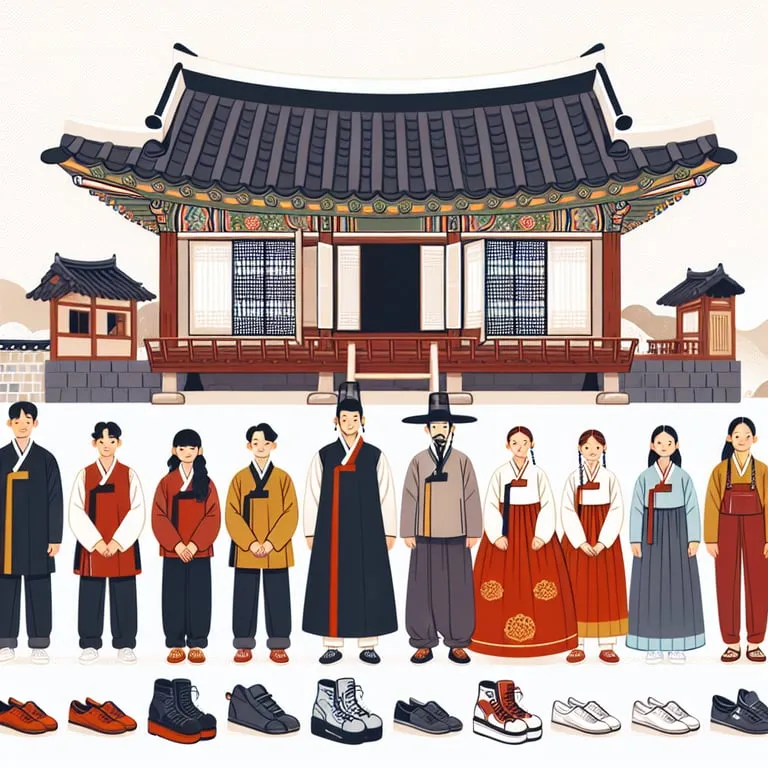
    First, let us delve into the world of traditional Korean culture, which is often vividly portrayed through these channels. For instance, ‘Korean Traditional Culture’ and ‘Arirang TV’ illuminate facets of Korea’s ancient customs, providing educational content on subjects such as hanbok (한복), traditional Korean garments, and hanok (한옥), traditional Korean houses. Videos might include virtual tours of historical palaces like Gyeongbokgung Palace (경복궁), enriching learners with visual and auditory stimuli that contextualize the language within its cultural frameworks.

    Korean Cuisine

    Further insight is gained through the exploration of Korean cuisine, a cornerstone of the culture known worldwide for its flavors and diversity. Channels like ‘Maangchi’ offer engaging tutorials on preparing classic dishes like kimchi (김치), bibimbap (비빔밥), and bulgogi (불고기). These cooking sessions provide more than recipes; they offer narratives and historical tidbits that fortify language comprehension with cultural depth. It’s not just about following a recipe, but understanding why certain ingredients are foundational in Korean meals, and how they reflect the nation’s rich agricultural heritage.

    Korean Pop Culture

    Korean YouTube channels are also a gateway to Korean pop culture, which has significantly influenced global trends in recent decades. The Hallyu Wave (한류), or Korean Wave, is prominently featured across various channels, with content creators discussing everything from K-pop to Korean dramas. Channels like ‘DKDKTV’ dissect K-pop lyrics and music videos, analyzing them for cultural references and linguistic nuances. Here, learners can grasp the contemporary language and slang used by Korean youth today, making their learning process both relevant and current. Genres like K-drama offer another dimension, where serial storytelling reflects societal themes and archetypes intrinsic to Korean storytelling.

    Language Learning and Culture

    Let’s not overlook the role of language learning channels that specifically cater to cultural insights! These specialized channels meticulously decode cultural idioms and informal speech that textbooks might skip. For instance, ‘TalkToMeInKorean’ not only teaches language basics but also explores cultural festivals like Chuseok (추석) and Seollal (설날), alongside social etiquettes such as bowing customs or the concept of nunchi (눈치)—a Korean term encapsulating the art of reading people’s moods.

    Everyday Korean Life through Vlogs

    Besides structured topics, vlogs provide casual yet potent insights into everyday Korean life. Creators, both native and expatriate living in Korea, produce content on daily routines, city life, and social interactions. Such videos serve as cultural microcosms, showcasing everything from traditional market visits to birthday celebrations, which embodies the collectivist and interconnected nature of Korean society. These glimpses into mundane activities illuminate the language in context, highlighting how sociocultural norms influence linguistic usage and expression. For instance, understanding the ways honorifics are employed can unveil societal respect structures and age-related customs prevalent among the Korean populace.

    Deeper Cultural Insights

    Diving deeper, channels focusing on history and societal issues reveal more profound cultural insights. They enable learners to engage with Korea’s complex history, from its storied historical kingdoms to modern economic triumphs and socio-political movements. Channels like ‘Asian Boss’ investigate pertinent topics, presenting authentic dialogues that enhance comprehension of intricate themes, including Korea’s vibrant democracy and evolving social policies.

    Therefore, using Korean YouTube channels for language learning extends beyond linguistic skills—it encourages an in-depth appreciation of Korea’s rich tapestry. Engaging with diverse content not only enriches vocabulary but allows learners to become cultural connoisseurs! Each video serves as a cultural ambassador, bridging linguistic proficiency with cultural literacy. Through this immersive learning journey, YouTube channels substantially contribute to shaping global citizens who are culturally aware and linguistically adept. The intersection of language and culture opens pathways for meaningful connections, understanding, and intercultural dialogue. Such a holistic approach fosters a deeper respect and appreciation for Korea and its global contributions. In essence, these channels do not merely teach Korean—they cultivate cultural enthusiasts who can navigate and appreciate the dynamic beats of Korea’s historical and modern landscapes with flair.


    Exploring these top YouTube channels can significantly enhance your Korean language skills. Each channel offers a unique approach, catering to various learning levels, from beginners to advanced speakers. They provide not only language lessons but also invaluable cultural insights that enrich your understanding of Korean society. By integrating these resources into your study routine, you can accelerate your proficiency and engage more deeply with the language. Harness the power of YouTube to access expert-driven content and immerse yourself in authentic Korean learning experiences. Take the initiative, and let these channels guide you in mastering Korean with confidence and ease.
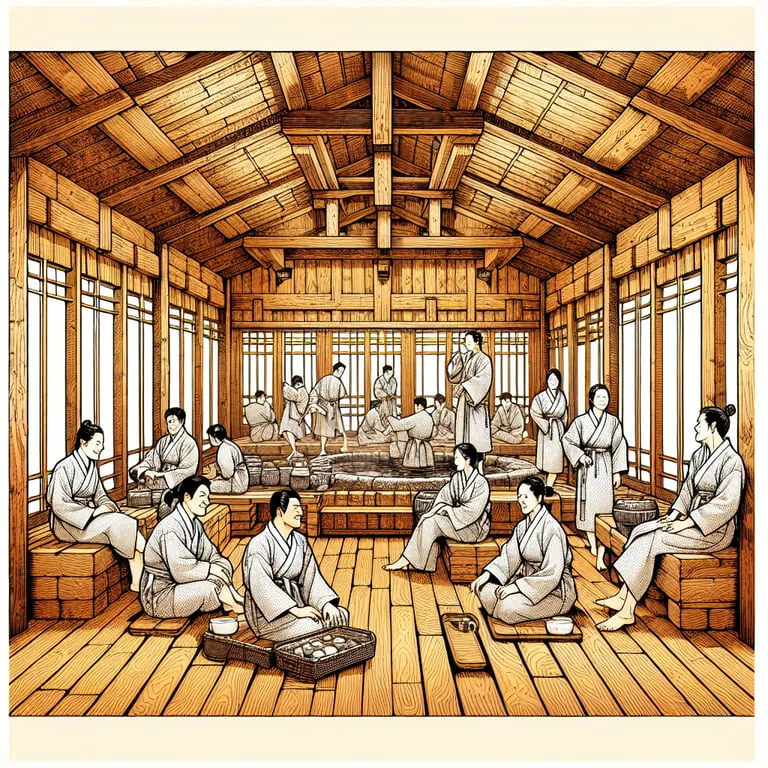
     

  • Korean Bathhouses (Jjimjilbang): What to Expect

    Korean Bathhouses (Jjimjilbang): What to Expect

    For those intrigued by wellness and cultural experiences, Korean bathhouses, known as Jjimjilbang, offer a unique and rejuvenating journey. Steeped in tradition, these establishments are more than just places for relaxation; they showcase the harmonious blend of community and personal rejuvenation. Understanding the intricacies of the Jjimjilbang experience, from its etiquette to the variety of facilities available, ensures a rewarding visit. Whether you’re seeking tranquility or exploring a facet of Korean cultural heritage, the Jjimjilbang promises an enriching encounter. Discover what awaits beyond the doors of these iconic establishments.


    Korean Bathhouses (Jjimjilbang): What to Expect


    Understanding the Jjimjilbang Experience

    The jjimjilbang, a quintessential part of Korean culture, offers an immersive and rejuvenating experience unlike any other. Originating from the tradition of oncheons (natural hot springs), jjimjilbangs have evolved into elaborate public bathhouses that are as much about community and relaxation as they are about cleansing.

    These facilities are typically open 24 hours a day, providing an affordable escape for individuals and families alike. With entry fees usually ranging between 8,000 to 15,000 KRW (approximately $7 to $13 USD), jjimjilbangs are an accessible wellness retreat that draw locals and tourists. The concept is simple yet fascinating: creating a holistic experience that combines soaking, steaming, resting, and dining in one location.

    The Heart of the Experience

    At the heart of the jjimjilbang experience are the wet areas, or mokyoktang, where gender-segregated bathing facilities greet visitors. Here, you will find an assortment of pools varying in temperature, from soothingly warm to achingly cold, meticulously set for different therapeutic effects. Each pool is infused with unique minerals and herbs, purported to offer health benefits from relieving tension to promoting skin health.

    Diverse Sauna Options

    The dry sauna rooms, known as “jjimjil,” often vary in theme and temperature, appealing to diverse preferences. From red clay masterpieces said to eliminate toxins, to crystal saunas believed to intensify healing through light therapy, there is no shortage of options to explore. Some jjimjilbangs even boast ice rooms to refresh and invigorate the senses after a session of intense heating.

    Community and Leisure

    In Korean culture, shared experiences nurture community bonds; thus, jjimjilbangs often incorporate common areas where visitors clad in matching, comfortable outfits—typically loose-fitting shorts and t-shirts—gather to unwind. These spaces are equipped with mats, blankets, and heated floors, allowing you to simply lay back and snooze or engage in a good read.

    Recreational Facilities

    The recreational facilities further enhance the versatility of jjimjilbangs! You might stumble upon karaoke rooms, cinemas, game arcades, fitness centers, and even PC bangs (Korean-style internet cafés), providing endless entertainment opportunities that blend seamlessly with relaxation-focused activities.

    Culinary Delights

    Additionally, jjimjilbangs often feature cafeterias and snack bars, where one can indulge in traditional Korean snacks such as sikhye (sweet rice drink), nokdu bindaetteok (mung bean pancakes), and boiled eggs—often wrapped in straw, intensifying the flavor through a unique steaming process.

    It’s not uncommon for Korean families to spend entire weekends getting lost in the leisure activities and indulgent rituals of the jjimjilbang, solidifying its place as a beloved cultural institution. Embracing this experience allows one to partake in a centuries-old tradition that celebrates the union of body, mind, and soul rejuvenation. The allure lies in its ability to offer a microcosm of wellness and entertainment within the confines of its walls. It stands as a testament to the Korean ethos of balance, community, and harmony with oneself and others.

    Maximizing the Experience

    Maximizing the jjimjilbang experience requires an open mind and a readiness to plunge into a new cultural universe. Embrace the warmth of shared spaces, the dynamic shifts between hot and cold, and the jubilance of communal leisure activities. To understand the jjimjilbang is to discover the intricate layers of a hotbed of culture, tradition, and modern-day wellness.


    Etiquette and Traditions to Know

    Navigating the world of Korean bathhouses, or ‘jjimjilbangs’, requires an understanding of both etiquette and enduring traditions that may seem foreign at first. Unlike Western spas, jjimjilbangs are deeply rooted in centuries-old customs and societal norms, which profoundly influence the expectations of behavior within these serene environments. When you first step into a jjimjilbang, you are entering a space where respect, community, and relaxation are harmoniously intertwined.

    Nudity is Non-negotiable, Yet Respectful

    One of the most salient aspects of visiting a jjimjilbang is the acceptance of nudity in gender-segregated bath areas. Upon entering these zones, patrons are expected to disrobe completely. This can be daunting for first-time visitors but is a natural part of the experience in Korean culture where the emphasis lies on hygiene, purity, and equality. However, privacy is respected. Keep your voice down, and maintain a respectful distance from others, whether in the soaking pools or during cleansing routines, to ensure a tranquil atmosphere.

    Cleansing Before Entering Pools

    As a traditional practice, patrons are required to thoroughly cleanse their bodies before stepping into communal pools. This custom reflects a broader societal respect for cleanliness and consideration for others. Showers are equipped with a variety of cleaning products, ensuring you can rid yourself of any impurities. It’s about ensuring not only a comfortable experience for yourself but for all members of the community enjoying the facilities.

    Understanding Jjimjilbang Etiquette: Towels & Uniforms

    In dry sauna areas—known as jjimjilbang areas—you will be provided with a uniform, commonly a simple shirt and shorts, regardless of your gender. This practice promotes equality and ensures comfort. These uniforms should always be worn in co-ed areas. Also, you are given a small towel, typically used more for modesty and as a headrest than for drying off. The infamous ‘sheep head’ towel—a playful and popular folding technique among the seasoned jjimjilbang-goers—is a delightful tradition you might encounter.

    Silence and Serene Interaction

    Communal respect extends to sound, or rather, the reduction of it. While jjimjilbangs are social spaces, maintaining a low volume is a sign of respect for those seeking relaxation. Engage in quiet conversations, and instead, let the warmth of the steamy air or the calming hum of the saunas encourage restful contemplation.

    Hydration and Refreshment Practices

    Consumption of water is particularly encouraged in these steaming environments! However, it is expected you keep areas clean and dispose of any containers responsibly. You will often find a range of wellness drinks available—such as sikhye, a traditional sweet rice drink—offering refreshing reprieves between sauna sessions. Hydration is key, reinforcing both safety and enjoyment through the jjimjilbang journey.

    Cultural Practices and Healing Rituals

    Every jjimjilbang enthusiast embraces the unique, therapeutic rituals intrinsic to Korean health culture. You may notice seasoned-goers utilizing exfoliating cloths or scrubs, engaging in vigorous ‘seshin’ (Korean body scrub sessions), believed to rejuvenate the skin by removing dead cells and enhancing circulation. Respecting and even partaking in these practices can enrich your experience, intertwining you with historical customs—an opportunity to cleanse both body and spirit.

    Navigating these etiquettes and traditions is not simply about adherence; it’s a way of embracing a culture steeped in communal kinship and a reverent approach to wellness. As you immerse yourself in these traditional practices, you become part of a cyclical journey towards balance and serenity deeply cherished in Korean cultural ethos.


    Facilities and Amenities Offered

    When you step into a Jjimjilbang, you’re not just entering a bathhouse, but a multi-faceted complex boasting an array of facilities designed to soothe, relax, and rejuvenate both body and mind. Jjimjilbangs are celebrated for embracing the concept of total wellness, and this is vividly reflected in the amenities they provide, which cater to a diverse clientele from all walks of life.

    Core Facilities

    The core facility of any Jjimjilbang is undoubtedly the gender-segregated sauna and bathing areas. Each section is equipped with multiple hot tubs maintained at varying temperatures, typically ranging from 38°C to 42°C, complemented by cold plunge pools sitting at crisp 10°C. These temperature fluctuations are crucial as they promote blood circulation and invigorate the senses! The water is often infused with minerals such as sulfur or charcoal to enhance the therapeutic benefits, a practice supported by centuries of traditional Korean medicine.

    Signature Features

    Beyond the baths, the humid, dry, and salt saunas are perhaps the signature features, each offering distinct health advantages. For instance, the red clay sauna, known as Hwangto Jjimjil, is renowned for its detoxification properties – ideal for those wishing to rid their body of impurities. Meanwhile, the Himalayan salt room uses mineral-rich blocks believed to bolster respiratory health by emitting natural negative ions.

    Resting Areas

    A comprehensive Jjimjilbang experience is incomplete without the resting areas, which are artfully designed to promote peace and tranquility. Here, visitors recline on heated floors covered with jade stones or yellow soil, absorbing gentle heat that soothes aching muscles and balances energy—a principle centered in Korean wellness philosophy.

    Dining Options

    Additionally, many Jjimjilbangs include on-site restaurants offering both traditional Korean dishes and Western options to accommodate eclectic tastes. Nutrition is a keystone of Korean culture, and patrons can fuel their rejuvenation journey with a nutrient-rich meal. Bibimbap, a hearty mix of rice, vegetables, and gochujang, or a slice of sweet patbingsu, is often on the menu. The latter perfectly contrasts the heat soaking therapies by cooling you from the inside out!

    Entertainment and Leisure

    For those inclined towards recreation and leisure, Jjimjilbangs typically extend beyond wellness into entertainment. Facilities can range from high-tech game rooms and cozy reading lounges to spacious movie rooms. Some even feature state-of-the-art fitness centers, allowing guests to work up a sweat before unwinding in the serene environs. Indeed, one can easily spend an entire day, or even overnight, as many Jjimjilbangs remain open 24 hours, complete with sleeping quarters equipped with mats or bunk beds! It’s the quintessential ‘home away from home’ vibe.

    Modern Treatments

    Moreover, modern Jjimjilbangs are increasingly incorporating treatments that cater to a global clientele, such as shiatsu massages, aromatherapy, and even beauty salons offering Korean skincare and hair treatments. These indulgences ensure that visitors leave not only revitalized but positively glowing!

    In essence, Jjimjilbangs embody more than just physical cleansing; they are holistic retreats that provide a sanctuary of wellness and comfort. Whether you’re basking in the warmth of a jade sauna or savoring a nutritious Korean meal, every aspect of the Jjimjilbang is designed to enhance your well-being. This fusion of tradition and modernity makes Jjimjilbangs a quintessential part of Korean culture and a must-experience for any visitor seeking a genuine taste of Korean hospitality and care.


    Tips for First-Time Visitors

    The vibrant world of Korean bathhouses, or jjimjilbang, presents a unique combination of relaxation, social engagement, and traditional wellness practices. For first-time visitors, stepping into this cultural haven can be both thrilling and slightly daunting. However, with the right guidance, you can confidently dive into this quintessential Korean experience, designed to rejuvenate both the body and mind. Here’s what you need to know to navigate your first visit seamlessly.

    Research the Jjimjilbang Options

    With over 13,000 jjimjilbangs scattered across South Korea, selecting one that aligns with your preferences is crucial. Some are renowned for their specialty saunas, like the Bulgama, a high-temperature room reaching an impressive 96°C. Others boast luxury facilities including cinema rooms, restaurants, and even salt caves. Websites such as VisitKorea offer comprehensive reviews that can aid in making an informed choice.

    Understanding Entry Procedures

    Each jjimjilbang employs a unique entry system, but generally, an entry fee of approximately 12,000 to 18,000 KRW grants you access for 12 hours. Upon entering, visitors receive a key that unlocks a locker for your belongings and provides you with sauna attire. This simple wristband or key is your lifeline within the facility – for accessing lockers and purchasing food or spa services.

    Etiquette Essentials

    Understanding and adhering to customs is essential in enjoying a travel experience authentically. Within the jjimjilbang, you will need to shower thoroughly before entering communal baths to maintain hygiene standards. Being immersed in communal spaces means respecting privacy and maintaining a low volume when conversing. This cultural sensitivity ensures not only personal enjoyment but also regard for fellow bathers.

    Hydration and Nutrition

    Long hours in saunas can lead to dehydration. It is critical to hydrate continuously. Jjimjilbangs typically offer a variety of traditional Korean beverages, like Sikhye, a sweet rice drink known for its digestive benefits, and Bori Cha, a caffeine-free toasted-barley tea. Don’t miss out on the quintessential jjimjilbang snack: baked eggs (Maekbanseok Gyeran), known for their unique taste and texture after being slow-cooked using the heat from saunas.

    Create a Spa Experience

    Maximize your time by indulging in the various amenities available. From indulgent scrubs to invigorating massages, jjimjilbangs often include spa treatments that elevate your visit from ordinary to extraordinary. The “Intensive Beauty Care” packages, for instance, offer a blend of exfoliation and nourishment that refreshes the skin visibly, an absolute must for rejuvenation seekers.

    Rest and Relaxation Areas

    After detoxifying and rejuvenating, it’s time to unwind in one of the jjimjilbang’s relaxation areas. These spaces commonly feature reclining chairs, mats, or even sleeping pods. A restful nap here is both customary and encouraged, recharging your energies for the vibrant city outside.

    Timing Your Visit

    While jjimjilbangs operate 24/7, visiting during off-peak hours can greatly enhance your experience by providing a more serene and less crowded environment. Late nights and early mornings typically see fewer patrons. Moreover, weekdays offer a more relaxed atmosphere compared to the bustling weekends.

    Embedded in Korean culture, jjimjilbangs offer a truly immersive experience unlike any other! By embracing the customs and preparations outlined here, you’ll not only enjoy a seamless visit but also discover the joys of this cherished tradition. With a tapestry of sensory experiences awaiting, your journey into the art of Korean wellness promises to be both enlightening and invigorating.


    Experiencing a Korean jjimjilbang offers a unique glimpse into Korea’s rich culture and social customs. From understanding the communal aspect to adhering to traditional etiquette, every aspect of a visit contributes to a deeper appreciation of these cultural sanctuaries. Facilities are designed to cater to relaxation and rejuvenation, offering an array of amenities that enhance the experience. By preparing with the right knowledge, incorporating insights into local traditions, and embracing the unwritten rules of bathhouse etiquette, first-time visitors can ensure an enriching and memorable visit. Through these engagements, one can forge a connection to Korean culture that goes beyond the surface. Whether it’s the shared space or the tranquil ambiance, jjimjilbangs offer a sanctuary for both the mind and body.


  • Why Koreans Love Hiking: Exploring Mountain Culture

    Why Koreans Love Hiking: Exploring Mountain Culture

    Korean hiking culture is deeply rooted in the nation’s history and reverence for its mountainous terrain. An exploration of this cultural phenomenon reveals why mountains hold significant meaning in Korean society. Hiking enthusiasts from all over the world flock to Korea to experience its popular trails and picturesque scenery. For those new to hiking in Korea, understanding this unique tradition and preparing adequately can enhance the adventure. Discover the allure of Korean mountains and the hiking passion that transcends generations in this fascinating exploration.


    Why Koreans Love Hiking: Exploring Mountain Culture


    Origins of Korean Hiking Passion

    The passion for hiking in Korea is deeply rooted in the nation’s historical and cultural tapestry. Dating back thousands of years, the reverence for mountains is illustrated through ancient Korean texts and paintings that celebrate the majestic peaks scattered throughout the peninsula. Historically, these towering landforms were not mere ascents but symbols of spiritual elevation and gateways to the divine—often perceived as sacred spaces where earthly and heavenly matters intertwine.

    Confucian Influence on Hiking Culture

    The influence of Confucian philosophy, which has shaped many aspects of Korean culture, also plays a critical role in this profound hiking affinity. Confucianism advocates for harmony between humans and nature, emphasizing the importance of moral development and mindfulness. Mountains, with their serene and secluded settings, offer the perfect environment for introspection and personal growth, thus becoming integral to Korean cultural identity.

    Geomancy and Mountains

    A fascinating aspect of this mountain-loving culture is found in the traditional geomancy practice of “Pungsu-jiri” (풍수지리), akin to “Feng Shui” in Chinese customs. This geomantic tradition posits that the physical configuration of the Earth’s surface exerts substantial influence on the fortunes and wellbeing of its inhabitants. Consequently, mountains in Korea are appreciated not only for their natural beauty but also for their perceived ability to nurture luck and prosperity.

    Modern Society and Hiking

    Fast forward to the 20th and 21st centuries, and we see a transformation in hiking’s societal role, driven largely by Korea’s rapid urbanization and economic development. As urban landscapes expand and life speeds up, mountains increasingly serve as sanctuaries—a means to escape from the rigors of city life and digital overstimulation. Modern Korean society embraces hiking both as a health-conscious activity and a leisurely pursuit. It is reported that more than 60% of Koreans engage in hiking several times a year, with approximately 20% doing so monthly or more, reflecting a broad and cross-generational appeal.

    Technological Advancements in Hiking

    Moreover, technological advancements have facilitated the growth of this enthusiasm. Comprehensive online platforms, such as hiking communities and mobile applications, provide detailed information on trails, real-time weather updates, and social networking opportunities for outdoor enthusiasts. These digital transformations have made hiking more accessible to a broader population, seamlessly integrating tradition with modern convenience.

    Seasonal Beauty of Korean Mountains

    The seasonal beauty of Korean mountains—displaying vibrant cherry blossoms in spring, lush greenery in summer, colorful foliage in autumn, and pristine snowscapes in winter—also captivates the Korean psyche. These changing vistas draw hikers back again and again, each season offering a unique experience and a renewed connection to nature.

    In essence, the Korean passion for hiking is a multidimensional phenomenon grounded in historical traditions, cultural significance, and modern lifestyle shifts. The allure of mountains transcends their physical form, echoing deeply within the national consciousness, thus making hiking an indelible part of Korean life. Such profound connections with nature through hiking continue to flourish, bridging ancient values with contemporary living in Korea.


    Cultural Significance of Mountains

    Mountains hold an esteemed position in Korean society—a profound reverence that is deeply woven into the fabric of the country’s culture, history, and religion. To truly appreciate why Koreans hold their mountains in such high regard, one must delve into several facets of their cultural significance.

    Mountains as Sacred Sites

    First and foremost, mountains in Korea are often regarded as sacred sites. This reverence is not just a modern conception but a tradition that goes back centuries. The Korean Peninsula is dotted with over 70% of mountainous terrain, which has led to a historical symbiosis between people and their natural environment. This geography has fostered a unique spiritual relationship, as evidenced by the countless Buddhist temples nestled in Korean hills and valleys. Temples such as Bulguksa in Gyeongju and Beomeosa in Busan serve as testament to the age-old practice of seeking enlightenment and tranquility in the mountains. These spiritual retreats, often surrounded by picturesque landscapes, are popular not only among religious devotees but also among tourists and the curious.

    Symbol of Resilience

    Another aspect of the cultural relevance of mountains is their embodiment of resilience and endurance. In Korean folklore, the mountain is frequently symbolized as a steadfast guardian and a source of life. The mythological figure Dangun, the legendary founder of Gojoseon (the first Korean kingdom), is said to have established the nation at the foot of Mount Taebaek. This narrative enhances the perception of mountains as cradles of civilization and cultural continuity. Koreans often refer to their nation as “Baekdusanminjok,” meaning the descendants of Mount Baekdu, underscoring the ancestral and mythical significance of the mountains.

    Mountains in Art and Poetry

    Mountains also play a crucial role in Korean art and poetry. They have inspired artists for generations, featuring prominently in traditional ink paintings known as “sumukhwa.” These works often depict intricate landscapes, capturing the essence of mountains through delicate brush strokes that convey both majesty and subtlety. The art form is not just a visual representation but an exploration of the mountain’s spirit. Korean poetry, too, is rich with references to mountains, celebrating their beauty and encapsulating the emotional connections they evoke. The revered poet Jeong Ji-yong famously penned, “The mountain’s deep green cannot be without reason; it must be alive, breathing with the earth and sky.”

    Mountains as Natural Fortresses

    From a practical standpoint, mountains have historically served as natural fortresses. During the numerous invasions and wars that Korea has endured, mountains provided strategic defense points and refuge. Their rugged terrain offered protection and sustenance for isolated communities. The resilience associated with mountains is reflective of the Korean spirit, often described with the term “han,” a deeply ingrained cultural trait of enduring hardship with stoic determination.

    Environmental and Ecological Significance

    The mountains are also a source of ecological and environmental significance. They are home to diverse flora and fauna, offering a sanctuary for many endangered species. The role of mountains in providing clean water through mountain streams is critical, considering that one-third of South Korea’s freshwater sources originate in these highlands. This ecological importance reinforces the mountain’s role in sustaining life and maintaining balance within nature.

    Mountains in Festivals and Celebrations

    Moreover, mountains are integral to the seasonal celebrations and festivals in Korea. The tradition of “Sansinje,” or mountain spirit worship, continues in many communities, where locals gather to honor the guardian spirits believed to reside in the mountains. Events like the Jeju Fire Festival, celebrating the end of winter by burning grasses on the slopes of Mount Hallasan, illustrate the mountain’s role in traditional cultural practices. This festival not only reflects agricultural rites but also highlights the communal aspects of mountain culture.

    Mountains in Contemporary Leisure

    In contemporary times, the significance of Korean mountains is amplified by their accessibility and popularity as destinations for leisure and outdoor activities. Hiking, in particular, transcends age groups and social classes, becoming an integral part of the Korean lifestyle. The Korean government has capitalized on this interest by developing extensive networks of well-maintained trails, making the mountains more accessible for both seasoned hikers and beginners. The emphasis on hiking culture today is a continuation of this cultural heritage, imbuing modern life with the timeless serenity and strength that mountains have always symbolized.

    In summary, mountains in Korea are much more than mere landscapes; they are integral to the country’s identity and consciousness. They serve as sites of worship, historical edifices, sources of inspiration, ecological gold mines, and arenas for communal unity and personal reflection. Understanding the profound cultural significance of mountains helps to illuminate why hiking and mountain appreciation are such deeply rooted aspects of Korean life. The profound respect for mountains is not a fleeting modern trend, but rather a cornerstone of Korean culture that continues to thrive and evolve.


    Popular Hiking Destinations in Korea

    Korea’s dynamic terrain offers a myriad of exceptional hiking destinations, each embedded with cultural history and unparalleled natural beauty. With approximately 70% of the Korean peninsula covered in mountains, it is little wonder that these peaks have become the mecca for both local and international hikers alike.

    Seoraksan National Park

    Let’s begin our exploration with Seoraksan National Park, the crown jewel of Korea’s mountainous landscape. Located in the northeast corner of the country, this UNESCO Biosphere Reserve spans over 398 square kilometers and features the stunning Ulsanbawi Rock, a striking formation consisting of six granite peaks that pull in climbers by the thousands each year. Seoraksan is renowned not only for its breathtaking vistas but also for its abundance of diverse flora and fauna, making it a critical site for ecological observation. Many trails, ranging from beginner to advanced, snake through the park, offering something for every level of hiker.

    Jirisan National Park

    Moving southwest, we come to Jirisan National Park, Korea’s oldest and largest national park, covering an area of 471 square kilometers. Situated at the southern end of the Sobaek Mountain range, Jirisan’s massif includes Cheonwangbong Summit, standing at 1,915 meters — it’s the country’s second-highest peak! The park is especially famed for its flora, sheltering over 1,500 plant species, giving it significant ecological value. Hikers often embark on the Jirisan Ridge Trail, which spans 40 kilometers in length and is considered one of Korea’s most challenging and fulfilling hikes.

    Mount Hallasan

    Mount Hallasan in Jeju Island presents an entirely different hiking experience. As a shield volcano, Hallasan rises up to 1,947 meters, making it the tallest mountain in South Korea. These trails, graded by difficulty, culminate at the summit, cradling a crater lake known as Baengnokdam. Hallasan is famous for its unique geological features and volcanic landscapes, not to mention the panoramic views of Jeju Island: truly, it’s a must-visit for avid trekkers and nature enthusiasts alike.

    Bukhansan National Park

    Nestled near the bustling capital of Seoul, Bukhansan National Park is an impressive contrast of urban meets nature. This 80 square kilometer expanse draws over five million visitors annually with its proximity to Seoul making it the world’s most visited national park per unit area. The park is famous for its granite peaks and boulder-strewn trails, most notably Baegundae Peak, which rises to 836 meters. From its summit, hikers enjoy a commanding view over the sprawling city below — a fusion of concrete and canopies! Bukhansan serves as a vital escape for Seoulites seeking solace from the city’s frenetic pace.

    Taebaeksan Mountain

    For a coastal perspective, Taebaeksan Mountain, part of the Taebaek range that runs along the eastern edge of the Korean Peninsula, offers gentle slopes and a famed sunrise view from Janggunbong Peak at 1,567 meters. Dramatic changes in scenery across different seasons — from snow-draped winters to azalea-blanketed springs — make Taebaeksan an all-time favorite among hikers aiming to experience seasonal shifts firsthand.

    The proliferation of these hiking meccas across South Korea speaks not only to the country’s geographical blessings but also to the rich, cultural tapestry in which these mountains are woven. Each destination is a testament to Korea’s dedication to preserving natural wonder while making it available for all to experience. Whether you seek tranquility, challenge, or a mesmerizing view, Korea’s majestic mountains deliver beyond expectations, forming an integral part of the national identity and an irresistible pull for hikers worldwide.


    Tips for First-Time Hikers in Korea

    Embarking on a hiking adventure in South Korea can be a thrilling experience! With over 70% of the country’s landscape covered by mountains, it’s no wonder that hiking is a cherished national pastime. Here, we provide essential tips for beginners eager to explore Korea’s breathtaking trails.

    Preparation is Key

    First and foremost, understanding the importance of preparation cannot be understated. Korea’s mountains, while mesmerizing, can also pose significant challenges to the unprepared. Equip yourself with proper hiking boots that offer robust ankle support and reliable traction. Given Korea’s temperate climate, layering is crucial—temperatures can vary dramatically from the base to the summit. A lightweight moisture-wicking fabric can keep you comfortable as you ascend. Don’t forget a hat and sunscreen; the sun can be quite intense, especially at higher altitudes!

    Selecting the Right Trail

    It’s important to select trails appropriate for your skill level. For novices, Bukhansan National Park is ideal, offering several routes accommodating different abilities. The Baegundae Peak Trail, while popular, might require a bit more stamina—it’s an 8.4 km round trip and takes approximately 4 to 5 hours to complete. The panoramic views from the summit are absolutely worth the effort!

    Trail Navigation

    Navigating through these trails requires more than just physical stamina; familiarity with Korean trail signs—often in Hangul but increasingly in English—will enhance your trekking experience significantly. Pay attention to colored trail markers and information boards that indicate difficulty levels and estimated hiking times.

    Embracing the Hiking Community

    Korean hikers embody a spirit of community, often pausing to offer encouragement or share delicious snacks (such as gimbap or traditional rice cakes) with fellow trekkers. Embrace this camaraderie, and why not try packing a local delicacy yourself? Staying hydrated is vital; carrying sufficient water is essential, but many trails feature manned stations where one can replenish supplies.

    Weather Awareness

    Weather conditions can rapidly shift in mountainous terrain. It’s prudent to check forecasts and be alert for sudden changes. During monsoon season (June to July), trails can become slippery, increasing the risk of accidents. In winter, ice patches can form, necessitating the use of crampons or ice cleats for safety. Heeding weather warnings and advisories can ensure a safer hiking experience.

    Respect for Local Customs

    Acclimatization to local customs adds another layer to your hiking journey. Traditional Korean culture emphasizes nature reverence, particularly regarding mountains believed to house spiritual ancestors. As a gesture of respect, many hikers bow slightly or offer a brief silent prayer before starting their trek. It’s a beautiful practice that enriches the hiking experience, promising serenity and mindfulness as you ascend.

    Eco-Friendly Hiking

    Moreover, embracing eco-friendly hiking practices is highly encouraged. Leave no trace is a universally respected principle among Korean outdoor enthusiasts. Ensuring that any waste is taken back with you and minimally disturbing natural habitats is crucial in preserving these beautiful landscapes for future generations.

    Join a Local Club

    If you plan on longer hikes, consider joining a local club or group. These organizations provide valuable insights, such as which gear to buy, and offer organized trips that promise safety in numbers. The Korean hiking community is known for its friendliness, and guides are often willing to educate beginners on trail etiquettes and safety tips.

    Flora and Fauna Appreciation

    Lastly, familiarize yourself with the unique flora and fauna endemic to the Korean Peninsula. From the vivid azaleas blooming in spring to the serendipitous encounters with roe deer or colorful pheasants, appreciating these natural wonders enhances the richness of your hiking experience.

    Embarking on your first hiking adventure in Korea promises not just a physical challenge, but a journey into the heart of Korean culture and natural beauty. By being well-prepared, respectful, and open to new experiences, you will find your hike both rewarding and memorable. Whether you’re savoring the serenity of a morning climb or the exhilaration of a sunset descent, these mountains offer a unique blend of challenge and aesthetic that is quintessentially Korean!


    Understanding Korea’s profound connection to hiking and mountain culture reveals the deep-seated appreciation for nature and spiritual growth present in Korean society. Hiking in Korea is not merely a physical pursuit but a cultural experience steeped in historical and spiritual richness. Whether traversing the iconic trails of Seoraksan or the serene paths of Jirisan, Korea offers diverse landscapes that promise adventure and peace. For those new to hiking in Korea, embracing local customs and preparation ensures a rewarding journey. As you lace up your hiking boots and set out on the trails, you’ll not only explore mountains but gain insights into Korea’s cultural soul.


  • Best Korean Snacks to Buy at Convenience Stores

    Best Korean Snacks to Buy at Convenience Stores

    When stepping into a Korean convenience store, you’re greeted by a vibrant array of snacks and drinks, each offering a unique taste experience. As Korean snacks become increasingly popular worldwide, it’s essential to know which ones stand out. From savory chips to sweet treats, the diversity of flavors is irresistible. Also, the beverages are just as intriguing, presenting flavors not commonly found elsewhere. Explore the world of Korean instant foods too, quick to prepare yet rich with traditional flavors. This guide will help you navigate these treasures, ensuring a delightful journey through Korea’s snack selection.


    Best Korean Snacks to Buy at Convenience Stores


    Korean Chips and Crackers to Try

    Exploring the vibrant world of Korean snacks, one cannot overlook the diversity and creativity offered in chips and crackers. These crisp snacks have evolved far beyond mere side dishes; they represent a significant aspect of Korean culinary artistry infused with cultural flair and contemporary flavors. In fact, the Korean snack market was valued at approximately USD 4.2 billion in 2022, reflecting the enormous demand both domestically and internationally.

    Honey Butter Chips

    First on your must-try list are Honey Butter Chips. Launched in 2014, these chips spurred a frenzy known as “Honey-Butter Fever,” thanks to their sweet-savory balance. These thinly sliced potato chips are delicately coated with a mix of honey and butter, delivering a unique flavor profile that tantalizes the palate. The creation of this snack marked an unprecedented success, driving crowds to convenience stores as stocks would often sell out within hours. They capture the essence of a perfect snack with an irresistible aroma and a melt-in-your-mouth texture.

    Shrimp Crackers

    Moving on, there’s the well-celebrated Shrimp Crackers, known locally as Saeukkang. Introduced in 1971, these have become household staples across Korean homes. Made with real shrimp and offering a delectable crunch, these crackers tickle taste buds with their savory and deep umami notes. Their popularity is further substantiated by the fact that they hold a 66.4% share in the Korean cracker market. It’s the kind of snack that demands a space in your shopping basket if you’re seeking the quintessential Korean snacking experience.

    Orion’s Kkobuk Chip

    Another essential addition is Orion’s Kkobuk Chip, creatively shaped like a turtle shell. These are layered chips that boast a satisfying multi-dimensional crunch. In contrast to standard chips, they offer a thicker texture and come in diverse flavors such as Sweet Corn Soup or Chocolate Churros, showcasing Korean innovation in snacking. What makes Kkobuk Chip noteworthy is its captivating texture and dynamic taste combinations, pushing the boundaries of what traditional chips can offer.

    Pringles Korean Fire Fried Chicken

    For those interested in exploring spicy snacks, Pringles Korean Fire Fried Chicken flavor is an adventure worth embarking upon. This flavor captures the fiery and savory essence of Korea’s beloved spicy fried chicken dish, inducing a tantalizing heat that enthusiasts of spice would appreciate. The blend of piquant spices mimics the authentic taste, making it a perfect pairing with chilling drinks during gatherings or solo movie nights.

    Crown Bakery Butter Waffle

    In the realm of crackers, the Crown Bakery Butter Waffle is a delightful indulgence, perfectly bridging sweet and savory realms with its buttery crispness and inviting aroma. Pair these with coffee, and you have an afternoon treat that doesn’t just satisfy the hunger but also gratifies the senses. They bring an element of sophistication to snacking, embodying both Korea’s rich heritage and contemporary tastes.

    Turtle Chips

    Further enhancing the prolific selection is Turtle Chips, which is acclaimed for its quadruple-layered flakes offering a concoction of crunch and puff. These chips are a testament to South Korea’s brilliance in snack innovation. Their tantalizing flavors, including Injeolmi (a traditional Korean rice cake) and Choco Churro, underline a perfect harmony of cultural authenticity and modern gastronomic techniques.

    Lotte’s Pepero Sticks

    Lotte’s Pepero Sticks are also a quintessential part of the snacking culture, especially celebrated during Pepero Day, akin to Valentine’s Day, when couples and friends exchange these delightful snacks. Available in a plethora of flavors—ranging from crunchy almond to melt-in-your-mouth cookies and cream—these snack sticks embody a sense of tradition and modern flair.

    Yopokki Rice Cake Chips

    Lastly, do not miss Yopokki Rice Cake Chips, which brilliantly transform the popular Korean dish tteokbokki into crispy, snackable form. They offer a chewy, spicy delight with each bite transporting you to street food corners of Seoul.

    In sum, Korean chips and crackers are more than just snacks; they are a reflection of the country’s inventive spirit and profound connection to flavor and tradition. Embracing an array of options—from global sensations like Honey Butter Chips to locally cherished Shrimp Crackers—these snacks invite you into an exhilarating journey of tastes and textures that unerringly encapsulate the essence of Korean culinary craftsmanship.


    Sweet and Savory Korean Treats

    Korean cuisine is renowned for its intricate balance of flavors, and the snacking culture is no different. When it comes to Korean treats, the spectrum of sweet and savory options available at convenience stores is simply irresistible. It’s a gastronomic delight that captures the essence of Korea’s culinary philosophy, blending tradition with innovation.

    Sweet Treats

    Let’s begin with the sweet treats that have captivated locals and tourists alike. One cannot discuss Korean snacks without mentioning Choco Pie, a soft, marshmallow-filled chocolate-coated cake. Introduced in the 1970s, it quickly became a cultural phenomenon. Remarkably, the Orion company reports that over 12 billion Choco Pies have been sold globally, highlighting its enduring popularity.

    Then there are the pepero, slender chocolate-dipped biscuit sticks, especially celebrated on Pepero Day, November 11th. This unofficial holiday generates approximately 50% of the annual sales for Lotte Corporation’s Pepero, showcasing its importance in Korean culture.

    Hoddeok, a sweet Korean pancake filled with brown sugar, honey, and nuts, is another delicacy often found pre-packaged in convenience stores. It’s fascinating how a traditional street snack, hot off the griddle, has been adapted into a ready-to-eat version that retains its original flavors and charm.

    Savory Treats

    On the other hand, savory Korean snacks are no less tantalizing. The Gim Bap, often dubbed Korea’s answer to the sandwich, is a must-try. Made from rice, vegetables, and sometimes meat, all rolled in a sheet of dried seaweed, Gim Bap is a portable meal that has become a staple in convenience stores nationwide. Sales data from CU, one of Korea’s leading convenience store chains, indicates that over 300,000 Gim Baps are sold daily, underscoring their popularity.

    Tteokbokki, spicy rice cakes usually found in food stalls, have been conveniently transformed into shelf-stable snacks. These rice cake bars, often seasoned with a mixture of gochujang (Korean chili paste), provide a satisfying kick and a taste of Korean street food in a portable format. Such innovation demonstrates Korea’s ingenuity in snack production, making it readily available in packaged varieties while retaining its core flavors.

    Moreover, snack giants have capitalized on seaweed’s popularity by offering seasoned and roasted seaweed packs, known as Gim, that are rich in umami. Not only do these contain essential vitamins and minerals, but they also cater to the growing trend of health-conscious snacking. It’s quite impressive that the Korean seaweed market has grown over 7% annually, reflecting its expanding global appeal.

    These treats are more than just snacks; they represent Korea’s culinary versatility and ability to marry sweet and savory flavors seamlessly. It’s a testament to a culture that thrives on innovation while respecting its traditional roots. The next time you find yourself in a Korean convenience store, indulge in both ends of the flavor spectrum. Each bite will unearth a piece of Korea’s heritage, wrapped in modernity. Dive into this world of taste, and taste the craftsmanship behind every snack package. It’s a flavorful journey you wouldn’t want to miss!


    Unique Korean Beverages

    Korean convenience stores are a treasure trove of drinks that range from the delightfully delicious to the downright exotic. These unique beverages not only provide refreshment but also reflect Korea’s rich culinary heritage and knack for innovation. Let’s dive into some of the most intriguing Korean drinks that you should definitely try on your next visit.

    Sikhye (식혜)

    First on the list is Sikhye (식혜), a traditional sweet rice drink that has been consumed in Korea for centuries. Sikhye harbors a subtle sweetness and a slightly grainy texture, courtesy of its ingredients—barley malt and rice. This drink is often served chilled and is a staple in Korean households, especially during festive occasions. Sikhye is also renowned for its digestive benefits due to the presence of enzymes induced by malt fermentation.

    Bori-cha (보리차)

    Next, we have Bori-cha (보리차), a beverage that’s as much a part of Korean life as tea is to the British. Made by roasting barley grains and then boiling them in water, this drink is caffeine-free and offers a light, nutty flavor. It’s not uncommon to find Bori-cha replacing plain water in many Korean homes. Its antioxidants make it a healthy choice, contributing to good digestion and hydration without the sugar load of many conventional soft drinks.

    Dawn 808

    Dawn 808 is a unique concoction that proudly claims to be the world’s first hangover relief beverage. Developed in 1997 by a Korean medical doctor, it combines Oriental medicinal ingredients such as Hovenia Dulcis, Asiatic Dogwood, and arrowroot. Known for its distinctive flavor and the significant reduction in hangover symptoms, Dawn 808 is a must-try for those brave enough to experience Korea’s vibrant night life.

    Milkis (밀키스)

    Aptly named due to its effervescence, Milkis (밀키스) is a fizzy beverage that uniquely blends milk with carbonated water, offering a creamy taste with a citrus twist. Introduced by Lotte Chilsung in 1989, Milkis is a favorite among young Koreans and is available in various flavors such as strawberry, banana, and melon. It is said to be a refreshing alternative to typical sodas, giving a surprising yet pleasing mouthfeel with every sip.

    Coolpis (쿨피스)

    Coolpis (쿨피스)—a play on the English word “cool” and “piece”—is a sweet, fruit-infused yogurt drink that truly stands out in the lineup of Korean beverages. Typically served cold, Coolpis is known for its smooth texture and invigorating taste, which pairs well with the often spicy and robust flavors of Korean cuisine. Available in peach, pineapple, and apple flavors, it’s a refreshing accompaniment to your meal.

    Bokbunja-ju (복분자주)

    When discussing unique Korean drinks, one cannot overlook Bokbunja-ju (복분자주). This is a Korean wine made from black raspberries, celebrated not only for its rich and fruity flavor but also for its purported health benefits. Often consumed during social gatherings, Bokbunja-ju is believed to boost energy and stamina. It’s an exceptional beverage choice for those seeking a deeper cultural dining experience.

    Sweetcorn Tea (옥수수차)

    Lastly, let us not forget Sweetcorn Tea (옥수수차), another testament to Korea’s ingenuity in creating drinks from unconventional ingredients. While it might sound unusual, this tea is recognized for its subtle sweetness and fragrant aroma, derived from roasted corn kernels. With a focus on low-calorie content and no caffeine, sweetcorn tea is not only pleasant to the drinker’s palate but also aids in hydration and digestion, making it a popular drink option in many Korean households.

    In sum, Korean convenience stores offer a tantalizing assortment of unique beverages that you may not find anywhere else in the world. Whether you are looking to cool down with a refreshing sikhye or try a soothing cup of bori-cha, the diverse array of flavors and benefits ensures there’s something for every palate and occasion. The next time you find yourself in Korea, these drinks will undoubtedly provide a memorable part of your culinary exploration. Don’t miss out on experiencing the unique and delightful world of Korean beverages!


    Top Korean Instant Foods

    In the bustling world of Korean convenience stores, instant foods hold a venerated spot for their sheer diversity, flavor profile, and convenience. Often laden with both tradition and innovation, these quick meals and snacks bring the essence of Korean cuisine into a rapid, ready-to-eat format. According to a report by the Korea Agro-Fisheries & Food Trade Corporation, the instant noodle sector alone accounted for a staggering 76.7% of the entire Korean convenience food market in 2022! This statistic underlines not only the popularity but also the cultural significance of these quick fixes.

    Instant Noodles

    A quintessential part of Korean snack culture is, without a doubt, instant noodles. Widely popular brands such as Shin Ramyun and Samyang Spicy Ramen have even crossed international borders owing to their unique spice levels and umami-laden broths. These noodles aren’t just about heat; they offer complex flavor profiles ranging from savory beef to cheesy concoctions that melt in your mouth. And don’t forget the jjajangmyeon instant varieties! The black bean paste noodles are a savory delight, giving you a rich, earthy taste with a hint of sweetness. Anecdotal evidence suggests that no visit to Korea is complete without trying a steaming bowl of these noodles, which can be whipped up in less than five minutes.

    Bibimbap Bowls

    A relatively new player but a rapidly growing favorite is the instant bibimbap bowl. Leveraging the popularity of traditional bibimbap, these bowls offer a wholesome mix of rice, vegetables, and gochujang sauce. With most options involving only hot water or microwave quick-prep methods, they not only maintain nutrient profiles but also provide the delight of assorted textures and flavors similar to the dish made from scratch. It is no wonder sales for these instant bibimbap favorites have been increasing by approximately 23% annually, as they align perfectly with the fast-paced lifestyle of the modern consumer.

    Tteokbokki Packs

    Instant tteokbokki is another game-changer. This beloved street food now comes in easy-to-make packages available at most convenience stores. The chewy rice cakes combined with the spicy-sweet gochujang sauce are an addictive treat that can be prepared in around eight minutes. According to 2021 data, tteokbokki has seen a 250% increase in its instant version consumption compared to just five years ago!

    Many brands offer interesting variations, including cheese, curry, and even carbonara tteokbokki, allowing for an exciting array of flavors in a portable package.

    Kimchi Instant Rice

    A brilliant adaptation of Korean food heritage, instant kimchi fried rice is a must-try. It integrates the tangy, fermented excellence of kimchi with the staple of steamed rice. Ready in less than two minutes using a microwave, this dish provides a quick dose of probiotics and antioxidants—proven contributors to gut health and overall wellness. The harmony of spices paired with the fermented notes of kimchi creates a symphony of flavors that dance across the palate. The increasing demand for these meals saw a rise of 19% in production to meet local and international interest.

    Hotteok

    This sweet or savory Korean pancake has also entered the instant realm. Typically stuffed with a mix of brown sugar, honey, nuts, and cinnamon, or savory fillings like vegetables or minced meat, instant hotteoks are typically cooked in minutes on a stove or microwave. Perfect as a warm snack on a cold day or a delightful end to a meal, these pancakes have won hearts globally. The ability to enjoy a traditionally time-consuming recipe instantly makes this option irresistible to many.

    Not only do these instant foods provide a culinary sneak peek into Korean tradition, but they also give a glimpse of the ingenuity and adaptability of Korean culinary trends. Their convenience, affordability, and taste make them highly appealing to both locals and international consumers alike. If there’s one piece of advice for travelers and locals, it’s that these instant wonders aren’t just mere meals—they encapsulate a vibrant and evolving food culture ready to be tasted at any moment.


    Exploring the diverse array of Korean snacks available at convenience stores is an enriching experience that offers both cultural insight and culinary delight. The combination of unique flavors in Korean chips, the perfect balance in sweet and savory treats, and the distinct textures of instant foods can provide novel sensations for your taste buds. The innovative beverages further add to this flavorful journey. For those eager to expand their snack repertoire, the selection available can be both surprising and satisfying. In your next visit to a convenience store, consider these Korean options as a testament to the country’s rich culinary heritage.


  • How to Order Food in Korea Without Speaking Korean

    How to Order Food in Korea Without Speaking Korean

    Navigating the bustling culinary landscape of Korea can be a challenge for those not well-versed in the language. Understanding how to order food without speaking Korean is an essential skill for both short-term visitors and long-term residents. This guide provides insightful strategies for overcoming language barriers to enhance your dining experiences. From recognizing visual menu cues to leveraging technology and learning pivotal phrases, you will be equipped with effective tools to ensure your gastronomic adventures in Korea are both successful and enjoyable.


    How to Order Food in Korea Without Speaking Korean


    Understanding the Menu with Visual Cues

    Navigating a foreign menu can be a daunting task, especially when language barriers stand in your way. In Korea, where the written script is predominantly Hangul, decoding a menu without speaking the language may seem like a monumental challenge. However, one can leverage visual cues to effectively bridge this gap and enjoy a vibrant culinary experience.

    The Role of Images in Menus

    A substantial number of Korean restaurants provide menus rich with images, catering meticulously to international travelers. Did you know that nearly 80% of dining establishments in key tourist zones showcase pictorial menus? These visual aids are not merely decorative; they serve a strategic role in communicating a dish’s composition, preparation, and even portion size. By closely examining these images, one can ascertain crucial details such as ingredient consistency, side dishes, and sometimes, the method of cooking. For instance, a sizzling plate of Korean barbecue brims with indications – the marbling of the meat often hints at flavor intensity and texture.

    Use of Symbols and Icons

    In addition to photographs, many menus utilize symbols or icons to represent taste profiles (such as spicy, sweet, or savory) and allergen information. Gochujang, Korea’s iconic spicy sauce, is typically marked with a chili icon, alerting diners to potential heat levels in the dish. These subtle signals are indispensable in guiding diners who might be sensitive or have dietary preferences.

    Understanding Non-Verbal Cues

    Developing a keen eye for these non-verbal cues is akin to learning a universal language! Consider the harmonious balance of colors and arrangements that Korean cuisine is celebrated for. A brightly colored bibimbap picture, with a generous diversity of vegetables and succulent meat, often mirrors the dish’s nutritional balance and visual appeal, a fundamental aspect of Korean dining culture.

    Traditional Arrangement and Dining Etiquette

    Moreover, the arrangement of items in the pictures often follows a traditional order – rice, soup, main dishes, followed by side dishes known as banchan. These small details are reflective of the dining etiquette and are crucial in understanding what to expect in terms of service flow and meal progression.

    Digital Innovation in Menus

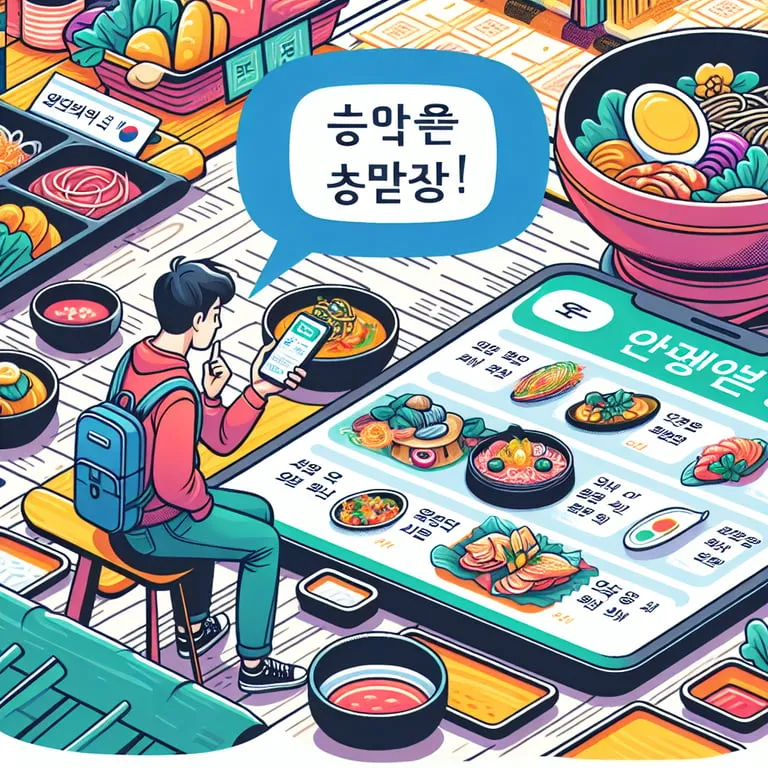
    Some establishments have embraced digital innovations, equipped with electronic menus or tablets that offer translations with visual elements that enhance comprehension. According to recent data, nearly 60% of younger restaurant operators in Seoul have incorporated interactive digital menus. These menus not only allow for an immersive exploration of dishes through high-resolution images but also provide descriptions in multiple languages at the tap of a finger.

    Contextual Clues in Images

    When deciphering a menu, context is everything. Take note of the setting: is the restaurant family-oriented, or does it exude a more formal ambiance? This can be an indicator of the portion sizes depicted in the images. For instance, family-friendly spots might display larger serving sizes, reflective of communal dining norms prevalent in Korean culture.

    In summation, understanding a menu through visual cues in Korea is not merely a method of ordering; it’s an insightful journey into Korean culture and lifestyle. It fosters greater appreciation for the meticulous artistry and thought vested in presenting each dish. So next time you find yourself in a cozy Korean eatery, let your eyes do the talking and immerse yourself in the world of flavors that await.


    Using Translation Apps for Assistance

    In an era of digital transformation and cutting-edge technology, translation apps stand as a formidable ally for non-Korean speakers in Korea. Navigating dining experiences in a foreign language can be daunting, yet with the assistance of mobile technology, it can become a seamless, even enjoyable adventure. These apps dynamically bridge the communication gap, empowering you to engage with Korean cuisine confidently.

    The Efficacy of Translation Apps

    The efficacy of translation apps in a culinary setting is particularly remarkable. As reported by Statista, as of 2023, approximately 64% of global consumers used mobile translation apps for travel purposes. This statistic underscores the significance of these tools in the context of dining, where precise communication is paramount. With just a few taps, you access a world of flavor and culture previously hidden by language barriers. Translation applications such as Google Translate and Papago, both giants in the translation field, have revolutionized the way individuals interact with non-native languages. They adeptly support a range of languages, offering real-time translation with impressive accuracy rates. For instance, Google Translate covers over 100 languages and can flawlessly detect and translate text from a menu within seconds.

    Camera Translation Capability

    Another compelling feature of these apps is their camera translation capability. Simply hover your phone’s camera over Korean text and watch as it translates the content in real time! This optical recognition functionality is a game-changer, effectively demystifying menus embellished with unfamiliar characters. This means you can enjoy ordering your beloved Bibimbap without fear of miscommunication or ordering an unexpected item.

    Accuracy and Contextual Learning

    Accuracy—in language translation—is influenced by factors such as sentence complexity and contextual meanings. While no translation app is infallible, current algorithms have incorporated contextual learning, substantively ameliorating translation quality. This allows the app to go beyond mere word-for-word translation, providing contextually accurate interpretations—paramount when dining, where subtle nuances may distinguish between different dishes or preparation styles.

    Benefits for Dietary Preferences and Communication

    Moreover, the use of translation apps is beneficial not only for reading menus but also for communicating dietary preferences and restrictions (a matter not to be taken lightly in unfamiliar territory). These apps can articulate requests such as “vegetarian” or “nut-free,” which can be vital for individuals with specific dietary needs. In Korea, where hospitality and customer satisfaction are valued, effectively conveying such requirements ensures the preparation of meals that conform to your preferences.

    Voice Translation Features

    In busy, popular eateries where staff might have limited English-speaking ability, these apps serve as essential tools for a smooth transaction. Additionally, apps such as iTranslate and SayHi offer voice translation features that convert English phrases into spoken Korean, delivering them to the listener with commendable fidelity. This interactive audio feature contributes an enriching layer to your dining experience, moving beyond the straightforward text translations to actual vocal interactions.

    Advancements in AI and Machine Learning

    The increased reliability of these applications is backed by continuous improvements in AI and machine learning technologies. Developers consistently update algorithms to enhance usability and accuracy, demonstrating the commitment to maintaining high standards. With each update, users experience a more refined and intuitive translation landscape that closely mimics human conversation and comprehension.

    Security and Privacy Concerns

    Security and privacy are often concerns when using digital apps, and these translation applications prioritize user confidentiality. Encryption protocols are in place to ensure that personal data remains secure, granting you peace of mind while you focus on the delightful journey of culinary exploration.

    Summary

    In summary, while learning some basic Korean phrases can be rewarding, translation apps serve as indispensable companions in ensuring that language is no barrier to relishing Korea’s vibrant food scene. Whether it is decoding a sophisticated Han Jeong-sik menu at a traditional Korean restaurant or simply confirming the ingredients in your street food snack, these apps provide the necessary lifeline to explore and appreciate the rich gastronomic culture Korea has to offer. Embrace the digital age, and let these apps be your guide as you embark on a culinary odyssey that tantalizes the senses while bridging the language divide.


    Pointing and Gesturing Effectively

    Navigating the process of ordering food in Korea without language skills poses unique challenges, yet the strategic use of pointing and gestures can bridge the communication gap effectively. It’s not just about random movements but an art of conveying precise intentions through non-verbal cues. An estimated 55% of communication is non-verbal, according to the renowned psychologist Albert Mehrabian, which highlights the significant role gestures play in global interactions, particularly in a bustling setting like a Korean eatery.

    Cultural Nuances and Adaptation

    At its core, effective gesturing involves understanding and adapting to cultural nuances. For instance, pointing with one finger may seem straightforward elsewhere, but in Korea, a palm-up gesture is considered more polite when indicating choices or preferences. This subtle adaptation aligns with local customs, reducing potential misunderstandings and fostering amiable interactions with service staff.

    Visualization Technique

    Visualization is a powerful tool; hence, diners can make decisions by attentively observing and indicating menu items or displays. Typically, Korean menus are supplemented with vivid pictures, and restaurants often serve signature dishes displayed as models or photographs around the premises. Here, pointing becomes less a blunt instrument and more a precise tool—almost akin to selecting art pieces at a gallery! By observing and then pointing specifically at a picture, patrons can unambiguously express their choice. This method ensures that the order corresponds precisely to one’s expectations, circumventing the need for verbal clarification.

    Gestures and Numbers

    Furthermore, incorporating gestures that resemble numbers can streamline the order of multiple items, enhancing clarity. Holding up one finger for a single serving, two for a pair, and so on, effectively communicates quantitative orders. This approach transcends linguistic barriers, relying on universally understood symbols (numbers), thus increasing service efficiency and accelerating transaction completion.

    Body Language and Courtesy

    In bustling restaurant environments, body language can be integral to reflecting courtesy and respect. Maintaining a confident yet non-threatening posture, such as a slight forward lean when speaking to a staff member, conveys interest and attentiveness. Coupled with a polite nod after making a request or receiving confirmation, this gesture enhances the interaction’s warmth, emphasizing the customer’s appreciation and understanding of the service process. Research suggests that polite gestures can improve service speed by up to 30%, a compelling statistic when one is pressed for time during a meal.

    Practice and Mastery

    Adopting this method does require some practice and observation to perfect, but once mastered, pointing and gesturing become invaluable assets in any traveler’s toolkit. It transforms a simple meal order into an engaging, interactive process, one that connects individuals beyond mere words. By leveraging these gestures wisely, ordering becomes less a challenge and more an opportunity for cultural exchange.

    In conclusion, the art of pointing and gesturing extends far beyond rudimentary sign language. When executed effectively, these actions enable seamless communication, turning each culinary experience in Korea into a delightful endeavor, devoid of stress. Equipping oneself with such strategies not only ensures successful transactions but also enhances the overall dining experience in a foreign land, creating memories that linger long after the meal concludes.


    Learning Key Phrases for Ordering Food

    Navigating the complexities of ordering food in Korea without speaking the language can be a daunting endeavor—yet, with the right set of key phrases, it becomes considerably simpler. For travelers and expatriates alike, understanding and memorizing a select number of Korean expressions can significantly enhance dining experiences and interactions with locals. Speaking just a few words of Korean not only facilitates communication but often brings a smile to the face of the listener, winning you instant favor. Let’s delve into some of the essential phrases that can aid you.

    Greetings and Gratitude

    First and foremost, learning how to greet and thank is crucial. A simple “안녕하세요” (Annyeonghaseyo), meaning “hello,” establishes a friendly tone from the outset, demonstrating respect and cultural awareness. Concluding your interaction with a warm “감사합니다” (Gamsahamnida), meaning “thank you,” showcases gratitude and polite demeanor.

    Placing an Order

    When you want to place an order, knowing the phrase “주세요” (Juseyo), which translates to “please give me,” is indispensable!! Combining this with a dish name, like “비빔밥 주세요” (Bibimbap juseyo), communicates your request clearly (but with a touch of humility). Koreans truly appreciate even the smallest effort in speaking their language; thus, even stumbling through these words can leave a positive impression.

    Asking for Assistance

    In scenarios where the menu isn’t in English, ask for assistance using “영어 메뉴 있어요?” (Yeongeo menyu isseoyo?), which means “Do you have an English menu?”. If you wish to seek recommendations from the serving staff or clarify certain dishes, try using “추천 해주세요” (Chucheon haejuseyo), or “Please recommend.”

    Understanding Numbers

    Understanding numbers is another facet of ordering that shouldn’t be overlooked; you should at least familiarize yourself with basic counting. Korean numbers can be intricate due to the usage of both native Korean and Sino-Korean number systems. For food ordering, focus on numbers one through ten in the native Korean system: 하나 (hana), 둘 (dul), 셋 (set), 넷 (net), 다섯 (daseot), 여섯 (yeoseot), 일곱 (ilgop), 여덟 (yeodeol), 아홉 (ahop), and 열 (yeol). For instance, ordering two of something would involve saying, “둘 주세요” (Dul juseyo) for “two, please.”

    Handling Allergies

    Allergies? Absolutely a concern! Learn to say, “… 알레르기가 있습니다” (allergiga itseubnida), meaning “I have an allergy to…”. Supply the specific allergen by learning its Korean name, such as 계란 for egg (gyeran) or 우유 for milk (uyu).

    Requesting More Side Dishes

    In many Korean restaurants, it’s common for side dishes, or “반찬” (banchan), to be refillable at no extra cost. Need more kimchi or spinach? Simply say, “반찬 더 주세요” (Banchan deo juseyo) which translates to “More side dishes, please.”

    Handling Mistakes

    Being able to handle a situation where service may be slow or an item is late can also be pivotal. You can signal for help politely with “저기요” (Jeogiyo, Excuse me) to catch a server’s attention. Further, if something is amiss, “메뉴가 잘못 나왔어요” (Menyuga jalmon nawasoyo) kindly lets them know that “The order is incorrect.”

    Understanding Costs

    Lastly, sometimes plans—and budgets—change. If you ever need to ask about the cost more tactically, “얼마에요?” (Eolmaeyo?) simply asks “How much is it?” and is as universal as it gets in shopping and dining environments.

    Mastering these phrases may seem like a challenge initially, but their value is immeasurable. Not only do they empower you to enjoy the culinary landscape of Korea with confidence, but they also endear you to the local community. Reinforcement through practice, perhaps aided by language apps or flashcards, will engrain these phrases into your memory, setting you up for countless successful dining experiences. As every seasoned traveler knows, a little language goes a long way in experiencing a culture authentically. So arm yourself with these expressions and order away with newfound assurance and charm!


    Navigating the Korean food scene without being proficient in the language is entirely manageable with the right strategies. By observing visual cues on menus, utilizing translation applications, and effectively pointing and gesturing, you can successfully order food in most situations. Additionally, familiarizing yourself with key ordering phrases enhances your dining experience and interaction with locals. These methods not only empower your culinary adventures but also enrich your understanding of Korean culture. Embrace this approach, and savor the diverse flavors Korea offers with confidence.


  • Must-Know Korean Slang for K-Drama Fans

    Must-Know Korean Slang for K-Drama Fans

    Are you a K-Drama fan eager to delve deeper into the captivating world of Korean entertainment? Understanding Korean slang can significantly enhance your viewing experience, offering richer insights into character dynamics and plot developments. This blog post is your gateway to grasping essential Korean slang terms commonly used in popular dramas. These expressions are not only trendy but also integral to everyday Korean conversations. By mastering these slang words, you can converse more naturally and authentically with Korean speakers. Additionally, remembering these terms is made easier with expert tips provided here. Prepare to elevate your K-Drama enjoyment to new heights.


    Must-Know Korean Slang for K-Drama Fans


    Understanding Common Korean Slang Terms

    Korean slang has carved out a significant niche in the language landscape, and for fans of K-Dramas, a basic understanding of these expressions is essential. Indeed, to grasp the nuances of character interactions and cultural humor, it’s critical to be versed in the language of everyday Koreans. Here, we’ll explore and decipher some prevalent slang terms frequently encountered in K-Dramas. These terms bridge the conversational gap between scripted dialogues and real-life Korean communication, providing deeper insights into the language.

    The Significance of “대박” (daebak)

    The term “대박” (daebak) is a versatile exclamation that means ‘awesome’ or ‘great success.’ You’ll hear this word in nearly every K-Drama and the streets of Seoul alike. It reflects excitement, shock, or acknowledgment of something surprising, akin to saying “OMG” or “That’s epic!” in English.

    Understanding “쩐다” (jjeonda)

    Next is “쩐다” (jjeonda), often used by younger generations to express astonishment over something incredible. It’s a slang adaptation of the verb ‘찌그러졌다’ which translates literally to “crushed” or “ruined,” but in a modern context, it conveys the ultimate coolness or amazement.

    The Multipurpose “헐” (heol)

    Furthermore, “헐” (heol) is an exclamatory word evoking disbelief or shock. Think of it as the Korean equivalent of “Whoa!” or “No way!” It’s a short yet powerful term that captures surprise and is commonly used across a wide array of social interactions in dramas.

    The Concept of “멀미” (meolmi) and “밀당” (mildang)

    The noun “멀미” (meolmi) typically means motion sickness, but in K-Drama slang, it extends into “밀당” (mildang), a playful metaphor for the push-and-pull dynamics witnessed in romantic K-Dramas. Derived from the words ‘밀고’ (to push) and ‘당기다’ (to pull), mildang encapsulates the teasing, cat-and-mouse scenarios between love interests, vividly illustrated through their interactions.

    Exaggeration in “피곤해” (pigonhae)

    Moreover, “피곤해” (pigonhae) commonly denotes physical or mental fatigue. Yet, in the slang context, it can suggest something being ‘too much’ or overwhelming, often delivered with a tone suggesting a lengthy, amusing tirade or comedic complaint.

    The Quirkiness of “4차원” (sachawon)

    Delving into numerically-associated slang, “4차원” (sachawon), translating to “fourth-dimensional,” describes someone with unusual and quirky characteristics, typically in an endearing or intriguing way. The term disrupts the standard three-dimensional perspective and imparts an otherworldly, often lovably unconventional, personality trait ascribed to certain characters.

    Encouragement Through “화이팅” (hwa-i-ting)

    K-Drama aficionados will also recognize “화이팅” (hwa-i-ting) or “파이팅” (pa-i-ting), borrowed from the English ‘fighting,’ which stands as a term of encouragement. It acts as a rallying cry, similar to “Go team!” or “You can do it!” in English, embodying support and morale boosting.

    The Quick Love “금사빠” (geumsappa)

    Lastly, “금사빠” (geumsappa) is a modern contraction peculiar to our contemporary times. Representing the phrase “금방 사랑에 빠지는 사람” (geumbang sarang-e ppajineun saram), it depicts a person who easily falls in love or experiences swift emotional attachment, highlighting the propensity for immediate affection often seen in on-screen romances.

    Each of these terms conveys more than meaning—they tap into mentality and culture. Understanding and appreciating these slangs provide not only the toolset to engage with K-Dramas more fully but also a gateway into the dynamic, expressive world that is contemporary Korean society. Keeping abreast of these expressions will ensure you’re on the cutting edge, embracing Korean pop culture with both flair and authenticity.


    How to Use Korean Slang in Everyday Conversation

    Mastering Korean slang can transform a typical conversation into an engaging and lively exchange. In Korea, slang is not merely a linguistic novelty but an essential component of daily communication, especially in informal contexts and social media. Embracing these expressions allows for a deeper connection with native speakers and brings authenticity to your interactions.

    To effectively integrate Korean slang into everyday conversation, it is crucial to understand not only the terms themselves but also the nuances and contexts in which they are used. Here’s how you can do just that!

    Understanding Korean Expressions

    Firstly, understanding the structure of Korean expressions can give you a leg up. Korean, being agglutinative in nature, often combines roots with different affixes to convey subtle changes in meaning. Knowing this can help you discern and create slang expressions dynamically.

    Common Slang Expressions

    One widely used slang expression is “대박” (daebak), which can be thought of as a potent alternative to “amazing!” or “awesome!” It’s often used to express surprise or admiration. When someone shares an exciting story or achievement, responding with “대박” can show genuine enthusiasm and engagement. Consider using it when your friend tells you about their recent adventure or success: “Wow, you won the competition? 대박!

    Another common slang term is “” (heol), an expression of shock or disbelief akin to “OMG” in English. It can convey both negative and positive astonishment and is widely popular among younger demographics. Spilled coffee all over your new clothes? 헐! Heard about a twist in your favorite K-drama? 헐! This expression brings spontaneity and immediacy to the conversation.

    Understanding Context and Intonation

    To further bolster your conversational ability, it’s useful to understand the concept of “초코” (choco) in Korean slang, which is derived from “초딩” (choding), meaning elementary school kid. However, in slang use, it often highlights someone acting childish or naive whimsically. It’s a playful jab among friends, not to be taken seriously but used to gently tease. If someone is acting a bit immature, you could say, “너 초코야?” (Are you being a choco?).

    Incorporating slang doesn’t stop at vocabulary; intonation and context are paramount. Intonation in Korean often involves varying pitch and stress that can change the meaning of a word or phrase drastically. Non-verbal cues accompanying these phrases can also intensify your message—facial expressions, gestures, and even the timing of delivery play a lively part. In a study analyzing Korean conversational dynamics, over 70% of communication effectiveness in informal settings was attributed not just to language but to accompanying eye contact and body language as well.

    Learning Through Media

    Moreover, integrating slang in conversations requires attunement to social cues and an appreciation of cultural nuances. Given the hierarchy in Korean society, the use of slang in formal or elder-directed settings could be considered disrespectful. Thus, it’s vital to gauge the social atmosphere and the relationship you share with your conversational partner before diving into casual or slang-infused dialogue.

    Regular exposure to Korean media can significantly aid in understanding usage contexts. K-dramas, pop music, and reality TV are teeming with current slang expressions. Repeatedly hearing these terms in authentic scenarios allows language learners to develop a sense of when and how to apply them appropriately. Additionally, many dramas creatively invent or popularize new slang to reflect the evolving language landscape.

    Active Practice

    Active practice is key to mastery. Engage in pair practice or group meet-ups with native speaker communities, which commonly use slang in real-life dialogue. Participating in online forums, chat groups, or even language exchange programs can provide significant opportunities for conversational immersion.

    Embrace the Changeability of Slang

    Finally, it’s vital to approach the learning process with a sense of curiosity and humor. Slang is fluid and ever-evolving; today’s trendy expression may become tomorrow’s outdated jargon. Embracing this changeability will not only enhance your language skills but also immerse you more deeply in the cultural tapestry of Korea.

    By following these guidelines, you’ll not only familiarize yourself with Korean slang but also enliven your interactions, gaining insight into the culture’s dynamic and youthful spirit. When in doubt, remember that language is as much about the shared experience as it is about communication—have fun with it, and your proficiency will naturally grow!


    Popular Korean Slang from Recent Dramas

    The exciting world of K-dramas isn’t only about captivating plots and charismatic characters; it’s also a spotlight on the vibrant evolution of the Korean language, particularly slang! In the last few years, Korean dramas have been particularly fertile ground for the emergence of new and catchy slang terms. These are not just playful words or phrases; they encapsulate entire cultural phenomena and provide a delightful peek into contemporary Korean society. Let’s delve into some of the most popular Korean slang from recent dramas and decode what makes them tick in everyday culture. 🙂

    Slang: 겟잇 (get-it)

    One of the terms that have captured the attention of audiences is 겟잇 (get-it), and if you’ve watched the dramas tail-ends of the 2022-2023 season, this will sound incredibly familiar! This slang term serves as a witty expression that emulates the English phrase “You got it!” but with a snappier, more assertive twist. It’s a fast-track way of saying you understand, agree, or are ready to act. It reflects the fast-paced nature of current Korean society, where quick agreement and understanding are often necessary. By keeping the global audience in mind, some dramas seamlessly incorporate English words, thereby emphasizing English’s growing influence in Korean pop culture.

    Slang: 킹받네 (king-badne)

    Another term that has found its way into everyday conversation through drama is the word 킹받네 (king-badne), an abbreviation of 열받네 (yeol-bad-ne), which means “I’m getting angry” or “It’s infuriating.” But why so regal, you ask? The insertion of “king” adds a playful exaggeration to the sentiment, mirroring the escalating drama and often humorous overreactions within television narratives. Dramas like “My Liberation Notes” cleverly use 킹받네 to depict moments of comedic frustration, garnishing serious dialogue with a sprinkle of humor.^^ Such language play is not new in Korean; rather, it is a linguistic trend often called 언어유희 (eoneo-yuhee), where puns and plays on words provide entertainment and express nuanced emotions.

    Slang: 뽀시래기 (posiraegi)

    Additionally, a relatively recent innovation in Korean slang seen in dramas is 뽀시래기 (posiraegi), used in popular shows like “Our Beloved Summer.” It’s a term of endearment akin to calling someone a “cute baby” or an adorable little creature, conveying extreme affection. However, its usage can range from describing a person’s charm to humorously referencing someone’s naivety or need for protection. This term highlights the trend of creating composite words that bring together unrelated sounds to evoke strong, affectionate reactions among friends and loved ones. This creative use adds color and depth to interpersonal interactions onscreen!

    Slang: 활기차게 (hwal-gicha)

    Breaking into the scene with tremendous intensity, 활기차게 (hwal-gicha), meaning ‘lively’ or ‘active,’ is another trendy expression featuring in many modern dramas. This term, while traditional in roots, has been modernized to symbolize dynamism and an invigorating presence, traits much admired in the hectic pace of modern Korean society. Its meaning stretches beyond the simple life-force description to embody resilience, spurring vibrancy in settings as varied as youthful workplaces to the friendly banter between students.

    Slang: 팬서비스 (fan-service)

    Moreover, 팬서비스 (fan-service), a term that’s been around but taken on new life in dramas, plays a crucial role in elevating viewer engagement. While its core meaning remains the same—actions intended to please the fan base, be it through behind-the-scenes content or character-driven storytelling—K-drama serials have transformed it into a vivid part of relationship dynamics and plot developments! Its dramatic manifestations, be it through shocking character revelations or delightful romantic plot twists, are rewards for the loyal audience, keeping them forever hooked and swirling in fan theories long after the series wraps up.

    In each instance, these expressions are not merely filler language but are deeply ingrained in the character dynamics and plot development, showcasing the creative prowess of dialogue writers. They reflect shifts in modern attitudes, preferences in humor, and the globalized cross-pollination of cultures within Korean media. The allure of these terminologies ties not only in their novelty but in the way they beautifully encapsulate emotions and situations unique to the ebb and flow of contemporary life. This layering of language that infuses storytelling with warmth, humor, and relatability is a testament to the vibrant creativity driving the K-drama industry’s global appeal.

    So the next time you dive into a new Korean series, pay close attention to these terms! Understanding and appreciating them adds a richer layer to your viewing experience, granting you access to the lighter side of the intensely emotive world of Korean dramas. It’s an active invitation to be part of a linguistic journey, expanding your horizons!!. ~?


    Tips for Remembering Korean Slang Easily

    Mastering Korean slang can feel like tackling a steep hill, particularly when confronted with a language that boasts around 200,000 unique words! With the burgeoning popularity of K-dramas, understanding and remembering these colloquial terms becomes essential for ardent fans wishing to delve deeper into Korea’s linguistic nuances. Fortunately, with a few strategic methods, the process can not only be attainable but refreshingly entertaining!

    Contextual Learning

    First and foremost, contextual learning is paramount. Our brains are naturally wired to remember information presented in a meaningful context. Thus, actively watching K-dramas can be an effective method to embed these slang terms in your memory~! When you hear terms like “헐 (heol)”—used to express disbelief—as part of dramatic conversations, you connect emotion to vocabulary, cementing it further. In fact, a study in the field of neurolinguistics shows that emotional engagement can enhance memory retention by as much as 65%!

    Associative Techniques

    Creating a rich tapestry of associations can further bolster your memory. For instance, linking the word “짱 (jjang)”—meaning “the best” or “awesome”—with personal experiences or imagery can make it more relatable and memorable. Using mnemonic devices is another savvy approach; perhaps thinking of a “jang” (drum) to remind you that being the best is like beating your own, spectacular drum~!!

    Repetitive Practice

    Moreover, the repetitive practice is the magic wand in the realm of memory. Engage in conversations with native speakers or like-minded enthusiasts to consistently encounter and practice these terms in real-time. Not only does this active use fortify retention, but it also refines pronunciation and intonation. It’s been proven that repetitive exposure coupled with active usage can enhance language recall by approximately 80%.

    Flashcards & Digital Platforms

    Flashcards, though traditional, remain an efficient tool in vocabulary acquisition. Today, digital platforms offer dynamic flashcard systems with functionalities like spaced repetition—a technique that introduces vocabulary at increasing intervals to embed long-term memory. Apps like Anki and Quizlet leverage this technique to help transform obscure slang into your ever-ready lexicon.

    Online Communities

    Participation in online communities, forums, and dedicated threads can create immersive learning environments. Platforms like Reddit’s language exchange subreddits and dedicated K-drama fan pages offer a treasure trove of resources and practice grounds for language learners. These communities provide not only understanding but contextual nuances behind each term, fostering a 360-degree learning experience.

    Journaling

    Additionally, jotting down unfamiliar slang in a dedicated journal along with their meanings and example sentences can serve as a tactile reinforcement mechanism. The physical act of writing, backed by research, significantly augments memory retention by engaging motor skills and visual learning paths simultaneously.

    Multimedia Resources

    Lastly, embrace multimedia resources such as podcasts, YouTube channels, and language apps tailored to Korean learners. They often present slang within engaging narratives, offering auditory recall aids alongside visual cues. This multimedia amalgamation ensures you engage multiple sensory pathways, supporting a more robust encoding of the slang into your memory.

    Adopting these strategies can transform the daunting task of learning Korean slang into a pleasurable journey of discovery and mastery! Remember, patience and consistency are your comrades in this linguistic adventure. With each slang term mastered, you not only enhance your K-drama experience but embrace a richer understanding of the vibrant Korean culture itself.


    Mastering Korean slang not only enhances your enjoyment of K-dramas but also deepens your cultural understanding and connection to the Korean language. By familiarizing yourself with common slang terms and learning to use them naturally in conversation, you increase both your fluency and confidence. Recent dramas are a treasure trove of trendy expressions, offering a dynamic way to engage with contemporary Korean culture. With practice and the right techniques, remembering these vibrant expressions can become second nature. Embrace the linguistic journey and watch your language skills flourish.


  • 5-Day Itinerary for First-Time Visitors to Korea

    5-Day Itinerary for First-Time Visitors to Korea

    Embarking on a journey to Korea for the first time is akin to opening a gateway to a world rich with culture and history. This 5-day itinerary is meticulously crafted to guide you through the vibrant heart of Seoul, the timeless heritage of historical sites, the rich flavors of traditional Korean cuisine, and the peaceful retreats found in Korea’s serene nature. Designed for first-time visitors, this itinerary ensures a comprehensive exploration that balances modern attractions with ancient treasures. Each aspect is thoughtfully chosen to provide a holistic experience, promising both knowledge and leisure in Korea’s diverse landscape.


    5-Day Itinerary for First-Time Visitors to Korea


    Exploring Seoul’s Iconic Landmarks

    Seoul, the bustling capital of South Korea, is a city where ancient traditions coexist with cutting-edge technology and architecture. First-time visitors will be captivated by its dynamic blend of history and modernity, as they explore its iconic landmarks! Let us delve into the must-see sites that embody the spirit of Seoul, offering a captivating glimpse into Korean culture and history.

    Gyeongbokgung Palace

    One of the most significant landmarks in Seoul is Gyeongbokgung Palace, the largest of the Five Grand Palaces built during the Joseon Dynasty. Constructed in 1395, this majestic palace, spread over a vast area of 432 acres, symbolizes the heart and soul of Korea’s cultural heritage. The meticulously restored Gyeonghoeru Pavilion and the picturesque Hyangwonjeong Pond are perfect spots for stunning photos that capture the palace’s ancient allure :).

    Bukchon Hanok Village

    Just a stone’s throw away is the majestic Bukchon Hanok Village, a charming area where over 900 hanok, traditional Korean houses, line the narrow alleys. This village offers a unique experience that transports visitors back to the Joseon Dynasty, allowing them to walk amidst timeless architecture and experience the vibrant local culture firsthand. It is a living museum that provides a rare glimpse into Korea’s rich architectural history.

    Changdeokgung Palace

    The journey through Seoul’s historic landscape continues with a visit to the captivating Changdeokgung Palace, a UNESCO World Heritage Site since 1997. Known for its harmonious relationship with the natural surroundings, this palace stands as a testament to the ingenuity of Korean landscape architecture. The highlight here is the Secret Garden (Huwon), an idyllic and meticulously maintained 78-acre garden featuring pavilions, lotus ponds, and lush trees!

    Namsan Seoul Tower

    No visit to Seoul would be complete without scaling the heights of the Namsan Seoul Tower, known locally as N Seoul Tower. Situated on Mt. Namsan, the tower rises to about 480 meters above sea level and offers breathtaking panoramic views of the cityscape. With a visit to the digital observatory, one can witness the perfect interplay between Seoul’s illuminated skyline and its serene mountains, offering a contrast that highlights the city’s multifaceted nature.

    Dongdaemun Design Plaza (DDP)

    For a taste of contemporary Seoul, head to the Dongdaemun Design Plaza (DDP), a landmark epitomizing the city’s innovative spirit. Designed by the renowned architect Zaha Hadid, the futuristic curves of the DDP house exhibition spaces, design shops, and even a fashion runway. Its smooth, fluid surfaces and LED rose garden make it an Instagram-worthy destination. This site reflects Seoul’s dedication to becoming a hub of global design and creativity.

    Lotte World Tower

    Another architectural marvel is the Lotte World Tower, a 555-meter high skyscraper that stands as the tallest building in South Korea and the fifth tallest in the world. The Seoul Sky observatory, located from floors 117 to 123, provides both thrilling views and a unique glass-bottomed sky deck experience that is sure to leave a lasting impression.

    Myeongdong

    With over nine million annual visitors on average, the bustling district of Myeongdong never fails to dazzle newcomers with its blend of retail therapy and street food extravaganza! Shopping enthusiasts will find a variety of international brands alongside quirky boutiques, while foodies will delight in the vast array of local culinary delights—ranging from hotteok (sweet pancakes filled with syrup) to the ever-popular Tteok-bokki (spicy rice cakes).

    Jogyesa Temple

    For a more contemplative experience, the Jogyesa Temple offers solace amidst the urban hustle. This vibrant Buddhist temple, established over a century ago, is the focal point of the Jogye Order of Korean Buddhism. Ornately decorated with lanterns and flowers during the Buddha’s Birthday festival, the temple invites visitors to immerse themselves in meditative practices and peaceful reflection.

    National Assembly Building

    To experience the hub of political power and historical significance, make sure to visit the National Assembly Building! Located on Yeouido Island, it houses the Korean National Assembly and is an ideal location for understanding Korea’s vibrant democracy. For a deeply insightful experience, guided tours are available that delve into the country’s legislative processes.

    Cheonggyecheon Stream

    Further exploration invites one to the Cheonggyecheon Stream, a quintessential example of urban renewal. Originally once covered by an elevated highway, this 11-kilometer stream revitalizes the heart of Seoul, providing a serene escape from the city’s bustle. Now a public park, it features artistic light shows and sculptures that adorn its banks, encapsulating the city’s successful blend of nature and modern urban life.

    Whether it’s standing atop the ancient walls of Gyeongbokgung, shopping amidst the vivid energy of Myeongdong, or reflecting in the calming presence of Jogyesa Temple, exploring Seoul’s iconic landmarks is a multifaceted journey that offers an unparalleled insight into the spirit of Korea. These sites not only illustrate the city’s vibrant history and culture but also offer visitors an invitation to engage with a society on the cutting edge of transformation! Keep in mind, visiting these landmarks unveils the story of Seoul—a testament to a resilient past and a visionary future.


    Discovering Korea’s Historic Sites

    A journey through Korea’s historic sites offers a captivating glimpse into the country’s profound and multifaceted past, shaped by millennia of tumultuous history and rich cultural evolution. As you delve into these sites, you are not merely visiting ancient buildings; you are walking through the annals of Korea’s journey from its prehistoric eras to its dynamic present. Each stone and relic is imbued with tales of dynasties, invasions, resilience, and triumph.

    Gyeongbokgung Palace

    Start your exploration with Gyeongbokgung Palace, the largest of the Five Grand Palaces built during the Joseon Dynasty. Constructed in 1395, it served as the seat of power for over 500 years! Its expansive grounds and intricate architecture speak volumes of its historical significance as the focal point of Korean governing warfare and diplomacy. Look towards the Gwanghwamun Gate, its stately central entrance, and picture royals of old. This place doesn’t just house history; it breathes it.

    Changdeokgung Palace

    Not far from the hustle of Seoul lies another iconic landmark: Changdeokgung Palace. Recognized by UNESCO as a World Heritage Site in 1997, Changdeokgung remains one of the highlights due to its outstanding example of Far Eastern palace architecture and design blended harmoniously with its natural setting. Take a stroll through its Secret Garden – Biwon, which occupies almost two-thirds of the palace grounds. Here, one can appreciate the delicate balance between nature and architecture, a hallmark of Korean aesthetics.

    Gyeongju – The Ancient Capital

    To delve deeper into Korea’s historical narrative, a visit to the ancient city of Gyeongju is indispensable. Once the capital of the Silla Kingdom, it stands as an open-air museum boasting an extensive collection of temples, tombs, and pagodas. The Bulguksa Temple, another UNESCO site, constructed in 774 AD, is an architectural masterpiece brimming with symbolic beauty. Here, traditional wooden architecture meets meticulously planned landscapes, echoing the Buddhist influence that permeated the Silla era.

    Seokguram Grotto

    A rather unique historical site, Seokguram Grotto, accompanies Bulguksa Temple and presents a remarkable convergence of religious art and cutting-edge ancient engineering. Housing a peaceful-looking Buddha statue flanked by his guardian disciples, the grotto exemplifies precision in stone craftsmanship. It’s an unparalleled legacy of Korean Buddhism and artistry!

    Andong’s Hahoe Folk Village

    Moreover, Andong’s Hahoe Folk Village, a UNESCO World Heritage Site, offers an immersive experience into traditional Korean lifestyles. Preserved for over 600 years, the village showcases an authentic setup originally crafted during the Joseon Dynasty. Here, traditional houses with thatched roofs coexist with Yangban aristocratic homes, illustrating the social stratification present at the time. Participate in traditional mask dances that are often performed; such events are woven into the villagers’ daily lives, offering direct insight into Korea’s intangible cultural treasures.

    The Demilitarized Zone (DMZ)

    To comprehend Korea’s more recent historical chapters, head towards the Demilitarized Zone (DMZ). While not an ancient site steeped in centuries of history, the DMZ symbolizes the enduring impact of the 20th century’s defining conflicts. Visit the Third Tunnel of Aggression or the Joint Security Area at Panmunjom, where past tensions ripple through the silence. This experience is a poignant reminder of Korea’s division yet a testament to the perseverance and hope for reunification.

    A journey through Korea’s historic sites is not just educational; it is transformative. By exploring these venues, individuals gain unique insight not only into what has transpired but also into the resilient and vibrant spirit that propels Korea into the modern era. Each site, whether a grand palace or a serene village, embodies the enduring strength of cultural identity, giving visitors a deep appreciation of Korea’s magnificent historical tapestry. As you plan your exploration, consider the depth each site adds to your understanding of Korea’s rich past, ever mindful of the stories they’ve conserved through time.


    Tasting Traditional Korean Cuisine

    Embarking on a culinary journey through South Korea provides a fascinating insight into its rich cultural tapestry. Korean cuisine, known as hansik (한식), offers a delightful combination of flavors, colors, and textures that reflect the country’s history, environment, and people. This experience promises not just sustenance, but a deeper understanding of Korea’s heritage and regional diversity. Let us delve into the intricacies that make Korean food a global culinary phenomenon!

    The Art of Balance and Presentation

    One of the fundamental aspects of hansik is its emphasis on balance and aesthetics, guided by a philosophy that stresses harmony in taste, nutritional value, and visual appeal. The traditional table setting, known as bansang (반상), typically includes rice (bap), soup or stew (guk or jjigae), and an array of side dishes (banchan). This array often adheres to the obangsaek principle, featuring the five cardinal colors: white, black, red, yellow, and green—to ensure a well-rounded diet and feast for the eyes!

    Fermentation: The Secret Ingredient!

    A striking characteristic of Korean cuisine is its extensive use of fermentation, primarily seen in staples like kimchi (김치). This iconic side dish alone boasts over 200 varieties (!!), each with unique ingredients and preparation methods. The process involves lacto-fermentation, which not only preserves food but also enhances flavors and introduces beneficial probiotics into the diet. For instance, the famed napa cabbage kimchi can ferment for weeks or even months, resulting in a complex, tangy-sour profile that epitomizes umami.

    Regional Variations and Signatures

    While Seoul is a melting pot of diverse Korean dishes, each region in the country has developed its culinary specialties, derived from local resources and customs. Jeonju, for example, is celebrated for its bibimbap (a mixed rice dish with vegetables, meat, and an enticing gochujang sauce), whereas the coastal city of Busan is famous for its fresh seafood and fish cakes (eomuk), adding “a taste of the sea” that leaves an unforgettable impression.

    Deconstructed Classics and Modern Fusion

    As South Korea continues to evolve as a global gastronomic hub, many chefs are deconstructing traditional dishes to create inventive fusion cuisine. This trend preserves the spirit of traditional flavors while incorporating contemporary techniques and international influences. Presentations of classic dishes such as bulgogi (marinated beef) manifest as barbecue tacos at modern Korean restaurants, reflecting a commitment to innovation while maintaining cultural roots.

    An Emphasis on Seasonal Ingredients

    Korean cuisine is deeply rooted in embracing seasonal and locally-sourced ingredients—reflecting the philosophy that one’s diet should be aligned with the current season to achieve optimal health. Let’s not forget the ever-fresh sanchae, a variety of mountain vegetables hand-foraged during Korea’s spring months. These botanical treasures are not only nutritious, but they showcase the country’s stunning natural beauty and biodiversity.

    The Ubiquitous Rice Culture

    Rice is the cornerstone of Korean meals, symbolizing life and abundance. It is not only consumed on its own but also serves as a base for an assortment of dishes like tteok (rice cake), nurungji (scorched rice), and japchae (stir-fried noodles). The cultivation of rice fields across the peninsula has influenced centuries of Korean culture and cuisine, making it a significant cultural emblem.

    A Culinary Heritage Worth Savoring

    To truly appreciate Korean cuisine is to comprehend its narrative—the stories embedded in each recipe, the ancestral wisdom passed down through generations, and the communal spirit often encapsulated in sharing meals. With recent UNESCO recognition of traditional Korean dining’s cultural significance, interest in hansik continues to rise worldwide, prompting gourmets to explore beyond taste into where culture and cuisine intersect.

    Taking all this into account, a visit to Korea is incomplete without indulging in its traditional gastronomy. Whether you find yourself at a bustling street market in Myeongdong or an upscale dining establishment in Gangnam, make sure to savor the authentic flavors that have captivated gourmands and culinary experts globally. Each bite is a step closer to understanding Korea’s cultural soul, an unforgettable experience for anyone lucky enough to dive into its delightful culinary heritage.


    Unwinding in Korea’s Serene Nature

    Immersing oneself in Korea’s tranquil landscapes offers a reprieve from the bustling city life, presenting a harmonious blend of untouched beauty and cultivated aesthetics. Korea’s diverse topography, characterized by its nearly 70% mountainous terrain, provides a paradise for nature enthusiasts seeking solace and rejuvenation. The Korean Peninsula, with its extensive national parks and breathtaking countryside, is a treasure trove for those looking to unwind amid serene natural beauty.

    Seoraksan National Park

    Start your nature retreat at Seoraksan National Park, a UNESCO Biosphere Reserve sprawling over 163.6 square kilometers, situated in the northeastern region of Gangwon Province. Embrace the invigorating trails traversing dense pine forests, jagged peaks, and pristine streams. The ancient Ulsanbawi Rock, an iconic six-peaked rocky ridge, offers a challenging yet rewarding climb, reaching an elevation of 873 meters. Additionally, stunning waterfalls like Biryong Waterfall provide the perfect spots for a contemplative halt.

    The Han River

    For a serene aquatic experience, venture to the tranquil banks of Korea’s most iconic rivers. The Han River, winding through Seoul, offers more than picturesque views; its extensive bike paths and recreational parks are perfect for a leisurely day. Opt for a unique perspective by engaging in a sunset kayak ride, which highlights the river’s placid beauty against the city’s skyline.

    Jeju Island

    Korea’s commitment to preserving its natural heritage is evident in Jeju Island, a volcanic island renowned for its dramatic coastal landscapes and verdant Halla-san Mountain, towering at 1,947 meters – the highest point in South Korea! Explore the island’s oligotrophic environments like the Manjanggul Cave, a UNESCO World Heritage Site where one can marvel at some of the world’s longest known lava tubes. Its distinctive formations are a testament to Jeju’s extraordinary geology.

    Suncheon Bay

    Head down south to Suncheon Bay, recognized as one of the world’s top five coastal wetlands. This ecologically diverse estuary comprises vast reed fields, serving as a critical habitat for migratory birds. Engage in eco-tours that’ll enrich your understanding of the delicate balance of this ecosystem while allowing for peaceful reflection amid sprawling reed beds swaying in the wind.

    Boseong Green Tea Fields

    The picturesque countryside of Boseong introduces another facet of Korea’s natural charm, celebrated for its lush, terraced green tea plantations. The Boseong Green Tea Fields cover an impressive expanse of 5.1 square kilometers, offering a surreal tableau of cascading greenery. Participating in tea-picking workshops and savoring freshly brewed tea offers a sensory tranquility unparalleled elsewhere.

    Haeundae Beach

    For those seeking a coastal retreat, the pristine edges of Haeundae Beach in Busan, South Korea’s second-largest city, offer soothing waves and expansive sandy stretches. The beach’s proximity to Dongbaekseom Island, famous for its scenic walking trails and camellia forests, provides a seamless blend of leisure and natural exploration.

    Incorporating these serene settings into your Korea itinerary promises not only rest and relaxation but also a profound appreciation for the country’s natural wonders. Every corner of Korea’s natural world invites exploration with open arms, ready to share its serene embrace. The landscapes unfold like a quiet narrative, full of secrets waiting to be discovered through peaceful walks, meditative moments, and the gentle whispers of the wind. The allure lies in its ability to cater to both the casual stroller looking to soak in beauty and the ardent hiker eager to conquer trails, making Korea a sanctuary for every nature lover.

    Bukhansan National Park & Osaek Carbonated Hot Springs

    Whether you’re hiking the demanding trails of Bukhansan National Park, situated conveniently near Seoul and encompassing over 79.9 square kilometers of rugged terrain and lush flora, or meditating by the tranquil spas of Osaek Carbonated Hot Springs, cocooned in the folds of Seoraksan’s lap, Korea’s natural retreats provide a solace rich with ancient whispers of a land steeped in history and resilience.

    Nami Island & Jirisan National Park

    Find a sense of peace at Nami Island, acclaimed for its remarkable tree-lined avenues and stunningly picturesque scenes, each unfolding differently with the changing seasons. This island offers picturesque bike paths, boat rides, and garden walks that encapsulate the serene rhythm of rustic Korean nature. Eastward lies the secluded wilderness of Jirisan National Park, revered for its role in Korean folklore and featuring the Baemsagol Valley, a delightful journey alongside crystal clear streams and diverse wildlife.

    Transform your getaway into an enriching escapade by exploring Korea’s untouched natural realms. Here, time slows, worries fade, and the magnificence of Korean nature unveils itself in its most serene form. Whether standing beneath the towering firs or absorbing the melodies of the countryside breeze, Korea’s natural splendor is a symphony of tranquility and beauty waiting to be experienced.


    By exploring Seoul’s vibrant landmarks, delving into Korea’s rich history, savoring traditional dishes, and immersing oneself in serene natural landscapes, visitors will gain an in-depth understanding of Korea’s unique culture and beauty. This itinerary offers a comprehensive experience that captures the heart of the nation, ensuring first-time visitors leave with unforgettable memories and a deeper appreciation for Korea’s diverse offerings. Whether you’re wandering through bustling city streets or relaxing in tranquil nature, Korea invites you to discover its many wonders. Embark on this journey to make lifelong memories.


  • Korean Dating Culture: What’s Different from the West?

    Korean Dating Culture: What’s Different from the West?

    Dating culture can vary widely across the globe, creating a fascinating tapestry of traditions and expectations. In Korea, dating norms present a unique blend of traditional values and modern influences. As the digital age reshapes romantic interactions, exploring these nuances can offer valuable insights into the complexities of Korean relationships. From the pivotal role of family expectations to the innovative use of technology in courtship, Korean dating culture diverges significantly from Western practices. Understanding these differences not only unravels cultural uniqueness but also enhances cross-cultural appreciation and connection.


    Korean Dating Culture: What’s Different from the West?


    Traditional Korean Dating Norms

    In Korea, traditional dating paradigms are deeply rooted in cultural heritage, offering a fascinating contrast to Western practices. These norms are a reflection of Korea’s complex interplay between Confucian ideals and modern societal values. Confucianism, in particular, with its emphasis on family honor, respect for hierarchy, and the importance of social roles has significantly shaped the country’s relational dynamics. Such principles continue to influence traditional dating practices, underscoring the intricate tapestry of Korean romance.

    The Concept of Jeong

    A foundational norm is the concept of “Jeong,” an intricate term that signifies an emotional affinity and deep affection developed over time. Unlike the Western notion of immediate romantic attraction, Jeong is described as an enduring connection that blossoms through shared experiences and steadfast devotion. This makes dating in Korea a journey of emotional investment, patience, and gradual growth in intimacy. The emphasis on Jeong embodies the Korean cultural belief that true love strengthens through unwavering commitment and shared life experiences.

    Family Involvement in Relationships

    Another noteworthy aspect of traditional Korean dating is the practice of introducing a potential partner to one’s family early in the relationship. In Korea, marriage is not merely a union between two individuals but a confluence of families. This renders family approval a pivotal element in the continuation and success of the relationship. It is not uncommon for partners to seek the consent and blessing of the elder members of the families before proceeding with more serious commitments. Family bonds and expectations carry substantial weight, underscoring the significance of harmonizing individual desires with familial endorsements.

    Sogaeting: Arranged Matchmaking

    Furthermore, the concept of “Sogaeting,” a form of arranged matchmaking, continues to play a role in traditional Korean dating. Although not as prevalent as in the past, it remains a respected method of meeting prospective partners within certain circles. Sogaeting is often organized by trusted intermediaries such as mutual acquaintances or family members who arrange blind dates. This method ensures compatibility and aligns with societal expectations, significantly reducing the unpredictability of organic encounters.

    Gender Roles in Dating

    In terms of gender roles, traditional dating norms often delineate specific expectations for male and female behavior. Males are customarily expected to take a chivalrous approach, encompassing gestures such as paying for dates and demonstrating protective behavior. Females, conversely, are traditionally viewed as nurturing and demure, although contemporary influences are gradually redefining these roles. Nevertheless, the roots of such traditional dynamics still resonate within relationships, providing insight into the enduring legacy of Confucian gender constructs.

    Public Interactions

    Public interactions between dating couples may also differ markedly from Western norms. Displays of affection tend toward subtlety, with Koreans favoring restrained gestures over overt public displays. Holding hands or linking arms is more common, while kisses or overt gestures are reserved for more private settings. These nuances reflect a cultural preference for modesty and discretion in romantic encounters, aligning with broader societal expectations.

    Group Dynamics in Dating

    Traditional Korean dating norms are further characterized by an inherent collectivist culture, where group dynamics frequently play a role in dating processes. It is not unusual for early dates to involve group settings, allowing individuals to observe and interact within a broader social context. Such gatherings also serve as a medium to introduce one’s partner to close-knit friendships, often seen as a preliminary step toward more profound relational progression.

    Importance of Filial Piety

    Equally important is the concept of “hyo,” or filial piety, which permeates the dating practices. Respect for one’s parents and elders forms a core tenet of Korean culture, compelling individuals to consider familial approvals and expectations when forming romantic associations. Filial duty is not just a personal responsibility but an integral part of associational courtesies, ultimately impacting relational milestones such as marriage.

    Progression of Relationship

    The progression of a relationship within Korean norms may also adhere to a timelined approach, often guided by societal markers such as anniversaries. These milestones hold significant value, celebrated with traditional gifts like Pepero on November 11th, a day dedicated to exchanging the namesake candy. This careful observance of specific dates and anniversaries highlights the treasured importance of cultivating and marking the journey through shared experiences.

    Modern Influences on Traditional Norms

    Finally, in recent years, the interaction between traditional norms and modern influences has introduced new dynamics to Korean dating culture. The coexistence of time-honored practices with evolving social attitudes creates a rich and dynamic relational landscape. Traditional dating norms continue to serve as the scaffolding upon which contemporary Korean dating constructs are built, offering a unique and profound perspective on the formation and evolution of romantic relationships in Korea. Such a duality provides a captivating study of cultural continuity and change, illustrating the influence of historical traditions in shaping modern interpersonal connections.


    Family Influence and Expectations

    In the realm of Korean dating culture, the impact of family is both profound and pervasive. In contrast to Western notions of individualism where personal preferences often take precedence, Korean romance frequently operates within a familial framework. This influence extends far beyond the initial stages of meeting and courting, weaving into the very fabric of one’s partner choice and relationship trajectory. Why, you may ask? Family in Korea is not merely a unit of society; it embodies a complex web of obligations, traditions, and expectations handed down from one generation to the next.

    The Importance of Filial Piety

    The concept of “filial piety” (효, hyo) is central to understanding this dynamic. Rooted in Confucian values that prioritize family honor and respect, hyo dictates that individuals should act in ways that reflect well on their family, thus making their approval crucial. A staggering 82% of young Koreans reportedly consider parental consent as a major factor in pursuing relationships, illustrating the depth of this ingrained cultural ideology.

    Parental Involvement in Dating

    In light of this, parents often wield substantial influence in the dating lives of their children. It is not uncommon for Korean parents to arrange meetings with potential partners, a modern interpretation of “seon” (), or arranged dates traditionally orchestrated by family or matchmakers. This practice aims to match individuals of compatible backgrounds, ensuring harmonization of family status, educational achievements, and even regional origins (We all know how important a harmonized social status is, don’t we?!).

    Family Expectations and “Specs”

    Moreover, family expectations extend into more intricate matters such as financial stability and future career prospects of a potential partner. Discussions surrounding one’s “specs” — a colloquial term in Korea encapsulating qualifications, job position, and family background — are not only common but expected (!!). It’s fascinating to note that while love is regarded as important, over 70% of Koreans surveyed in a 2022 study indicated a preference for partners who also meet these societal benchmarks.

    The Quest for the Perfect Partner

    Indeed, the narrative of meeting the “perfect partner” in Korea often includes parental satisfaction as a benchmark of success. This satisfaction encompasses both pragmatic and emotional components. Adults may seek partners who can seamlessly integrate into family gatherings and respect cultural traditions—key aspects that constitute the “perfect fit” in the eyes of many Korean parents. So, can you imagine how a Sunday family dinner might evolve into something more?!

    Intergenerational Influence

    The intergenerational relationship between parents and their children often shapes dating experiences subtly yet powerfully. Parents may instill the value of hard work not just for personal success but to support future familial planning—a factor emphasized in the upbringing of most Korean individuals. This thoughtful planning isn’t mere conjecture; it lays the groundwork for significant life events such as marriage. In 2021, statistics showed that nearly 60% of Korean individuals consider their parents’ opinions as highly influential when deciding the timing of marriage, underscoring the weight of these combined expectations.

    The Balance between Tradition and Modernity

    However, the interplay of family influence also brings its own uniquely Korean challenges. Modern romance often faces the paradox of balancing traditional family ideals with contemporary values that emphasize personal happiness and independence. Navigating these waters requires precision, emotional intelligence (!!), and sometimes even strategic negotiation.

    In conclusion, understanding the profound role of family influence and expectations in Korean dating culture unveils a complex blend of tradition, respect, and social conformity. This layer of family dynamics is deeply interwoven into the romantic lives of Koreans, providing a fascinating insight into how love is experienced and expressed within this culturally rich context.


    The Role of Technology in Modern Romance

    In the landscape of modern romance, technology has become an indispensable catalyst, transforming traditional courtship into a dynamic, interconnected experience. This evolution has been particularly pronounced in Korean dating culture, where digital platforms and communication tools have revolutionized the way individuals connect and build romantic relationships.

    The Rise of Dating Apps

    Statistics from 2022 show that over 85% of South Koreans aged 18-29 are registered users on one or more dating apps. These platforms, such as Tinder and Korean-specific like DangYeonSi, have become vital arenas for romantic pursuit, overcoming the logistical barriers posed by busy urban lifestyles and fostering connections at unparalleled speeds. This trend is indicative of a broader shift, where the physical geography of dating (bars, cafes, social events) is increasingly usurped by virtual spaces curated for romance.

    Communication Through Technology

    Furthermore, technology doesn’t merely serve as a matchmaker. It also provides a continual communication channel, essential for fostering deeper emotional connections. Popular mobile apps like KakaoTalk, entrenched in everyday Korean life with over 97% of smartphone users having it on their devices, facilitate constant interaction through text, voice messages, and video calls. This ubiquitous presence of technology in personal communication allows couples to maintain and strengthen relationships, bridging the gap between traditional intimacy and modern convenience.

    The Influence of Social Media on Relationships

    The role of technology extends beyond simple interaction. The phenomenon of “Insta-couples” on social media platforms exemplifies how technology can be utilized to publicly display aspects of private relationships. Couples often share curated images and moments of their relationship on platforms like Instagram, where hashtags such as #커플스타그램 (#CoupleStagram) become a digital journal for the world to view. This public display not only strengthens the bond through shared memories but also aligns with a societal trend towards validation through social media presence, underscoring the performative aspect of modern romance.

    Innovative Expressions of Affection

    From another angle, technology in Korean dating culture has given rise to unique technological practices like “Kiss Cams,” popular at sporting events, evolving into digital avatars and representation in apps like Zepeto. Young couples create and share 3D avatars on their profiles, further marrying virtual and physical realities in romantic expression. Such tools add a playful dimension to romance, inciting creativity and offering an alternative canvas for expressing affection.

    Advanced Matchmaking Algorithms

    Moreover, technology also introduces advanced compatibility algorithms and data analytics into the dating scene. Many dating platforms have incorporated AI and machine learning technologies to refine matchmaking processes by analyzing user behaviors and preferences. These platforms employ sophisticated algorithms to increase the chances of successful matches, with reports suggesting that AI-driven recommendations are improving match success rates by as much as 60%. Such advancements underscore a shift towards a data-driven approach in romantic matchmaking, mirroring how technology influences broader social interactions.

    Virtual Reality in Dating

    Interestingly, as the digital landscape continues to evolve, new forms of virtual spaces such as VR dating venues are emerging, allowing couples to engage in shared experiences without geographical constraints. These spaces provide immersive environments where individuals can interact with one another in virtual settings, setting the stage for futuristic expressions of connectivity and camaraderie.

    It is unarguably clear that the influence of technology on romance is profound and complex! While it opens new avenues for connection and expressions of love, it also presents challenges regarding digital privacy, addictive behaviors, and the potential for misrepresentation. Navigating these waters requires both awareness and adaptability, ensuring that the myriad benefits of tech-enabled romance can be enjoyed sustainably.

    In conclusion, technology is not merely a backdrop for modern romance but an influential actor in the narrative of love. Its potency in shaping how romantic relationships form and evolve within Korean culture is undeniable, encapsulating both the promises and challenges of a digital age in romance! As younger generations continue to embrace these tools, the fusion of technology with human emotion will likely spur further innovation and transformation in the romantic landscape, broadening the horizons of what love means in a connected world.


    Unique Korean Dating Practices

    In the fascinating realm of Korean dating culture, several unique practices distinguish it sharply from Western paradigms. A noteworthy element of Korean dating that often captures attention is the concept of the “hundred-day anniversary” or _baek-il_. Celebrated fervently by couples, this milestone—landing precisely 100 days after the commencement of the relationship—serves as an early testament to commitment and is typically marked by gifting symbolic items such as roses and handwritten letters. Notably, the practice underscores the meticulous nature of Korean dating, as couples commonly keep track of significant anniversaries beyond the hundred-day mark, such as 200 days, 1,000 days(!), and even monthly milestones like 300 days. This attention to detail is not merely a cultural quirk but illustrates a deep-seated value placed on relationship nurturing.

    Couple Rings

    Moreover, Korean couples often employ a couple ring, a tradition that transcends mere ornamentation. Acquiring matching rings together is a ritual signifying a transition into a committed phase of the relationship—akin to Western notions of promise rings, yet imbued with unique connotations. The sale of these couple rings forms an impressive part of the $2.2 billion firm-linked retail sector dedicated to couple-oriented merchandise. This economic implication highlights how steeped in tradition these practices are and how they influence even the consumer market.

    Couple Fashion

    Another practice that might raise eyebrows among those less familiar with Korean customs is the phenomenon of couple fashion. This trend involves couples wearing matching outfits, ranging from subtle complementary colors to mirror-image attire. The practice, though perceived as quaint by outsiders, is embraced by couples as a tangible expression of unity and shared identity.

    Public Holidays and Dating

    Equally intriguing is Korea’s valuing of public holidays such as Pepero Day (November 11), which creates another layer to dating: couples exchange Pepero sticks (thin biscuit snacks), with their meaning interpreted as a token of affection or, more lightheartedly, as a playful form of courtship. This day doubles as a platform for commercial endeavors, compelling participation in festivities, and, not surprisingly, boosting the economy. It underscores the societal integration and acceptance of dating practices as a harmonizing cultural force.

    The Role of Digital Communication

    The role of digital communication raises another fascinating dimension to Korean dating. In this technologically advanced nation, dating apps such as “Amanda” and “Tinder Korea” are rapidly gaining ground, while newer platforms like “DangYeonSi” cater to distinct audiences with user-centric settings. With a notable digital penetration rate surpassing the global average by 15%, these apps facilitate not only romantic connections but a cultural dialogue about evolving dating dynamics.

    Korean dating practices intriguingly reflect a fusion of age-old traditions and modern influences. Still, what remains constant is the profound emphasis on seriousness, respect, and communal involvement inherent in the process~! Whether encountered as a delightful surprise or an enigma, these practices certainly invite appreciation for their depth and cultural significance.


    Understanding Korean dating culture requires an appreciation of its traditional values and unique practices. Despite the modern influence of technology, familial expectations still hold significant sway in shaping romantic relationships in Korea. While Western dating norms might emphasize individuality, Korean practices often aim to harmonize personal desires with societal expectations. As Korea continues to blend tradition with modernity, it offers a fascinating narrative for those exploring the nuances of romance and connection across different cultures. This exploration not only enriches one’s perspective on human relationships but also highlights the evolving dynamics of love in a globalized world.


  • Korean Superstitions You Should Know Before Visiting

    Korean Superstitions You Should Know Before Visiting

    Understanding local superstitions can offer a unique lens into the country’s rich cultural tapestry. From unlucky numbers to traditional myths, these beliefs are deeply ingrained in daily life and can greatly influence social interactions. Whether you are navigating social settings or participating in local customs, being aware of Korean superstitions enhances your cultural experience and shows respect for local traditions. Delve into this captivating facet of Korean culture to uncover how these age-old beliefs continue to shape the lives of many.


    Korean Superstitions You Should Know Before Visiting


    Common Korean Superstitions Explained

    Korean culture is rich with superstitions that have been passed down through generations, intertwined seamlessly with daily life and important cultural practices. These superstitions often stem from traditions, religion, and folklore, and they play an undeniable role in shaping behaviors and perceptions. In understanding these beliefs, one gains a keener insight into Korean society, illuminating the deeper values that go beyond mere rituals.

    The Superstition of the Number Four

    One of the most commonly observed superstitions involves the number four. In Korean, the number four (“사”) sounds very similar to the word for death (“죽음”) — an instance of linguistic homophony influencing cultural perception. Consequently, many buildings, especially hospitals and hotels, often skip the fourth floor, opting instead for an ‘F’ or simply moving from the third floor to the fifth. A 2018 study by the Korean Statistical Information Service (KOSIS) indicated that over 70% of new residential and commercial structures in urban areas adhere to this practice. Even in elevators, the button for the fourth floor is sometimes replaced with an alternative, such as “F,” to mitigate feelings of unease. Isn’t that fascinating?!

    The Concept of Fan Death

    Another belief revolves around the concept of “fan death.” The fear that sleeping in a room with a fan running can lead to death is a modern Korean superstition that captivates both the curious and the skeptical. Historically, this belief may have roots in the fear of suffocation or hypothermia. Many older Koreans stand by this cautionary practice, while younger generations often view it as a cultural quirk. South Korea amended over 90% of their fan production in the late 1990s to include timers, a testament to how deeply entrenched this belief is!

    The Significance of Dreams

    Moreover, dreams hold a special significance in Korean superstitions. A dream about pigs, for example, is thought to foretell prosperity and wealth due to the connection with abundance and fertility. This belief is not just confined to the abstract — it actively shapes decision-making processes in business and personal life. According to a report published by the Korea Economic Institute in 2020, 30% of small business owners admitted to making financial decisions influenced by dream interpretations.

    Writing in Red Ink

    This deep-seated belief in the power of words and their connections extends to the act of writing names in red ink, which is considered taboo. This superstition is tied to the practice of writing the names of deceased ancestors in red on family registers. Therefore, writing a living person’s name in red is thought to bring bad luck or, more gravely, death. In a cultural context where respect for tradition and family is paramount, this practice understandably evokes strong reactions.

    The Taboo of Certain Gifts

    When it comes to gifts, superstitions advocate for mindful selection—gifting a pair of shoes, for instance, is believed to cause the recipient to ‘run away,’ symbolizing escape or departure from a relationship or situation. While some may disregard this, others adhere strictly to this belief, choosing gifts with meticulous care to avoid unintended consequences. The 2021 Consumer Report by Seoul Market Research points out that 42% of gift purchases around key holidays consider such cultural nuances.

    The Proper Use of Chopsticks

    Chopsticks add yet another layer of complexity to the landscape of Korean superstitions. It is considered bad luck to jab chopsticks upright into a bowl of rice because it resembles how incense sticks are used during funerary rites. This belief aligns with deep-rooted respect for ancestors, highlighting the intricate intersection of cultural practices with everyday dining etiquette.

    Cutting Nails at Night

    Lastly, there’s the ever-enigmatic effect of cutting nails at night. This practice is avoided because it is believed that night-clipped nails might attract spirits or encourage bad energy to linger. Hence, grooming is often postponed until the clarity of daylight softens the superstitious apprehension.

    These superstitions, while they may appear irrational or fantastical to outsiders, encapsulate a tapestry of historical and social influences that continue to impact the Korean way of life. They illustrate how deeply ingrained beliefs can cross generations despite rapid modernization. Understanding and exploring these superstitions reveal more than just quirky traditions—they offer profound insights into the cultural psyche and shared consciousness of Korea. As you delve deeper, what might first appear as mere curiosities often unveil themselves as symbols of cultural identity and values that continue to captivate both participants and observers alike.


    Cultural Beliefs Around Numbers

    Numerology, an ancient practice, holds a significant cultural influence in numerous societies worldwide, and Korea is no exception. At the heart of Korean superstition and cultural beliefs, numbers wield immense power!! They are not merely mathematical symbols; they embody meanings that sometimes drive major life decisions, elevate success, or precipitate apprehension.

    Significance of Number 4 and 8

    In Korean culture, numbers 4 and 8 illustrate fascinating views. The number 4, pronounced as ‘sa’ (사), is closely synonymous with the word for ‘death’ in Korean, instilling widespread unease. This underlying fear, often termed as ‘Tetraphobia‘, manifests itself in old architectural designs, hotel floors, and even hospital rooms, which may skip the number entirely!! For instance, the fourth floor might be represented by the letter ‘F’, circumventing the menacing connotations. Moreover, real estate properties without the dreaded digit may procure a higher market value due to reduced stigma.

    Conversely, the number 8, pronounced ‘pal’ (팔), harmonizes with prosperity and good fortune. This belief resonates through various cultures, notably influenced by Chinese numerology, where the character is tied to affluence and high societal status. Consequently, individuals and businesses might select telephone numbers, license plates, or bank account numbers featuring this coveted numeral, not just for the auditory appeal, but for ensuring future prosperity. During the 2008 Beijing Olympics, the opening ceremony was notably scheduled for 08/08/08 at 8:08 PM, a time deemed auspicious.

    The Influence of Number 3

    Adding another layer of complexity, the lucky number 3, or ‘sam’ (삼), symbolizes ‘life’ and ‘birth’. It frequently appears in triplets, deemed as bringing completeness and balance!! Whether it’s in family settings or traditional ceremonies, the numeral often heralds positive beginnings. This notion is unusually prevalent during celebratory events such as birthdays and marriages, where the appearance and presence of ‘3’ evoke thriving futures and successful relationships.

    A Neutral Position for Number 7

    Moreover, the digit 7—often heralded as a ‘lucky number’ in Western culture—finds a somewhat neutral position in Korean customs. While not overtly feared or adored, it is generally accepted as a positive influence, likely borrowing some prominence from global perspectives.

    Numerology in Professional and Business Practices

    It shouldn’t be surprising that these numbers go beyond personal opinion. They subtly influence even professional and business practices. In high-stakes environments or competitive trades, selecting dates, signing contracts, and planning events often involve numerological consultations to capitalize on fortuitous dates! Herein lies the intricacy of Korean numerology, where numbers intertwine with destiny, yielding a sphere where chance and choice coalesce harmoniously!!

    The impact of numerology within Korean culture is indeed a profound study, one that transcends typical superstitions. It’s a dance of digits—a rich tapestry interwoven with tradition, mastery, and life itself. Whether approached with skepticism or intrigue, unraveling these numerical beliefs provides deep insights into Korea’s societal intricacies and cultural sensibilities. As figures of speech turn literal, numbers, expressions, and folklore converge, presenting those who heed with an enriched understanding of the Korean ethos. Mystifying yet measurable, Korean numerical beliefs continue to intrigue, leaving an indelible mark on modern interpretations and interactions. As a visitor or cultural observer, recognizing these numerical nuances not only unlocks understanding but opens doors to deeper, richly coveted expressions of life in Korea.


    Traditional Myths and Taboo Practices

    In the realm of Korean folklore and cultural heritage, traditional myths and taboo practices weave an intricate tapestry rich with symbolic narratives and moral lessons. These elements, ingrained over centuries, play a critical role in shaping the societal norms and collective consciousness of the Korean people. Let’s delve into these fascinating aspects of Korean culture and explore what they signify in a modern context.

    Dangun Wanggeom: The Progenitor of Korean People

    A prominent component of Korean mythology centers around the legendary tales of Dangun Wanggeom, the mythical progenitor of the Korean people. According to the Samguk Yusa, a 13th-century collection of Korean historical legends, Dangun is said to have founded the first Korean kingdom, Gojoseon, in 2333 BCE. This foundational myth endows Dangun with not only a divine origin, being the son of Hwanung, the son of the heavenly god Hwanin, but also positions him as a cultural hero symbolizing unity and identity.

    Taboo Practices and Spiritual Purity

    Beyond myths, taboo practices in Korea often revolve around nature and the concept of spiritual purity. For instance, childbirth and death, perceived as transitions between different realms of existence, carry specific taboos and ritual practices. It is customary for a mother and her newborn to remain isolated for a period—known as “samchilil” or 21 days—following the birth. This seclusion is believed to protect both from malevolent spirits and ensure a smooth adaptation period to the worldly environment.

    Superstitions and Misfortune

    In Korean superstition, one must take caution around specific tabooed behaviors and objects that are believed to bring misfortune. A classic example is the fear of writing a person’s name in red ink. Historically, red ink denoted death, as it was traditionally used to record the names of the deceased in family registers. Consequently, writing someone’s name in red could be construed as wishing them ill fate or severing ties.

    Seasonal Taboo Practices

    Moreover, seasonal and agricultural cycles deeply influence Korean taboos. The ghost month, occurring in the seventh month of the lunar calendar, parallels the popular Chinese Hungry Ghost Festival. During this time, Koreans traditionally avoid moving houses, opening businesses, or hosting weddings as it’s believed that spiritual unrest may disrupt and bring misfortune to these ventures. Understanding these cycles and their implications helps navigate the cultural landscape more sensitively.

    Pungsu-jiri: Korean Feng Shui

    Korean architecture and living spaces further encapsulate taboo influences through the geomantic practice of ‘pungsu-jiri‘ (Korean feng shui). Evident in traditional hanok houses, the optimal orientation and site selection, in alignment with natural surroundings, reflect a tangible application of these age-old beliefs. This practice resonates with the idea of harmonizing human existence with the cosmic order to ensure prosperity, health, and happiness.

    Rituals and Dietary Taboos

    In rural regions, some elders still observe rituals that predate modern scientific understanding but offer a window into past ways of interpreting the world. For instance, during times of drought, a gut, or shamanistic ritual, might be performed to appease the spirits and invite rain. These rituals underscore a symbiotic relationship with nature, recur in times of environmental stress, and express an age-old communal reliance on mystical intervention for agricultural success.

    The specter of taboos extends even to the dietary habits of Koreans. Certain foods and their combinations are advised against during specific conditions to avoid misfortune. A particularly notable example is the cultural steerage away from consuming duck meat during pregnancy. Tradition holds that duck meat could potentially cause a child to be born with webbed feet, a vivid illustration of how diet interlaces with belief to guide behavior during pivotal life stages.

    As we further explore these mystical traditions and taboo practices, it becomes increasingly clear how they contribute to preserving Korea’s cultural identity. These myths and practices underpin a rich tradition of storytelling and moral instruction, passed down through generations, they provide a cognitive framework that influences societal norms, behavioral mores, and individual decision-making processes to this day. Engaging with such cultural elements presents not only a fascinating journey into the past but also a deeper understanding of contemporary Korean life and thought. Understanding these intricacies not only enriches one’s travel experience but also fosters a deeper respect for the cultural heritage of this vibrant nation.


    How Superstitions Influence Daily Life

    Superstitions wield a considerable influence over the daily lives of many in South Korea, where these beliefs are more than mere whispers of ancient folklore; they are an integral part of societal norms and personal habits. It is fascinating how these seemingly trivial convictions shape behaviors, decisions, and even attitudes. Counting on superstition’s influence, one might be skeptical, yet surveys reveal insightful statistics: approximately 60% of South Koreans have admitted to observing superstitious practices, illustrating that these beliefs are deeply embedded in the collective psyche!

    Tetraphobia and Its Impact

    One cannot discuss the intersection of superstition and daily routines without addressing the pervasive fear of the number 4, known as tetraphobia. The number “4” is considered unlucky due to its phonetic similarity to the word “death” (사, pronounced as ‘sa’), a belief that leads to various practical implications! In buildings, elevators often skip the fourth floor, replacing it with the letter “F.” More intriguingly, personal decisions are influenced—you won’t see important life events like weddings or moves scheduled on dates containing the dreaded number. This consideration is not just a cultural nod but a genuine conviction that dictates personal and professional decisions alike.

    Superstitions in Health and Wellness

    Beyond numeric superstition, the infusion of traditional beliefs into health and wellness also warrants attention. A study published in the “Korean Journal of Community Nutrition” highlighted that 42% of individuals surveyed believe that eating duck meat on certain occasions can ward off bad luck, especially vital for those dealing with illnesses or undertaking new life ventures. The rich coexistence of modern medicine and age-old beliefs manifests when families consult fortune-tellers or shamans—known as ‘mudsang’—before making significant life decisions, such as childbirth or career changes. Despite the digital revolution, these figures reassure us that tradition holds sway over technological determinism (at least to some extent)!!

    Superstitions in Community and Everyday Activities

    Superstitions are not merely personal mores but collectively observed societal customs. The influence of these beliefs seeps into community-wide events. Take the example of ‘jeoseungsaja,’ the grim reaper in Korean folklore. His looming presence instills not only fear but also a heightened sense of vigilance on certain ghostly nights like ‘Hansik’ and ‘Chuseok.’ Unfounded or not, it’s a good excuse as any to stay indoors—a practice numerous families adhere to.

    Furthermore, superstitions insert themselves into everyday activities. Consider this: an astonishingly high percentage of practitioners in busy urban areas refrain from whistling at night. Why? Whistling is thought to invite ghosts and wandering spirits. Despite its ancient roots, this superstition influences behaviors in modern-day Seoul (and perhaps elsewhere) by adding an unspoken layer of awareness to auditory caution.

    Superstitions in Love and Relationships

    Intriguingly, such beliefs also extend their impact on personal relationships and love life. Symbols such as the ‘daenggi’ (a traditional Korean hair ribbon) are touted to bring marital success and are exchanged in courtship rituals. A seemingly simple piece of attire becomes a totem representing commitment and harmony! Subsequently, many couples incorporate these items into wedding attire, blending old with new in a tapestry of cultural continuity.

    Travel and Financial Implications

    On a lighter note, superstition springs alive when planning travel. People may avoid trips during the ‘sosa’ time, considered inauspicious due to unfavorable alignments in the Chinese zodiac calendar, a practice echoing through the annals of time. Such beliefs not only reflect on travel itineraries but also significantly benefit risk management strategies in businesses, thus making potential investors pause and reconsider.

    The impact of superstitions can also be elucidated in the financial domain. Korean stock markets haven’t remained immune, with many investors and businesses considering auspicious dates for launching ventures or announcing critical decisions. The KOSPI may fluctuate, yet these superstitious inclinations ebb and flow like an unobservable current beneath the more quantifiable metrics of index numbers and economic indicators.

    Conclusion: A Cultural Modality

    In essence, superstition’s influence on daily life in Korea eclipses mere habit—it’s almost a social contract binding generations in a shared ethos of respect, acknowledgment, and—paradoxically—belief in beliefs! The fusion of ritual, practice, and personal convictions bears testament to a cultural modality that, while not empirically proven, persists in its narrative prowess and collective value.

    Thus, South Korean superstitions are more multifaceted than meets the eye. Their presence and persistence encapsulate the human desire to find order amidst chaos, embedding themselves as silent yet potent forces that shape everyday life. So next time you come across a four-leaf clover in Korea, it might pay to pick it up.. or not. What do you believe? 😄


    Understanding Korean superstitions provides valuable insights into the rich cultural tapestry that influences the everyday lives of the Korean people. These beliefs, whether revolving around numbers or age-old myths, serve as an intricate guide to interpreting the world around them. While visiting Korea, appreciating these superstitions not only enhances your travel experience but also shows respect for deeply held cultural values. As cultural nuances continue to shape behavioral norms, recognizing their significance is essential for building meaningful connections and fostering greater cultural empathy.


  • How to Dress Like a K-Pop Idol: Style Guide

    How to Dress Like a K-Pop Idol: Style Guide

    K-Pop 아이돌 패션은 글로벌 현상이자 트렌드를 주도하는 스타일로 자리 잡았습니다. 많은 이들이 선호하는 이 독특한 패션은 대담하고 실험적인 요소로 사람들의 마음을 사로잡고 있습니다. 아이돌들의 스타일은 개성 있는 옷차림과 화려한 액세서리로 구성되어 있어, 일상적인 패션에도 쉽게 응용할 수 있습니다. 이번 글에서는 K-Pop 스타일의 주요 요소와 이를 일상복에 접목하는 방법을 탐구하여, 독자들이 자신만의 독창적인 스타일을 창출할 수 있도록 돕겠습니다. 전문적이고 실용적인 가이드를 통해 K-Pop 아이돌처럼 멋있게 변신하는 방법을 알아보세요.


    How to Dress Like a K-Pop Idol: Style Guide


    Understanding K-Pop Fashion Trends

    K-Pop, an abbreviation for Korean Pop, has transcended music to become a global cultural phenomenon, influencing everything from beauty norms to fashion trends worldwide. Understanding K-Pop fashion is crucial for anyone looking to emulate the iconic style of K-Pop idols, who are not only trendsetters but also cultural ambassadors with a far-reaching impact on global fashion. The ‘K-Pop effect’ on fashion is quantified by noticeable increases in sales within fashion lines affiliated with K-Pop idols and the surge of K-Pop inspired trends spotted on international runways.

    Characteristics of K-Pop Fashion

    K-Pop fashion is characterized by its boldness, daring combinations, and a seamless blend of contrasting styles! It’s a melting pot of high fashion and street style, where traditional elements meet futuristic designs. This unique blend is not accidental; it results from meticulous collaborations between idols and some of the world’s most renowned designers, such as Balmain, CHANEL, and Louis Vuitton, aiming to push the creative boundaries.

    A defining feature of K-Pop fashion is its ability to constantly morph and evolve, making it a dynamic and unpredictable entity. One moment we’re dazzled by monochrome minimalism, and the next, absorbed by flamboyant neon hues and sci-fi-inspired metallics – the unpredictability is part of what keeps the fashion world captivated. The versatility of K-Pop fashion not only gains admiration but also invites a challenge: keeping up! The global fashion industry watches with intense interest, taking note of emerging trends within this vibrant sphere.

    The Role of Accessories and Hairstyles

    Key to understanding K-Pop fashion trends is recognizing the importance of accessories and statement hairstyles. Accessories have a starring role, often transforming an outfit from striking to unforgettable. Oversized sunglasses, chunky jewelry, and unique hairpieces serve as critical components in delivering a complete K-Pop look. Hair colors and styles are equally significant. The iconic rainbow-colored streaks as seen on idols like G-Dragon and Lisa, or sleek, edgy cuts sported by Taemin and Jennie, aren’t merely aesthetic choices but deliberate fashion statements.

    Androgyny in K-Pop Fashion

    Another notable trend within K-Pop fashion is androgyny. The blending of gender-specific fashion elements has become a significant trend within the K-Pop industry, challenging traditional gender norms. Leading figures like BTS’s V and BLACKPINK’s Jennie have championed gender-fluid clothing, making waves on stage and in everyday life. This embrace of androgyny speaks volumes about the progressive and inclusive nature of K-Pop fashion, encouraging fans worldwide to explore beyond conventional fashion boundaries.

    Sustainability and K-Pop Fashion

    Moreover, the impact of K-Pop fashion extends to eco-friendly trends, reflecting a growing shift towards sustainability in the fashion industry. Idols such as EXO’s Kai and RED VELVET’s Seulgi have been seen sporting sustainable fabrics that not only make a style statement but also advocate for environmental consciousness. K-Pop fashionistas are rapidly embracing slow fashion, sustainable fabrics like organic cotton or recycled polyester, and vintage styles, aligning with the global push towards environmental responsibility.

    Social media platforms, particularly Instagram and TikTok, amplify these trends, allowing fans and fashion enthusiasts to engage with and replicate the distinctive styles of their favorite idols. Hashtags such as #KPopFashion, with millions of posts, facilitate the propagation of trends, ensure their visibility, and foster a global community devoted to K-Pop’s unique aesthetic. Events like Seoul Fashion Week further highlight the blend of music and fashion, providing an international stage for K-Pop stars to debut innovative styles.

    Conclusion

    Understanding K-Pop fashion trends requires an appreciation of its eclectic nature and pioneering spirit. It’s about fearless experimentation, cultural fusion, and an unfaltering commitment to innovation. The allure of K-Pop fashion lies in its inherent unpredictability, ability to set trends rather than follow them, and its inclusive approach to fashion and design. From the runways of Seoul to the streets of Paris, K-Pop fashion leaves an indelible mark, evident in the wardrobes of millions, reshaping global fashion norms while continually redefining itself. The journey to dress like a K-Pop idol is as exciting as it is fashionable, inviting you to mirror the creativity and boldness of the K-Pop world.


    Essential Wardrobe Pieces for K-Pop Style

    Immerse yourself in the world of K-Pop and you’ll soon realize that fashion is as integral to this cultural phenomenon as the music itself! To achieve that quintessential K-Pop style, certain wardrobe elements are indispensable. Whether you’re channeling BTS’s eclectic mix of streetwear and high fashion or TWICE’s playful, trend-setting looks, understanding these core pieces is crucial. Let’s delve into the essential wardrobe elements that define the K-Pop style—each a testament to the dizzying vibrancy and innovation that this genre champions.

    Oversized Clothing Trend

    First on the list is the oversized clothing trend, a hallmark of K-Pop fashion that has rapidly permeated global style. This includes oversized t-shirts, chunky sweaters, and slouchy coats that create a relaxed yet stylish silhouette. These items are often adorned with eclectic graphics or unique patterns, making them visually engaging. According to recent fashion studies, the demand for oversized clothing has surged by over 14% worldwide, largely driven by its prevalence in K-Pop visuals. The allure of oversized apparel lies in its versatility; it can be dressed up with statement accessories or down for a casual day out.

    Bold Outerwear

    Secondly, let’s talk about the pivotal role of bold outerwear. Peacoats, tailored blazers, and statement jackets are fundamental in adding an element of sophistication. Consider those multi-colored bomber jackets often seen in BLACKPINK’s electrifying performances – they pack a punch of attitude and style! Opt for striking, perhaps even unconventional colors or textures. A recent survey of urban fashion retailers shows a 12% increase in outerwear featuring experimental designs and colors, hinting at the growing influence of K-Pop stars’ sartorial choices on a global scale.

    Footwear

    Footwear is another cornerstone of K-Pop attire—especially platform shoes and chunky sneakers. These shoes not only enhance height but also infuse a dash of audacious style. According to K-Pop industry insiders, over 65% of K-Pop idols prefer platform footwear during performances, emphasizing its critical role in augmenting stage presence. Platforms and sneakers, often embellished with bold designs or stark monochromes, make a distinctive fashion statement that effortlessly pairs with both edgy and minimalist outfits.

    Importance of Accessories

    Now, let’s turn our attention to the cultural significance of accessorizing within K-Pop. Accessories are where personal expression and ingenuity truly come alive. From an assortment of eclectic hats and belt bags to resplendent earrings and layered necklaces, the goal is to create an ensemble that’s both cohesive and expressive. Notably, a K-Pop inspired trend that has taken the accessory world by storm is the use of layered chains and mixed-material jewelry. This adds an element of depth and intrigue to any outfit. Recent data suggests a 300% spike in the popularity of layered accessories in retail markets aligned with the rise of this trend in K-Pop.

    Unique Pants Styles

    Another noteworthy piece is the variety of unique pants styles you’ll find in K-Pop wardrobes. Cargo pants, ripped jeans, and patterned trousers offer a sense of rebellion and creativity. Characterized by an adventurous spirit, these styles employ innovative cuts and fabrics to redefine the norm. The Global Fashion Index noted a 20% growth in sales of eclectic pants styles as a result of their prominence in K-Pop media and videos, particularly among younger demographics keen on challenging traditional fashion rules.

    Colorful and Patterned Fabrics

    Lastly, no discussion on K-Pop fashion essentials is complete without mentioning the undeniable impact of colorful and patterned fabrics. These are strategically used across all clothing items, from shirts to coats, allowing for endless experimentation and fun! Whether it’s a shirt with psychedelic prints or jackets with holographic textures, the goal is to captivate and enchant. According to the Fashion Color Trend Report, the inclusion of vibrant patterns has risen by 27% in urban fashion, a testament to its infectious charm and the allure spurred by K-Pop’s global reach.

    As you integrate these essential pieces into your wardrobe, always remember that the essence of K-Pop fashion is self-expression and fearlessness. It’s about breaking the mold, embracing bold choices, and merging disparate elements into cohesive, head-turning looks. Indeed, these wardrobe essentials are not merely fashion statements; they are emblematic of the creative spontaneity and forward-thinking ethos that define the K-Pop landscape. Explore these choices with a daring heart and imaginative spirit, and you’ll be well on your way to mastering the art of dressing like a K-Pop idol.


    Accessorizing for a K-Pop Look

    In the vibrant world of K-Pop fashion, accessories play an indispensable role in cultivating the characteristic style that fans and fashion enthusiasts alike strive to emulate. These embellishments are not mere add-ons but are fundamental components that breathe life and individuality into any ensemble. Understanding how to effectively utilize these elements can elevate a simple outfit into a K-Pop-inspired masterpiece.

    1. Statement Jewelry: The Bold and Daring

    The first thing you’ll notice about K-Pop idols is their audacious use of statement jewelry. Think oversized hoop earrings, chunky necklaces, and layered rings. Such pieces are not only visually captivating but also act as conversation starters. Brands like Alexander McQueen and Vivienne Westwood are frequently adorned by idols, offering a mix of luxury and edge that defines the genre. The choice of metal – whether gold, silver, or rose gold – contributes to the ensemble’s overall mood and should be chosen to complement the outfit’s color palette.

    2. Hats and Headgear: Topping It Off

    Hats are vital in crafting a K-Pop look, whether it’s a cool baseball cap, a sophisticated fedora, or a quirky bucket hat. Often seen worn at a jaunty angle, these accessories add an element of nonchalance. K-Pop idols frequently push the boundaries with headgear, incorporating unusual materials or unexpected embellishments, such as chains or patches. Studies show that the right hat can enhance facial features and add dimension, making it a strategic choice for photographs and public appearances.

    3. Bags: Functional Flair and Fan-favorite

    A bag in the K-Pop world is not just for function. It is both a practical item and a major style statement. From miniature backpacks to crossbody bags, selections come in various sizes and shapes, often adorned with brand logos or personalized patches. Fans swoon over limited edition collaborations frequently released by top K-Pop stars in partnership with luxury brands like Chanel and Gucci, which tend to sell out within minutes. These items not only serve everyday purposes but also give fans a tangible connection to their idols.

    4. Hosiery and Socks: Underappreciated Essentials

    What might come as a surprise is the significance of hosiery. From knee-high socks to colorful tights, these can dramatically change the look and feel of an outfit. They provide texture contrast or a color pop underneath plaid skirts or denim cut-offs and are often used to dress up an otherwise casual look. Moreover, socks featuring motifs or slogans can add an unexpected twist, reflecting an individual’s playful side, much like K-Pop idols often do.

    5. Sunglasses: The Shield of Style

    Another must-have accessory, especially in the sun-drenched streets of Seoul, is a pair of sunglasses. The range of styles and tint colors offer endless opportunities to express one’s personal style while affording an air of mystery. Whether opting for classic aviators, dramatic oversized frames, or futuristic visors, sunglasses provide a finishing touch that impacts one’s entire aesthetic. They are both protective and visually intriguing, often adding sophistication synonymous with celebrities on the move.

    6. Tech Accessories: Modern Must-Haves

    In a world increasingly driven by technology, accessories also extend to our devices. Phone cases, wireless earbud skins, and even smartwatches play into the realm of K-Pop fashion. Idols are often seen with eye-catching phone cases, sometimes custom-made with their names or logos. Such tech accessories not only serve a practical role but also highlight one’s personality, ensuring the idol’s influence permeates every aspect of day-to-day life.

    7. Layering Essentials: Belts and Suspenders

    Belts and suspenders are another quintessential component, often used not only functionally but to create dimension within an outfit. Wide belts with statement buckles or patterned suspenders can break up a monochrome look, adding depth and intrigue. These layering techniques often mirror the complex choreography that K-Pop is known for – intricate and full of surprises.

    Accessorizing in K-Pop fashion transcends the mere aesthetic. It is a careful curation of pieces that reflect the dynamic and ever-evolving nature of the industry itself. Each accessory is selected with meticulous attention to detail, ensuring that the idol’s unique personality and image shine through in every appearance. Whether layered for drama or selected for subtle enhancement, these fashion tools open doors to endless possibilities in achieving that coveted K-Pop flair.


    Incorporating K-Pop Style into Everyday Wear

    The allure of the K-Pop aesthetic is its bold yet sophisticated blend of colors, patterns, and textures that create a unique expression of both individuality and trending coherence. To seamlessly incorporate this distinctive style into everyday wear, one must understand the fundamental principles underpinning K-Pop sartorial expression.

    Key Elements of K-Pop Fashion

    K-Pop fashion is characterized by its versatile use of layering, statement pieces, and a fearless approach to color. Begin by adopting the concept of “layering,” a quintessential element seen on K-Pop idols that adds depth and interest to any outfit. For instance, pairing a graphic tee with a tailored blazer and distressed jeans can instantly echo the K-Pop aesthetic, creating a polished yet eclectic look. According to a recent survey by Fashion Insight Korea, 64% of fans reported that layering and mixing different clothing styles is a key draw of Korean idol fashion.

    Color coordination also plays a pivotal role. The palette often includes a mix of pastels, vibrant neons, and monochromatic schemes that reflect the season’s mood. Pastel tones can create a soft harmony for spring, while neon accents high in chroma offer a playful twist for summer outfits. Interestingly, a 2022 trend analysis by Korean Fashion Institute (KFI) noted a 28% increase in the use of vibrant and pastel shades on Korean runways, highlighting their growing appeal in mainstream fashion.

    Pattern Mixing and Footwear

    Moreover, pattern mixing is a technique not to be underestimated. With K-Pop style, one can experiment with prints that might seem clashing at first glance, but when executed with finesse, emerge as coherent and stylish. Try a plaid skirt with a striped blouse or polka-dot outerwear to infuse personality into your casual ensemble. This bold step pays homage to the complex yet visually stunning patterns often embraced by K-Pop idols.

    An essential component of translating K-Pop style into everyday wear is the integration of accessible yet style-forward footwear. Sneakers are a staple—a staple!!—in K-Pop wardrobes. They blend comfort with the high-energy performance style, making them perfect for day-to-day versatility. Popularity statistics from Korea Footwear Association reveal that sales of premium sneakers increased by over 30% in urban areas between 2021 and 2022, largely due to their K-Pop endorsement.

    Personalization in K-Pop Style

    Finally, personalization is paramount—a fact not overlooked in K-Pop culture. Idols often imprint their personalities into their wardrobes with customized pieces or unexpected accessories. Accessories like chunky jewelry, oversized hats, or even quirky socks can provide that extra layer of uniqueness that’s so cherished in K-Pop. This philosophy not only adds flair but allows one’s personal brand to shine through.

    To sum it up, incorporating K-Pop style is less about replication and more about inspiration. By understanding the trends, such as strategic layering, vibrant colors, adventurous patterns, and personalized elements, you can inject a bit of this dynamic style into your everyday wardrobe, making a statement that’s both fashionable and uniquely yours!


    Embracing K-pop fashion allows you to express individuality while staying on trend. By understanding current styles, incorporating essential wardrobe pieces, and creatively accessorizing, you can effortlessly emulate the K-pop aesthetic. Whether you’re attending an event or incorporating these styles into your daily wear, mastering the art of K-pop fashion will undoubtedly boost your confidence and showcase your unique flair. Fashion is an ever-evolving landscape, and by embracing these elements, you align yourself with a cultural phenomenon that continues to inspire across the globe. Remember, it’s not just about the outfit, but the attitude and confidence you wear with it.