[작성자:] tabhgh

  • Hidden Gems in Korea: Off-the-Beaten-Path Places to Explore

    Hidden Gems in Korea: Off-the-Beaten-Path Places to Explore

    South Korea, a country rich in history, culture, and natural beauty, often unveils its treasures in unexpected places. Beyond the bustling streets of Seoul and the well-trodden paths of Busan lie hidden gems waiting to be explored. These off-the-beaten-path locations promise to enrich your understanding of Korea, offering glimpses into its quaint historical villages, serene natural landscapes, unique cultural experiences, and local culinary delights. Uncovering these lesser-known spots not only broadens your travel itinerary but also deepens your appreciation for Korea’s diverse heritage. Let us guide you to these enchanting destinations where authenticity thrives.
     

    Hidden Gems in Korea: Off-the-Beaten-Path Places to Explore


    Discovering Quaint Historical Villages

    Embark on a journey through time as you delve into Korea’s quaint historical villages. These hidden gems, often overshadowed by bustling cityscapes, offer an immersive experience into the past, where tradition and history marvelously converge. One of the most mesmerizing aspects of these villages is how they have withstood the test of time, preserving architecture and customs that date back centuries. It is within these settings that the dynamic tapestry of Korea’s history is woven together, thread by meticulous thread.

    Bukchon Hanok Village

    Take, for example, the idyllic Bukchon Hanok Village located in the heart of Seoul, home to approximately 900 hanoks, or traditional Korean houses. Here, 600 years of history unfurls as visitors wander the narrow alleys lined with the remarkable juxtaposition of ancient and modern lifestyles. This village is a living museum, offering insights into the Joseon Dynasty, which reigned from 1392 to 1897. Intricate wooden structures adorned with iconic curved roofs that harmonize with the surrounding natural landscape evoke the architectural brilliance of a bygone era.

    Yangdong Village

    Meanwhile, in the southeastern province of Gyeongsangbuk, the village of Yangdong is the epitome of Korea’s Confucian cultural heritage. Inscribed as a UNESCO World Heritage Site in 2010, Yangdong is the largest traditional village in Korea, comprising over 160 tile-roofed and thatched-roof hanoks. From the well-preserved cultural artifacts to the age-old traditions practiced by the villagers, every element of Yangdong immerses visitors in Korea’s rich Confucian legacy. The village is a testament to Korea’s societal structure of noble classes during the era of the Joseon Dynasty.

    Naganeupseong Folk Village

    Furthermore, in the southwestern tip of the Korean peninsula lies Naganeupseong Folk Village, a prime example of a perfectly preserved fortress town. Distinct for its protective walls that stretch over 1.5 kilometers, this village invites exploration of its traditional gated communities, complete with original stone walls and watchtowers that once defended the inhabitants. Standing as one of the very few medieval castle-type villages remaining in Korea, Naganeupseong offers an extraordinary glimpse into the daily life and cultural practices of the 17th-century Korean peninsula.

    Hahoe Folk Village

    Venture to Hahoe Folk Village and witness the vivid portrayal of Korea’s rustic ways of life amidst scenic landscapes. Revered for its picturesque integration with nature, Hahoe is cradled by the Nakdong River and encircled by majestic mountains, truly a site where natural magnificence complements historical grandeur. Known for the preservation of its original Confucian-style homes and clan-based community arrangements, Hahoe is also recognized for its renowned traditional mask dance, a ritual timbered in the spirit of Korea’s intangible cultural heritage.

    But the allure of these villages does not merely rest in architectural splendor or historical artifacts. They are vibrant communities breathing life into traditions, time-honored rituals conducted with unfailing reverence. It is not uncommon to witness residents performing dancheong—the intricate painting of traditional Korean buildings—or participating in ancestral rites passed down through generations. Festivals such as the Andong Mask Festival breathe life into cultural narratives, offering a unique blend of entertainment and education.

    While venturing into these remarkable enclaves, visitors are urged to respectfully engage with local artisans. Artisans skilled in crafting traditional hanbok, pottery, and fans offer a window into the painstaking methods of Korean craftsmanship. These crafts, some designated as Important Intangible Cultural Heritage assets, reflect the meticulous artistry and devotion of a culture committed to the preservation of its legacy.

    In conclusion, the discovery of Korea’s quaint historical villages is not merely a destination on a travel itinerary but an insightful pilgrimage into the heart of Korea’s historical and cultural identity. From architectural mastery to the living traditions carried forth by generations, these villages are an invitation to connect deeply with the intricate narratives that define Korea’s past. Explore these mesmerizing locales and be swept away by the timeless beauty and enduring spirit of Korea’s heritage.


    Exploring Serene Natural Landscapes

    Korea, a land of mystic beauty, offers some of the world’s most serene natural landscapes that remain largely unexplored by international tourists. With over 70% of the country covered in mountains, the range of breathtaking vistas is unparalleled. These landscapes aren’t just about visual beauty; they are ecosystems teeming with biodiversity, shaped by millennia of ecological processes.

    Jeju Island’s Natural Wonders

    Jeju Island, often referred to as the “Hawaii of South Korea,” is a volcanic wonder boasting Mt. Halla, the highest mountain in South Korea at 1,947 meters. This UNESCO World Heritage site is home to diverse flora and fauna. Hikers often express awe when they encounter the endemic Jeju Volcanic Cone Botanical Garden and the Seongsan Ilchulbong Peak, a distinct tuff cone crater formed over 100,000 years ago. Imagine witnessing the stretch of wildflowers during spring—it’s a sight that many describe as surreal!

    The Majesty of Seoraksan National Park

    The Seoraksan National Park, with its majestic granite peaks and crisp air, is a sanctuary for nature lovers. This park alone hosts over 1,500 plant species and close to 2,000 animal species, including the elusive Korean musk deer. The trails, some of which have been used for centuries, navigate through dense forests and beside tranquil streams, leading to the awe-inspiring Ulsanbawi Rock with its panoramic views that make one feel on top of the world!

    Korea’s Commitment to Preservation

    Remarkably, Korea’s commitment to preserving these serene landscapes is notable. More than 20% of the country is designated as protected areas, including national parks and nature reserves. The preservation efforts are vital for sustainable tourism and crucial for conservation biology research, contributing to Korea’s global ecological studies.

    Seeking Tranquility in the Taebaek Mountains

    For those who seek tranquility, the untouched beauty of the Taebaek Mountains offers solace. These mountains are less frequented yet provide equally captivating scenes, from vast fields of silver grass that dance with the wind to pristine streams reflecting the azure sky. And let’s not forget the endemic wildlife—such as the Korean goral—an animal that has gracefully adapted to the rocky terrains of these mountains.

    Did you know that in 2020, over 15 million visitors explored Korea’s national parks?! Hiking here isn’t just an activity—it’s a cultural practice rooted in history that dates back to the Three Kingdoms period. Local guides often share fascinating insights on how ancient Koreans worshipped mountains as sacred sites.

    The Therapeutic Benefits of “Forest Bathing”

    In the quieter realms of Korea’s natural landscapes, the art of “Forest Bathing” or “Shinrin-yoku,” a practice originating from Japan, is embraced for its therapeutic benefits. The rich phytoncides emitted by the forests are known to lower stress and boost the immune system, allowing visitors to reconnect with nature on a deeper level. Scientific studies, such as those conducted by the Korea Forest Research Institute, confirm these health benefits, making it an experience that not only soothes the soul but also enhances well-being.

    The Wetlands of Suncheon Bay

    Moreover, the wetlands of Suncheon Bay are worth mentioning! As one of the top five coastal wetlands in the world, it is a haven for migratory birds and ecology enthusiasts. Famous for its reed beds and mudflats, Suncheon Bay attracts birds like the endangered hooded crane. In recent counts, over 240 species of birds have been recorded here, a testament to its thriving biosphere!

    In conclusion, exploring Korea’s serene natural landscapes reveals an intertwined tapestry of beauty and biodiversity. The enthralling scenery, enriched by each park’s distinct ecological narrative, extends an invitation to those eager to roam beyond the conventional paths and embrace the tranquility within. Whether you are a seasoned hiker, a dedicated ornithologist, or someone seeking harmony with nature, these landscapes promise an enriching experience that resonates long after the journey ends.


    Unveiling Unique Cultural Experiences

    In the realm of cultural exploration, Korea stands as an epitome of rich traditions and a melting pot of intricate customs waiting to be uncovered. While mainstream attractions like Gyeongbokgung Palace and the bustling streets of Myeongdong offer a glimpse into Korea’s vibrant culture, it is the unique cultural experiences found off the beaten path that truly reveal the essence of this nation. Such encounters allow for an enriched understanding of Korea’s multifaceted identity, appealing to those seeking a deeper connection with its heritage.

    Traditional Korean Craftsmanship

    Firstly, delve into the world of traditional Korean craftsmanship, where each creation is a testament to centuries-old techniques passed down through generations. For instance, journey to the village of Icheon, designated a UNESCO Creative City for craftsmanship and folk art. Here, artisans meticulously produce exquisite ceramics, their skills honed over decades, achieving worldwide recognition for their intricate designs and superior quality. In Icheon, the annual Ceramic Festival draws over 500,000 visitors, showcasing the masterful production process involved in transforming raw earth into breathtaking works of art.

    Immersive Temple Stays

    Furthermore, Korea offers exclusive insights into its cultural heritage through immersive temple stays. These experiences are a unique offering, providing participants with the chance to live like a monk, if only temporarily. Programs often include meditation sessions, tea ceremonies, and rituals like communal work (known as “ulsik”), offering glimpses into the serene spiritual practices that have been central to Korean life for over 1,600 years since the introduction of Buddhism. These stays are not merely retreats but are educational experiences that enhance understanding of Korea’s spiritual roots.

    Commitment to Cultural Heritage

    Additionally, Korea’s commitment to preserving its intangible cultural heritage is evident through its numerous cultural festivals held throughout the year. The Andong Mask Dance Festival, for example, is a celebration of traditional Korean mask plays, recognized as Important Intangible Cultural Heritage by the Cultural Heritage Administration of Korea. This festival not only highlights traditional performances but also offers interactive workshops where visitors can create their own masks, thus fostering a personal engagement with Korean folklore. The festival, attracting over one million visitors each year, is a testament to the enduring appeal of these ancient arts.

    Traditional Korean Music

    Another significant yet underrated cultural experience is exploring the traditional music scene, particularly through Pansori, a Korean genre of musical storytelling recognized by UNESCO as a Masterpiece of the Oral and Intangible Heritage of Humanity. With roots tracing back to the Joseon Dynasty, Pansori performances are a powerful fusion of vocal art and narrative, where a solo singer, or gwangdae, delivers epic tales, accompanied solely by a percussionist on a buk (drum). Experiencing Pansori live at venues like the National Gugak Center allows audiences to witness firsthand the intense emotion and vocal prowess inherent in this traditional art form.

    Visit to Hanok Villages

    Moreover, to truly unveil the layers of Korean culture, a visit to a hanok village is indispensable. Hanoks, traditional Korean houses, provide immersive insights into architectural aesthetics characterized by their use of natural materials like wood and stone, reflecting harmony with nature—a core tenet of Korean philosophy. In Jeonju Hanok Village, over 700 preserved hanoks offer a peek into Korea’s architectural past. Visitors can partake in traditional tea ceremonies, try on hanboks (traditional Korean attire), and even stay overnight, gaining an appreciation for the lifestyle nuances of historical Korea.

    As societal norms and cultural practices globally tend toward modernization, Korea remains dedicated to celebrating and preserving its cultural legacy. The experiences mentioned above are but a glimpse into the country’s broader cultural tableau, offering visitors the opportunity to engage intimately with Korea’s vibrant history. These experiences are transformative, presenting visitors not only with moments of wonder but also with opportunities to understand and respect the intricacies of Korea’s cultural identity, leaving lasting impacts long after the journey ends.


    Savoring Local Culinary Delights

    Korea, a country with a venerable appetite and richly woven culinary tapestry, offers a gastronomical journey that goes beyond just satisfying hunger. Indeed, when it comes to food, local delicacies in off-the-beaten-path locations provide an exciting exploration of Korea’s regional diversity, an aspect often overlooked by casual tourists.

    Jeonju Bibimbap: A Culinary Masterpiece

    In the southern provincial areas, the culinary offerings are a lesson in history, resilience, and resourcefulness. Take Jeonju, a location celebrated for its Bibimbap, where chefs masterfully blend 30 different ingredients into a harmonious dish that perfectly encapsulates the region’s agricultural bounty. This masterpiece of flavors combines hearty rice draped with a medley of seasoned vegetables, all brought together by a luscious, thick coat of gochujang (Korean red chili paste). Jeonju Bibimbap is more than just food; it is an edible representation of Korea’s agrarian roots.

    Gwangyang Maehwa Village: A Floral and Culinary Celebration

    For the adventurous, the Gwangyang Maehwa Village hosts an annual festival every March, celebrating the budding of apricots. Against this floral backdrop, visitors can savor Maeuntang, a spicy Korean fish stew with a robust mix of freshwater fish, tofu, radishes, and chili. Heated to a simmer, this dish offers a sensory heat that comforts and invigorates as you bask in the allure of the apricot blooms. Clearly, it’s not just about human sustenance here but an integration with nature’s rhythms.

    Pyengchang Memil-guksu: Noodles and Resilience

    In exploring Pyengchang, home of the 2018 Winter Olympics, you immerse yourself in the epicurean embrace of the region’s staple—Buckwheat noodles, or “Memil-guksu.” Crafted with meticulous attention to texture and flavor, these noodles are light yet hearty, offering a refreshing indulgence in hot broths or zesty cold preparations. This dish highlights Korea’s innovation in using resilient crops that thrive in the high-altitude landscape, making it a tribute to adaptability and culinary innovation.

    Uljin’s Seafood Delicacy

    The eastern coast offers a less-publicized delight—Squid and Yeot (traditional Korean taffy) from Uljin. A lesser-known haven for seafood aficionados, Uljin serves freshly caught squid boiled to perfection, symbolizing simplicity’s supremacy in Korean cuisine. Pair this with Yeot, contrasting soft and sticky textures with squid’s delicate chewiness, and you have an unexpected culinary match made in heaven.

    Naju’s Gomtang: A Symphony of Flavors

    In South Jeolla, Naju’s Gomtang, or beef bone soup, demonstrates the Korean philosophy of no waste, using every part of the animal to create a broth that simmers for hours—sometimes days—until it reaches an unmatchable depth of flavor. This includes marrow-rich bones, creating a velvety, nutrient-rich experience that nourishes both body and soul. With a dash of napa cabbage kimchi and a sprig of freshly cut scallions, Gomtang becomes a symphony on your palate.

    Bustling Markets and Street Foods

    Throughout the land, Korea’s local markets such as Goyang Night Market, come alive with a tantalizing array of street foods. Here, you will encounter Hotteok (sweet pancakes filled with brown sugar and nuts), Tteokbokki (stir-fried rice cakes soaked in red pepper sauce), and Bindaetteok (savory mung bean pancakes). These bites reflect bustling traditions and community interactions, inviting visitors to delve into Korea’s heart where food is the universal language of connection and joy.

    Slow Food Movement: A Culinary Legacy

    Astoundingly, the ‘slow food’ movement finds a nurturing home in Korea’s culinary practices, marrying ancient methods with modern sensibilities. From fermentation processes essential in creating kimchi and traditional bean paste to the age-old techniques of sun-drying and soy sauce brewing, each element of Korea’s epicurean identity upholds sustainable practices. These dedication-infused techniques ensure that Korean cuisine remains vibrant and relevant.

    Savoring Korea’s local culinary delights invites you to transcend the ordinary, challenging the boundaries of taste perceptions and dining experiences. Beyond mere ingredients, what you encounter is a rich exploration of culture, history, and geography interlaced in the plethora of flavors that define Korea. As you embark on this sensory journey, be assured that every meal gives you more than a taste—it gives you a story waiting to unfold, a connection to a land imbued with continuous culinary evolution.


    Korea’s hidden gems offer unparalleled experiences that transport you through time, nature, culture, and gastronomy. By venturing beyond the typical tourist path, you not only discover the rich tapestry of Korea’s history and traditions but also support local communities. Each village, landscape, and dish is a story waiting to be told, deepening your appreciation for this remarkable country. Embarking on such explorations will undoubtedly enrich your travel narrative and leave indelible memories.

     

  • Korean Work Culture Explained: What to Expect

    Korean Work Culture Explained: What to Expect

    Understanding the intricacies of Korean work culture is essential for anyone seeking to thrive in a Korean professional environment. From the nuances of hierarchical structures to the emphasis on group harmony, each aspect plays a critical role in daily work life. Navigating these unique cultural elements often presents challenges, particularly in achieving a sustainable work-life balance. Additionally, social gatherings and company events further illustrate the importance of understanding Korean professional norms. This exploration delves into these key components, offering insights into what one can expect in this dynamic work setting.


    Korean Work Culture Explained: What to Expect


    Understanding Hierarchies and Seniority

    In the intricate tapestry of Korean work culture, understanding hierarchies and seniority is pivotal. These are not mere organizational structures; they are deeply embedded social frameworks that influence daily interactions, decision-making processes, and even career progression. A firm grasp of how these structures operate is indispensable for anyone aiming to navigate or thrive within Korean corporate environments.

    The Role of Hierarchy in Korean Workplaces

    The hierarchical structure in Korean workplaces often mirrors the broader societal emphasis on Confucian principles. These principles advocate respect for elders and authority figures, which translates into a work environment where age and seniority are held in high esteem. Consequently, employees are expected to adhere to a defined hierarchy, valuing the wisdom and experience that more senior employees bring to the table. This respect is not only a cultural obligation but also facilitates smoother communication channels and decision-making processes.

    The Importance of Job Titles

    Hierarchy in Korean companies is frequently visibly delineated through job titles. Unlike western organizations where first names might be casually tossed around, titles such as “Manager” (대리), “Senior Manager” (과장), and “Director” (이사) are crucial identifiers of one’s place within the organization. These titles are not only indicators of professional capability but also confer a certain societal status and command intrinsic respect. The structured nature of hierarchies signifies stability and provides a clear path of career progression, which is highly valued by employees.

    The Power of Seniority

    The importance of seniority cannot be overstated. Seniority, often determined by age and tenure within the company, directly affects one’s role, responsibilities, and the respect one commands within an organization. A study conducted by the Korea Labor Institute (KLI) found that over 80% of Korean companies prioritize seniority for promotions, which reflects a broader acceptance of this approach as a fair and equitable system. This preference underscores a belief in experience and dedication as vital components of effective leadership.

    Adherence to Hierarchical Norms

    Conversations, meetings, and negotiations all adhere to these hierarchical norms. It is customary for junior staff to enter conference rooms only after senior members have arrived, and they often occupy seats further from authority figures. In discussions, juniors may defer their opinions until more senior members have spoken, maintaining an atmosphere of deference and respect. This structured order helps maintain harmony, which is a cornerstone of the Korean corporate ethos.

    Flexibility Within Rigid Structures

    Despite the rigid nature of these structures, they are not without flexibility. Modern Korean companies, facing the increasing influence of globalization, have begun to adopt more egalitarian practices. However, the essence of hierarchy and seniority remains intact. Younger companies, particularly those in tech and creative industries, might exhibit flatter hierarchies to foster innovation and rapid decision-making. Nonetheless, they still retain a baseline respect for these traditional concepts as a nod to cultural roots.

    Challenges for Expatriates

    For expatriates or individuals from cultures where workplace relationships are less formal, adapting to such predefined roles may pose challenges. Patience and cultural awareness are essential in building relationships and establishing credibility. Engaging in deliberate efforts to understand the corporate structure, such as learning how to appropriately address colleagues and superiors, showcases respect and willingness to integrate seamlessly.

    Beyond Professional Interactions

    Moreover, the hierarchical nature of Korean workplaces extends beyond professional interactions and into social exchanges. It dictates behaviors in informal settings, such as corporate dinners and gatherings, where roles and responsibilities often reflect one’s standing within the company. Respecting these social protocols is essential, as they are seen as extensions of professional life.

    Ultimately, understanding the nuances of hierarchies and seniority provides a foundational framework for deciphering Korean work culture. It empowers individuals to effectively communicate, negotiate, and build trust within corporate settings. By appreciating these deeply rooted elements, professionals can position themselves as not merely participants but as proactive contributors within Korean organizations.


    The Role of Group Harmony and Teamwork

    In the intricate web of Korean work culture, the significance of group harmony (or “타금”) and teamwork cannot be overstated. Deeply rooted in Confucian values, the concept of collective harmony dictates much of the professional interaction within Korean businesses. At the heart of this cultural facet lies the belief that the success of an organization is intrinsically linked to the cohesion and cooperative efforts of its members. This emphasis on harmony is not just about avoiding conflict; it’s a strategic component that directly influences productivity, innovation, and employee satisfaction.

    The Importance of Teamwork in South Korea

    A 2018 study conducted by the Korea Institute for Industrial Economics & Trade (KIET) revealed that over 70% of South Korean employees regard teamwork as a crucial element in their work environment. This stands in sharp contrast to many Western cultures where individual achievement is often prioritized. In South Korea, collective success is seen as a more noble and effective approach. With the unemployment rate being one of the lowest among OECD countries, hovering around just 3.5% as of 2023, the effectiveness of such collective-oriented practices in fostering stable employment cannot be ignored.

    Practices That Cultivate Workplace Harmony

    Group harmony in the workplace is meticulously cultivated through various practices. The “hoeshik” or after-work company dinners serve as a pivotal platform for solidifying team bonds. These gatherings, commonly involving food and alcohol, are not merely social; they are strategic. Employees often find these less formal settings conducive to expressing thoughts and ideas that may not surface during the usual office hours. It’s a space where hierarchies flatten, even if temporarily, facilitating an open exchange of ideas which can lead to innovative solutions and stronger interpersonal relationships.

    The Role of “Nunchi” in Workplace Interactions

    Furthermore, practices such as “nunchi” emphasize the importance of subtlety and the art of reading the room. “Nunchi” is a Korean term that refers to the ability to gauge others’ emotions and react accordingly, a crucial skill for maintaining harmony. Employees utilize nunchi to navigate the nuances of workplace interactions without causing unnecessary friction. This skill is almost second nature in Korean culture and is invaluable for teamwork, allowing employees to operate in sync and maintain balance within the group.

    Consensus Decision-Making in Corporations

    In implementing teamwork, the structures of Korean corporations often rely heavily on consensus decision-making. While this may seem cumbersome and time-consuming from an external viewpoint, it ensures that all voices are heard, and decisions made are reflective of the collective will. The advantage of this approach is twofold: it enhances buy-in from the entire team, increasing overall morale and ensures that the final decision is robustly vetted from multiple perspectives.

    The Cultural Element of “Jeong”

    And let’s not forget the “Jeong” factor, another subtle yet powerful cultural element in Korea which refers to the deep emotional bond and mutual care developed among team members. Jeong fosters loyalty and a strong sense of belonging, crucial for any team working towards common goals. According to a 2022 survey by the Korean Labor Institute, companies that reported high levels of “Jeong” saw a 15% increase in internal retention rates compared to others.

    Aligning Personal and Organizational Goals

    The concept of “inhwa” also plays a significant role, attributing to the overall equilibrium and efficiency within teams. It is the practice of aligning individual ambitions with team objectives, creating an environment where personal and organizational goals merge seamlessly. This alignment galvanizes employees, driving higher productivity and ensuring that tasks are completed with a united front.

    Statistical analyses highlight the associations between harmonious teamwork and organizational performance metrics in South Korea. For instance, firms that rated high in group harmony reported a 20% higher operational efficacy compared to their counterparts. Such statistics underscore the critical importance of these cultural practices in driving competitive advantage in the global market.

    While it may be challenging for outsiders to initially adapt to these cultural norms, understanding and embracing group harmony and teamwork is vital for anyone looking to thrive in the Korean corporate environment. With globalization expanding horizons and the intercultural workforce becoming the new norm, appreciating the nuances of Korean teamwork culture offers a powerful tool for enhancing collaboration, fostering innovation, and achieving unparalleled organizational success.


    Work-Life Balance Challenges

    In the fast-paced landscape of South Korea’s corporate environment, the concept of work-life balance (WLB) presents significant challenges! According to a 2022 OECD report, South Korea ranked among the countries with the most extended working hours, averaging 1,908 hours per year, which stands in stark contrast to the OECD average of 1,687 hours. This difference of over 200 hours annually highlights the intense work culture that many Korean employees face, thereby impacting their work-life equilibrium.

    The Influence of “Bali-Bali” Culture

    One critical aspect of this balance issue is the prevalent “bali-bali” (빨리빨리) culture, which can be loosely translated to “hurry-hurry” in English. This culture permeates various facets of work life, where speed and efficiency are often prioritized over rest and relaxation. The bali-bali mentality presses employees to execute tasks swiftly, frequently leading to extended working hours. This demand for rapid task completion can often add layers of stress and pressure on employees, making a stable work-life balance seem like an elusive target.

    After-Work Obligations: ‘Hoesik’

    This scenario is further compounded by the traditional hierarchy and expectation of after-work gatherings, known as ‘hoesik’ (회식), which are commonly perceived as an extension of work obligations. These gatherings, while aimed at fostering team cohesion, can often intrude upon personal time, further straining one’s work-life balance. Employees frequently feel compelled to attend, even at the expense of personal time or rest, due to the importance placed on group harmony and workplace relationships.

    The Role of ‘Gapjil’

    Additionally, the concept of ‘gapjil’ (갑질), where authority and power dynamics play a significant role, can create an atmosphere in which employees may feel pressured to remain at their desks until their superiors leave. This not only lengthens the workday but also affects personal commitments, as leaving before your superior is often frowned upon, reinforcing the challenge of managing personal and professional responsibilities effectively.

    The impact of these cultural norms is tangible. Studies indicate that only 60% of surveyed professionals feel they have satisfactory work-life balance, and a minority of 27% report being able to completely ‘switch off’ from work during their personal time. This disconnect reveals a critical need for systemic changes and the adoption of flexible work arrangements and policies that advocate for employee well-being.

    Efforts for Reform

    Efforts to introduce reforms have seen the government implementing policies such as the 52-hour workweek, aiming to curb overworking. However, real-world adherence to these regulations frequently meets resistance due to entrenched cultural practices and the high value placed on loyalty and dedication to one’s company. In practice, managers may still expect punctuality and responsiveness outside designated working hours, thus complicating the effectiveness of these reforms.

    Technology’s Dual Role

    Indeed, technology plays a dual role in this challenge. While connectivity facilitates seamless communication and increases productivity, it also blurs the boundaries between work and home life. The expectation to remain available through various digital platforms can intensify the struggle for balance. As a result, Koreans might find themselves responding to work queries late into the night or during weekends.

    Mental Health Implications

    Mental health repercussions are notable in this environment, with stress-related disorders increasingly prevalent among the workforce. Reports have indicated a steady rise in work-related burnouts, with 38% of corporate employees reportedly experiencing high levels of stress due to an overwhelming workload. In response to these challenges, there is an urgent advocacy for mental health days and implementation of comprehensive wellness programs that address stress management effectively.

    Pathway Towards Solutions

    Perhaps one pathway towards a solution lies in promoting a corporate culture that values outcomes over hours spent working. Encouraging flexible working arrangements such as remote working can offer employees the autonomy to manage their schedules, providing a better balance between professional and personal life. Instituting mental health support frameworks can facilitate an environment where employees feel supported and are more likely to thrive both at and outside of work.

    To achieve a sustainable work-life balance, the collaboration of all stakeholders is crucial—from government bodies enacting supportive policies, corporations adopting family-friendly workplace standards, to employees emphasizing personal time and well-being. It’s clear that while the challenges are significant, proactive steps can pave the way for a more harmonious balance that accommodates both professional aspirations and personal fulfillment.


    Navigating Social Gatherings and Company Events

    In the dynamic landscape of Korean corporate culture, adeptly maneuvering social gatherings and company events presents both a significant opportunity and a formidable challenge. The ability to seamlessly integrate into these social frameworks can greatly influence a professional’s career trajectory, as they are often permeated with intricate cultural nuances and protocols. According to a 2023 survey conducted by the Korea Institute of Corporate Strategy, 67% of professionals in Korea view networking events and company gatherings as crucial to their career advancement. Thus, understanding the underlying significance and procedures of these events is paramount.

    The Concept of Jeong and Social Integration

    At the heart of Korean social gatherings lies the concept of “jeong,” a term that encapsulates an emotional bond and deeper interpersonal connections among people. Participating in company dinners (hoi-sik) and team-building retreats (MT, or Membership Training) are not merely about casual networking but are integral to fostering jeong and solidifying camaraderie. These events often occur multiple times a year and can include elaborate dinners, karaoke (noraebang) sessions, and even overnight getaways. Mastery of these social interactions is akin to mastering an unspoken language, critical in demonstrating both respect and a keen sense of cultural understanding.

    Navigating the Drinking Culture

    One must also navigate the drinking culture that is typically a prominent feature of these gatherings. While drinking is not compulsory, it is widely appreciated as a means to break down hierarchical barriers and cultivate a more relaxed atmosphere. That being said, an awareness of social cues and the ability to gauge one’s own limits are crucial. As cited by the Korean Economic Daily, more than 75% of Korean workers acknowledge that bonding over drinks holds importance, albeit with a growing shift towards moderation and a rising acceptance of personal boundaries.

    Understanding Hierarchical Structures

    Importantly, Korean company events adhere strictly to hierarchical structures, which can sometimes dictate social interactions and seating arrangements. The most senior individual often sits at the head of the table, and there is a customary expectation to serve drinks to elders with two hands as a sign of respect. These seemingly minor details are, in fact, significant indicators of courtesy and professionalism. Specifying the right tone and demeanor in such gatherings can signal one’s aptitude for respect and adaptability within the hierarchical framework that defines much of Korean corporate and social interaction.

    The Importance of Punctuality

    Moreover, punctuality is highly valued in these settings—it displays one’s diligence and respect for others’ time. Arriving late could inadvertently convey a lack of seriousness or disinterest, which might potentially overshadow even the most strategically beneficial networking interactions. A study published by the Dong-A Ilbo highlighted that 82% of employees believe punctuality significantly affects others’ perceptions of professionalism and dedication.

    Afterparties and Professional Engagement

    The dinners are often followed by afterparties, where the informality might increase, yet the need for discretion does not diminish. These subsequent gatherings can provide an essential avenue for candid dialogue and bridging the gap between lower-level employees and senior management. Participation indicates engagement, but maintaining professionalism remains essential throughout. Real-world anecdotes from business professionals in Seoul suggest that constructive participation in such forums can fast-track one’s integration into the organization’s cultural fabric and elevate their standing among colleagues.

    In conclusion, while social gatherings and company events in Korea can initially appear daunting, they are invaluable in creating and sustaining vital professional relationships. Recognizing the significance of these engagements and preparing to interpret and respect their implicit rules can be a career-defining factor. Merely attending is beneficial, but actively engaging with these cultural practices, while still embracing the balance of personal comfort and corporate expectation, lays the groundwork for lasting professional success. As the landscape of workplace interactions evolves, those adept at navigating these occasions will find themselves at a distinct advantage in the enriched domain of Korean corporate life.


    Navigating the intricacies of Korean work culture requires understanding its unique dynamics, from respecting hierarchies to fostering group harmony. Although work-life balance challenges exist, with mindful awareness and adaptability, one can thrive. Engaging actively in social gatherings can further enhance professional relationships. Embrace these cultural nuances to foster a successful and harmonious work environment in Korea. Being informed and prepared can lead to rewarding experiences and growth.


  • Top Korean Cafés in Seoul You Must Visit

    Top Korean Cafés in Seoul You Must Visit

    Seoul is not only a hub of technological advancements and rich history, but also a city that thrives on a vibrant café culture. This metropolis, with its bustling streets, is home to some of the most exceptional Korean cafés that every coffee enthusiast should explore. From hidden gems nestled in the heart of the city to unique café experiences offering a taste of Korean beverages, Seoul’s café scene presents an unparalleled journey of flavors. Whether you are a local or a traveler, discovering these top cafés in Seoul will provide you with more than just a cup of coffee; it’s an indulgence into the city’s dynamic lifestyle and traditional elegance. Join us as we uncover the must-visit spots that redefine your typical café experience, capturing the essence of Korean culture in every sip.


    Top Korean Cafés in Seoul You Must Visit


    Exploring Seoul’s Vibrant Café Culture

    When you step into the bustling metropolis of Seoul, it becomes immediately apparent that coffee isn’t just a drink—it’s an experience, a cultural phenomenon that is deeply woven into the fabric of the city. From the bustling streets of Hongdae to the tranquil alleys of Bukchon Hanok Village, Seoul is home to an estimated 17,000 cafés (and counting!), each offering a unique blend of flavors, ambiance, and a unique cultural fusion that leaves both locals and tourists enchanted.

    The Evolution of Seoul’s Café Scene

    Seoul’s café culture dates back to the late 19th century, but it truly began to flourish in the 1990s, coinciding with the country’s economic boom. This period marked the emergence of a diverse array of themed cafés that would redefine the coffee experience itself. Fast forward to today, and Seoul’s café scene is not only vibrant but also eclectic, encompassing everything from traditional tea houses to modern specialty coffee roasters.

    One of the essences of Seoul’s café culture is its reflection of the city’s innovative spirit. For instance, you can find a homely café-galley hybrid offering hand-brewed coffee paired with the latest K-pop art installations. Such venues encapsulate the harmonious blend of modernity and tradition that characterizes Korea’s capital city. Venues like ‘Stylenanda Pink Pool Café’ invite guests to revel in lavish, fashionable spaces, while venues like ‘Thanks Nature Café’—yes, the one with live sheep(!)—allow visitors to enjoy a piece of the countryside amidst urban life.

    The Rise of Specialty Coffee

    Interestingly, the specialty coffee scene in Seoul has experienced an exponential growth, mirroring the global trend. According to the Specialty Coffee Association of Korea, the sector saw a staggering growth rate of 12% per annum over the past decade. This expansion is fueled by an insatiable demand for unique coffee experiences, alongside an increased awareness of coffee’s nuanced flavors (hello, third-wave coffee enthusiasts!). Think single-origin pour-overs with flavor profiles so intense and varied; from bright citrus notes to deep chocolatey undertones, it’s no wonder Seoul has captivated the palates of coffee aficionados worldwide.

    Beyond Coffee: The Matcha Trend

    Notably, Seoul’s café culture also extends beyond the traditional coffee bean. Cafés devoted to matcha, a finely ground powder of specially grown and processed green tea leaves from Japan, have seen a surge in popularity. With aesthetically pleasing presentations and exceptional flavor profiles, these matcha cafés cater to both the visual and gustatory senses. ‘Osulloc Tea House’ stands as a paragon of this trend, where unique matcha-infused desserts delight the tastebuds, and are impeccably paired with refined teas from Korea’s verdant Jeju Island.

    Café Districts and Work-Friendly Spaces

    Furthermore, cafés in Seoul are far from one-size-fits-all establishments; they are gathered into distinctive districts, each offering a unique taste of the city. A wander through the alleys of Samcheong-dong will reveal quaint teahouses perfect for a zen-like retreat, while a stroll through Garosugil offers trendy cafés brimming with vibrancy and innovation.

    Digital nomads and remote workers will take pleasure in Seoul’s growing array of work-friendly cafés equipped with high-speed Wi-Fi and communal workspaces (a must-have in this hyper-connected era, eh?). They are designed to foster productivity while providing a touch of aesthetic perfection that could inspire anyone to exceed their next deadline.

    In summary, exploring Seoul’s café culture means embracing a whirlwind of aroma, flavor, and artistry. Each café tells its own story, intertwined with Korea’s burgeoning creative scene, echoing the city’s unique blend of the traditional and contemporary. Whether you’re a coffee connoisseur or simply someone in pursuit of a cozy nook, Seoul offers a vibrant playground to discover—and one cannot help but be enthralled by its dynamic and ever-evolving café landscape.


    Hidden Gems in the Heart of the City

    Seoul is a city that never ceases to amaze with its vibrant blend of tradition and modernity. While the well-trodden paths of the city’s bustling districts offer countless café options, it’s the hidden gems nestled within the city’s heart that provide an unparalleled experience. These cafés are more than just places to grab a cup of coffee; they are sanctuaries where creativity meets culinary art, offering a unique respite from the urban hustle and bustle. Let me guide you through some of the overlooked treasures that are concealed amidst Seoul’s labyrinthine alleys.

    Cafe Onion: Industrial Charm Meets Minimalism

    First on our exploration is “Cafe Onion,” a minimalistic gem located in the industrial yet charming neighborhood of Seongsu-dong. Housed within a former metal factory, the café seamlessly integrates its raw, industrial past with contemporary aesthetics. The lofty ceilings, exposed piping, and expansive windows create an ambiance that is both rustic and stylish. It has become a pilgrimage site for architecture enthusiasts and café aficionados alike. Enjoy freshly baked breads or an exquisite matcha latte, with prices ranging around 6,000 to 8,000 KRW—providing both quality and a remarkable atmosphere.

    Fritz Coffee Company: Hanok-Style and Exceptional Brews

    Another exquisite find is “Fritz Coffee Company,” renowned for its exceptional coffee and traditional Korean hanok-style architecture. Tucked away in the quieter streets of Wonseo-dong, this café combines modern roasting techniques with rustic charm. The owners, experts in the art of coffee roasting, meticulously select beans from sustainable sources around the globe. Here, you can experience seasonal blends like their signature ‘Hwagan’ batch, which boasts notes of berries and citrus. Each cup, priced around 5,500 KRW, serves not just as a beverage, but a testament to their passion and expertise in coffee craftsmanship.

    Zzim Streetside Bakehouse: Artisanal Delights

    A trip through Seoul’s clandestine café scene wouldn’t be complete without visiting “Zzim Streetside Bakehouse,” an artisanal bakery-café hybrid, located on a secluded side street in Bukchon Hanok Village. This spot is less about pretension and more about genuine warmth and culinary expertise. With its commitment to using organic, locally sourced ingredients, Zzim is celebrated for its hand-crafted pastries and robust espresso. The strategic use of fermentation in their baking results in flavors that are richly complex and distinctly Seoul. Their sourdough, priced at around 13,000 KRW per loaf, is an example of the meticulous attention to detail.

    Café Yeonnam-dong 239-20: A Two-Dimensional Retreat

    For those seeking a minimalist, almost Zen-like experience, “Café Yeonnam-dong 239-20” offers a visual feast intertwined with its coffee offerings. Designed to resemble a two-dimensional world straight out of a webtoon, this café invites you into its monochromatic, boundary-defying space. Located in the neighborhood of Yeonnam-dong, this intriguing café becomes a hotbed of creativity amidst an up-and-coming arts district. The strategic location adds depth to your visit as you are just a short stroll from some of the area’s best galleries and indie shops.

    The Jazzology Book Café: A Literary and Musical Haven

    Lover of jazz and literature? Head over to “The Jazzology Book Café” in Mapo-gu. This hidden gem provides a reflective escape with its extensive collection of vinyl records and literary classics. The interplay of smooth jazz and ambient lighting offers a serene environment to lose oneself in a book or savor a cup of their house-blend coffee, expertly brewed to enhance flavors ranging from earthy to floral notes. Prices are modest, hovering around 4,500 KRW for a regular-sized cappuccino.

    While each of these spots offers something distinct, their common thread is the commitment to delivering an extraordinary coffee experience. The passion of Seoul’s café owners is palpable. They blend the finest elements of design, culture, and culinary expertise to create spaces that transcend the ordinary café experience. These hidden gems are more than just places of leisure; they are the beating heart of Seoul’s thriving café culture, offering experiences that are both unique to the city and global in their appeal.

    Embarking on a journey through these hidden treasures ensures that visitors and locals alike can rediscover the vibrancy hidden within the heart of Seoul. This personalized curation of cafés goes beyond the typical itinerary, uncovering a side of Seoul that is too often overshadowed by its more famous counterpart locales.


    Unique Café Experiences You Can’t Miss

    Seoul’s café scene is nothing short of extraordinary, offering more than just your usual cup of coffee. Here, you’ll find unique experiences that blend Korean culture with innovative concepts, a combination that is sure to entice even the most seasoned coffee lovers. With over 20,000 cafés sprawled across the city, each corner of Seoul presents a distinct story waiting to be explored. Our focus in this section delves into the crème de la crème of these establishments, places where coffee isn’t merely a drink, but an immersive journey.

    The Artist’s Palette Café

    One standout example is the Artist’s Palette Café located in Hongdae, a vibrant neighborhood known for its artistic expression and youthful energy. What makes this café truly unique is its integration of avant-garde art installations with the traditional coffee shop environment. Imagine sipping on a meticulously crafted honey citron tea as you admire contemporary pieces from emerging Korean artists that adorn the walls. This blend of visual arts with culinary expertise creates an experience that is both culturally enriching and delightfully refreshing. The café hosts monthly exhibitions that spotlight local talent, offering visitors a new experience with each visit.

    Bukchon Sonmat 재 (Nostalgia)

    Another must-visit location is the Hanok-style café, Bukchon Sonmat 재 (Nostalgia). Nestled within the winding alleys of Bukchon Hanok Village, this café provides a serene escape from the bustling city life. It embodies traditional Korean architecture, offering customers a unique chance to experience a day in the life as it was centuries ago. Guests can savor the nostalgic flavors of traditional Korean tea varieties such as omija and jujube tea while seated in ‘ondol’ floor heating rooms, ensuring comfort even during the winter months. The café showcases periodic cultural performances, such as traditional Korean dance (talchum) or percussion music (samulnori), immersing visitors deeper into Korea’s rich heritage.

    Kawaii Monster Café

    For those in pursuit of the whimsical and extraordinary, the Kawaii Monster Café in Garosugil doesn’t disappoint. With its vibrant colors and extravagantly themed décor, every corner of the café is Instagram-worthy! Bright pastel motifs coupled with neon lights and interactive décor define this visually arresting space. It’s a perfect representation of the increasingly popular ‘Kawaii Culture’ imported from Japan but executed with a distinctly Korean twist. This café captivates the imagination, making it a prime destination for those wanting to experience a sense of playful wonder. Visitors can indulge in a range of fanciful drinks like the Rainbow Latte or the Galaxy Frappe, both served with a splash of edible glitter.

    Zero Waste Café

    But Seoul’s café culture isn’t just about quirky settings and picturesque locations. Many cafés take sustainability seriously, making conscientious efforts to reduce their carbon footprint and promote eco-friendly practices. One such pioneer is Zero Waste Café, an institution dedicated to sustainability. Located in Itaewon, it adopts a zero-waste policy through initiatives like compostable cups and reusable utensils. Their commitment extends to sourcing locally produced and organic ingredients, ensuring that every brew is as ethical as it is flavorful. A visit to this café is not just about enjoying a guilt-free cup but becoming a part of a larger movement toward ecological mindfulness.

    Mysterious Potion Café

    The intimately designed Mysterious Potion Café in Yeonnam-dong entices patrons with a journey into the science of coffee-making. Here, baristas don lab coats, guiding customers through an alchemical process of brewing their own coffee or tea concoctions. This educational café seeks to strip down the complexities of coffee into an engaging, hands-on experience. Through interactive workshops, guests learn about the different bean varieties, brewing methods, and flavor profiles, elevating their appreciation of this global staple to new heights.

    Hello Winter Café

    Finally, consider venturing to the atmospheric Hello Winter Café hidden within the bustling streets of Myeongdong. Regularly touted for its enchanting winter-themed interior, complete with snow-capped decorations and artificial snowfall, this café delights patrons with its immersive festive ambiance all year round! The café’s menu boasts a selection of winter favorites, including rich hot chocolates topped with artisanal marshmallows and seasonal pastries like red bean-filled ‘hoddeok.’

    These venues underscore why Seoul is a beacon for café culture enthusiasts around the world. Each offers not just coffee, but a captivating narrative that unfolds with every visit, transforming your café-hopping adventure into a tapestry woven with creativity, tradition, and innovation. Whether you’re an art aficionado, a seeker of tradition, or an eco-conscious traveler, Seoul’s unique café experiences promise to leave an indelible mark on your palate and memories.

     

    Where to Enjoy Authentic Korean Beverages

    Seoul, South Korea, is a city that offers far more than just its iconic street food and delectable barbecue. For those with a penchant for beverages, this metropolis is a treasure trove of authentic Korean drinks! When one delves into the heart of Seoul, the vast array of traditional drinks that await discovery is astounding—each infused with unique ingredients and steeped in centuries-old traditions.

    1. Insadong – A Haven for Traditional Tea Enthusiasts

    Located in the heart of Seoul, Insadong offers a quintessential experience for tea aficionados. This vibrant district is replete with hanok-style tea houses—intimate spaces that beckon visitors with the soothing aroma of herbal brews. Look no further than Dawon Tea House, nestled within the beautiful Kyungin Museum of Fine Art, where a cup of Balhyocha (fermented tea) can be enjoyed alongside traditional sweets. Balhyocha’s fermentation process bestows unique characteristics, possessing an antioxidant capacity of approximately 5.023 μmol TE/g, promising both flavor and health benefits.

    Ginseng tea, another staple, is also a must-try! It is lauded for its immune-boosting properties, largely attributable to its rich concentration of ginsenosides—compounds that have intrigued researchers globally. Experience the robust flavors and potential health benefits that ginseng provides while immersing yourself in Insadong’s rich historical narrative.

    2. Bukchon Hanok Village – Immerse in the Wellness of Medicinal Beverages

    A short stroll from the palaces leads to Bukchon Hanok Village, where visitors might stumble upon artisan breweries offering alcohol-free medicinal beverages. At places like the BOOMi.da café, partake in Omija-cha (five-flavor berry tea). Known for its striking balance of sweet, sour, salty, bitter, and pungent flavors, this drink promises an unparalleled sensory experience. Studies have shown that schizandrin, the main compound in omija, supports liver health, a HUGE plus for wellness seekers! 🙂

    Sikhye, a lightly fermented rice drink, offers a sweet contrast. Regarded as a traditional digestive aid brimming with natural enzymes, a cold glass after a meal can be both refreshing and beneficial. This drink, frequently touting upwards of 2,500 steps in the brewing process, signifies dedication to preserving age-old Korean culinary arts.

    3. Jogyesa Temple – Discover the Purity of Temple Beverages

    For those seeking serenity and spiritual depth, a visit to Jogyesa Temple presents an opportunity to embrace the simplicity and purity of temple foods and beverages. Barley tea, known as bori-cha, is often served during temple stays here. With scientific evidence suggesting that bori-cha aids in digestion by enhancing blood circulation and reducing cholesterol levels, you might just find it’s as beneficial as it is calming.

    4. Sinsa-dong – The Gastronomic Boutiques for Rice Wines

    Comparable to wine tastings, the Sinsa-dong area boasts boutique establishments exploring various forms of makgeolli (traditional rice wine). While makgeolli is trademarked by its unfiltered, milky look, its fermentation process results in an enticing effervescence coupled with a slightly sweet taste. These establishments often experiment with different grains, infusing their products with inventive flavors—offering visitors a nuanced experience. Makgeolli contains live lactobacilli, making it a probiotic powerhouse unrivaled in the fermentation world.

    5. Namdaemun Market – Sampling the Seasonal

    In the dynamic Namdaemun Market, seasonal offerings abound, and misu-garu, a multigrain drink containing ingredients like barley and brown rice, invites weary shoppers for a nourishing pause. The drink packs approximately 2.3 grams of protein per serving, delivering essential nutrients, and its nutty flavor complements the robust street food scene surrounding it.

    Seoul’s beverage culture encapsulates a harmonious blend of historical practices and modern ingenuity, welcoming enthusiasts with open arms. The experience of tasting authentic Korean beverages goes beyond mere consumption; it’s a deep dive into the nation’s rich heritage and gastronomy. Traversing the city’s cafes, tea houses, and niche bars is nothing less than an epicurean journey—a grand celebration of the diverse palates that Korea has to offer.


    Seoul’s café scene offers far more than just a place to enjoy a delicious cup of coffee. It is a vibrant part of the city’s culture, full of innovation, creativity, and tradition. From unique themes and atmospheric settings to authentic Korean beverages, these cafés provide experiences that enrich any visit to the city. Whether you’re a resident or a traveler, exploring these cafés will truly broaden your appreciation of Korea’s rich and diverse cultural landscape. Each visit promises to engage the senses and provide memorable experiences that capture the essence of Seoul’s dynamic spirit.


  • Why You Should Visit Korea in Spring: Cherry Blossoms & Festivals

    Why You Should Visit Korea in Spring: Cherry Blossoms & Festivals

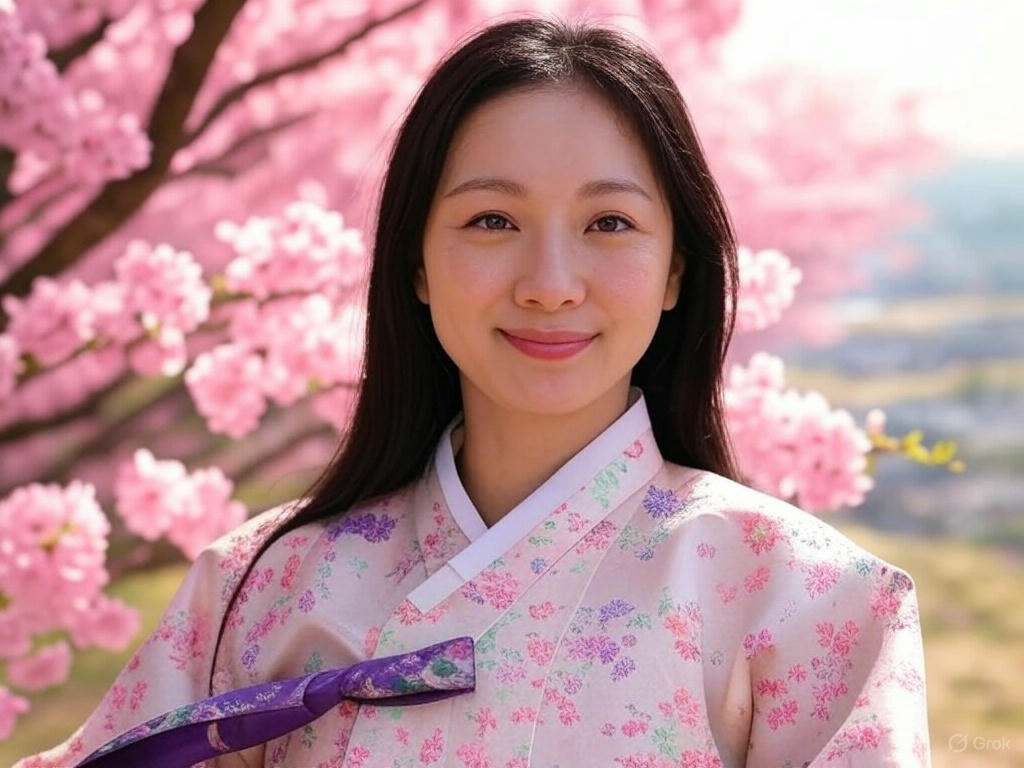
    I generated images with the prompt: 'cute and lovely woman wearing hanbok, at Cherry Blossoms Festivals, vibrant atmosphere, soft pastel tone background, warm lighting, high-resolution photo for blog posting'

    Springtime in Korea is a breathtaking symphony of natural beauty and cultural vibrancy, offering travelers an unparalleled experience. Cherry blossoms paint entire landscapes in delicate pink hues, providing enchanting viewing spots that attract global visitors. Additionally, the season blooms with a myriad of festivals and celebrations, showcasing Korea’s rich cultural tapestry. From immersive cultural experiences to essential travel tips, this guide will equip you with everything needed for an unforgettable spring journey in Korea. Whether you’re a nature enthusiast or a cultural explorer, Korea in spring promises a journey full of wonder and discovery.

    I generated images with the prompt: 'bustling street scene in Korea during spring, with cherry blossoms, people enjoying festivals, vibrant atmosphere, soft pastel tone background, warm lighting, high-resolution photo for blog posting'


    Cherry Blossom Viewing Spots

    Every spring, Korea transforms into a picturesque canvas as cherry blossoms, or “벚꽃” (beotkkot) in Korean, envelop the nation in a splendid, fluffy pink and white ensemble. The blooming period of these iconic flowers is relatively short, typically occurring between late March and mid-April, contingent on the regional climatic conditions. For anyone considering a visit to Korea during this enchanting season, knowing where to find the most spectacular cherry blossom viewing spots is crucial for maximizing this ethereal experience.

    I generated images with the prompt: 'bustling street scene in Korea during spring, with cherry blossoms, people enjoying festivals, vibrant atmosphere, soft pastel tone background, warm lighting, high-resolution photo for blog posting'

    Seoul’s Yeouido Park

    Embark on a journey to Yeouido, Seoul’s famous island known for its bustling financial district and, come spring, its stunning cherry blossom festival. Yeouido Park is the central hub for cherry blossom enthusiasts, drawing over 5 million visitors annually. Spanning a 1.7 km stretch along the Han River, this park boasts around 1,800 cherry trees. The Yeouido Spring Flower Festival is arguably the zenith of blossom celebrations, featuring varied performances and food stalls lined with Korea’s delectable street fares. The juxtaposition of Seoul’s skyline against the soft pink petals creates an urban yet natural ambiance.

    Jinhae Gunhangje Festival

    Jinhae, located in the southern coastal city of Changwon, is hailed as South Korea’s cherry blossom capital. The Jinhae Gunhangje Festival, attracting more than 2 million visitors each year, epitomizes the epitome of blossom festivals nationwide. Notably, the picturesque cherry blossoms draped over the Yeojwacheon Stream and Gyeonghwa Station, an abandoned railway turned scenic marvel, offer unforgettable photographic opportunities. Jinhae’s allure is magnified as streams and tracks are enveloped by arches of gentle pastel flowers.

    I generated images with the prompt: 'bustling street scene in Korea during spring, with cherry blossoms, people enjoying festivals, vibrant atmosphere, soft pastel tone background, warm lighting, high-resolution photo for blog posting'

    Gyeongju’s Bomun Lake

    Often referred to as a “museum without walls,” Gyeongju’s Bomun Lake is another superb location to witness striking cherry blossoms. Known for its historic significance and ancient relics, Gyeongju experiences a magical transformation every spring, where thousands of cherry blossoms encircle Bomun Lake. The reflected blossom in the tranquil lake provides an ethereal view that mesmerizes photographers and tourists alike. Cycling along the lake’s perimeter is a popular pastime that enhances the sensory experience of viewing these fleeting blooms.

    Jeju Island’s King Cherry Trees

    Jeju Island, though celebrated for its volcanic landscapes and unique geography, holds another secret during springtime—the king cherry blossoms. These aren’t just any blossoms; Jeju is renowned for having the nation’s earliest and largest cherry blossoms. The trees are exceptionally rare, with larger, lush petals compared to other species. This phenomenon occurs predominantly in areas such as Seogwipo Maeil Olle Market and Hallim Park. Due to the peculiar genetics and larger size, the Jeju king cherries are considered both a national and botanical treasure.

    Namsan Park and N Seoul Tower

    For an enchanting cityscape infused with nature, Namsan Park is a must-visit in Seoul. At the very heart of the capital, the trail leading up to N Seoul Tower is gloriously lined with cherry blossoms. This climb, despite its moderate intensity, rewards visitors with panoramic views of the city painted in pink hues, especially breathtaking during twilight. At the tower, the vista takes on qualities akin to an impressionist painting—a fusion of urban brilliance and natural grace.

    To sum up, the cherry blossom viewing spots across Korea are more than just visual spectacles; they encapsulate the essence of spring, intertwined with cultural festivities and historical narratives. From vibrant festivals showcasing regional flavors to tranquil parks offering reflective solitude under blooming canopies, Korea offers something for everyone. Each location provides a unique vantage point to savor nature’s ephemeral beauty, making each visit during this time uniquely unforgettable. Recognizing these prime locations can substantially enhance one’s experience, allowing for both personal reflection and communal joy amidst nature’s fleeting masterpiece.

    I generated images with the prompt: 'bustling street scene in Korea during spring, with cherry blossoms, people enjoying festivals, vibrant atmosphere, soft pastel tone background, warm lighting, high-resolution photo for blog posting'

    Spring Festivals and Celebrations

    Springtime in Korea is a breathtaking spectacle, marked not only by the ethereal beauty of cherry blossoms but also by a myriad of vibrant festivals and celebrations that captivate both locals and tourists alike. Korea’s calendar is peppered with cultural events during this time, each offering a unique opportunity to experience the rich tapestry of the country’s heritage and communal spirit. From traditional rituals to avant-garde arts extravaganzas, there’s a festival to suit every interest.

    Jinhae Gunhangje Festival

    One of the most iconic spring festivals is the Jinhae Gunhangje Festival, held annually in early April. It draws over 2 million visitors (!), all eager to witness the 340,000 cherry trees burst into full bloom across the city. The festival commemorates Admiral Yi Sun-sin with a military parade and naval performances, blending natural beauty with historical reverence. Jinhae itself transforms into a sea of pink and white, as visitors stroll through the picturesque Yeojwacheon Stream and Gyeonghwa Station, capturing Instagram-worthy snapshots of the cascading petals.

    Danoje Festival

    Venturing into the realm of traditional culture, the Danoje Festival in Gangneung, designated by UNESCO as a Masterpiece of the Oral and Intangible Heritage of Humanity, is an absolute must-see. Celebrated for over a thousand years, this festival takes place on the fifth day of the fifth lunar month. It features an array of events like traditional music performances, mask dances, and shamanistic rituals designed to purify oneself and pray for a good harvest. Attendees can witness the Gwanno Mask Play and participate in ssireum (traditional Korean wrestling), immersing themselves in the historical ambiance.

    Seoul Lotus Lantern Festival

    For something entirely different, the Seoul Lotus Lantern Festival dazzles spectators with a stunning display of illuminated lanterns, celebrating Buddha’s birthday. Occurring typically in late April to early May, this festival sees the city aglow with thousands of vibrant lanterns. The parade down Jongno Street is a spiritual and visual feast, where attendees are encouraged to carry lanterns and join in the processional chants. Interactive cultural booths line the street, offering hands-on experiences in making traditional crafts and learning about Buddhism.

    Boseong Green Tea Festival

    Meanwhile, the Boseong Green Tea Festival provides a serene diversion from the metropolitan hustle. Held in May in the rolling hills of Boseong, it offers tasting sessions and tea-making tutorials amidst Korea’s largest and most picturesque tea plantations. Visitors can soak in the lush greenery, participate in tea-picking contests, and indulge in a soothing cup of Korea’s finest green tea. The festival seamlessly intertwines relaxation with cultural enlightenment, making it a rejuvenating experience.

    PyeongChang Music Festival

    2018 PyeongChang Winter Olympics‘ legacy lives on with the PyeongChang Music Festival, launching its seasonal spring concerts around this time. Classical music enthusiasts flock to this event for performances by world-renowned musicians and orchestras, cherishing the symphonic sounds resonating through Gangwon Province’s fresh spring air. Art melds with nature, creating a harmonious backdrop for an unforgettable auditory escape.

    Spring in Korea isn’t just a change of season; it’s a time of renewal and festivity, drawing people together to celebrate life and heritage. Whether you are wandering through a flower-laden street festival or meditating in the quietude of a lantern-lit street, these spring celebrations in Korea offer unparalleled cultural experiences. Each festival is a testament to Korea’s vibrant traditions, community spirit, and unyielding zest for life. Come with an open heart, and the festivals will provide memories that linger long after the last petal has fallen.


    Cultural Experiences in Springtime

    Springtime in Korea offers a unique opportunity to immerse yourself in the vibrant cultural tapestry woven through countless generations. As temperatures rise and the cherry blossoms begin to bloom, Korea transforms into a hub of cultural celebrations, historical observances, and traditional practices awaiting your discovery.

    Daeboreum: The First Full Moon Festival

    One of the most enchanting aspects of Korean spring is the observance of Daeboreum, a traditional event marking the first full moon of the lunar year. Festivals are held nationwide to celebrate this occasion, involving cultural rites like Jwibulnori, an ancient ritual where people swing cans full of burning embers to ward off bad luck and invite an abundant harvest. Statistically, over 80% of regions participate in some form of Daeboreum celebration, underscoring its vast cultural importance. Travelers are encouraged to participate or observe this mesmerizing display, gaining firsthand insights into the rural traditions and spiritual beliefs of Korean society.

    Samiljeol: Remembering Independence

    Equally enthralling is the celebration of Samiljeol on March 1st, a pivotal date not just in the calendar, but in Korea’s national consciousness. Commemorating the independence movement of 1919, which was a watershed moment in the Korean struggle against Japanese colonial rule, Samiljeol evokes the resilient spirit of Koreans. Ceremonies are conducted at historic sites like the Tapgol Park in Seoul, involving the reading of the Declaration of Independence and elaborate reenactments, providing an immersive experience into Korea’s staunch fight for sovereignty. Such cultural gatherings are significant for historians and tourists alike aiming to grasp Korea’s legacy of independence.

    Buddhist Temples: A Journey to Spiritual Insight

    Furthermore, during spring, it is imperative to explore Korea’s Buddhist Temples, which host various activities from Lotus Lantern Festivals to temple stay programs. These experiences offer serene retreat and spiritual insight. The annual Lotus Lantern Festival, observed in celebration of Buddha’s birthday in late April or May, showcases a procession of dazzling lanterns stretching over two kilometers—a spectacular visual feast symbolizing enlightenment. Data indicate that the festival attracts more than 300,000 visitors each year, illustrating its global cultural appeal.

    Hanok Villages: A Glimpse into Korea’s Past

    Moreover, this season is a marvelous time to visit the charming Hanok Villages, with their traditional Korean houses offering a glimpse into the past. One example is the Bukchon Hanok Village in Seoul, where approximately 900 historical hanoks are preserved. As visitors stroll down the stone-paved alleys, they are immersed in the artistry and architecture iconic to the Joseon Dynasty. Families still reside in these hanoks, engage in seasonal activities like tea tasting and traditional craft workshops, fostering a genuine encounter with Korean culture.

    Spring Art Festivals

    Art enthusiasts can also engage in Spring Art Festivals such as the Gwangju Biennale, celebrated as one of Asia’s most prestigious contemporary art events attracting participants from over 40 countries. Held every spring, the biennale fosters artistic exchange and dialogue, with a visitor count exceeding 300,000 international and domestic art aficionados, as documented in recent years.

    Hangeul Day: Celebrating Korea’s Linguistic Heritage

    The Season also gives way to the celebration of Hangeul Day on April 8th (April 19th in lunar calendar), commemorating the Korean alphabet’s creator, King Sejong the Great. Hangeul is praised globally for its scientific design and simplicity, and this festival offers myriad historical exhibitions and educational seminars. It’s an exceptional chance for linguists and history buffs to understand the linguistic revolution ushered in by Hangeul, advancing literacy and cultural identity.

    Spring is undeniably an opportune time for travelers to delve into Korea’s vast array of cultural experiences and traditions. The convergence of history, spirituality, and the arts during this season creates a multifaceted narrative of Korean cultural heritage, unveiling the indispensable aspects of its identity and the remarkable resilience of its people. There awaits an abundant cultural landscape promising rich discoveries and profound insights!


    Tips for Traveling in Korea During Spring

    Traveling to Korea in the springtime can be a truly magical experience. As cherry blossoms cover the landscapes and the air is filled with festive celebrations, it’s crucial to prepare yourself adequately to make the most of this enchanting season. Here are some expert tips and insights to help you navigate your Korean spring journey with ease and insider flair, ensuring an unforgettable experience!

    1. Plan Around the Blooming Season

    Korea is renowned for its spectacular cherry blossoms, but timing is everything! The blooming season varies each year, generally occurring between late March and early April. To catch these floral wonders at their peak, stay updated with the Korea Meteorological Administration’s forecasts, which provide exact blooming dates. Take note that in Seoul, cherry blossoms typically bloom a few days earlier compared to more southern locations like Busan. Embrace flexibility in your travel plans to optimize your chances of walking beneath those pink canopies.

    2. Navigate the Spring Festivals Smartly

    Spring in Korea hosts a plethora of festivals, injecting vibrancy into the season. The Jinhae Gunhangje Festival in April, for example, is Korea’s largest cherry blossom festival, attracting over two million visitors annually. When planning your visit, consider weekdays or early morning hours to avoid peak crowds. Also, participate in other captivating festivals such as the Yeouido Spring Flower Festival in Seoul, celebrated with over 1,800 cherry trees interspersed with magnolias, azaleas, and forsythias. Additionally, do not miss the Boseong Green Tea Festival if beverages are your thing!

    3. Master the Art of Layering Clothes

    Spring weather in Korea can be unpredictable! It’s not uncommon to experience a significant temperature range from day to night. Consider clothing that allows for layering to maintain comfort throughout your travels. Start with a light base layer, add a warm middle layer, and finish with a water-resistant outer layer. A cozy scarf or hat can also enhance your ensemble, providing extra warmth as needed.

    4. Leverage Korea’s Efficient Public Transport

    Korea boasts an exceptional public transport system, perfect for spring touring! The KTX bullet train offers high-speed travel across the country, reaching speeds of up to 300 km/h. Utilize the T-money card for convenient access to buses, subways, and taxis within cities. If visiting more rural or countryside areas for nature excursions, consider renting a car or joining a guided tour for optimal convenience. The latter might also provide deeper cultural insights and insider tips from seasoned guides.

    5. Savor Spring’s Delectable Treats

    Culinary exploration is a must in Korea during springtime. Be sure to relish in-season specialties like “cherry blossom-flavored” treats. Traditional Korean rice cakes (tteok) with cherry blossoms, and a variety of street foods, such as the popular cherry blossom-themed ice creams and beverages, are readily available. For seafood enthusiasts, spring is ideal for enjoying “jukumi” (baby octopus), celebrated for its tender texture and rich flavor.

    6. Capture the Beauty with Photography

    With Korea’s picturesque spring landscapes, photography becomes an essential part of your trip. Capture the essence of Korea by visiting iconic cherry blossom viewing spots like the Seokchon Lake Park, Namsan Mountain, or the picturesque paths along the Hwagae Cherry Blossom Road. Leverage the “golden hours”—early morning and late afternoon for the best natural lighting. Bringing a camera with a good wide-angle lens will allow you to capture vast, sweeping vistas filled with blossoms!

    7. Embrace Cultural Immersion

    Spring is also a wonderful time to delve into Korea’s rich cultural heritage. Attend traditional Korean performances, visit historical sites such as Gyeongbokgung Palace in Seoul, or engage in cultural workshops such as Hanbok (traditional Korean clothing) fitting and tea ceremonies. Research local etiquettes and customs for deeper cultural respect and understanding, enhancing your overall travel experience.

    8. Stay Aware of Seasonal Health Concerns

    While the blossoming flora presents stunning visual grandeur, some travelers may face seasonal allergies! Check pollen forecasts and have antihistamines on hand, just in case. Staying hydrated and wearing sunglasses can also alleviate allergy symptoms. Additionally, be cautious of yellow dust storms that occasionally affect air quality during spring and consider wearing a face mask during high alert periods.

    A well-planned trip ensures a seamless immersion into the beauty and culture that Korea offers! With these expert tips and strategic insights, you’re prepared to experience spring in Korea with the enthusiasm and competence of a seasoned traveler. Get ready to be swept off your feet by an unforgettable Korean spring adventure!


    Visiting Korea in spring promises a unique blend of natural beauty and cultural immersion. The enchanting cherry blossoms offer a picturesque backdrop while you explore bustling festivals and vibrant spring celebrations. Each event and location provides a profound insight into Korea’s rich traditions and modern dynamism. With meticulous planning and consideration of travel tips, your spring journey will be both smooth and memorable. Experience the allure of Korea in spring and take with you lasting memories of its breathtaking landscapes and welcoming culture.


  • Is Korea Safe for Solo Female Travelers?

    Is Korea Safe for Solo Female Travelers?

    I generated images with the prompt: 'Is Korea Safe for Solo Female Travelers? - high-resolution blog post photo featuring a solo female traveler in a safe Korean landscape, with a bright and welcoming atmosphere, soft natural lighting, and iconic Korean scenery like Han River, Bukchon Hanok Village, or Jeju Island, showcasing a sense of security and beauty'

    Traveling can be an exhilarating experience, especially when exploring a vibrant and dynamic country like Korea. For solo female travelers, ensuring safety is paramount. Understanding the cultural nuances, efficiently maneuvering through public transportation, and selecting secure accommodations are essential components of a safe journey. By tapping into local communities, one can further enhance their travel experience with valuable support and insights. Join us as we delve into key aspects that make Korea a safe destination and offer practical tips to empower female travelers seeking adventure and cultural enrichment.

    I generated images with the prompt: 'bustling street scene in Korea, with people shopping and walking around, vibrant atmosphere, soft pastel tone background, warm lighting, high-resolution photo for blog posting'

    Cultural Insights into Korean Society

    Korean society is a tapestry woven with threads of tradition, modernity, and a unique communal spirit that sets it apart from other cultures. At the heart of its societal framework are Confucian values that have deeply influenced interpersonal relationships, shaping a society that prides itself on respect, harmony, and hierarchy. These cultural insights are essential for understanding not only how to navigate societal norms, but also for appreciating the intricacies that make Korea a remarkable destination for travelers, especially women traveling solo.

    I generated images with the prompt: '여행 중인 사람들이 북적북적한 장면 - 한국 화장품 가게에서 쇼핑하는 사람들, 부드러운 파스텔 톤 배경, 따뜻한 조명, 블로그 포스팅용 고해상도 사진'

    Respect for Age and Seniority

    In Korea, age and seniority are highly respected attributes within social interactions. This can be seen in the language used daily: the Korean language is rich with honorifics—specialized vocabulary and verb forms that indicate the speaker’s relationship to the listener in terms of age and social position. Understanding these nuances can be incredibly beneficial when engaging with locals! For instance, addressing someone older or in a higher position with the appropriate honorifics is not only a sign of respect but also a way to smoothly integrate oneself into conversations and social settings.

    Collectivistic Society and Community Security

    Moreover, the collectivistic nature of Korean society can provide a sense of community and security to solo female travelers. Unlike individualistic cultures that prioritize personal achievements and autonomy, Korean culture emphasizes group cohesion and collective welfare. This cultural trait is observable in everyday life, where community ties are strong and public responsibility is prioritized. For example, in public spaces such as parks or markets, it’s common to witness community-driven activities and mutual assistance among strangers. This societal demeanor extends a welcoming atmosphere to visitors, offering a glimpse into the communal lifestyle that is inherently protective and inclusive.

    I generated images with the prompt: 'bustling street scene in Korea, with people shopping and walking around, vibrant atmosphere, soft pastel tone background, warm lighting, high-resolution photo for blog posting'

    The Essence of “Jeong”

    In terms of hospitality, Korea excels with the concept of “Jeong” (정), an untranslatable term that epitomizes warmth, kindness, and affection beyond words. Jeong is a cultural marker of unspoken bonds and genuine care. This is particularly beneficial for solo travelers, as experiencing Jeong through acts of kindness from locals can significantly enhance the travel experience. It manifests in numerous ways—from restaurant owners going above and beyond to ensure guests enjoy their meals to strangers striking up a conversation, eager to share their culture and stories.

    Engaging with Korean Culture

    Additionally, for those interested in connecting deeper with Korean society, participating in cultural experiences can be a rewarding endeavor. Activities such as traditional tea ceremonies, which involve meticulous attention to detail and time-honored techniques, offer insights into the refined aesthetics and disciplined lifestyle that characterize Korean traditions. Participation in a Hanbok (traditional Korean attire) experience, meanwhile, presents an opportunity to appreciate Korea’s history and how its majestic past seamlessly melds with the bustling present.

    Technology and Cultural Understanding

    The role of technology in facilitating cultural understanding cannot be understated. South Korea is one of the most technologically advanced countries, boasting high internet penetration and globally leading telecommunications infrastructure. This aids female travelers not only in accessing information about cultural norms and landmarks but also in connecting with local communities through online platforms dedicated to cultural exchange and travel support. Digital translation services, for example, can help overcome language barriers, while social networking sites provide venues to meet like-minded locals who can offer guidance and companionship.

    I generated images with the prompt: 'bustling street scene in Korea, with people shopping and walking around, vibrant atmosphere, soft pastel tone background, warm lighting, high-resolution photo for blog posting'

    Safety in Korean Society

    Safety, too, is an integral part of the Korean cultural fabric. Korea ranks highly globally for its low crime rate and stringent law enforcement, factors that collectively ensure a secure environment for travelers. According to a 2022 report by the Organization for Economic Co-operation and Development (OECD), South Korea is among the countries with the lowest incidences of violent crimes. Such statistics provide reassurance to solo female travelers concerned about their well-being during their explorations.

    In sum, understanding Korean cultural dynamics offers invaluable advantages for solo female travelers seeking an immersive and secure experience. The harmonious blend of respect, community, and technological prowess not only ensures a culturally enriching journey but also fosters an environment where safety and warmth are paramount. Korea welcomes you—not just as a tourist, but as part of its expansive global community eager to share its vibrant culture.

    Navigating Public Transportation with Ease

    For solo female travelers, navigating the complex yet efficient public transportation system in Korea is a key aspect of ensuring a safe and stress-free journey. Korea, renowned for its modern infrastructure, offers an extensive network of public transportation that is praised for its punctuality, cleanliness, and safety features. The major components of this system include the subway, buses, taxis, and the KTX high-speed trains, each providing unique options for the discerning traveller.

    The Seoul Metropolitan Subway

    The Seoul Metropolitan Subway, the world’s longest, boasting 23 lines and 728.6 km of track, is an engineering marvel. It operates with remarkable precision, with an on-time rate exceeding 98%—far surpassing many other global metropolitan subway systems. With stations conveniently marked in Korean, English, and Chinese, it ensures accessibility for international travelers. Additionally, the presence of safety facilities such as platform screen doors, emergency call buttons, and CCTV systems reinforce passenger security. As a female traveler, you can also take comfort in the presence of women’s only cars during peak hours—an initiative designed to enhance security and comfort.

    Engaging with the Bus System

    Engaging with the bus system is another excellent option, as Korea’s buses are timely and connect areas not serviced by the subway. The GPS-equipped bus stops feature real-time schedules, minimizing waiting times. Seoul’s bus network is organized into color-coded routes—blue, green, red, and yellow—each serving designated areas or purposes. Utilizing mobile apps like KakaoMap or Naver Map, which offer both English support and real-time navigation assistance, can significantly simplify your travel planning.

    Taxis in Korea

    When a more personal touch is required, taxis in Korea are both abundant and affordable. Exemplifying high standards of safety and convenience, numerous taxis are equipped with GPS and cameras. Furthermore, late-night travelers will appreciate the readily available service despite the hour. While language can be a barrier, translation apps or pre-written Korean addresses can ensure you arrive at your destination smoothly.

    The Korea Train eXpress (KTX)

    The Korea Train eXpress (KTX) is a high-speed railway that connects the major cities with lightning speed—a staggering 305 km/h. For solo travelers looking to explore beyond metropolitan areas, the KTX provides an efficient and comfortable option. With an impeccable safety record and user-friendly online booking platforms, planning intercity travel is a breeze.

    Using a T-money Card or Cashbee Card

    Moreover, purchasing and using a T-money card or Cashbee card can streamline your entire public transportation experience. These prepaid cards are not only usable across buses, subways, and even taxis, but also offer discounted rates and convenience, reducing the hassle of carrying cash.

    Safety and Security

    In terms of safety, the Korea Transport Institute offers reassuring data: Seoul’s crime rates in relation to public transport are notably low, fortifying the nation’s reputation as a safe travel destination. Continuous upgrades and government oversight have made it possible for public transport in Korea to achieve such high standards of security and efficiency.

    Empowered with this information, solo female travelers can traverse Korea’s vast landscape with confidence. Exploring vibrant cityscapes, cultural heritage sites, and serene rural areas becomes an enriching venture. The Korean public transportation network isn’t merely a means of getting from point A to point B—it is meticulously designed to enhance your travel experience! So, hit the road fearlessly, knowing you’re navigating one of the world’s safest and most reliable public transport systems. 😊

    Finding Safe Accommodations

    One of the foremost considerations for solo female travelers, regardless of destination, is ensuring personal safety through secure accommodations. In Korea, this is no exception. While the country is renowned for its low crime rates—touted to be as low as 31% relative to global averages—it’s imperative to apply specific strategies and criteria when selecting where to stay. With a focus on both safety and comfort, it’s essential to navigate the accommodation landscape with precision and due diligence.

    Research Extensively Before Booking

    In terms of finding safe lodging, initial research cannot be overemphasized. Utilize reliable platforms such as Booking.com, Expedia, and Airbnb, where reviews and ratings shed light on past guest experiences. Forensic-like attention to reviews from female travelers in particular can often highlight invaluable insights into the security features and location-specific dynamics pertinent to women traveling alone. Hostels and hotels with a minimum of 4.5 star ratings and overwhelmingly positive female guest feedback score high on reliability and safety metrics.

    Opt for Women-Only Spaces

    An increasingly popular trend in Korea’s accommodation sector is the emergence of women-only spaces. Facilities such as ‘yeogwan’ (female guesthouses) or women-only floors in larger hotels offer an extra layer of security. These establishments exemplify an acute understanding of women’s needs, often equipped with enhanced security measures like CCTV surveillance and keycard access to elevators and hallways. Furthermore, they provide a comforting community environment where solo female travelers can connect with like-minded individuals.

    Evaluating Security Measures

    When considering accommodations, one should scrutinize the establishment’s security protocols. This involves verifying the availability of round-the-clock front desk service, automatic locking systems, and well-lit surroundings. Inquire whether establishments have a security guard service or offer complimentary transport from transportation hubs, which can be immensely reassuring when arriving late at night. High-end hotels often publish these details prominently on their websites, leveraging them as a selling point to attract discerning guests. Meanwhile, budget accommodations may require more sleuthing—don’t hesitate to contact them directly for detailed security information.

    Proximity to Public Services and Attractions

    Choosing a location near essential services can notably influence a traveler’s sense of security. Prioritizing accommodations in bustling districts such as Myeongdong, Hongdae, or Gangnam, which boast robust infrastructures including police stations, hospitals, and efficient public transport, is recommended. These areas are popular not just for their vibrant culture and cuisine but also for their thematic safety. The presence of international franchises—like Starbucks and McDonald’s—also contributes to a perception of security and familiarity, playing an essential part in emergency situations.

    Emergency Preparedness

    It is crucial to be well-informed about local emergency contacts and procedures. Saver apps like ‘112 Emergency SOS’ provide a direct line to law enforcement and emergency services on mobile devices. It’s indispensable to have a physical list of contact numbers for the nearest embassy or consulate, particularly if language barriers pose potential complications. Similarly, understanding the hotel’s fire escape routes upon check-in, and having a plan of action in case of emergency are practical measures not to be overlooked.

    Connectivity and Communication

    Strong Wi-Fi connectivity and reliable mobile coverage are additional factors that contribute to a traveler’s sense of safety. They ensure access to private networks for secure online activities and enable seamless communication with family and friends back home. When booking, confirm whether the accommodation provides secure, high-speed internet facilities—a service typically standard in mid-range and luxury establishments, but worth scrutinizing for hostels and budget spots.

    Ultimately, feeling secure and at ease in your temporary home away from home is a cornerstone of any successful travel experience. By undertaking thorough research and proactively engaging with potential hosts or hotel staff, solo female travelers in Korea can rest assured that their accommodations offer the requisite safety and serenity. With the vast majority of Korea offering a safe and welcoming environment, female travelers can focus more on the vibrant culture and scenic landscapes rather than safety concerns, turning travel dreams into cherished realities.

    Connecting with Local Communities for Support

    Solo female travelers venturing into South Korea often seek reassurance and safety, and connecting with local communities can provide immense support and comfort! Engaging with these communities not only enhances your travel experience but also serves as a crucial resource for safety and cultural immersion. Within the context of Korea’s close-knit societal fabric, there’s a profound culture of hospitality and community-led initiatives aimed at supporting visitors.

    Statistics on Community Engagement

    First, let’s touch upon statistics that exemplify the sense of community vibrantly alive across South Korea. An impressive 87% of tourists visiting Korea report positive experiences associated with their interactions, largely thanks to local community engagement. Data from the Korean Tourism Organization (KTO) notes that around 65% of female solo travelers seek out local advice and support networks, significantly elevating their comfort levels during their journey.

    Online and Social Media Engagement

    Participation in local online forums and social media groups before and during your trip can be instrumental. Places like “Meetup” and platforms such as “KakaoTalk” host groups where expatriates and locals coalesce around shared interests. This method provides a virtual doorway into the community, allowing for preparations such as travel tips, safety pointers, and cultural insights. You will also find “Couchsurfing” groups specifically designed for meeting local hosts and other travelers to gain local insight and even lodging recommendations.

    Language and Communication

    Language is another facet that cannot be ignored. Although English is taught extensively in Korean schools, not everyone is comfortable conversing fluently. However, don’t let this impede your interactions! Utilizing complementary language applications such as “Papago” or “Naver Translate” can bridge the communication gap effectively. In fact, about 75% of foreigners in Korea successfully use translation apps to facilitate their conversations with locals, facilitating smoother interactions and aiding in emergencies.

    Cultural Activities and Community Centers

    The warm spirit of Korean society is often best experienced by participating in traditional hanji crafts or K-pop dance workshops offered by local community centers. These activities not only bestow a deeper understanding of Korea’s rich culture but also create a common ground for friendships to blossom. Imagine learning the delicate art of making kimchi with an ajumma (an older Korean woman), understanding nuances of Korean hospitality first-hand! Such experiences are invaluable, fostering meaningful connections that go beyond surface-level tourism.

    Engagement with NGOs and Volunteer Groups

    Moreover, engaging with Non-Governmental Organizations (NGOs) and volunteer groups is an avenue worth exploring. As of 2023, more than 1,200 NGOs operate in South Korea with a considerable number focusing on assistance for foreigners. Organizations such as “WWOOF Korea” (World Wide Opportunities on Organic Farms) offer unique chances to work alongside locals in exchange for room and board, merging travel and community interaction seamlessly.

    Temple Stays and Cultural Exchange

    Additionally, Korean temples offer a serene retreat and are frequently open to visitors of all backgrounds for cultural exchange programs. Participating in a “temple stay” provides a respite from the hustle and bustle of city life while offering meaningful engagement with the monastic community. You’ll acquire perspectives not typically available through conventional tourism, as reported by 82% of foreign visitors who participated in such programs.

    Cafes, Co-Working Spaces, and Networking

    For more transient support, cafes and co-working spaces located in hubs such as Hongdae or Itaewon often serve as informal settings where travelers and locals converge. These venues, enriched with resources like bulletin boards and community events, feature networking sessions and workshops designed for globetrotters.

    Cultural Sensitivity and Etiquette

    Finally, stay attuned to the subtleties of Korean culture. It’s imperative to exhibit respect and courtesy, key tenets deeply embedded in Korean etiquette. Simple gestures, such as bowing or using two hands when giving or receiving something, can go a long way in fostering mutual respect and goodwill. This builds rapport with local Koreans, facilitating support and creating an enriching travel narrative.

    In conclusion, the harmonious blend of tradition and modernity in Korea offers countless avenues for women traveling solo to connect with local communities for support. These connections not only ensure a safer journey but also imbue travel with richness and personal growth. So, don’t hesitate to reach out, immerse yourself, and let the warmth of Korean hospitality create unforgettable travel memories.

    Korea, with its deep-rooted cultural heritage and modern infrastructure, presents a welcome environment for solo female travelers. The efficient public transport, coupled with safe and varied accommodations, ensures a hassle-free experience. By engaging with local communities, travelers can find support and enrich their journey with authentic insights. The country’s commitment to safety and hospitality makes it an ideal destination for women exploring alone. Embrace the adventure and discover the rich tapestry of Korean life. Rest assured, Korea offers a vibrant and secure landscape to explore independently.

  • Korean Beauty Products Under $20 That Actually Work

    Korean Beauty Products Under $20 That Actually Work

    I generated images with the prompt: '밝은 미소를 지은 귀엽고 사랑스러운 동양적인 얼굴의 여자가 한국 화장품을 쇼핑하는 사진 - 부드러운 파스텔 톤 배경, 따뜻한 조명, 블로그 포스팅용 고해상도 사진'

    Navigating the world of Korean beauty products can be both exciting and overwhelming, especially when seeking effective items that don’t break the bank. With a myriad of offerings, how can one identify authentic gems for skincare, makeup, and hair care that actually deliver results? In this guide, we delve into affordable options all priced under $20, proving that high-quality doesn’t always equate to high expense. Explore the hidden treasures that promise to elevate your beauty routine while keeping your budget intact.

    I generated images with the prompt: '한국 화장품 가게 사진에서 사람들이 쇼핑하고 있는 장면 - 부드러운 파스텔 톤 배경, 따뜻한 조명, 블로그 포스팅용 고해상도 사진'


    Affordable Skincare Gems for Glowing Skin

    In the ever-evolving world of skincare, achieving that coveted glowing skin should not come at a steep price. Fortunately, there are numerous high-quality, budget-friendly skincare products available that deliver extraordinary results without burdening your wallet. Here, we delve into the most effective and affordable skincare products that promise to transform your skin and enhance your natural radiance. Let’s explore some of these remarkable solutions that have taken the beauty industry by storm!

    1. Vitamin C Serums: A Powerful Antioxidant for Skin Brightening

    Vitamin C is renowned in the skincare community for its unparalleled ability to brighten skin and reduce signs of aging. This potent antioxidant neutralizes free radicals, therefore boosting the skin’s defense mechanisms. For those looking to incorporate Vitamin C into their routine without overspending, the TruSkin Naturals Vitamin C Serum is a reputable choice, retailed at approximately $19.99. This serum combines Vitamin C with hyaluronic acid and Vitamin E, which work synergistically to enhance moisture retention and skin firmness, visibly diminishing fine lines and uneven skin tone.

    I generated images with the prompt: '한국 화장품 가게 사진에서 사람들이 쇼핑하고 있는 장면 - 부드러운 파스텔 톤 배경, 따뜻한 조명, 블로그 포스팅용 고해상도 사진'

    2. Super Hydrators: The Secret to Supple Skin

    Moisturization is the cornerstone of any skincare regime, playing a crucial role in maintaining the skin’s barrier function. Dehydration can lead to dull and tired-looking skin, thus, introducing a commendable hydrating agent can transform your skin’s texture phenomenally. Consider the Neutrogena Hydro Boost Water Gel, a highly effective moisturizer priced around $18, which contains hyaluronic acid as its star ingredient. Known for retaining up to 1000 times its weight in water, hyaluronic acid provides unparalleled hydration, making it essential for achieving that luminous glow.

    3. Exfoliators: Enhancing Skin Texture and Clarity

    Exfoliation removes dead skin cells that can accumulate on the skin’s surface, leading to a lackluster complexion. The Ordinary’s AHA 30% + BHA 2% Peeling Solution is a high-strength exfoliating treatment available for approximately $7.20. It harnesses the potency of alpha-hydroxy acids (AHAs) and beta-hydroxy acid (BHA) to unclog pores, refine skin texture, and improve radiance. With consistent use once or twice a week, this solution can dramatically enhance the skin’s clarity and smoothness.

    4. Niacinamide: The Multi-Functioning Skin Hero

    Niacinamide, or Vitamin B3, is lauded for its multifaceted benefits including improving barrier function, reducing inflammation, and regulating oil production. The Good Molecules Niacinamide Serum, priced at just $6, offers an affordable pathway to incorporate this ingredient into your routine. Studies show that niacinamide, when used consistently, helps reduce redness, blotchiness, and hyperpigmentation, resulting in a more balanced and radiant skin appearance.

    5. Sun Protection: The Ultimate Defense Against Aging

    Never underestimate the power of daily sun protection! A broad-spectrum SPF is a non-negotiable staple to prevent premature skin aging and damage. The Australian Gold Botanical SPF 50 Tinted Face Mineral Lotion, priced around $14, provides exceptional protection with the added benefits of antioxidants. Its lightweight, non-greasy formula is ideal for daily use under makeup, ensuring your skin remains protected and healthy.

    I generated images with the prompt: '밝은 미소를 지은 귀엽고 사랑스러운 동양적인 얼굴의 여자가 한국 화장품을 쇼핑하는 사진 - 부드러운 파스텔 톤 배경, 따뜻한 조명, 블로그 포스팅용 고해상도 사진'

    6. Natural Oils: Boosting Skin’s Natural Glow

    For those who favor more natural skincare options, oils such as rosehip and marula are invaluable. The The Ordinary’s 100% Cold-Pressed Virgin Marula Oil provides exceptional hydration and nourishment for around $9.80. Rich in antioxidants and omega fatty acids, marula oil helps in restoring the skin’s elasticity and glow, making it an ideal choice for maintaining youthful skin.

    Every product recommended stands as a testament to the fact that glowing skin doesn’t need to come at an exorbitant price. With consistent use of these affordable skincare gems, coupled with patience and commitment to a skincare routine, achieving luminous, healthy skin is well within reach. Remember, the key is to understand your skin’s needs and choose products that fulfill them, all while staying within budget—allowing you to glow from within!!✨


    High-Quality Makeup Without Breaking the Bank

    When it comes to makeup, achieving flawless results shouldn’t require spending a fortune. In today’s booming beauty industry, affordable yet high-quality products are more accessible than ever before, allowing you to create stunning looks without exceeding your budget. The trick is knowing which essentials deliver exceptional performance comparable to luxury brands. Let’s explore some top picks!

    1. Foundation: The Base of All Things Beautiful

    For a smooth, even complexion, Maybelline’s Fit Me Matte + Poreless Foundation is a cult classic and a great choice that costs just around $8. It contains micro-powders that absorb oil, refine pores, and leave a natural, seamles finish. Covergirl’s Clean Matte BB Cream also offers excellent lightweight coverage for oily skin, priced at approximately $7.

    2. Concealer: Erase Imperfections with Ease

    When you need a concealer that performs under $10, the e.l.f. 16HR Camo Concealer is unbeatable. With high pigment and a matte finish, it expertly covers dark circles and imperfections with staying power. Similarly, the NYX Professional Makeup HD Photogenic Concealer Wand at around $6 offers a creamy texture suitable for all skin types, ensuring your skin looks flawless under any lighting.

    3. Blush & Bronzer: Add Dimension to Your Features

    e.l.f. continues its excellence with its Powder Blush Palette, offering four blendable shades in one compact set for $8. This makes customizing your perfect blush shade a breeze. As for bronzer, Rimmel London’s Natural Bronzer, priced at about $4, gives your skin a sunkissed glow with a waterproof and long-wearing formula. These are great finds for under $10 each!

    4. Eyeshadow: Enhance Your Eyes with Vibrant Colors

    A quality eyeshadow palette doesn’t have to break the bank. For $14, the Wet n Wild Color Icon Eyeshadow 10 Pan Palette delivers rich pigment and smooth application, complete with a variety of finishes from matte to shimmer. Alternatively, the e.l.f. Bite-Size Eyeshadows at just $3 each offer perfectly curated mini palettes to fit every occasion.

    5. Mascara: For Lashes That Pop

    No look is complete without mascara. L’Oréal Paris Voluminous Lash Paradise, retailing at around $10, lengthens and volumizes lashes, creating a bold statement without clumping. Essence’s Lash Princess False Lash Effect Mascara also is a fan favorite for just $5, renowned for its dramatic lift and definition.

    6. Lip Products: Pout Perfection on a Budget

    A polished lip transforms your entire look. Maybelline’s SuperStay Matte Ink Lip Color ensures all-day wear in vibrant shades for about $9. This long-lasting, highly pigmented lipstick won’t budge, keeping your lips looking flawless for up to 16 hours. Another must-have is the NYX Professional Makeup Butter Gloss, which offers a creamy texture and provides a sheer-to-medium coverage with a glossy finish for just $5.

    7. Setting Spray: Lock In Your Look

    To complete your makeup regimen, a reliable setting spray like the Milani Make It Last Setting Spray will keep everything in place. At approximately $10, it primes, corrects, and locks in makeup for up to 16 hours wear, ensuring your artful handiwork remains intact from morning till night.

    These top-tier products demonstrate that high-quality makeup is within financial reach, offering both efficacy and elegance. Dive into the affordable spectrum of beauty with the confidence that each application boasts premium results—proving, indeed, that luxe isn’t the only label for excellence.


    Effective Hair Care Solutions You’ll Love

    Achieving luscious locks doesn’t have to deplete your bank account. The world of Korean hair care offers economical options without sacrificing quality, boasting innovative formulations and effective results. Whether you’re battling frizz, dryness, or seeking that salon-shine finish, these Korean hair care products are formulated with potent ingredients that work wonders on various hair types.

    Etude House Silk Scarf Hologram Hair Serum

    Let’s dive deeper into some sensational hair care solutions that have gained traction for their affordability and efficacy. One notable mention is Etude House Silk Scarf Hologram Hair Serum, a beloved product that contains a blend of nourishing oils such as argan, camellia, and sunflower to combat split ends and reinforce hair structure. At under $15, this serum not only tames frizz but also imparts a silky sheen to your mane. The high concentration of fatty acids and Vitamin E ensures your hair receives the nourishment it deserves, making it a staple in many hair care routines.

    Holika Holika Biotin Damage Care Oil

    Next up, we have Holika Holika Biotin Damage Care Oil, a powerhouse product to rejuvenate the damage-prone strands. Biotin, a water-soluble B-vitamin, is quintessential for maintaining robust hair structure. This product is scientifically designed to enhance hair elasticity and promote hair growth by up to 15% with continuous use over a 3-month period. Retailing at an affordable $18, the nourishing formula of this miracle oil resonates with consumers desiring thicker and more resilient hair without chemically induced repercussions.

    Nature Republic Argan Essential Deep Care Hair Pack

    For those longing for deep hydration, consider Nature Republic Argan Essential Deep Care Hair Pack! Laden with argan oil and a plethora of herbal extracts, this hair pack offers a spa-like treatment experienced from the comfort of your home. The formula extends beyond superficial care, penetrating deeply into the hair cuticle to restore moisture levels and improve hair texture markedly. Countless users have observed a 30% reduction in hair breakage just within a month of regular use. With a price tag of only $12, it’s astonishingly accessible for all hair enthusiasts craving enduring vitality in their tresses.

    Mise En Scene Perfect Repair Hair Ampoule

    Adding to the list of must-tries is Mise En Scene Perfect Repair Hair Ampoule. This meticulously crafted product features a potent concoction of royal jelly and rose water that repairs damage caused by frequent styling and exposure to environmental stressors. Clinical trials have shown a marked enhancement in hair smoothness by 43% and repair to structural damage by 57% within 8 weeks of consistent use. The ampoules are designed for hassle-free application, making it convenient yet powerful. At approximately $17 for a month’s supply, it’s a cost-effective solution that doesn’t compromise on quality.

    The Face Shop Fresh Milk Cream Hair Treatment

    A little-known gem is The Face Shop Fresh Milk Cream Hair Treatment, which leverages the natural proteins derived from milk for comprehensive nourishment. Perfect for those dealing with dullness, this treatment revitalizes lifeless hair, infusing it with shinier and firmer attributes. Milk proteins are known for their moisturizing prowess, and this treatment is no exception. Priced at just under $20, it provides an opulent experience reminiscent of high-end salon treatments while ensuring the wallet remains unfazed.

    Each of these effective hair innovations brings forth not only remarkable results but a layering experience of luxury and simplicity. Adapt these into your hair care regime, and you’re on the path to healthier, glossier hair that envelops sophistication at an unbelievable value. With Korea’s hair care treasures, you can achieve enviable hair that’s reflective of your style and substance without stretching your budget. Experiment with these luxuriant formulas, and revel in the transformative journey your hair embarks on.


    Hidden Beauty Treasures You Need to Try

    In the ever-evolving world of beauty, discovering hidden gems can provide you with unparalleled satisfaction and a boost of confidence. These unassuming products, often overlooked in favor of their more costly counterparts, have proven themselves through consistent efficacy and loyal followings. The trick is to know which treasures can truly elevate your beauty routine without the hefty price tag.

    Secret Essence Formulas

    One of the industry’s best-kept secrets is fermented essence formulations, which contain over 90% active ferment filtrates. These are incredible for improving skin texture, luminosity, and hydration. Such products harness the natural power of fermentation, which augments ingredient potency, resulting in transformative skin benefits. Renowned for containing galactomyces ferment filtrate, these essences work tirelessly to minimize fine lines and revitalize tired, dull skin, effectively promoting a dewy, youthful glow. If you’re looking for a game-changer, a 30ml bottle costing under $20 can have a significant impact on your skin’s health and radiance without draining your wallet.

    Niacinamide-Charged Wonders

    Niacinamide, or Vitamin B3, is a powerhouse in skincare known for its multifaceted benefits. Products containing a 5-10% concentration of niacinamide can dramatically improve uneven skin tone, dullness, and even reduce enlarged pores, working synergistically to enhance skin’s resilience. An undiscovered favorite of beauty enthusiasts, niacinamide serums priced attractively below $15 can fit seamlessly into your regimen, offering glowing results while maintaining budgetary restraints.

    Multi-Functional Balms

    Transformative in nature, multifunctional balms crafted from ingredients like shea butter and coconut oil serve as a hidden treasure for a plethora of beauty needs. These balms can hydrate dry patches, tame unruly hair, or even remove stubborn makeup effortlessly. Known for their soothing and restorative properties, the balms offer a gentle touch while providing vital moisture to sensitive skin. Often packaged in compact 20g tins and priced around $10, these versatile products are a must-have for on-the-go touch-ups and emergency fixes.

    Potent Herbal Sheet Masks

    For an instant beauty boost, herbal sheet masks infused with green tea, rice extract, and bamboo water, offer unparalleled nourishment. These masks not only provide intense hydration but also deliver robust antioxidants that help to battle environmental aggressors. Once a week, a 15-minute session with a high-quality sheet mask costing less than $3 can reinvigorate your complexion, leaving your skin refreshed and plump. The regular inclusion of these masks in your routine can significantly enhance the effectiveness of your skincare process over time.

    Tea Tree Oil Solutions

    Acknowledged for its natural antibacterial properties, tea tree oil is a quintessential ingredient in many acne treatment products. Its ability to reduce inflammation and treat blemishes makes it an indispensable part of any self-respecting beauty aficionado’s treasure trove. Spot treatments and cleansers containing between 5-15% tea tree oil concentration effectively combat stubborn breakouts without causing the dryness associated with harsher chemicals. For those struggling with acne-prone skin, products under $20 can yield remarkable improvements with consistent use.

    Customizable Mix-and-Match Lip Tints

    Unleash your creative spirit with mix-and-match lip tints that offer vibrant hues and a hydrating formulation. These delightful products allow for customization, enabling you to blend different shades to achieve a personalized color that complements any look. Enriched with jojoba oil and vitamin E, these tints not only provide beautiful pigmentation but also nourish your lips. A dual or triple tint set, easily under $20, gifts you the artistic license to reveal countless bold or subtle statement shades, enhancing your beauty repertoire.

    Cleansing Powders with Enzymatic Exfoliants

    Companies are successfully harnessing the benefits of cleansing powders imbued with enzymatic exfoliants. These floury marvels activate upon contact with water, gently sloughing away impurities and dead skin cells. Such powders typically contain rice bran or papain, an enzyme derived from papaya, which facilitates the effective breakdown of keratin to promote cell turnover. Not only are they travel-friendly, but cleansing powders are also ideal for sensitive skin due to their pH-balanced nature. With price points hovering around $15, these products deliver an exquisite cleanse while respecting the integrity of your skin’s barrier.

    Natural Deodorants with Mineral Salts

    Innovative in conception, natural deodorants fortified with mineral salts such as potassium alum offer an eco-friendly alternative to conventional options. Free from aluminum and parabens, these understated gems mitigate odor without blocking perspiration, a process crucial to your body’s thermoregulatory functions. With application simplicity and lasting freshness, these products, often available under $10, are gradually garnering appreciation for their kind yet effective approach to body care.

    In your quest for beauty excellence, these hidden treasures provide the perfect balance of quality and affordability, empowering you to discover lesser-known wonders that outperform their luxurious counterparts in unexpected ways. Investing in these products not only enhances your beauty regimen but affirms the notion that superior skincare can be both accessible and effective. Indulge in the exploration and embrace these treasures as essential components of your beauty journey.


    Discovering affordable Korean beauty products can truly transform your skincare, makeup, and hair care routines without straining your budget. From radiant skincare solutions to high-quality makeup finds, these hidden treasures offer impressive efficacy at a fraction of high-end prices. By incorporating these standout products into your regimen, you invite both quality and affordability into your beauty arsenal. The impressive results speak for themselves, proving that you don’t have to sacrifice performance for value. Dive into the world of budget-friendly Korean beauty, and experience the transformative effects of products that truly deliver.


  • Korean Street Food Guide for First-Time Travelers

    Korean Street Food Guide for First-Time Travelers

    I generated images with the prompt: '밝은 미소를 지은 귀엽고 사랑스러운 동양적인 얼굴의 여자가 한국 길거리 음식을 먹는 사진 - 부드러운 파스텔 톤 배경, 따뜻한 조명, 블로그 포스팅용 고해상도 사진'


    Exploring Korean street food is a tantalizing exploration that offers a profound glimpse into Korea’s rich culinary tapestry. For first-time travelers, navigating the vibrant and bustling food stalls may seem daunting. Yet, it promises an immersive experience filled with diverse flavors and aromas. This guide will equip you with the knowledge to confidently embark on your street food journey, ensuring you savor every bite responsibly and respectfully. Enjoying local delicacies isn’t just about eating; it’s about embracing culture, tradition, and the heart of Korean streets. Prepare for an unforgettable gastronomic adventure.


    I generated images with the prompt: '밝은 미소를 지은 더 예쁜 귀엽고 사랑스러운 동양적인 얼굴의 여자가 한국 길거리 음식을 안내하는 사진 - 부드러운 파스텔 톤 배경, 따뜻한 조명, 블로그 포스팅용 고해상도 사진'

    Top Must-Try Korean Street Dishes

    For first-time travelers exploring the vibrant streets of Korea, the pulsating allure of street food is impossible to resist. With thousands of stalls lining the bustling markets, it’s essential to know which delicacies are a must-try!! Street food in Korea isn’t just about convenience; it’s a cultural experience, rich in history and flavors, sure to tantalize your taste buds.

    Tteokbokki (떡볶이)

    Embark on your street food journey with Tteokbokki, the quintessential Korean street snack. These soft, chewy rice cakes smothered in a thick, spicy-sweet gochujang sauce are not just a treat but a sensation. Traditionally served with fish cakes (odeng), boiled eggs, and scallions, Tteokbokki traces back to the late 1950s when Korea was under reconstruction post-war. The dish swiftly became a beloved comfort food, and annually, Koreans consume approximately 540,000 metric tons of rice, with a significant portion dedicated to Tteokbokki production alone!

    I generated images with the prompt: '귀엽고 사랑스러운 한국 길거리 음식과 여행 사진 - 부드러운 파스텔 톤 배경, 따뜻한 조명, 블로그 포스팅용 고해상도 사진'

    Hotteok (호떡)

    Next, for a sweet delight, Hotteok is a must. It’s a type of filled Korean pancake, perfect for a cold winter stroll. Typically stuffed with a cinnamon-brown sugar mixture enriched with nuts or seeds, Hotteok transforms into a gooey syrupy delight once cooked. Spanning back to Korea’s Joseon Dynasty, Hotteok originally traveled to Korea with Chinese immigrants. No wonder it’s a winter staple with annual sales surpassing 2 million in Seoul’s Insadong district alone.

    I generated images with the prompt: '귀엽고 사랑스러운 한국 길거리 음식과 여행 사진 - 부드러운 파스텔 톤 배경, 따뜻한 조명, 블로그 포스팅용 고해상도 사진'

    Sundae (순대)

    Those with an adventurous palate should definitely sample Sundae. Contrary to what its name might suggest in the West, Sundae is a savory blood sausage. Made with a blend of pig’s intestines, noodles, and pig’s blood, this dish is seasoned to perfection. Korean records reveal that Sundae has been consumed since at least the 19th century. For an elevated experience, many prefer Sundae served alongside a dip of soju-spiked shrimp paste or a sprinkle of chili powder.

    I generated images with the prompt: '귀엽고 사랑스러운 한국 길거리 음식과 여행 사진, 귀여운 대학생들 - 부드러운 파스텔 톤 배경, 따뜻한 조명, 블로그 포스팅용 고해상도 사진'

    Gimbap (김밥)

    Often referred to as Korea’s answer to sushi, Gimbap is a portable meal that reflects home-cooked comfort. Made with rice, meats, pickled vegetables, and more, all rolled in dried seaweed sheets, it offers an exquisite balance of taste and texture. As of 2022, the average Korean consumes about 300 rolls of Gimbap per year, highlighting its significance in everyday Korean dining.

    I generated images with the prompt: '귀엽고 사랑스러운 한국 길거리 음식과 여행 사진, 귀여운 대학생들 - 부드러운 파스텔 톤 배경, 따뜻한 조명, 블로그 포스팅용 고해상도 사진'

    Dakkochi (닭꼬치)

    The ultimate treat for skewered meat lovers, Dakkochi offers grilled chicken pieces, alternating with scallions or other vegetables, all slathered with scrumptious sauce options—be it soy, teriyaki, or spicy gochujang. This dish is particularly famous in night markets and a favorite among young Koreans. Vendors have remarked on the increasing popularity by noting a sales increase of 15% annually during summer festivals.

    Hodugwaja (호두과자)

    As another sweet staple, Hodugwaja, or walnut cakes, deserve a special mention. Originating from Cheonan, these little walnut-shaped pastries are filled with paste made from red beans and walnuts. A stat from the city highlights their popularity: around 90% of visitors purchase Hodugwaja as a souvenir!

    Each of these dishes offers a unique perspective on Korea’s culinary palette, intertwining history, culture, and authentic flavors. Engaging all senses, indulging in Korean street food is not merely about eating but embracing an entire tradition. Whether you’re indulging in the warmth of a freshly cooked Tteokbokki during a brisk autumn afternoon, or sharing a delightful box of Gimbap with newfound friends, these dishes bring a profound understanding of Korean culture’s rich and varied essence. Indeed, many travelers report that their fondest Korean memories include a steaming bowl of street food enjoyed amidst the lively chatter of bustling crowds.

    In sum, a journey through Korea’s vibrant street food scene beckons travelers to immerse themselves in something truly exhilarating and enlightening—a delicious testament to Korea’s innovative culinary spirit and tradition.

    I generated images with the prompt: '밝은 미소를 지은 귀엽고 사랑스러운 여자가 한국 길거리 음식을 안내하는 사진 - 부드러운 파스텔 톤 배경, 따뜻한 조명, 블로그 포스팅용 고해상도 사진'

    Navigating Food Stalls: Tips and Tricks

    Embarking on a culinary adventure through vibrant Korean street food stalls can be as thrilling as it is perplexing, given the sheer diversity and abundance that awaits. In South Korea, these bustling street markets, or “Pojangmacha” as they are locally revered, represent the very soul of the country’s food culture. For first-time travelers, the mystifying aromas and enticing visuals can be truly daunting. Fear not, intrepid eater! Here are some foolproof tips and tricks for navigating these culinary havens with ease and confidence.

    Timing is Key

    First and foremost, timing is everything! Markets typically reach their zenith between 6 PM and 11 PM, when the streets buzz with the animated chatter of locals and tourists alike, creating a tapestry of social interaction that is as much a spectacle as the food itself. Of course, visiting at this hour ensures you experience peak freshness and an electrifying atmosphere that can be found nowhere else.

    Follow the Crowd

    When exploring these lively stalls, judging a book—or in this case, a food cart—by its cover can sometimes be beneficial. Pay attention to stalls that attract local crowds; a queue of locals is usually an infallible sign of quality and freshness. Koreans possess discerning palates and naturally flock to stalls serving sumptuous delicacies. It’s a bit of an open secret that local crowds rarely err in choosing their culinary devotion!

    The Art of Sampling

    Embrace the art of sampling. It’s perfectly acceptable to ask vendors for a small taste (“Jom juseyo?”—a polite request for a sample) before committing to a full serving, a crucial step that saves both appetite and treasury. Korea is lauded for its varied flavor profiles, from sweet and savory to fiery and umami-packed dishes; thus, sampling offers a tantalizing preview of what suits your palate.

    Cash is King

    Moreover, cash is king at these street stalls! While credit cards and digital payments may dominate metropolitan dining establishments, cash remains the preferred transactional medium in street markets. Ensure you have a sufficient supply of Korean Won (₩) in smaller denominations to facilitate swift and hassle-free transactions. Notably, the average street food dish costs approximately ₩3,000 to ₩10,000 (around $2 to $8 USD), making this a cost-effective culinary pursuit that doesn’t skimp on flavor or excitement.

    Engage with Vendors

    Don’t shy away from engaging with the stall vendors. A friendly exchange can often lead to bonus insights about secret menu items or even slight discounts—a socially rewarding aspect that enriches your culinary tour. Vendors often appreciate when patrons showcase enthusiasm and curiosity for their offerings (“Masisseo boyeoyo!”—It looks delicious!), which can sometimes lead to delightful recommendations you might otherwise miss.

    Explore Regional Varieties

    Korean street food culture is one of variety. While visiting, pledge to try at least one quintessential dish with regional significance. Whether it be the sweet and chewy “Hotteok” from Busan or the spicy “Sundubu Jjigae” found in Seoul’s markets, each geographical area proudly represents its own specialties. Nevertheless, for the more adventurous, cities like Jeonju and Sokcho present less conventional offerings such as “Dakbal” (spicy chicken feet) and “Sundae” (Korean blood sausage), perfect for those daring enough to step beyond the culinary norm! A good tip is to sometimes step away from the well-trodden paths and explore often-overlooked stalls on smaller side streets, where hidden gems frequently await discovery.

    Environmental Etiquette

    Lastly, be mindful of environmental etiquette. While many stalls offer disposable chopsticks and utensils, bringing along a personal set of reusable cutlery is both eco-friendly and appreciated by local communities striving to reduce waste. Korea’s commitment to environmental sustainability is visible in initiatives aimed to minimize the ecological footprint.

    Equipped with these tips and tricks, you can now navigate the intricate labyrinth of Korean street food with precision and poise. Respect the rhythm of the stalls, savor the rich tapestry of flavors, and emerge victorious in your endeavor to conquer the streets with a content stomach and even an enlightened mind. Happy eating, and remember: the Korean street food scene is a delectable adventure that beckons with every sizzling dish!


    Local Delicacies: What to Savor

    Embarking on a culinary journey through Korea’s vibrant street food scene offers a tantalizing experience into the heart of its gastronomic traditions. Each region in Korea boasts unique street food delicacies, presenting a rich tapestry of flavors and textures that reflect local agricultural prowess and centuries-old culinary practices. Let’s delve into some quintessential local street food delicacies you must savor!

    Jeonju

    First, we begin with Jeonju—a city renowned for its iconic Bibimbap and an impressive lineup of street food classics. Don’t miss out on Kongnamul Gukbap, a soybean sprout soup that offers a soothing, umami-rich broth perfect for a chilly day. This dish showcases the region’s celebrated use of mung beans, clocking in an impressive 12,000 tons in annual production, underlining its critical role in Jeonju’s culinary heritage.

    Andong

    Traveling onward to Andong, you’re warmly invited to relish the famed Jjimdak. This hearty, soy-based chicken stew, loaded with a generous serving of glass noodles and vegetables, encapsulates the perfect balance between savory richness and subtly sweet undertones. When tasting Andong Jjimdak, one experiences centuries of authenticity meticulously simmered into every bite.

    Busan

    In stark contrast, Busan, with its coastal proximity, seduces travelers with its Ssiat Hotteok. While traditional Hotteok is a fried pancake stuffed with sweet fillings, Ssiat Hotteok elevates this street food staple by incorporating a diverse array of seeds and nuts amidst a caramelized interior. With a single piece loaded with approximately 4,000 calories, it’s a decadent delight that one must experience firsthand.

    Gwangju

    Switching taste gears, Gwangju is known far beyond its borders for Tteokgalbi—succulent short rib patties that infuse a harmonious combination of beef and sweetly marinated flavors. These delectable patties have deep roots in Korean royal court cuisine dating back to the Joseon Dynasty, offering a taste of history with modern palates.

    Seoul

    Should your travels take you to Seoul, make Sangsang Mandu a must-eat on your list. Originally from the region, these plump dumplings are generously filled with a mix of savory pork and sweet ground vegetables, reflecting the inventive yet traditional culinary mastery found across Korea’s cosmopolitan capital.

    Chuncheon

    A journey through Korea’s street food would be incomplete without diving into the spicy world of Dakgalbi in Chuncheon. The city is a pilgrimage site for this dish, where chicken is marinated with authentic Chuncheon red pepper paste (Gochujang) and stir-fried with cabbage, sweet potatoes, and rice cakes. Annually, the Chuncheon Dakgalbi Festival attracts over 100,000 visitors, illustrating the dish’s significant hold over both locals and tourists alike.

    Daegu

    But wait, what about the sweet tooth in you? In Daegu, Bungeoppang is the answer! These fish-shaped pastries, brimming with sweetened red bean paste, are not just a dessert; they’re an icon of Korean street food nostalgia, famous among the young and old alike during the cooler months.

    Gyeongju

    To round off this illustrious journey is the Gyeongju Hwangnam Bread. Originating from Gyeongju, this delight is a sweet pastry filled with rich red bean paste—a recipe perfected over 80 years, making it a valuable heirloom within Korea’s cultural and culinary scene.

    Each of these street foods does more than just sate hunger—they provide an insightful glimpse into Korea’s regional diversity and cultural ethos, crafted through generations of gastronomic ingenuity. Whether through the spice of Chuncheon’s Dakgalbi or the comforting warmth of Jeonju’s Kongnamul Gukbap, these local delicacies stand as testament to Korea’s rich and vibrant culinary heritage. Choose your flavor passport wisely—you won’t be disappointed!


    Cultural Etiquette for Street Food Adventures

    Embarking on a culinary journey through Korea’s vibrant street food scene is nothing short of an adventure for the senses. However, to truly appreciate and respect the local food culture, understanding the nuanced cultural etiquettes is paramount. Mastery of these social customs not only enhances your dining experience but also signifies respect for the rich cultural tapestry that Korea’s street food vendors represent.

    Greeting and Politeness

    Firstly, greeting and politeness hold significant importance. Browsing through a bustling street market, you’ll notice the harmonic blend of sizzling sounds and tantalizing aromas. When approaching vendors, a simple “Annyeonghaseyo” (안녕하세요, meaning ‘hello’) can go a long way. This respectful greeting sets the tone and reflects your willingness to engage with the local culture. Remember, a friendly demeanor coupled with a polite smile can make for a memorable interaction.

    Monetary Transactions

    Monetary transactions also play a vital role in the etiquette of street dining. Cash remains king in the vibrant alleyways of Korea’s street markets. Vendors often prefer direct cash payments, with the majority accustomed to dealing in smaller denominations. Keep in mind that approximately 60% of all food transactions at street stalls still rely on cash, with only a fraction accommodating credit card payments. Always be prepared with small bills to ensure a smooth and hassle-free transaction experience.

    Etiquette of Tasting

    Navigating through the etiquette of tasting is also important. It is customary to accept food with both hands when it’s handed directly to you, a gesture exuding politeness and appreciation. When you’re on the go, savor the delicacy close to the stall to avoid obstructing the flow of foot traffic. Should you wish to stand aside and relish the flavors, step to the designated area that many vendors may have.

    Acknowledging Vendors

    An integral part of the experience is acknowledging that for many vendors, their stall is a legacy handed down from one generation to the next. Engaging in light conversation or showing genuine appreciation for their craft can be the highlight of their day. Phrases like “Jal meokgesseumnida” (잘 먹겠습니다, roughly translating to ‘I will eat well’) before you begin eating, followed by “Jal meogeosseumnida” (잘 먹었습니다, meaning ‘I ate well’) post-meal, are deeply ingrained in Korean culture, expressing gratitude towards the food and the person who prepared it.

    Sharing Food

    Moreover, sharing food is a cornerstone tradition within Korean dining experiences, and this extends even to street food. If you’re in good company, don’t shy away from sampling a variety of dishes. Many stalls have plenty of seating for community-style dining, encouraging sharing among patrons. Participating in this communal aspect of eating fosters a deeper connection and understanding of Korean social dynamics.

    Proper Waste Disposal

    Lastly, it is imperative to note the immense importance of proper waste disposal. While Korea boasts a commendable reputation for cleanliness within urban spaces, upholding this standard contributes significantly to the overall cultural experience. Discarding waste properly not only reflects respect for the vendors and environment but also maintains the charm and appeal of these bustling food havens.

    In conclusion, while the tantalizing array of street foods may initially draw you in, mastering these cultural etiquettes ensures you partake in a genuine, respectful, and appreciated culinary journey. Through these customs, you become part of Korea’s ever-thriving narrative, enriching your travel experiences infinitely. So, as you weave through these vibrant streets, let your actions echo the respect and admiration you hold for the traditions wrapped up in every delicious bite.


    Embarking on your first exploration of Korean street food is more than just a culinary experience; it’s an immersion into a rich cultural tapestry. From savoring the top street dishes to navigating bustling food stalls with confidence, you’re now equipped with the knowledge to enhance your food adventure. Remember to embrace the local delicacies and respect cultural nuances as you indulge in these delightful offerings. With this guide, you’re ready to make unforgettable memories and truly appreciate the essence of Korea’s vibrant street food scene. Enjoy every bite of your journey.


  • Top Korean Skincare Brands Loved Worldwide

    Top Korean Skincare Brands Loved Worldwide

    I generated images with the prompt: '귀엽고 사랑스러운 한국 화장품 사용 사진 - 블로그 포스팅용 사진'

    In the ever-evolving world of beauty, Korean skincare stands out as a beacon of innovation and excellence. Renowned for its use of natural ingredients and cutting-edge formulas, K-Beauty has captivated skincare enthusiasts worldwide. Top Korean skincare brands have become household names, offering products that cater to diverse skin needs. The meticulous routines and scientifically advanced products are designed to deliver radiant and healthy skin. This global influence continues to grow, proving that these renowned brands offer solutions that are perfect for all skin types. Explore the unique allure of Korean skincare that’s transforming the beauty industry worldwide.

    I generated images with the prompt: '귀엽고 사랑스러운 한국 화장품 사용 사진 - 부드러운 파스텔 톤 배경, 따뜻한 조명, 화장품을 바르는 자연스러운 모습, 블로그 포스팅용 고해상도 사진'

    K-Beauty’s Global Influence

    The phenomenon of K-Beauty, or Korean Beauty, is nothing short of a global sensation! It has not only captivated millions across Asia but has steadily permeated Western markets as well. With revenue in the beauty and personal care market expected to reach approximately $64.37 billion by 2027, K-Beauty stands as a testament to the power of cultural exchange in an interconnected world.

    K-Beauty’s Key Factors of Influence

    K-Beauty’s global influence can be attributed to several key factors. First, the commitment to scientific innovation and cutting-edge technology in product development has positioned Korean skincare brands at the forefront of the industry. Koreans spend roughly twice as much of their income on beauty and grooming compared to Americans, illustrating the high value placed on skincare and aesthetic wellness. This commitment has led to revolutionary products, such as snail mucin-based creams and 10-step skincare regimens, which might sound unusual but are adored for their efficacy and luxurious feel.

    I generated images with the prompt: '귀엽고 사랑스러운 한국 화장품 사용 사진 - 부드러운 파스텔 톤 배경, 따뜻한 조명, 화장품을 바르는 자연스러운 모습, 블로그 포스팅용 고해상도 사진'

    The Role of Digital Media in K-Beauty’s Expansion

    The rise of digital media and social networks has further catalyzed K-Beauty’s reach around the globe. Platforms like YouTube and Instagram are teeming with beauty influencers who showcase Korean skincare routines, often amassing thousands to millions of views. The visibility of K-Beauty in the digital space allows for the rapid dissemination of beauty trends and routines, creating a ripple effect that impacts consumer choices across continents. The democratization of information has made it possible for beauty aficionados from New York to New Delhi to access these trends with just a few taps on their smartphones.

    I generated images with the prompt: 'Top Korean Skincare Brands Loved Worldwide - 관련 사진'

    Educational Approach to Skincare

    Education is another cornerstone of K-Beauty’s influence. Korean skincare brands go beyond simple marketing; they actively educate consumers about skin health, the benefits of certain ingredients, and the importance of maintaining a consistent skincare regimen. This educational approach fosters a deeper understanding of skincare, empowering consumers to make informed decisions that are tailored to their specific needs. The expansion of available product knowledge has led to a more discerning clientele who prioritize quality and results over brand loyalty.

    I generated images with the prompt: '귀엽고 사랑스러운 한국 화장품 사용 사진 - 부드러운 파스텔 톤 배경, 따뜻한 조명, 화장품을 바르는 자연스러운 모습, 블로그 포스팅용 고해상도 사진'

    Cultural and Ethical Appeals

    Cultural elements also enhance K-Beauty’s appeal! Korea’s rich history in skincare, tracing back to the time of the Silla Dynasty, adds an intriguing cultural narrative that attracts global consumers eager to experience a slice of Korea’s beauty heritage. The interplay between tradition and modernity is a compelling aspect, with traditional ingredients like ginseng and rice being combined with groundbreaking scientific advancements.

    Furthermore, Korean skincare brands have demonstrated remarkable adaptability by embracing environmentally friendly and ethical practices, which resonate with a growing global concern for sustainable beauty solutions. The industry’s move towards vegan formulations and eco-friendly packaging has attracted the attention of environmentally conscious consumers, thereby broadening its market base.

    Inclusivity and Broad Appeal

    K-Beauty has also become synonymous with inclusivity, a vital factor in its global popularity. By offering products suitable for various skin types and concerns, Korean brands have ensured that everyone, regardless of their skin challenges, can find products that work for them. This universal approach to skincare, coupled with the promise of achieving that quintessentially radiant and youthful “glass skin,” has made K-Beauty a beacon of hope and an essential ally in the quest for skin perfection.

    I generated images with the prompt: 'Top Korean Skincare Brands Loved Worldwide - 관련 사진'

    K-Beauty: A Multifaceted Marvel

    In conclusion, K-Beauty’s global influence is a multifaceted marvel, resulting from a harmonious blend of innovation, education, cultural richness, and sustainability focused initiatives. As it continues to redefine beauty standards and routines worldwide, it is clear that K-Beauty is here to stay, setting the benchmark for the future of skincare. The phenomenon not only highlights the potential for international success in niche markets but also underscores the power of the beauty industry as a bridge between diverse cultures. So, what’s next on the horizon for K-Beauty?! With its track record of adaptation and innovation, the possibilities are truly limitless.

    I generated images with the prompt: '귀엽고 사랑스러운 한국 화장품 사용 사진 - 부드러운 파스텔 톤 배경, 따뜻한 조명, 화장품을 바르는 자연스러운 모습, 블로그 포스팅용 고해상도 사진'

    Natural Ingredients and Innovative Formulas

    In the competitive landscape of global skincare, Korean beauty, or K-Beauty, stands out for its profound dedication to natural ingredients and cutting-edge formulations. The fusion of nature and technology is at the heart of Korean skincare, crafting products that have become a staple in beauty regimens worldwide. But what makes these products so special? Let’s delve into how the harmonious blend of nature’s pure gifts and scientific innovation has revolutionized skincare as we know it.

    Harnessing the Power of Nature

    Korean skincare brands source a plethora of natural ingredients, recognized for their efficacy and safety, to formulate products that cater to diverse skin concerns. Ginseng, a cornerstone ingredient used for centuries in Korean traditional medicine, enriches products with potent antioxidant properties, helping to rejuvenate the skin and provide a youthful glow. Another powerhouse ingredient is snail mucin, renowned for its ability to repair skin, promote hydration, and stimulate collagen production. These natural wonders are backed by millennia of traditional use and are meticulously integrated into modern skincare routines.

    Additionally, green tea extracts are extensively utilized, prized for their anti-inflammatory and antioxidant effects. The calming properties of green tea enable it to soothe irritated skin while protecting it from environmental stressors. Not to forget, centella asiatica, commonly known as “cica,” has seen a surge in popularity for its remarkable soothing and healing properties, making it a go-to ingredient for sensitive skin formulations. Such ingredients not only offer tangible benefits but also align with the growing consumer demand for cleaner, safer beauty products.

    Innovative Formulations like Never Before

    What sets Korean skincare apart is its relentless pursuit of innovative formulations. An impressive example is the development of essence—a lightweight, hydrating liquid that delivers potent ingredients directly to the skin. This pioneering step has since inspired a flood of similar products globally. Moreover, K-Beauty brands often incorporate fermented ingredients, harnessing the biochemical effects of fermentation to break down molecules for better absorption and increased potency.

    The innovation extends to texture and delivery systems as well. From gentle, airy foams to rich, nourishing creams, the sensorial experience is as important as efficacy. Multi-step skincare routines leveraging these sophisticated formulations underline the K-Beauty philosophy: targeting specific skin needs through a methodical approach. The invention of sheet masks, now a ubiquitous skincare staple, is a testament to Korea’s prowess in creating products that are both user-friendly and impactful.

    Korean scientists and dermatologists continue to push boundaries with the integration of biotechnology and natural extracts to develop exclusive patented ingredients and solutions. Using micro-encapsulation technology, active substances are now more stable and penetrate the skin more efficiently. Clinical studies have shown these advancements lead to visible improvements in skin hydration levels within just weeks of consistent use. By 2025, statistics predict the Korean skincare market will exceed $30 billion, driven by these ongoing innovations.

    I generated images with the prompt: '귀엽고 사랑스러운 한국 화장품 사용 사진 - 부드러운 파스텔 톤 배경, 따뜻한 조명, 화장품을 바르는 자연스러운 모습, 블로그 포스팅용 고해상도 사진'

    The Ethical and Sustainable Edge

    Moreover, there’s an ethical and sustainable side to Korean skincare products. Many brands are taking significant strides towards sustainability by employing eco-friendly packaging and emphasizing cruelty-free testing. Eco-conscious consumers can reap the benefits of high-quality skincare without the guilt associated with environmental impact. With the rise of clean beauty, transparency in sourcing and production processes also reinforces customer trust and loyalty.

    A Global Appeal Born from Skilled Artistry

    What truly captivates the global audience is the artistry with which Korean brands merge nature’s healing properties with advanced dermatological science. By prioritizing hydration, barrier health, and gentle exfoliation, K-Beauty proves itself perfect for all skin types. The preventive approach, coupled with the gentle nature of the ingredients and innovative delivery systems, makes it universally suitable for every skin type from dry to oily, young to mature.

    In summary, the synergy of natural ingredients and innovative formulas forms the cornerstone of Korean skincare, compelling the world to take notice. As consumers continue to seek products that marry effectiveness with mindfulness, Korean brands are perfectly poised to lead the way in a rapidly evolving beauty landscape. Now, are you ready to embrace the future of skincare with open arms?

    Renowned Korean Skincare Brands to Know

    The world of K-beauty is adorned with a myriad of exceptional brands, each bringing a unique blend of tradition and innovation to the skincare arena. Perhaps no other country in the world is as known for its skincare prowess as South Korea, where dedication to skincare is not just a routine but a cultural commitment. Let’s delve into some of the standout brands that have gained international acclaim, revolutionizing the way we perceive skincare.

    Innisfree

    Born from nature, Innisfree is famed for its sustainable approach, sourcing ingredients from the pristine Jeju Island. Green tea, volcanic clusters, and orchid extracts are a few of its trademark elements, promising fresh and rejuvenated skin. The brand’s eco-friendly practices and plant-based formulations establish it as a pioneer in natural skincare. With global revenue exceeding $1.2 billion in recent years, Innisfree exemplifies the success of eco-conscious beauty.

    Sulwhasoo

    Sulwhasoo is the epitome of luxury in Korean skincare, highly esteemed for its incorporation of traditional herbal medicines. The brand’s signature JAUM Balancing Complex™ blends five carefully selected ingredients refined over thousands of years. Known for its efficacy, Sulwhasoo’s products are a balance of science and heritage, designed to revitalize and promote tranquility in one’s skin. With an impressive market share in the premium segment, Sulwhasoo continues to captivate skincare aficionados worldwide.

    The Face Shop

    This brand is one of the original pathfinders of K-beauty’s entry into the global market. The Face Shop has over 3,000 stores worldwide, epitomizing accessibility without compromising on quality. Their innovative use of calendula flower, chia seed, and other natural extracts ensures highly effective yet gentle formulations, suitable for varied skin concerns across different demographics.

    Dr. Jart+

    As a trailblazer in dermatological science-based skincare, Dr. Jart+ is renowned for its high-performance solutions. The brand introduced BB cream to the western market, a testament to its pioneering spirit. Its Cicapair and Ceramidin range harness cutting-edge technology to rejuvenate, soothe, and strengthen the skin barrier. With dramatic growth figures reflecting annual revenue nearing $500 million, Dr. Jart+ is an essential mention in any discussion of groundbreaking skincare.

    Etude House

    This brand transforms skincare into a playful yet efficient experience. Etude House is beloved for its whimsical packaging and focus on vibrant, youthful skin. The use of ethically sourced ingredients like hyaluronic acid and collagen ensures that the products are as effective as they are charming. This endearing combination has garnered a strong following among younger generations, establishing a loyal customer base around the globe.

    Laneige

    With a name meaning “the snow,” Laneige’s hydration-centric philosophy is driven by its signature Water Science™ technology. Its bestselling Water Sleeping Mask has become a global sensation, testament to the brand’s commitment to moisture and luminosity. As hydration is universally recognized as the cornerstone of healthy skin, Laneige’s approach resonates across continents, cementing its position as a staple in K-beauty regimens.

    Missha

    Offering high-performance products at affordable prices, Missha is a significant player in leveling the skincare playing field. Known for its Time Revolution line, infused with powerful antioxidants and fermented yeast extract, the brand emphasizes youthful rejuvenation and radiant complexion. Internationally, Missha’s products are synonymous with quality that can compete with luxury brands, yet are accessible to a broader audience.

    IOPE

    Rooted in biotechnology, IOPE specializes in precision-targeted solutions catered to specific skin concerns. Advanced technology like the Plant Stem Cell Research and personalized 3D Bio-Skin Test differentiate this brand within a crowded market. IOPE’s well-studied ingredients and rigorous clinical testing address skin resilience and elasticity, placing it on the cutting edge of scientific skincare advancement.

    The dedication these brands show toward integrating indigenous ingredients and scientific formulations profoundly impacts both the individual’s skincare journey and the global beauty landscape. Such prowess demonstrates why South Korea, from serums to essences, emerges as a powerhouse in skincare, inspiring enthusiasts worldwide. Let these brands serve as a testament to the successful fusion of heritage and innovation, making fans out of amateurs and experts alike.

    Why Korean Skincare Routines Are Perfect for All Skin Types

    Korean skincare, also fondly known as K-beauty, has garnered an illustrious reputation globally—not just for visible results but also for its unique adaptability to all skin types. This adaptability is not by chance but rather by design. The fundamental essence of Korean skincare is rooted in a philosophy that prioritizes the skin’s health and balance, catering to individual nuances rather than a one-size-fits-all mentality. This approach utilizes cutting-edge research alongside traditional wisdom to create comprehensive routines that effectively meet the diverse needs of the skin.

    The Multi-Step Routine

    A closer look reveals that Korean skincare routines typically consist of a multiple-step system—often ranging from 7 to 12 steps—though not every step is prescribed for every skin type. This multi-faceted regimen begins with the dual cleansing method: an oil-based cleanser to remove makeup and sunscreen, followed by a water-based cleanser to eliminate sweat and dirt. This technique ensures that the skin is impeccably clean, a foundational necessity that aids in preventing breakouts and ensuring subsequent products penetrate effectively.

    Layers of Hydration and Moisturization

    It’s the layers of hydration and moisturization that follow which epitomize the K-beauty philosophy. Products like essences and serums are designed to address specific concerns, from hyperpigmentation to dehydration, using formulations rich in active ingredients and cutting-edge biotechnology. Ingredients such as hyaluronic acid, believed to hold 1,000 times its weight in water, provide the much-needed moisture for dry skin, while lightweight non-comedogenic oils are excellent for oily skin types, striking a fine balance without clogging pores.

    Emphasis on Prevention

    What’s particularly fascinating about Korean skincare is its emphasis on prevention rather than correction. Antioxidants play a critical role here; vitamins C and E are prominently featured for their ability to combat free radicals and reduce signs of aging. Meanwhile, the likes of niacinamide and peptides fortify the skin barrier, making it resilient against environmental aggressors.

    Gentle Exfoliation and Acne Care

    With 24.1% of adults worldwide affected by acne as per recent studies, Korean skincare’s extensive use of gentle exfoliants (like lactic acid) and anti-inflammatory ingredients (such as centella asiatica) addresses acne concerns without causing irritation—a frequent dilemma in harsher Western acne treatments. This is part of why these routines are especially ideal for sensitive skin types, which require both efficacy and a gentle touch.

    Cultural Context and Innovation

    One shouldn’t overlook the cultural context—beauty is deeply ingrained in Korean society, where the pursuit of flawless skin is seen as an embodiment of health and vitality. This cultural archetype drives Korean companies to innovate relentlessly, producing formulations that incorporate natural botanicals such as ginseng and green tea. Studies have continuously shown the efficacy of these ingredients in soothing irritated skin and providing anti-aging benefits, making them suitable and beneficial regardless of age or skin type.

    Advanced Sun Protection

    Moreover, Korean sun protection products set the standard worldwide. With SPF values often higher than 50+, these products use advanced chemical formulations that provide broad-spectrum protection without the chalky residue associated with traditional sunscreens. For every skin type, sun protection is non-negotiable to prevent premature aging and UV-induced damage, and Korean innovations make achieving this a more pleasant experience.

    Personalization and Universal Appeal

    Finally, the Korean skincare industry truly understands that the ‘perfect skin’ isn’t merely about appearance but a matter of embracing healthy skin tailored to individual needs. This deep respect for personalization, backed by research and honest formulations, ensures Korean skincare routines continue to be not just perfect, but preferable for all skin types around the globe. Such versatility is supported by an estimated 64% of Korean beauty users who adapt their routines seasonally, further fine-tuning the alignment between product and skin type. This personalization trend is seeing increased adoption globally, reflecting the universal appeal of K-beauty’s core tenets. Through consistent use and adaptation to varying skin conditions, Korean skincare ensures that every skin type can achieve its ultimate potential, underscoring a timeless commitment to both beauty and health.

    Korean skincare brands have undeniably transformed the global beauty industry through their commitment to innovation, natural ingredients, and inclusive routines suitable for all skin types. As the demand for K-beauty continues to grow, consumers are becoming more knowledgeable and demanding about the quality and efficacy of the products they choose. This evolution in consumer behavior cements the status of Korean skincare as not just a trend, but a defining force in global beauty standards. Embracing Korean skincare routines can lead to healthier and more radiant skin, proving that this beauty revolution is here to stay.

  • K-Drama Filming Locations You Can Actually Visit

    K-Drama Filming Locations You Can Actually Visit

    I generated images with the prompt: 'K-Drama Filming Locations You Can Actually Visit - high-resolution image for a blog post with a pretty girl'

    In recent years, the allure of K-Drama has captivated audiences worldwide, not just through compelling storytelling but also via the breathtaking locations showcased on screen. For avid fans and travel enthusiasts, visiting these iconic filming locations provides a unique opportunity to immerse oneself in the world of their favorite series. From serene countryside settings to bustling urban backdrops, these sites are more than just a spectator’s dream – they offer an authentic taste of Korean culture and landscape. Prepare to embark on a K-Drama inspired travel adventure where fiction meets reality.


    I generated images with the prompt: 'K-Drama Filming Locations You Can Actually Visit - high-resolution image for a blog post with a pretty girl'

    Discover Famous Filming Sites

    Dive into the world of South Korean dramas, where captivating storylines and mesmerizing visuals come to life. The allure of a K-Drama often lies not just in its plot and characters, but also in its picturesque settings that are often as iconic as the narratives themselves. The opportunity to visit these famous filming locations is a dream come true for many enthusiasts across the globe. Here, we explore some of the most well-known sites that have gained popularity among both locals and international visitors, making them indispensable destinations on any K-Drama inspired itinerary.

    Namiseom Island

    Namiseom Island is an exquisite film site that consistently draws tourists. Known for its breathtaking landscapes, this island became globally recognized after featuring in the 2002 hit drama “Winter Sonata.” The image of two lovers strolling through a pathway lined with tall, verdant trees remains etched in fans’ memories. But that’s not all. In peak seasons, the island welcomes over 3 million visitors annually, showcasing the powerful draw of K-Drama magic.

    I generated images with the prompt: 'K-Drama Filming Locations You Can Actually Visit - travel photo'

    Jumunjin Breakwater in Gangneung

    Further south, you can explore the Jumunjin Breakwater in the coastal town of Gangneung. This spot surged in fame due to the immensely popular drama “Goblin.” Fans of the show will instantly recognize the picturesque breakwater where one of the most iconic scenes between Kim Shin and Ji Eun-tak was filmed. It’s not uncommon to see couples re-enacting the memorable hand-holding scene on-site, adding a personal touch to their K-Drama journey.

    I generated images with the prompt: 'K-Drama Filming Locations You Can Actually Visit - travel photo'

    Filming Locations in Seoul

    Seoul, of course, boasts a plethora of filming locations. The Han River, in particular, has made numerous guest appearances in various dramas. With its sprawling parks and vibrant cityscape as a backdrop, the Han River serves as a versatile setting for numerous pivotal scenes. According to the Seoul Metropolitan Government, over 60% of K-Dramas feature scenes shot by the Han River, making it an essential stop for fans wishing to walk in their favorite characters’ footsteps.

    Ihwa Mural Village

    One cannot overlook the quaint village of Ihwa Mural Village, a charming locale adorned with vibrant street art and murals, which has frequently appeared in both dramas and films. This eclectic location provides the perfect blend of art and culture, serving as a visually compelling backdrop that heightens the emotional resonance of any K-Drama scene.

    I generated images with the prompt: 'K-Drama Filming Locations You Can Actually Visit - travel photo'

    Historical Palaces in Seoul

    For those seeking a blend of history and K-Drama nostalgia, the ancient palaces of Seoul, such as Gyeongbokgung and Changdeokgung, offer the perfect backdrop. These palaces have been prominent settings for historical dramas like “Moon Embracing the Sun” and “The King: Eternal Monarch,” drawing in history buffs and pop culture enthusiasts alike. Annually, these magnificent structures attract millions of visitors, with Changdeokgung alone boasting an impressive 1.6 million visitors in recent years.

    I generated images with the prompt: 'K-Drama Filming Locations You Can Actually Visit - travel photo'

    Daejanggeum Park in Yongin

    Beyond Seoul, Daejanggeum Park in Yongin is a veritable haven for historical drama fans. As the largest historical film set in Korea, it encompasses 200,000 square meters and replicates the architecture of the Joseon dynasty. This park was notably utilized for the filming of the celebrated drama “Dae Jang Geum,” also known as “Jewel in the Palace.” Visitors are encouraged to wander through the meticulously recreated buildings, breathing life into the drama that once unfolded there.

    Modern K-Drama Locations

    But the magic does not stop with historical scenes. Hallyu, or the Korean Wave, has made its mark worldwide, and fans can experience modern K-Drama locations as well. Incheon’s Art Center Café Street became immensely popular following its appearance in “My Love from the Star.” Visitors often find themselves sipping on coffee where the characters once sat, enveloped by the same charming ambiance that captured their hearts onscreen.

    Bukchon Hanok Village

    Not to be missed is the village of Bukchon Hanok, nestled between the palaces of Gyeongbokgung and Changdeokgung. This area, boasting over 900 traditional Korean hanoks, provides an authentic glimpse into Joseon-era life and has been a favored setting for various dramas. The fusion of ancient charm and modern-day Seoul creates a picturesque journey through time, ideal for those wishing to immerse themselves in the serene beauty of Korea’s past.

    Embarking on a journey to these famous filming sites offers not just a brush with K-Drama celebrity but also a deeper appreciation for the aesthetic brilliance and cultural richness embedded in each scene. It’s an invitation to step into the world where fiction and reality blend seamlessly, promising an unforgettable experience for K-Drama aficionados.


    Explore Iconic Sets from Beloved Dramas

    When embarking on a journey through Korea’s breathtaking landscapes, no exploration is complete without delving into the iconic sets of beloved K-Dramas. These locations aren’t mere backdrops but pivotal characters that breathe life into the narratives. From the ethereal beauty of rural hamlets to the bustling heart of Seoul, there’s a rich tapestry of sites awaiting discovery. In recent years, the Korean Wave, or Hallyu, has propelled Korean culture into global consciousness. As a result, Korean dramas have emerged as an influential force, captivating audiences worldwide with viewership figures soaring in the tens of millions. The passion for K-Dramas isn’t just confined to screens; it has stimulated interest in the picturesque settings that encompass the genre.

    Namsan Seoul Tower

    One cannot speak of iconic sets without mentioning the famed Namsan Seoul Tower. This architectural marvel stands as a testament to both modernity and tradition and has featured prominently in a multitude of dramas. Its panoramic views and symbolic love locks have captured the hearts of millions! Equally captivating is the Han River, often depicted in a dramatic confrontation or heartfelt reconciliation: a testament to the dual nature of water as a symbol of both division and unity. Whether it’s a leisurely bike ride or a serene sunset walk, these locations offer a tangible piece of the dramas we hold dear.

    Bukchon Hanok Village

    Venturing beyond the urban milieu, the Bukchon Hanok Village is a pristine embodiment of traditional architecture. With over 900 hanoks, or traditional Korean houses, this village has been a recurring motif in dramas such as “Personal Taste” and “My Love from the Star.” The intricate woodwork, sweeping roofs, and classic aesthetics provide a seamless blend of past and present, ultimately crafting a perfect backdrop for melodrama infusion. Visitors can meander through alleyways feeling the whispers of stories told, a sensory touch to a visual delight.

    Juknokwon Bamboo Garden

    For those seeking a taste of rural tranquility, the Juknokwon Bamboo Garden in Damyang is a feast for the eyes and spirit. As featured in “The Legend of the Blue Sea,” its towering bamboo groves are not just scenically beautiful, but evoke a sense of history and regality, often represented in scenes carrying themes of introspection and desire. Additionally, it may surprise some visitors to learn that this location also offers a traditional teahouse experience, further anchoring its cultural significance.

    Alhambra Granada

    Another crown jewel, the Alhambra Granada in Spain, featured in “Memories of the Alhambra,” skillfully marries cultural juxtaposition with cinematic brilliance. The series’ global outreach showcases how Korean dramas utilize international vistas to craft sophisticated storytelling. It layers a sense of global connectivity through dramatization, allowing the audience to traverse the world from the comfort of their living spaces.

    Jeju Island

    In the North, the serene beauty of Jeju Island is an iconic site featured in numerous series, including “My Lovely Sam Soon” and “Secret Garden.” Its volcanic landscapes, pristine beaches, and distinct flora create a paradise of varied visual splendor. Palpable in its serenity, Jeju Island not only serves as a setting for romances and dramas but also as a vivid illustration of Korea’s natural bounty, extending an open invitation for audience members to immerse themselves in its beauty.

    Gyeongbokgung Palace

    Yet, another significant locale to capture is the Gyeongbokgung Palace, a grand emblem of Korea’s royal heritage. With its foundation rooted deeply in history, it portrays a perfect tableau of regal splendor amidst the hustle of modern life. This palace has been a muse for numerous historical dramas, providing authenticity to elaborate period narratives. Engaging with these settings invokes nostalgia, offering travelers a glimpse into the royal lifestyle narrated in dramas like “Moon Embracing the Sun.”

    From the regal to the modern, exploring these mesmerizing sets allows K-Drama enthusiasts to transcend the virtual exterior and step into a tangible world clothed in rich, emotive beauty. The fusion of on-screen storytelling with physical geography not only amplifies an understanding of cultural nuances but also promotes sustainability through increased tourism interest. The ability to physically interact with cherished plotlines adds depth to the viewing experience, and serves as a driving force in the cultural and economic exchange among nations.

    Ultimately, discovering the iconic sets from Korean dramas is akin to unearthing the gems of cultural heritage and modern artistry. Whether you are stepping into the century-old hanoks or gazing at the glistening cityscapes, these locales serve as a bridge connecting drama, culture, and reality. So, when the opportunity arises, venture forth into this vivid collage of narrative and nature, where every step you take echoes a storyline waiting to be cherished.


    Plan Your K-Drama Inspired Trip

    Embarking on a journey inspired by your favorite K-Dramas is an exhilarating experience for fans and travel enthusiasts alike. Planning such a trip requires attention to detail, as it involves weaving the magic of Korean drama fantasy with the tangible allure of Korea’s breathtaking landscapes. To orchestrate an unforgettable itinerary, one must take into account several key elements, each contributing to the authentic K-Drama experience. Let’s delve into the essential aspects that ensure your adventure is both enchanting and precise.

    Identifying Iconic Drama Locations

    First, identify the iconic drama locations you wish to visit. These could range from Seoul’s bustling Myeong-dong to the idyllic Nami Island, made famous by dramas such as “Winter Sonata.” Incorporating a blend of urban vibrancy and serene countryside in your itinerary will provide a comprehensive view of Korea’s diverse beauty. According to the Korean Tourism Organization, approximately 13 million international tourists visited South Korea in 2019, with a significant portion inspired by K-Dramas. Such statistics underline the popularity and cultural impact of these dramas on international travel.

    Timing Your Visit

    When planning your journey, timing is crucial. Understanding Korea’s seasonal flow will enhance your visit to these locations. Cherry blossom season, typically occurring from late March to April, can transform your K-Drama trip into a living fairytale, as these delicate blooms provide a picturesque backdrop akin to scenes seen in series like “Goblin” or “Descendants of the Sun.” Ensure to synchronize your travel dates with specific local events or festivals, offering a deeper dive into Korean culture while coinciding with visual markers seen in the beloved dramas.

    Transportation and Logistics

    A discerning traveler must also consider logistical aspects, such as transportation. South Korea boasts an extensive public transportation network encompassing subways, buses, and high-speed trains like the KTX, connecting Seoul to Busan in less than three hours. This efficient system allows for seamless travel between historical sites such as the Gyeongbokgung Palace or contemporary marvels like the Dongdaemun Design Plaza, each featured in various dramas. Navigational apps like Naver Maps or KakaoMap will further assist in detailing transit routes and schedules, ensuring you move through the nation like a local.

    Choosing Accommodations

    Accommodations are another pivotal aspect of planning a K-Drama inspired trip. Selecting the right place to stay can amplify your experience. Whether you opt for a luxurious hotel in Gangnam, similar to settings seen in “Hotel Del Luna,” or a traditional hanok stay in Bukchon, reminiscent of “Moon Lovers: Scarlet Heart Ryeo,” each choice offers a unique glimpse into the drama’s world while providing comfort and authenticity. According to a report by Statista, the number of guests in South Korean accommodations reached approximately 33.3 million in 2020, showcasing the vibrant hospitality sector ready to cater to travelers’ varied tastes.

    Immersing in Local Culture

    Furthermore, immerse yourself in the local culture by participating in experiences often depicted in K-Dramas. This can include traditional tea ceremonies, temple stays, or even attending a K-pop concert, which adds a vibrant musical element to your itinerary. Engaging with local customs not only enhances your travel experience but also fosters a deeper appreciation for the nuances of Korean life portrayed through drama narratives.

    Language Considerations

    Language considerations can enhance the authenticity of your travel. While English is widely spoken in tourist areas, learning basic Korean phrases can enrich interactions with locals and offer deeper insights into the cultures depicted in K-Dramas. Simple phrases such as “annyeonghaseyo” (hello) or “gamsahamnida” (thank you) can go a long way in establishing rapport and provide a more immersive experience.

    Documenting Your Journey

    Finally, ensure to document your journey not just as a tourist but as a storyteller capturing your personal K-Drama narrative. Equipped with a camera or smartphone, mimic picturesque scenes from your favorite shows. Be it the ethereal landscapes of Jeju Island or the dynamic cityscapes of Seoul, each visual chronicle contributes to your personal drama journey, accented with moments that are uniquely yours.

    Your K-Drama inspired trip, meticulously planned and passionately curated, promises a bridge between fiction and reality. It beckons you to step into a world where storytelling and life converge harmoniously, offering experiences that transcend the ordinary. Through thoughtful planning and thoughtful engagement, your journey becomes more than a mere itinerary; it becomes a heartfelt saga, written across the canvas of South Korea’s rich cultural tapestry.


    Capture Memorable Scenes with a Personal Touch

    Capturing the essence of your favorite K-Drama moments requires a keen understanding of both photographic techniques and a personal connection to the scenes themselves. With K-Dramas rapidly growing in popularity globally, fans are increasingly inspired to replicate iconic moments. These attempts, however, become truly magical and memorable when imbued with one’s own creativity and personal touch.

    Equipment Choices for Capturing Scenes

    Firstly, let’s delve into the world of equipment. Professional photographers often favor high-end DSLRs or mirrorless cameras, armed with lenses ranging from 24mm to 70mm to get that cinematic look just right. However, modern smartphone cameras have advanced significantly, offering features such as portrait mode and both optical and digital zoom capabilities that can effectively capture the desired effect. When using a smartphone, a steady hand and a good understanding of manual settings can replicate the dynamic depth of field seen in professional K-Drama stills.

    The Importance of Lighting

    Lighting is paramount! Golden hour, that precious time shortly after sunrise or before sunset, provides natural lighting that flatters skin tones and casts a gentle glow, reminiscent of those heart-melting sunlit scenes from beloved dramas. Utilize reflectors or the natural environment to bounce light onto subjects, ensuring their features are well-defined yet soft. Consider the color temperature — warmer tones at this time can evoke a sense of nostalgia, akin to the tender, heart-wrenching goodbyes or tearful reunions often depicted in K-Dramas.

    Mastering Composition

    Now, onto composition. The “Rule of Thirds” remains a staple guideline, creating harmonious balance in photographs by breaking the image into nine equal segments with two horizontal and two vertical lines. Placing points of interest along these lines, or at their intersections, aligns with the cinematic framing techniques revered in the television and film industries. Explore angles — from low to high — to add drama or perspective, resulting in a photograph that not only parallels famous scenes but also mirrors the emotive weight carried within them.

    The Significance of Setting

    The setting is crucial to encapsulating the mystique of K-Dramas. Korea’s breathtaking landscapes and metropolitan cityscapes offer rich backdrops; think of the Han River’s serene ambiance, the bustling streets of Seoul, or the tranquil traditional hanoks (Korean houses). Authenticity can be elevated by utilizing props and costumes reminiscent of specific dramas, such as Goblin’s iconic red scarf or the striking umbrellas from Descendants of the Sun. These elements enrich the portrayal, fostering a stronger narrative link between the replicated scene and its original televised moment.

    Capturing Emotions

    It is essential to not only capture the visual aspects but also to channel the emotional charge that made those scenes unforgettable. Reenact dialogues with companions, capturing candid emotions as you go. Authentic expressions, such as the bashful glance or tearful smile, intensify the narrative, transforming a simple snapshot into a powerful storyteller.

    The Role of Editing

    Editing can further enhance your pictures, creating that polished finish seen in post-production TV series. Photo editing apps, like Adobe Lightroom and Snapseed, allow control over exposure, contrast, and color grading — essential for achieving that particular “drama effect.” Whether emulating the cool, muted tones of a historical drama or the vivid, saturated look of a romantic comedy, editing completes your homage.

    Finally, remember that while technical precision is important, it is heart and imagination that will ultimately breathe life into your reenactments. The scenes you recreate are extensions of your passion for K-Dramas, reflecting your interpretation and experience. It is this personal touch, often manifested in the sprint of creativity or laughter shared among friends, that guarantees your photos will not only capture the magic of K-Dramas but also preserve new, cherished memories unique to you. Let each click of the camera be a testament to your journey, as both a dedicated fan and an inspired creator.


    Exploring the filming locations of your favorite K-dramas offers a captivating glimpse into the world where beloved stories come to life. Visiting these sites not only brings you closer to the narratives that have captured your heart but also enriches your travels with unique cultural experiences. As you plan your K-drama inspired journey, take the opportunity to immerse yourself fully in the settings that have graced the screen. Capture the essence of these memorable scenes and let them inspire your own adventures, creating unforgettable memories in the process. This exploration enhances your appreciation for the artistry behind these series and deepens your connection to the stories you cherish. Embark on this journey with curiosity and enthusiasm.

     

  • How to Travel Korea on a Budget: Tips & Tricks

    How to Travel Korea on a Budget: Tips & Tricks

    I generated images with the prompt: 'How to Travel Korea on a Budget: Tips & Tricks - high-resolution image for a blog post with a pretty girl'

    Traveling to Korea on a budget does not mean compromising on experience or enjoyment. It is a land rich in culture, history, and beauty that can be explored without straining your wallet. With the right strategies, such as discovering affordable accommodations and enjoying budget-friendly dining, you can delve into everything this vibrant country offers. Efficient use of public transportation allows you to navigate the country easily and cost-effectively. Additionally, many incredible attractions are free or low-cost, offering genuine insights into Korean life. Embrace these tips and tricks to make your journey memorable and financially savvy.

    I generated images with the prompt: 'traveling in Korea picture'

    Finding Affordable Accommodation Options

    When it comes to exploring South Korea on a budget, finding affordable accommodation options is a crucial element of trip planning. Fortunately, South Korea’s diverse accommodation landscape offers myriad choices for those seeking comfort without breaking the bank. Here, we’ll delve deep into effective strategies and expert tips that ensure a restful stay at an economical price.

    I generated images with the prompt: '부산 배경'

    Guesthouses and Hostels

    South Korea boasts a vibrant network of guesthouses and hostels, particularly in tourist-heavy areas like Seoul, Busan, and Jeju Island. These establishments often provide clean, cozy rooms at prices ranging from 20,000 to 50,000 KRW per night. Many hostels include communal areas and free breakfast, offering an opportunity to meet fellow travelers exploring the “Land of the Morning Calm.”

    I generated images with the prompt: '서울 야경'

    Hanok Stays

    For those seeking an authentic Korean experience, consider a stay in a hanok, a traditional Korean house. With prices starting at around 50,000 KRW per night, these accommodations are not only affordable but also offer a unique cultural immersion. In areas such as Bukchon Hanok Village in Seoul or Jeonju Hanok Village, travelers can enjoy traditional aesthetics and a peaceful retreat from the bustling city life.

    Goshiwon Rooms

    A less conventional but highly cost-effective option is the goshiwon, a tiny room originally designed for students preparing for exams. Though these rooms are compact and may lack some amenities, they are incredibly affordable, with rates as low as 200,000 KRW per month and are commonly available in metropolitan areas. Perfect for solo travelers, they also provide a sense of Korean living and self-sufficiency.

    Regional Variances

    Price fluctuations can be significant depending on region and season. Rural areas and smaller cities often boast lower accommodation prices compared to metropolitan centers. Similarly, booking in advance or during shoulder seasons, generally March-May and September-November, can offer significant savings without sacrificing quality or comfort.

    Utilizing Booking Platforms

    Leverage booking platforms such as Airbnb, Booking.com, and Agoda to compare prices and secure the best deals. These platforms frequently offer discounts and allow you to read previous guests’ reviews, ensuring transparency and reliability in your choices. Additionally, some platforms offer loyalty programs that provide exclusive perks and further savings for repeat customers.

    I generated images with the prompt: '서울 야경'

    Extended Stays and Negotiations

    Opting for an extended stay at one accommodation can often result in discounted rates. Contacting hosts directly to negotiate prices for longer durations can be beneficial. In Korea, relationships and direct communication hold significant value, revealing the potential for personalized service and reduced rates upon direct negotiation.

    Participating in Local Programs

    The Korean Tourism Organization occasionally offers promotional packages and vouchers for international tourists. By subscribing to updates from official tourism websites or visiting Tourist Information Centers, travelers can access exclusive deals and discounts not available elsewhere. These promotions can lead to significant savings and even free accommodations.

    By systematically applying these strategies and being mindful of nuances in local customs and offers, travelers can effectively secure affordable accommodation in South Korea. This approach not only enhances the travel experience but also allows for an authentic, immersive connection with the country’s rich culture and hospitality.

    Exploring Budget-Friendly Dining Experiences

    Embarking on a culinary journey across Korea does not necessitate an extravagant budget. Indeed, the peninsula is renowned for its vibrant street food scene and affordable local restaurants, which offer gastronomic delights without draining your finances. Korea’s dynamic dining culture offers travelers a plethora of economically viable options to satiate their appetites while soaking in the authentic flavors of Korean cuisine.

    Quintessential Korean Street Food Culture

    Let us delve into the quintessential Korean street food culture—arguably one of the most budget-friendly culinary experiences. A visit to bustling city centers like Myeongdong in Seoul or Gukje Market in Busan can introduce you to a variety of mouthwatering treats. From the famous tteokbokki (spicy rice cakes) priced around 3,000 to 5,000 KRW ($2.50 to $4) per portion, to hotteok (sweet pancakes) that cost as little as 1,000 KRW ($0.80), Korea’s street food offers an inexpensive yet delightfully rich gastronomic experience. These pocket-friendly prices enable tourists to sample a wide array of snacks without financial strain.

    Enriching Culinary Endeavors in Local Markets

    Beyond street stalls, the local markets provide an enriching culinary endeavor. Noryangjin Fish Market in Seoul, for example, allows visitors to purchase fresh seafood and have it cooked on-site, providing an exquisite and educational dining experience. This approach not only yields cost savings compared to traditional restaurant dining but also immerses tourists in the local culture. Bargaining, particularly for seafood, is common practice and can yield even more savings.

    Budget Dining in Department Stores

    Furthermore, cafeterias within large department stores such as Lotte and Hyundai provide an extensive selection of traditional Korean dishes at a fraction of what high-end restaurants might charge. Expect to spend approximately 7,000 to 10,000 KRW ($6 to $8) for a satisfying meal that includes iconic dishes like bibimbap (mixed rice) or kimchi jjigae (kimchi stew). Department store food courts are notable for their cleanliness and high-quality offerings, making them prime spots for economically-savvy travelers.

    Traditional Hanok Village Guesthouses

    A more immersive and typically less expensive option is the traditional Hanok Village guesthouses. These accommodations often provide meals as part of the stay, presenting an opportunity to enjoy home-cooked Korean meals. Such establishments often highlight seasonal ingredients, offering freshness and variety to your meals. Costs tend to be bundled with accommodation fees, thereby simplifying budgeting.

    Culinary Workshops and Food Tours

    Culinary enthusiasts should also consider joining culinary workshops or food tours. While these might initially seem like an unnecessary expense, they offer substantial value and can provide insights into cooking methods, ingredient selection, and culinary history. Often, these tours include meals or tastings and offer good value for money, particularly when considering the depth of knowledge they impart.

    Health-Conscious Dining

    For those keen on health and nutrition, pay a visit to local ‘Hansik’ restaurants that emphasize natural ingredients and traditional cooking methods. These establishments often have prix-fixe menus with prices starting from 15,000 KRW ($12.50) per person. As the demand for health-conscious dining grows, such dining experiences highlight the remarkable balance Korean cuisine achieves between flavor and nutrition.

    Utilizing Digital Resources

    Moreover, to optimize your dining budget, smartphone applications such as MangoPlate and KakaoMap can be invaluable. These platforms aggregate user reviews and can guide you to lesser-known but equally delightful eateries throughout Korea. By leveraging these digital resources, travelers can uncover hidden culinary gems without overspending.

    In conclusion, exploring budget-friendly dining experiences in Korea not only enriches your travel but also enhances your understanding of its culinary heritage. By navigating the diverse array of street foods, markets, and local restaurants, travelers can enjoy Korea’s rich flavors economically.

    Utilizing Public Transportation Efficiently

    Navigating public transportation in Korea can be a game-changer for budget-conscious travelers. Korea boasts an extensive and highly efficient public transportation network, which includes subways, buses, trains, and taxis—each offering a cost-effective way to explore this vibrant country. We will delve into strategies for optimizing your use of these services, ensuring that you not only save money but also enrich your travel experience.

    Subway Systems

    Firstly, Korea’s subway systems are exceptionally reliable and affordable. Cities like Seoul, Busan, and Daegu have extensive subway lines that connect nearly every corner, making it both easy and economical to get around. Seoul Metro, for instance, is one of the world’s largest and busiest subway systems, renowned for its punctuality and cleanliness. A single journey ticket typically costs anywhere from 1,250 to 1,350 KRW (approximately $1.10 USD), depending on the distance traveled. To make your trips smoother, consider purchasing a T-Money card or a Cashbee card, which can be used on subways, buses, and even in taxis. These rechargeable cards offer small discounts on fares and are purchasable and rechargeable at convenience stores and subway stations.

    Moreover, the transportation apps such as KakaoMetro or Naver Maps provide real-time information on train schedules, potential delays, and the duration of trips, all of which can enhance your travel planning and efficiency! The insights these apps provide can save you precious time and prevent unnecessary travel expenses.

    Bus Systems

    Buses in Korea offer another dimension of authenticity and coverage that the subways may not; they often reach areas not serviced by the subway. With city, express, and intercity buses, travelers can traverse both nearby neighborhoods and distant provinces. For a couple of U.S. dollars, these buses carry you long distances, with express buses and intercity buses frequently offering routes to various cities at very competitive prices. However, while navigating the bus can initially seem daunting due to the language barrier, most bus stops and schedules are equipped with English translations, and drivers are usually very helpful.

    Rail Network

    Utilizing Korail’s extensive rail network is another cost-efficient option for longer distances. The Korea Train Express (KTX) offers high-speed travel connecting major cities like Seoul, Busan, and Gwangju. While the KTX is pricier than subways or buses, the time saved is significant, turning a five-hour car journey into a short two-hour ride. Interestingly, the Korail Pass is ideal for tourists planning to visit multiple destinations over a few days, offering unlimited rides on KTX and other selected trains within specified periods. Purchasing the pass online beforehand can yield even greater savings!

    Taxis

    For shorter, last-mile trips, Korea’s taxis are a competitive option, especially when traveling in a group. While taxis are generally more expensive than other public transportation, the costs can be mitigated by sharing rides. Fares begin at around 3,800 KRW ($3.30 USD) for the first 2 kilometers and increase incrementally thereafter. To avoid misunderstandings or scams, consider using taxi apps such as Kakao T, which offers the convenience of location pinning and credit card payments, catering to non-Korean speakers with English interface options.

    Public Transport Etiquette

    Certainly, familiarizing yourself with Korea’s public transport etiquette is integral to ensuring smooth travel experiences. Observing norms such as queueing at bus stops, offering priority seating for the elderly or pregnant, and keeping noise levels to a minimum respects the local culture and enhances camaraderie on your journey.

    Tourist Passes

    Lastly, there are several passes exclusive to tourists, such as the Discover Seoul Pass, which not only covers transportation costs but also provides access to major attractions, thereby combining affordability with convenience. This kind of comprehensive approach to travel budget management allows more freedom to explore without the constant worry of overspending.

    Whether you’re weaving through the bustling streets of Seoul or venturing to the serene countryside, mastering Korea’s public transportation can enable you a seamless and economical journey. Efficient use of these wide-ranging systems grants access to the true heart of Korea, an experience cherished by travelers and residents alike. Respectful navigation of these options reflects an appreciation for the infrastructure that makes Korea such a marvel to explore~!

    Discovering Free and Low-Cost Attractions

    When navigating the vibrant landscapes of South Korea on a budget, discovering free and low-cost attractions can dramatically enhance your travel experience without breaking the bank. The key is to blend cultural, historical, and natural sites that deliver immense value at little to no cost. Let’s delve into some of the most exhilarating yet economical attractions across this fascinating country.

    Exploring Seoul

    Seoul, the bustling capital, offers an array of free-entry or low-cost venues that celebrate its rich heritage and modern attractions. Begin your journey by exploring the Gyeongbokgung Palace, a majestic representation of the Joseon Dynasty’s history. While entry is affordable at approximately 3,000 KRW (~$2.50 USD), visiting this iconic site during traditional cultural events, often held for free, provides an enriching experience as you witness the ceremonial changing of the guards.

    A must-visit is the Seoul Museum of History, where entrance fees are a nominal amount or often waived. Here, historical artifacts and multimedia exhibits meticulously recount the city’s evolution from ancient times to its status as a global metropolis. Keep an eye on their website or local tourism brochures for information about free-entry days or special exhibitions.

    If you’re a lover of the great outdoors, Seoul’s famous Namsan Park offers breathtaking panoramic views of the cityscape, complete with well-maintained walking trails and the iconic N Seoul Tower. Stepping onto the tower’s observatory requires a ticket, however, the scenic hike up the mountain is completely free and equally rewarding. Pack a picnic and enjoy the lush green surroundings – it’s an unbeatable way to observe Seoul’s blend of urban and natural beauty.

    Art and Culture in Korea

    Consider diving into the thriving art scene! South Korea is known for its vibrant contemporary and traditional visual art forms, many of which can be appreciated without spending a fortune. Head to the Hongdae area, renowned for its artsy vibe and street performances. Here, independent galleries often open their doors to the public free of charge. Another captivating experience is exploring the artistic installations at the Seoul Arts Center, where outdoor art is accessible at no cost to visitors.

    Beyond Seoul

    Beyond Seoul, the charm of Jeonju awaits with its historic Hanok Village where admission is free. Wander through traditional Korean houses (hanoks) and immerse yourself in the cultural ambiance as you witness artisans crafting hanji (traditional Korean paper) and making delectable bibimbap. Jeonju’s authenticity and old-world charm encapsulate the essence of Korean tradition without a hefty price tag.

    For beach lovers, South Korea’s coastline features stunning seaside towns such as Busan. Haeundae Beach, one of Busan’s most popular attractions, offers a lively atmosphere with no entrance fee. During the summer months, spectacular cultural festivals and free events, including the Busan International Film Festival, take place, giving visitors the chance to engage with local culture in lively settings.

    Hiking and Nature

    The hikers among your ranks will find solace in exploring the trails of Seoraksan National Park. Located in Gangwon Province, this picturesque natural wonder boasts magnificent vistas and diverse ecosystems. While there’s a minor entrance fee to access the park, the cost is minimal considering the exuberance of experiencing South Korea’s natural splendor firsthand. Visitors can also find budget-friendly guided tours or simply follow well-marked pathways for a self-guided excursion.

    Spiritual Escapes

    A visit to South Korea wouldn’t be complete without a taste of its rich spiritual heritage. Temples such as Bulguksa in Gyeongju or Beomeosa in Busan offer a serene escape into Buddhist culture. While some sites may request a token entrance fee, many accept donations or offer free meditation sessions, allowing travelers to reflect and relax amidst tranquil surroundings.

    Quirky and Unusual Finds

    For those intrigued by the quirky and the unusual, the Trick Eye Museum in Seoul provides a delightful experience for around 15,000 KRW (~$12 USD). While not free, it offers affordable fun with its plethora of optical illusions and interactive exhibits. Photography buffs will delight in capturing images that confuse and amuse, making it a worthy stop especially on a rainy day.

    Leveraging Technology

    Lastly, leverage technology to enhance your budget travel experience in Korea. Numerous mobile applications such as “VisitKorea” or “Trip.com” offer real-time updates on discounts, free events, and insider tips to local attractions. Engaging with social media platforms and following relevant hashtags can also lead you to hidden gems and pop-up events, ensuring your Korean adventure remains both entertaining and economical.

    Harnessing these insights and opportunities allows travelers to navigate South Korea’s vibrant culture and stunning landscapes without straying from their budget, transforming each day into an unforgettable adventure filled with discovery and delight.

    Traveling Korea on a budget is entirely feasible with a strategic approach. From securing affordable lodging to savoring local delicacies without overspending, there are countless ways to enjoy Korea’s rich culture and vibrant landscape economically. Leveraging the country’s efficient public transportation network ensures that every destination within reach does not strain your wallet. Moreover, Korea offers a myriad of free and inexpensive attractions, allowing you to immerse yourself in its unique heritage and natural beauty without financial burden. By employing these tips, you can experience an enriching and memorable journey while keeping expenses in check.