[작성자:] tabhgh

  • The Role of Education in Korean Society​

    The Role of Education in Korean Society​

    교육은 한국 사회에서 중요한 역할을 차지하고 있습니다. 그것은 단순히 지식을 전달하는 수단을 넘어, 사회적 이동성과 개인의 삶의 질 향상에 중추적인 기여를 합니다. 이러한 교육의 중요성은 오랜 역사와 발전 과정을 통해 증명되었습니다. 또한 현대의 교육 제도는 다양한 과제와 변화를 마주하고 있습니다. 한국 사회가 더욱 발전하기 위해서는 교육의 미래에 대한 방향성과 혁신이 필요합니다. 교육의 역할과 그 변화를 이해하는 것은 우리 사회의 지속 가능한 발전을 위한 핵심이 될 것입니다.


    The Role of Education in Korean Society​


    교육의 역사와 발전

    교육의 역사는 인류 문명의 발달과 궤를 같이합니다. 한국 사회에서 교육은 단순한 학문적 추구를 넘어 사회의 핵심을 이루는 중요한 기제입니다. 고대 삼국시대부터 현대에 이르기까지, 한국 교육의 발전은 사회적, 경제적, 문화적 변화와 동시에 이루어졌습니다.

    삼국시대의 교육

    삼국시대의 교육은 유교(儒敎)와 불교(佛敎) 사상을 중심으로 전개되었습니다. 고구려는 태학을 설립해 귀족 자제들에게 유학을 교육했습니다. 백제에서는 오경박사(五經博士)라는 교육자가 각 지역에 파견되어 공자의 가르침을 전했습니다. 특히 신라는 화랑도(花郞徒)를 통해 청소년들에게 무예와 학문을 병행하여 교육을 시켰습니다.

    고려 시대의 교육

    이어서 고려 시대에는 교육 제도가 본격화되기 시작합니다. 국자감(國子監)을 중심으로 관리 양성을 목표로 하는 교육이 이루어졌으며, 이는 오늘날 대학교와 유사한 기능을 수행했습니다. 또한, 민간에서는 서당을 통해 한문과 유교 사상 등의 기본 학문을 가르쳤습니다. 당시 서당의 교육 방식은 그 자체로 독창적이었으며 개별 학생의 이해 수준을 고려한 맞춤형 교육이 이루어졌습니다.

    조선 시대의 교육

    조선 시대에 이르러서는 성리학이 국가 이념으로 자리 잡음에 따라, 교육도 그 영향을 받아 더욱 발전했습니다. 가장 대표적인 교육 기관인 성균관은 조선시대 최고 학부로서 역할을 했으며, 과거 제도를 통한 관리 선발은 교육의 중요성을 더욱 부각시켰습니다. 특히 이 시기에는 향교(鄕校)와 서원(書院)이 각 지역에 설립되어 지방 교육을 담당하며 학문적 중심지를 형성했습니다. 1500년대 후반에 이르러서는 실학(實學)의 대두와 함께 교육의 실용성이 중시되기 시작했습니다.

    일제 강점기와 민족 교육

    일제 강점기 동안에는 한국 교육 시스템에 많은 변혁이 있었습니다. 일제의 영향으로 교육 제도는 일본식으로 재구성됐으며, 문자 보급이 제한되었습니다. 하지만 이 시기에도 민족 교육을 지키려는 수많은 노력이 있었으며, 독립 후 교육 제도 회복에 큰 밑거름이 되었습니다.

    20세기 중반 이후 한국 교육의 발전

    한국 교육은 20세기 중반 이후 급변하게 되었고, 특히 한강의 기적이라 불리는 경제 성장과 맞물려 교육의 양적, 질적 발전이 두드러졌습니다. 정부는 1960년대를 전후로 의무 교육을 강력히 추진하여 문맹률을 대폭 감소시켰습니다. 실제로 1960년대만 하더라도 한국의 문맹률은 약 78%에 달했으나, 꾸준한 교육 정책의 개선으로 1980년대에 이르러서는 거의 0%에 가까워졌습니다. 그런가하면, 경제 성장에 따라 교육열이 증대되면서 전국 단위의 대학 입시 제도도 정착되었습니다.

    현대 한국 교육의 특징과 과제

    그리고 오늘날, 한국의 교육 제도는 초중고등교육과 대학, 그리고 고등 교육까지 다양하게 세분화되어 있습니다. 한국은 OECD 교육 지표에서 학업 성취도가 높은 국가 중 하나로 매년 상위권을 차지하고 있습니다. 이는 교사들의 고도의 전문성과 체계적인 교육 커리큘럼 덕택입니다. 그러나 이러한 높은 성취에도 불구하고 과도한 입시 경쟁과 사교육 문제는 여전히 해결이 필요한 사회적 과제로 남아 있습니다.

    21세기 교육의 새로운 패러다임

    한편, 21세기 들어 정보화 사회로의 변화와 함께 교육의 패러다임도 변화를 겪고 있습니다. 전통적인 교수법을 넘어서 다양한 학습 방법이 도입되고 있습니다. 온라인 교육과 디지털 교재의 사용, 인공지능을 활용한 개별 맞춤 교육 등 혁신적인 교육 방안이 관심을 받고 있습니다. 미래 사회에서 교육은 단순한 학습의 경계를 넘어 창의력 발휘와 문제 해결 능력 향상을 목표로 해야 하며, 이는 현대 교육 제도의 주요 과제가 되고 있습니다.

    이처럼 한국 교육의 역사는 다채롭고, 다방면에서 발전을 거듭하였습니다. 국가의 성장 동력으로서 국민 모두에게 평등한 학습 기회를 제공하며, 세계적으로도 우수한 교육 역량을 보유하고 있습니다. 하지만 동시에 해결해야 할 여러 과제도 산적해있습니다. 이러한 역사적 맥락을 깊이 이해할 때, 우리는 미래 교육의 방향성을 더 명확히 정립할 수 있을 것입니다.


    교육과 사회적 이동성

    교육은 개인의 삶에 변화를 주는 중요한 요소로 작용하며, 사회적 이동성을 촉진하는 데 큰 역할을 합니다. 한국 사회에서 교육은 단순한 학습의 과정을 넘어서, 경제적, 사회적 지위를 결정하는 중요한 수단으로 자리잡았습니다. 대한민국의 교육 제도는 다양한 측면에서 사회적 이동성을 가능하게 하고 촉진하는 데 기여하고 있습니다. 그럼 자세히 살펴보도록 하겠습니다!

    학력과 경제적 성취 간의 상관관계

    먼저, 한국 사회에서 학력과 경제적 성취 간의 상관관계를 통해 교육의 중요성을 확인할 수 있습니다. 통계적으로 대학교 졸업자는 고졸 이하 학력자들보다 평균적으로 약 44% 더 높은 소득을 얻는다고 합니다(통계청, 2022). 이 수치는 대학 졸업장이 취업 시장에서 얼마나 강력한 지위를 지니고 있는지를 보여줍니다. 학력이 경제적 성취의 핵심 요인이 되면서, 교육은 더 나은 직장을 얻고 경제적 안정을 추구하는 데 필수적인 요소가 되었습니다.

    입시 경쟁과 사회적 상승 이동

    특히, 한국의 입시 경쟁은 이러한 교육 가치에 대한 사회적 믿음을 잘 반영하고 있습니다. 한국에서는 국공립대학교, 특히 서울대학교, 고려대학교, 연세대학교와 같은 ‘SKY’ 대학에 입학하는 것이 사회적 성공의 전제 조건으로 여겨집니다. 2021년 기준, 서울대학교 졸업생의 취업률은 약 80.7%에 달하여, 졸업 후 취업 시장에서의 우위를 보여줍니다(대학알리미, 2021). 이러한 ‘입시 전쟁’의 배경에는 교육을 통한 사회적 상승 이동의 가능성이 중심에 있습니다.

    학력 중심 사회의 문제점

    물론 교육이 모든 사회적 불평등을 해결하는 만능 열쇠는 아닙니다. 한국 내에서도 학력 중심 사회가 가져오는 문제점이 존재합니다. 예를 들어, 부모의 사회적, 경제적 지위가 자녀의 교육 기회와 성과에 미치는 영향은 여전히 큽니다. 소득 수준이 높은 가정의 학생들이 고급 사교육을 받을 가능성이 높고, 이것이 입시 경쟁에서 유리한 위치를 차지하는 데 기여합니다. 2022년 기준, 서울 지역 고등학생의 약 44.2%가 과외 수업을 받고 있으며, 그 비용은 연평균 약 300만 원에 달한다고 합니다(교육부, 2022). 이러한 현실은 교육을 통한 사회적 이동성이 일부 계층에 한정될 수 있는 한계를 드러냅니다.

    지방과 도시 간의 교육 격차

    또한, 지방과 도시 간의 교육 격차 역시 사회적 이동성의 걸림돌로 작용합니다. 서울과 같은 대도시와 비교하여 지방의 교육 인프라와 자원이 부족한 경우가 많기 때문입니다. 예를 들어, 지방의 학생들은 대도시보다 상대적으로 덜 발달된 학교 환경과 교사, 학습 자원을 활용할 수밖에 없습니다. 이에 따라 교육 기회의 불균형이 심화되고 있으며, 이러한 현상은 특히 기회의 평등이라는 교육의 근본적 목표에 반해 사회적 이동성을 저해하게 되는 요인입니다.

    한국 정부의 노력

    그럼에도 불구하고, 교육의 긍정적인 영향을 과소평가할 수 없습니다. 한국 정부는 교육의 기회를 확대하고 불평등을 줄이는 데 많은 노력을 기울이고 있습니다. 국가장학금 제도와 같은 학비 지원 정책은 경제적 이유로 교육에서 소외되는 학생들을 지원합니다. 이러한 정책을 통해 저소득층 가정의 학생들이 대학교육을 받을 기회를 얻고, 이는 장기적으로 그들의 사회적, 경제적 지위에 긍정적인 변화를 가져올 수 있습니다.

    결론적으로, 현대 한국 사회에서 교육은 매우 중요한 사회적 이동성의 도구로 사용되고 있습니다. 교육을 통해 개인은 자신의 잠재력을 최대한 발휘할 수 있는 기회를 얻으며, 사회적 계층 이동의 가능성을 엿볼 수 있습니다. 그러나 동시에 기존의 불평등 구조가 여전히 교육의 진입 장벽으로 작용할 수 있다는 점에서, 모두에게 공평한 교육 기회를 제공하기 위한 지속적인 노력이 필요합니다. 한국 사회에서의 교육은 단순한 학습을 넘어, 더 나은 미래를 약속하는 중요한 밑거름임을 우리는 잊지 말아야 합니다.


    현대의 교육 제도와 과제

    한국의 현대 교육 제도는 전 세계적으로 인정받고 있는 고도의 성취율을 자랑하는 시스템입니다. 그러나 이러한 무한 경쟁 속에서 학생과 교사가 맞닥뜨린 여러 과제가 존재합니다. 교육의 본질과 사회적 요구에 대한 균형을 아우르는 다양한 측면에서 깊게 살펴볼 필요가 있습니다!

    한국의 교육 체계

    먼저, 한국의 교육 체계는 초등학교, 중학교, 고등학교, 대학교로 이어지는 총 16년의 학제 구조를 가지고 있습니다. 이 시스템은 근본적으로 1970년대부터 급속히 발전하여 오늘날의 모습으로 자리 잡게 되었으며, 1980년대 후반부터 ‘진학률 90%’라는 기록을 달성하게 됐죠. 이는 세계 여러 나라의 교육 시스템과 비교했을 때, 상당히 높은 수치입니다. 하지만 이런 성취는 과학기술의 발전과 사회 전반의 경제 하향에 발맞추어, 새로운 도전들로 가득 차 있습니다.

    기술 혁신과 교육 현장

    기술의 혁신은 교육 현장에도 큰 영향을 미쳤습니다. 특히 코로나19 팬데믹은 교육 방식의 급격한 변화를 촉발시키며, 비대면 교육을 필수불가결한 선택으로 만들었습니다. 이와 더불어 학교 현장에서는 온라인 플랫폼을 통한 학습의 체계적 관리와 평가의 공정성 문제, 교사의 역할 변화 등 다양한 과제가 발생하고 있습니다. 2020년 통계청 자료에 따르면, 온라인 교육 참여율은 70%에 달하며, 이는 전통적인 면대면 교육 방식의 대체 가능성에 대한 사회적 논의를 거치며 더욱 부각되고 있습니다.

    디지털 격차와 학습 기회의 불평등

    하지만 이러한 변화는 또 다른 문제를 낳습니다. 학생들의 학습 격차가 더 커지거나 디지털 소외 계층에 대한 우려가 심화되고 있다니? 최근 조사에 따르면, 저소득 가구 학생의 경우 디지털 접근성이 제한적이어서, 학습 기회의 불평등이 증가하고 있습니다. 이로 인해, 정부와 교육 기관은 무상 교육자료 제공, 온라인 학습 환경 개선 등의 조치를 추진하고 있습니다. 그러나 장기적인 해결을 위해 보다 체계적이고 지속 가능한 정책이 요구됩니다.

    교육 내용과 교육 커리큘럼의 변화 필요

    교육의 내용적 측면에서도 비판과 성찰이 이어지고 있습니다. 현재의 교육 커리큘럼은 여전히 주입식 교육에서 벗어나지 못했다는 지적이 많습니다. “창의력”과 “비판적 사고 능력”이 강조되는 21세기 교육 환경에 적합한 방향으로 전환이 시급한 상황입니다. 이러한 교육 패러다임의 변화에 있어 “융합형 인재” 육성의 필요성이 대두되고 있으며, 이를 뒷받침하는 교육 정책은 과학고, 예술고 등 다양한 특성화 학교의 설립으로 이어지고 있습니다.

    사교육 의존도와 경제적 부담

    또한, 사교육 의존도는 다른 주요 과제 중 하나입니다. 통계청에 따르면, 2022년 기준으로 전체 가구의 60% 이상이 자녀 교육에 대한 사교육비를 지출하고 있습니다. 이는 학부모의 경제적 부담을 가중하며, 공교육의 신뢰를 회복해야 할 이유로 지적됩니다. 최근, 정부는 대입 제도의 간소화와 공정성 확보, 사교육비 절감 방안으로서 고교학점제의 전면 도입을 계획 중입니다. 이는 상대적으로 자율성이 높으며, 학생이 자신의 흥미와 적성에 맞는 과목을 선택해 들을 수 있는 기회를 제공합니다.

    결국, 한국의 교육 제도는 시대에 대응하는 유연성과 적응력이 필요합니다. 물론 교육 실무자와 정책 결정자 간의 협력적 노력은 필수입니다. 다양한 사회적 요구와 역동적인 교육 환경에 적합한 해결 방안을 모색해야 하며, 이를 통해 미래 세대가 더 나은 교육 환경에서 성장할 수 있도록 해야 합니다. 과거의 빛나는 성과에 안주하지 않고, 다가올 미래에 대한 대비가 필수적입니다!


    교육의 미래와 변화 방향

    교육의 미래는 기술 혁신과 사회적 요구에 대한 반응으로 크게 변화할 전망입니다. 21세기 교육은 급격한 디지털화와 인공지능의 발전, 글로벌화된 세계에 적응하는 것이 핵심이 될 것입니다. 예를 들어, 2019년 기준 OECD 국가들의 중등교육 교과과정 중 70% 이상이 어떠한 형태로든 디지털 교육을 포함하고 있다는 사실은 이미 미래 교육의 방향을 미리 보여주고 있습니다.

    기술 혁신과 교육

    디지털 기술은 교육의 미래를 새롭게 정의하고 있습니다. 예를 들어, AI 기반 맞춤형 학습 시스템은 학생 개개인의 학습 속도와 스타일에 최적화된 교육을 제공합니다. 이에 따라, 기술을 활용한 학습의 효율성은 무려 30% 향상되었다는 연구 결과도 존재합니다. 이는 학생들이 더욱 개인화된 학습 경험을 통해 효과적으로 지식을 습득하는 데 기여할 것입니다. 뿐만 아니라, VR(가상현실)과 AR(증강현실)은 실제 환경과 거의 유사한 학습 경험을 제공함으로써, 생생하고 몰입감 있는 학습 기회를 제공할 것입니다.

    새로운 교수법과 교육 과정의 변화

    미래 교육에서는 기존의 강의 중심 교육을 벗어나, 학생 중심의 문제 해결형 학습이 활성화될 전망입니다. 이와 같은 변화는 학생들이 주도적으로 탐구하고, 비판적으로 사고하며, 협력하는 능력을 키우도록 돕습니다. 2025년까지 전 세계 학교의 50% 이상이 이러한 문제 해결형 교수법을 주요 교육 방법으로 채택할 것이라는 조사도 있습니다. 이로써 학생들은 단순 암기가 아닌, 실생활에서 문제를 해결할 수 있는 역량을 자연스럽게 기르게 될 것입니다.

    사회적 책임과 윤리 교육의 중요성

    더불어, 미래의 교육은 사회적 책임과 윤리적 가치에 더 중점을 둘 필요가 있습니다. 기술 발전과 함께 도래하는 윤리적 질문들, 예를 들면 AI가 가져오는 사생활 침해 문제 등은 더 이상 간과할 수 없는 주제가 되고 있습니다. 따라서, 윤리 교육이 강화된 커리큘럼이 필수적이며, 이를 통해 학생들은 기술을 올바르게 사용하는 법을 배우게 됩니다.

    글로벌 교육과정의 통합과 다원성

    하나의 국가, 하나의 문화에 국한된 교육이 아니라, 다양한 문화를 수용하는 글로벌 교육의 중요성도 점차 커지고 있습니다. 예를 들어, UNESCO의 ‘교육 2030 행동 계획’은 지속 가능한 발전을 위한 포괄적이고 형평성 있는 교육을 제안하고 있어, 전 세계 모든 교육 시스템의 통합과 협력이 더욱 필수적이게 되었습니다. 이러한 교육은 학생들이 글로벌 시민으로 성장할 수 있도록 돕고, 다양한 가치와 문화를 존중하는 태도를 심어줍니다.

    평생 학습의 중요성

    현대 사회에서는 한 번의 교육으로 평생을 살아갈 수 없다는 인식이 널리 퍼지고 있습니다. 이에 따라, 평생 학습의 중요성이 크게 대두되고 있습니다. 세계경제포럼(WEF)의 보고서에 따르면, 2022년 기준 65%의 직장인들이 근무 중 최소 한 번의 신기술이나 새로운 능력을 배우고 있다고 합니다. 앞으로도 계속해서 직업과 기술의 변화에 빠르게 적응할 수 있도록 평생 학습이 필수적입니다. 앞으로의 교육은 교실을 넘어 언제 어디서나 학습할 수 있는 기회를 제공하는 방향으로 변화할 것입니다.

    결론적으로, 교육의 미래는 기술적, 사회적 변화에 따라 유연하게 적응하는 방향으로 나아가야 합니다. 이는 결국 교육을 통해 학생들이 미래 사회에서 요구하는 능력과 가치를 갖출 수 있도록 하는 기반이 될 것입니다. 이러한 변화의 방향은 지속적인 연구와 혁신을 통해 실현될 것이며, 이는 교육의 궁극적인 목적, 즉 인류의 행복한 삶과 지속 가능한 발전을 위한 초석이 될 것입니다!


    한국 사회에서 교육사회적 발전의 엔진이자 양극화를 해소하는 중요한 수단입니다. 교육의 발전 과정은 사회 전반에 긍정적인 영향을 미쳤으며, 이는 개인의 삶의 질 향상으로 이어졌습니다. 그러나 현대의 교육 제도는 여전히 해결해야 할 많은 과제를 안고 있습니다. 미래에는 창의적 사고와 다양성을 존중하는 방향으로 변화가 필요합니다. 지속적인 연구와 정책 개발을 통해 교육의 역할을 재정립할 때, 한국은 더욱 번영할 수 있을 것입니다. 교육의 힘은 곧 국가의 경쟁력입니다.


  • Korean Tea Culture: History and Traditions​

    Korean Tea Culture: History and Traditions​

    한국의 차 문화오랜 세월 동안 전통과 가치를 간직하며 발전해 왔습니다. 이 글에서는 그 기원과 변천사를 탐구하고, 전통 차의 종류와 그 특징에 대해 알아보겠습니다. 또한, 다도를 통해 아우르는 철학과 예절, 그리고 현대 사회에서의 차 문화의 위치에 대해 고찰할 것입니다. 한국 차 문화의 깊이 있는 이야기를 통해, 그 속에 담긴 지혜와 미학을 발견하고자 합니다.


    Korean Tea Culture: History and Traditions​


    한국 차 문화의 기원

    한국 차 문화의 기원은 수천 년 전으로 거슬러 올라갑니다. 대략 기원전 600년에서 500년 사이, 삼국시대에 이르러 중국과의 교류를 통해 차 문화가 시작되었다고 알려져 있습니다. 당시 중국에서도 차는 값진 음료로 여겨졌으며, 한국에서는 이를 받아들여 점차 자체적인 차 문화를 형성해 나갔습니다.

    삼국시대와 차의 전래

    가장 오래된 기록 중 하나인 ‘삼국사기’에 따르면, 신라 시대의 승려들이 차를 통해 불교 명상 수행의 일환으로 사용하였다는 기록이 있습니다. 기원후 828년에는 신라의 대현귀족 김대렴이 당나라로부터 차 종자를 가져와 지리산에서 재배를 시작하였다는 일화도 있습니다. 이로 인해 한국 차재배의 근원이 마련되었습니다.

    조선시대와 차 문화의 발전

    조선시대에 이르러 차 문화는 더욱 발전하였습니다. 궁중에서 차를 중요한 의식의 일부로 포함시켰으며, 왕실에서는 공식적인 행사나 외교적인 만남의 자리에서 차를 대접하는 것이 일반적이었습니다. 특히, 조선 중기에 합천 해인사와 해남 대흥사 등 불교 사찰을 중심으로 차 문화는 더욱 빛을 발하게 되었으며, 불교의 중요한 수행 방식으로 자리잡았습니다.

    차 문화와 유물

    조선 후기에 제작된 정읍시립박물관의 유물 중에는 ‘다도구’가 많이 발견됩니다. 이 다도구들은 당시 차 문화의 발달과 다양한 차의 종류를 추측할 수 있는 중요한 자료로 여겨집니다. 이러한 유물들은 당시 사람들에게 차가 단순한 음료 이상의 의미를 가졌다는 것을 보여줍니다.

    차의 철학과 예술

    문화적으로 차는 단순한 음료 이상의 의미를 지니며, 존중과 겸손의 철학을 담은 예술로 발전하였습니다. 차를 우려내고 마시는 과정은 복잡한 절차와 규범을 바탕으로 형성되었으며, 이는 인간 관계를 중요시 여기는 한국 사회에서 중요한 역할을 합니다. 이러한 과정을 통해 한국의 차 문화는 한 잔의 차가 사람들 사이에 얼마나 깊은 감정적 유대를 형성할 수 있는지를 보여줍니다.

    현대와 전통의 조화

    차는 단순히 마시는 음료가 아니라, 그 뒤에 숨겨진 이야기와 철학, 전통이 더욱 중요합니다. 예를 들어, ‘현대 한국의 국보 제121호’로 지정된 양천 허씨는 다도의 정신을 고루 갈무리한 ‘수운잡방’을 통해 다도의 철학을 전수했습니다. 차와 관련된 이러한 전통은 한국 차 문화의 발전에 큰 기여를 하였고, 현대에도 계속 이어져오고 있습니다.

    차와 인간, 그리고 철학

    차를 마시는 행위는 자연과 인간, 그리고 생활과 철학의 조화를 탐색하는 과정이었습니다. 차의 섭취는 단순한 식음료 이상의 가치를 지니며, 이러한 가치는 한국 문화 전반에 걸쳐 나타납니다. 이러한 긴 시간에 걸친 발전과 전파 과정을 통해 한국의 차 문화는 현재의 모습으로 자리잡아 왔습니다. 이런 점에서 한국의 차 문화는 참으로 귀중한 유산입니다.


    전통 차의 종류와 특징

    한국의 차 문화는 수세기에 걸쳐 깊이 뿌리내려 왔으며, 이러한 전통은 다양한 차 종류로 표현됩니다. 역사적인 맥락과 종교, 그리고 일상의 한 부분으로 차 문화가 자리 잡으면서, 각각의 차는 고유한 특징과 준비 방법이 발달해 왔습니다. 여기서는 대표적인 한국 전통 차의 종류와 그 특징에 대해 깊이 있게 살펴보겠습니다.

    1. 녹차: 대자연의 선물

    녹차는 단연 한국 전통 차의 중심에 있는 음료 중 하나입니다. 특히, 보성 녹차는 그 탁월한 맛과 향으로 세계적으로도 유명합니다. 보성 지역의 기후 조건과 토양 덕분에 이러한 차는 다른 지역의 녹차와 비교해도 뛰어난 품질을 자랑합니다. 해마다 5월 초, 보성에서는 햇녹차 수확을 기념하여 차 문화 축제가 성대하게 개최되며, 이 시기에 수확된 녹차는 풍부한 항산화 물질을 함유하고 있어 건강에도 좋습니다. 이러한 녹차는 카테킨과 아미노산의 적절한 조화로 인해 맛이 부드럽고 뒤끝이 깔끔한 특징을 가집니다.

    2. 황차: 중간의 아름다움

    한국의 황차는 녹차와 발효차의 중간 단계에 위치한 특별한 차입니다. 황차를 제조하는 과정은 약간의 발효 과정을 포함하며, 이로 인해 그윽한 향과 은은한 단맛을 지니고 있습니다. 대부분 소량 생산되며, 이는 황차가 매우 귀중하게 여겨지는 이유이기도 합니다. 또한, 황차는 다도에서 매우 조심스럽게 취급되는 차로서, 그 특별한 맛과 향이 차우림 과정에서 자유롭게 발현됩니다.

    3. 발효차: 차원의 변화를

    발효차, 흔히 ‘홍차’라 불리지만 한국에서는 ‘보이차’와 같은 형태로도 발전해 왔습니다. 전통적으로 장기간 발효 과정을 거치며, 깊은 맛과 독특한 향이 특징입니다. 발효 과정에서는 다양한 미생물이 활동하여, 차의 성분에 복잡성을 더합니다. 이 때문에 발효차는 ‘차의 와인’이라고도 불리며, 연도에 따라 그 맛과 향이 변합니다. 기차차와 함께 발효차는 건강 이점이 많아 각광받고 있으며, 특히 소화를 돕고 몸을 따뜻하게 유지해주는 효과가 있습니다.

    4. 전통 꽃차: 자연의 예술

    전통 꽃차는 아마도 가장 예술적인 차 종류일 것입니다. 이 차는 특별히 손으로 수작업하여 만드는 경우가 많아 매우 고급스럽습니다. 대표적인 꽃차로는 국화차, 연꽃차 등이 있으며, 각 꽃의 고유한 향과 맛이 그대로 차에 스며듭니다. 국화차는 특히 스트레스를 완화하고 마음을 진정시키는 데에 좋습니다. 꽃차는 시각적으로도 아름다워, 다과 혹은 특별한 의식에서 자주 선택됩니다.

    5. 초기차(初期茶): 차의 역사적 발자취

    초기차는 삼국 시대와 통일 신라 시대에 유입된 초기의 차 문화의 흔적인 ‘발효차’입니다. 이 차는 이른바 ‘압차’라 불리며, 길고 느릿한 발효 과정을 통해 맛과 향이 응축됩니다. 초기차는 가정에서 직접 만드는 경우가 많았으며, 그 제조법은 매우 엄격히 보존되어 왔습니다. 이 차는 오늘날에도 전통 의식에서 고유한 의미를 지니며 사용됩니다.

    전통 차의 종류와 그 각각의 깊고 고유한 특징을 이해하는 것은 한국 차 문화의 본질을 파악하는 열쇠입니다. 각 차는 그 자체로 하나의 세계이며, 이를 즐기는 과정은 마치 문화적 유산을 몸소 경험하는 여정과도 같습니다. 이러한 전통 차들은 현대의 스트레스가 가득한 일상 속에서 진정한 휴식을 제공하며, 인간과 자연의 깊은 교감을 이어주는 매개체로 자리 잡고 있습니다.

    이처럼 한국 차 문화는 단순히 음료 이상의 것이며, 오늘날에도 현대적 해석을 통해 계속해서 발전하고 있습니다. 소비자의 기호에 맞추어 다양한 새로운 라인업이 만들어지고 있으며, 이는 차 문화의 장래에 긍정적이며 희망적인 변화를 예고하고 있습니다. 차를 통해 얻는 평화로움과 그 풍부한 맛을 경험하는 것은 시간과 세대를 초월한 가치를 지니고 있습니다.


    다도 예절과 철학

    다도(茶道)는 단순히 차를 마시는 행위를 넘어 사고와 철학을 담고 있는 깊이 있는 문화입니다. 다도는 차의 맛과 향을 음미하며 내면의 평화와 조화를 찾는 과정입니다. 이 과정은 차를 내리는 기술과 차를 마시는 예절, 그리고 삶의 철학이 결합된 결과물로, 오늘날에도 많은 이들에게 정신적 위안을 제공합니다.

    한국의 다도와 예절

    한국의 다도는 차를 끓이는 과정에서부터 그 예절이 시작됩니다. 차를 끓이는 온도와 시간은 물론, 사용하는 찻잔의 크기와 형태, 차를 따르는 순서까지 세밀하게 규정되어 있습니다. 예를 들어, 녹차의 경우 찻잎의 특성에 따라 60도에서 70도 사이의 온도가 적절합니다. 끓이는 시간 역시 최소 2분에서 3분을 넘지 않아야 차의 고유한 맛을 유지할 수 있습니다. 찻잔의 형태 또한 중요합니다. 차의 맛과 향을 제대로 느끼기 위해 찻잔은 얇고 가벼우며, 온도를 빠르게 전달할 수 있는 재질이 사용됩니다.

    이렇게 차를 준비하면서 다도에서는 정성(精誠)과 마음가짐이 무엇보다 중요하게 여겨집니다. 차를 대접하는 이는 일상적인 번잡함을 비운 깨끗한 마음으로 차를 내립니다. 이러한 과정은 차를 마시는 사람과 차를 준비하는 사람 사이에 일종의 영적인 교감을 형성합니다. 차를 대접받는 이 역시 차가 주어지는 순간에 집중하며 차의 모든 감각을 느끼고 경험하려는 성찰의 시간을 갖습니다.

    다도의 철학

    다도의 철학은 ‘위기지학(爲己之學)’과 관련이 깊습니다. 이는 학문을 통해 자기 자신을 밝히고 성찰함으로써 바른 인격을 형성한다는 사상입니다. 다도는 이러한 자기 성찰의 기회를 제공하며, 마음의 위안을 얻고 자기 마음을 돌아보는 시간을 제공합니다. 이러한 과정은 결과적으로 인간관계에서도 덕을 갖추고 인격을 완성하는데 중요한 역할을 합니다. 특히, 다도는 집단 내에서의 상호존중과 조화를 중요시합니다. 차를 마실 때 상하관계, 연령, 성별을 가리지 않고 서로를 존중하는 마음을 가짐으로써 사회적 질서를 깨닫게 됩니다.

    다도의 현대적 의미

    다도 예절은 단순히 차를 마시는 방식에 국한되지 않습니다. 차를 준비하는 동안의 마음가짐, 차를 대하는 태도, 상대방에 대한 배려와 존중, 그리고 차를 음미하며 마시는 모든 순간들이 다도 예절에 포함됩니다. 이는 차의 향과 맛을 느끼는 것 이상으로, 인간 본연의 미덕과 정신적 성찰을 구현하는 중요한 매개체로 작용합니다.

    현대사회에서도 다도는 단순한 전통문화 이상의 의미를 가집니다. 바쁘고 복잡한 생활 속에서 다도는 마치 오아시스처럼 위안과 휴식을 제공합니다. 현대인의 스트레스와 혼란스러움을 해소하는데 다도가 중요한 역할을 하기 때문입니다. 다도는 동양철학의 담백함과 심오함을 이해하는 출발점으로, 많은 이들에게 차를 통한 정신적 안정자아 성찰의 기회를 부여합니다. 이러한 다도의 깊은 철학은 지금까지도 많은 사람들에게 차와 함께 내적 성장을 위한 중요한 계기를 제공합니다.

    궁극적으로 다도는 한국의 전통문화를 이해하는 중요한 열쇠 중 하나입니다. 다도는 차를 통한 소박한 철학과 아름다운 예절을 경험하게 하며, 차와 인간, 그리고 사람 간의 관계를 깊이 이해하고 성찰할 수 있는 기회를 제공합니다. 다도의 깊이를 알고 이해함으로써 차를 단순히 마시는 행위를 넘어서, 삶의 지혜와 조화로움을 배우게 됩니다. 차 한 잔에 담긴 깊은 사색과 철학, 그리고 그 예절 속에서 우리는 한국 전통의 아름다움을 발견할 수 있습니다.


    현대 사회에서의 차 문화

    현대 사회에서 한국의 차 문화는 다양한 변화를 거듭하며 중요성을 더욱 증대하고 있습니다. 특히, 한국 차 산업은 비교적 짧은 기간에 글로벌 시장에서 중요한 위치를 차지하게 되었으며, 2022년 기준 국내 차 시장 매출은 약 1조 원을 돌파하였습니다. 이는 밀레니얼 세대 및 Z세대 사이에서의 차 소비 증가와 힐링을 목적으로 한 차 음용의 일상화가 주요 요인으로 작용했습니다.

    전통과 현대의 조화

    한국 차 문화는 전통과 현대의 조화를 기반으로 다양한 형태로 발전하고 있습니다. 예를 들어, 현대인은 간단하고 편리한 티백 방식의 차를 선호하는데, 전체 차 소비량의 70% 정도가 티백으로 소비되고 있다고 합니다. 하지만, 이에 반해 전통적인 다도(茶道)를 통해 차를 우려내는 데 대한 관심도 높아지고 있습니다. 특히, 차의 품질이나 본연의 향미를 제대로 느끼고자 하는 소비자들은 여전히 전통적인 방식의 차 우림을 즐기고 있습니다.

    건강 음료로서의 차

    또한 현대사회에서는 건강에 대한 관심이 높아지면서 녹차, 오미자차, 보리차 등 다양한 종류의 차가 건강 음료로 주인공이 되고 있습니다. 녹차는 카테킨 성분이 풍부하여 항산화 효과가 뛰어나고, 오미자차는 면역력 강화에 도움을 줍니다. 이러한 차들은 단순한 음료에서 벗어나 특화된 건강 음료로 자리잡고 있으며, 노화 방지 및 면역력 강화와 같은 다양한 건강상의 이점 때문에 큰 인기를 끌고 있습니다.

    정신적 안정과의 연계

    한편, 차 문화는 현대인의 삶 속에서 정신적 안정을 추구하는 중요한 역할을 맡고 있습니다. 도시 생활의 압박과 스트레스 속에서 자연과의 소통을 원하는 현대인들에게 차는 자신을 돌보는 시간, 즉 ‘쉼’의 순간을 제공합니다. 이는 예를 들어 ‘힐링 카페’라는 공간의 탄생으로 이어졌습니다. ‘힐링 카페’는 단순히 차를 마시는 공간을 넘어, 테라피적 환경에서 개인의 스트레스를 관리하고 내면의 평화를 찾을 수 있는 공간으로서 자리잡고 있습니다.

    문화적 다양성과 차

    차의 역할은 또한 문화적 다양성을 선사하고 있습니다. 글로벌화된 사회에서 한국 차는 국제 문화 행사에서 교류 및 소통의 수단으로 자주 활용됩니다. 유네스코는 한국의 녹차 문화를 무형 문화유산으로 등재를 고려 중이며, 이는 세계적으로 한국의 차 문화를 알릴 수 있는 좋은 기회가 될 것입니다. 더욱이, 차 문화는 한국의 K-컬처를 대표하는 요소 중 하나로 자리잡아, 다양한 문화 콘텐츠로 확산되고 있습니다.

    디지털 시대와 차 문화

    마지막으로, 현대의 차 문화는 디지털화와 맞물려 더욱 확장되고 있습니다. 온라인 플랫폼을 통해 다양한 차 제품이 거래되고 있으며, 차 관련 유튜브 콘텐츠 및 온라인 커뮤니티는 차에 대한 정보와 지식을 공유하는 장으로 활용되고 있습니다. 차 문화는 이제 단순한 전통의 한 부분을 넘어서, 현대 사회 전반에 걸쳐 그 영향력을 미치고 있는 중요한 문화 요소로 성장했습니다.

    이렇게 다양한 면모와 함께 현대 한국 차 문화는 과거와 현재, 나아가 미래를 연결하는 매개체로 자리매김하고 있습니다. 차 한 잔에 담긴 깊은 철학과 마음의 휴식은, 현대 사회에서도 그 가치가 더욱 빛나고 있는 것입니다. 궁극적으로, 한국 차 문화의 현대적 적응은 인간과 자연, 전통과 혁신의 조화를 반영하는 중요한 사회적 지표로 작용하고 있습니다.


    한국 차 문화는 오랜 역사와 풍부한 전통을 가지고 있는 소중한 자산입니다. 초기에는 주로 종교적 의식과 결부되었지만, 시간이 흐르며 일상문화로 자리 잡아 다양한 차가 발전했습니다. 다도는 단순한 음용을 넘어 삶의 철학을 내포하고 있어, 서두르지 않고 마음을 가다듬는 시간을 제공합니다. 현대에 들어서도 이러한 차 문화는 여전히 매력적이며, 사람들에게 정신적 여유와 깊은 사색의 기회를 제공합니다. 이러한 맥락에서 한국 차 문화는 지속적으로 발전 및 보존되어야 할 문화적 유산입니다.


  • why korea cultule popular in the world?

    why korea cultule popular in the world?

    The global allure of Korean culture cannot be overstated. As K-Pop conquers international stages, Korean cinema and fashion trends leave indelible marks, captivating audiences worldwide. The widespread adoption of Korean culture is further amplified by the pervasive influence of social media platforms, which act as conduits for sharing and celebrating this rich cultural phenomenon. Together, these elements have crafted a distinctive and powerful cultural wave, capturing hearts and redefining cultural norms globally. Understanding this meteoric rise requires an exploration of the key facets driving Korean culture’s immense popularity.


    why korea cultule popular in the world?


    Global Rise of K-Pop

    K-Pop, short for Korean Pop, has exploded onto the global music scene, becoming a cultural phenomenon that has captivated millions worldwide. The ascent of K-Pop is not merely a trend; it is a calculated and strategic movement supported by Korea’s entertainment industry, government initiatives, and the unique blend of sounds and visuals that distinguishes K-Pop. Understanding the impact of K-Pop requires a deep dive into the elements that have catalyzed its global rise.

    The Korean Wave and Its Impact

    The Korean Wave, or “Hallyu,” has been a significant force driving the popularity of K-Pop internationally. Initially, this cultural wave began with Korean television dramas that surged in popularity in East Asia in the 1990s. However, it has expanded far beyond the shores of Asia in recent years to reach Europe, the Americas, and the Middle East. In 2000, the export of Korean cultural content generated over just $187 million; fast forward to 2020, this figure skyrocketed to a staggering $10 billion. K-Pop is a crucial component of Hallyu, spearheading this cultural infiltration.

    The Production and Performance of K-Pop

    A major catalyst for the global spread of K-Pop is its polished production values and elaborate stages that go hand-in-hand with infectious beats and catchy melodies! Groups like BTS and BLACKPINK have shattered records previously thought formidable, with BTS becoming the first K-Pop group to earn a number one on Billboard 200. Moreover, they boast countless Guinness World Records, and the group’s influence extends beyond music, with youth culture and activism receiving a significant boost from their involvement.

    It’s not just the sounds but the meticulous choreography and fashion that contribute to the allure of K-Pop. Each music video is a vibrant montage of synchrony, set designs, and color palettes that captivate audiences worldwide. The performance aspect of K-Pop, in particular, plays a pivotal role, with live concerts often being sold out in minutes in various global cities. Industry data highlights the scale: BTS’s “Love Yourself World Tour” grossed $196.4 million from 42 shows, with a whopping 1.65 million tickets sold!

    The Training and Strategy Behind K-Pop Stars

    Moreover, behind every K-Pop star lies the relentless training regimen that shapes these artists into well-honed performers. The apprenticeship model, adopted by major Korean entertainment companies like SM, YG, and JYP Entertainment, has produced fully-formed entertainers who are multilingual, media-savvy, and highly skilled. Aspiring stars undergo rigorous training in vocals, dance, and language to ensure international appeal, making them stand out in the universally competitive music industry.

    Digital Platforms and Community Engagement

    Furthermore, a digitalized global landscape has significantly amplified the dissemination of K-Pop music. Platforms like YouTube have played an instrumental role, providing international fans easy access to content. “Gangnam Style,” by Psy, became a groundbreaking force in 2012, becoming the first YouTube video to reach a billion views, paving the way for K-Pop’s digital journey.

    Social media networks have also been pivotal in cultivating a sense of community among international fans, largely contributing to K-Pop’s widespread popularity. Platforms such as Twitter and Instagram serve as crucial communication channels between artists and global fanbases (called “fandoms”). Fandoms like BTS’s ARMY or BLACKPINK’s BLINK demonstrate unprecedented levels of participation in promoting their favorite artists through streaming parties, hashtag campaigns, and even direct chart strategies!

    K-Pop’s Musical Hybridity and Cultural Influence

    K-Pop has also strategically integrated western musical styles to increase its global appeal while retaining distinct Korean pop culture elements. Hybridity in music styles—ranging from Western pop, R&B, hip-hop, to electronic dance music—ensures that it resonates with diverse audiences across geographic boundaries. Such hybridity asserts a global identity while preserving cultural uniqueness, a balance that continually fosters international engagement.

    In a broader cultural context, the rise of K-Pop symbolizes contemporary shifts in cultural power dynamics, where non-Western media entities have carved a significant space in the global entertainment industry. Deloitte’s 2022 report on the music industry underscores this shift by highlighting the growing economic impact of non-English music and its influence on global streaming platforms: K-Pop now dominates an ever-increasing share of this market!

    While the spectacle of K-Pop is rooted in entertainment, it simultaneously reflects complex cultural exchanges, transcending borders and linguistic barriers. As K-Pop continues its global ascent, it carries the essence of Korean culture to the farthest corners of the earth, offering a rich tapestry of sounds and visions that captivate the imagination of a diverse international audience. Such cultural proliferation is nothing short of a fascinating convergence of artistry, strategy, and technology that sets K-Pop up not just as a genre of music but as a significant cultural movement reshaping global cultural dialogues.


    Influence of Korean Cinema

    The global influence of Korean cinema, or “Hallyuwood,” has been nothing short of phenomenal, establishing itself as a major player in the global film industry. This influence is not just a trend, but a pervasive force deeply rooted in a unique convergence of cultural elements that resonate with audiences worldwide. The Koreans’ meticulous storytelling, often embedded with themes of family, societal conflicts, and historical narratives, deeply engage viewers on an emotional level, creating a lasting impact.

    Robust Film Production

    South Korea, with its robust film production infrastructure, produces over 100 films annually, generating revenues that exceed $2 billion USD, according to 2021 statistics. The country boasts prestigious film schools and a highly competitive ecosystem that encourages innovation and bold creativity. This nurturing environment has birthed a new wave of filmmakers who are not afraid to push the envelope, exploring uncharted themes and artistic styles.

    Global Recognition

    A pivotal moment underscoring the global ascent of Korean cinema was the historic victory of Bong Joon-ho’s film “Parasite” in 2020. Remarkably, it became the first non-English language film to win Best Picture at the Academy Awards. This watershed moment not only highlighted the film’s intricately crafted narrative and Bong’s brilliant direction but also placed Korean cinema in the spotlight, cementing its reputation for quality and innovation. “Parasite’s” success was not an isolated case; it represented a culmination of a decade-long progression and investment in local talents and storytelling techniques that appeal globally.

    The rise of Korean cinema is further amplified by its ability to navigate between various genres, from horror and thriller to romance and historical epics. For instance, the global appeal of Korean horror films, with their distinctive blend of psychological tension and societal critique, has been monumental in setting new benchmarks. Movies such as “Train to Busan” captivated audiences with its unique take on the zombie apocalypse genre, blending heart-pounding action with poignant social commentary.

    Influence through K-dramas

    Moreover, K-dramas, with their cinematic quality and episodic narratives, have acted as a gateway, enticing global audiences to explore feature-length Korean films. According to the Korea Creative Content Agency, more than 80% of international fans who enjoy Korean dramas also explore Korean cinema, indicating a significant cross-pollination of interest.

    International Film Festivals and Support

    Critical to understanding the impact of Korean cinema is the recognition and support from international film festivals. Renowned events like Cannes, and Busan International Film Festival (BIFF), have become platforms where South Korean films frequently set new records for viewership and awards. The successful showcasing and distribution of these films through such respected platforms spark international interest and create channels for exposure that traditional Hollywood productions may miss out on.

    Noteworthy is the role played by the Korean Film Council (KOFIC) in promoting Korean films abroad. This government-affiliated organization actively supports the distribution and screening of Korean films worldwide, spearheading numerous initiatives designed to expand the global footprint of Korean cinema. From financial assistance for international promotions to organizing film festivals that exclusively showcase Korean films, KOFIC’s efforts reinforce the symbiotic relationship between domestic filmmakers and global audiences.

    Universal Themes and Digital Influence

    Additionally, the adept use of themes in Korean cinema that resonate with universal socio-political concerns cannot be understated. The exploration of economic disparities, psychological turmoil, and the human condition (often portrayed through meticulously designed plots and complex characters) offers a mirror reflecting broader, global narratives. This has not only fostered a rich cultural exchange but has also piqued the academic interest of cinema scholars seeking to unlock the nuances of Korean storytelling.

    The influence of Korean cinema is also digitally pervasive. With the proliferation of streaming platforms such as Netflix, which invests heavily in Korean content, international viewership has experienced exponential growth. As of 2023, major streaming services report millions of hours spent monthly on Korean films, underscoring their magnetic appeal and drawing newer audiences into the fold.

    Conclusion

    In conclusion, the seismic influence of Korean cinema on the global stage is a testament to its rich storytelling, innovative direction, and the strategic ecosystem supporting its growth. More than just entertainment, these films provide insightful reflections on life, society, and human emotions, engaging viewers in a profound dialogue through the art of cinema. As Korean filmmakers continue to explore and innovate, the future of Korean cinema gleams with immense potential, promising to remain a cornerstone of global cultural conversation for years to come.


    Impact of Korean Fashion Trends

    The influence of Korean fashion on the global stage is both profound and multifaceted. As a dynamic part of Hallyu, or the Korean Wave, fashion has emerged as a pivotal cultural export, resonating with an international audience. The fashion industry in Korea, bolstered by innovative designers and trend-forward consumers, has become a formidable player in the global fashion scene.

    Economic Impact of Korean Fashion

    One cannot overlook the significant economic impact that Korean fashion has had. According to the Korea Research Institute for Fashion Industry, Seoul’s fashion industry alone amassed revenue reaching approximately $39 billion in 2020. This staggering figure underscores the industry’s robust growth and international appeal. South Korean designers regularly showcase their collections at prestigious events such as Paris Fashion Week and New York Fashion Week, further solidifying Korea’s prominent role in the fashion world.

    Unique Blend of Traditional and Modern

    Moreover, Korean fashion is characterized by its unique blend of traditional and modern elements, reflecting the cultural dichotomy of Korea itself. Designers like Kim Min-ju, the winner of Netflix’s “Next in Fashion,” captivate global audiences with their bold reinterpretations of classic textiles and contemporary aesthetics. Another example is the acclaimed label Hanbok by Hum, which reimagines the traditional Hanbok, making it relevant and accessible for today’s fashion-forward milieu. This seamless fusion of old and new has captured the attention of fashion connoisseurs worldwide, serving as a testament to Korean creative ingenuity.

    Korean Street Fashion and Influencer Culture

    Korean street fashion, in particular, has become synonymous with vibrant experimentation and individuality. Emerging districts such as Seoul’s Hongdae and Gangnam serve as vibrant epicenters where eclectic styles thrive, offering a captivating interplay of colors, patterns, and silhouettes. Influencers and fashion enthusiasts traverse these areas to spot the latest trends, which are then disseminated through social media platforms like Instagram and TikTok, where Korean fashion hashtags boast millions of followers and interactions daily.

    The Rise of K-Pop Idols as Style Icons

    In addition, the rise of K-Pop idols as global style icons should not be underestimated. Bands like BTS, BLACKPINK, and EXO influence their vast fan bases not only with their music but also with their sartorial choices. Collaborations between these idols and international luxury brands—such as BTS and Louis Vuitton or BLACKPINK’s Lisa and CELINE—embody a strategic partnership that merges music, marketing, and fashion. Their influence extends to clothing, accessories, and even hairstyles that fans avidly emulate, fueling a demand for Korean-inspired fashion items globally.

    Korean Fashion Beyond Aesthetics

    Furthermore, Korean fashion’s impact extends beyond mere aesthetics to address socio-cultural narratives. The industry’s progressive take on gender fluidity and sustainable fashion resonates with a global audience that increasingly prioritizes mindfulness and inclusivity. Designers are leading initiatives to utilize eco-friendly materials and ethical practices, reflecting Korea’s commitment to responsible fashion development.

    Future of Korean Fashion

    Analyses predict that the global fervor for Korean fashion will continue to escalate, driven by technological advancements and increasing connectivity. Virtual fashion shows and online retail expansion break geographical barriers, allowing Korean brands to reach and inspire a worldwide audience with unprecedented ease. According to Statista, the online fashion market in Korea is projected to surpass $4.3 billion by 2027, illustrating the burgeoning potential for digital growth.

    In conclusion, Korean fashion trends consistently push the boundaries of creativity and influence, reinforcing South Korea’s status as a burgeoning fashion powerhouse. The innovative spirit, coupled with a rich cultural heritage, continues to captivate and inspire audiences around the globe. The lasting imprint of Korean fashion is undeniably intertwined with the narrative of cultural globalization, offering an exciting glimpse into the future of international fashion dynamics.


    Role of Social Media in Korean Culture Promotion

    Social media has become an indispensable tool in the global dissemination of Korean culture, acting as both a catalyst and a conduit for its meteoric rise on the international stage. Platforms such as Instagram, YouTube, TikTok, and Twitter are at the forefront of this cultural exchange, allowing for an unprecedented reach and engagement with global audiences. Did you know that as of 2023, K-Pop has amassed over 90 billion views on YouTube, accounting for a significant portion of its digital footprint?! This staggering number is not only indicative of K-Pop’s popularity but also a testament to the power of social media algorithms in shaping user recommendations and viewing habits.

    Community Building and Connectivity

    A key aspect of social media’s role in promoting Korean culture is its ability to foster a sense of community and connectivity among fans worldwide. Online fan clubs, often referred to as “fandoms,” meticulously utilize platforms to interact with Korean stars and among themselves. For instance, BTS’s “ARMY” has mobilized millions across nations, exemplifying the strong parasocial relationships fostered through frequent, interactive online communications. Through these communities, fans are able to partake in cultural moments, live events, and even political activism, often transcending geographical and linguistic boundaries.

    Virality and Shareability

    Moreover, the virality and shareability inherent in social media content enhance cultural exposure. Short-form video content on TikTok, for instance, has spurred countless dance challenges, effectively transforming them into viral phenomena that introduce Korean music and artistry to diverse audiences. This form of engagement is crucial; the shorter, dynamic clips are more likely to capture global attention quickly, with trends often transcending initial cultural barriers.

    K-Beauty and Fashion Trends

    Social media has also played a vital role in the endorsement and popularity of Korean beauty (K-beauty) and fashion trends. It provides a platform for both large brands and independent creators to showcase their products, often leading to phenomena like the “glass skin” trend, which gained prominence through Instagram influencers and beauty YouTubers. The hashtag #Kbeauty alone boasts over 20 million mentions on Instagram, illustrating its pervasiveness and appeal. Furthermore, Korean fashion shows streamed on platforms such as Facebook and YouTube attract millions of viewers, significantly boosting visibility and interest. The real-time streaming feature of platforms allows international fans to tune in live, engaging with content creators through comments and likes, thus providing brands with direct consumer feedback and interaction!

    Educational Tools

    In addition to consumer trends, social media serves as an educational tool, acquainting global users with Korean history, cuisine, and language. Language apps and YouTube channels dedicated to teaching Korean have seen exponential growth, as enthusiasts seek deeper engagement with the culture they have come to admire. For instance, the language-learning application Duolingo reported a 60% increase in users learning Korean in just one year, highlighting the expanding interest fostered by social media exposure.

    Feedback Loop

    Crucially, social media influences extend beyond mere entertainment; they serve as a feedback loop between Korean content creators and their global audiences. This is evidenced by how swiftly Korean television producers adapt to international followers’ preferences, incorporating subtitled content across platforms to augment accessibility. Networks such as tvN and JTBC actively engage on social media to gauge viewer sentiments, showcasing a willingness to innovate based on global feedback.

    Analytical Capabilities and Cultural Promotion

    Media strategists and digital marketers acknowledge that the analytical capabilities of social media platforms—through metrics like engagement rates, view counts, and demographic data—enable a finely tuned approach to cultural promotion. Effective use of these tools has led to the optimization of content delivery, thereby ensuring that Korean cultural content reaches the intended audiences with precision and efficacy.

    Ultimately, social media serves not merely as a passive vessel for Korean culture but as an active participant in its evolution and dissemination. The symbiotic relationship between these digital platforms and cultural creators represents a paradigm shift in how culture is shared and experienced globally. Social media’s role in promoting Korean culture is not just crucial; it is transformative, bridging cultures and fostering an inclusive global community curious about and connected to Korea’s vibrant cultural tapestry.


    The global appeal of Korean culture is not a mere trend but a testament to its profound impact and enduring influence. K-Pop’s infectious rhythms, Korean cinema’s compelling storytelling, and the innovation in Korean fashion are all interconnected by the strategic use of social media. This multi-faceted cultural wave not only entertains but also shapes global trends and narratives. This cultural ascendancy underscores Korea’s soft power, illustrating how a nation can effectively engage the world through creativity and technology. As Korean culture continues to evolve, its presence on the global stage is likely to grow even more prominent, shaping the future of entertainment, fashion, and media worldwide.


  • Exploring Insa-dong: Seouls Cultural Hub

    Exploring Insa-dong: Seouls Cultural Hub

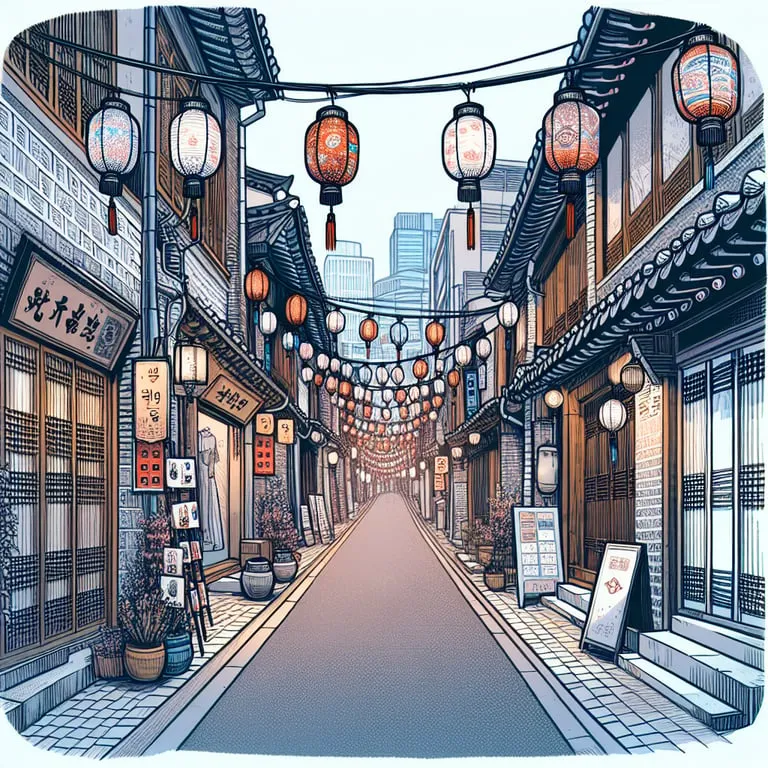
    Nestled in the heart of Seoul, Insa-dong stands as a beacon of South Korea’s rich cultural tapestry. Renowned for its vibrant fusion of ancient traditions and contemporary art, this area offers a unique journey through the nation’s past and present. Visitors are drawn to Insa-dong not only for its historical sites but also for the distinctive blend of traditional crafts, mouthwatering Korean cuisine, and insightful galleries and museums. As one strolls through its lively streets, the dynamic spirit of Korean culture comes alive, making Insa-dong an essential destination for culture enthusiasts and curious travelers alike.


    Exploring Insa-dong: Seouls Cultural Hub


    Cultural Landmarks and Historical Sites

    In the heart of Seoul, Insa-dong stands as a testament to Korea’s rich cultural tapestry, offering an impressive array of historical sites and landmarks that even the most seasoned travelers will find awe-inspiring. Stepping into this neighborhood is akin to embarking on a time-traveling adventure through the pages of Korea’s storied past.

    Changdeokgung Palace

    First on our list is the Changdeokgung Palace, a UNESCO World Heritage site. Originally built in 1405 during the Joseon Dynasty, this palace has served as the country’s center of politics and culture for centuries. Its picturesque Secret Garden, encompassing approximately 78 acres, is renowned for its role as a serene refuge for former royals. Here, the Peaceful Pathways of the Biwon embody a masterclass in Korean landscape architecture, meticulously designed to harmonize with nature. With over 3,000 specimens of trees, some over 300 years old, it exemplifies the timeless beauty and cultural significance that Insa-dong treasures.

    Jongmyo Shrine

    Not far from the palace, the Jongmyo Shrine holds the distinction of being one of the oldest Confucian royal shrines in the world, established in 1394. It is dedicated to the perpetuation of rituals honoring the spirits of the Joseon kings, a duty that continues to this day with biannual ceremonies. Jongmyo offers an introspective glimpse into Korea’s ancestral worship practices. The Gongsin-sageori, a four-way intersection within the site, symbolizes the balance and order that Confucianism brought to Korean society.

    Tteok Museum

    Adjacent to these revered edifices is the Tteok Museum, a charming niche of culinary history chronicling Korea’s traditional rice cake, tteok. With an exhibition space spanning 450 square meters, it showcases over 180 varieties of tteok while tracing its evolution from royal courts to everyday kitchens. This exquisite intersection of culture and cuisine allows visitors to appreciate the craftsmanship behind these beloved delicacies.

    Jogyesa Temple

    Steeped in history, the Jogyesa Temple stands as a spiritual beacon amid Insa-dong’s hustle and bustle. As the chief temple of the Jogye Order of Korean Buddhism, it dates back to the early 20th century, encapsulating the essence of a religion that has shaped Korean identity over millennia. The temple’s Main Buddha Hall, with its impressive height of 16 meters, houses three massive Buddha statues that inspire awe and introspection among all who visit.

    Bukchon Hanok Village

    Furthermore, Insa-dong is a crucial guardian of Korea’s intangible cultural heritage, as demonstrated by the ongoing preservation efforts seen at Bukchon Hanok Village. This enclave of traditional Korean hanok houses provides architectural insight into the sophisticated craftsmanship of old, with over 900 well-preserved structures. Visitors can wander its narrow alleys, discovering how the interplay of light and shadow on wooden lattices conjures a sense of timelessness.

    Unhyeongung Royal Residence

    Another must-see is the Unhyeongung Royal Residence, offering a rare glimpse into the life of a royal family during the late Joseon period. Built in 1864, this complex was central to the affairs of King Gojong, allowing guests to explore the grand Aeryeonjeong Pavilion and the tranquil Sundamjeong Pavilion. Throughout its 4,739 square meters, the residence’s intricate design and historical significance leave an indelible impression on all who pass through its storied gates.

    Bosingak Belfry

    Special attention must also be given to Bosingak Belfry, with its solemn bell that once dictated the flow of Seoul’s day and night. In the past, its toll marked the opening and closing of the ancient city gates, a practice revived annually on New Year’s Eve, reminding both locals and visitors of Seoul’s dynamic history.

    In summary, Insa-dong’s cultural landmarks and historical sites function not merely as relics of the past but as living chronicles that continue to inform and inspire. They invite each visitor to contemplate the intricate mosaic of traditions and narratives that have shaped modern Korea. Allow yourself to be transported by Insa-dong’s myriad stories, where history is not locked behind glass but thrives amidst the vibrant pulse of Seoul.


    Traditional Crafts and Souvenirs

    Insa-dong, a vibrant neighborhood in the heart of Seoul, is a sanctuary for traditional Korean crafts and souvenirs, making it an essential destination for those seeking to engage with Korea’s rich cultural heritage. This historic district serves as a living museum, offering a plethora of handcrafted items that showcase the exquisite skill and artistry of Korean artisans. Visitors will find themselves enveloped in a tapestry of history where tradition meets creativity, and authenticity is valued over mass production.

    Hanji: Traditional Korean Paper

    Among the myriad of crafts available, one cannot overlook the profound significance of Hanji, traditional Korean paper. Hanji is crafted from the inner bark of the mulberry tree, and its use can be traced back over a thousand years. Its remarkable durability and texture have rendered it a cherished material for numerous applications, ranging from paper art (jjokji) to more practical uses like bookbinding and window coverings. Hanji products often serve as cherished souvenirs, embodying Korea’s artistic spirit and historical legacy. Tourists are often amazed by how something as simple as paper can be transformed into elegant art that tells the story of an era.

    Pottery: A Reverence for Tradition

    Another cornerstone of Insa-dong’s craft offerings is pottery. The neighborhood holds a deep reverence for pottery-making traditions that date back to the Bronze Age. Celadon pottery, with its distinctive jade-green glaze, and Buncheong, characterized by dynamic brush strokes and rough textures, represent the zenith of Korean ceramic history. Collectors and enthusiasts can explore myriad studios and shops that boast exquisite pieces, some crafted with techniques passed down through generations. Owning such a piece is more than possessing an object; it’s holding a fragment of heritage.

    Textiles: The Art of Bojagi

    Moreover, traditional Korean textiles, particularly bojagi (wrapping cloth), offer a glimpse into the intricate embroidery and dyeing techniques that define Korean fashion and decor. These cloths, often used for ceremonial purposes or as gift wraps, are crafted from silk or hem, and exhibit patterns that hold cultural and artistic significance. The colors and designs tell stories of tradition, making them both functional and decorative—a beautiful paradox that Insa-dong visitors are eager to explore.

    Lacquerware: Glossy Tradition

    Of course, no exploration of Korean crafts would be complete without mentioning traditional lacquerware, known for its glossy finish and detailed inlay work. Lacquer artisans utilize techniques that have been meticulously refined over centuries, combining natural lacquer with intricate inlays of mother-of-pearl to create stunning household items and accessories. Such items are not just ornamental; they are functional pieces of art that embody the meticulous labor and skill involved in their creation.

    Hanbok: Traditional Korean Attire

    Venturing through Insa-dong, one is also bound to encounter stalls selling authentic hanbok, the traditional Korean attire that dates back to the Joseon Dynasty. Hanbok is celebrated not only for its elegance but also for its reflection of Korean aesthetics, characterized by flowing lines and vibrant colors. Wearing hanbok offers an immersive cultural experience, providing a deeper understanding of Korean history and an appreciation for its unique style.

    For connoisseurs of traditional crafts, the significance of Insa-dong extends beyond its physical products. The district acts as a cultural ambassador, educating visitors about Korea’s artistic genealogy. Artisans here are gatekeepers of their craft, with many having dedicated their lives to mastering techniques that have been preserved through oral histories and apprenticeships. In today’s digital age, where efficiency often overshadows craftsmanship, discovering such dedication to tradition in Insa-dong is both refreshing and inspiring.

    Souvenirs from Insa-dong are unmatched in their authenticity! They are not just tokens of travel but are embodiments of centuries-old techniques and symbols of cultural resilience. When a visitor purchases a piece of pottery, or a strand of intricately woven cloth, they are investing in a story—a narrative of how tradition has been meticulously maintained and cherished over time. The district is a treasure trove of creations that invite admiration and offer an escape into Korea’s storied past.

    Indeed, Insa-dong’s renown as a hotspot for traditional crafts and souvenirs is no mere accident—it is a testament to the dedication of Seoul’s artisan community. With every twist of thread and every stroke of a brush, the crafts here whisper secrets of an ancient culture to anyone willing to listen.


    Authentic Korean Cuisine

    Korean cuisine offers a gastronomic journey like no other, rich in history and flavor, deeply rooted in the culture and daily life of Korea. In Insa-dong, a cultural enclave in Seoul, you can immerse yourself in an authentic culinary experience that is both traditional and innovative, a reflection of Seoul’s dynamic spirit.

    Principles of Balance and Harmony

    To truly appreciate the depth of Korean cuisine, one must understand the principles of balance and harmony that form its foundation. At the heart of this cuisine are the time-honored fermentation processes, which not only preserve food but also enhance its flavors and nutritional value. Kimchi, Korea’s iconic fermented vegetable dish, often takes center stage on any Korean dining table. With over 200 variations, kimchi is a testament to Korea’s regional diversity and culinary ingenuity. Made from napa cabbage, daikon radishes, scallions, and a specific blend of spices—often including gochugaru (red pepper powder), garlic, ginger, and jeotgal (fermented seafood)—it provides a unique interplay of flavors: spicy, sour, and umami.

    Diverse Traditional Dishes

    In Insa-dong, restaurants showcase diverse traditional dishes, each narrating a story of Korea’s rich heritage. One cannot mention authentic Korean cuisine without discussing Bibimbap, a dish renowned for its nutritional balance. Bibimbap, meaning “mixed rice,” is a vibrant bowl of white rice topped with an assortment of seasoned vegetables, gochujang (red pepper paste), soy sauce, or doenjang (fermented soybean paste), and often accompanied by sliced beef and a sunny-side-up egg. This dish is not only a feast for the eyes but embodies the philosophy of umami harmony—promoting physical health through balanced nutrition.

    The Communal Dining Experience

    The communal culture is also a defining characteristic of Korean dining. Meals are frequently shared, orchestrating a social experience that speaks to the value Koreans place on community. A quintessential example is Samgyeopsal (grilled pork belly). Diners gather around a grill embedded in the table to cook the meat, which is then wrapped in lettuce or sesame leaves, and garnished with garlic, green chili, and ssamjang (a thick, spicy paste). The process of grilling and sharing highlights the interactive and connective nature of Korean meals.

    Han-jeongsik: The Royal Feast

    Furthermore, Insa-dong offers the chance to indulge in Han-jeongsik, Korea’s traditional full-course meal akin to a royal feast! Han-jeongsik consists of multiple banchan (side dishes) served with rice, soup, and a main protein dish. These elaborate meals celebrate Korea’s bounty from land and sea, exemplifying the diversity and seasonality of its ingredients.

    Street Food Delights: Tteokbokki

    Another culinary treasure not to be missed is Tteokbokki. Known for its fiery, sweet red sauce, Tteokbokki is a beloved street food often served in small eateries across Insa-dong. The soft, chewy texture of rice cakes complements the hot sauce, creating a symphony of flavors that is both comforting and exhilarating.

    Desserts and Beverages

    Desserts also play a significant role in Korea’s food culture, albeit less sweet and more subdued in flavor compared to Western counterparts. Insa-dong is home to a variety of traditional patisseries that offer these desserts such as Bingsu—a finely shaved ice treat, often topped with sweetened red beans, fruits, and condensed milk, perfect for Seoul’s sweltering summer days.

    No Korean culinary experience is complete without traditional beverages. Makgeolli, a milky, sparkling rice wine with a slightly sweet and tangy flavor, is often favored by locals and visitors alike. Its low alcohol content (typically around 6-8%) makes it a light yet delightful complement to the richer Korean dishes.

    Through its culinary offerings, Insa-dong presents a portal into Korea’s storied past and evolving present. Every dish tells a tale, each meal a narrative of tradition meeting modernity. With vibrant flavors, complex techniques, and a profound cultural narrative, authentic Korean cuisine stands as a delicious testimony to the rich heritage and innovative spirit of Korea. Whether you’re a seasoned connoisseur or a curious novice, the culinary landscape of Insa-dong is sure to captivate and satiate your palate, offering a dining experience like no other.


    Art Galleries and Museums

    Insa-dong, the pulsating heart of Korea’s cultural renaissance, offers a mesmerizing foray into the world of art through its impeccable art galleries and museums. This historical district is brim filled with artistic endeavors that beautifully interlace Korea’s rich heritage with modern creativity. Among the bustling lanes decorated with traditional hanbok dressers and teahouses, art aficionados can find sanctuaries that feed the soul with an eclectic mix of contemporary and historical art.

    Ssamziegil Complex

    First and foremost, the Ssamziegil complex stands out as a beacon of Korean art and craftsmanship. Built in 2004, this multilevel cultural complex hosts over 70 distinct ateliers which offer unique insights into modern interpretations of traditional Korean artistry. Visitors are enchanted by the visual feast that includes intricate ceramics, hand-crafted jewelry, and avant-garde paintings. It’s not just a shopping center; it’s a cultural experience that challenges and expands your understanding of art.

    Kyung-In Museum of Fine Art

    Then, there’s the Kyung-In Museum of Fine Art, which specializes in showcasing both established and emerging Korean artists. Nestled in a traditional hanok, it offers a contextual backdrop that enhances the display of contemporary art. The museum’s collection includes over 1,200 works, ranging from paintings and photography to installations and sculptures, reflecting the dynamic and evolving nature of Korean art. Permanent exhibitions are rotated frequently, providing art enthusiasts the opportunity to continuously engage with fresh perspectives from native avant-gardists.

    Artspace H

    Artspace H, another gem in Insa-dong, is famous for promoting cutting-edge Korean and international artworks. This gallery specializes in contemporary multimedia installations that push the boundaries of traditional art forms. Each exhibit within Artspace H offers a multisensory adventure—virtually transporting patrons into the narrative world crafted by artists.

    Seoul Calligraphy Art Museum

    A notable mention should also be made of the Seoul Calligraphy Art Museum, a must-visit for those enamored with the grace and discipline involved in this ancient art form. This museum holds the distinction of showcasing Korea’s largest collection of calligraphy with over 2,000 pieces dating back to the Joseon Dynasty. This art form dominates about 30% of the museum’s exhibitions, reiterating Korea’s commitment to preserving and honoring its classic arts.

    The diversity within these establishments reflects not merely a commitment to art as a commodity but takes responsibility for cultural preservation, making them pivotal in understanding the artistic evolution of Korea. Each gallery and museum acts as a custodian of Korea’s rich tapestry of history, culture, and modern innovation.

    Moreover, art tours within Insa-dong have become increasingly popular, driven by a growing interest from international visitors keen to immerse themselves in Korea’s art scene. The statistics speak for themselves: In 2022, approximately 1.5 million tourists visited the art galleries and museums in Insa-dong, showcasing the district’s ever-increasing appeal and importance in the global art community.

    A visit to these art galleries and museums isn’t merely an excursion in aesthetic appreciation. It’s an exploration of a cultural dialogue—a conversation between the past, present, and future Korean artistic expression. Collectively, these establishments provide an inspiring canvas that encourages both the appreciation and creation of art within and beyond Korea’s borders.

    Insa-dong’s art galleries and museums continue to delight and challenge visitors’ perceptions, offering a profound cultural experience that beautifully bridges Korea’s artistic traditions with contemporary innovation. Each visit promises not just to illuminate the eye, but also to captivate the heart and mind. Visitors leave not only with cherished memories but often, with thought-provoking art pieces that enrich their personal collections and memories of Korea’s artistic narrative.


    Insa-dong serves as a vibrant testament to Seoul’s rich cultural tapestry. From captivating cultural landmarks and historical sites to the intricate beauty of traditional crafts and souvenirs, every corner of this district narrates a story. The authentic Korean cuisine offers a culinary journey unlike any other, enriching the experience with unique flavors. Art galleries and museums provide a window into South Korea’s artistic soul, merging tradition with contemporary creativity. Exploring Insa-dong is an essential journey for those wishing to understand the depth and dynamism of Korean heritage. Discovering this cultural hub is both an enriching and enlightening experience.


  • Korean Language Learning Apps: Top Picks for Beginners​

    Korean Language Learning Apps: Top Picks for Beginners​

    In today’s digital age, Korean language learning apps have become an essential tool for beginners eager to master this complex and beautiful language. With the proliferation of mobile apps dedicated to language learning, selecting the right one can make a significant difference in your educational journey. These apps not only provide innovative features but also cater to various learning styles, ensuring an engaging experience. By understanding the unique characteristics of each app, you can make informed decisions that align with your personal goals, proficiency level, and preferred method of learning. Dive into our expertly curated guide to discover top picks for Korean language learners.


    Korean Language Learning Apps: Top Picks for Beginners​


    Introduction to Korean Language Learning Apps

    The world of language learning has been revolutionized by the advent of technology, and Korean language education is no exception. With the Korean Wave (“Hallyu”) sweeping across the globe, there has never been a more exciting time to embark on learning the Korean language. From K-pop and K-dramas to Korean cuisine and culture, the fascination with all things Korean has spurred a surge in demand for Korean language skills. But with so many options available, how do you choose the right resources? Here we delve into the realm of Korean language learning apps, offering a comprehensive overview to guide your journey.

    Diverse Pedagogical Approaches

    Firstly, it is essential to realize that language learning apps are designed with diverse pedagogical approaches to accommodate various learning styles and preferences. These applications range from high-paced gamified experiences to serene and methodical language courses. Notably, the effectiveness of these apps often hinges on how they harness adaptive learning technology, which personalizes the study experience based on the learner’s progression, thereby optimizing retention and mastery.

    Speech Recognition Technology

    A standout feature of contemporary Korean language apps is speech recognition technology, which plays a pivotal role in honing pronunciation skills. For instance, numerous applications leverage artificial intelligence to provide immediate feedback on pronunciation accuracy—a critical component of language learning. According to a recent survey, over 60% of users reported a noticeable improvement in their pronunciation after consistent usage over three months.

    Spaced Repetition Systems (SRS)

    Beyond pronunciation, vocabulary acquisition is another cornerstone of language learning which these apps have innovated upon with spaced repetition systems (SRS). This technique employs algorithms to present vocabulary at strategically timed intervals, enhancing memory retention. Research in cognitive science supports this approach, with studies indicating an average increase of 30% in vocabulary recall efficiency when SRS is employed, compared to traditional study methods.

    Cultural Nuances

    Korean language apps also cater to the cultural nuances inherent to an immersive language learning experience. Many include cultural notes and context-rich scenarios, designed to familiarize learners with Korean customs, idioms, and etiquette. This cultural integration is indispensable, as language and culture are deeply intertwined; understanding cultural contexts not only enriches the learning process but also empowers learners to communicate more authentically and efficiently.

    Community Aspect

    Furthermore, the community aspect of language learning has not been overlooked. Language exchange features within apps facilitate interaction with native speakers, often through video calls or messaging platforms. This functionality allows learners to put their skills into practice in real-world scenarios, undoubtedly bolstering confidence and competence. According to user reviews, apps that integrate social interaction components report a 45% increase in user engagement rates.

    Accessibility and Affordability

    Last but not least, accessibility and affordability are crucial components that cannot be overstated. The digital format of Korean language learning apps affords the convenience of learning anytime and anywhere—a significant advantage in our fast-paced, mobile world. Additionally, many apps offer a freemium model, providing basic language learning tools at no cost, with premium features available for those seeking more in-depth instruction.

    In conclusion, the landscape of Korean language learning apps is rich and varied, offering something for every type of learner. From cutting-edge technology to intuitive design and an appreciation for cultural contexts, these apps are more than mere language tools; they are gateways to a broader understanding of the Korean language and culture. As you navigate through the myriad of options, consider what features best align with your learning style, as this will guide you to the app that will most effectively help you achieve your linguistic ambitions. Let the learning begin!


    Features to Look for in a Language Learning App

    Selecting the right language learning app for Korean can be a pivotal decision in your linguistic journey. But what exactly should you be looking for? The sheer variety of available features can be overwhelming, yet certain aspects can significantly enhance your learning experience. Let’s delve into those critical elements and help ensure you choose a tool that maximizes your proficiency gains.

    Interactivity and Engagement

    First and foremost, an effective language learning app should transcend beyond static content to include interactive and engaging features. According to studies, interactive learning can improve retention rates by up to 25% compared to traditional methods. Look out for apps that employ gamification—integrating game elements that stimulate competition and reward progress. This approach not only makes learning enjoyable but also motivates consistent use of the app.

    Content Comprehensiveness

    A paramount feature to appraise is the depth and breadth of content offered. Comprehensive apps cater to all proficiency levels, from absolute beginners to advanced learners, covering everything from basic Hangul characters to complex grammatical structures. It’s ideal to select an app that progressively builds on previous lessons, ensuring no gaps in your knowledge. Moreover, it should incorporate culturally relevant content, such as idiomatic expressions and colloquialisms, to prepare you for real-world conversations.

    Speech Recognition and Feedback

    Speech recognition technology is an indispensable tool in honing pronunciation accuracy, essential for mastering a tonal language like Korean. Modern apps utilize advanced speech recognition systems to provide instant, actionable feedback on your pronunciation. This tool acts as your personal language coach, enabling you to fine-tune your speaking skills and gain confidence in verbal communication. According to the latest linguistic studies, real-time feedback can increase learning efficacy by up to 30%.

    Customization and Personalization

    An app that allows personalization is a significant boon. Customizable learning paths tailored to your specific goals and interests can dramatically enhance motivation and engagement. Whether you aim to travel, pass a language proficiency test, or embrace Korean culture, the app should adapt to your unique objectives. Algorithms that adapt to your performance, delivering custom exercises to target your weak points, can expedite your learning process and help solidify challenging concepts.

    Comprehensive Progress Tracking

    Monitoring your progress is crucial in maintaining motivation and identifying areas that need improvement. The app must offer robust tracking features, allowing you to visualize your journey over time. From vocabulary acquisition to grammar proficiency and speaking skills, comprehensive metrics should be available at your fingertips. Progressive charts and achievement milestones can drive perseverance and provide a satisfying sense of accomplishment.

    Immersive Learning Tools

    To fully grasp a language, immersion is key. Apps that offer immersive experiences, such as video content, podcasts, and interactive storylines, replicate real-life use of language, enhancing both comprehension and retention. Recently, augmented reality (AR) and virtual reality (VR) have entered the fray, offering unparalleled immersion by placing learners in virtual Korean-speaking environments. Being able to engage with language actively and contextually accelerates fluency attainment.

    User-Friendly Interface and Accessibility

    Finally, don’t forget to consider the app’s user interface and overall usability. A well-designed, intuitive interface ensures that navigating the app is effortless, allowing users to focus on learning rather than wrestling with technical challenges. Accessibility features, such as offline usability and cross-device synchronization, allow for uninterrupted learning, whether you’re commuting, traveling, or enjoying a quiet evening at home.

    These features, when combined, can transform your Korean learning experience from mundane to magnificent! Carefully evaluate each feature’s relevance to your personal learning journey, and don’t hesitate to trial multiple options before deciding on the perfect fit. Remember, the best app is one that aligns seamlessly with your learning style while challenging you to achieve mastery in Korean.


    Comparing Different Korean Language Apps

    In the ever-expanding universe of language learning platforms, choosing the right Korean language app can feel like selecting a star from the cosmos. The digital realm offers various tools, each claiming unique methods and features to help you master Korean. Therefore, embarking on a comprehensive comparison is essential to identify the most effective one tailored to your goals.

    Functionality and User Experience

    One of the most critical comparisons begins with the functionality and user experience each app offers. FluentU, for instance, delves into real-world Korean by leveraging authentic videos. This platform stands out with its contextual approach, offering learners the opportunity to immerse themselves in the language as it’s organically used. Users laud its extensive library of videos with interactive subtitles. However, it comes with a caveat; the monthly subscription rates might deter some beginners ($30/month).

    On the other hand, LingoDeer has been specifically designed with Asian languages in mind, edifying learners through a structured and comprehensive curriculum. A unique feature of LingoDeer is its attention to grammar, which is presented in bite-sized lessons ensuring robust language comprehension. It’s available at an economical rate of $14.99 for three months. Users often appreciate its approachable interface and clean design, making navigation a breeze!

    Content Quality and Learning Methodologies

    Diving deeper, content quality and teaching methodologies set these apps apart. Memrise uses spaced repetition—a scientifically-backed technique aimed at encoding vocabulary into long-term memory. With delightful and quirky animations, users find it engaging and entertaining. However, Memrise may not provide extensive grammar instruction, a crucial element in language acquisition.

    Conversely, Rosetta Stone, a veteran in the language learning field, dispenses an immersive learning experience, advocating a full immersion methodology. The app’s dynamic curriculum moves from comprehensive vocabulary introduction to complex sentence structures, which can be ideal for committed learners, especially those who enjoy a challenge. Its rigorous speaking component employs speech recognition technology to refine pronunciation—a feature many learners find invaluable.

    Gamification and Engagement

    When comparing language apps, the degree of gamification and user engagement is also a notable consideration. Duolingo has popularized the gamification technique, employing game-like elements to motivate learners. Its reward systems (such as lingots and streaks) have enticed a user base exceeding 500 million! This app is praised for its accessibility and free-of-cost model, although critics point out its sometimes monotonous phrase repetitions.

    Mondly, however, intrigues learners with augmented reality (AR) experiences that break traditional learning molds. AR enables users to practice conversations with real-life simulations, boosting engagement and cognitive retention rates. Mondly’s monthly fee of $9.99 is an attractive proposition for tech-savvy learners seeking novelty in their language education journey.

    Integration and Community Features

    Finally, a comparison would be incomplete without considering integration capabilities and community involvement. HelloTalk offers a unique angle, acting as a language exchange community rather than a conventional learning app. By connecting users with Korean native speakers for text, voice, and video chats, learners can practice with real people in real-time, enhancing conversational skills dramatically.

    Tandem echoes a similar philosophy, emphasizing community learning through native speaker interactions. However, the premium features, which include unlimited translations and channel filters, require a subscription ($6.99/month).

    In Conclusion…!

    Through comprehensive comparisons of these aspects—functionality, content quality, gamification, community features—Korean language learners can now ponder which app aligns with their learning style and objectives. Each app offers distinct functionalities and benefits, making this decision highly personal. While one learner may find value in immersive videos, another might prioritize structured courses or community interaction.

    Ultimately, understanding the unique features, pedagogies, and costs associated with each app empowers learners to make informed decisions. This ensures they can embark on their linguistic journey with the right tools in hand, paving the way for successful language acquisition in Korean.


    Choosing the Best App for Your Learning Style

    Selecting the most effective Korean language learning app is an essential step in crafting a successful language acquisition journey. While you may come across various options, the key to maximizing your learning potential lies in choosing an app that aligns with your individualized learning style. According to educational psychologist Walter Burke Barbe, learners generally fall into three categories: visual, auditory, and kinesthetic. Understanding these can significantly enhance your effectiveness. Let’s delve into how to select the best app tailored specifically to your style!

    Visual Learners

    First, consider if you’re a visual learner. You process information best when it’s presented in a graphic or pictorial form. Apps like Rosetta Stone and LingoDeer leverage vibrant imagery and intuitive graphics to facilitate better recall and understanding of vocabulary and grammar. Visual learners benefit from structured lessons with clear visual aids that guide the learning experience step by step. These apps often incorporate spaced repetition systems, a scientifically proven method that boosts long-term retention by 200% in language acquisition more effectively than traditional methods!

    Auditory Learners

    On the other hand, if you fall under the auditory learning category, your preferred method may involve listening and speaking engagement. Apps such as Pimsleur are tailored for auditory learners, focusing primarily on spoken language through repetitive listening exercises and oral practice. Given that Pimsleur programs emphasize pronunciation and dialogue, auditory learners experience a 30% faster improvement in speaking proficiency compared to text-heavy study methods. This app is equipped with speech recognition technology, allowing real-time feedback and adjustment, which is invaluable for honing pronunciation skills effectively!

    Kinesthetic Learners

    If you identify as a kinesthetic learner, you thrive in learning environments that incorporate physical activity and hands-on experiences. Interactive learning platforms like Drops employ engaging, short-burst activities that encourage regular interaction and movement, which are ideal for kinesthetic absorption of a language. Studies have shown that learners in this bracket can retain new vocabulary up to 40% more effectively via active engagement metrics, such as tapping, swiping, and communicating through game-like scenarios.

    Methodology and User Interface

    Apart from learning styles, it is imperative to evaluate an app’s methodology and user interface. Apps with gamified elements like Duolingo, which boasts more than 300 million users worldwide, enhance motivation through achievement tracking and reward systems. These encourage sustained engagement, crucial in the context of language learning where maintaining enthusiasm over the long term is key to success. Additionally, research from MIT suggests that high user interface (UI) satisfaction scores correlate with 15% higher completion rates; hence, choose an app that offers an intuitive, user-friendly interface to promote consistent usage.

    Language Objectives

    A final yet vital consideration is your language objectives. Are you learning for travel, business, or academic purposes? Each app hosts diverse features catering to specific needs. For instance, apps focused on conversational Korean may be best suited for travel purposes, while others with in-depth grammar modules suit academic pursuits. A personalized study plan incorporating daily goals and progress tracking is excellent for setting clear benchmarks. This approach aligns with research indicating that goal-oriented learning can enhance knowledge retention and learning satisfaction by up to 20%.

    Consequently, while evaluating the various applications, focus on their adaptability to your personal learning preferences. Trial versions often provide a perfect opportunity for test-driving these features without financial commitment, allowing you to gauge the app’s effectiveness. Remember that the best app is not just the one with the most features or the highest ratings but the one that resonates with your unique learning style and fulfills your specific objectives. Choose wisely, embark on your linguistic adventure, and unlock your potential!


    Korean language learning apps have transformed the way beginners can acquire new skills, offering a wealth of resources at their fingertips. It’s important to select an app that aligns with your learning preferences to maximize the potential for success. Considering the features highlighted can guide you in making an informed decision. Each app has its unique strengths, and exploring them can help you find the best fit for your journey in mastering the Korean language. Dive into this digital landscape with confidence, knowing that these tools are designed to support and enhance your learning experience.


  • The Role of Kimchi in Korean Cuisine and Culture​

    The Role of Kimchi in Korean Cuisine and Culture​

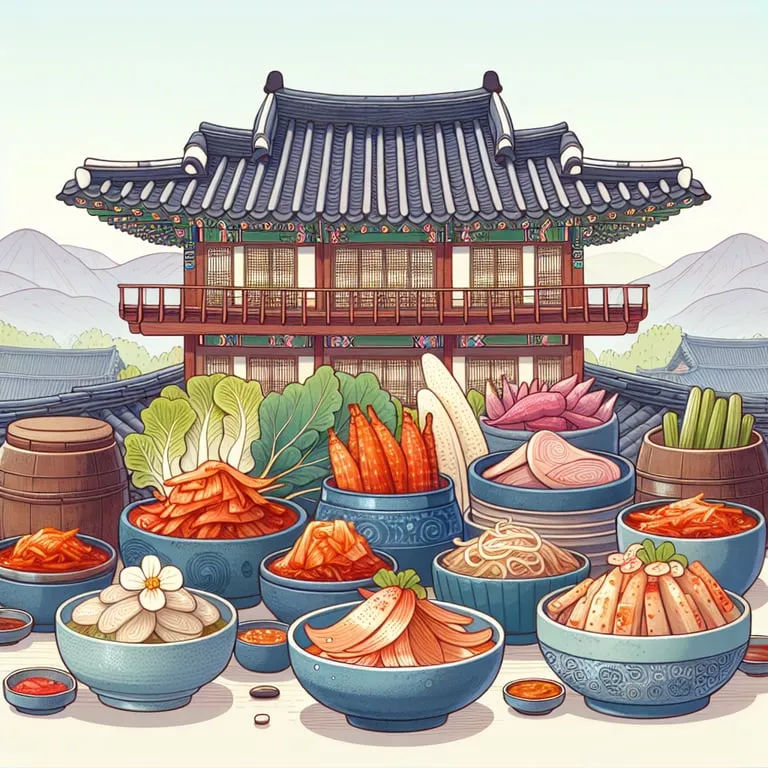
    Kimchi, often seen as the heart of Korean cuisine, encompasses a rich tapestry of flavors, traditions, and history. Revered not only as a staple food item, its cultural and historical roots run deep in Korean society. With countless varieties influenced by regional differences, kimchi showcases the diversity within Korean culinary practices. Its significance extends beyond the dining table, embodying centuries-old traditions and social rites. Moreover, kimchi is celebrated for its numerous health benefits, offering both nutritional value and culinary versatility. Through this lens, we explore the profound impact kimchi has on Korean cuisine and culture.


    The Role of Kimchi in Korean Cuisine and Culture​


    History and Origins of Kimchi

    The rich history and origins of kimchi are deeply entwined with the agricultural and cultural evolution of Korea. Kimchi, the quintessential Korean side dish, has been a staple food item for centuries — its roots trace back to thousands of years ago, with the earliest records dating back to the Gojoseon era, around 7,000 BC. Initially, kimchi consisted mainly of salted vegetables, but it later evolved into the complex culinary delight we recognize today.

    Evolution of Kimchi

    The evolution of kimchi reflects Korea’s climatic and agricultural conditions. During the Three Kingdoms Period (57 BC – 668 AD), fermented foods became more prevalent, aiding in the preservation of vegetables through the harsh Korean winters. This preservation technique, known as “fermentation,” involves a method that allows microorganisms to convert organic materials into simpler substances. Such processes would enhance the nutritional value and digestibility of the food, in addition to enriching its flavor profile.

    It wasn’t until the Joseon Dynasty (1392–1897) that red chili pepper, Capsicum annuum, was introduced to Korea from the Americas via Japan in the 16th century. This introduction transformed the flavor and appearance of kimchi, elevating it into the spicy delight commonly consumed today. Prior to the addition of chili peppers, kimchi was predominantly white, a far cry from the vibrantly red kimchi varieties we see now! Indeed, the fiery red hue of today’s kimchi is a testament to Korea’s openness to integrating foreign elements into its traditional cuisine, exemplifying adaptability while retaining core cultural values.

    Regional Variations

    Throughout Korea’s history, the form of kimchi has evolved to include a plethora of regional varieties, each incorporating local ingredients and methods. For instance, in northern parts of Korea such as Pyongan and Hamgyeong, kimchi varieties tend to use less chili and more seasoning with fish sauce to better suit the colder temperatures. Meanwhile, southern regions favor the use of chili, anchovy paste, and fermented shrimp to create a stronger flavor, showcasing the local palate’s predilections.

    Historical Significance

    Additionally, historical texts like the “Samguk Sagi” and “Goryeo Dogyeong,” the latter written in the 12th century, describe variations of vegetable pickling that predate modern versions of kimchi. These records illustrate the long-standing tradition and continued importance of fermented foods within Korean gastronomy, dating back over a millennium. Further, the 19th-century text “Gyuhap Chongseo,” an encyclopedia on household management, provides detailed kimchi recipes, emphasizing the necessity of precision and care during the fermentation process. Such meticulous documentation highlights the sophistication and cultural significance attributed to kimchi throughout Korean history.

    Kimchi on the International Stage

    By the 1960s, as a pivotal moment in Korea’s global culinary influence, kimchi began appearing on the international stage, symbolizing Korean identity and tradition. With South Korea’s modernization and widespread diaspora, kimchi became a part of the global palate, celebrated not just for its complex flavors but also its health benefits, attributed to its probiotic richness and nutrient density.

    In summary, the journey of kimchi from simple salted vegetables to diverse, vibrant formulations encapsulates a historical narrative of resilience and adaptation. As globalization continues, kimchi stands as a dynamic symbol of Korea’s culinary heritage, marrying ancient techniques with modern taste preferences. This historical tapestry illustrates not only the art of preservation but also an enduring cultural legacy that embodies the heart and soul of Korean society.


    Varieties and Regional Differences

    In the realm of Korean gastronomy, kimchi stands as an iconic cornerstone, rich with diversity and regional nuances that reflect the country’s geographical and cultural tapestry. The varieties of kimchi are as extensive as they are delicious, encompassing over 200 known types! While that figure constantly evolves as chefs innovate and experiment, let’s delve into the core classifications and regional distinctions that have been cherished for centuries.

    Popular Varieties

    The most recognized variety, Baechu-kimchi, made from Napa cabbage, is a staple across the nation and serves as a foundational reference point for many. But there’s more than just Baechu. Another popular type, Kkakdugi, crafted from cubed radish, is lauded for its crunch and juicy tang. Meanwhile, the delicate Dongchimi, a radish water kimchi, offers a refreshingly mild flavor – a perfect counterbalance to spicier dishes.

    Regional Differences

    Regional differences play a pivotal role in defining the character and taste profile of kimchi. In the cold, mountainous province of Gangwon-do, kimchi tends to be less salty and spicy. This adjustment ensures that the kimchi remains palatable over long periods, crucial for survival in harsh winters. On the other hand, Jeolla-do, renowned for its fertility and rich agricultural produce, showcases kimchi that bursts with flavor, utilizing an abundance of seafood-based ingredients like shrimp sauce and anchovy paste.

    The southern province of Jeju-do, blessed with a warm climate and proximity to the ocean, introduces a unique twist with its Jeju-style water kimchi. The island’s version often incorporates seafood, such as mackerel, taking full advantage of its maritime bounty. This is a testament to how local ingredients profoundly influence the flavor and preparation style of kimchi.

    Unique Regional Variations

    Perhaps one of the more intriguing regional variations is the “Bossam-kimchi” from the Gyeongsang region. This elaborate preparation involves wrapping various ingredients like chestnuts, jujubes, and pine nuts in large cabbage leaves, a dish traditionally reserved for festive occasions or significant holidays due to its labor-intensive nature.

    Cabbage and radish might be the predominant ingredients, but the regional interpretation of what goes into kimchi – from the type of red pepper powder, the balance of sweeteners, and the choice of salt, to the incorporation of unique local ingredients like mustard greens or bamboo shoots – fundamentally alters its taste and texture profile. Such intricacies not only showcase the ingenuity and adaptability of Korean culinary practice, but also ensure that each bite is an embodiment of regional pride and tradition.

    Modern Innovations

    Seoul, the capital city, often referred to as the trendsetter in culinary fashion, leans towards kimchi recipes that marry modern techniques with traditional flavors. This convergence has led to the rise of “fusion kimchi,” which includes ingredients like fruit purées and non-traditional spices catering to a more global palate while maintaining the fundamental essence of what makes kimchi, kimchi.

    Amidst all these variations, the shared essence of community and tradition in the making of kimchi – from a casual family gathering for Gimjang, the yearly kimchi-making event, to neighborhood feasts – remains a unifying thread across the diverse landscapes of Korea. It’s a vivid representation of Korea’s adaptability and the dexterous transformation of humblest ingredients into a universally respected and relished food icon.

    Through these regional differences and ever-expanding varieties, kimchi continues to tell the story of Korean people’s historical evolution, cultural interconnectedness, and culinary expertise. Tasting each variant is like taking a flavorful journey through the distinct regions of Korea, with every morsel offering a sneak peek into the local lifestyle, customs, and heritage. The regional diversity not only adds to the complexity of flavors but also deepens appreciation for the distinct cultural identities that unify, yet set apart, the Korean gastronomic identity.

    It is through the lens of these varieties and regional differences that one can truly grasp the idiosyncratic beauty and grandiosity of Korean culinary tradition. Observing the intricate details in ingredients, preparation methods, and surprising inclusions opens a gateway to understanding Korean culture at its roots, giving us a greater appreciation of this culinary marvel’s rightful place at the heart of Korean cuisine.


    Cultural Significance and Traditions

    The culinary and cultural resonance of kimchi within Korean society is both profound and multifaceted. This traditional dish serves as more than just a food item; it is a vital component of Korean heritage and identity, transcending mere sustenance to embody cultural traditions, historical narratives, and social practices.

    Cultural Symbolism and Heritage

    Kimchi’s roots in Korean culture are deeply entrenched and symbolically significant. With its origins tracing back to the Three Kingdoms of Korea period, kimchi represents resilience and adaptability, eternal symbols of the Korean spirit. It is a constant presence in Korean gastronomy through centuries of change and modernization, reflecting Korea’s agricultural past and Confucian values of communal harmony and reciprocity.

    Rituals and Customs: Kimjang

    The practice of “Kimjang” (김장) is particularly emblematic of kimchi’s deep cultural ties. Kimjang is the traditional process by which communities and families collectively prepare large quantities of kimchi for fermentation ahead of the long winter months. Recognized by UNESCO as an Intangible Cultural Heritage of Humanity in 2013, this ritual highlights the values of sharing and cooperation. During Kimjang, families and communities gather, transcending individual households to foster social bonds and reinforce communal identity! Kimjang is not merely a task; it is a celebration of cultural continuity and unity, encouraging an intergenerational transmission of skills and recipes that are meticulously guarded yet generously shared.

    Cultural Ceremonies and Festivities

    Kimchi and its versatile forms play a pivotal role in Korean festivities. It is essential in “Chuseok” (추석), the Korean harvest festival, and “Seollal” (설날), the Korean New Year. During these celebrations, kimchi adorns tables, complementing rice cakes and other traditional dishes, ensuring a balanced meal that respects ancestors and invites prosperity. The intricacies of kimchi fermentation harmonize with agricultural cycles, highlighting the interconnectedness of nature and culture. This cyclical acknowledgment fortifies the cultural fabric, intertwining food with faith and biological rhythms.

    Social Fabric and Family Dynamics

    On a familial level, kimchi-making fortifies familial bonds. It is common in Korean households to witness multiple generations coming together, nurturing relationships through this shared endeavor. This practice underlines the collectivist ethos of Korean culture, where love for family is expressed through labor and shared nourishment. Kimchi embodies the tangible warmth and care transmitted within families—each bite a testament to the hands that prepared it.

    Educational and Cultural Preservation

    In modern times, the cultural importance of kimchi serves as an educational tool. Culinary schools across Korea teach the art of kimchi fermentation as an integral part of culinary education, ensuring the preservation and dissemination of this rich cultural legacy. Furthermore, kimchi festivals, workshops, and exhibitions are organized globally, symbolizing an effort to educate and celebrate Korean culture, while allowing for cultural exchange.

    Kimchi’s Role in Global Cultural Exchange

    Kimchi has also become an ambassador of Korean culture beyond the peninsula, reinforcing its status as a global icon. With the Korean Wave (Hallyu) sweeping across continents, kimchi symbolizes both traditional roots and contemporary appeal, combining timeless flavors with a global palate. The dish’s international proliferation mirrors the cultural diplomacy of Korea, fostering multicultural appreciation and dialogue.

    In conclusion, the cultural significance of kimchi is not merely confined to its origins but extends into its ongoing ability to adapt, share, and preserve. Its role as both cultural artifact and communal experience renders it indispensable to Korea’s cultural landscape, offering a taste of tradition that nourishes both body and soul. Each fermenting jar encapsulates stories, values, and practices, making kimchi a living testament to the enduring strength of Korean culture. Such remarkable implications affirm kimchi’s place not only at the Korean dining table but at the very heart of its cultural identity.


    Health Benefits and Culinary Uses

    Kimchi, a staple in Korean cuisine, is celebrated not only for its rich flavors but also for its remarkable health benefits and versatile culinary applications. This traditional fermented dish, primarily made from napa cabbage, radishes, and a blend of spices, is often praised for its nutritional profile and its role in promoting gut health. The fermentation process, which involves lactic acid bacteria, contributes to an increase in probiotic content, enhancing digestive health and bolstering the immune system.

    Nutritional Profile and Health Benefits

    Proponents of a healthy diet will be thrilled to learn that kimchi is low in calories yet high in dietary fiber, vitamins, and essential minerals. According to studies, regular consumption of kimchi provides significant amounts of vitamin A, B vitamins such as B6 and B12, vitamin C, as well as vital minerals like iron and calcium. In particular, the presence of antioxidants can combat oxidative stress, potentially reducing the risk of chronic diseases such as cancer and cardiovascular disorders. Additionally, compounds like capsaicin from chili peppers may help with weight management by boosting metabolism and aiding in fat loss—reading the scales with joy never tasted so good!

    Culinary Uses and Versatility

    Kimchi’s role in culinary settings is as dynamic as its health benefits. In traditional Korean meals, it serves as a beloved banchan (side dish) that complements a variety of dishes, from hearty stews to simple rice dishes. Beyond its place in tradition, kimchi’s versatility allows it to transcend cultural boundaries, incorporating into a myriad of international cuisines. Whether it’s topping a pizza, being wedged in a savory sandwich, or entwined with pasta for an umami punch, the possibilities are endless.

    Flavor and Ingredients

    Kimchi’s vibrant flavors are attributed to the careful balance of its ingredients. The alchemy of spices, particularly gochugaru (Korean chili powder), garlic, ginger, and fish sauce, creates a symphony of taste that not only enhances but transforms dishes. Variations such as “Baek-Kimchi” (white kimchi), made without red chili, appeal to those with a milder palate. Each type provides a unique taste profile, expanding the horizon for cooks and gastronomes alike. Gourmet chefs have begun to harness this versatility, crafting fusion dishes that marry Eastern and Western culinary traditions in exciting ways!

    Preservation and Sustainability

    Moreover, the fermented allure of kimchi extends to its ability to serve as a preservation method! This was a crucial aspect during Korea’s historical periods when fresh produce was scarce during the harsh winter months. Today, that very process not only preserves the vegetables but also amplifies their nutritional benefits. In a world increasingly focused on sustainability and reducing food waste, fermented foods like kimchi are experiencing a renaissance. Its long shelf life and stability make it an invaluable ally in contemporary kitchens.

    Global Spread and Market Influence

    The burgeoning interest in fermented foods has added to kimchi’s global spread, positioning it as a critical component of the probiotic food market, which is anticipated to reach USD 77.09 billion by 2025, according to a Markets and Markets report! This meteoric rise is a testament to its myriad health benefits and culinary versatility.

    In summary, kimchi’s beneficial impact on health, coupled with its adaptability in various culinary contexts, solidifies its stature as more than just a side dish—it’s a nutritional powerhouse and versatile ingredient that is here to stay, both in the heart of Korean culture and beyond. Indulging in kimchi is a delicious way to partake in a tradition that not only nourishes the body but also enriches the palate. As you explore its myriad uses and benefits, kimchi invites you to savor a blend of ancient traditions and modern health insights, promising an experience that is as enriching as it is delightful.


    The rich tapestry of kimchi in Korean cuisine underscores its deep-rooted significance in both history and modern culture. This iconic dish not only showcases an impressive array of varieties and regional tastes but also embodies profound cultural values and age-old traditions. Beyond its culinary appeal, kimchi offers numerous health benefits, making it a staple in Korean diets and a subject of global interest. With its vibrant flavors and storied past, kimchi continues to be a symbol of Korean identity and an ambassador of its cultural richness on the world stage.


  • Korean War Memorials: Remembering the Past​

    Korean War Memorials: Remembering the Past​

    In the ever-evolving tapestry of world history, the Korean War stands as a poignant reminder of the complex interplay of ideology, culture, and conflict. Korean War memorials around the globe serve as enduring symbols of this pivotal struggle, offering insights not only into past sacrifices but also into the profound human spirit of resilience. By exploring these sites, one gains an invaluable glimpse into the narratives and histories that have shaped the modern geopolitical landscape. These monuments are not mere structures; they are solemn testaments to the lives lost and the peace pursued, urging us to continually reflect on history’s lessons for a more informed future. Understanding the significance of these memorials is crucial in preserving the memories of those who served and fostering a world where their sacrifices continue to be honored.

     

    Korean War Memorials: Remembering the Past​


    Significance of Korean War Memorials

    Korean War Memorials hold immense significance in both historical and cultural contexts, serving as profound reminders of a conflict that shaped international relations in the latter half of the 20th century. With approximately 5 million tolling lives, including soldiers and civilians, the Korean War, often labeled as the “Forgotten War,” demands remembrance and reflection. These memorials are not mere structures; they are the heartbeats of shared history and collective memory that strive to ensure we do not overlook the lessons learned during those tumultuous years.

    Educational Purpose

    Memorials serve an educational purpose, providing tangible connections to history that transcend generations. For instance, located in Washington D.C., the Korean War Veterans Memorial, inaugurated on July 27, 1995, on the anniversary of the Armistice Agreement, features 19 stainless-steel statues representing a squad on patrol, reflecting the diverse ethnic backgrounds of service members. These statues offer more than just a visual representation; they enable current and future generations to engage with the past on a sensory level, making the experiences of those who served more relatable and real.

    Symbolism and Narratives

    Each memorial is imbued with powerful symbolism and eloquent narratives. The Korean War Memorial in Seoul, South Korea, for example, is meticulously designed to convey a poignant storyline of the country’s historical endurance and unity. Standing on 116,000 square meters, it encompasses extensive exhibits and statues, each narrating a chapter of the nation’s past. Here, history becomes a narrative that invites exploration, interpretation, and dialogue, fostering an educational environment where visitors can reflect on the implications of war and peace.

    International Alliances

    Moreover, these memorials bear testament to the international alliances that were fortified during the war. It is pivotal to recognize the coalition of 21 nations that participated under the United Nations Command, establishing a global paradigm for addressing collective threats. Commemorations like the War Memorial of Korea and the one found in Turkey’s capital, Ankara, signify the worldwide impact and the interconnectedness of global communities in a time of conflict. They prompt us to remember the shared endeavors for peace and stability in the face of adversity.

    Economic Impact

    Additionally, the economic impact of these memorials on tourism and local communities cannot be overlooked. In 2019, the Korean War Veterans Memorial alone attracted over 3.5 million visitors. This influx of visitors not only boosts local economies through tourism but also raises awareness and ensures that the sacrifices made during the Korean War continue to be recognized globally. The financial benefits, although secondary, are a testament to how historical remembrance can indeed drive modern economic sustainability.

    Role in Healing

    Beyond their historical and economic importance, Korean War Memorials play a critical role in the healing process for veterans and their families. They offer a sacred space for reflection, grief, and closure—an opportunity for individuals to connect with lost loved ones and honor their sacrifices meaningfully. These spaces also foster community among veterans, creating opportunities for shared experiences and mutual understanding. For many, visiting these memorials is a pilgrimage of sorts, one that cements the shared bonds of brotherhood and valor.

    Psychological Importance

    The psychological importance of these memorials extends further, acting as catalysts for reconciliation. They provide opportunities for engagement and dialogue between former adversaries, promoting peace and understanding in a world still fraught with division. As such, they are not static monuments but dynamic venues for fostering international dialogue and promoting human rights.

    Ultimately, Korean War Memorials are integral to preserving the legacy of the past while advocating for a more peaceful future. They remind us of the sacrifices made and the complex interplay of historical events that continue to influence global dynamics today. By commemorating these events with reverence and respect, we not only honor those who served with bravery and distinction but also heed their lesson—that freedom is neither free nor easily maintained, and that the cost of war should always prompt us to strive for peace. These memorials, rich in symbolism and history, ensure that the Korean War remains remembered and its lessons heeded for generations to come.


    Iconic Korean War Monuments Around the World

    The Korean War, often referred to as the “Forgotten War,” holds a crucial place in 20th-century history. Despite its historical significance, it is sometimes overshadowed by the more notorious conflicts that preceded and followed it. However, its impact is immortalized through various monuments around the globe, each with its unique story and significance. Let’s explore these sacred sites, which serve as poignant reminders of the war’s legacy, the sacrifices made, and the hope for peace.

    The Korean War Veterans Memorial in Washington, D.C.

    The Korean War Veterans Memorial in Washington, D.C., United States, is undoubtedly one of the most renowned symbols commemorating this conflict. Dedicated on July 27, 1995, on the 42nd anniversary of the armistice, this memorial features 19 stainless steel statues depicting patrol units from the branches of the U.S. Armed Forces that served in the war. The reflective properties of these statues, combined with the adjacent Wall of Remembrance that lists the names of over 36,000 American soldiers who died in the war, create a hauntingly real experience, drawing in millions of visitors each year. The entire memorial rests on a triangular piece of land, symbolically representing the trinity of land, air, and sea forces.

    War Memorial of Korea in Seoul, South Korea

    In Seoul, South Korea, the War Memorial of Korea stands as a testament to the nation’s resilience and gratitude for international support. Opened in 1994, this museum and memorial complex sprawls over 20,000 square meters, featuring over 13,000 war relics and exhibits. Notably, the site comprises six indoor exhibition rooms and an expansive outdoor display of military equipment, including the iconic B-52 bomber. This memorial aims not only to educate visitors about the grim realities of war but also to foster a spirit of peace and reunification on the Korean Peninsula.

    United Nations Memorial Cemetery in Busan, South Korea

    Another significant site is the United Nations Memorial Cemetery in Busan, South Korea, the only United Nations cemetery in the world. Established in 1951, this hallowed ground serves as the final resting place for over 2,300 soldiers from 11 countries who bravely fought under the U.N. banner. Each headstone is a solemn reminder of the international unity and human cost of war. The cemetery, with its immaculate gardens, the Wall of Remembrance, and interactive memorial halls, ensures that the sacrifices of those who served are never forgotten.

    National Memorial Arboretum in Alrewas, Staffordshire, United Kingdom

    Traveling to Europe, the United Kingdom’s National Memorial Arboretum in Alrewas, Staffordshire, includes a dedicated space for the Korean War. The “Arrowhead Memorial” pays homage to the 1,078 British troops who perished during the conflict alongside over 1,000 other Commonwealth service members. Its design incorporates the symbol of the United Nations emblem, reflecting the global coalition that stood in defense of South Korea. Commemorative events regularly take place here, ensuring that the memories of those who served remain vibrant in the public consciousness.

    The Turkish Korean War Memorial in Ankara, Turkey

    In Turkey, the “Kore Şehitleri Anıtı” or the Turkish Korean War Memorial, located in Ankara, honors the 721 Turkish soldiers who gave their lives in one of the bloodiest battles the country has fought overseas. Unveiled in 1973, this monument stands tall as an embodiment of the brotherhood and solidarity between Turkey and South Korea, a bond forged in the crucible of war. With its captivating inscriptions and dedicated commemorative days, the site continues to be a conduit for historical reflection and bilateral relations.

    Shrine of Remembrance in Melbourne, Australia

    Australia’s Shrine of Remembrance in Melbourne also dedicates part of its hallowed grounds to the Korean War. The southern cross memorial here stands resolute, its inscriptions telling tales of valor and highlighting the contributions of the Australian forces. The Shrine annually hosts a Korean Veterans Day, attended by thousands, ensuring the war is never relegated to a mere footnote in history.

    Canadian Korean War Memorial Garden in Brampton, Ontario, Canada

    Equally poignant is the Canadian Korean War Memorial Garden in Brampton, Ontario, which provides a serene setting for reflection. The garden features a symbolic walking path, reminiscent of the journey undertaken by Canadian troops during the war. It stands as a homage to the 516 Canadians who sacrificed their lives, emphasizing the timeless values of courage and camaraderie celebrated within the Canadian Armed Forces.

    Each of these monuments, from the bustling streets of Seoul to the quiet landscapes of Staffordshire, collectively preserve an integral chapter of history — a solemn tribute to the past, a reminder of the cost of peace, and a rallying call for unity in an often divided world. The memory of the Korean War, carved in stone, metal, and land across the globe, tells powerful stories — stories of sacrifice, resilience, and hope. More than just stone and steel, these monuments are crossroads of memory and meaning, urging us to remember, to learn, and to strive for a world where peace is paramount and enduring. And so, they stand… guarding the narrative of the fallen and beckoning future generations to lend their ears to the voices of the past.


    Stories Behind Each Memorial Structure

    The Korean War Memorials are more than just physical structures; they embody profound stories and historical events that have shaped the modern world as we know it. Each monument encapsulates a unique narrative, bridging past to present with symbolic representations and emotional poignancy.

    Korean War Veterans Memorial, Washington, D.C.

    Take, for instance, the Korean War Veterans Memorial in Washington, D.C.!! This striking monument features 19 stainless steel statues designed by Frank Gaylord, symbolizing a patrol representing the Army, Marines, Navy, and Air Force. The figures stand in a dispersed formation, suggesting movement through rough terrain under the harsh conditions similar to those during the war. Remarkably, the number 38 is a recurring motif in this structure, reflecting the 38th parallel, which was central in dividing Korea into North and South. The symbolism runs deep, as it also nods to the year 1953 when the armistice was signed, marking 38 years since division!!

    War Memorial of Korea, Seoul

    Equally captivating is the War Memorial of Korea in Seoul, serving both as a commemoration of those who fought in the conflict and an educational repository housing over 33,000 artifacts!! Here, the historical displays capture chronicles from the ancient Three Kingdoms period to modern-day conflicts. A focal point is the Statue of Brothers, which vividly symbolizes reconciliation, depicting an emotional embrace between a South Korean soldier and his North Korean brother. This represents the hope for eventual reunification and the shared history that binds them.

    United Nations Memorial Cemetery, Busan

    Transitioning to the United Nations Memorial Cemetery in Korea, located in Busan, it is unique as the only United Nations cemetery in the world. It honors soldiers and personnel from 16 countries who fell while fighting under the UN flag during the Korean War. Each gravestone tells its own tale, and for the families of the fallen, this site is hallowed ground. The cemetery is meticulously maintained, and its serene gardens are a reminder of the sacrifices made for peace on the Korean Peninsula.

    Gloucester Valley Battle Monument, England

    In England, the Gloucester Valley Battle Monument stands proudly, paying homage to the soldiers of the Glorious Glosters’ battalion who fought valiantly during the Battle of the Imjin River in 1951. It is a testament to the courage exhibited in one of the war’s fiercest engagements. The inscriptions offer a narrative of resilience and determination, illustrating the strategic importance of the battle that ultimately delayed enemy forces from advancing further into South Korea.

    Korean War Veterans Memorial, Ankara, Turkey

    Furthermore, in Turkey, the Korean War Veterans Memorial in Ankara honors the 721 Turkish soldiers who perished in the conflict. The Turkish Brigade played a vital role with the United Nations Forces, and this memorial serves as a symbol of the strong ties between Turkey and South Korea!! Unveiled in 1973, the structure is adorned with the names of all fallen soldiers, providing personal stories that bring to life the broader historical framework of collective international efforts.

    Sydney, Australia Memorial

    Sydney, Australia hosts its own poignant tribute with a memorial that features both Korean and Australian soldiers’ sculptures. There is a deep emphasis on the camaraderie and shared efforts during the war, which fosters a sense of mutual respect and enduring friendship. The names of over 17,000 Australians who served are engraved, ensuring their contributions are not forgotten. Each inscription serves as a reminder of the human spirit and resilience displayed during tumultuous times.

    Preserving these memorials is crucial, not just for historical remembrance but to honor the legacy of valor and sacrifice passed down through generations. As people visit these sites, they are often encouraged to reflect on the struggles endured and the hard-earned peace we experience today. The stories behind each memorial structure are interwoven with identity, collective memory, and an unwavering hope for unity and peace. Each narrative becomes a powerful agent in educating and reminding us of the past, shaping attitudes towards a more informed and unified future.

    In essence, the stories encapsulated within each of these memorials do not just belong to the past—they are living, breathing entities that continue to influence and resonate with individuals around the globe. Allowing these stories to echo through time emphasizes the invaluable lessons of war, sacrifice, and the enduring fight for peace.


    Preservation Efforts for Historical Remembrance

    The preservation of Korean War memorials serves not just as a nod to the sacrifices of the past, but as an intricate tapestry weaving historical authenticity with contemporary understanding. The meticulous efforts in maintaining these significant structures around the globe underscore a collective commitment to deconstruct the thin lines between past, present, and future!

    Global Preservation Initiatives

    Globally, organizations and governments have poured substantial resources into the upkeep of these memorials. In the United States alone, the National Park Service oversees several key commemorative sites, guided by the National Historic Preservation Act of 1966. This act is pivotal, influencing how preservation efforts are systematically executed to maintain the integrity of revered monuments.

    Example of Korean War Veterans Memorial

    One exceptional example can be found in the Korean War Veterans Memorial in Washington, D.C., where the recently renovated Wall of Remembrance was unveiled on July 27, 2022, costing approximately $22 million. Through public-private partnerships and the confluence of federal grants, these restorations weren’t merely superficial but involved advanced conservation techniques. These included state-of-the-art laser cleaning to preserve the delicate inscriptions and high-tech weather-proofing methods to ensure the durability of the monument’s patina against unforeseen climatic adversities!

    Technological Integration

    Conservation scientists and specialists have emphasized the use of Geographic Information System (GIS) tools to map and monitor the geographical stability of these sites. Detailed GIS analysis has significantly curtailed risks pertaining to soil erosion or weather-related damage. Furthermore, AI technology now assists in predictive analysis, providing insightful data on potential environmental threats, thus offering a proactive shield to these cherished memorials. Such technological integration ensures the memorials’ narratives endure the test of time with the utmost precision and care.

    Korean Ministry of Patriots and Veterans Affairs Endeavors

    Noteworthy is the ongoing work by the Korean Ministry of Patriots and Veterans Affairs, which allocates a budget incrementally increased to $70 million annually. Through this, not only are national memorials enhanced, but international collaborative projects are unfurled. In partnership with countries like Australia and Canada, where Korean War monuments rest, joint efforts ensure globally cohesive preservation standards are upheld. These collaborative ventures reflect a united historical fidelity, galvanizing global narratives of peace and resilience.

    Community Engagement in South Korea

    In South Korea, the Paju region stands as a bastion of these efforts. The Imjingak Peace Park, housing numerous memorial statues and spaces dedicated to the war, benefits from meticulously strategized preservation plans. It leverages community involvement, encouraging local participation in maintenance and pertinent educational programs! Community engagement forms an essential component, instilling a sense of ownership and responsibility towards the preservation mission.

    Digital Archiving and Educational Outreach

    Beyond physical preservation, digital archiving plays a critical role. Digital technologies facilitate the creation of virtual tours that provide broader access to these sites, engaging younger generations worldwide with historical legacies. These sophisticated virtual representations significantly enhance educational outreach and reflection, breaking physical barriers with the click of a button.

    Academic Collaboration

    Central to these preservation endeavors is not only maintaining the structural integrity but nurturing the historical discourse they promote. Academics and historians regularly convene at symposiums dedicated to Korean War history, ensuring the dynamic exchange of ideas and latest research findings, continually enriching the context behind these memorialized events.

    In essence, the preservation efforts are a testament to international cooperation, technological advancements, and community involvement, highlighting a mobilized endeavor to safeguard the stories encapsulated within the stoic stony facades of war memorials. They serve not only as commemorative entities but as eternal instructors, imparting critical lessons of courage, unity, and the profound costs of peace. The relentless dedication to these efforts assures that these lessons reverberate through the annals of time, never to be forgotten.


    The enduring legacy of Korean War memorials serves as a poignant reminder of the sacrifices and stories that shaped global history. Through these memorials, we not only honor the past but also inspire future generations to learn and preserve historical truths. As we strive to maintain these symbols of remembrance, we reinforce the collective memory, ensuring that the lessons learned endure. This commitment to historical preservation underlines the ongoing importance of these monuments in fostering an informed society that respects and cherishes its shared heritage.
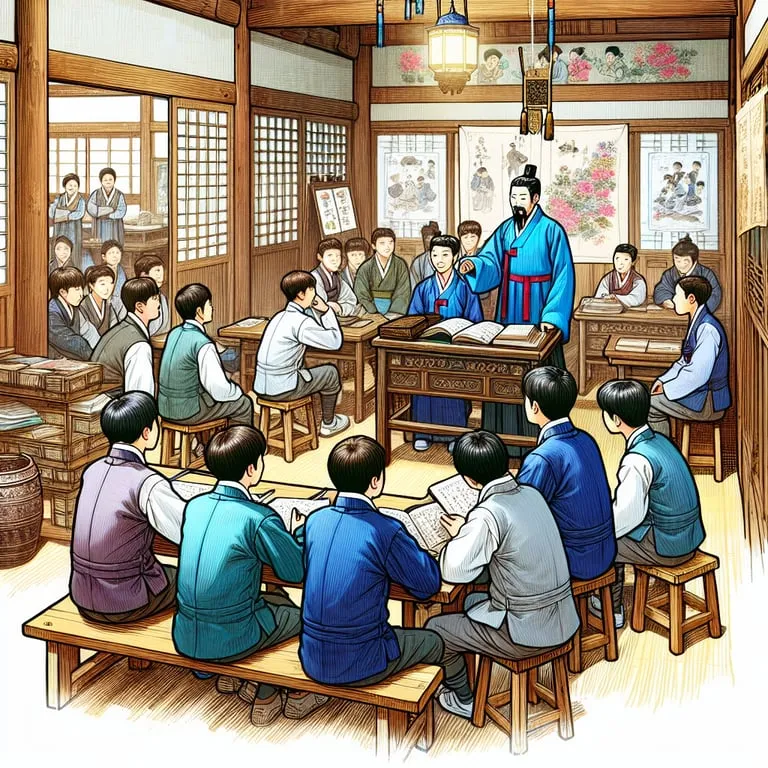
     

  • The History and Significance of Hangul Day​

    The History and Significance of Hangul Day​

    Hangul Day is more than a celebration; it is an homage to the ingenuity and perseverance embedded in the history of Korea’s unique writing system. Hangul, created by King Sejong and his scholars in the 15th century, represents a major cultural milestone. This day not only commemorates the language’s origins and development but also highlights its ongoing cultural significance and relevance. As we delve into the traditions and customs that mark this important occasion, we acknowledge the role Hangul plays in preserving Korean identity and enhancing communication in the modern era.


    The History and Significance of Hangul Day​


    Origins and Development of Hangul

    Hangul, the Korean alphabet, is not merely a script but a revolutionary linguistic invention that speaks volumes about Korea’s rich cultural and intellectual history. Its creation is a landmark event that redefined communication and literacy in Korea. Let us dive deep into the origins and significant development of this unique script.

    The Creation of Hangul

    Hangul was developed during the Joseon Dynasty, under the enlightened reign of King Sejong the Great in the 15th century. Prior to its invention, the Korean people relied heavily on Classical Chinese (Hanja) for written communication. This reliance was problematic, as only the elite and scholarly classes were proficient in Hanja, making literacy inaccessible to the common people. Thus, King Sejong sought to create an accessible and easy-to-learn script, and so, in 1443, the project to develop Hangul was initiated by the Hall of Worthies, a royal research institute. What culminated in 1446 with the promulgation of “Hunmin Jeongeum” (The Correct Sounds for the Instruction of the People) was nothing short of revolutionary.

    Systemic Genius of Hangul

    Hangul’s uniqueness lies in its systemic genius; it consists of 14 basic consonants and 10 basic vowels, which can be combined into syllabic blocks. In contrast to logographic writing systems like Chinese, Hangul is a featural alphabet, where the shapes of the letters are correlated to articulatory phonetics. This was an unprecedented accomplishment in linguistic design, as letters are intentionally shaped to indicate the position of the tongue, throat, or other organs associated with their phonetic sound (!!).

    King Sejong’s Vision

    King Sejong’s vision for Hangul was not only to improve literacy but also to empower individuals regardless of their societal status. This egalitarian approach was indeed unheard of during that era (!). Sejong even personally oversaw the compilation of the first Hangul texts to ensure accuracy and effectiveness. The “Yongbieocheonga” or “Songs of Dragons Flying to Heaven,” published in 1447, was the first poetry collection utilizing this new script, marking its official usage in literature.

    Resistance and Acceptance

    Despite its pragmatic brilliance, the adoption of Hangul was initially met with resistance. Conservative scholars within the Joseon court, who were deeply ingrained in Confucian ideals and the Chinese writing system, dismissed Hangul as Eonmun, or “vulgar script.” Nevertheless, its practicality could not be ignored. Over the centuries, Hangul gradually gained acceptance, especially among the lower classes and women, who were traditionally excluded from education due to the complexity of Hanja.

    Hangul’s Modernization and Legacy

    By the late 19th century, during the modernization efforts in Korea, Hangul finally achieved its rightful place as the primary script of the Korean language, thanks to reformers like Ju Si-gyeong, who advocated for its standardization. The Hangul Society’s efforts in the early 20th century further solidified its usage, preserving it against various cultural and political challenges.

    Conclusion

    The development and eventual adoption of Hangul are emblematic of cultural innovation and resilience. The script is now a source of national pride and identity, representing both historical significance and linguistic dexterity. Moreover, it continues to stand as a testament to Korea’s commitment to literacy and education for all. It is this rich narrative of determination and triumph that makes the study of Hangul not only fascinating but also essential to understanding the evolution of Korean culture.


    Celebrating Hangul Day: Traditions and Customs

    Hangul Day, or “한글날” as pronounced in Korean, is a national holiday in South Korea, celebrated annually on the 9th of October. The observance of Hangul Day is deeply rooted in the historic importance and cultural heritage of the Korean script—Hangul. Instituted in 1928 by the Korean Language Society, Hangul Day marks the promulgation of the Korean script by King Sejong the Great and his scholars in 1443. This is a momentous event since Hangul is one of the most intellectually significant monuments of linguistic innovation, crafted to increase literacy among the Korean populace by simplifying writing.

    Customs and Activities

    In South Korea, Hangul Day is celebrated with enthusiastic participation from government institutions to local communities. The customs on this day are multifaceted, focusing on both reverent reflection and joyous celebration. School programs often involve students engaging in activities that center around Hangul’s history and its unique characteristics. Educational contests such as calligraphy competitions, poem recitals, and spelling bees are prevalent, emphasizing the beauty and precision of Hangul. These activities not only serve to educate younger generations about their linguistic heritage but also instill a sense of pride in using and preserving their script.

    Government and Cultural Events

    The government, acknowledging the significance of Hangul, has designated various cultural events across the nation. Museums and cultural centers hold exhibitions showcasing ancient documents written in Hangul and its evolution over centuries. Tours and lectures by eminent linguists and historians are also conducted, aiming to shed light on Hangul’s phonetic structure and its scientific linguistic design, which UNESCO recognizes.

    Street parades and cultural performances echo with excitement, embodying the spirit of Hangul Day. Traditional Korean music and fanfare often accompany these events, contributing to a festive atmosphere. One popular custom is “hanmadang” (한마당), a festival where communities gather to perform and witness traditional arts. Through these performances, which range from traditional folk dances to contemporary interpretations, the living culture of Korea interconnects with its linguistic roots.

    Media and Global Recognition

    The mass media also plays a significant role in the celebration of Hangul Day by broadcasting documentaries and hosting talk shows that delve into the historical and cultural aspects of Hangul. These programs often include interviews with language experts, writers, and prominent figures who advocate for the conservation and appreciation of Hangul. Social media platforms enter the foray with hashtags celebrating the uniqueness of Korean script, reaching global audiences and inspiring international attention.

    Global Celebrations

    Moreover, commemorative events are not confined to the Korean Peninsula; Korean communities abroad also celebrate this day with equal fervor. Korean cultural organizations and language institutes around the world organize symposiums and workshops. These gatherings aim to educate non-native speakers on the nuances of Hangul, reinforcing its global relevance as Korea’s cultural ambassador.

    Significance of Hangul Day

    Hangul Day stands as a testament to Korea’s dedication to not only preserving linguistic heritage but also innovating within it. The significance of celebrating Hangul Day thus extends beyond nostalgia, serving as a reminder of Korea’s commitment to literacy, cultural identity, and global cultural exchange. As the world progresses through the digital age, Hangul remains a language that has adapted impeccably while preserving its originality.


    Cultural Impact and Importance of Hangul

    Hangul, scientifically constructed by the esteemed King Sejong and his erudite scholars in the 15th century, has become a pivotal element of Korean culture and identity. Its formation marked a dramatic transformation in Korean society, serving as an intellectual spark that empowered the general populace—previously marginalized by the complexity of Classical Chinese characters—to engage in reading and writing, thus laying the foundations for a more literate, informed, and critically thinking Korean society.

    Efficiency and Design of Hangul

    With remarkable simplicity and efficiency, Hangul’s design comprises 24 fundamental characters—14 consonants and 10 vowels—which can be ingeniously combined to depict the vast spectrum of Korean phonetics. This alphabet system is lauded as one of the most efficient writing systems in the world, earning accolades from linguistic experts globally. The scientific conception behind Hangul is deeply rooted in phonological principles, making it a robust tool for communication that is not only easy to learn but also precise in expression.

    Cultural Resonance and Literary Impact

    Hangul’s cultural resonance extends beyond literacy rates. Its introduction catalyzed a burgeoning of Korean literature and poetry that flourished in the late Joseon period and into modern times. The proliferation of literary works fostered a shared national consciousness and pride, and cultivated an environment where diverse ideas could be recorded, preserved, and disseminated across generations. As of 2022, literacy rates in South Korea stand impressively at above 98%, a testament to the enduring impact of Hangul in propelling the cultural and intellectual maturation of Korea.

    Symbol of National Identity and Resilience

    The importance of Hangul is also discernible in its role in sustaining national identity, particularly during periods of foreign occupation and cultural suppression. When Korea was under Japanese colonial rule from 1910 to 1945, Hangul became a symbol of resistance and resilience, as the Japanese government imposed measures to extinguish Korean cultural expressions, including the prohibition of Korean language in educational and governmental domains. Despite active oppression, Koreans clandestinely maintained and celebrated Hangul, solidifying its status as a bastion of national spirit.

    Hangul in the Modern Era

    In the modern era, Hangul Day—celebrated annually on October 9th in South Korea (and January 15th in North Korea)—serves as a vibrant reminder of Hangul’s significance. This date marks the official proclamation of Hangul, honoring its creator and inspiring ongoing appreciation and study. Hangul Day celebrations include activities such as academic conferences, cultural performances, and exhibitions highlighting the historical journey and contemporary relevance of Hangul. Such events not only commemorate Hangul’s past achievements but also its dynamic adaptation to the digital age, where it continues to thrive in cyberspace, transcending geographical and linguistic barriers.

    Global Influence and Economic Reinforcement

    As Korea’s cultural exports, including K-pop, K-dramas, and cinema, achieve monumental success on the global stage, Hangul is economically reinforcing its cultural leverage. The overwhelming popularity of Korean media has spurred a worldwide interest in learning Hangul. For instance, data from the King Sejong Institute Foundation indicates that over 70 million people in more than 180 countries have shown interest in studying the language, and the demand for Korean language classes has seen a significant surge.

    Linguistic Precision and Cultural Heritage

    Furthermore, in acknowledgment of its linguistic precision and cultural import, scholars often regard Hangul as a paradigm of linguistic engineering. The language has been cited as fulfilling the criteria that make for an effective communication tool: cognitive compatibility, expressive versatility, and adaptability to technological mediums. These aspects further underline Hangul’s exceptional contribution to not only Korean but world linguistic heritage.

    Future Directions

    Moving forward, the preservation and continuous adaptation of Hangul remain crucial. Institutions, academicians, and policymakers engage in efforts to document, standardize, and promote Hangul domestically and internationally. Hangul’s potential in fostering international dialogue, cultural exchange, and educational opportunities, especially with its rising popularity in universities worldwide, reinforces its significance far beyond national borders.

    In summary, Hangul is much more than a mere script; it is a profound cultural artifact that embodies the indomitable spirit of Korea. Its influence permeates every facet of Korean society, shaping the nation’s intellectual, artistic, and cultural landscapes while fortifying its presence on the global stage. As such, Hangul stands as a robust symbol of Korean ingenuity, resilience, and identity.


    Preservation and Modern Relevance of Hangul

    Hangul, the unique and scientific writing system of the Korean language, commands a profound historical and cultural significance that extends well into the modern era. Its journey from a revolutionary script invented during the 15th century by King Sejong the Great, to its role today, highlights an intriguing narrative of preservation and adaptation. With its creation in 1443 and official promulgation in 1446 (a fact underscored by the king’s own words in the “Hunminjeongeum Haerye,” which states it was made for the common people…), Hangul has been transformative in elevating literacy rates and preserving cultural identity amidst political and social changes. Its structured elegance, simplicity, and adaptability have made it not only a linguistic treasure but a symbol of national pride and intellectual advancement.

    Preservation Efforts

    Preservation efforts for Hangul are numerous and multi-faceted. In museums and cultural institutions across South Korea, Hangul’s legacy is enshrined through exhibitions and educational programs. These initiatives aim to deepen the public’s understanding of its historical roots and evolving usage: a critical task given the globalizing trends that could otherwise dilute indigenous languages and scripts. Furthermore, the Hangul Society, established in 1921, actively promotes Hangul through publications and advocacy, stressing its linguistic efficiency and cultural importance.

    Technological Advances

    Technological advances have also played a pivotal role in its preservation. In the digital age, Unicode’s inclusion of Hangul ensures its accessibility and adaptability across all digital platforms, supporting everything from smartphones to computers. This transition into the digital realm has guaranteed that Hangul remains relevant and engaged with the world’s swift technological progression. Indeed, with Korea ranking among the top countries in internet penetration rate, standing at nearly 96%, the integration of Hangul in digital platforms is imperative (talk about keeping up with the times!).

    Global Celebration and Cultural Impact

    Additionally, Hangul is celebrated beyond its native peninsula due to the Korean Wave, or “Hallyu,” which has popularized Korean culture worldwide. Korean pop music (K-pop), drama, and cinema serve as vehicles to introduce millions to Hangul, incentivizing non-native speakers to learn this historical script. Interestingly, the Korea Foundation for the Promotion of Hangul reported that there are over 77 million speakers of Korean as of 2023, indicating the language’s burgeoning appeal! Consequently, this cultural goliath has accelerated Hangul’s linguistic relevance on the global stage, intertwining it with vibrant, contemporary culture.

    Education and Preservation

    Education continues to be a cornerstone of Hangul’s preservation. In South Korea, students from a young age are immersed in the study of Hangul through a curriculum that not only teaches reading and writing but also appreciates classical Korean literature and Hangul’s scientific basis. This extensive educational groundwork ensures that the significance of Hangul is given its rightful place in the modern psyche and underscores its continued importance in shaping linguistic and national identity.

    Future Implications

    However, the modern relevance of Hangul also lies in its potential implications for the future—a concept not lost on those advocating for language diversity amid the global dominance of languages like English. The promotion of Hangul, with its scientifically grounded alphabetic structure, offers significant insights into the linguistic domains, paving the way for innovations in language usage and teaching that are both equitable and inclusive.

    In sum, the story of Hangul is one of resilience and innovation. Its continuous evolution and maintenance speak volumes about its capacity to adapt and remain influential in a rapidly changing world. By appreciating its depth and fostering its growth, Hangul isn’t merely preserved; it’s increasingly revered as a dynamic cornerstone of cultural and intellectual heritage. Hangul Day and its observance encapsulate not just a celebration of an alphabet, but a veneration of an enduring legacy!


    Hangul Day remains a powerful testament to the innovation and cultural pride embedded within the Korean language. Understanding its history and the efforts to preserve and celebrate it showcases the remarkable journey from its creation to its present-day relevance. Not merely a script, Hangul is a living symbol of identity and adaptability, influencing countless aspects of Korean life. Its celebration continues to foster a deeper appreciation of linguistic beauty and heritage, reminding us of the vital role language plays in cultural continuity and national unity.


  • Korean Pop Culture: How It Influences Fashion Worldwide​

    Korean Pop Culture: How It Influences Fashion Worldwide​

    In recent years, Korean pop culture has become a significant player on the global stage, influencing a myriad of industries, none more profoundly than fashion. With the explosive rise of K-Pop, the world has been captivated by not only the music but also the distinctive styles that accompany these cultural phenomena. This influence extends beyond music, as seen in the impact of Korean drama fashion trends, which have reshaped the wardrobes of global audiences. The power of celebrity endorsements further solidifies Korea’s grip on fashion markets worldwide. Additionally, the inventive streetwear from Korea has permeated international fashion runways, revolutionizing design concepts. As Korean pop culture continues to shape global fashion landscapes, it invites both fashion enthusiasts and industry leaders to explore its dynamic influence.


    Korean Pop Culture: How It Influences Fashion Worldwide​


    The Rise of K-Pop and Its Global Impact

    K-Pop, short for Korean Pop, isn’t just music—it’s an electrifying phenomenon that has transcended cultural and national boundaries with remarkable speed and impact. Emerging in the early 1990s, K-Pop has burgeoned into a multi-billion dollar industry, representing a significant portion of South Korea’s entertainment exports. By 2019, Korea’s cultural exports reached over $10 billion, with K-Pop being credited as a critical driver. With its polished aesthetics, vibrant music videos, distinctive fashion sense, and, most notably, the magnetic appeal of its artists, K-Pop’s impact on global culture is undeniable and continually expanding.

    The Global Impact of K-Pop

    The global impact of K-Pop is, indeed, monumental. In 2020, the K-Pop industry generated over $5 billion in revenue, signaling its vitality in the global market. The numbers speak volumes: BTS, arguably the most prominent K-Pop group, alone contributed $4.65 billion to the Korean economy in a single year, comparable to the economic impact of 26 mid-size companies. The unprecedented success of this group not only reflects the popularity of K-Pop itself but has set new benchmarks for global music phenomena.

    The Role of Social Media

    Furthermore, social media, particularly platforms like YouTube, Instagram, and Twitter, have accelerated the global dissemination of K-Pop. BTS’s “Boy With Luv” set a 24-hour viewing record on YouTube with 74.6 million views, highlighting the intense global fandom and online engagement. The synthesis of music and digital platforms has enabled fanbases worldwide to form vibrant communities, fostering the ‘Hallyu,’ or Korean Wave, promoting Korean culture universally.

    K-Pop Idols as Cultural Ambassadors

    These K-Pop artists, often referred to as “idols,” are meticulously trained for years in singing, dancing, and foreign languages, honing not just their musical prowess but their ability to connect with fans across different cultures. This rigorous training system ensures that K-Pop artists aren’t just entertainers; they are cultural ambassadors who bring with them a sense of Korean identity intertwined with universal values, resonating with diverse global audiences.

    The Influence of K-Pop Fashion

    Fashion, as an integral part of K-Pop, plays a crucial role in its appeal. K-Pop idols are style icons, setting trends that ripple out from South Korea to every corner of the globe. Their influence on fashion is palpable, driving trends in streetwear, luxury fashion, and even everyday apparel. Global fashion houses like Gucci, Chanel, and Louis Vuitton have actively collaborated with K-Pop icons, recognizing their influence and reach. The combination of eclectic, bold, and sometimes avant-garde styles worn by K-Pop stars has redefined global fashion norms and elevated the visibility of Korean brands on the world stage.

    K-Pop as a Cultural Force

    The all-encompassing reach of K-Pop extends beyond just music and fashion. It has become a significant cultural force, bridging Eastern and Western sensibilities. Its universality lies in the adaptability and inclusivity of its art form, fostering a sense of connection and understanding across continents—a true testament to the power of cultural diplomacy.

    Educational Impact of K-Pop

    Moreover, the educational aspect of K-Pop’s rise cannot be understated. Thousands of fans worldwide are motivated to learn the Korean language, driving enrollments in language courses and self-study initiatives. Language apps such as Duolingo have reported surges in Korean language learners, marking an increase of 90% from previous years, largely driven by the desire to understand K-Pop lyrics and engage more meaningfully with the community. This linguistic curiosity fosters cultural appreciation and helps bridge the gap between Korea and international fans.

    K-Pop’s Global Influence

    The sweeping influence of K-Pop is reshaping the music industry globally. As Korean entertainment companies establish partnerships with international conglomerates, K-Pop’s presence in Western music markets has grown more formidable. This collaboration has opened new avenues for global music distribution and cultural exchange, paving the way for future collaborations that further cement K-Pop’s international standing.

    K-Pop’s rise isn’t just confined to entertainment; it’s emblematic of a broader cultural shift that prioritizes diversity, inclusivity, and global unity. It has shattered the stereotype of monocultural music markets, proving that music, fashion, and culture are truly global languages. Korean pop culture, with its omnipresent impact, continues to redefine and narrate the story of<|image_gen|> modern-day globalization, showing the world the boundless potential of cultural fusion. K-Pop is more than a genre; it is a beacon of international harmony, a testament to the world’s ever-evolving cultural tapestry, woven together by the threads of rhythmic beats and shared human experience.


    Korean Drama Styles Setting Fashion Trends

    Korean dramas, often referred to as K-dramas, have become a global cultural phenomenon, captivating audiences with their compelling narratives and intricate storytelling. However, beyond the captivating plots and emotional depth, Korean dramas have emerged as a powerful influencer in the world of fashion. The phrase “K-Drama Fashion” is not just a buzzword, but a testament to the symbiotic relationship between on-screen styling and global fashion trends. The influence is insidious yet monumental, where the sartorial choices in K-dramas shape fashion runways, inspire global retail brands, and continually redefine modern fashion aesthetics. This unexpected revolution in the fashion industry can be quantified by a staggering increase in the purchase of fashion items seen in K-dramas, reportedly rising by 15-20% in certain quarters, according to fashion trend analysts.

    The Magic of K-Drama Fashion

    The magic of K-drama fashion lies in its ability to organically incorporate traditional Korean elements with contemporary high fashion! Viewers are introduced to a captivating blend of hanboks – intricately designed traditional Korean garments – melded with modern silhouettes, fabrics, and trends. This fusion reflects the evolving fashion scene in Korea, where ancient heritage gracefully intertwines with cutting-edge design, ingeniously influencing mainstream fashion markets from Paris to New York. Major fashion houses and retailers are paying keen attention, often finding inspiration in the fresh, eclectic style showcased in these dramas!

    Strategic Fashion Selection

    Moreover, the strategic selection of clothing in K-dramas is meticulously orchestrated to reinforce character identity, thereby enhancing viewer engagement. Fashion designers working behind the scenes are tasked with creating bespoke styles that align each character with a certain vibe or narrative arc. Whether it be bold, avant-garde pieces for dynamic, risk-taking characters or minimalist, tailored outfits for those exuding sophistication and intellect, each garment is a deliberate choice aimed at building a nuanced character profile. Director collaborations with renowned stylists have even led to the resurrection or reinvention of bygone fashion trends, seamlessly showcasing the cyclical nature of style evolution that appeals to diverse demographics.

    The Digital Era’s Influence

    The impact of these dramas on global fashion is magnified by the digital era, where streaming platforms such as Netflix and Viki bring K-dramas to a worldwide audience. The global accessibility of these shows ensures that new trends can transcend cultural and geographical boundaries faster than ever. Furthermore, platforms like Instagram and TikTok play a pivotal role in this revolution, allowing influencers and everyday viewers to share and recreate popular K-drama looks, creating a snowball effect that garners more interest and engagement from fashion enthusiasts globally.

    Impact on E-commerce and Retail

    The proliferation of e-commerce platforms has been instrumental in this transference of K-drama fashion trends to international markets. Retail giants have capitalized on the surge in demand by launching exclusive K-drama inspired collections, thus allowing fans to effortlessly integrate these fashions into their own wardrobes. According to a recent market study, the sale of such collections has evidenced a robust 25-30% year-over-year growth, particularly in regions with a high density of K-drama viewership, such as Southeast Asia and North America.

    Cultural Nuances in Fashion

    Furthermore, the cultural nuances embedded in K-drama fashion play a critical role in its widespread appeal. The subtle hints of Korean cultural values, sensibilities, and the meticulous attention to detail in these fashion ensembles resonate with an audience seeking authenticity and sophistication. By transcending language barriers—speaking through the universal language of fashion—K-dramas have inadvertently contributed to a burgeoning interest in not just Korean fashion but also Korean culture as a whole.

    In essence, Korean drama styles are setting fashion trends by serving as a bridge between traditional and modern aesthetics, by empowering diverse character narratives through fashion, and by stimulating worldwide fashion interest through digital platforms. This sustainable influence continues to shape and define global fashion paradigms, prompting industry stakeholders and fashion enthusiasts alike to take note. As the world eagerly anticipates each new K-drama release, it is as much the storytelling as the fashion masterpieces that captivate and inspire a global audience, ceaselessly redefining the fashion landscape with a unique and innovative flair. The transcendence of K-drama fashion from screen to street is a testament to the powerful narrative and cultural exchange between art and reality, demonstrating how influential Korean creative content has become in the fashion zeitgeist.


    Celebrity Endorsements: Shaping Fashion Markets

    In the high-stakes world of fashion, celebrity endorsements have long been a linchpin strategy; it’s the golden ticket that often translates a nascent brand into a revered name across the globe. This is not merely a tactical marketing maneuver but a complex interplay of psychological influence and consumer behavior. According to a report by MarketWatch, the global celebrity endorsement market is projected to reach approximately $24.1 billion by 2027, growing at a CAGR (Compound Annual Growth Rate) of 8.1% from 2020. This statistic alone underscores the formidable power celebrity endorsements wield in shaping fashion markets worldwide.

    The Influence of Korean Pop Culture

    The phenomenon is especially pronounced in the context of Korean pop culture, where the boundary between entertainment and lifestyle is delightfully ambiguous. The Hallyu wave, characterized by the seismic rise of K-pop and K-dramas, has not only transcended cultural barriers but has redefined the paradigms of fashion marketing. Celebrities in this sphere are not just influencers—they are trendsetters whose styles are mimicked with fervor by millions. Their endorsement can result in a staggering increase in product demand, with figures suggesting a 10-20% surge in sales post-collaboration.

    Case Study: BTS and Louis Vuitton

    Take, for instance, BTS’s collaboration with luxury fashion house Louis Vuitton in 2021. This partnership was a masterstroke in brand positioning, encapsulating both the aspirational and accessible aspects of the label. Within weeks of the endorsement announcement, Louis Vuitton’s social media engagement spiked by an unprecedented 60%, illustrating the magnetic pull these celebrities hold. Fans, inspired by their idols sporting the chic creations, are more inclined to purchase even high-end items, a testament to the persuasive allure of K-pop idols.

    Impact on Young Consumers

    Furthermore, studies show that 89% of young consumers aged between 16 and 25 make purchasing decisions based on celebrity endorsements. This demographic, empowered with disposable income and social influence, drives trends not just in fast fashion but also in the luxury sector. Brands like Gucci, Chanel, and Dior tactically employ top-tier Korean celebrities, known colloquially as ‘Hallyu stars,’ to cultivate and expand their market presence. It’s a mutually beneficial relationship—the brand gains visibility and credibility, while the celebrity augments their influence and reach.

    Psychological Mechanics and Personal Connection

    The psychological mechanics at play here are fascinating. Celebrities have the uncanny ability to construct a perceived sense of authenticity and relatability, fostering a connection that advertisements alone can rarely replicate. This personal connection is pivotal—fans perceive the endorsement as a testament to quality and style worthy of emulation. For example, when BLACKPINK member Jennie became the face of Chanel, it wasn’t just about showcasing new collections. ‘Human Chanel,’ as she is often dubbed, epitomized the brand’s ethos, seamlessly blending the line between pop culture and haute couture, thus catalyzing a surge in Chanel’s attractiveness among younger audiences.

    Comprehensive Marketing Ecosystems

    Moreover, these partnerships extend beyond mere product placements—they often set the stage for comprehensive marketing ecosystems. From curated social media campaigns to exclusive event appearances, brands and celebrities collaborate to craft narratives that are as engaging as they are persuasive. Such strategies are not just about advertising a product; they are about telling a story, one that resonates with consumers on a deeply personal level.

    The Risks and Rewards

    However, it is not all gloss and glam. The dynamic nature of celebrity status demands a meticulous risk assessment; the fates of brands and faces are intricately intertwined. Scandals or a dip in a celebrity’s popularity can adversely affect a brand’s image. Yet, the overwhelming benefits tend to overshadow these risks, solidifying the role of celebrity endorsements as pivotal instruments in contemporary fashion marketing.

    In sum, as Korean pop culture continues to exert its influence on global fashion markets, the symbiotic relationship between celebrities and fashion brands is more potent than ever. By leveraging the universal language of style and the emotive power of public figures, brands can penetrate markets, engage new demographics, and drive sales to unprecedented heights. Celebrities indeed shape fashion markets, wielding a charisma that transforms mere fabric into an emblem of identity and aspiration. Such is the mesmerism of this new age marketing phenomenon!


    Influence of Korean Streetwear on Global Designs

    The influence of Korean streetwear on global fashion design is both profound and pervasive. As streetwear continues its dominance in the fashion industry, Korean designers and trends have systematically infiltrated the global market, effectively transforming conventional fashion paradigms. It’s a phenomenon driven by a unique blend of culture, innovation, and strategic influence!

    Korea’s Cultural Potency in Fashion: A Unique Recipe

    Over the past decade, Korean streetwear has gained a robust foothold internationally. Rooted in Korea’s unique cultural zeitgeist, Korean streetwear combines traditional elements with cutting-edge fashion innovation. This eclectic mix is often characterized by oversized silhouettes, asymmetrical lines, and a daring play with colors and patterns—design principles that echo through the collections of global fashion houses. According to a 2022 report by the Korean Fashion Association, international inquiries for Korean streetwear brands increased by 35%, indicating its rising appeal and influence.

    Fashion’s New Epicenter: Seoul Fashion Week and Beyond

    Seoul Fashion Week has become a global stage showcasing the vibrancy and creativity of Korean streetwear. Designers like Hyein Seo and Wooyoungmi are pushing boundaries, captivating audiences and industry insiders alike with styles that blend functionality with artistry—a hallmark of streetwear ethos. Brands such as Ader Error and Gentle Monster are leading the vanguard, their influence palpable in the lines of major Western and European fashion retailers. Studies suggest that collaborations with Korean streetwear brands can boost sales in international markets by up to 20% in the first quarter post-launch!

    Social Media as Catalyst: K-Fashion’s Digital Domination

    Social media platforms play a critical role in elevating Korean streetwear’s global status. Influencers and fashion enthusiasts around the world are increasingly drawn to the innovative and expressive aesthetics of Korean design, actively sharing and promoting these styles across Instagram, TikTok, and other digital channels. This digital wave amplifies Korean streetwear’s visibility exponentially, with hashtags like #KoreanStreetFashion reaching millions of fashion aficionados worldwide. A survey by GlobalWebIndex in 2023 revealed that 60% of fashion-forward consumers discover new brands through social media, underscoring the medium’s significance in popularizing Korean streetwear.

    Sustainable & Ethical Fashion: Korea’s Commitment to the Cause

    Korean streetwear’s influence also extends into the realm of sustainability—a growing priority within the fashion industry. Many Korean brands are at the forefront of sustainable design, emphasizing eco-friendly materials and ethical manufacturing processes. This commitment aligns with the preferences of modern consumers who are increasingly conscientious about their environmental footprint. For instance, sustainable Korean label Re;code repurposes old garments into new streetwear pieces, gaining international recognition and adhering to the industry’s push towards a circular economy. According to Greenpeace East Asia, eco-streetwear from Korea has seen a 25% increase in global demand from 2021 to 2023.

    Cultural Fusion and Adaptation: The Global Fashion Melting Pot

    Korean streetwear is a catalyst for cross-cultural fusion, influencing and being influenced by other global fashion hubs. Japan’s avant-garde styling and New York’s gritty street aesthetics, for instance, find echoes in Korean designs, creating a rich tapestry of fashion narratives. The cross-pollination is mutual, with Korean designers like Yoon Ahn of Ambush and Chitose Abe of Sacai reinforcing a multicultural dialogue through their collaborations and global outreach. This evolving dynamic fosters a diversified fashion landscape, simultaneously celebrating cultural specificity and universal themes. In 2023, The Fashion Spot reported an increase of 40% in collaborative collections between Korean and international designers, reflecting the blending of global fashion currents.

    The Future of Fashion: Korean Streetwear’s Enduring Legacy

    Looking beyond current trends, Korean streetwear continues to redefine and inspire fashion’s future trajectory. It challenges norms, reimagines possibilities, and invites a dialogue that is as innovative as it is inclusive. The narrative of Korean streetwear is a testament to the power of cultural identity and creative freedom in shaping global design ethos. As we move forward, the indelible imprint of Korean streetwear on the world of fashion promises to grow richer and more complex, ensuring its influence remains both relevant and revolutionary.

    In conclusion, the impact of Korean streetwear on global designs reflects a broader cultural and industrial transformation, embodying the dynamic relationship between fashion trends and societal evolution. With each new season, Korean streetwear reaffirms its position as a vital and transformative force in global fashion, a beacon of style and substance that continues to capture imaginations and reshape the industry.


    K-pop culture transcends entertainment, significantly shaping the global fashion industry. From the influence of sensational pop bands and charismatic drama stars to strategic celebrity endorsements, Korean fashion has become a benchmark. This cultural wave has not only diversified streetwear but also cultivated fresh global fashion perspectives, setting new standards. As the world becomes increasingly interconnected, the impact of Korean pop culture on fashion will undoubtedly continue to grow, inspiring designers and consumers alike to explore and embrace innovative trends.


  • Exploring Gyeongju: Koreas Ancient Capital​

    Exploring Gyeongju: Koreas Ancient Capital​

    Located in the southeastern part of South Korea, Gyeongju offers an unparalleled glimpse into the nation’s rich tapestry of history and culture. Known as Korea’s Ancient Capital, this city is a treasure trove of historical landmarks and cultural richness, where stories of the past come to life. Visitors can explore must-see temples, each a silent sanctuary echoing the spiritual heritage of the region. Additionally, indulge in traditional Korean cuisine that captures the essence of the locale. For those seeking adventure and natural beauty, Gyeongju provides outdoor experiences that promise stunning scenic views. As you journey through this historic city, you are invited to uncover the narratives that shaped Korea’s vibrant heritage.


    Exploring Gyeongju: Koreas Ancient Capital​


    Historical Landmarks and Cultural Treasures

    Gyeongju, often referred to as the “museum without walls,” stands unrivaled when it comes to historical significance and cultural richness. As the ancient capital of the Silla Kingdom, which reigned over Korea for nearly a millennium, Gyeongju is replete with sites of historical prominence and treasures that narrate stories of a bygone era. With over 1,000 registered cultural heritage sites, this city is a historian’s paradise and an essential visit for anyone keen on exploring Korea’s illustrious past.

    The Silla Kingdom’s Legacy

    The Silla Kingdom, known for its remarkable achievements in unifying the Korean Peninsula, left an indelible mark on the region, both culturally and architecturally. Among these, the Cheomseongdae Observatory, hailed as the oldest existing astronomical observatory in Asia, serves as a testament to the advanced scientific knowledge and ingenuity of the Silla period. Constructed in the 7th century, the observatory intriguingly incorporates 362 stones—a possible acknowledgment of the days in the lunar calendar year—marking it as a marvel of ancient engineering.

    Bulguksa Temple and Seokguram Grotto

    No exploration of Gyeongju would be complete without visiting the Bulguksa Temple. This iconic temple is a masterpiece of Buddhist art and architecture, recognized as a UNESCO World Heritage Site since 1995. Its stone pagodas, Dabotap and Seokgatap, stand as perennial symbols of the temple’s timelessness and the spiritual devotion that characterizes the era of its construction. Adjacent to Bulguksa, the Seokguram Grotto houses a serene statue of the Buddha gazing out over the East Sea, a profound embodiment of the pursuit of nirvana and the artistry of Silla sculptors.

    Daereungwon Tomb Complex

    Further enriching Gyeongju’s landscape is the Daereungwon Tomb Complex, a collection of royal tombs dating back to a time when kings ruled with a transcontinental vision. The most famous amongst them, Cheonmachong Tomb, is an archeological marvel, having yielded over 11,500 artifacts during its excavation. Inside, exquisite gold crowns, jade pieces, and murals tell the tales of royal grandeur and the spiritual beliefs held by Silla’s elite.

    Gyeongju National Museum

    The city’s cultural allure is further amplified by the Gyeongju National Museum, where more than 16,000 artifacts are meticulously curated to provide visitors with a comprehensive view of the Silla period’s artistry and daily life. It’s not merely a space for history buffs but also anyone fascinated by the evolution of human society and craft.

    Yangdong Folk Village

    Gyeongju’s cultural treasures also extend beyond historical structures to traditional Korean village life at Yangdong Folk Village, another UNESCO World Heritage Site! Established in the 15th century, this village offers an immersive experience into Korea’s Joseon Dynasty, showcasing more than 160 tile-roofed and thatched-roof houses that continue to retain their architectural integrity. Wandering through its narrow paths, visitors can witness the seamless blend of nature and human habitation, a cornerstone of Korean philosophical thought.

    As one explores these landmarks, it’s essential to appreciate the underlying philosophy that guided Silla’s rulers and artisans—the profound integration of spirituality, governance, and community. The meticulous design and placement of these sites were far from arbitrary; they reflect a deep-seated reverence for harmony with nature and the divine! This is evident in how these sites are strategically positioned around the Gyeongju Basin to align with the natural contours of mountains and riverways, an indication of the Silla people’s respect for geomancy.

    Conclusion

    In summary, Gyeongju is not simply a city frozen in time; it is a vibrant tapestry of history and culture that continues to inspire through its awe-inspiring historical landmarks and cultural treasures. The city’s unique capacity to harmonize ancient achievements with the continual pulse of modern life establishes it not only as a historical repository but as a dynamic, living museum that beckons to scholars, tourists, and dreamers alike. Gyeongju’s legacy is not just in the stone and earth that make up its landscapes, but in the stories and cultural philosophies that have endured for centuries, inviting us to understand and reflect on a rich cultural heritage that shaped Korea and continues to define its identity even today.


    Must-See Temples and Silent Sanctuaries

    Embark on a journey through Gyeongju, where time seems to hold its breath, leaving behind a majestic tableau of spiritual and architectural wonders. Known as the “museum without walls,” Gyeongju showcases an array of Buddhist temples and serene sanctuaries—a testament to South Korea’s rich cultural tapestry and spiritual heritage.

    Bulguksa Temple: A Masterpiece of Silla Architecture

    Among a sea of historic landmarks, Bulguksa Temple stands as a monumental embodiment of ancient Silla craftsmanship and religious devotion. Originally constructed in 528 during the Silla Dynasty, this temple has stood the test of time, gracefully withstanding numerous restorations and renovations. Its intricate architectural details and priceless artifacts have garnered Bulguksa a place on the UNESCO World Heritage list since 1995. A visit here offers an opportunity to witness Dabotap and Seokgatap, two iconic stone pagodas standing proudly within the temple grounds—the former an elegant masterpiece, the latter a solemn monument. The harmony of Bulguksa’s architecture with the surrounding landscape is nothing short of breathtaking, particularly when the cherry blossoms paint the temple grounds with their ephemeral beauty in spring.

    Seokguram Grotto: The Pinnacle of Buddhist Art

    Just a few kilometers away from Bulguksa, nestled in Tohamsan Mountain, lies the sacred Seokguram Grotto. This hermitage houses an imposing statue of the Buddha seated in serene meditation, with his gaze gently cast over the distant sea below. Crafted meticulously during the mid-8th century, Seokguram represents the apogee of Buddhist art in Korea. This sublime granite sanctuary, sculpted with celestial gods, bodhisattvas, and divine guardians, offers glimpses of artistic brilliance. The beauty of Seokguram extends beyond the visual; it is acoustically phenomenal, designed to withstand the elements, with an attention to sound that ensures the resonance of chants within. The mesmerizing interplay of light and shadow on the Buddha’s face at dawn is said to inspire profound contemplation—a moment that should not be missed.

    Golgulsa Temple: The Home of Seon Meditation and Sunmudo

    Venture deeper into Gyeongju’s verdant retreats to discover Golgulsa Temple, where a unique confluence of martial arts and Zen practices unfolds. Perched on a rocky cliff amidst dense pine forests, Golgulsa is the cradle of Sunmudo, an ancient Korean martial art that embodies meditative movements and breath control. As visitors explore this temple, they can engage in Seon (Zen) meditation sessions and experience the tranquil discipline of Sunmudo—a powerful melding of mind and body that cultivates inner harmony. With firsthand experiences available for all levels, Golgulsa is more than a spiritual sanctuary; it’s a dynamic learning environment.

    Yangdong Village: A Living Repository of Confucian Values

    While Gyeongju’s Buddhist sites offer a window into ancient religious practices, Yangdong Village, a UNESCO World Heritage Site since 2010, presents a different facet of Korea’s spiritual and cultural history. This quintessential Korean village, dating back to the Joseon Dynasty, remains a vibrant testament to Confucian traditions still existing in harmony with contemporary life. Traditional hanoks (Korean houses) and pavilions dot the landscape, surrounded by lush hills and tranquil fields. Visitors can explore these architectural gems, gaining insight into the aristocratic Confucian customs that influenced Korean society over centuries.

    Daereungwon Tomb Complex: A Sanctuary of Silence

    For those seeking a more introspective experience, the Daereungwon Tomb Complex offers a solemn homage to Gyeongju’s ancient sovereigns. Walking through its grounds, visitors will find themselves surrounded by warriors of silence—mounded royal tumuli, each a tribute to the kings and queens of Silla. The largest, Cheonmachong, houses the famous “heavenly horse” painting and offers a glimpse into the rich artistry and rituals of the era. The tranquility of the complex, particularly at dawn or dusk, evokes a deep sense of reverence and reflection.

    Anapji Pond: A Glimpse into Royal Leisure

    As daylight wanes, a visit to Anapji Pond—originally built in 674 CE as part of a palace complex—offers a romantic conclusion to the spiritual sojourn in Gyeongju. The pond, meticulously reconstructed to its former glory, reflects the opulence of royal leisure, with gracefully arching pavilions housing stories of regal festivities. When the dusk colors the sky, the reflections of illuminated structures dancing on the water’s surface create a scene of ethereal beauty—a silent sanctuary under the stars.

    In conclusion, Gyeongju’s temples and sanctuaries are not merely historical sites; they are living embodiments of Korea’s spiritual, artistic, and cultural legacy. Each visit offers immersive experiences, deepening the understanding and appreciation of Korean heritage for every traveler seeking serenity and enlightenment.


    Traditional Korean Cuisine Experiences

    Gyeongju, the ancient capital of Korea, offers a veritable feast for the senses when it comes to traditional Korean cuisine. With roots deeply embedded in its thousand-year-old Silla dynasty history, the culinary landscape here is as rich and flavorful as it is steeped in tradition. From intricately prepared royal court dishes to comforting home-style recipes, Gyeongju presents a unique opportunity to explore Korea’s gastronomic heritage.

    The Role of Kimchi

    One cannot discuss Korean cuisine without highlighting the central role of kimchi, the country’s iconic fermented vegetable dish. In Gyeongju, you can experience a multitude of local variations that reveal the depth of this seemingly simple delicacy. Did you know that there are over 200 documented varieties of kimchi? Each type varies based on regional ingredients and preparation methods, offering a kaleidoscope of flavors from tangy and spicy to mildly sweet.

    Banchan: The Array of Side Dishes

    Another cornerstone of traditional Korean dining in Gyeongju is banchan, the array of small side dishes served alongside rice during meals. These aren’t mere accompaniments; they are an essential part of balancing flavors. Typically, 3 to 12 different banchan can be served in a single meal, with options such as kimchi, seasoned vegetables, fish cakes, and Korean pickles—each designed to complement the main dish while adding its own distinct texture and taste.

    The Beloved Korean Barbecue: Bulgogi

    A visit to Gyeongju wouldn’t be complete without sampling bulgogi, a beloved Korean barbecue dish consisting of thinly sliced marinated beef grilled to perfection! As the sweet-soy aroma wafts through the air, it’s hard to resist the temptation of this dish—often paired with crisp lettuce and fiery gochujang (red chili paste). The subtle harmony between the savory beef and the fresh, spicy accompaniments creates an unforgettable flavor profile.

    The Traditional Tea Ceremony

    For those interested in the ritualistic aspects of Korean meals, the traditional tea ceremony offers insight into the spiritual side of consumption. Green tea, called nokcha, has been a staple since the Goryeo dynasty and is believed to have various health benefits. Partaking in a traditional tea ceremony provides both a sensory and meditative experience as you pause to savor the subtle, earthy taste of tea brewed with precision.

    Understanding Dosirak and Hansik

    The exploration of traditional Korean cuisine in Gyeongju also provides an understanding of the ‘dosirak’, or the traditional Korean lunchbox. Intricately packed with rice, protein, and vegetables, the dosirak not only showcases color and balance but also reflects the Korean philosophy of ‘hansik’, a term denoting harmony and balance in food as well as life.

    The Delicacy of Hwangnam Bread

    Let’s not overlook hwangnam bread, named after the famous Hwangnam-dong district in Gyeongju. This soft, sweet pastry filled with red bean paste dates back to the early 20th century, offering a delightful taste of history along with its subtle sweetness. This local delicacy remains ever popular, with an estimated three million pieces sold annually—testament to its cultural significance and universal appeal.

    The Artistry of Making Beopju

    Finally, Gyeongju’s local liquor, beopju, provides a glimpse into the traditional Korean methods of fermentation. With an alcohol content of approximately 18%, beopju’s delicate aroma and smooth taste reflect the artistry of its makers, continuing to be an essential part of local banquets and celebrations. The making of beopju is such an intricate art that the technique is designated as an Important Intangible Cultural Property of Korea.

    Embarking on a culinary journey through Gyeongju is not just about savoring delicious dishes; it’s an experience that immerses you in the very essence of Korean culture and tradition. Each bite tells a story, echoing the ancient rhythms and timeless elegance of a city that has witnessed the ebb and flow of dynasties.


    Outdoor Adventures and Scenic Views

    Gyeongju, often referred to as the “museum without walls,” is not only a treasure trove of historical landmarks but also a paradise for outdoor enthusiasts and nature lovers. Its diverse landscape, ranging from rolling hills to serene coastlines, offers an array of activities that invite visitors to engage with nature’s grandeur, all while soaking in some of the most breathtaking views South Korea has to offer.

    Namsan Mountain: A Trek Through History

    For those fueled by an adventurous spirit, the Namsan Mountain, not to be confused with its namesake in Seoul, presents a challenging yet rewarding trek. Rising to an elevation of 494 meters, Namsan Mountain is peppered with ancient ruins, Buddha images, stone pagodas, and various cultural relics, making it a hike through both natural and historical landscapes. The mountain’s vast expanse is part of the Gyeongju National Park, South Korea’s first national park established in 1968, encompassing an impressive area of 137.1 square kilometers.

    The trails on Namsan are well-maintained, catering to both novice hikers and seasoned trekkers alike. The more adventurous can opt for the longer trails such as the Samneung Valley route, which typically takes about 5-6 hours to complete. Along the way, hikers may encounter remarkable sites like the Seven-Story Stone Pagoda or the ancient Seated Stone Buddha. With the mountain offering over 80 different peaks and numerous valleys, trekkers can frequently pause to absorb panoramas that stretch to the horizon, each new vantage point more captivating than the last.

    Coastal Adventures and Tranquil Beaches

    Beyond the mountains, Gyeongju’s splendid coastlines also beckon those in search of a maritime adventure. Bonggil Beach, celebrated for its soft sands and crystal-clear waters, provides an ideal spot for family picnics, swimming, and beach games. Equally enticing is the sight of the Daewangam Park, a picturesque ocean-side park home to stunning geological formations, evergreen pine forests, and a formidable sea-facing rock known as Daewangam, believed to hold the spirit of an ancient king.

    Pleasant Strolls and Picnics by Bomun Lake

    Further engaging those with a taste for panoramas and picnics is Gyeongju’s iconic Bomun Lake. This man-made lake, sprawling over 1.65 square kilometers, is the centerpiece of the Bomun Tourist Complex. While its extensive walking and cycling paths encourage leisurely exploration, paddle boating offers a fun and invigorated way to experience the lake up close. Encircled by lavish green lawns and gardens that burst into riotous color every spring with cherry blossoms, Bomun Lake truly typifies a serene escape from the bustle of modern life.

    Panoramic Views from Gyeongju Tower

    For those who prefer views from a greater height, the Gyeongju Tower within the Gyeongju Expo Park provides a modern counterpoint to the city’s natural vistas. Standing at 82 meters, its observation deck provides a 360-degree panoramic view of the surrounding landscapes, including glimpses of the Cheomseongdae Observatory, the world’s oldest surviving astronomical observatory.

    Anapji Pond: Nighttime Splendor

    The allure of Gyeongju does not end with sunlight. As dusk sets in, numerous areas transform into a world of lights and shadows. Particularly noteworthy is the Anapji Pond, where the night illuminations mirror on the pond’s tranquil water surface, creating a magical visual effect that captures both the imaginations and the lenses of countless photographers.

    In summary, Gyeongju offers a plethora of opportunities for those seeking outdoor adventures paired with mesmerizing scenic views. Whether hiking through ancient trails, basking in the beauty of the coastline, cycling around serene lakes, or marveling at the skyline from towering vantage points, Gyeongju seamlessly combines outdoor activity with cultural richness, a testament to its enduring legacy as Korea’s ancient capital. Perfect for those who seek both thrill and tranquility, this city invites every traveler to immerse themselves in its natural and historical spectacle.


    Exploring Gyeongju is akin to paging through a vibrant history book, each chapter revealing the rich cultural tapestry of Korea’s ancient capital. Its historical landmarks and cultural treasures serve as timeless reminders of the past, inviting visitors to connect with centuries of tradition and artistry. The serene temples offer silent sanctuaries for reflection, while Gyeongju’s culinary experiences tantalize the palate with authentic flavors. Outdoor adventures present breathtaking views and energize the spirit. A visit to Gyeongju not only enriches knowledge but also leaves an indelible impression, showcasing Korea’s remarkable journey through time.