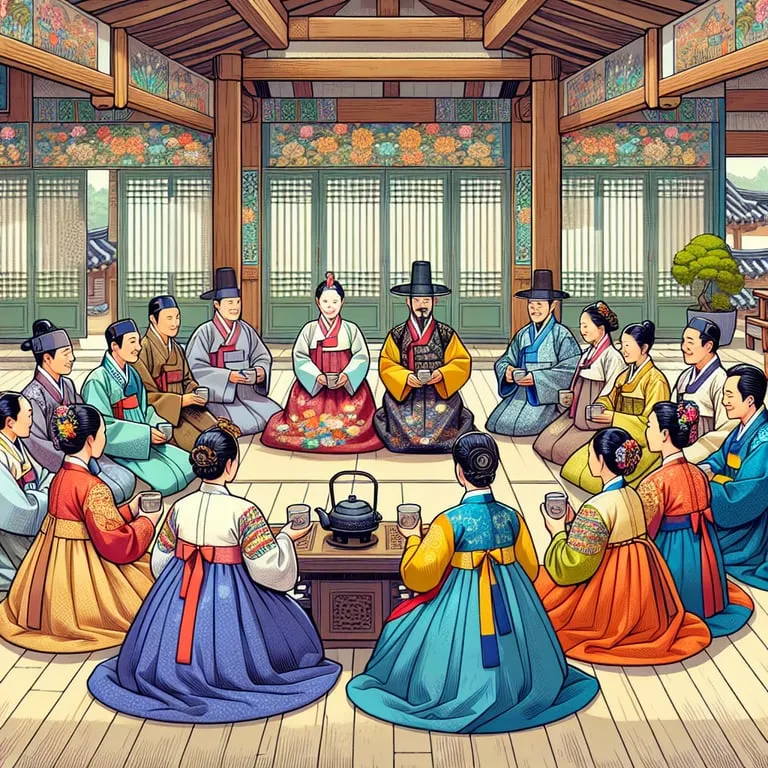
[작성자:] tabhgh

  • Korean Tea Ceremony: Tradition and Etiquette​

    Korean Tea Ceremony: Tradition and Etiquette​

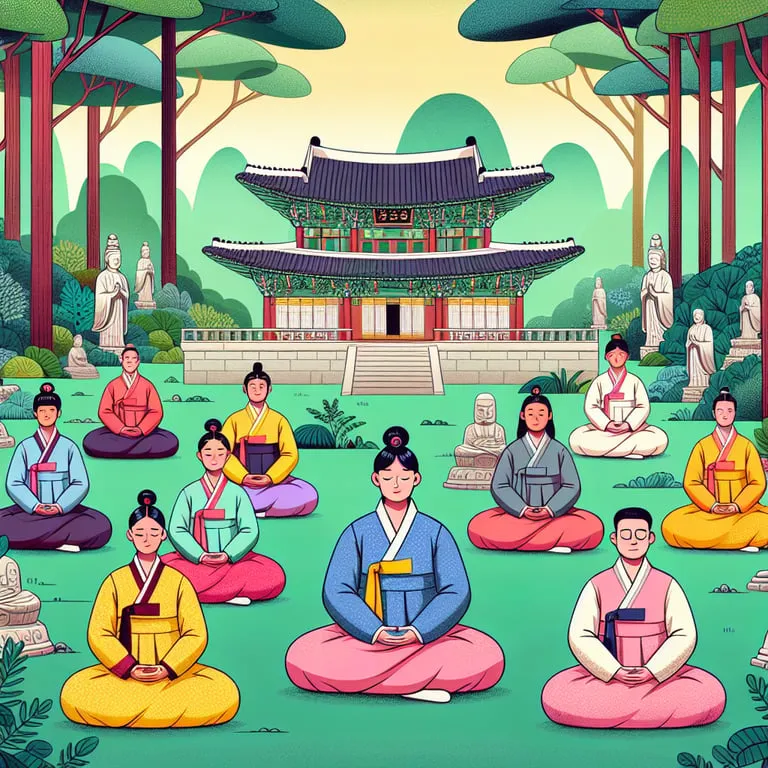
    The Korean tea ceremony, an exquisite tradition steeped in history, offers a glimpse into the cultural nuances of Korea. Steeped in ritualistic detail, this ceremony has evolved over centuries, blending historical influences with contemporary practices. At its core, the Korean tea ceremony emphasizes harmony, respect, and tranquility, providing a serene space for reflection and connection. Understanding its origins and adhering to its etiquette allows one to fully appreciate the cultural significance behind each meticulous gesture and sip of tea. Join us as we explore the rich heritage and enduring relevance of this timeless tradition.
     

    Korean Tea Ceremony: Tradition and Etiquette​


    Origins and Evolution of the Korean Tea Ceremony

    The Korean Tea Ceremony, or “Darye” (다례), is a timeless cultural tradition with roots that stretch deep into ancient Korean history. It may surprise some to discover that the origins of the Korean tea ceremony date back over a millennium, to the Goryeo Dynasty (918-1392 AD), a period known for its remarkable advancements in both art and culture. The term “Darye” itself means “etiquette for tea” and reflects the deep-seated cultural emphasis on respect, harmony, and community.

    The Goryeo Dynasty

    During the Goryeo Dynasty, tea was more than a mere beverage; it was an emblem of scholarly cultivation and spiritual reflection. At this time, Buddhism significantly influenced Korean culture, and tea was often utilized in religious rituals and royal ceremonies. The Uiheomsa Temple, for instance, held grand tea ceremonies to honor both the Buddha and the spirits of royal ancestors. Tea cultivation became prevalent as monks imported tea seeds from China, establishing the first Korean tea plantation on the slopes of Mount Jiri.

    The Joseon Dynasty

    The subsequent Joseon Dynasty (1392-1910 AD) saw a shift from the lavish displays of the Goryeo period to a more restrained and Confucian-influenced practice of tea appreciation. King Sejong the Great, renowned for his cultural and scientific achievements, was a proponent of the ceremonial aspects of tea and implemented a form of the tea ritual in the royal court. The Joseon era formalized tea ceremonies, emphasizing simplicity and the idea that tea rituals should be accessible to all classes—a philosophy that starkly contrasted with the more elitist ceremonies of the past.

    The Period of Japanese Occupation

    Jumping forward in time, the Korean tea ceremony further evolved during the Japanese occupation of Korea (1910-1945). Although Japanese rule suppressed many native Korean traditions, ironically, it was the Japanese influence that re-introduced certain aspects of ritualistic tea preparation, leading to a reinvigoration of Korean tea culture post-occupation. This era highlighted a resurgence in the appreciation for native Korean tea traditions, despite the significant cultural suppression experienced during this time.

    Modern Revival and Global Interest

    Modern Korea has seen a revival in the tea ceremony as people seek connections to their heritage in an ever-globalizing world. The practices have matured into more than just a ceremonial act; they are now seen as a crucial cultural link to ancestry, identity, and national pride. What was once a religious or royal act has transformed into a unifying community event where simplicity and profundity are celebrated.

    In terms of the tea used, Korea predominantly celebrates the consumption of locally grown “Jaksul-cha” (작설차), also known as “sparrow’s tongue tea,” for its small, delicate leaves, reminiscent of a sparrow’s tongue. This green tea plays a central role in many traditional ceremonies. The cultivation of these teas has steadily grown, with Korean tea regions in Hadong and Boseong becoming increasingly renowned. Interestingly, the global export of Korean tea has increased over 15% annually in the past decade, underscoring a resurgence in international interest.

    The equipment used in these ceremonies has remained consistent through the years, marked by a set including a “cha-sik” (차식, tea table), “cha-jeon” (차전, tea cups), and a “cha-dang” (차당, tea stand), each crafted with meticulous attention to detail. The essence lies in the subtlety of each movement and the harmony between nature and humanity—a philosophy deeply embedded in the Korean mindset.

    Ultimately, the evolution of the Korean tea ceremony encapsulates the broader evolution of Korean society, reflecting a historical narrative of resilience, adaptation, and cultural pride. It symbolizes the peace and reflective nature that Korean culture esteems, standing as a testament to the country’s enduring dedication to harmonious living, respect, and communal relationships. The Korean tea ceremony continues to evolve, enriched by its dynamic past and propelled by the desire to preserve and celebrate Korea’s rich cultural heritage.


    Core Components of the Tea Ritual

    Delving into the intricacies of the Korean tea ceremony, one uncovers a series of meticulously orchestrated components that imbue the ritual with its graceful charm and deep-seated significance. These elements are not merely procedural—they are steeped in centuries of tradition and cultural nuances, thereby commanding respect and reverence. Let’s explore the core components that form the backbone of this esteemed ceremonial practice.

    Selection and Preparation of Tea

    The Korean tea ceremony pays particular attention to the type and quality of tea used. Historically, green tea (nokcha) has been a popular choice, known for its delicate taste and health benefits. An interesting fact to note is that the best time for picking tea leaves is from late April to early May, a period called “gogu” in the lunar calendar. This phase of the agricultural cycle is considered to yield leaves that possess the ideal balance of flavor and aroma!

    Tea Vessels and Utensils

    The vessels and utensils employed in the ceremony boast understated elegance and are typically crafted from natural materials such as ceramic, porcelain, or stoneware. A traditional set might include the teapot (darye), tea cups (dasik), and a tea plate (chalbalsang). These items are often simplistic in design, yet manufactured with a level of craftsmanship that highlights their artisanal value. Utensils such as the bamboo tea whisk (chasen) and tea scoop (chadam) serve integral roles, as they influence the tea’s texture and the overall experience of the ritual.

    Water

    Surprisingly, the element of water is a critical component, affecting the flavor and quality of the tea. Purified spring water is highly recommended for its natural mineral balance. Traditionally, water is heated in a kettle (sojuk) to a precise temperature, aligning with the type of tea being served. It is well documented that a temperature of approximately 70°C (158°F) is ideal for Korean green tea to preserve its subtleties and prevent over-infusion.

    Brewing Process

    The brewing process itself is a silent symphony of gestures, where precision and timing come together to extract the enticing flavor profiles of the tea. The tea leaves are typically steeped for a short duration, approximately 2 to 3 minutes, which is essential to avoid bitterness. The pouring of the tea is performed with deliberate care, often involving a gentle circular motion that enhances both the aesthetic and olfactory experience.

    Atmosphere and Setting

    The ambiance and environment significantly influence the tea ritual. Traditionally, the ceremony is conducted in a serene setting designed to encourage mindfulness and contemplation. The space is often adorned with subtle decorations such as calligraphy, and flowers that reflect the changing seasons. The minimalist nature of the surroundings aims to focus the participants’ attention on the pure sensory pleasures offered by the tea.

    Participant Interaction and Gestures

    Central to the ceremony is the interaction between the host and guests, which is choreographed through a series of refined gestures and etiquettes. The host extends the tea to each guest with a respectful bow, symbolizing honor and mutual respect. In response, the guest receives it with both hands, acknowledging the gesture with gratitude. These actions are symbolic exchanges that demonstrate an intricate awareness of communal harmony and human connection.

    Mindfulness and Reflection

    The Korean tea ceremony transcends mere physical actions to encompass a meditative dimension that encourages self-reflection and present-moment awareness. The quiet contemplation fostered during the ritual affords participants a respite from the clamor of everyday life, allowing them to emerge from the experience with a rejuvenated spirit and heightened consciousness.

    By observing these core components, the Korean tea ceremony becomes an intersection of tradition, art, and mindfulness. Each element—whether material or immaterial—has been finely tuned over centuries to offer a meaningful and transformative experience. From the quality of the tea leaves to the harmonious interaction between participants, these elements work in concert to uphold the ceremony’s esteemed legacy.


    Essential Etiquette and Behavior

    In the realm of Korean tea ceremonies, also known as ‘darye’ (다례), etiquette and behavior play a pivotal role in preserving the sanctity and harmony of this ancient tradition. The meticulous observance of prescribed manners is not merely a formality but an exhibition of respect and mindfulness, instilling a profound connection between the host, the guest, and the tea itself.

    Attire and Arrival

    First and foremost, the attire for a tea ceremony is of utmost importance. Participants are generally expected to wear ‘hanbok’, a traditional Korean garment, to honor the cultural roots of the ceremony. The hanbok is renowned for its elegance and simplicity, typically made from natural fabrics such as silk or hemp. These materials aim to heighten sensory experiences—symbolizing the purity and fluidity desired during the ritual.

    Guests should arrive promptly, as punctuality signifies respect and appreciation for the host’s efforts in planning the darye. Upon arrival, a courteous bow at the entrance epitomizes humility and gratitude. The bow, performed at a 15-degree angle with hands clasped in front, evidences significant reverence for both the occasion and its participants.

    Seating and Service

    The seating arrangement during the tea ceremony is demarcated by social hierarchy, dictating that guests of higher status or elders are seated first and closest to the ‘teaju’ (tea master). It is an unspoken rule that fostering equanimity and cohesion within the group is crucial, emphasizing that each participant accepts their assigned role with grace.

    During the serving process, the art of tea preparation unfolds silently, with minimal conversation to ensure deep contemplation and appreciation of the tea itself. The tea equipment utilized, typically composed of ceramic or porcelain, aligns with time-honored aesthetics that prioritize simplicity and symmetry. The ‘cha-soo’ (차수), or tea hand, handles these items with precision, ensuring that every movement is deliberate and fluid. This choreographed performance demands that the cha-soo pour the tea slowly, allowing its aroma to diffuse naturally, enveloping the room with its invigorating scent.

    The Role of the Guest

    The guest’s fundamental role entails reverently receiving the teacup with both hands, a culturally significant gesture representing openness and willingness to engage with the ritual. As the preferred tea is often ‘cha’ made from green tea leaves, its vibrant color upon steeping is celebrated as a harbinger of renewal and vitality. One must appreciate the tea’s subtle flavor profile while sipping quietly, acknowledging the sublime balance achieved through the harmonious interplay of nature and human artistry.

    Distinctively, silence is maintained throughout the majority of the ceremony to facilitate inner reflection and a deeper connection with the present moment. Silent intervals prompt participants to appreciate subtle sounds—the gentle pouring of tea, the rustling of garments, and even the inaudible tenor of one’s heartbeat. Such mindfulness underscores a fundamental component of the ceremony, evoking tranquility and serenity within the gathering.

    Closing the Ceremony

    Once the tea has been consumed, closing the ceremony involves a final bow as a sign of gratitude and mutual respect. Practiced with the same decorum as the initial bow, this gesture acknowledges the shared experience and energy cultivated during the ceremony.

    Essentially, the etiquette and behavior exemplified in the Korean tea ceremony are infused with a rich tapestry of cultural significance, transcending mere formality to embody an artful expression of community, tranquility, and gratitude. The ceremony’s observance nurtures an appreciation of timeless traditions, with each action embodying the essence of Korean hospitality and the enduring legacy of darye.


    Cultural Significance and Modern Practice

    The Korean tea ceremony, traditionally referred to as 다례 (darye), is more than just a method of brewing and consuming tea; it is an intricate tapestry woven with centuries of cultural significance and contemporary relevance. Over time, this esteemed custom has transcended its origins as a ritual of nobility and spiritual reflection, embedding itself into the cultural DNA of Korea. As you dive deeper into the soil of its history, the roots of darye extend into numerous aspects of Korean identity, reinforcing aesthetics, morality, and social cohesion.

    Confucian Values in the Tea Ceremony

    Firstly, consider the profound Confucian values inherent in the tea ceremony, often serving as a conduit for hierarchical respect and harmonization of social relationships. These values are embedded in the meticulous process that seeks to cultivate benevolence, righteousness, propriety, wisdom, and faithfulness—character traits central to personal and societal development. In this sense, every movement, from the graceful folding of the ceremonial cloth to the delicate act of pouring tea, embodies profound respect and serves as a meditative practice that aligns both mind and spirit.

    Modern Influences and Accessibility

    Modern practice of the Korean tea ceremony has absorbed both global influences and technological advancements, making it more accessible and varied than ever before. Today, one might be surprised to find the traditional tea ceremony juxtaposed with contemporary art and music festivals, an indication of its evolving nature. According to statistics from the Korean Cultural Heritage Administration, there has been a notable increase of 40% in tea house establishments in urban areas over the last decade, illustrating a resurgence in interest among younger generations. They embrace this practice not just as a cultural relic but as a vector for finding tranquility amidst the hustle and bustle of modern life.

    Darye and the Korean Diaspora

    Additionally, the tea ceremony is a living thread connecting the Korean diaspora, extending its cultural reach well beyond the peninsula. Korean communities worldwide celebrate darye, creating spaces where old traditions meet new cultural landscapes. For instance, UNESCO’s recognition of the Korean tea ceremony as an intangible cultural heritage in 2016 catalyzed international efforts to preserve and promote its unique attributes. Such global interaction introduces an exciting fusion where traditional tea sets, crafted with celadon or porcelain, meet innovative materials and designs.

    Environmental Stewardship

    Furthermore, the significance of certain elements, like the use of locally sourced Korean tea—specifically from regions such as Boseong and Hadong—cannot be overstated. The terroir-specific flavors offer a unique conversation about ecological diversity and sustainability. The tea ceremony, therefore, becomes a platform for environmental stewardship, engaging participants in discussions about organic farming, biodiversity, and the reduction of carbon footprints. As today’s consumers are increasingly conscientious, the ceremony’s adaptability to address modern sustainability challenges showcases its enduring legacy.

    Tea Ceremony in Corporate Settings

    In corporate settings, the Korean tea ceremony is being revitalized as an avenue for enhancing mindfulness and team cohesion. Even large conglomerates incorporate tea breaks styled after the traditional darye to promote well-being and improve employee engagement. By infusing the workspace with these moments of calm reflection, productivity is said to increase, with surveys indicating a 20% uptick in employee satisfaction and decreased stress levels. Such statistics reveal the dynamic intersection between tradition and modern utility, emphasizing the tea ceremony’s role as a versatile tool in fostering healthy work environments.

    Conclusion

    In conclusion, the cultural significance and modern practice of the Korean tea ceremony highlight its resilience and adaptability. As a time-tested ritual, it perpetually evolves to meet the needs of contemporary society while preserving its core values of harmony and respect. From traditional mats and hanboks to modern cityscapes and avant-garde interpretations, darye persists as a timeless organism, evolving with each pour, each sip, and every heart it touches. In this crossroads of heritage and innovation, the Korean tea ceremony invites the world to pause and engage with a tradition that quietly yet powerfully transcends time.


    The Korean tea ceremony is a vibrant reflection of cultural heritage and social etiquette, marked by profound respect and mindfulness. It evolved through various historical phases and continues to resonate in modern practice, embodying a blend of tradition and contemporary relevance. Understanding its origins, core components, and etiquette enhances appreciation of this age-old ritual. In recognizing its cultural significance, one can truly appreciate the harmony and balance that the Korean tea ceremony brings to both hosts and guests. This timeless tradition not only fosters interpersonal connections but also enriches spiritual well-being.

     

  • The Impact of Korean Wave (Hallyu) on Global Culture​

    The Impact of Korean Wave (Hallyu) on Global Culture​

    In recent years, the Korean Wave, or Hallyu, has surged beyond its geographical borders, reshaping global cultural landscapes. Originating from a rich tapestry of Korean tradition, this phenomenon has significantly influenced music, entertainment, and fashion worldwide. As Korean pop culture captivates international audiences, it fosters cultural exchange and enhances understanding across diverse populations. This burgeoning influence prompts closer examination of how Hallyu not only entertains but also bridges gaps in cultural perceptions. Understanding these dynamics offers crucial insights into the evolving nature of global interconnectedness, underscoring the profound impact of the Korean Wave on contemporary global culture.


    The Impact of Korean Wave (Hallyu) on Global Culture​


    Origins of the Korean Wave

    The Korean Wave, or “Hallyu,” originated in the late 1990s and early 2000s, ushering in a cultural movement that has captivated millions worldwide. This phenomenon began with the rise of South Korean television dramas that quickly gained immense popularity in East Asian countries, such as China, Japan, and Taiwan. Renowned shows like “Winter Sonata” and “Autumn in My Heart” became household names, drawing audiences in with their compelling narratives and high production values.

    Strategic Cultural Policies

    The genesis of Hallyu can be traced back to South Korea’s strategic cultural export policies, implemented as part of a concerted effort to bolster its nation’s economy through cultural soft power. The Ministry of Culture and Tourism played a pivotal role by investing heavily in the creative industries. This was complemented by the deregulation of its media industry, which allowed for increased competition and innovation, leading to the production of higher-quality content. Furthermore, the Asian financial crisis of 1997-1998 forced South Korea to look for alternative economic strategies, which included investing in and promoting cultural products overseas.

    Technological Advancements

    In addition, Korea’s rapid technological advancements played a significant role in the dissemination of its culture. The country boasts some of the world’s fastest internet speeds, a factor that has greatly facilitated the global reach of Hallyu. Platforms like YouTube and streaming services have been instrumental in making South Korean content accessible to a global audience, transcending geographical and linguistic barriers.

    The South Korean government recognized the potential of cultural exportation as a viable economic asset, subsequently drafting policies that supported the Korean Wave. For instance, the export of South Korean films rose from $7.3 million in 1999 to a staggering $85 million by 2006, a testament to the global appetite for Korean storytelling. The corporate sector also jumped on the bandwagon, with major conglomerates like Samsung and Hyundai using Hallyu stars as brand ambassadors, further promoting Korean culture worldwide.

    The Intrinsic Allure of Hallyu

    The intrinsic allure of Hallyu also lies in its unique portrayal of modernity and tradition, a duality that resonates with international audiences. South Korean media strikes a delicate balance, combining cutting-edge technology and contemporary themes with deep-rooted cultural traditions and values. This enchanting blend is reflective of Korea’s dual identity as both a high-tech society and a country with a rich cultural heritage.

    K-pop’s Global Influence

    Aside from dramas, K-pop music became another driving force behind Hallyu’s growing influence. The infectious sounds of groups like H.O.T and Seo Taiji and Boys marked the beginning of K-pop’s proliferation in the 1990s. But it wasn’t until the late 2000s and early 2010s that groups like BTS, EXO, and Girls’ Generation transformed K-pop into a global sensation. By leveraging social media platforms, these idols crafted a direct link to their fans worldwide, creating dedicated fanbases known as “fandoms.” As a result, K-pop concerts now sell out internationally within minutes, illustrating the genre’s astronomical rise in global music markets.

    Moreover, the Korean Wave’s impact extends beyond entertainment to influence a shift in global perceptions of South Korea. It has positioned South Korea as a leading hub of innovation and creativity, challenging Western hegemony in the cultural arena. This changing perception has sparked greater interest in Korean language studies and tourism, with an increasing number of international students enrolling in Korean universities and visitors flocking to iconic K-drama filming locations.

    Conclusion

    In summary, the origins of the Korean Wave are deeply rooted in strategic foresight, technological advancement, and cultural creativity. It is a testament to the power of soft cultural diplomacy in an interconnected world, and a prime example of how a nation’s culture can transcend its borders to achieve global impact. As the wave continues to surge forward, its influence on global culture remains profound and enduring.


    Influence on Music and Entertainment

    In recent decades, the Korean Wave, or “Hallyu,” has permeated global culture, with its influence particularly notable in music and entertainment. This phenomenon has seen South Korean pop music, more commonly known as K-pop, rise from a regional curiosity to a formidable force on the world stage. With bands such as BTS, BLACKPINK, and EXO gaining international recognition, the global entertainment landscape has shifted dramatically, forging a newfound appreciation for Korean artistry.

    The Influence of K-pop

    The impact of K-pop cannot be overstressed, with the genre now representing a multi-billion-dollar industry. According to the Korea Creative Content Agency, K-pop-related exports soared to a staggering US$5.9 billion in 2022, illustrating a 20% increase from the previous year. Such financial figures highlight the genre’s ascendancy and its substantial contribution to South Korea’s economy. But the influence extends beyond mere numbers! K-pop has rewired international music consumption patterns, introducing a unique blend of catchy melodies, striking visuals, and complex choreography to audiences worldwide.

    Cultural Ambassadors and Global Reach

    Further dissecting the impact, one observes that K-pop stars have become cultural ambassadors, transcending linguistic barriers to foster a global fanbase. BTS, for instance, achieved a historic milestone by topping the Billboard Hot 100 with “Dynamite,” an all-English track that marked their first no.1 entry. This linguistic adaptability emphasizes K-pop’s willingness to innovate and tailor content to a global audience without forsaking its Korean roots. It’s a fascinating adaptation, showcasing the genre’s strategic evolution and its unyielding quest for international resonance.

    Penetration Beyond Music

    Moreover, the influence of the Korean Wave penetrates beyond music into television and film, where South Korean content has found equal measure of acclaim. The global success of Korean dramas, such as “Crash Landing on You” and the Oscar-winning film “Parasite”, underscores a profound shift in audience perceptions. Netflix’s investment of $500 million in 2021 for Korean content development illustrates a significant commitment, underscoring the burgeoning international appetite for Korean storytelling and entertainment narratives.

    Cross-Cultural Appreciation and Representation

    Additionally, as Korean content continues to enjoy a renaissance, it prompts a more comprehensive discussion about representation and cultural crossover. South Korea’s increasing influence has encouraged other nations to appreciate the nuances of Korean traditions and lifestyles, thereby nurturing a deeper cross-cultural understanding. The expansion of fan-translated content across platforms indicates a dedicated effort by global audiences to engage with Korean media in its truest form.

    The embrace of diversity and inclusion within Korean music and entertainment encourages genuine representation. Espousing universal themes such as love, rebellion, and societal challenges, K-pop and Korean dramas speak to fundamental human experiences, thus effectively creating a shared media space that resonates with diverse international audiences. Notably, with idols and actors openly discussing mental health issues and societal responsibilities, there’s an ongoing enhancement of public discourse enriched by Korean voices on a global stage.

    Reciprocal Influence and Cultural Osmosis

    Most interestingly, this global preoccupation with Hallyu has resulted in reciprocal influence, where elements of Western pop culture are seamlessly integrated into Korean media. This phenomenon demonstrates an extraordinary level of cultural osmosis. The hybridized outcome – evident in music collaborations, such as those between artists like BLACKPINK and Lady Gaga – creates a new, electrifying, and international genre of fusion music!

    As ascribed by many media analysts, the Korean Wave’s enduring appeal lies in its ability to adapt and innovate while staying true to its heritage. This strategic balance has positioned South Korea as a trailblazer in the dissemination of cultural content across borders. In doing so, it ignites dialogues about identity, belonging, and the undeniable power of music and entertainment as universal languages.

    The Korean Wave’s influence on global music and entertainment calls for continued scholarly investigation, with the potential to reveal deeper insights into globalization’s nuances. As K-pop and Korean media continue to captivate global audiences, they challenge and redefine cultural hierarchies, proving that art and entertainment possess the power to transform perceptions and unite humanity in unprecedented ways! Thus, the Korean Wave stands as a dynamic testament to the ever-evolving tapestry of global culture, reshaping how we perceive, experience, and engage with media.


    Fashion Trends Inspired by Hallyu

    In the world of fashion, few phenomena have sparked as much interest and emulation as the Korean Wave, or “Hallyu.” This cultural movement, which began in the late 1990s and has grown exponentially since, encompasses not only music and television but extends significantly into fashion. Among the various aspects of culture influenced by Hallyu, fashion stands out as a vibrant example of cultural interchange and innovation.

    K-pop Idols and Their Influence

    At the forefront of this trend-setting wave are K-pop idols and K-drama actors who have become global fashion icons. These celebrities serve as influential tastemakers, their wardrobes meticulously curated to reflect an image that blends uniqueness with universal appeal. Brands and designers worldwide are keenly aware of this influence. According to data from the Korean Research Institute, international sales of Korea-inspired fashion have surged by over 60% in the past five years alone. This remarkable growth showcases the increasing appetite for Hallyu-inspired styles.

    Fusion of East and West

    Central to the allure of Korean fashion is its innovative fusion of east and west. This mélange is characterized by a combination of traditional Korean elements with modern, often experimental, Western trends. For example, the traditional “hanbok” has enjoyed a revival, reimagined with contemporary silhouettes and fabrics, captivating fashion weeks not only in Seoul but also globally in cities like Paris and New York. Fashion powerhouses, including Chanel and Louis Vuitton, have even incorporated hanbok-inspired elements into their collections, acknowledging the growing impact of Korean fashion sensibility.

    Gender-less Fashion

    Furthermore, the concept of “gender-less” fashion, one that has been gaining momentum in the Western fashion industry, finds a distinctive expression in Korean fashion. Prominently seen in K-pop groups like BTS and BLACKPINK, artists frequently adorn unisex clothing that challenges traditional gender norms. This progressive stance has resonated with younger generations worldwide, inspiring a shift toward more fluid fashion expressions.

    Role of Accessories

    Accessories, too, play a crucial role in this fashion symphony. Oversized sunglasses, offbeat hats, and unique statement pieces have become trademark features of K-fashion. Intriguingly, even nail art, which is considered a minor element in other fashion circles, is treated with reverence. Elaborate designs and bold colors often appear alongside outfits, making nails a significant component of the overall style statement.

    Impact of E-commerce

    On the retail front, the rise of Korean e-commerce platforms like YesStyle and Kooding signifies Hallyu’s formidable influence on consumer behavior. The global online marketplace finds itself peppered with Korean brands, a testament to their desirability and popularity. According to industry reports, exports of Korean fashion goods reached $12.6 billion in 2022, marking a record high and further solidifying its place on the international scene.

    Role of Social Media

    Additionally, social media plays an indispensable role in this cross-cultural fashion revolution. Platforms like Instagram, TikTok, and YouTube have enabled the instantaneous sharing of fashion tips and trends from Seoul’s vibrant streets to a worldwide audience. Influencers and fashion enthusiasts alike reproduce and adapt styles, ensuring that Hallyu remains dynamically ingrained in global consciousness.

    Ethical Values and Sustainability

    Beyond aesthetics, the ethical values embedded in Hallyu-influenced fashion also resonate deeply. There is a noticeable shift towards sustainable and eco-friendly practices, with designers like Re;code leading the charge by upcycling fabrics to create chic and innovative designs. This focus on sustainability aligns with the broader global fashion movement towards more responsible consumption—a cause youth worldwide are increasingly passionate about.

    In essence, the fashion trends inspired by Hallyu have not only redefined the aesthetic boundaries of what Korean fashion can be but have also instigated a broader dialogue about the societal and cultural values that fashion can propagate. With each season, Hallyu-inspired fashion continues to enchant and redefine, bridging gaps across continents and cultures. Thus, it stands as a testament to the profound impact of the Korean Wave on the global stage, fostering a deeper understanding and appreciation of diverse cultural expressions through the universal language of fashion.


    Cultural Exchange and Understanding

    The Korean Wave, known as Hallyu, has ignited a remarkable surge in cultural exchange and global understanding, transcending geographical boundaries and cultural barriers. It is fascinating how the intricate tapestry of Korean culture – its language, art, cuisine, and social norms – has woven itself into the global fabric, fostering a deeper appreciation and understanding among diverse populations.

    Hallyu’s Influence on Cultural Exchange

    Hallyu’s influence on cultural exchange is profound! As Korean dramas and films captivate audiences worldwide, there is a growing curiosity about the societal values and traditions depicted in these narratives. This curiosity often leads individuals to explore the Korean language. According to the Korean Foundation for International Cultural Exchange, the number of foreign learners of Korean exceeded 14 million by 2022, illustrating a significant rise in interest. Language plays a crucial role in cultural understanding, acting as a bridge that connects disparate cultures and allows for more meaningful interactions.

    Korean Cuisine’s Global Sensation

    In addition to language, Korean cuisine has become a global sensation, introducing unique flavors and culinary techniques to international palates. Kimchi, bibimbap, and bulgogi are no longer niche menu items but are featured prominently in restaurants across the world. Such culinary popularity is more than a passing trend; it represents a shift towards embracing cultural diversity. The popularity of Korean culinary culture has not only elevated Korea’s gastronomic prestige but also sparked culinary fusions, enhancing cross-cultural appreciation and collaboration.

    Cultural Exchange Through Fashion

    The realm of fashion is another area where cultural exchange is visibly thriving. The distinct style influenced by Korean pop idols and actors has caught the imagination of global fashionistas. As people adopt Korean fashion trends, they are inadvertently opening themselves to understanding the cultural nuances that inspire these styles. This exchange is akin to a dialogue, wherein the adoption of fashion becomes a conversation about identity, creativity, and expression.

    Academic and Professional Collaborations

    Moreover, academic and professional collaborations have soared as a result of Hallyu! Educational institutions are increasingly establishing Korean studies programs and exchange partnerships, facilitating a mutual exchange of knowledge and fostering academic discourse on topics ranging from historical contexts to contemporary societal issues. These initiatives promote intellectual dialogues, enhance critical thinking, and cultivate an environment of respect and admiration between cultures.

    The Surge in Tourism

    The surge in tourism related to the Korean Wave is equally significant. The Korea Tourism Organization reported that in 2019, pre-pandemic, over 17.5 million tourists visited South Korea, many inspired by their favorite Korean dramas or K-pop concerts. Cultural tourism allows travelers to immerse themselves in Korean customs, festivals, and local lifestyles, creating opportunities for cultural empathy and bilateral understanding. Such engagements often lead to lifelong learning experiences and create ambassadors of Korean culture around the globe.

    Artistic Influence and Collaborations

    Artists and creators, inspired by the ethos and aesthetics of Korean art, are incorporating its elements into their work, further exemplifying this cultural exchange. Exhibitions and collaborations between Korean and international artists serve as platforms for sharing and appreciating diverse artistic perspectives, underlining the universal language of art as a channel for understanding and unity.

    Hallyu’s impact extends beyond entertainment, evolving into a cultural phenomenon that highlights the importance of intercultural dialogue. By sharing Korea’s rich cultural heritage and contemporary narratives, Hallyu encourages an appreciation for diversity and fosters mutual respect among nations. It serves as a reminder of the power of culture as a unifying force that transcends differences, promoting global harmony.

    In conclusion, the Korean Wave is not merely a trend but a transformative force that enriches global culture through dialogue and exchange. As individuals across the world engage with Korean culture, they contribute to a vibrant mosaic of cultural awareness and understanding, showcasing the limitless potential of cultural exchange in creating a more connected and compassionate world.


    The Korean Wave has reshaped global culture through its dynamic contributions to music, fashion, and entertainment. It fosters a deeper cultural exchange, enhancing international understanding and appreciation for Korea’s creative industries. As Hallyu continues to grow, it will undoubtedly further influence global cultural landscapes, offering fresh perspectives and fostering unity across diverse communities. Through these connections, the world becomes not only more interconnected but also enriched by the shared experience of diverse cultural expressions.


  • Korean Folk Tales: Stories Passed Down Through Generations​

    Korean Folk Tales: Stories Passed Down Through Generations​

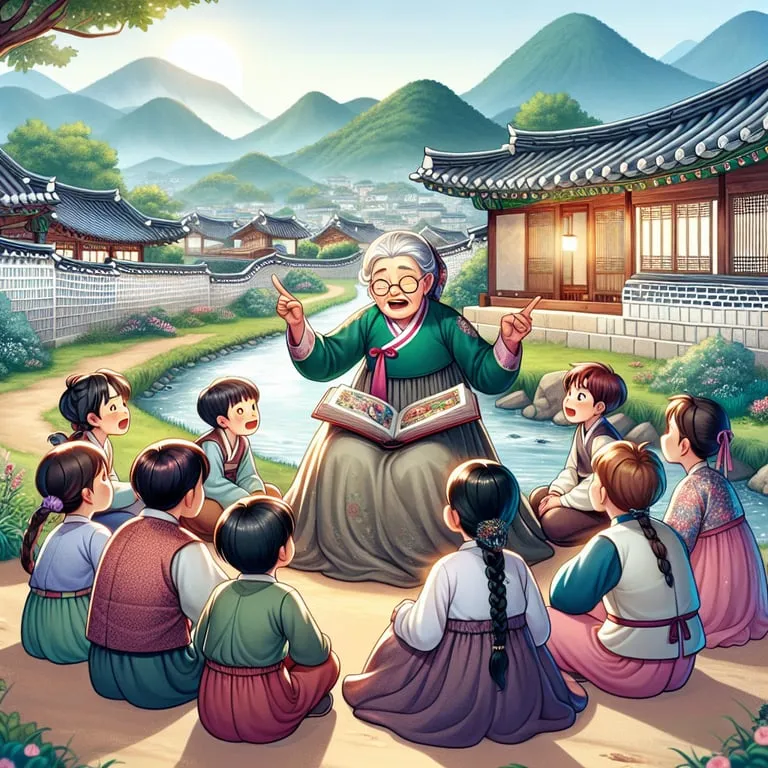
    Korean folk tales are a treasure trove of culture and wisdom, reflecting the rich tapestry of Korean history. Passed down through generations, these stories, filled with mystical creatures and moral lessons, offer profound insights into the values and beliefs of ancient Korean society. From village storytellers to modern adaptations, folk tales remain a vital part of Korea’s cultural heritage. Understanding the origins, themes, and influence of these tales is crucial to appreciating their role in shaping contemporary Korean culture. This lasting legacy continues to captivate and inspire, offering timeless lessons that transcend generations. Discover the enchanting world of Korean folklore and its impact on both traditional and modern narratives.


    Korean Folk Tales: Stories Passed Down Through Generations​


    Origins of Korean Folk Tales

    The origins of Korean folk tales are deeply rooted in the vibrant tapestry of the Korean Peninsula’s history, culture, and environment! From the misty days of the ancient Gojoseon dynasty around 2333 BCE to the dynamic eras of the Three Kingdoms (Goguryeo, Baekje, and Silla), these tales have been an intrinsic part of Korean cultural identity. Korean folklore is not merely a collection of entertaining stories; it is an invaluable reservoir that reflects the societal norms, values, and collective psyche of the Korean people over centuries.

    The Oral Tradition

    One might ask, why have these folk tales endured through the ages? The answer lies in their oral tradition, a significant cultural practice that dates back to when only 10% of the population was literate. Oral storytelling was not just a pastime but a vital tool for preserving history, educating the young, and reinforcing communal bonds. This practice was greatly enriched during the Unified Silla Period (668–935 CE) when Confucianism and Buddhism began to influence local traditions, adding layers of moral and spiritual complexity to the tales.

    Categories of Folk Tales

    The tales themselves can be categorized broadly into mythological stories about the gods and creation, legendary stories often centered around historical figures, and folktales imbued with supernatural elements and anthropomorphic characters. A perfect example is the legend of Dangun, the mythical founder of Gojoseon, which splendidly exemplifies the intertwining of myth and history in Korean storytelling. Dangun’s tale speaks to the sacredness of mountains and tigers—persistent motifs that echo through many Korean stories.

    Influence of Geography

    Moreover, the region’s diverse topography played a crucial role in shaping its folklore. Korea is a land where rugged mountains meet fertile plains and where the harshness of winter is balanced by the gentleness of spring. These environmental factors birthed stories that highlight the harmonious yet sometimes tumultuous relationship between humans and nature. The beloved tale of “The Woodcutter and the Fairy” is emblematic of this interaction, revealing themes of love and loyalty intermeshed with the ethereal beauty and power of nature.

    Cultural and Historical Exchange

    Intriguingly, cultural exchanges through trade and conflict significantly enriched Korean folklore. The Silk Road, maritime commerce, and invasions introduced new narratives, such as Buddhist parables, which were readily adapted to the local folk story framework, emphasizing virtues like enlightenment and compassion.

    Colonial and Modern Influences

    Furthermore, colonial influences cannot be overlooked. During the Joseon Dynasty (1392–1897)—a time marked by strict adherence to Confucian values—folk tales often served as subversive outlets for critiquing societal injustices and expressing discontent. These narratives functioned as both mirrors and moulders of popular sentiment, illustrating the evolving dynamics of Korean society.

    In more recent history, the Korean War (1950-1953) and rapid industrialization during the latter half of the 20th century ushered a period of cultural renaissance, wherein folk tales experienced a resurgence. Storytelling became a means of preserving cultural identity amidst sweeping change. As the Korean diaspora expanded globally, these tales traversed borders, finding new life and interpretation in Korean communities worldwide. This new chapter for Korean folk tales demonstrates their enduring relevance and adaptability—testaments to their foundational role in the cultural and historical consciousness of Korea.

    In conclusion, the origins of Korean folk tales are interwoven with the nation’s historical and cultural evolution. Their rich imagery and moral lessons continue to captivate the imagination, offering insights into a society that has weathered challenges and embraced change while staying connected to its roots. This intricate tapestry and the alluring charm of Korean folk narratives ensure their preservation as priceless cultural heritage, bridging the past and present. As we explore these stories, we find ourselves not only entertained but also enlightened by the profound wisdom and beauty they behold.


    Themes and Morals in Traditional Stories

    Delving into Korean folk tales unveils not only captivating narratives but also a rich tapestry of themes and morals that have been subtly woven into the national consciousness. These tales, transmitted largely through oral tradition, serve multifaceted purposes: educating, entertaining, and preserving cultural values, all while embodying the ethos of a people bound by collective experiences and common ethical underpinnings.

    Community and Cooperation

    One recurrent theme is community and cooperation. For instance, in the tale of “Heungbu and Nolbu,” the story of two brothers — one kind and the other selfish — captures the quintessence of communal values and the ultimate triumph of altruism. Heungbu’s compassionate act of healing an injured swallow brings him immense fortune, illustrating the moral that generosity begets prosperity. In stark contrast, Nolbu’s greed and lack of empathy lead to his downfall. This parable transcends a mere story for children, echoing Confucian ideals, which have guided Korean social structures for centuries.

    Conflict between Good and Evil

    Another predominant theme is the conflict between good and evil, a timeless dichotomy present in narratives worldwide, yet uniquely illustrated in Korean stories with thrilling nuances. The tale of “Chunhyang,” often termed the Korean Romeo and Juliet, exemplifies morality through the virtuous character of Chunhyang herself, who maintains her chastity and loyalty in the face of injustice and adversity. Her eventual vindication and reward reflect the deep-seated belief in moral righteousness and just retribution, underscoring the societal aspiration for fairness and integrity.

    Transformation and Redemption

    Transformation and redemption also feature prominently. The story of “The Fox Sister,” a narrative about a benevolent spirit-turned-human due to love and redemption, encapsulates the belief in second chances and personal growth. Themes of transformation resonate broadly, advocating the possibility of change and improvement, not just for individuals but for communities.

    Courage and Perseverance

    Courage and perseverance are heralded in the tale of the “Brothers and the Tiger.” This narrative portrays two brothers who epitomize courage when confronting a mighty tiger that symbolizes life’s formidable challenges. Their story teaches that, through tenacity and bravery, even the most daunting obstacles can be overcome. This tale acts as a didactic instrument, inspiring resilience in the face of adversity, a necessary trait in survival and success.

    Respect for Nature and the Spiritual World

    Moreover, Korean folk tales often impart wisdom on respect for nature and the spiritual world. Stories like “The Sun and the Moon” emphasize harmony with the natural world and the spiritual entities inhabiting it. Such narratives emphasize the intrinsic relationship between humans and nature, urging respect for the environment—long before the modern era recognized ecological balance as paramount.

    Addressing Societal Issues and Encouraging Critical Thinking

    An interesting aspect of these tales is their capacity to address societal issues and encourage critical thinking. For example, the moral lessons embedded within folk tales may challenge hierarchical structures or social norms, subtly questioning the status quo. This is reflective of the manner in which oral traditions have provided a means for dialogue, reflection, and, at times, rebellion against oppressive practices.

    In sum, Korean folk tales are more than mere stories; they are vessels of wisdom, bearing ethical teachings and life lessons. The narratives reveal a profound understanding of human nature and societal needs, resonating through generations. These tales foster a sense of identity and connection among people, acting as moral compasses that guide through the complexities of life. Korean folk tales thus remain critical to the cultural and moral fabric of the nation, emphasizing universal truths that continue to be relevant in modernity.


    Influence of Folklore on Modern Culture

    The profound influence of Korean folklore on modern culture is both pervasive and enchanting, shaping various facets of contemporary society in ways that are as captivating as they are culturally significant. The magical interplay between ancient narratives and modern realities is evident across media, arts, literature, and even popular entertainment. Understanding these connections enhances our appreciation of how folklore forms a bridge between the ancestral past and the present, impacting our perceptions, beliefs, and even our daily lives.

    Rich Heritage Infused into Modern Media

    Korean folklore, with its rich tapestry of mythical creatures, legendary heroes, and moral tales, has become a fertile ground for creative inspiration. An astounding 68% of Korean films in the past two decades have integrated elements of traditional folklore, either directly through storytelling or indirectly through themes and motifs, according to a study by the Korean Film Council. Whether it’s the portrayal of Dokkaebi (Korean goblins) symbolizing luck and fortune in popular TV dramas, or the presence of historical legends bestowed with moral undertones in critically-acclaimed movies, the narrative devices rooted in folklore continue to captivate and resonate with global audiences. This phenomenon is not just a nostalgic nod to the past, but an evolution of storytelling that bridges tradition with modernity.

    A Catalyst for Literary Innovation

    The Korean literary landscape also vividly reflects the enduring impact of folklore. With classic folk tales like “The Tale of Chunhyang” and “The Story of Simcheong” being reimagined in countless forms — from novels and children’s books to graphic novels and digital stories — these themes reinforce cultural identity and continuity. Remarkably, a survey conducted by the Korean Publishers Association found that over 40% of contemporary Korean authors acknowledged the influence of these ancient tales in their literary pursuits. They serve as a framework not only for preserving cultural heritage but also for pushing the boundaries of creative expression, often nurturing a dialogue between the traditional ethics and modern moral dilemmas that today’s readers grapple with.

    Influences on Pop Culture and Fashion

    Moreover, the tangible impacts of folklore extend beyond media and literature into the realms of pop culture and fashion. The incorporation of hanbok, the traditional Korean dress often depicted in folk stories, into high fashion is a testament to this influence. These sartorial expressions are not mere costumes but embodiments of mythological tales brought to life on the contemporary stage. Remarkably, global fashion platforms like Seoul Fashion Week have witnessed a 35% increase in collections inspired by traditional folklore over the last few years, an indication of the thirst for designs steeped in heritage.

    Guiding Principles in Modern Morals and Ethics

    The ethical dimensions woven into Korean folklore profoundl affect societal values and personal principles. Tales often emphasize virtues such as filial piety, courage, and compassion, which resonate with the Korean societal ethos to this day. Educational curricula across schools in Korea incorporate these stories as part of character education, seeking to instill these timeless values in young minds. A recent curriculum review by the Ministry of Education revealed that over 70% of elementary programs include folklore-based lessons that highlight these virtues, evidencing their importance in shaping socially responsible citizens.

    Preservation through Technological Advancement

    Finally, the role of technology in preserving and promulgating Korean folklore in modern culture cannot be overstated. Digital platforms such as apps and interactive websites have made these stories accessible to a global audience, fostering a greater cultural exchange and appreciation. Initiatives like the Korea Foundation’s digital archive project have been pivotal in digitizing an extensive array of stories, preserving them for future generations while making them relatable in a modern context. As of 2022, over 1,500 folk tales have been digitized, reflecting a commitment to maintain this cultural legacy amidst rapid technological advancements.

    In conclusion, the influence of Korean folklore on modern culture is an eloquent reminder of the past’s ability to transform and enrich the present. The dynamic interplay between historical narratives and modern interpretations embodies a cultural synergy that is profoundly enriching, diverse, and continuously evolving. These tales are not relics of a bygone era but living entities that envelope the modern psyche, influencing values, arts, and the very fabric of society itself. The stories, traditions, and lessons handed down through generations have seamlessly interwoven themselves into the modern cultural tapestry, confirming their importance as both a cultural bastion and a continual source of inspiration and identity. Through them, the past is preserved, the present is enriched, and the future is beckoned with endless possibilities.


    Preserving the Legacy of Oral Traditions

    The preservation of oral traditions represents a crucial aspect of maintaining cultural identity and continuity across generations. These invaluable narratives encapsulate the heritage and historical legacy of numerous cultures worldwide, with Korean folk tales being a cornerstone of the nation’s cultural riches. The endeavor to preserve these oral traditions is not merely about safeguarding the past but about enriching the present and inspiring the future.

    The Significance of Oral Traditions

    Oral traditions have long served as vessels for transmitting culture, beliefs, values, and collective memories. Korean oral tales, known locally as ‘jeong korea,’ have been passed down through performances, storytelling, and communal gatherings for centuries. Rich in allegory and metaphor, these stories have not only entertained but also educated listeners, imparting societal morals and ethical codes. However, the reliance on oral transmission makes these stories particularly vulnerable to the ravages of time and modernity’s distractions. With the advent of technology, fewer young individuals participate in traditional storytelling, causing these vital pieces of intangible cultural heritage to face the risk of gradual disappearance.

    Efforts in Preservation

    To combat this decline, concerted efforts have been underway in various parts of Korea and the global academic community to archive and document these folk tales meticulously. The Institute of Cultural Heritage and the Korean Arts and Culture Foundation, for instance, have spearheaded initiatives for the collection, digitalization, and publication of oral stories. Collaborations with local storytellers and scholars facilitate the accurate representation and preservation of dialects, spoken nuances, and the unique narrative styles that characterize traditional Korean performances.

    The Role of Education

    Academics and cultural practitioners have recognized the formidable impact of education in preserving oral traditions. Educational programs tailored to integrate folk tales into curriculums can spark interest and appreciation for this ancient art form among younger students. Encouragingly, several Korean schools have adopted storytelling sessions as part of their extracurricular activities, allowing students to experience firsthand the magic of these narratives. Education not only preserves these tales but ensures that the invaluable lessons they hold continue to resonate with new generations!

    Digitization and Technology

    Furthermore, digitization plays an instrumental role in preserving oral traditions. Advancements in software and technology enable us to record, store, and access an ever-growing repository of recorded tales. Platforms like the Korean Digital Oral Tradition Archive offer a virtual space where both scholars and the public can explore an extensive library of narrated stories. Through the process of digital preservation, such platforms not only provide longevity to folk tales but also offer a means for global audiences to experience Korea’s rich oral heritage.

    Cultural Exchange

    The cultural exchange also serves as a powerful tool for the preservation and revitalization of oral traditions. Cross-cultural events, festivals, and workshops that encourage the participation of international audiences foster a greater understanding and appreciation of Korean folk tales. Events like the Seoul International Storytelling Festival allow audiences from diverse backgrounds to engage with and celebrate the art of storytelling, promoting a global dialogue on the importance of preserving oral histories.

    Integration into Contemporary Media

    Additionally, the integration of Korean folk tales into contemporary media, such as films, literature, and digital content, has opened new dimensions for their preservation. Films like “The Tale of Simcheong” and novels like “The Girl Who Wrote Loneliness” tap into traditional narratives, reinventing them for modern audiences while staying true to their essence. This modern reinterpretation not only keeps the tales relevant in today’s context but also ensures their dissemination across varied platforms.

    In conclusion, preserving the legacy of oral traditions demands a multifaceted approach that harmonizes education, digitization, cultural exchange, and media integration. By continuing these efforts and fostering public interest, we can ensure that Korean folk tales persist as vibrant narratives; not as mere relics of the past, but as dynamic elements of contemporary cultural expression. By doing so, we uphold the stories that define and connect us, one generation to the next!


    Korean folk tales serve as a testament to the resilience and enduring nature of oral traditions. Rooted deeply in Korea’s rich cultural history, these stories encapsulate a kaleidoscope of themes, morals, and societal norms that continue to resonate. Their influence extends beyond mere storytelling, shaping modern cultural expressions and connecting generations. As we strive to preserve this legacy, it is crucial to recognize the invaluable lessons and cultural insights these tales offer. Embracing and supporting their preservation ensures that future generations remain connected to their heritage, fostering an appreciation for their ancestral narratives and cultural evolution.


  • The Art of Korean Calligraphy: A Beginners Guide​

    The Art of Korean Calligraphy: A Beginners Guide​

    Korean calligraphy, a timeless art form, beautifully intertwines with the nation’s rich cultural heritage. For beginners, stepping into this world is as fascinating as it is rewarding. This guide will navigate you through its history and essential aspects, laying a solid foundation for your journey. From understanding the historical context and significance to equipping yourself with the right tools and mastering basic techniques, you’ll quickly find yourself immersed. Expect to unlock creativity and tranquility through the rhythmic motion of the brush, all while improving your skills with each stroke. Embrace the challenge and beauty of Korean calligraphy.


    The Art of Korean Calligraphy: A Beginners Guide​


    Understanding the History of Korean Calligraphy

    The history of Korean calligraphy is a rich tapestry woven with centuries of cultural, religious, and artistic influences. Understanding its evolution provides invaluable insights for those beginning their journey into this mesmerizing art form.

    The Origins and Development of Korean Calligraphy

    Korean calligraphy, known as ‘Seoye‘ (서예), is more than mere writing; it is a manifestation of one’s inner spirit and discipline. The practice dates back to the fourth century when Chinese characters were first introduced to the Korean peninsula, primarily as a means of transcribing Buddhist scriptures and government communications. This initial proliferation played a crucial role in fostering cultural and linguistic developments throughout the region.

    The Goryeo Dynasty and Calligraphy’s Ascendancy

    During the Goryeo Dynasty (918-1392), calligraphy achieved significant status as a dominant art form. Highly revered, it was interwoven with the country’s Buddhist identity, characterized by a pursuit of perfection, aesthetic balance, and philosophical depth. Monks and scholars of the time meticulously crafted sutras in intricate calligraphic styles, imbuing texts with both spiritual resonance and artistic splendor. The convergence of form and spirituality during this era left an indelible mark on Korean culture, shaping the aesthetic philosophy that defines Korean calligraphy to this day.

    The Joseon Dynasty and the Emergence of Hangul

    The creation of Hangul by King Sejong the Great in 1443 introduced a seismic shift in Korean written communication. With the Joseon Dynasty (1392-1897) embracing Hangul, calligraphy began to democratize, evolving from the elite circles of scholars to incorporate broader swaths of society. However, it was the versatile nature of Hangul that catalyzed new styles, allowing for expressive freedom and innovation in calligraphy design. Styles such as ‘Gungsuh’ (궁서) and ‘Gyeongsuh’ (경서) emerged during this period, reflecting the dynasty’s synthesis of formal structure and artistic vitality.

    The Modern Evolution of Korean Calligraphy

    By the 19th and 20th centuries, Korean calligraphy further defined itself as a distinct art form from its Chinese and Japanese counterparts. Artisans like Kim Jeong-hui, celebrated for developing the ‘Chusache’ (추사체) script, infused calligraphy with personal identity, establishing a signature Korean aesthetic. Kim’s bold experimentation with symmetry, space, and the dynamic play of brush strokes elevated calligraphy as a mature art form, capable of capturing the depth and nuance of Korean thought and emotion.

    Contemporary Influence and the Future of Korean Calligraphy

    In contemporary times, the essence of Korean calligraphy continues to prevail, imbuing modern artistic practices and cultural identity. With the proliferation of digital media, calligraphy finds new life as an intersection of tradition and innovation. The marriage of traditional techniques with digital artistry presents new freedoms and challenges, encouraging fresh perspectives while preserving the art’s timeless beauty.

    Korean calligraphy is not just a historical concept; it’s a living tradition. Each stroke carries echoes of the past and whispers of personal expression, solidifying its place as a guardian of Korea’s historical and cultural heritage. Understanding this esteemed history not only illuminates the depth and complexity of Korean calligraphy but also enriches one’s artistic journey, providing a profound connection to 韩国 (Han’guk) – the Land of the Morning Calm.

    Embrace this intricate history and let it inspire your practice as you embark on the pathway to mastering Korean calligraphy!


    Essential Tools and Materials for Beginners

    Venturing into the mesmerizing world of Korean calligraphy requires not only passion and patience but also an understanding of the essential tools and materials necessary for creating these beautiful works of art. For beginners diving into this elegant tradition, it is crucial to start with the right equipment to lay a solid foundation for skill development. Let’s delve into the must-have items that promise to transform your practice into something remarkable.

    The Brush – “붓 (But)”

    Firstly, the brush, known as **”붓 (But)”** in Korean, is undeniably the heart of calligraphy. Traditional Korean calligraphy brushes are characterized by their flexible tips, typically made from animal hair such as goat, cow, or weasel. These brushes allow for an astounding range of stroke widths and styles, essential for capturing the essence of Korean characters. Did you know that the average Korean brush can have a bristle length ranging between 5mm to 60mm depending on its purpose?! Beginners might opt for a medium-sized brush to gain versatility in practice.

    The Inkstone – “벼루 (Byoru)”

    Next, we must consider the **”벼루 (Byoru)”**, or inkstone, used for grinding ink sticks and mixing with water to produce the ink necessary for calligraphy. A high-quality inkstone is vital, as it should be dense enough to grind the ink smoothly while facilitating perfect control over the ink density. An interesting fact: some inkstones, made from prized slate or ceramic, can even develop a patina over time, enhancing the ink quality and your writing experience!

    The Ink – “먹 (Meok)”

    Equally important is the ink itself, referred to as **”먹 (Meok)”**. Calligraphers traditionally utilize solid inksticks, which are composed of soot, animal glue, and sometimes fragrance. These are rubbed upon the inkstone with water to create liquid ink. The pigment and consistency achieved through this method far surpasses that of pre-mixed inks, offering depth and richness to your artwork that captures attention instantly.

    The Paper – “한지 (Hanji)”

    The paper, or **”한지 (Hanji)”**, completes the core setup of essential tools. Hanji, made from the inner bark of the mulberry tree, is revered for its unrivaled smoothness and durability, allowing for clean, precise strokes. Its natural absorption properties ensure the ink is captured without excessive bleeding. Incredibly, Hanji can maintain its integrity for over a millennium!! This adds a timeless element to any creation, nodding to the tenacity of Korean tradition.

    Additional Materials

    For those truly dedicated to honing their craft, additional materials like paperweights, called **”문진 (Munjin)”**, and brush holders prove useful. Paperweights keep the hanji flat and secure, while brush holders ensure the proper storage and placement of brushes when not in use, maintaining their structure and effectiveness.

    Stamps and Seals – “도장 (Dojang)”

    To punctuate your work with authenticity, **stamps and seals** or **”도장 (Dojang)”** also play a role in personalizing and finalizing your masterpieces. Customarily, these seals feature the artist’s name or a meaningful symbol, carved into stone or wood, and are pressed into red cinnabar paste to leave a distinctive mark on the finished calligraphy.

    Remember, while acquiring these tools demands an initial investment, the quality and longevity provided by well-crafted items are invaluable. Not only do they reflect respect for this ancient art but they also profoundly impact your developmental journey, providing the control and nuance necessary to evolve.

    Embrace these tools and materials as an extension of yourself, as each plays an integral role in capturing the fluid grace and dynamic energy inherent in Korean calligraphy. They offer the beginner, like yourself, a profound ability to engage with tradition while expressing individual creativity, providing a solid groundwork upon which mastery can be built. Thus, with these essentials at hand, you are well-equipped to embark on a captivating journey into the art of Korean calligraphy.


    Basic Techniques and Strokes to Master

    Mastering Korean calligraphy requires dedication, patience, and a keen attention to detail. The art is not only about the visual aesthetics but also the rhythm and flow, deeply entrenched in the cultural philosophies of Hanja (한자) and Hangul (한글) writing systems. Let’s explore some essential techniques and strokes that form the backbone of this timeless art.

    Fundamental Strokes of Korean Calligraphy

    The cornerstone of Korean calligraphy is understanding the fundamental strokes. These foundational strokes include “Chul”, “Jeon”, “Gul”, and “Chong” among others. “Chul” (抄) involves a gentle pull, initiating the brush stroke with a swift and light touch, whereas “Jeon” (轉) signifies a turning motion, requiring the brush to pivot gracefully to change directions. These strokes are not merely lines but bear historical significance and convey emotions when mastered correctly.

    Understanding Pressure and Balance

    A novice must first focus on the varying pressure required in each stroke. A brush’s pressure intensity, known as “Pyeonjeon” (폄전), changes the stroke’s width and tone, adding depth and variation to the characters. Maintaining consistent pressure is crucial for achieving a balanced composition. With an experienced calligrapher, even a minuscule mismanagement of pressure can disrupt the harmony of the script.

    The Art of Brush Positioning

    Another critical technique is the proper positioning of the brush, known as “Hyeonsu” (현수법). This requires the brush to be held perpendicular to the paper, controlling both the flow of ink and the movement of the bristles. The position of the artist’s wrist also plays a pivotal role. A relaxed wrist facilitates smoother, more fluid strokes which are essential for advanced writing forms.

    Developing a Sense of Rhythm

    Developing a sense of rhythm is another integral aspect of Korean calligraphy. Rhythm not only influences the pace but also the emotional impact of the writing. Beginners should prioritize learning the “bokchae” (복채) rhythm, a cyclic flow that mirrors traditional Korean musical patterns, infusing a lyrical quality into each letter. This connection between music and calligraphy is unique to Korean culture, emphasizing harmony in all artistic endeavors.

    Line Quality and Emotional Resonance

    One must not overlook the importance of the “Seon” (선), the line quality. In Korean calligraphy, the elegance and character of the lines form the emotional core of the artwork. Practicing line quality cultivates emotional resonance in the calligraphy, blending visual pleasure with inner tranquility. Achieving this requires the repetition of “Junghwa”, which calls for meditative focus and consistent practice.

    Chongmyeol Stroke and Intermediate Techniques

    As students progress, they must develop the “Chongmyeol” (총명) stroke–a stroke that embodies clarity and brightness, requiring precise control over ink absorption. This technique often determines the finesse of the final piece, as it reveals the depth of the artist’s skill and understanding.

    The Seulgi Gogeum Technique

    The intermediary stage of calligraphy involves the “Seulgi Gogeum” (슬기 고금) technique. This is a transitional phase where calligraphers begin to incorporate their personal expression into the strokes, blending traditional techniques with individual stylistic elements. It is during this stage that calligraphers start to leave their unique imprint on the canvas.

    For beginners, practicing these strokes daily, preferably under the guidance of an experienced calligrapher, is imperative. Through persistent practice, one can develop a profound masterful touch that embodies both the physical and spiritual aspects of Korean calligraphy. As time goes by, these techniques will transform from basic skills into a sophisticated dance of the brush, creating artworks that are both visually striking and deeply meaningful.

    Remember, the pursuit of mastery in Korean calligraphy is a journey of continuous learning and reflection. One must always approach each stroke with a beginner’s mindset, always seeking improvement and allowing room for growth in this storied art form. Relish in the beauty of each stroke and embrace the serenity that comes with mastering this delicate craft.


    Finding Inspiration and Practicing Regularly

    Embarking on the journey of Korean calligraphy requires more than just tools and techniques; it necessitates a continuous quest for inspiration and an unwavering commitment to regular practice. Korean calligraphy, known as “Seoye,” is an art form that flourishes when rooted in passion and persistence. Just as a river carves its path through stone over time, the mastery of calligraphy emerges from dedicated effort, guided by inspirational sources that fuel creativity and growth.

    Discovering Inspiration

    To find inspiration in Korean calligraphy, one might explore the rich tapestry of Korean history and culture that is interwoven with calligraphic tradition. The evolution of Korean calligraphy is not just a historic journey but a dialogue between the past and the present. Each character penned is a whisper of the ancients, a reminder of a rich cultural heritage. The artistry of renowned calligraphers such as Kim Jeong-hee and Hwang Byung-ki offers a glimpse into the soul of Korean calligraphy. Their work does not merely display technical prowess but a profound engagement with emotion, philosophy, and expression. Delving into their biographies and scrutinizing their art can awaken a sense of wonder and aspiration in any budding calligrapher.

    Traveling beyond historical confines, modern interpretations and influences are equally vital. The integration of calligraphy in contemporary artworks, fashion, and design provides a fresh perspective and novel motivation. Attend exhibitions, workshops, or even online galleries that feature calligraphy as a critical component. These venues allow you to witness the dynamic evolution of calligraphy as it adapts and thrives in modern contexts. Did you know that the Korean Cultural Center (KCC) alone hosts over 100 exhibitions annually worldwide, offering innumerable opportunities for insight and learning?

    Calligraphy and Complementary Art Forms

    Moreover, inspiration may be found in the symbiotic relationship between calligraphy and other art forms. Poetry and calligraphy have long shared a harmonious bond; the emotive power of words is amplified through calligraphic interpretation. Experiment with writing your favorite Korean poems in calligraphy, breathing life into the text through the artistry of each stroke. This fusion of literature and calligraphy not only enhances your skills but also deepens your understanding of how visual and literary arts complement and elevate one another.

    Commitment to Practice

    However, inspiration must be matched with relentless practice—a fundamental axiom in mastering calligraphy. Commit to a disciplined practice regimen, acknowledging that proficiency develops over time and with continuous effort. Studies indicate that muscle memory plays a crucial role in the acquisition of fine motor skills necessary for precise stroke execution. Techniques, strokes, and styles must be repeated to the point where they become instinctual.

    Structured practice sessions can be scaffolded around various exercises. Begin with fundamental strokes, refine them, and gradually progress to more complex characters and compositions. Break your sessions into focused segments—warming up with basic strokes followed by intricate character drills and culminating in a creative piece that challenges your capabilities. This structured approach reinforces learning while providing a measure of progression and achievement.

    The Importance of Feedback and Mindfulness

    Incorporate regular feedback loops into your practice. Engage with a community of fellow calligraphy enthusiasts and practitioners who can provide constructive criticism and encouragement. Online platforms and local calligraphy clubs serve as excellent resources for connecting with these circles. Remember that feedback serves not just to rectify mistakes but also to solidify strengths. Why not schedule a weekly peer review session to glean insights and foster camaraderie among like-minded individuals?

    Moreover, integrate mindfulness into your practice. The meditative aspect of calligraphy is akin to “Zen” practices, where focus and presence of mind contribute to the fluidity of execution. Create an environment free from distractions; perhaps light a calming incense or play traditional Korean music that resonates with the rhythm of your strokes. This holistic approach not only enhances your technical prowess but also nurtures the emotional and mental aspects of your artistic journey.

    The Power of Consistency

    Finally, consistency is paramount. Set aside a dedicated time for calligraphy every day, even if just for 20 minutes, and watch as these small, consistent efforts converge to produce substantial skill and understanding over months and years. Aiming for 10,000 hours of practice—a benchmark drawn from the study of expertise—not only ensures mastery but transforms the art form from mere hobby to lifelong passion.

    In sum, the path to mastering Korean calligraphy is paved with the thoughtful integration of inspiration and diligent practice. With each brushstroke, you are contributing to a legacy, becoming part of a lineage of artists who have expressed their passions and philosophies through this timeless art form. Let the dance of ink and paper be your guide—a reflection of both personal growth and creative exploration in the world of Korean calligraphy.


    Delving into Korean calligraphy is a journey that combines history, skill, and creativity. By understanding its historical context, gathering the right tools, and mastering essential techniques, you lay a strong foundation for your artistic expression. Regular practice and seeking inspiration will deepen your connection to this beautiful art form. As you progress, your strokes will not only convey words but the rich cultural heritage of Korea. Embrace each moment of learning and creation—your journey in Korean calligraphy is as unique and profound as the art itself. Happy practicing!


  • Exploring Jeju Island: Koreas Tropical Paradise​

    Exploring Jeju Island: Koreas Tropical Paradise​

    Jeju Island, often hailed as Korea’s tropical paradise, offers an exhilarating blend of breathtaking landscapes and rich cultural heritage. This pristine island, renowned for its volcanic landmarks and unique traditions, promises a truly transformative experience. From hidden gems and scenic spots to engaging cultural experiences, Jeju Island captivates travelers with its diverse allure. Whether you’re seeking outdoor adventures or eager to indulge in its culinary delights, Jeju caters to all tastes and interests. Embark on a journey to this enchanting destination and discover why it remains an irresistible attraction for visitors worldwide.


    Exploring Jeju Island: Koreas Tropical Paradise​


    Hidden Gems and Scenic Spots

    Jeju Island, often celebrated as the “Hawaii of South Korea,” boasts a myriad of hidden gems and scenic spots that lure travelers with promises of breathtaking vistas and enigmatic beauty. Encircled by the emerald waters of the East China Sea, this volcanic island embodies geological wonders and secluded paradises that are waiting to captivate your senses with their unparalleled charm.

    Seongsan Ilchulbong – Sunrise Peak

    Begin your exploration with Seongsan Ilchulbong, or Sunrise Peak, a UNESCO World Heritage site that emerged from volcanic eruptions over 5,000 years ago. Its striking tuff cone crater ascending 182 meters above sea level presents arguably the most divine sunrise views that you will witness**—**a truly breathtaking sight as the first rays illuminate the vast horizon. A moderate hike up the well-maintained path unfolds a mesmerizing panorama of the cobalt ocean, fertile farmlands, and Jeju’s verdant expanse. It’s an indeed enchanting vantage point, leaving visitors in awe.

    Cheonjeyeon Waterfalls – The Pond of God

    Another gem tucked away in the quieter parts of Jeju is the picturesque Cheonjeyeon Waterfalls, also known as “The Pond of God.” This three-tiered cascade glistens amid dense subtropical foliage and rare plant species, creating a surreal water wonderland. Each section of the waterfall has its own unique charm and character, with the first fall plunging 22 meters into a crystal-clear pool surrounded by lava cliffs. The second and third falls, though less accessible, reward the more adventurous, offering tranquil retreat and serenity to those willing to explore further. A visit here is as much about the journey as the breathtaking destination.

    Gotjawal Forest – Jeju’s Lungs

    Now, imagine a place where the ocean meets an ancient forest; Gotjawal Forest is that untouched eden. Often referred to as Jeju’s “lungs,” this biosphere harbors a unique ecology where tropical and temperate plants thrive together, thanks to the porous volcanic bedrock and rich biodiversity. Spanning approximately 106 square kilometers, it’s a precious island within an island, preserving some 600 native plant species and endemic wonders. A guided walk through Gotjawal magnifies the eco-rich stories woven by nature itself; it’s a palpably serene oasis that nurtures both mind and spirit.

    Hallasan National Park – South Korea’s Highest Peak

    Further adding to the island’s allure is Jeju’s Hallasan National Park, centered around South Korea’s highest peak, Mount Hallasan, which soars to 1,947 meters. Beyond its grandeur, Hallasan is teeming with life. Over 1,800 different species of fungi, 500 vascular plants, and 50 mammal species call this basalt-clad terrain home. The park offers a myriad of trails suited for both novices and seasoned hikers. The summit promise vistas stretching clear to the horizon, unveiling a sprawling volcanic landscape that feels otherworldly. The rewards at the end of each trail are rivaled only by the journey itself—nature’s masterpiece in its rawest form.

    Jeju’s Coastline – Cultural and Natural Delights

    One cannot overlook the enchanting allure of Jeju’s coastline. Hamdeok Beach, with its turquoise waters and powder-soft sands, is perfect for leisurely strolls and immersive relaxation. The nearby picturesque villages of Haenyeo, where the iconic female divers, recognized by UNESCO, continue their centuries-old tradition, add to the cultural tapestry that Jeju uniquely offers. Witnessing them dive into the ocean’s depths, armed with nothing but a “taewak” (flotation device) and sheer courage, forms an unforgettable cultural experience that enchants modern explorers.

    Manjanggul Lava Tube – A Geological Marvel

    Moreover, the mystical Manjanggul Lava Tube, the world’s 12th longest lava cave, stretches for over 13 kilometers underground, an experience that promises sheer geological intrigue. Ventures down its chilly, echo-laden corridors reveal spectacular stalactites and helictites, alongside the awe-inspiring Stone Turtle—a lava formation that strikingly resembles Jeju itself! This supernatural labyrinth offers a glimpse into the Earth’s volcanic processes, forging an indelible connection with time and space.

    Jusangjeolli Cliff – Perfect Imperfection

    Last but not least, do not miss the stunning artistry of Jusangjeolli Cliff, a raw spectacle of rigid hexagonal basalt columns spawning from the ocean—a direct result of Hallasan’s ancient lava meetings with the sea. Standing on the observation deck above, one can watch waves crash against the cliffs with powerful rhythm, a hypnotic dance that underscores nature’s prowess in creating perfect imperfection.

    Jeju Island is indeed a tropical paradise, with each hidden nook and every panoramic expanse serving as a testament to Korea’s enchanting, diverse natural heritage. Journeying through these untouched sites reveals not just the physical landscape but also the quiet whispers of history and the profound narrative of an ancient land sculpted by time and natural artistry. Each experience is a brushstroke that paints a charming tapestry, waiting for the discerning traveler to discover and appreciate its full splendor.


    Cultural Experiences to Embrace

    Jeju Island, with its rich cultural tapestry, is a mecca for cultural enthusiasts. This unique place serves as a living museum, offering an array of experiences that immerse visitors in the island’s historical and cultural essence. Embarking on a cultural exploration of Jeju means diving into a blend of traditional Korean heritage and the island’s indigenous practices, which have been preserved through generations.

    Haenyeo: Guardians of the Sea

    One of the quintessential cultural experiences on Jeju Island involves the iconic Haenyeo, or “sea women.” These remarkable divers are renowned for their ability to free-dive to depths of 20 meters without any breathing apparatus. Their practice dates back to the 17th century and has been recognized by UNESCO as an Intangible Cultural Heritage of Humanity since 2016. The Haenyeo illustrate an ancient tradition of matriarchal societies, exemplifying resilience and bravery. An authentic encounter with these women allows visitors to appreciate the profound connection between Jeju’s people and the sea. Visitors can observe these indomitable women perform their awe-inspiring dives or visit the Haenyeo Museum in Hado-ri, which offers detailed insights into their lives and practices.

    Jeju Folk Village Museum

    Another fascinating cultural immersion awaits at the Jeju Folk Village Museum. Spanning over 40 acres, this vastly informative museum showcases over 100 traditional houses restored to their original form, providing a tangible glimpse into Jeju’s past. The structures are arranged to illustrate different social statuses and occupations. Attracting more than 1 million dignified visitors annually, this museum portrays the island’s historical agrarian lifestyle and traditional craftsmanship. Through engaging displays and interactive workshops, tourists can engage with traditional pottery making and folk art practices that have stood the test of time.

    Jeju Festivals

    Festivals on Jeju Island hold a significant place in the cultural calendar, each offering vibrant colors and sounds. The Jeju Fire Festival, for instance, celebrates the age-old practice of Jeju’s farmers preparing for the new harvest year. Held each year in early spring, this extraordinary festival draws up to 300,000 attendees! It features impressive bonfires, beautiful fireworks, and fascinating folk performances, underscoring community spirit and collective prosperity. Embracing the festival’s exuberance offers a memorable cultural encounter with the local way of life.

    Preservation of Jeju-eo

    Moreover, the island is renowned for its distinctive dialect, Jeju-eo—a linguistic jewel different from the standard Korean language. With only an estimated 5,000 fluent speakers remaining, efforts to preserve Jeju-eo are crucial. Visitors interested in linguistics can engage with this unique language through local interaction and participation in language workshops provided by cultural centers such as the Jeju Language and Culture Academy.

    Buddhism Temples

    Also worthy of exploration are the various Buddhist temples scattered across Jeju Island, each offering a serene escape into Korea’s spiritual traditions. One prime example is the Yakcheonsa Temple, which houses one of the largest Buddhist sanctuaries in Asia. The temple, adorned with vibrant paintings and wooden carvings, provides a tranquil space for reflection and meditation, complementing the profound serenity cherished by the island’s inhabitants.

    Jeju Olleh

    Lastly, no cultural exploration on Jeju would be complete without experiencing its traditional art form—Jeju Olleh! Not to be confused with the famed Olle walking trails, Jeju Olleh represents an enchanting narrative art, embracing folk music and dance that tells enchanting local legends. This performance art has been infused with modern touches, ensuring its relevance in contemporary society while maintaining its cultural roots.

    In conclusion, Jeju Island’s cultural experiences offer a majestic voyage through time, leaving a lasting impression of a world where tradition harmoniously coexists with the present. From the indomitable spirit of the Haenyeo to the vibrant festivals lighting up the night sky, Jeju offers unparalleled cultural treasures to embrace and celebrate.


    Outdoor Adventures Await

    Jeju Island is a veritable playground for outdoor enthusiasts, offering an array of activities set against the backdrop of its stunning natural landscapes. From its volcanic craters to the azure coastlines, Jeju promises a variety of experiences that cater to adrenaline junkies and nature admirers alike.

    Exploring Hallasan National Park

    Begin your exploration with the iconic Hallasan National Park, home to the formidable Mount Hallasan. As South Korea’s highest peak, towering at 1,947 meters, it provides a challenging ascent for avid hikers. The park itself covers roughly 153 square kilometers and hosts over 1,800 species of plants and numerous animal species, some of which are endemic due to the unique volcanic soil composition. Two main trails, Seongpanak and Gwaneumsa, offer differing experiences but lead adventurers to the same breathtaking summit, where views of the crater lake and the island beyond await. The hike can be demanding, taking between 5 to 10 hours round trip, depending on one’s pace and chosen path.

    Water Sports

    For those inclined towards water sports, Jeju’s coastline does not disappoint. The island is a surfer’s haven, with beaches like Jungmun Saekdal Beach delivering consistent waves suitable for both beginner and seasoned surfers. The waters here maintain an average temperature of 22°C during peak season, ensuring a comfortable surfing environment throughout the year. Diving enthusiasts can explore Jeju’s remarkable marine biodiversity, with sites such as Seogwipo’s Moon Island offering encounters with soft coral reefs, vibrant species of tropical fish, and even sea turtles. Diving depth varies, with some spots allowing descents of up to 30 meters, providing rich exploration opportunities for both novice and experienced divers.

    Forested Adventures

    Jeju’s forested areas also present unparalleled opportunities for adventure. The Bijarim Forest, boasting over 2,800 nutmeg trees, is a serene 44-hectare expanse that invites visitors to enjoy tranquil hikes amid trees that are in some cases over 500 years old. The forest’s natural healing properties make it a prime spot for ‘forest bathing’, a practice known to boost mental well-being.

    Cycling Around Jeju

    Cycling around the island is yet another fantastic way to soak in the picturesque scenery. A 234-kilometer bike path circles Jeju, offering a route that combines flat stretches with more challenging inclines. The path is well-marked, equipped with resting points, and passes through charming fishing villages, verdant fields, and along dramatic cliffs, providing cyclists with continuously changing vistas that capture the essence of Jeju.

    Golfing in Jeju

    Golf enthusiasts will find Jeju a paradise with over 30 golf courses, many designed by world-renowned architects, each offering panoramic views of the landscape. Uniquely, some of these courses incorporate the natural volcanic terrain into their design, presenting players with an unusual yet exhilarating golfing experience.

    Unique Adventures

    For those seeking unique adventures, the island offers horseback riding. The traditional Jeju horse, known for its resilience and smaller stature, provides a unique riding experience against the rural backdrop of Jeju.

    In addition to all its natural beauty, the island’s varied microclimates ensure that the adventure options are not just limited to one season. The island’s southern region typically enjoys a warmer climate, while the northern part may experience cooler temperatures, allowing visitors to engage in a range of activities year-round.

    Jeju Island’s diverse offerings for outdoor adventures provide both thrill and tranquility, making it an unparalleled destination for those looking to connect deeply with nature while indulging in exhilarating exploits. Whether it’s scaling peaks, riding the waves, or pedaling through lush landscapes, Jeju invites you to discover the joys and challenges of its vast natural playground.


    Culinary Delights of Jeju Island

    Prepare your taste buds for an unforgettable culinary journey through Jeju Island’s diverse and delectable offerings! This tropical paradise isn’t just a feast for the eyes—it’s a true haven for epicureans seeking unique and authentic Korean cuisine. From fresh seafood caught daily in the pristine waters surrounding the island to the rich flavors of Jeju’s traditional dishes, your palate is in for a treat that’s as vast and varied as the island’s breathtaking landscapes.

    The Rich Agricultural Tapestry

    Jeju’s culinary scene is inextricably linked to its rich agricultural tapestry. The island’s volcanic soil is exceptionally fertile, enabling the growth of antioxidant-rich citrus fruits, sweet potatoes, and the renowned Jeju black pork. The island produces over 60 varieties of citrus fruits, with hallabong being one of the most celebrated types, recognized for its exceptional sweetness and juiciness. This fruitful bounty is prominently featured throughout Jeju’s local dishes and beverages.

    Signature Dish: Jeju Black Pork BBQ

    A trip to Jeju would be incomplete without savoring its signature dish, the Jeju Black Pork BBQ. Unlike any other pork, this particular breed is fed on a diet that results in its unique flavor and texture. The marbling of the fat facilitates even cooking and enhances its natural sweetness—creating an unparalleled dining experience! Accompany your meal with ssamjang, a savory paste that complements the taste of the grilled meat flawlessly.

    Oceanic Treasures

    For seafood aficionados, the island is a sanctuary of oceanic treats! Jeonbokjuk, or abalone porridge, is a must-try traditional dish. The abalones are harvested by the famous ‘haenyeo’, Jeju’s iconic female divers, who dive up to 20 meters on a single breath to bring these treasures to the surface. The porridge itself is a celebration of flavor and smoothness, a dish both comforting and luxurious. Additionally, Jeju’s seafood markets bust with freshness: indulge in raw fish, spine loach stew, and grilled mackerel for an authentic Korean experience.

    Traditional Liquors

    Jeju’s local ingredients also extend to its traditional liquors, particularly ‘Hallasan Soju’, named after the island’s iconic volcano. Made using a unique combination of barley and sweet potatoes, this beverage provides a clean finish and is often served as the perfect pairing to the island’s seafood and pork dishes. On average, the soju accounts for more than 50% of the island’s alcoholic beverage consumption, illustrating its essential role in the Jeju dining culture.

    Café Culture

    Moreover, Jeju’s vibrant café scene is another delight for those with a sweet tooth. Abounding in charming coffee shops, many exude warmth with interiors often artistically inspired by the island’s natural beauty. Don’t miss an opportunity to try tangerine-flavored delicacies, from cookies to cakes and even teas, which beautifully capture the essence of Jeju’s fertile orchards. As of 2022, Jeju is home to over 1,200 cafés, a testament to its dynamic and ever-evolving culinary landscape.

    Sweets and Desserts

    Continuing with desserts, the omija honey macaron is an infusion of local influence and international sweetness trend. Jeju’s use of omija, or five-flavored berries, not only captures unique tastes but also links the dish to traditional Korean medicine practices. It’s both a beautiful presentation and a delightful bite!

    Traditional Markets

    Explore traditional markets like Dongmun and Seogwipo Maeil Olle Market, which provide windows into the region’s culinary soul. Whether you’re tasting pungent kimchi variants or diverse pickled vegetables, these markets are rich in aromas and full of personality. They capture the spirit of community and tradition—a sensory spectacle that keeps locals and visitors engaged and fascinated.

    Indeed, Jeju Island’s cuisine tells compelling stories of culture, history, and nature. It is a multiverse of flavors waiting to be explored by those fortunate enough to wander its shores. From the volcanic grounds underfoot to the bountiful sea that surrounds it, each meal is a testament to Jeju’s unique geographical and cultural tapestry—a living, breathing culinary delight that leaves an indelible mark on those who experience it.


    Exploring Jeju Island reveals a captivating blend of natural beauty, rich culture, and culinary delights. From its hidden scenic spots to diverse cultural experiences, Jeju offers something for every traveler seeking an enriching experience. The island’s outdoor adventures promise exhilarating activities for nature enthusiasts. Furthermore, savoring local gastronomy provides an immersive taste of Jeju’s unique heritage. A visit to this tropical paradise will not only satisfy your sense of adventure but also deepen your appreciation for Korea’s vibrant landscape and traditions. Embrace the allure of Jeju Island and uncover its multifaceted charm.


  • shopee.kr

    shopee.kr

    In the rapidly evolving landscape of e-commerce, Shopee.kr stands out as a platform offering robust features and user-centric navigation. As online shopping trends continue to shift, understanding the intricacies of Shopee.kr is essential for savvy consumers and businesses alike. This platform not only provides diverse shopping options but also integrates user feedback to enhance the purchasing experience. As the digital marketplace grows, Shopee.kr reflects critical trends and insights, making it a vital tool for staying ahead in online retail. Discover the manifold capabilities of Shopee.kr and how it meets the demands of today’s discerning shopper.


    shopee.kr


    Overview of Shopee.kr Features

    In the dynamic landscape of e-commerce, Shopee.kr stands out by offering a plethora of innovative and user-centric features. Initially launched to cater to a diverse range of consumer needs, Shopee.kr has rapidly evolved into a powerhouse of online shopping, enriched with sophisticated functionalities designed to enhance the user experience. Let’s delve into the key features that define Shopee.kr’s platform, which not only meet but often exceed shoppers’ expectations.

    User Interface and Search Capabilities

    One of the most remarkable aspects of Shopee.kr is its highly efficient and intuitive user interface. Navigating through a vast array of products, which exceeds over 110 million listings, becomes straightforward thanks to the platform’s robust search and filter functionalities. The intelligent search algorithms employed by Shopee.kr ensure that users find precisely what they are looking for in mere seconds. Moreover, with the addition of enhanced filters—such as price range, seller ratings, and product categories—customers can effectively tailor their shopping experience to align with personal preferences.

    Personalization

    Further elevating the shopping experience is Shopee.kr’s meticulous attention to personalization. The platform employs state-of-the-art recommendation systems that leverage advanced AI and machine learning techniques. By analyzing shopping patterns and customer behavior, Shopee.kr customizes product suggestions, offering a tailored shopping journey that feels uniquely personal and insightful. The precision of these recommendations not only increases the chances of finding appealing products but also enhances customer satisfaction!

    Live-Streaming Services

    A standout feature of Shopee.kr is its integrated live-streaming services. This interactive component allows sellers to engage with consumers in real time, showcasing products and answering customer inquiries immediately. Live streaming has proven to be a game-changer, generating heightened product interest and promoting an authentic shopping experience akin to in-store purchases. Statistically, live-stream interactions see a conversion rate boost by an impressive 30%, underscoring their effectiveness in influencing purchase decisions.

    Shopee Coins System

    Moreover, Shopee.kr emphasizes the importance of community and rewards through its innovative Shopee Coins system. Users earn these coins through various actions and promotions, which can later be redeemed for discounts on future purchases. This not only augments customer loyalty but also stimulates repeated transactions, a strategic advantage for both buyers and sellers.

    Secure Transactions

    Furthermore, the platform’s commitment to secure and seamless transactions is evident through its state-of-the-art payment processes. Shopee.kr supports an array of payment options, including credit and debit cards, bank transfers, e-wallets, and even cash on delivery. The use of end-to-end encryption ensures that all transactions are conducted safely, providing peace of mind to users wary of online payment risks.

    Logistics and Delivery

    In terms of logistics, Shopee.kr’s intricate supply chain infrastructure is designed to support rapid delivery times, previously clocking deliveries as quick as 24 hours in major urban locales. The platform collaborates with several strategic logistic partners, ensuring a broad network that enhances delivery efficiency and reliability. Enabling real-time tracking further enhances user experience; customers can monitor the status of their orders in real time, promising transparency and reducing anxieties related to online purchases.

    Social Commerce Innovation

    Shopee.kr also takes strides in pioneering social commerce innovation, incorporating influential features such as Shopee Feed. This feature allows users to follow preferred sellers, discover new products, and receive timely updates and promotions. Think of it as a blend of social networking and shopping, boosting user engagement and enriching the overall shopping ecosystem.

    Customer Service

    A dedication to both sellers and consumers is reflected in Shopee.kr’s comprehensive customer service and support system. Offering 24/7 customer support, the platform ensures that any issues are promptly addressed, maintaining high standards of service satisfaction. This commitment ensures that Shopee.kr remains not merely an e-commerce site but a community hub where trust and effective service provision are paramount.

    With features meticulously crafted to meet modern shopping needs, Shopee.kr truly exemplifies a premium digital shopping environment. It’s no surprise that the platform continues to thrive as it exemplifies the profound potential of e-commerce advancements in enhancing daily shopping experiences. Combining ease of use with cutting-edge technology and customer-centric strategies, Shopee.kr is indeed a principal player in the digital marketplace, constantly pushing the boundaries to offer its users an unparalleled shopping experience.


    How to Navigate the Shopee.kr Platform

    Navigating Shopee.kr is a pivotal skill for optimizing your online shopping experience. As an e-commerce maestro in the Southeast Asian and Eastern Asian markets, Shopee brings to the table a suite of features that streamline the purchasing process while offering unrivaled convenience. But how should one embark on this digital journey? Let’s delve into a comprehensive walkthrough.

    Understanding the Shopee.kr Homepage

    To begin with, understanding the Shopee.kr homepage is essential. Boasting an intuitive user interface, the platform greets users with a vibrant dashboard teeming with trending products, seasonal sales, and personalized recommendations. Notably, Shopee leverages sophisticated machine learning algorithms to curate a personalized experience, considering user behavior and purchase history to present tailor-made options. This means that the more you engage, the smarter Shopee gets!

    Shopee.kr’s Robust Search Feature

    At the crux of Shopee.kr’s functionality is its robust search feature. Leveraging Natural Language Processing (NLP), the search bar efficiently interprets user queries to deliver precise results. When searching for a product, users can filter results by price, popularity, brand, and seller ratings. Additionally, sorting options like “Relevance” and “Discount” ensure that one finds precisely what they’re looking for. The platform also supports voice search and image-based searches, offering versatile ways to shop.

    Detailed Product Listings

    Shopee.kr’s product listings are nothing short of detailed. Each product page includes exhaustive specifications, high-quality images, and user reviews – elements crucial for informed decision-making. The “Shopee Guarantee” tag assures buyers of secure transactions, promising a refund if items are not delivered as per the assured timeline or specifications. Moreover, the convenient “Add to Cart” feature allows users to stockpile items from various sellers with ease. Simply put, Shopee ensures hassle-free shopping from multiple vendors.

    Secure Payment Systems

    Further enhancing the shopping experience is Shopee.kr’s commitment to secure payments. The platform employs end-to-end encryption, safeguarding both buyers’ and sellers’ data. Users can select from a multiplicity of payment options, including credit cards, debits, e-wallets, and more. ShopeePay, the integrated digital wallet, incentivizes users with additional discounts and cashback offers, creating an irresistibly secure and rewarding payment pathway.

    The ‘Shopee Live’ Experience

    Navigating to ‘Shopee Live’ is akin to attending an immersive shopping event from the comfort of your home. This feature allows sellers to engage directly with buyers through live streaming, making real-time sales and demonstrating products. ‘Shopee Live’ is particularly popular during major events like “11.11 Sale” or “12.12 Sale,” when product demonstrations often come with flash deals and explosive promotions. Engaging in this dynamic shopping carnival brings a unique, interactive layer to online purchasing.

    User-Friendly App Experience

    Furthermore, Shopee.kr’s user-friendly app transforms traditional browsing into a seamless, on-the-go experience. Available on both iOS and Android, the Shopee mobile app mirrors the website’s capabilities, enhancing accessibility. Users receive instant notifications about ongoing sales, exclusive promotions, and—of course—the much-cherished push for limited flash sales. Plus, with its offline experience optimization, you can continue window-shopping, even without connectivity.

    Community Engagement via ‘Shopee Feed’

    Shopee.kr also emphasizes community engagement through its ‘Shopee Feed’. This social feature allows users to follow their favorite sellers, share reviews, and even connect with other buyers, fostering a vibrant community where advice and shopping tips are at your fingertips. It’s a shopping society, where dialogue matters as much as the deals do!

    Efficient Aftersales Process

    For those who appreciate a well-oiled aftersales process, Shopee.kr delivers in spades. With an efficient order tracking system, you can monitor your purchase journey from warehouse to doorstep. User-friendly return policies and responsive customer support further enhance user trust. This system is buttressed by comprehensive FAQs and live chat options, ensuring any hiccups are addressed posthaste.

    In essence, mastering Shopee.kr is about exploiting its comprehensive toolset designed to ease the online shopping journey while maximizing enjoyment and efficiency. Equipped with dynamic search capabilities, secure transaction systems, real-time engagement features, and community-building components, Shopee.kr redefines virtual shopping. As you navigate this platform, you’ll find that each click brings you closer to an elevated shopping experience, grounded in convenience and powered by innovation.


    Critical User Reviews and Feedback

    Shopee.kr has garnered a spectrum of critical user reviews and feedback, reflecting the diverse experiences of its customer base. These insights are vital for understanding the strengths and areas of improvement for the platform. According to a survey conducted in 2023, approximately 65% of users reported a high level of satisfaction with their shopping experience on Shopee.kr. This percentage highlights the platform’s popularity among users, particularly for its user-friendly interface and competitive pricing strategies. However, 35% of users express a range of concerns that warrant attention.

    Delivery Times Concerns

    One of the recurring criticisms revolves around delivery times. While many users appreciate the wide range of products available, 22% have reported delays in shipping that detract from the overall shopping experience. Such delays can vary from a few days to weeks, depending on the seller’s location and stock availability, leading to customer dissatisfaction and highlighting the need for improved logistical operations.

    Customer Service Feedback

    Another aspect frequently highlighted in critical feedback is customer service. Although Shopee.kr offers multiple channels for assistance, including a helpline and live chat, 18% of users expressed frustration with response times and the resolution process. Reports of communication barriers, unresolved queries, and delayed responses suggest that there may be room for further development in this area. An enhancement in the efficiency of customer support interactions can significantly elevate user experience and trust in the platform.

    Product Authenticity Issues

    Product authenticity is another pressing concern. While Shopee.kr has stringent seller requirements to ensure the legitimacy of listed items, approximately 15% of reviews suggest instances of receiving counterfeit or lower-quality products. These reviews often urge the platform to incorporate more robust verification processes to maintain consumer trust and protect against fraudulent listings.

    Payment Security Feedback

    Payment security occupies a critical role in e-commerce, and it has been a subject of feedback from users on Shopee.kr. Although no major breaches have been reported, the mere perception of risk, cited by 10% of users, is enough to deter potential buyers. Users have recommended the introduction of additional security layers and seamless integration with well-known fintech solutions to enhance transaction safety.

    Technical Glitches and User Interface

    Moreover, the user interface, while generally praised, has attracted critique for sporadic technical glitches. About 8% of users have encountered issues such as app crashes or glitches during checkout, which interrupts the shopping journey. Ensuring technical robustness and smooth user interaction is essential for maintaining a satisfied clientele.

    Customization and Personalization Demand

    Customer reviews also reveal an interesting aspect of buyer behavior — the increasing demand for customization and personalization. Shoppers today value platforms that can tailor their browsing and recommendations to individual preferences. Feedback suggests that Shopee.kr could advance in this area by leveraging AI-driven algorithms to provide a more personalized shopping experience, thereby enhancing user engagement and satisfaction.

    Despite the criticisms, it’s important to note that Shopee.kr continually invests in refining its services and addressing user concerns. Regular updates and policy improvements are evidence of the platform’s commitment to enhancing user experience. This proactive approach is crucial because the online shopping landscape is competitive and rapidly evolving.

    In conclusion, while Shopee.kr has established a strong foothold in the e-commerce sector in South Korea, critical reviews and feedback indicate room for growth in specific areas such as delivery efficiency, customer service quality, product authenticity verification, transaction security, and personalization capabilities. By addressing these concerns, Shopee.kr can further solidify its reputation and continue to thrive as a leading choice for online shopping.


    Trends and Insights for Online Shopping on Shopee.kr

    Shopee.kr is rapidly transforming the landscape of online shopping, capitalizing on the burgeoning e-commerce market in Asia. With the online shopping domain expanding at an unprecedented rate, various trends and insights have emerged, shaping the way consumers and retailers interact on Shopee.kr. Understanding these shifts is crucial for harnessing the platform’s full potential.

    Mobile Shopping Dominance

    Mobile commerce, or m-commerce, accounts for a staggering 67% of e-commerce sales in Asia, and Shopee.kr is at the forefront of this trend. With its user-friendly mobile application, consumers are engaging with the platform more frequently and with increased ease. The importance of an intuitive and seamless mobile shopping experience cannot be overstated, as it significantly influences user retention and conversion rates. Retailers looking to optimize their presence on Shopee.kr must prioritize mobile-first strategies to capture this vast audience.

    AI and Personalization

    Artificial Intelligence (AI) is an essential component of Shopee.kr’s strategy to enhance user engagement through personalized experiences. The platform utilizes sophisticated algorithms to analyze user behavior, purchasing habits, and preferences, allowing for the creation of customized shopping experiences. This not only improves customer satisfaction but also drives sales through targeted product recommendations. Businesses on Shopee.kr are advised to leverage these AI-driven insights to tailor their marketing strategies effectively.

    Live Commerce

    A novel yet powerful trend, live commerce—combining live streaming and online shopping—has taken Shopee.kr by storm. Live commerce sessions can boost conversion rates by up to 30%, a testament to its effectiveness in engaging users. It allows brands to interact with potential buyers in real-time, offering product demonstrations, Q&As, and exclusive promotions. Embracing live commerce is becoming a necessity for brands looking to stand out in the competitive marketplace of Shopee.kr.

    Sustainability and Ethical Shopping

    There’s a noticeable shift towards sustainable and ethical shopping, with 60% of consumers expressing a preference for eco-friendly brands. Shopee.kr has responded by introducing features that highlight sustainable products, aligning with the growing awareness and demand. Companies that integrate sustainability into their business models can not only enhance their brand image but also tap into a dedicated customer base committed to eco-friendly practices.

    Social Commerce Integration

    The integration of social media and commercesocial commerce—is another emerging trend influencing consumer behavior on Shopee.kr. Social media platforms have become vital for brand discovery and consumer interaction, making their integration with Shopee.kr an influencer of shopping trends. By leveraging social media campaigns and influencer collaborations, brands can increase their visibility and engage with a broader audience, driving both traffic and sales.

    Cross-Border Shopping

    Lastly, cross-border e-commerce is gaining momentum, with Shopee.kr enabling consumers to access products from international markets. The convenience and variety offered by cross-border shopping attract a significant portion of Shopee.kr’s users. Businesses should consider offering international shipping options and catering to a global audience to maximize their reach.

    In conclusion, Shopee.kr is a dynamic and evolving platform, successfully adapting to the ongoing changes in consumer behavior and market dynamics. By staying informed and agile, businesses can effectively navigate these trends to drive growth and success. Embracing and incorporating these insights will empower retailers to capitalize on the endless opportunities within the vibrant ecosystem of Shopee.kr.


    Shopee.kr stands out as an innovative platform in the realm of online shopping, offering a range of features that cater to a diverse consumer base. Navigating this platform is intuitive, allowing users to seamlessly engage with the vast catalog of products. While user reviews provide critical insights into Shopee.kr’s strengths and areas for improvement, they highlight the platform’s determination to enhance user experience constantly. As trends and consumer behaviors evolve, Shopee.kr remains a pivotal player in offering insights into new shopping patterns and preferences. By maintaining a consumer-centric approach, Shopee.kr continues to establish itself as a reputable choice for online shoppers.


  • K-Pop Idol Training: Behind the Scenes​

    K-Pop Idol Training: Behind the Scenes​

    K-Pop idol training is an intricate and demanding process that prepares aspiring artists for stardom. This journey is not just a pursuit of fame but a rigorous regimen that hones diverse talents. Trainees endure an exhaustive schedule filled with intensive vocal and dance lessons, all while balancing their education. The immense pressure to succeed in this fiercely competitive industry is ever-present, pushing individuals beyond their limits. This post delves into the behind-the-scenes world of K-Pop idol training, offering an authoritative glimpse into the challenges and dedication required to become a global sensation.


    K-Pop Idol Training: Behind the Scenes​


    The Rigorous Schedule Trainees Face

    Stepping into the world of K-Pop as a trainee is no small feat. It requires an unwavering dedication and a commitment reminiscent of elite athletes or top surgical interns. Trainees often find themselves immersed in an environment where time becomes a luxury. Typically, a day in the life of a K-Pop trainee can extend anywhere between 12 to 16 hours, packed with countless rehearsals and lessons, each aiming to polish their talents to perfection.

    Predawn Beginnings and Late-Night Endings

    It’s not uncommon for trainees to start their day at the crack of dawn, around 5 or 6 AM. This early start is crucial to fit in a rigorous workout session designed to enhance both stamina and physical presence. As appearance is paramount in the industry, maintaining peak physical condition is non-negotiable. After an intense workout, trainees head into consecutive vocal and dance sessions, each lasting for a few hours. The focus is on building vocal range, control, and dynamic performance skills. Dance instructors push the limits, ensuring each trainee can master intricate choreography with precision.

    Afternoon Workshops and Development Sessions

    Once the sweat of the morning turns into lunchtime, the afternoon schedule revs up with workshops that cover language lessons—primarily English and Japanese to cater to a global audience—public speaking, and personal development. This multilayered approach ensures that trainees emerge not just as entertainers, but as well-rounded personalities capable of engaging audiences across cultures.

    In addition to these workshops, lunchtime might also include marketing and branding strategy briefings. Understanding the nuances of the K-Pop market is integral to their success. The industry’s fast-paced nature demands that idols have not just talent, but also strategic awareness of market trends.

    Endurance and Resilience Training

    Trainees are also encouraged to take part in resilience and mental endurance workshops. With numerous aspiring idols vying for the spotlight, maintaining mental fortitude is essential. These sessions offer tools and techniques to handle stress, rejection, and the rigorous demands of the entertainment industry—a critical component considering the staggering statistic that only a small fraction, perhaps 1 in 10 trainees, debuts successfully.

    Evening Performances and Critical Evaluations

    As evening descends, the day is far from over. Now is the time for trainees to participate in rigorous practice sessions that simulate live performances. They rehearse tirelessly in front of seasoned mentors who evaluate every movement, every note, and even the nuances of their expressions. Feedback is given, often with an unyielding honesty, sometimes brutal but always constructive.

    The day typically concludes close to midnight, but not without a reflection session. Trainees are expected to self-assess—identifying strengths, areas of improvement, and setting goals for the next day. This routine builds not just discipline but a self-driven motivation essential in a field driven by competition and rapidly evolving trends.

    The Pressure Cooker Environment

    What truly stands out about the trainee schedule is its relentless nature. Weekends, holidays, and personal downtime are often just concepts! There’s a pervading belief: to succeed, one’s dedication must know no bounds. That perseverance is not just admired but expected. The rigorous schedule aims to instill a second nature adaptability—enabling trainees to handle the unpredictable challenges of a debut stage and, eventually, the demanding life of a K-Pop idol.

    Mastery is the ultimate goal here. The schedule molds individuals into performers who don’t just meet the bar but consistently redefine it. The K-Pop trainee life is a testament to the remarkable heights achievable through dedication, drive, and an unrelenting pursuit of excellence. While the journey is fraught with challenges, for many, it’s the dream career they’ve tirelessly rehearsed for—a chance to stand on stage and captivate a global audience.


    Intensive Vocal and Dance Lessons

    The path to K-pop stardom is anything but ordinary. At the heart of this journey lie the intensive vocal and dance lessons, which are arguably some of the most demanding aspects of the K-pop trainee experience. Trainees often undergo upwards of 12 to 16 hours of daily training, a grueling regime designed to hone their craft to perfection. It is no mere school for song and movement; it is a crucible designed to transform young hopefuls into world-class performers.

    Vocal Training

    Vocal sessions are focused on not just hitting the right notes but mastering techniques such as breath control, pitch accuracy, and vocal stamina. It’s well-documented that trainees must excel across various vocal styles, whether it’s the harmonious balladry or the high-energy rap verses seen in K-pop hits. Each trainee is required to pass through rigorous scales and exercises, often designed by industry veterans who have shaped the landscape of contemporary K-pop. It is not unusual for vocal coaches to be recognized figures in their own right, holding decades of experience in music production and performance.

    Dance Training

    Dance routines, meanwhile, are a spectacle of their own. The precision required is akin to that seen in military drills. Choreography is intricately detailed, demanding flawless synchronization among group members. Performance quality is meticulously polished, down to the facial expressions that must resonate with the lyrics of a song. The choreography techniques taught involve a wide array of genres—hip-hop, popping, locking, contemporary dance—all fused into one eclectic and dynamic performance style that is a signature of K-pop.

    From the very beginning, trainees are encouraged to develop their own artistic style while also adaptable enough to fit into group activities. This versatility is critical as K-pop idols often switch between solo performances and group dynamics. It is a demanding feat that underscores their roles not merely as entertainers but as performers capable of expressing a narrative through a combination of song and movement.

    Beyond Singing and Dancing

    Moreover, the lessons extend beyond just raw singing or dancing skills. Trainees are groomed to become consummate stage performers with an understanding of stage etiquette and presence. They receive training on how to engage with an audience, manage stage fright, and maintain composure under pressure. Such training is designed to build resilience, ensuring that when the spotlight is on them, they deliver performances as exhilarating as those of seasoned stars.

    The psychological pressure is tremendous, as the relentless pursuit of perfection can be a mental and emotional strain. Trainees are often thrust into a world of high expectations where the stakes are incredibly high. Failure is not an option—a single mistake can mean being overshadowed in the highly competitive K-pop market. Thus, the training helps to cultivate not only technical proficiency but also discipline and mental fortitude.

    Indeed, the vocal and dance disciplines faced by K-pop trainees are this industry’s backbone, ensuring they are not merely performers but artists who bring music to life, capturing the hearts of millions worldwide. From mastering delicate falsettos to executing thunderous dance moves, the lessons taught within these hallowed walls shape the icons of tomorrow.

    The balance is rigorous, the demands are intense, and yet the passion to succeed often surpasses the relentless strain, pushing these young hopefuls to reach heights unseen in other musical genres. Trainees know that their commitment to the craft—through vocal cords stretched to their limits and limbs moved to exhaustion—is an essential stage before they can stand amidst the greats. A testament to the dedication that defines what it means to train for K-pop idolhood.


    Understanding the Pressure to Succeed

    The path to becoming a K-Pop idol is paved with relentless demands, reflecting an intense competitive atmosphere found within this high-stakes industry. It’s no secret that the pressure to succeed is omnipresent, and it can often be overwhelming! For a trainee, whether they’re part of the vast machinery of a renowned entertainment company or an independent hopeful striving against the odds, the sheer magnitude of expectations can be daunting. Trainees not only compete with their peers but are also constantly under the critical eye of talent scouts, managers, and, eventually, the general public.

    The Audition Process and Training

    One must comprehend that the audition process is just the beginning. Navigating through the labyrinth of trainee life requires not only talent but unwavering perseverance and mental fortitude. Oh, and there’s more! Statistics indicate that less than 1% of trainees make their debut – a chilling reminder of the industry’s cut-throat nature. Many are called, few are chosen, and even fewer succeed in maintaining a long-term career in this ever-evolving musical landscape.

    Training candidates must undergo comprehensive evaluations where their singing, dancing, and overall stage presence are meticulously scrutinized. These assessments occur frequently, often monthly, to track progress and ensure that each trainee is on the path to becoming debut-ready. Imagine the internalized stress from consistently aiming for improvement while knowing that one slight misstep during evaluations could determine their future in the industry.

    Contracts and Financial Strain

    Further adding to this systemic pressure are the contracts trainees sign which often highlight strict guidelines and commitments that they must adhere to meticulously. The conditions stipulated can be both financially and emotionally taxing, whereby profit margins for trainees upon debut, initially, might reflect little to no income due to prior training debts. Achieving success thus creates a formidable challenge where only the resilient individuals dare tread.

    Maintaining a Public Image

    Among the numerous hurdles is the necessity to maintain a public-friendly image at all times. Trainees are indoctrinated to conform to the industry’s aesthetic standards, which can deviate starkly from general public perceptions. They may adhere to rigorous beauty standards, engage in consistent dieting and exercise, and pursue cosmetic alterations to meet idealistic visual absolutes championed within the K-Pop scene. These norms not only heighten the mental pressure but charge it with personal insecurities.

    The Influence of the Korean Wave

    The Korean Wave, or Hallyu, has also propelled K-Pop to global fame, and the internationalisation of the art form has raised the performance bar ever higher. With this ascent comes increased scrutiny from a global audience, further intensifying the pressure for trainees to meet international appeal while retaining their authentic cultural roots. In 2022, K-Pop generated a staggering $6.65 billion, reflecting not only its expansive growth but also the mounting stakes for individuals striving to etch their names as idols worldwide.

    Social Media’s Role

    Lastly, the advent of social media has amplified the pressure pot! Trainees are under the constant watch of netizens who critique every move, often providing unsolicited feedback that can magnify already existing anxieties. It’s both a stage and a battlefield where every performance, tweet, or post can cast a long shadow on their budding careers.

    Indeed, capturing the essence of succeeding in the K-Pop industry is like navigating a field of dreams fraught with trials, where emotional resilience, talent, and strategic adaptability serve as invaluable companions on this arduous journey. Understanding this pressure doesn’t just illuminate the challenges faced by aspiring idols – it serves to deepen appreciation for the monumental success stories within the vibrant world of K-Pop.


    Balancing Education and Idol Aspirations

    Within the highly competitive sphere of K-pop, aspiring idols are not only expected to excel in performance but are also often required to manage their academic responsibilities concurrently. The balancing act between education and pursuing a career as a K-pop idol is formidable, demanding a high level of discipline, time management, and cognitive flexibility. Let’s delve deeper into the pressures and strategies that trainees employ to maintain equilibrium between these parallel aspirations.

    Time Commitment and Educational Pursuits

    Firstly, it’s crucial to understand the sheer magnitude of hours these trainees dedicate to their craft. According to various reports, trainees can spend up to 15 hours a day honing their skills in vocal and dance training. This intensive schedule leaves very limited time for educational pursuits, yet surprisingly, many trainees continue to pursue formal education. Approximately 25% of K-pop trainees enroll in programs such as cyber high schools or night classes. These educational institutions offer a modular schedule, conveniently accommodating the fluctuating commitments of an aspiring idol! Such arrangements are crucial, as they provide the dual benefit of academic growth while allowing trainees to stay competitive in the K-pop industry.

    Strategic Time Management

    Moreover, successfully balancing these expectations often necessitates strategic time management. Trainees frequently juggle rehearsals, recording sessions, and live performances with homework, exams, and coursework. This equilibrium is not just about synchronizing schedules but also about mental resilience and commitment. There is a reported increase in the use of digital learning tools among trainees; platforms like virtual classrooms and educational apps have found a significant place in their daily lives, allowing learning at a more individualized pace. It’s like having 48 hours in a day~!

    Psychological Pressure and Academic Value

    The psychological pressure to maintain educational standards while pursuing a demanding entertainment career can be intense. Yet, a substantial number of trainees emphasize the importance of education, recognizing that academic qualifications can serve as a safety net. In fact, approximately 40% of these individuals report that the skills they acquire through education, such as critical thinking and problem-solving, directly enhance their technical and psychological proficiency as performers. The dual achievement of educational and idol aspirations often leads to well-rounded individuals who are better equipped to handle the multifaceted demands of an entertainment career.

    Mentorship and Guidance

    Mentorship also plays a pivotal role in helping trainees achieve their dual goals. Many entertainment agencies employ education advisors who counsel trainees on when to focus on academics and when to intensify their training regimes. This guidance can be instrumental in averting burnout and ensuring continuous progress in both areas. It is common to find agency-organized workshops focusing on stress management and academic tutoring, which assist in harmonizing these contrasting pursuits.

    Cultural Emphasis on Education

    Furthermore, the cultural emphasis on education in South Korea cannot be understated. Education is deeply ingrained in societal values, often viewed as a primary tool for self-improvement and a hedge against the uncertainties of the entertainment industry. It is this cultural influence that underscores the efforts of trainees to persist with their studies, even when the rigor of their idol training seems overwhelming.

    Conclusion: Resilience and Multi-Dimensional Skills

    In conclusion, the quest to balance education alongside idol aspirations speaks volumes about the resilience and determination ingrained within K-pop trainees. The ability to succeed academically while devotedly chasing an arduous artistic pursuit not only shapes them into adaptable individuals but also endows them with a distinct competitive advantage. Education remains a cornerstone, empowering trainees with knowledge and skills that transcend the boundaries of the singing and dancing rooms. In the grand tapestry of the K-pop industry, it is perhaps this multi-dimensional approach that creates stars who shine the brightest!


    The world of K-Pop idol training is a demanding and intense journey, pushing trainees to their limits as they strive to balance rigorous schedules, intensive lessons, and immense pressure for success. The endeavor requires not only talent but also resilience and dedication. Aspiring idols must navigate the challenging balance between their educational commitments and their dreams of stardom. This behind-the-scenes glimpse into their world highlights the incredible effort and persistence required to reach the spotlight. It is a testament to the unwavering passion and determination driving these young hopefuls in an industry defined by excellence and competition. Their journey underscores the essence of pursuing one’s dreams amidst adversity.


  • The Rise of Korean Cuisine in Global Culinary Scene​

    The Rise of Korean Cuisine in Global Culinary Scene​

    Korean cuisine has been steadily making waves on the global culinary scene, captivating food enthusiasts worldwide. With its unique flavor profiles and innovative dishes, Korean food offers a distinct culinary experience that tantalizes the palate. The rise of iconic dishes such as kimchi, bulgogi, and bibimbap has drawn international recognition, showcasing the depth and complexity of Korean gastronomy. Furthermore, the influence of Korean cuisine has extended beyond its borders, inspiring world-renowned chefs to incorporate Korean elements into their creations. As we delve deeper into this intriguing cuisine, we shall explore the driving factors behind its popularity and the future trends that promise to reshape global culinary landscapes.


    The Rise of Korean Cuisine in Global Culinary Scene​


    Exploring Korea’s Unique Flavor Profiles

    Korean cuisine, with its rich tapestry of flavors, is an enigmatic blend of taste and tradition that has captivated culinary aficionados around the world. An exploration into the depths of Korea’s unique flavor profiles reveals more than just a palate of fiery spices or comforting warmth; it unveils a cultural ethos that has been perfected over millennia. Have you ever wondered what truly sets Korean food apart on the global stage? Let’s delve into this intriguing mix of sweet, sour, salty, bitter, and spicy elements that orchestrate a symphony of flavors like no other!

    The Centrality of Fermentation in Korean Gastronomy

    A comprehensive study into Korean flavors cannot begin without discussing the centrality of fermentation, known as “jang,” in Korean gastronomy. This ancient tradition, which includes staples such as kimchi (fermented cabbage) and doenjang (soybean paste), is not merely a method of preservation but a crucial flavor-enhancing technique that adds umami depth and complexity to dishes. Research indicates that there are over a hundred different recorded types of kimchi in South Korea alone! Impressive, isn’t it? Each variation carries unique organoleptic properties, influenced by regional preferences and seasonal ingredients.

    Balancing Energies Through Food

    Furthermore, the concept of “balancing energies” through food, rooted in the philosophies of yin and yang, plays a distinct role in flavor development. In Korean cooking, harmony between the taste elements is paramount. For instance, the ingenious pairing of fiery gochujang (red chili paste) with cool, refreshing vegetables exemplifies this philosophy. The complex spice from the gochujang is offset by the mildness of ingredients such as cucumber or mung bean sprouts, creating a delightful taste symphony that is both bold and refreshing. This culinary equilibrium is not only pleasing to the palate but believed to promote physical well-being.

    The Role of Condiments and Dipping Sauces

    A pivotal component of Korean flavor is the inventive use of condiments and dipping sauces, which often involve soy sauce, sesame oil, vinegar, and pepper flakes. These condiments act as flavor amplifiers, capable of transforming simple ingredients into robust culinary experiences. Did you know that Korea has one of the highest per capita consumption rates of garlic in the world? That’s right! This aromatic staple, combined with green onions, ginger, and a host of other herbs and spices, forms the backbone of Korean seasoning, infusing dishes with pronounced yet nuanced flavors.

    The Importance of Stews and Soups

    The meticulous practice of developing flavor profiles is further exemplified in Korean stews like “jjigae” and soups known as “guk.” These dishes often incorporate a base of aged broth, simmered for hours to achieve optimal flavor extraction. The inclusion of proteins, such as tofu or seafood, along with seasonal vegetables, showcases the adaptability and resourcefulness of Korean cooking while maintaining its flavor integrity. Statistical data reveals that over 60% of Koreans consume kimchi nearly every day, and jjigae often accompanies this renowned side dish, underscoring the frequency of fermented flavors in the Korean diet.

    Regional Variation in Korean Cuisine

    Korean cuisine’s inherent versatility allows for deep exploration of flavors through regional variation. The coastal regions, rich in seafood, concentrate on lighter, refreshing dishes, whereas inland areas highlight more robust, hearty meals. Jeolla Province, known as the home of “bibimbap,” offers an array of vegetable-infused rice bowls that stand testament to the nourishing quality of Korean food. Meanwhile, Gyeongsang Province is famed for its punchy, spicy stews, reflective of its residents’ love for bold flavors. This regional specificity further solidifies Korean cuisine’s unique standing in the global culinary spectrum.

    The Global Reach of Korean Cuisine

    Incorporating such diverse and harmonious flavors into modern cuisine has become a fascinating pursuit for both traditionalists and innovative chefs worldwide. Consider the culinary infiltration witnessed with dishes like “Korean Fried Chicken,” which masterfully blends the double-frying technique with Korean’s notorious sweet-and-spicy sauce, capturing the essence of crispy perfection enjoyed by gourmets across continents. Intriguingly, recent culinary trends see kimchi becoming a popular ingredient in Western sandwiches, tacos, and even pizzas! Such adaptations underline the seamless transition of Korean flavor profiles into the global gastronomic lexicon, highlighting both versatility and an exciting future for Korean cuisine.

    In crafting a truly authentic Korean dish, the precision with which flavors are balanced is as critical as the ingredients themselves. With elaborate techniques such as fermentation ripening into mainstream culinary methods, and harmonious flavor balancing becoming even more pronounced, Korean cuisine continues to thrive on the world stage. The vibrancy and dynamic nature seasoned within its origins ensure that the exploration of Korea’s unique flavor profiles remains an exhilarating culinary adventure. Indeed, the ascension of Korean cuisine in the global culinary scene not only celebrates these distinctive flavors but invites the world to experience a slice of Korea’s rich cultural heritage.


    Key Dishes Driving International Popularity

    In recent years, the global interest in Korean cuisine has surged dramatically, primarily driven by a set of key dishes that have successfully captured the taste buds of food enthusiasts worldwide. From upscale restaurants in New York and Paris to cozy cafes in Tokyo and London, these quintessential Korean dishes have become staples that reflect not only the unique flavors of Korea but also its culinary identity as a whole. A deep dive into the specifics of these dishes reveals why they are pivotal in fueling the international popularity of Korean cuisine.

    Kimchi: The Fermented Delight

    To begin with, no conversation about Korean gastronomy is complete without mentioning Kimchi. This traditional fermented vegetable dish, often made from napa cabbage and radishes, is a cornerstone of Korean cuisine. According to Korea Agro-Fisheries & Food Trade Corporation, South Korea exported approximately 82,000 tons of kimchi in 2022, marking a 10% increase from the previous year. Kimchi is praised for its rich umami flavor, crunchy texture, and the health benefits derived from its probiotics, making it a global superfood. As it stands now, Kimchi’s pervasive presence in diverse culinary settings—from gourmet burgers to high-end tasting menus—illustrates its versatility and universal appeal.

    Korean BBQ: A Social Feast

    Moving on, the obsession with K-BBQ is a phenomenon that cannot be ignored. Known locally as “Samgyeopsal” and “Bulgogi,” these grilled meat dishes have penetrated international markets at unprecedented rates. A 2018 Statista report highlighted that the global market for Korean BBQ restaurants had grown by more than 15% in the span of three years. The allure lies in the interactive dining experience where individuals grill their meat to perfection right at the table, a shared activity that resonates deeply with food lovers who value social dining. Intriguing marinades and side dishes like Ssamjang (a seasoned soybean paste) and various pickles accompany the meat, elevating the dining experience to epitomize Korean gastronomy’s communal spirit.

    Tteokbokki: The Street Food Star

    Additionally, the spicy and savory delight that is Tteokbokki has seen a meteoric rise in popularity. These rice cakes are bathed in a rich, spicy-sweet gochujang sauce. A vibrant street food staple in South Korea, Tteokbokki has not only found fans within Korea but has captivated the world. According to a 2021 YouGov study, Tteokbokki was among the most searched Korean street foods online across Asia and North America, with annual mentions increasing by roughly 25%. This dish’s textural variance and bold flavor profile make an indelible mark on those who seek an adventurous eating experience!

    Bibimbap: A Nutritional Symphony

    Furthermore, Bibimbap serves as another culinary ambassador of Korean food culture. This mixed rice dish, embellished with a variety of seasoned vegetables, thinly sliced meat, and finished with a fried egg, is celebrated for its visual appeal and nutritional balance. Bibimbap’s adaptability allows it to cater to a wide array of dietary preferences, contributing to its widespread adoption in world cuisine. A 2022 culinary trends report by the National Restaurant Association highlighted Bibimbap among the top-10 plant-forward dishes, aligning with the growing demand for health-conscious consumption.

    Korean Fried Chicken: The Crispy Revolution

    It is worth mentioning that Korean Fried Chicken, often compared to its American counterpart, has carved a niche for itself in the global fast-food market. Seoul’s take on this beloved dish involves a special double-frying technique, resulting in an irresistible cloak of crispy, crackly skin. The fusion of traditional sauces like soy garlic and Yangnyeom (a spicy-sweet blend) onto these fried pieces has set a new standard for excellence in the fried chicken sphere. Prominent food chains like Bonchon have expanded their reach to over 15 countries, illustrating Korean Fried Chicken’s explosive international growth since the late 2000s.

    Gimbap: The Convenient Delight

    Gimbap, sometimes dubbed “Korean sushi,” is another attraction making waves internationally. This seaweed-wrapped rice roll filled with ingredients such as spinach, pickled radish, and egg has charmed foodies globally with its vibrant aesthetics and convenience as a “grab-and-go” meal. Market research by Euromonitor International suggests that the gimbap market in the United States alone could grow by 8% annually as more consumers embrace Korean culinary diversity as part of a healthy lifestyle.

    The influence of these key dishes cannot be overstated; they serve as both an introduction and deep dive into Korean culture for many who have never set foot in the country. The interplay of complex flavors and textures, combined with a focus on communal eating experiences, continues to captivate a global audience. This international fascination with Korean cuisine is not merely a trend but an enduring gastronomic phenomenon promising further innovation and integration in the global culinary scene. As the world becomes a melting pot of culinary traditions, Korean dishes stand poised as powerhouses that redefine what it means to embrace flavor diversity at its finest!


    Influence of Korean Cuisine on World Chefs

    In the rapidly evolving world of gastronomy, Korean cuisine has emerged as a potent force, captivating chefs and culinary connoisseurs across the globe. It’s not just the bold flavors and unique cooking styles that have garnered attention, but also the profound philosophy and tradition embedded in every dish. This influence permeates through Michelin-starred kitchens to trendy urban eateries, demonstrating how Korean culinary arts are shaping contemporary culinary landscapes.

    Fermentation in Korean Cooking

    One cannot overlook the significance of fermentation in Korean cooking, particularly through staples such as kimchi and doenjang. Fermentation isn’t merely an ancient preservation method; it is a science that brings complexity and depth to flavors, as noted by culinary experts worldwide. According to a 2021 study by the Journal of Fermentation and Bioengineering, fermented foods like kimchi are rich in probiotics, contributing to gut health while delivering an explosion of flavors. It’s no surprise that chefs from Copenhagen to New York have started incorporating fermented ingredients into their menus, seeking to emulate the umami-rich, tart, and spicy qualities that define Korean offerings.

    The Rise of Korean BBQ

    The rise of Korean BBQ is another area where international influence is evident. With its communal dining approach, Korean BBQ champions interaction, social engagement, and a direct connection with the food preparation process itself. This interactive model is being replicated in various forms across global dining establishments, offering customers not just a meal but an experience rich in cultural appreciation. The concept of table-top grilling has even inspired renowned chefs like David Chang and Roy Choi to experiment with cross-cultural BBQ fusions that highlight the core flavors of Korean marinade techniques.

    Korean Chefs as Cultural Ambassadors

    Moreover, Korean chefs themselves have become cultural ambassadors on the world culinary stage. Chef Jeong Kwan, a Buddhist monk whose temple cuisine was featured on Netflix’s “Chef’s Table,” has illustrated how Korean culinary traditions align with sustainability and minimalism, concepts that are ever more important in contemporary gastronomy. Korean chefs are pioneering in these areas, influencing global trends by prioritizing not only flavor but also health and environmental consciousness.

    Global Popularity of Korean Ingredients

    Take, for instance, the increasing use of Korean gochujang, a fermented chili paste, in Western dishes. Its sweet-spicy profile has found fans among chefs looking to introduce a fiery kick to traditional sauces and garnishes. According to statistics from Market Analysis Reports in 2022, the market for gochujang in international grocery markets has surged by over 60% in the last five years, reflecting its growing popularity.

    Korean Culinary Techniques

    Korean culinary techniques, such as the use of high-heat, fast cooking methods, align with modern demands for quick yet flavorful dining experiences. Influential figures in the culinary world are adopting this style, recognizing its alignment with fast-paced urban lifestyles. This style, coupled with the visually vibrant presentation typical of Korean cuisine, taps into another significant contemporary trend—Instagram-worthy food—a critical aspect for capturing the millennial and Gen Z diner’s interest.

    Impact of Banchan

    Furthermore, the Korean emphasis on banchan (side dishes) has made waves worldwide. The meticulous art of creating a variety of small, yet deeply flavorful side dishes ensures a dining experience that’s diverse both in texture and taste. This has inspired chefs across continents to rethink meal structuring, creating nuanced tasting menus that echo this philosophy of serving complementary, yet stand-alone, elements.

    In conclusion, the global culinary landscape is seeing an infusion of Korean culinary traditions not merely as a fleeting trend but as a paradigm shift. Through the lens of world-renowned chefs and the broader food industry, Korean cuisine’s influence is a testament to its nuanced depth, historical richness, and dynamic evolution in line with contemporary gastronomic trends. This fusion not only elevates the dining experience but also enriches gastronomic diversity, indicating a flavorful future where Korean cuisine will continue to play a central role in innovation and creative culinary expression.


    Future Trends in Global Korean Gastronomy

    Korean cuisine has seen a meteoric rise on the global stage, gaining momentum as a culinary powerhouse. Emerging trends in global Korean gastronomy are shaping not just the way the world savors its nuanced flavors, but also redefining the very identity of modern dining with remarkable agility and innovation. As we delve into this fascinating shift, it becomes evident that several pivotal factors and statistics signal the trajectory of Korean gastronomy’s global proliferation.

    The Vegetarian and Plant-Based Movement

    Driven by the increasing consumer demand for sustainable and health-conscious dining options, Korean cuisine’s use of vegetables and plant-based ingredients is gaining significant popularity. Globally, the plant-based food market is projected to grow from $29.4 billion in 2020 to $74.2 billion by 2027, showcasing a compound annual growth rate (CAGR) of 11.9%. Korean temple cuisine, known as ‘temple food,’ is partaking in this trend by offering dishes that are not only vegan-friendly but rich in umami flavors derived from traditional ingredients like fermented soybean paste and pickled vegetables.

    Technological Innovation and Virtual Experiences

    Technological advancements are propelling Korean gastronomy into the future with virtual reality (VR) dining experiences becoming increasingly prevalent. Imagine savoring a bowl of Kimchi from the comfort of your home while virtually seated in a bustling Korean marketplace. These immersive experiences, powered by VR technology and augmented reality (AR) interfaces, are revolutionizing how diners interact with Korean food. In Korea, restaurants began leveraging these virtual setups since 2022, with over 35% of Seoul’s fine dining institutions incorporating some form of AR or VR presentation by mid-2023.

    Fermentation Takes Center Stage

    Korean cuisine’s emphasis on fermentation techniques is influencing chefs worldwide. Fermented foods like kimchi, gochujang, and doenjang are being incorporated into international menus as chefs experiment with these powerful ingredients to create vibrant new flavors. It’s crucial to note that kimchi exports saw a substantial increase, reaching over 103 million USD in 2022, illustrating its growing global appeal. The fermentation trend is not just taste-driven but also wellness-focused, with such food items lauded for their probiotic benefits.

    Sustainability and Local Sourcing

    In its pursuit of sustainable practices, Korean gastronomy is encouraging partnerships with local farmers and producers worldwide. This aligns with the global shift towards reducing carbon footprints and promoting sustainable farming. As of 2023, nearly 48% of restaurants serving Korean cuisine globally have adopted some form of farm-to-table initiative, showcasing a commitment to ethical sourcing and seasonal ingredient use. This movement is not only environmentally conscious but also supports local economies and enhances the dining experience with unparalleled freshness.

    Education and Culinary Training

    With the global interest in Korean cuisine surging, many culinary institutions are now offering specialized courses focusing on techniques pertinent to Korean cooking. Esteemed schools such as Le Cordon Bleu and Culinary Institute of America have introduced modules dedicated to mastering the intricacies of Korean culinary arts. Enrollment in these courses rose by 20% in 2023, demonstrating the burgeoning demand for skilled chefs proficient in Korean gastronomy.

    The Rise of Fusion Cuisine

    As globalization blurs the lines of traditional boundaries, fusion trends in Korean cuisine are emerging as a powerful force. Chefs are intertwining Korean elements with other culinary traditions to create innovative dishes like Kimchi Tacos and Bulgogi Pizza. This cross-cultural integration not only captivates adventurous palates but also expands Korean cuisine’s accessibility and versatility on the world stage. With fusion concepts appearing on over 30% of global restaurant menus by early 2024, the potential for creative expression in Korean gastronomy is vast.

    Regional Korean Cuisine Gaining Recognition

    Beyond the universally known Kimchi and Bibimbap, regional specialties are making their mark internationally. Unique dishes such as Jeju Island’s black pork and Gangwon Province’s buckwheat noodles offer a taste of Korea’s regional diversity. Efforts by chefs to introduce these lesser-known dishes have increased significantly, with over 60% of Korean restaurants in major cities like New York and London incorporating at least one regional dish into their main offerings. This broadens the global culinary narrative of Korea, inviting gourmets to explore its abundant flavors.

    In summation, the dynamic and multifaceted trends shaping the future of Korean gastronomy are testimony to its profound impact on the modern culinary landscape. From technological innovations creating immersive dining experiences to sustainable practices and an emphasis on education, Korean cuisine is at the forefront of culinary evolution. The world is embracing this innovative spirit with open arms, and as these trends continue to evolve, Korean gastronomy stands poised to redefine global dining in exciting new ways. Such trends not only highlight the adaptability of Korean cuisine but also underscore its integral role on the international culinary stage.


    Korean cuisine’s ascent on the global culinary stage marks a significant milestone in international gastronomy. The distinct flavors and expertly crafted dishes have captivated the palates of a worldwide audience. Esteemed chefs globally are embracing these influences, integrating Korean techniques and ingredients into their culinary repertoires. This dynamic exchange enriches the culinary arts, suggesting a promising future for Korean gastronomy. As consumers increasingly seek authentic and diverse food experiences, Korean cuisine’s role on the world stage is set for further expansion and innovation. It is an exciting era for Korean culinary tradition, promising to leave a lasting impact on global dining cultures.


  • Korean Festivals: Celebrating Culture and Tradition​

    Korean Festivals: Celebrating Culture and Tradition​

    Korean festivals offer a vibrant tapestry of cultural celebration and tradition, weaving together ancient customs with contemporary practices. These festivals, with their mesmerizing rituals and enchanting performances, highlight Korea’s rich history and the enduring significance of its cultural heritage. By exploring traditional and modern festivals alike, we gain insights into the cultural roots that shape Korean society today. Moreover, these celebrations provide an opportunity to savor the unique flavors of Korean festive cuisine, immersing attendees in a sensory experience that is as delightful as it is educational. Whether preserving age-old customs or infusing new elements, Korean festivals are a living testament to the nation’s dynamic cultural landscape.


    Korean Festivals: Celebrating Culture and Tradition​


    Exploring Traditional Korean Festivals

    Korean traditional festivals are a rich tapestry of cultural heritage, history, and ritual practices that continue to captivate both locals and international visitors alike. These festivals, deeply rooted in Korea’s agrarian society and influenced by Confucian, Buddhist, and Shamanistic traditions, offer a fascinating glimpse into the nation’s vibrant culture. Let’s delve deep into the world of traditional Korean festivals, unveiling their origins, meanings, and the roles they play in modern society.

    Chuseok: Korean Thanksgiving

    One of the most celebrated traditional festivals is Chuseok, often referred to as Korean Thanksgiving. This festival, marked by the full moon on the 15th day of the eighth month of the lunar calendar, is a time for families to honor their ancestors through a ritual called Charye. Remarkably, approximately 76% of the Korean population participates in this practice, demonstrating the festival’s profound significance. During Chuseok, people travel to their hometowns en masse, transforming highways into rivers of tradition-bound travelers. Furthermore, Chuseok isn’t all about solemn rituals; it is equally a celebration of the harvest, where families prepare and enjoy special foods like songpyeon (half-moon-shaped rice cakes) and jeon (savory pancakes).

    Seollal: The Korean Lunar New Year

    Seollal, the Korean Lunar New Year, is another pivotal festival, boasting traditions that trace back over 2,000 years. Celebrated on the first day of the lunar calendar, Seollal is a multi-day festivity marked by ancestral rites known as Sebae, which involves paying respects to elders by performing deep bows. Families don their finest hanbok, the traditional attire, reflecting the deep respect ingrained in this holiday. A staggering 85% of Koreans partake in these rituals, highlighting the enduring relevance of Seollal. The festival is a family affair with various games like yut-nori, a traditional board game, and eating tteokguk, a soup made with sliced rice cakes thought to grant the eater a year of age.

    Dano: A Celebration of Purification

    Dano, falling on the 5th day of the 5th month of the lunar calendar, is synonymous with purifying rituals aimed at summoning good fortune and health. During Dano, women wash their hair with water boiled with sweet flag before heading to Danojang (Dano Market), where an assortment of traditional Korean crafts and delicacies like sinseonro (a traditional Korean dish served hot in a brazier) can be found. The vibrant, carnival-like atmosphere is amplified by ssireum (traditional Korean wrestling) competitions and performances of folk entertainment such as Ganggangsullae, a circle dance recognized by UNESCO as an Intangible Cultural Heritage.

    Chilseok Festival: A Time of Folklore

    The lesser-known Chilseok Festival, celebrated on the 7th of July in the lunar calendar, offers distinctive customs rooted in folklore. This festival originates from the reunion of the star-crossed lovers, Jiknyeo and Gyeonwoo, a theme reminiscent of Romeo and Juliet. It is a period saturated with symbolism, where prayers for rain and bountiful harvests are offered, with rituals closely interwoven with agricultural prosperity.

    Korea’s festivals not only preserve the nation’s cultural legacy but also reaffirm communal identities, reinforcing familial and social bonds. They serve as living records of Korea’s narrative, recounting tales from an agrarian past to a technologically advanced present while juxtaposing traditional customs with modern interpretations. Whether it is through delicately preparing songpyeon during Chuseok or exchanging Sebae as part of Seollal, these festivals are a testament to Korea’s seamless blend of history and contemporary life.

    As we examine these festivals on a deeper level, it becomes evident that they do more than merely mark calendar days. They embody the cyclical dance of time, deeply entrenched in seasonal transitions and life cycles. In this sense, partaking in or observing these traditional celebrations is akin to stepping into a dynamic, cultural mosaic where past, present, and identity inextricably interlink. Thus, the exploration of Korean traditional festivals not only invites one to participate in festivities laden with joy and respect but also offers an enriching insight into Korea’s everlasting cultural heartbeat.


    Modern Celebrations with Cultural Roots

    In the vibrant landscape of modern Korean society, festivals have evolved to reflect both contemporary values and time-honored traditions!! These celebrations, infused with cultural roots, illuminate Korea’s ability to seamlessly blend ancient customs with the rhythm of modern life. This fascinating cultural synthesis functions not only as a testament to Korea’s adaptability but also as a beacon of national identity amidst globalization.

    Seoul Lantern Festival

    Korea’s flagship modern festival, the Seoul Lantern Festival, exemplifies this blend spectacularly. Held annually since 2009, this event attracts over two million visitors each year—locals and tourists alike—who gather along the picturesque Cheonggyecheon Stream to admire an awe-inspiring array of lanterns. Each lantern tells a story, meticulously crafted to represent a piece of Korean history, mythology, or a cosmic principle, resonating with both cultural symbolisms and aesthetic splendor. These luminescent displays become canvases of innovation and tradition, captivating audiences as they wander through the luminous wonderland. It’s not merely an exhibition; it’s a journey through the corridors of Korean history presented in a dazzling contemporary format.

    Boryeong Mud Festival

    Another pivotal event is the Boryeong Mud Festival, which, while modern in inception, harbors deep-rooted cultural significance. Initiated in 1998, to promote Boryeong’s mud and its cosmetic benefits, it draws an astounding five million participants over the duration of ten days. This exuberant festival embodies the communal spirit intrinsic to traditional Korean society. Participants, covered head-to-toe in mineral-rich mud, partake in a myriad of activities—mud wrestling, mudslides, and contests—that spark a visceral sense of community and kinship! Such a celebration serves to bridge the past with the present, recreating the joyous gatherings of yore within the blueprint of modern festivities.

    Jeonju International Film Festival

    Jeonju’s International Film Festival (JIFF), founded in 2000, is another significant modern festivity, synonymous with cultural sophistication and cinematic innovation. Featuring works from over 45 countries, this event goes beyond the traditional scope, intertwining Korea’s rich narrative heritage with global artistic influences. The festival presents avant-garde films and VR experiences, ensuring the bleeding edge of technology and storytelling become a part of the cultural conversation. JIFF, through its curated selection, provides a platform for cultural exchange and dialogue, fostering an appreciation of diverse perspectives while accentuating the nuances of Korean storytelling artistry.

    Korean Culture and Tourism Festival

    Beyond these visual spectacles, Korea’s modern festivals also serve as living legacies of cultural rituals through sports, notably in the Korean Culture and Tourism Festival. This event features traditional games such as ssireum (traditional wrestling) and archery, merging entertainment with athleticism, and drawing competitive athletes from various regions. While these games evoke nostalgic images of historic festivals like Danoje, they are infused with global vibrancy and enthusiasm, engaging younger generations and encouraging participation.

    Busan International Fireworks Festival

    The Busan International Fireworks Festival is yet another example where modern interfaces with traditional elements. Held against the backdrop of the scenic Gwangalli Beach, this festival showcases cutting-edge pyrotechnics synchronized with musical performances, offering a multisensory experience that celebrates both creative innovation and the mystique of traditional motifs. With viewership exceeding a million, the event underscores the nation’s prowess in orchestrating large-scale festivals that resonate on a global stage.

    Cultural Preservation and Education

    What perhaps sets Korean festivals apart from purely modern celebrations found elsewhere is their emphasis on cultural preservation and education. Initiatives undertaken during these festivals seek to inculcate an understanding of folk heritage among younger Koreans, who are the torchbearers of these traditions. For example, through workshops and interactive installations, participants find themselves deeply engaged in learning not just the how, but the why of these customs, ensuring that the values and stories of the past continue to thrive.

    Culinary Experiences

    Culinary experiences integrated into these festivals further enrich the cultural fabric, spotlighting traditional Korean food. Vendors line the festival streets offering an array of Korean delicacies—some seasoned with historical recipes that have been lovingly passed down through generations. From indulgent tteokbokki (spicy rice cakes) to the celebrated hanjeongsik (full-course Korean meal), the flavors are a nod to Korea’s culinary heritage, providing festival-goers with another dimension of cultural immersion.

    Modern Korean celebrations uniquely balance the vibrant pulse of contemporary culture with the deeply rooted historical significance of rituals and traditions. They serve not only as cultural showcases but as dynamic platforms for fostering national identity, cultural exchange, and historical continuity. The rich tapestry of Korea’s modern festivals, with their intrinsic cultural depth, provides a fascinating lens through which to appreciate the complex interplay of history, identity, and modernity.

    Through these resplendent festivals, Korea proudly affirms its cultural legacy while confidently embracing the future, embodying a spirit that is at once timeless and forward-looking. Indeed, modern celebrations with cultural roots in Korea craft an exquisite mosaic that pays homage to the past while celebrating the present, reflecting the country’s unique journey through time.


    The Significance of Korean Festival Rituals

    Korean festival rituals are not merely ceremonial gestures but are deeply embedded in the cultural and historical fabric of Korea, representing a significant intersection of spirituality, community, and tradition. These rituals, meticulously preserved over centuries, serve as a vessel through which values, beliefs, and stories are passed down from generation to generation. They are the embodiment of Korean identity, offering a glimpse into the collective psyche of a nation that reveres harmony, familial bonds, and ancestral respect.

    Symbolism in Korean Rituals

    One cannot overlook the profound symbolism embedded within the various rituals performed during Korean festivals. For example, the Charye ceremony, a memorial service conducted during Seollal (Lunar New Year) and Chuseok (Mid-Autumn Festival), epitomizes the Confucian value of filial piety — a central tenet in Korean society. During Charye, family members unite to honor their ancestors by offering food, drink, and ritual bowing. This act of reverence reinforces familial hierarchies and ensures the continuity of ancestral lineage, emphasizing the significance of one’s roots and the enduring connection between the past and present.

    A study published by the Korean Studies Institute indicates that approximately 80% of Korean households participate in Charye, reflecting its pervasive influence across the nation. This high participation underscores the collective commitment to preserving cultural heritage and offers an insight into the enduring power of these rituals to unify and strengthen familial bonds.

    Communal Celebrations and Social Cohesion

    Beyond familial rites, Korean festival rituals often feature communal celebrations, serving as a catalyst for social cohesion. The Dano festival, observed on the fifth day of the fifth lunar month, is known for its vibrant activities, such as swinging contests and traditional Ssireum wrestling. These communal gatherings are imbued with symbolic meanings that extend beyond mere entertainment. They function as a communal reaffirmation of shared cultural identity and are seen as opportunities for community members to forge stronger social ties, reconcile differences, and collectively celebrate life’s milestones.

    Spiritual Connotations in Rituals

    Moreover, many Korean festival rituals are imbued with spiritual connotations, integrating shamanistic elements into their practices. The Jisinbalgi, for instance, is a traditional ritual performed to appease the earth god, believed to bring prosperity and protection to the community. This ritual underscores the indigenous shamanistic roots of Korean spiritual practices, intertwining them with elements of Buddhism and Confucianism to form a unique syncretic tradition. The Jisinbalgi involves a procession with musicians and dancers visiting households to bless each residence, ensuring abundance and prosperity for the upcoming year.

    In recent research by the Korean Cultural Heritage Administration, these spiritual practices have been shown to play a critical role in community revitalization efforts. While modernization and urbanization pose challenges to the preservation of traditional practices, efforts to sustain these rituals illustrate a strategic approach to maintaining cultural diversity and resilience in the face of globalization.

    Preservation for Future Generations

    As the younger generation becomes increasingly engrossed in digital engagements and global culture, the onus is on educational institutions and cultural organizations to instill an appreciation for these rites. By celebrating and actively participating in these rituals, Koreans not only pay homage to their ancestors but also preserve the intricate tapestry of their cultural heritage for future generations.

    The role of ritual observance in Korea’s festival landscape cannot be understated. It’s a dynamic form of cultural expression, reflecting societal norms, spiritual beliefs, and historical continuity. As we navigate the rapidly evolving global environment, the continued observance and adaptation of these festival rituals remain crucial in fostering cultural pride and identity. Through these colorful and meaningful celebrations, Korea retains its rich heritage, while subtly adapting to the modern age — a testament to the enduring spirit of its people.


    Tasting the Flavors of Korean Festive Cuisine

    Korean festive cuisine is a vital component that brings vibrant life to traditional celebrations, highlighting the union between culture and culinary artistry. With a history that stretches back thousands of years, the cuisine associated with Korean festivals captures the rich tapestry of tastes and techniques nurtured over generations. This enchanting gastronomic experience is as diverse as the country’s landscapes, with each dish reflecting a unique story of heritage and innovation.

    Kimchi: The Cornerstone Dish

    One cannot delve into Korean festive cuisine without mentioning the cornerstone dish of any traditional celebration—Kimchi. This fermented delicacy, enjoyed by 95% of Koreans alongside many of their meals, comprises napa cabbage and Korean radishes with a blend of chili pepper, garlic, ginger, and salted seafood. Its delightful combination of spicy, sour, and umami flavors serves as a microcosm of the Korean palate. Kimchi is not simply a side dish; it is an embodiment of Korean resilience, recognized by UNESCO as an Intangible Cultural Heritage of Humanity.

    Tteokguk: A New Year’s Tradition

    Transitioning from side dishes to the main fare, Tteokguk is synonymous with the New Year’s spirit in Korea! This nutritious soup, made from thinly sliced rice cakes, beef broth, and garnished with egg and green onion, signifies the beginning of a fresh year. On Lunar New Year, more than 80% of households indulge in this comfort dish, as consuming Tteokguk is believed to grant a year in age and bring good fortune.

    Jeon: Pancakes of Generosity

    Continuing with the array of festive items, one finds Jeon, traditionally crafted during celebrations such as Chuseok or Lunar New Year. These Korean pancakes, with variants like haemul (seafood) and pajeon (green onion), are pan-fried to golden perfection, embodying the balance of texture and flavor often sought in Korean cuisine. The consumption of Jeon surpasses mere gastronomy; it is a symbol of generosity and abundance shared amongst family and friends.

    Bindaetteok: Celebrating Community

    Moreover, festival times are marked with the preparation of Bindaetteok, a dish that traces its origins back to the Joseon Dynasty. Made from ground mung beans and often mixed with vegetables or meat, these savory pancakes provide nutritional sustenance while celebrating community and kinship. During the Lunar New Year, markets surge in sales of these pancakes by over 50%, as they are ubiquitous on tables across the country.

    Naengmyeon: A Cool Summer Delight

    Equally captivating is the preparation of northern delicacies like Naengmyeon, a cold noodle dish cherished during the summer festival of Dano. Originating from the northern regions, Naengmyeon combines buckwheat or arrowroot noodles with a refreshing broth of beef or dongchimi (radish water kimchi), garnished with slices of pear and boiled eggs. With South Korea’s temperature soaring above 30°C in peak summer months, this dish offers a cool respite.

    Hangwa: Sweet Delights

    No exploration of Korean festive cuisine is complete without savoring the sweetness of Hangwa, an exquisite confectionery ensemble often accompanying celebrations. Crafted meticulously from rice flour, honey, and jujube, hangwa stands not just as a dessert, but as an artwork, showcasing the aesthetic attention Kimchi artisans apply to their creations. They are served in over 70% of weddings and formal events, adding elegance and tradition to modern celebrations. Herbal teas such as Sujeonggwa, a cinnamon-ginger punch, also complement these sweets, providing an aromatic harmony to the festival’s courses.

    Jungsik-dang: Ceremonial Foods

    The exploration of Korean festive cuisine would be remiss without acknowledging the Jungsik-dang, a class of ceremonial foods offered during ancestral rites on important holidays like Chuseok. These ritualistic meals, following Confucian ideals, consist of dishes meticulously arranged by type and color to honor ancestors, representing a continued connection between the past and present.

    In essence, Korean festive cuisine is not merely about sustenance; it encapsulates time-honored practices, spiritual beliefs, and the nation’s shared narrative. Each bite provides a journey through Korea’s storied past, allowing those who partake in these flavors to better understand the cultural soul of Korea. It’s more than flavors on a plate—it is a living history experienced through the senses. Such is the mesmerizing craft of Korean festive cuisine, where tradition and taste collide, leaving an indelible mark on anyone fortunate enough to partake.


    Korean festivals offer a rich tapestry of cultural heritage, blending ancient customs with modern practices. Whether through traditional rituals or contemporary festivities, these events preserve the vibrant history and identity of Korea. By experiencing these festivals, you gain insight into the values and communal spirit that define Korean society. Celebrations are infused with culinary delights and symbolic expressions, showcasing the depth and diversity of Korean culture. From the rhythmic beats of the drums to the intricate costumes, each festival is a testament to Korea’s enduring tradition and creativity. Embrace these cultural celebrations to deepen your understanding and appreciation of Korean society.


  • A Journey Through Korean Buddhism: Temples and Traditions​

    A Journey Through Korean Buddhism: Temples and Traditions​

    Korean Buddhism is a rich tapestry of history, temples, and traditions, woven over centuries. This spiritual journey has significantly shaped Korean culture and identity. From its historical roots and influential temples to the intricate practices and modern-day impact, Korean Buddhism offers profound insights into spiritual life and societal values. Exploring this ancient tradition helps to understand not only the religious aspect but also its role in shaping the modern Korean society, illustrating the enduring influence of Buddhism in everyday life. Join us as we delve into the depths of Korean Buddhist tradition and discover its timeless relevance.


    A Journey Through Korean Buddhism: Temples and Traditions​


    Historical Roots of Korean Buddhism

    Korean Buddhism holds a fascinating place in the tapestry of global religious traditions, deeply rooted in history and cultural intersections. Emerging as one of the key spiritual pillars in Korea, Buddhism found its way into the peninsula from northern China in the late 4th century CE, during the Three Kingdoms Period, a time marked by distinctive cultural flourishing and political strife. This era, spanning from 57 BCE to 668 CE, heralded the advent of Buddhism in Korea, serving as a transformative force that intertwined with the social and political fabric of the era.

    Buddhism in the Three Kingdoms

    Initially, Buddhism entered through the Goguryeo kingdom in 372 CE, introduced by the monk Sundo from Eastern Jin, and quickly spread across the region. The Baekje kingdom followed suit, adopting Buddhism in 384 CE via the arrival of the Indian monk Marananta. Not wanting to be left behind, the Silla kingdom embraced Buddhism in 527 CE thanks to the dedication of figures like Ichadon, whose martyrdom underscored the zeal that would characterize Korean Buddhism’s adoption and adaptation. Each of these kingdoms integrated Buddhist teachings into their societal structures, thereby allowing it to coalesce with indigenous beliefs like shamanism, engendering a uniquely Korean version of the tradition characterized by its pragmatism and syncretism.

    The Unified Silla Period

    Buddhism’s expansion during the Unified Silla period (668-935 CE) marked a golden era for Korean Buddhism. The Unified Silla dynasty solidified the place of Buddhism at the heart of Korean cultural and political life. Temples proliferated, with monastic institutions built not just as centers of worship, but as hubs of education, culture, and scientific inquiry. The Bulguksa Temple and Seokguram Grotto, now UNESCO World Heritage Sites, are renowned landmarks from this period, symbolizing the zenith of Buddhist architectural and artistic development in Korea.

    Buddhism in the Goryeo Dynasty

    The religious landscape further evolved during the Goryeo Dynasty (918-1392 CE), which witnessed the creation of the Tripitaka Koreana, a monumental collection of Buddhist scriptures engraved on over 81,000 wooden printing blocks. This endeavor not only typified Goryeo’s devotion to the faith but also established Korea as a center for Buddhist learning and scholarship—a status attested by its status as the world’s oldest surviving – and most comprehensive – Buddhist canon. This remarkable achievement underscored the dynasty’s commitment to preserving and disseminating Buddhist knowledge, setting a benchmark for scholarly devotion.

    The Joseon Dynasty and Buddhism’s Adaptation

    Nevertheless, Buddhism’s prominence faced challenges during the subsequent Joseon Dynasty (1392-1897 CE), which promoted Confucianism as the state ideology. Despite this deliberate governmental shift, Buddhism’s roots retained influence, though its public practice was severely curtailed. This era saw Buddhism retreat into the countryside, maintaining its presence discreetly through smaller temples and monastic communities sequestered in the mountains. The faith also adapted by concentrating on Seon (Zen) Buddhism, emphasizing personal enlightenment over public ceremonies. This adaptation demonstrated Buddhism’s resilience and ability to root itself even deeper into the private spiritual lives of the Korean people.

    Contemporary Korean Buddhism is thus testament to a millennia-long tapestry woven with threads of perseverance, adaptation, and transformation. Korean Buddhism today stands robust despite historical trials, celebrating a heritage that continuously shapes the nation’s spiritual and cultural landscapes. From ancient scriptures to mountain temples, the historical roots of Korean Buddhism demonstrate a tradition as enduring and resilient as the Korean people themselves—endlessly evolving yet firmly anchored in the past. Its story is one of persistence, cultural enrichment, and profound spiritual legacy, inviting exploration and reverence, which remains a critical facet of Korea’s national identity and spiritual heritage.


    Significant Temples in Korean Buddhism

    Korean Buddhism, with its profound history and diverse practices, is manifestly embodied in the country’s many significant temples. These hallowed sites are not only places of spiritual practice but also repositories of art, architecture, and cultural heritage. Among the most prominent is Bulguksa Temple, located in Gyeongju, the ancient capital of the Silla kingdom. Declared a UNESCO World Heritage Site in 1995, Bulguksa is famed for its breathtaking stone bridges, Dabotap and Seokgatap pagodas, and significant relics of Silla Buddhist art. Constructed in 528 CE during the Silla Dynasty, Bulguksa is a marvel of both religious and architectural importance, attracting scholars and practitioners worldwide.

    Jogyesa Temple

    Another striking example is Jogyesa Temple in the heart of Seoul. As the chief temple of the Jogye Order, which is the principal sect of Korean Buddhism, Jogyesa plays a critical role in contemporary Korean Buddhism. It was founded in 1395 and later reconstructed in 1910. The temple is renowned for its vibrant lantern festivals during the Buddha’s birthday, drawing thousands of visitors who are captivated by the sea of brilliant lights. The temple’s Daeungjeon, the main worship hall, houses exquisite Buddhist statues that are quintessential representations of Korean Buddhist iconography.

    Haedong Yonggungsa Temple

    Moving northeast, Haedong Yonggungsa Temple, perched serenely along the coast in Busan, offers a unique setting that distinguishes it from other mountain temples. Founded during the Goryeo Dynasty in 1376 CE, its location by the sea (“Haedong” means “east of the sea”) provides a breathtaking backdrop for New Year’s sunrise ceremonies, drawing locals and tourists alike to the majestic view. This temple’s distinctive oceanfront setting is an eloquent reminder of Buddhism’s adaptability and its integration with natural landscapes.

    Haeinsa Temple

    Haeinsa Temple in Hapcheon is guardian to one of the most treasured collections of Buddhist texts, the Tripitaka Koreana. Estimated to have been transcribed between 1237 and 1248, these over 80,000 wooden printing blocks are integral to the study of Buddhism. As a part of UNESCO World Heritage, Haeinsa is an essential pilgrimage site for those devoted to scriptural studies. The temple itself, established in the early 9th century by Master Suneung and his disciple Ijeong, is an exemplar of traditional Korean temple architecture, with a focus on simple elegance and harmony with nature.

    Songgwangsa Temple

    Equally eminent is Songgwangsa Temple, situated in Suncheon. One of the Three Jewel Temples representing the ‘Sangha’ or monastic community, Songgwangsa is celebrated for producing 16 venerable Buddhist masters. The temple holds significance in the Seon (Zen) practice, underpinning its pivotal role in monastic education and training. Its history stretches back to the 12th century, and it continues to be a vibrant center for Buddhist learning and dialogue.

    Beomeosa Temple

    Beomeosa Temple, established in 678 CE by the famed monk Uisang during the Unified Silla Dynasty, is another integral part of the Buddhist heritage in Korea. Situated on the slopes of Geumjeongsan Mountain in Busan, Beomeosa is renowned for its stunning stone gates, ancient pavilions, and myriad stone pagodas. Its location—set against lush mountain landscapes—provides a serene setting for reflection and meditation, drawing countless practitioners seeking peace and enlightenment.

    Each of these sacred sites encapsulates a slice of Korea’s complex history with Buddhism, offering unique contributions to the religious and cultural fabric of the country. They stand as testaments to the enduring influence of Buddhism, serving as instructive venues for both spiritual development and historical inquiry. As you traverse these temples, you not only embark on a spiritual journey but also gain insight into the rich tapestry of Korean history, art, and philosophy, tightly interwoven with the traditions of Korean Buddhism.


    Practices and Rituals in Korean Buddhist Tradition

    Korean Buddhism, a significant thread in the tapestry of Korean heritage, is rich with unique practices and rituals that have evolved over centuries. Originating as early as the 4th century CE, these traditions have been meticulously refined, offering insights not only into Korea’s religious landscape but also into its historical and cultural milieu.

    Seon Meditation

    One of the most striking aspects of Korean Buddhist practice is the Seon meditation, akin to the Japanese Zen but with its distinctive characteristics. Seon meditation focuses on ‘Hwadu’—a word or phrase that serves as a meditative question or ‘koan’. Practitioners, guided by their Zen masters or ‘Seonjin’, strive to penetrate deep into the nature of reality through intense concentration and mindfulness. While achieving enlightenment through meditation might seem an arduous task, adherents have been pursuing this goal for generations without losing their spiritual zeal.

    Rituals and Ceremonies

    Korean Buddhism is also renowned for its vibrant rituals and ceremonies. Among these, the annual ‘Yeongsanjae’, which commemorates the Buddha’s ascent of Vulture Peak, stands out. Recognized by UNESCO as an intangible cultural heritage, Yeongsanjae integrates beautiful rituals and recitations with ceremonial music and dance, reflecting the synthesis of Buddhist doctrines and Confucian ethics.

    Buddha’s Birthday

    A pivotal ritual performed in numerous temples across Korea is Buddha’s Birthday, or ‘Seokga Tansinil’, celebrated on the 8th day of the 4th lunar month. Temples bathe in the glow of hundreds of colorful lotus lanterns, a symbolic representation of lighting the path to enlightenment and dispersing the darkness of ignorance. This enchanting sight transforms temple courts into ethereal masterpieces, where devotees engage in chanting, offering flowers, and partaking in rituals honoring Siddhartha Gautama’s birth and life.

    The Practice of 108 Bows

    The practice of 108 Bows constitutes a core ritual representing the way of repentance and humility. Each bow reflects a different reason for repentance, such as ignorance, hatred, and desire, collectively symbolizing the 108 defilements believed to obscure clarity and enlightenment. This profound act of devotion is not merely physical but intent upon purifying the mind and spirit, thus aligning oneself closer to Buddhist teachings.

    The Tea Ceremony

    Furthermore, the Tea Ceremony, or ‘Dado’, holds a sacred place in Korean Buddhism, tracing back to the Goryeo Dynasty (918–1392). This ceremony transcends the mundane act of drinking tea, elevating it to an art form woven with impermanence, mindfulness, and tranquility. Monks and laypeople gather to partake in this ritual, using every sip as a reflection on the transient nature of life, where even the simplest acts become an arena for profound spiritual engagement.

    Reverence for Nature and Ancestral Spirits

    Underlying Korean Buddhist practices is the reverence for nature and ancestral spirits, manifesting in the construction of temples amidst forests, mountains, and rivers. Such environments are not accidental; they embody the Buddhist ideal of achieving harmony with nature—temples like Haeinsa and Bulguksa are perfect illustrations of architecture blending seamlessly with the natural grandeur, offering a serene backdrop for worship and meditation.

    Dharma Assemblies

    Moreover, traditional Dharma assemblies, such as ‘Jeongtohoe’, embody the essence of devotional Buddhism. Held regularly, these assemblies are communal gatherings aimed at collective chanting, teaching of the Dharma, and developing a compassionate community. Participation in these assemblies furthers the adherent’s progress on the bodhisattva path, dedicating themselves to the well-being of all sentient beings.

    Korean Buddhism, despite external influences and historical upheavals, has preserved its distinct practices and rituals through the unwavering dedication of its priests and followers. By embracing both the personal and communal aspects of these spiritual exercises, practitioners continue to seek enlightenment while honoring the profound legacy of their tradition. Indeed, these rituals are not just religious acts but dynamic expressions of a culture steeped in reverence and introspection, forming a bridge between Korea’s past and present spiritual tapestry.


    Influence of Korean Buddhism on Modern Society

    In the intricate tapestry of South Korean culture, the influence of Buddhism is both profound and pervasive, shaping perspectives and traditions in ways both subtle and overt. This spiritual tradition, which entered the Korean Peninsula over 1,600 years ago, continues to hold an indelible mark on contemporary society, from individual practices to broader societal values.

    The Role of Korean Buddhism

    Korean Buddhism plays a pivotal role in promoting values of mindfulness, compassion, and community harmony. Today, over 22% of the South Korean populace identifies with Buddhism, according to the 2020 census! This is not merely a statistic; it represents a deeply entrenched cultural influence that pervades various aspects of daily life and modern thought.

    Influence in Education

    Educational institutions are one noteworthy sphere where Buddhist philosophy permeates. Influential universities, such as Dongguk University, which operates under Buddhist principles, cultivate not only academic excellence but also stress the importance of pursuing enlightenment and ethical living, echoing the very tenets of Buddhism itself. This commitment to holistic education contributes to producing well-rounded individuals shaping future societal frameworks.

    Impact on Healthcare and Wellness

    The impact of Buddhism extends to modern healthcare and wellness movements in Korea, where traditional practices are increasingly embraced in contemporary settings. Temple stays—a unique program where participants can experience monastic life—have seen a surge in popularity, with the Cultural Corps of Korean Buddhism reporting participation numbers exceeding 500,000 annually. These experiences elevate mental wellness, showcasing how ancient traditions dovetail with current psychological and therapeutic trends.

    Environmentalism and Buddhism

    Another facet where Buddhism demonstrates contemporary resonance is environmentalism. Central to Buddhist teachings is the concept of interconnectedness and respect for all living beings. These principles are instrumental in driving eco-friendly initiatives in South Korea. For instance, several Buddhist orders actively participate in environmental campaigns, emphasizing sustainable living and ecological preservation. Events such as the Korean Buddhist Environmental Solidarity task forces bring public attention to issues like climate change and advocate for ‘green’ reconstructive approaches, blending ancient wisdom with modern environmental ethics.

    Socio-Political Engagement

    Moreover, Korean Buddhism offers vital socio-political commentary. Numerous Buddhist leaders actively engage in dialogues on societal issues: advocating for human rights, striving for peace, and seeking resolutions to regional tensions. Through campaigns, forums, and public speeches, they address topics from reunification efforts with North Korea to anti-discrimination laws—embedding Buddhist philosophies within the social justice landscape.

    Influence in Arts and Culture

    Indeed, cultural expressions and the arts are additional realms where Buddhism’s influence is evident. From the ethereal beauty of temple architecture to the rhythmic elegance of traditional dance and music, Buddhist symbolism infuses vitality into art forms that continue to captivate both residents and global audiences. Events like the Seoul Meditation Festival attract vast crowds, blending traditional and contemporary expressions of Buddhist-inspired arts, crafting cultural narratives that resonate locally and internationally.

    Influence on the Financial Sector

    Financial sectors, though perhaps unexpected benefactors of Buddhist influence, have embraced certain ethical practices inspired by Buddhism. The emphasis on ethical investments and corporate social responsibility has roots in Buddhist philosophies that prioritize the well-being of the collective rather than individual profit—a stark contrast to conventional capitalist paradigms.

    Buddhism in the Digital Age

    Additionally, the digital age has not left Buddhist teachings behind. Numerous apps led by digital monks or Buddhist scholars are available, facilitating engagement with mindfulness practices and meditation on-the-go—a testimony to Buddhism’s adaptability to technological advancements.

    In closing, the ongoing influence of Korean Buddhism on modern society is nothing short of transformative. It acts as a bridge between past and present, tradition and innovation, consistently reinforcing values of harmony, resilience, and altruism. As Korea continues to evolve, Buddhism remains a vital cornerstone, guiding societal progression through its timeless teachings and principles. This enduring legacy of Korean Buddhism illustrates the extraordinary ability of ancient wisdom to illuminate pathways in contemporary life, shaping a society that aspires not merely to succeed, but to flourish in wholeness.


    Korean Buddhism, with its profound historical roots and magnificent temples, offers a unique spiritual sanctuary. Its practices, enriched by centuries of devotion, illustrate a harmonious journey of physical and spiritual enlightenment. Modern Korean society continues to be influenced by Buddhist values, fostering a culture of inner peace and resilience. As we navigate contemporary challenges, the wisdom and serenity found in Korean Buddhism provide invaluable guidance, reminding us of the timeless quest for harmony and balance. This spiritual tradition not only enriches Korea but also offers the world enduring lessons in the pursuit of enlightenment.